
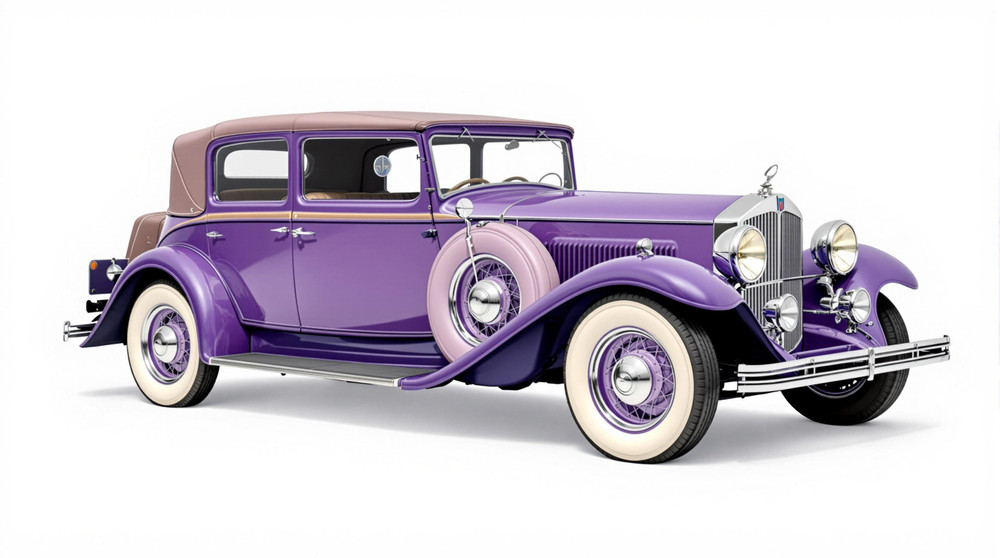
Image of 1931 Pierce-Arrow Model 41, Note: These illustrations use artistic license and may differ from actual historical models.
Performance Metrics
Fundamental Metrics
Emotional Appeal
MMP Rating
| Engine Specifications | |
|---|---|
| Engine: | Inline 8 |
| Displacement: | 6300 cc |
| Horsepower: | Estimated 132-150 HP |
| Torque: | Not available |
| Compression Ratio: | Not available |
| Ignition System: | Battery and coil |
| Cooling System: | Water-cooled |
| Performance Specifications | |
| 0-60 Time: | Not available |
| 1/4 Mile Time: | Not available |
| Top Speed: | Estimated 85-100 mph |
| Transmission and Drive | |
| Drive Type: | Rear wheel drive |
| Transmission Type: | 3-speed manual |
| Fuel and Efficiency | |
| Fuel System Type: | Carburetor |
| MPG: | Not available |
| Dimensions and Brakes | |
| Brakes: | 4-wheel drum brakes |
| Wheelbase: | 142 inches |
| Weight: | Estimated 5000-5500 lbs |
Note: Specifications for classic cars are given to the best of our ability, considering the limited and variant data available.
1931 Pierce-Arrow Model 41: American Luxury at Full Stride
The 1931 Pierce-Arrow Model 41 announced its arrival with a long, formal hood, sweeping fenders, and headlamps that seemed to grow directly from the bodywork. It was a grand American automobile from a manufacturer whose name stood for craftsmanship, engineering, and considerable prestige.
Built by the Pierce-Arrow Motor Car Company of Buffalo, New York, the Model 41 belonged to the marque’s high-end Eight series. Its 132-inch wheelbase and substantial straight-eight engine gave it the proportions and presence expected of a luxury car in the early 1930s. Pierce-Arrow had already earned a reputation for quality, and its distinctive fender-mounted headlights, introduced years earlier, had become one of the company’s signature design features.
The timing was challenging. The Great Depression was squeezing the market for expensive cars, yet Pierce-Arrow continued to build automobiles for customers who wanted something more individual than a mass-market sedan. The company’s later Silver Arrow show cars would become the marque’s best-known styling statement, but the Model 41 represents Pierce-Arrow’s classic prewar luxury formula at its most confident.
Art Deco Presence and Coachbuilt Comfort
The Model 41’s exterior is all stately proportions. A tall, upright radiator shell leads into a long hood, typically finished with rows of side louvers that emphasize the car’s length. The fenders arc broadly over the wheels, while running boards connect the front and rear fenders in a strong horizontal line. Depending on body style, details such as dual side-mounted spare tires, wire wheels, and a rear-mounted trunk added even more visual weight.
Those famous Pierce-Arrow headlamps are the detail most likely to stop a passerby. Rather than sitting on separate brackets beside the radiator, they were integrated into the front fenders, creating a cleaner, more unified appearance. It was a distinctive solution that made the car recognizable from across a parking lot and helped establish Pierce-Arrow’s identity.
Inside, the Model 41 was designed for long-distance comfort and formal travel. Buyers could expect carefully finished wood trim, quality upholstery, substantial door panels, and generous seating. Exact materials and equipment varied with the body and order, but the overall impression was one of solidity and careful workmanship rather than decorative excess. Sedans offered an enclosed cabin suited to year-round use, while open cars gave their owners a more theatrical way to travel.
Body styles available across the Model 41 range included sedan and coupe configurations, with passenger capacity and coachwork varying by version. Five-passenger sedans were a practical luxury choice, while more formal and open-bodied styles appealed to buyers seeking a more distinctive car. Pierce-Arrow also had a tradition of accommodating individual tastes, so equipment and finishes could differ from one example to another. The most iconic look today is often the long, closed sedan with its fender-mounted lamps and dual side spares.
Paint choices depended on the body and the customer’s order rather than a single universal color list. Period luxury buyers favored dignified shades such as black, deep blue, maroon, and dark green, sometimes paired with contrasting trim or a two-tone treatment. Dark, understated colors suit the Model 41 particularly well, though a carefully chosen two-tone finish can bring out its long fenders and flowing body lines.
Engineering for the Luxury Class
At the heart of the Model 41 was a 366-cubic-inch L-head straight-eight engine, rated at about 125 horsepower. Its long, smooth power delivery suited the car’s role: the goal was not sharp acceleration or racing performance, but relaxed progress with enough reserve to move a heavy luxury automobile confidently. A three-speed manual transmission put the driver in control, while the engine’s broad torque helped make ordinary driving less demanding once underway.
For its era, the Model 41 combined substantial engine capacity with a chassis built for comfort and durability. Its fender-integrated headlights were a highly visible innovation, but Pierce-Arrow’s reputation also rested on less obvious qualities: careful assembly, robust components, and a willingness to build cars to a high standard rather than compete on price. As with many luxury cars of the period, equipment and specification could vary, so individual surviving examples should be assessed on their actual components and history.
The Model 41 arrived in a competitive field that included Packard, Cadillac, and Lincoln. What set it apart was its combination of formal styling, distinctive lighting design, and a reputation for meticulous construction. Pierce-Arrow did not invent every feature found on the car, but it gave those features a recognizable identity. The integrated headlamps, in particular, became a lasting visual signature and an early example of a maker using a functional component to distinguish its design.
Road Manners and Performance
Period specifications and present-day conditions make exact performance figures difficult to apply to every Model 41. A well-maintained example with its original 125-horsepower engine could likely reach roughly 75 to 85 mph, depending on body style, gearing, and mechanical condition. A modern-style 0-to-60-mph figure was not a central selling point for a car of this class. As a practical estimate, expect acceleration to take around 20 to 25 seconds, with significant variation between cars.
The Model 41 is a large, heavy automobile, and it feels like one. Its long wheelbase helps it settle over broad, uneven roads, giving the ride a composed, deliberate character. Sharp bumps and broken pavement still make themselves known through the chassis, but the car is more comfortable at a steady touring pace than when hustled through rough streets. On winding roads, the driver needs to plan ahead: the steering is not as quick as that of a modern car, and the car’s size and mass reward smooth inputs rather than abrupt maneuvers.
Behind the wheel, the experience is about rhythm. The straight-eight produces a low, even mechanical hum, and the driver works the manual gearbox deliberately while keeping an eye on the road and the car’s substantial dimensions. The hood seems to stretch ahead for yards, the steering requires attention, and braking distances are longer than drivers expect from a modern automobile. A Model 41 is best enjoyed at a measured pace, where its smooth engine and dignified ride can do their work.
What Ownership Really Involves
Today, a Model 41 is most often a collector car, a touring vehicle, or a centerpiece at concours and classic-car events. Some owners drive their cars on organized vintage tours, but regular commuting is uncommon. The car’s size, age, fuel consumption, and need for careful maintenance make it better suited to planned outings than everyday traffic.
Maintenance is manageable for an experienced vintage-car enthusiast, but it is not a casual do-it-yourself project for every owner. Routine servicing requires familiarity with prewar ignition, carburetion, cooling, lubrication, and braking systems. Some repairs can be handled by a capable owner with the right tools and service information; specialized engine, transmission, body, or trim work is better left to a shop with experience in early Pierce-Arrow cars.
Parts availability is another consideration. Common service items may be obtainable through specialist suppliers or marque networks, while model-specific trim and coachwork pieces can be difficult and expensive to source. A pre-purchase inspection should include the engine, cooling system, transmission, brakes, chassis, wood structure where applicable, and the condition of any restoration. A beautifully polished body can conceal substantial mechanical or structural work.
Rare Details and Common Criticisms
The Model 41’s most memorable trivia is built right into its front end: its lamps are part of the fenders, not separate ornaments beside them. That feature reflects Pierce-Arrow’s long-standing emphasis on distinctive design and remains one of the easiest ways to identify the marque. The model did not set a widely celebrated production-car speed or endurance record; its appeal was rooted in luxury, engineering, and craftsmanship rather than competition.
Its chief criticism today is shared by many large prewar cars: it demands patience. The Model 41 is heavy, slow to accelerate by modern standards, and more work to maneuver and stop than a contemporary vehicle. Its fuel economy is modest, and restoration costs can be high. Those are not hidden flaws so much as reminders that the car was designed for a very different road system and a different idea of comfortable travel.
Collector Value and Availability
Precise production figures for individual body styles can be difficult to pin down, and surviving cars are only a fraction of the original fleet. As a best estimate, the Model 41 was likely produced in the low thousands, perhaps around 1,000 to 1,500 examples across its body variations. That is an informed estimate rather than a definitive factory tally. Today, examples appear infrequently, and a particular body style, restoration quality, and documented history can make a major difference to availability and value.
As a broad current-market estimate, a Model 41 in need of substantial restoration might sell for roughly $30,000 to $60,000. A sound, presentable driver could fall around $60,000 to $120,000, while an excellent restoration or especially desirable body may bring approximately $125,000 to $250,000 or more. These are general ranges, not appraisals. Condition, originality, provenance, coachwork, and the quality of the restoration matter far more than a single headline figure.
Values for high-quality prewar American luxury cars have generally benefited from their rarity and historical appeal, but the market is selective. Exceptional, well-documented cars tend to attract the strongest interest, while projects and cars with questionable restorations can be difficult to sell. The Model 41 is best viewed as a significant collector automobile to acquire for its character and craftsmanship, not as a guaranteed short-term investment.
A Pierce-Arrow Worth Remembering
The 1931 Pierce-Arrow Model 41 brought together a smooth straight-eight engine, imposing proportions, carefully finished coachwork, and one of the most distinctive lighting designs in American automotive history. It was created for buyers who valued quality and presence, even as the Depression made such automobiles increasingly difficult to sell.
More than ninety years later, the Model 41 still makes its case in the same way: with a long hood, a measured engine note, and a profile that belongs unmistakably to another era. It is not simply a large old car. It is a rolling expression of Pierce-Arrow’s ambition to build American luxury on its own terms.
1931 Pierce-Arrow Model 41 Catalog of Parts
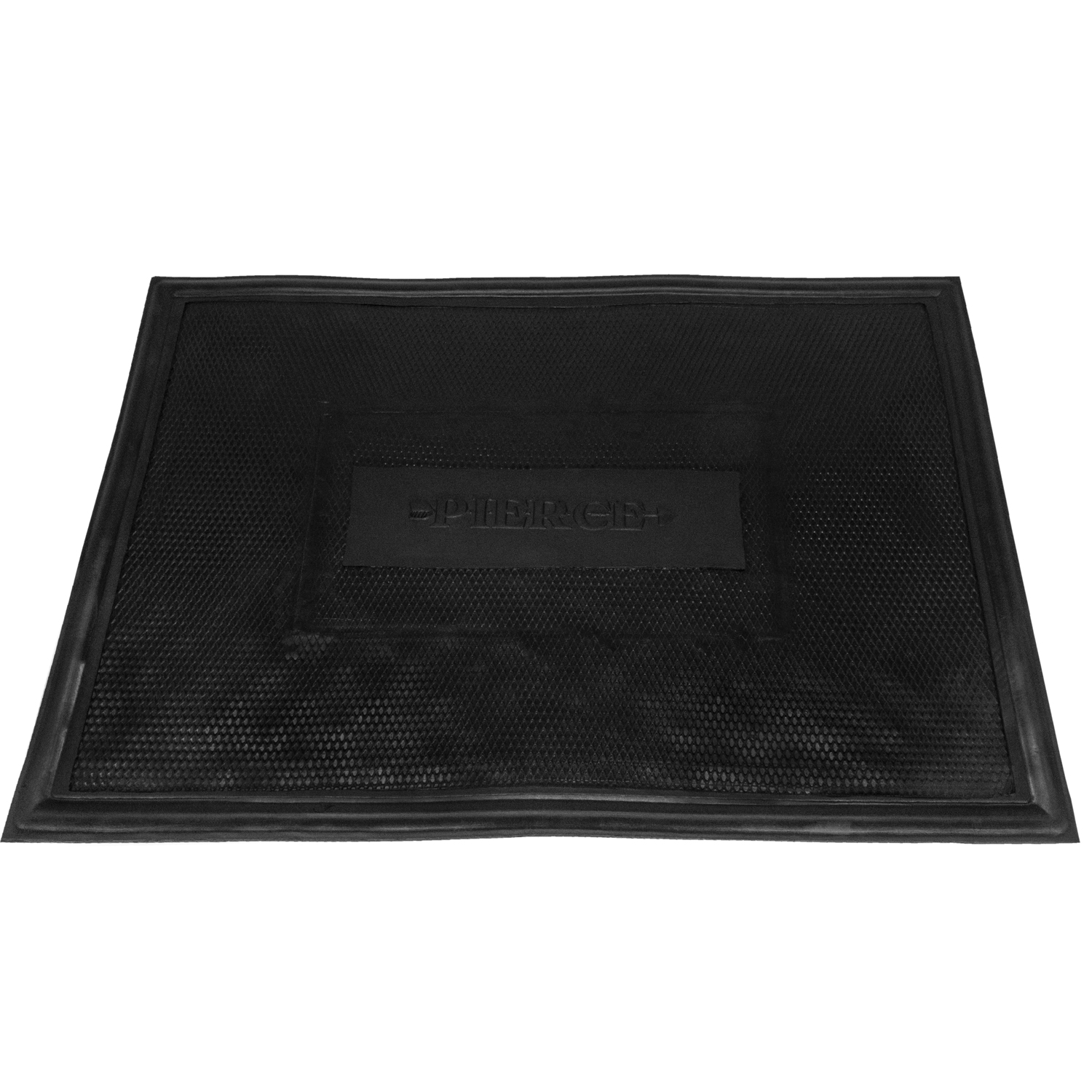 1931 Pierce-Arrow Model 41 Accessory Floor Mat - 12"X17"-AC 16Accessory Floor Mat - made of high quality black rubber with molded original emblem. Also designed to be sewn into new carpets. 12"X17", Each
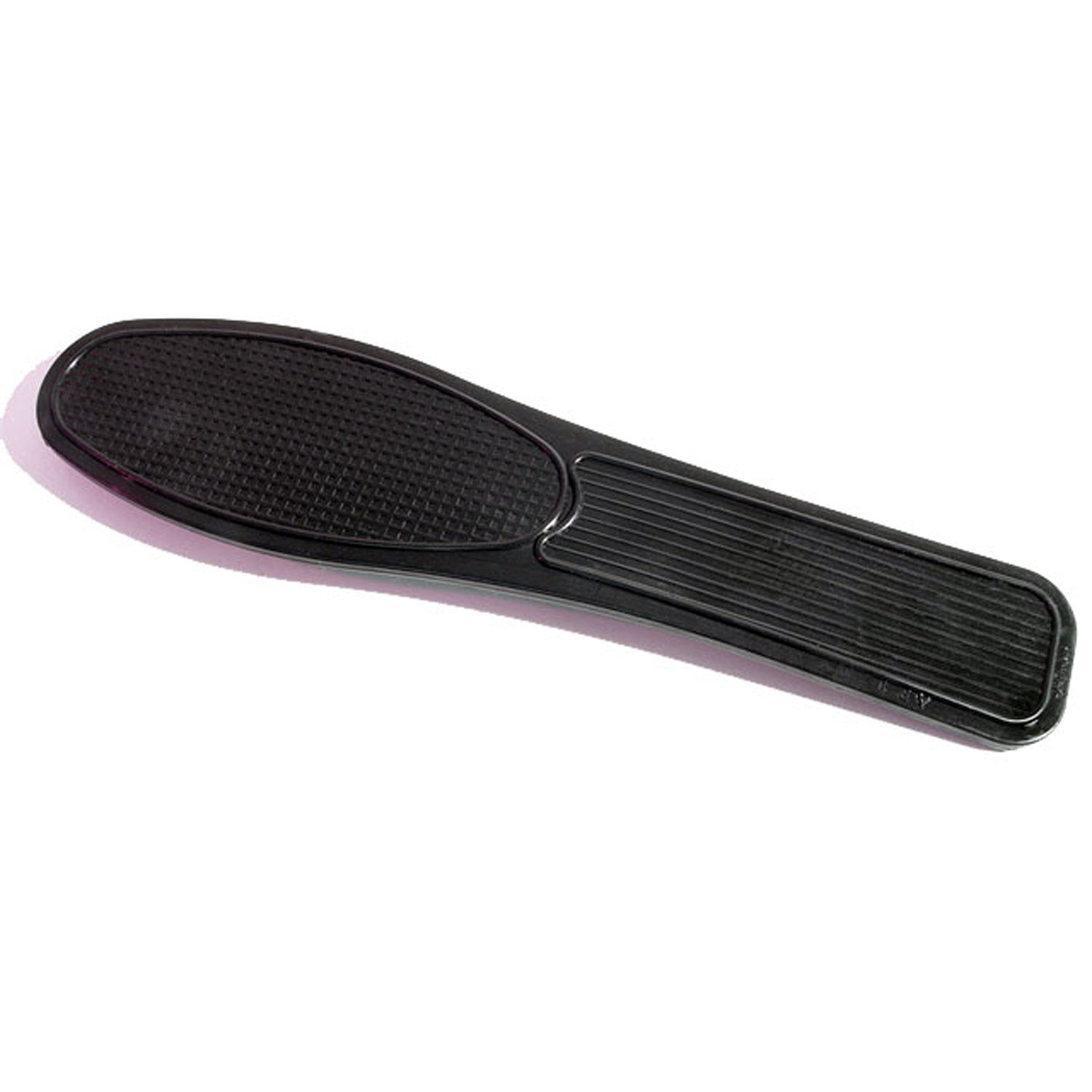 1931 Pierce-Arrow Model 41 Accelerator Pedal Pad. Cement on type. No emblem-AP 121Accelerator Pedal Pad. Cement on type. No emblem. 2-1/2" X 10-1/8", Each
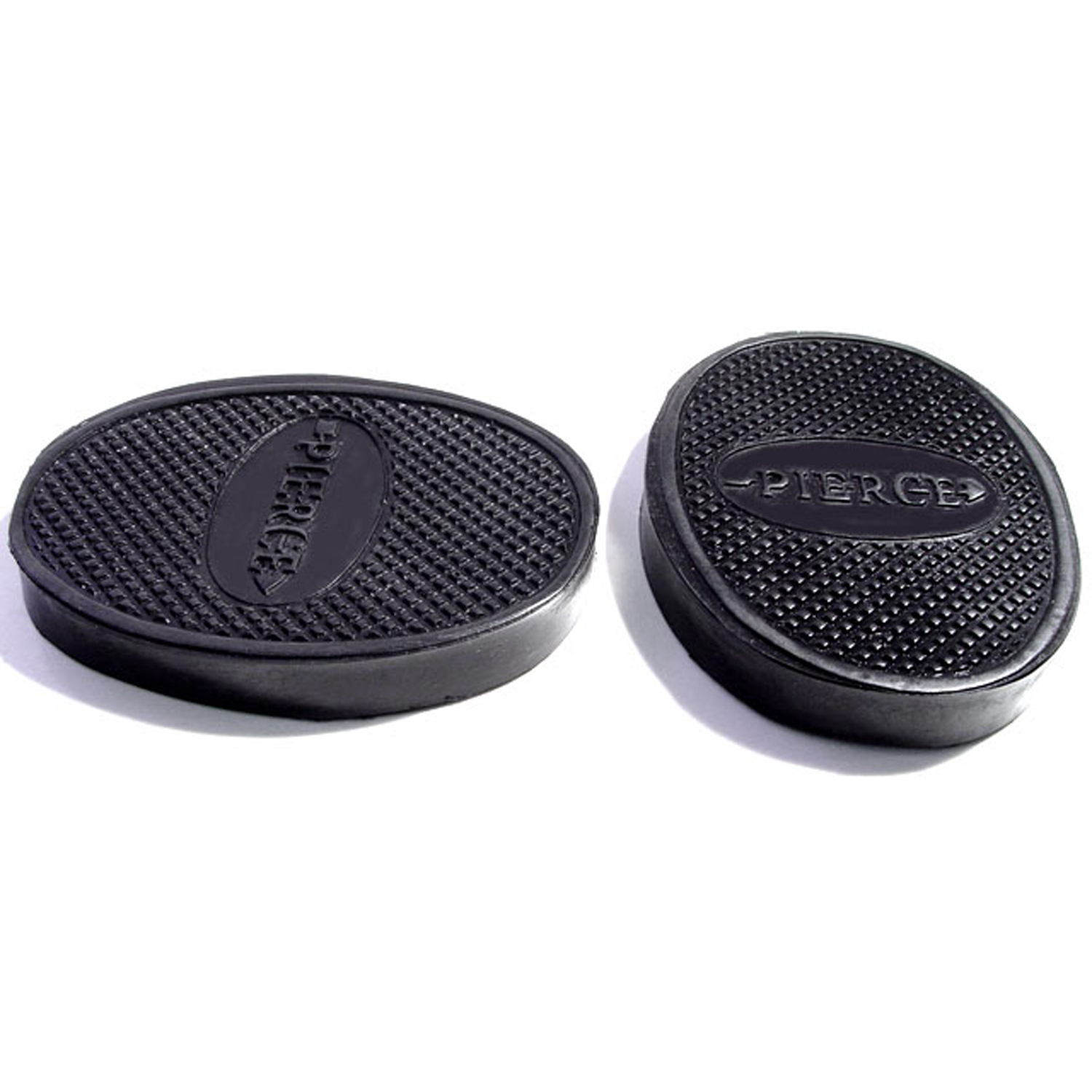 1931 Pierce-Arrow Model 41 Clutch and Brake Pedal Pads. Sharp Emblem-CB 33Clutch and Brake Pedal Pads. Sharp Emblem. 3" wide X 4-1/8" long. Pair
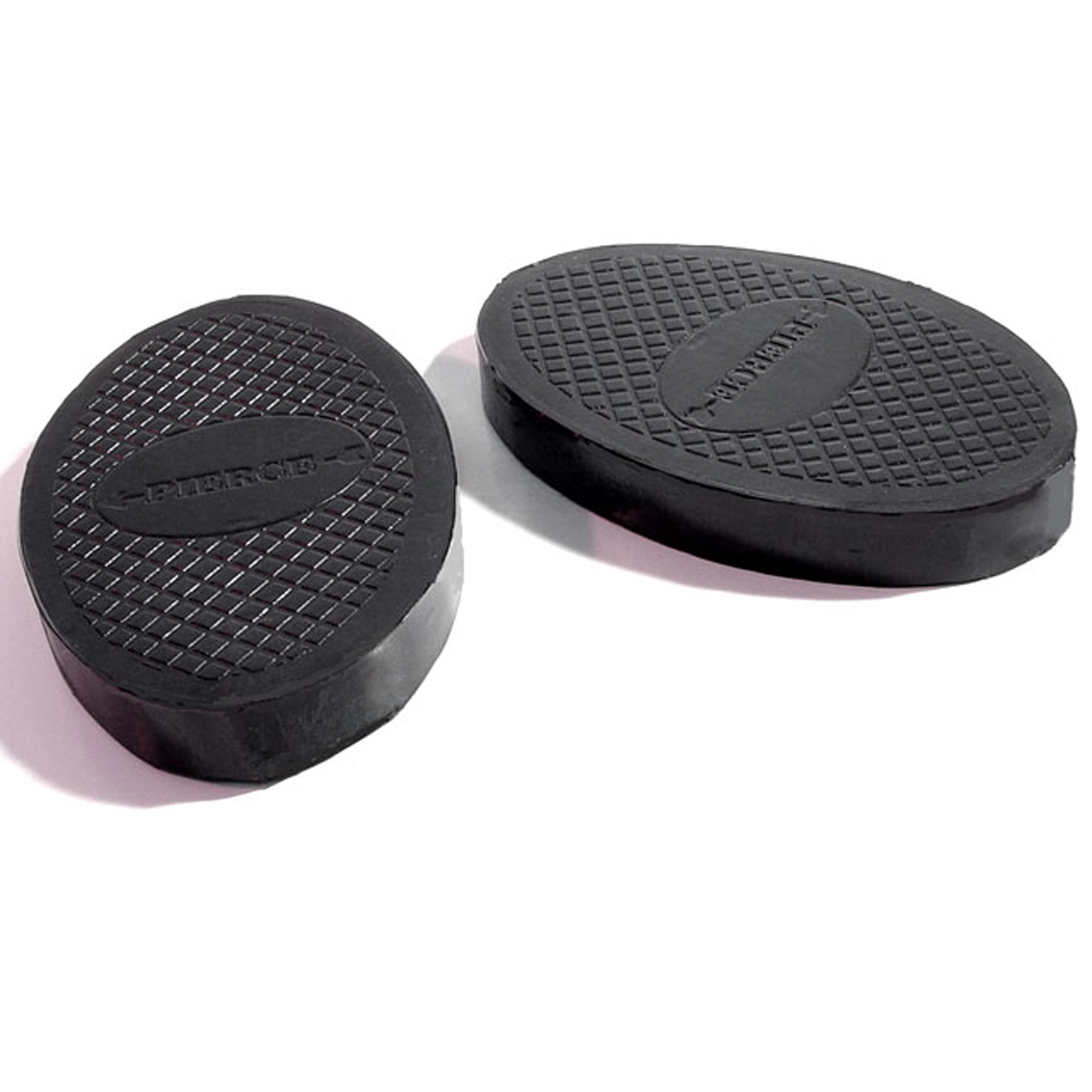 1931 Pierce-Arrow Model 41 Clutch and Brake Pedal Pads. Sharp-looking Emblem-CB 34Clutch and Brake Pedal Pads. Sharp-looking Emblem. 2-7/8" wide X 4-3/4" long. Pair
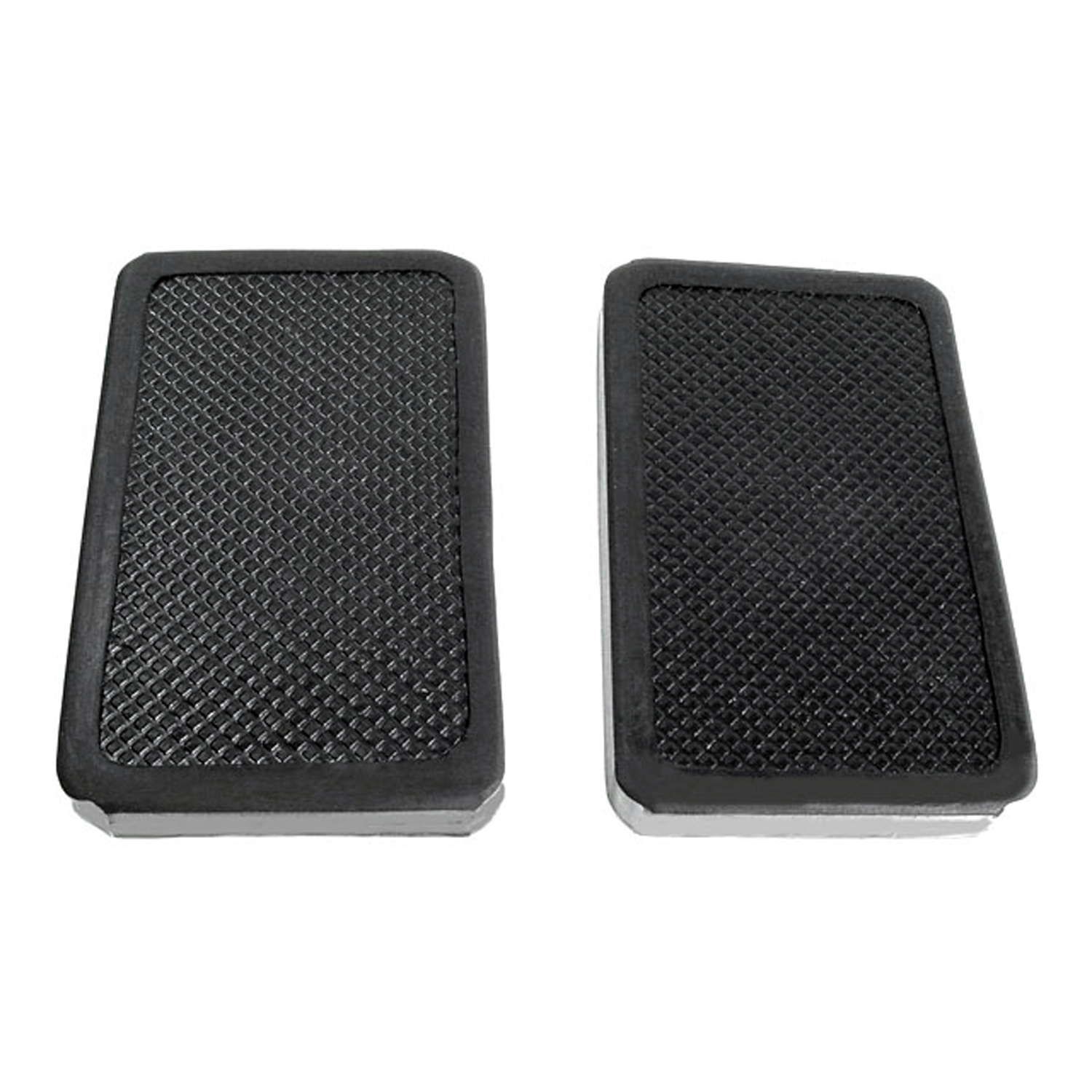 1931 Pierce-Arrow Model 41 Clutch and Brake Pedal Pads. 3" wide X 5" long. Pair-CB 35Clutch and Brake Pedal Pads. 3" wide X 5" long. Pair
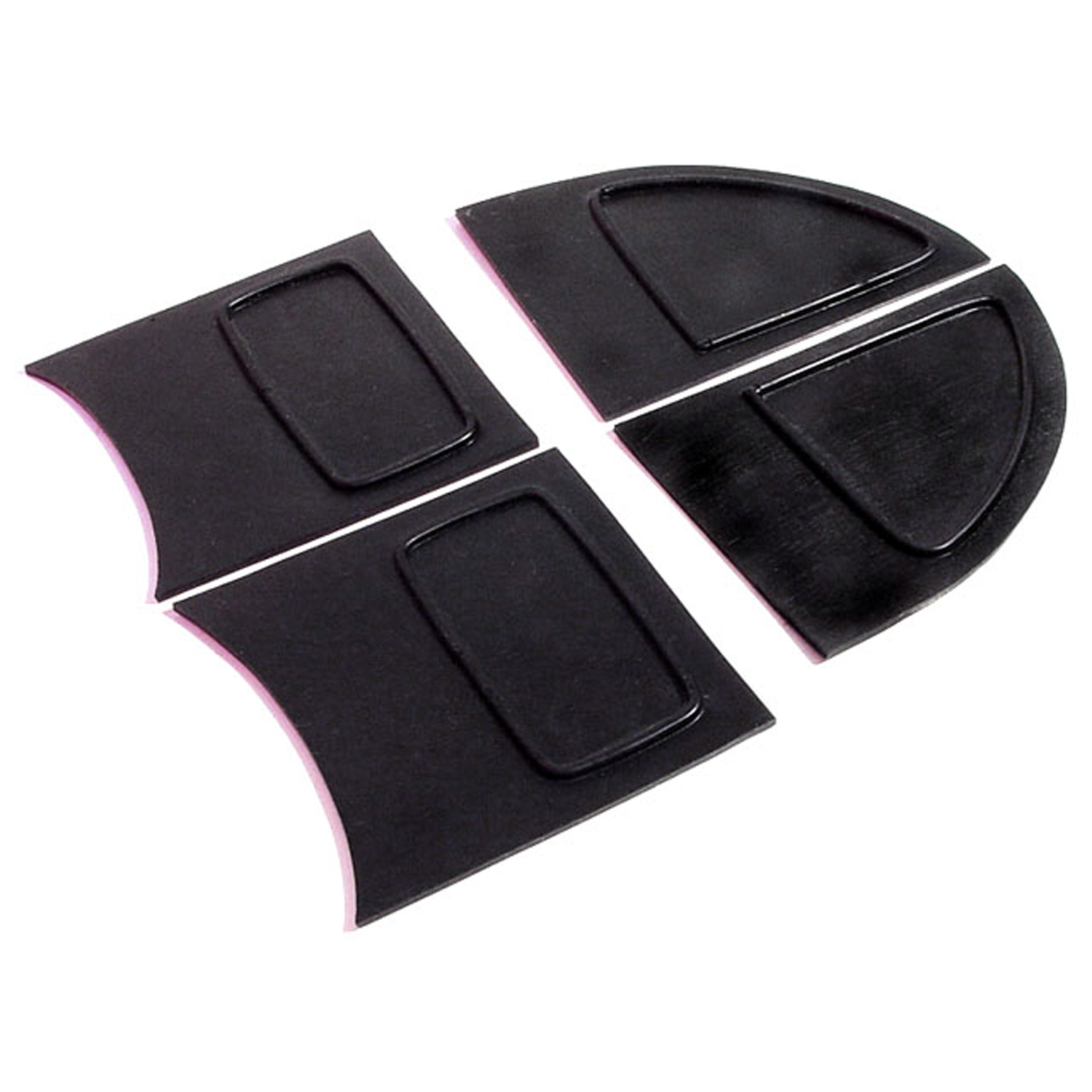 1931 Pierce-Arrow Model 41 Hood Corner Covers. Flat rubber with original design-HC 20Hood Corner Covers. Flat rubber with original design. Used to recover old metal. Tall pad is 3-1/4" long X 2-1/4" wide. Other is 2-1/2" wide. Set
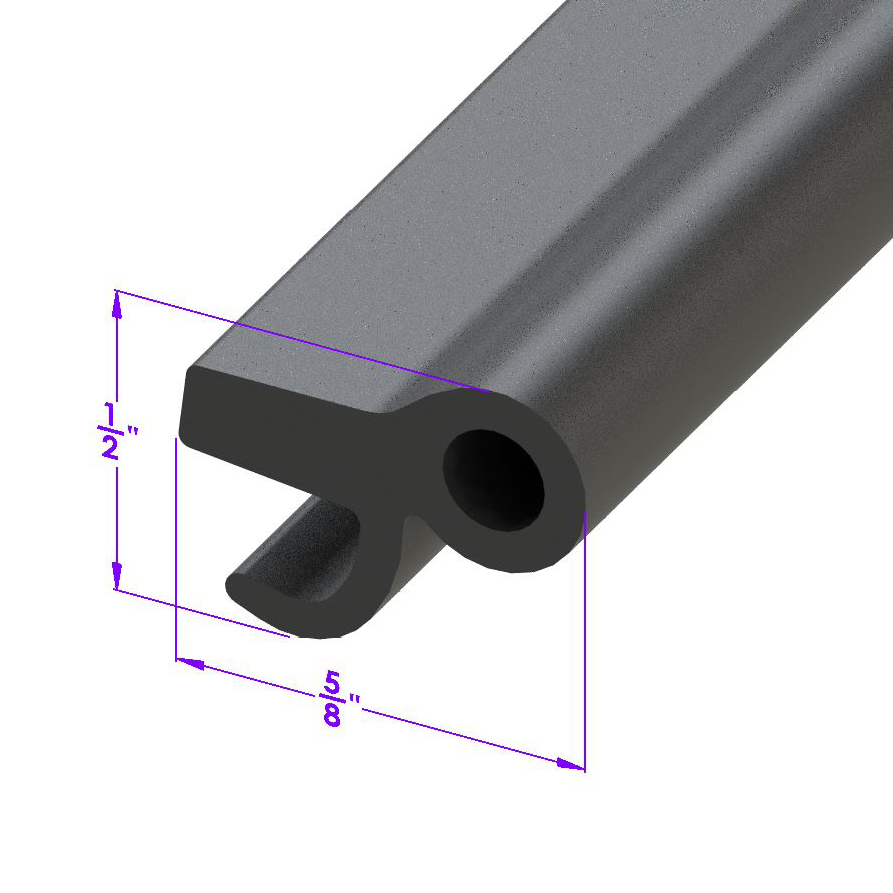 1931 Pierce-Arrow Model 41 Swing-Out Windshield Seal-LP 97-CSwing-Out Windshield Seal. For both one- and two-piece windshields. Sold by the foot
Why Choose Metro?
For over 100 years, Metro Moulded Parts has been the pinnacle of quality in classic car restoration parts. Our commitment to precision and authenticity in every component ensures a perfect fit and an OEM-level appearance.
- Expert Craftsmanship & Quality: Each part is a testament to our dedication to reliability and perfection, crafted from original designs and thoroughly tested.
- Advanced Technology: We use cutting-edge techniques to create flawless, long-lasting parts that surpass others in performance.
- SuperSoft Sponge – The Ultimate Door Seal: Not only are our door seals 30% softer than competitors', but they're also guaranteed to never leak. They effectively reduce wind and road noise, enhancing your classic car's comfort and driving experience.
- Proudly American: Our parts are a product of American craftsmanship, made in the USA with a spirit of excellence and heritage.
- Unrivaled Warranty: We back our products with a 30-year industry-leading warranty, a testament to our confidence in their quality.
Join us in preserving the legacy of classic cars with parts that are crafted for perfection, not just made.