
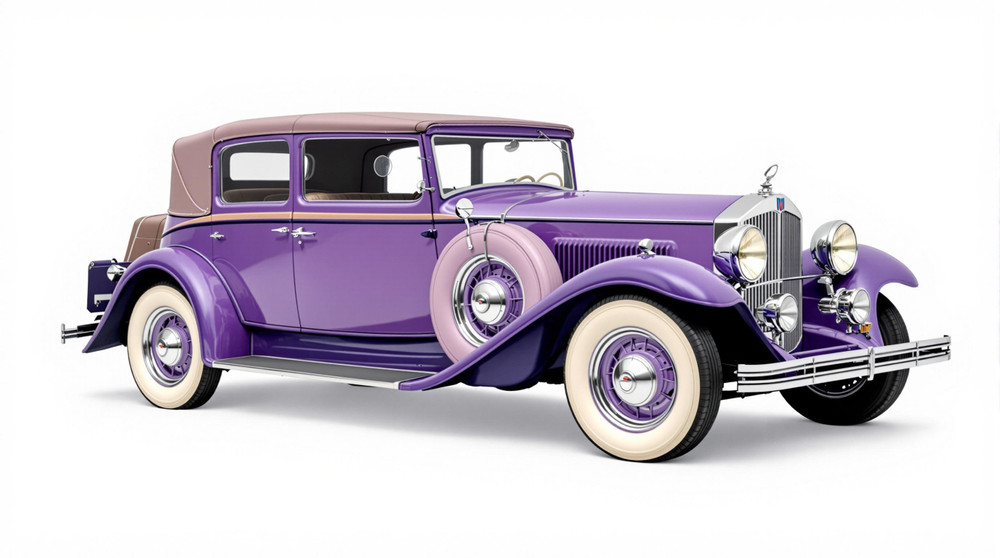
Image of 1931 Pierce-Arrow Model 42, Note: These illustrations use artistic license and may differ from actual historical models.
Performance Metrics
Fundamental Metrics
Emotional Appeal
MMP Rating
| Engine Specifications | |
|---|---|
| Engine: | Inline 8-cylinder |
| Displacement: | 6.8L |
| Horsepower: | Estimated 125-150 HP |
| Torque: | Not available |
| Compression Ratio: | Not available |
| Ignition System: | Battery and coil |
| Cooling System: | Water-cooled |
| Performance Specifications | |
| 0-60 Time: | Not available |
| 1/4 Mile Time: | Not available |
| Top Speed: | 85-90 mph |
| Transmission and Drive | |
| Drive Type: | Rear-wheel drive |
| Transmission Type: | 3-speed manual |
| Fuel and Efficiency | |
| Fuel System Type: | Carburetor |
| MPG: | Not available |
| Dimensions and Brakes | |
| Brakes: | Mechanical drum brakes |
| Wheelbase: | 142 inches |
| Weight: | 5,000 lbs |
Note: Specifications for classic cars are given to the best of our ability, considering the limited and variant data available.
1931 Pierce-Arrow Model 42: American Luxury in the Depression
The 1931 Pierce-Arrow Model 42 was built for buyers who expected a luxury car to feel substantial, move quietly, and look unmistakably distinguished. Made by the Pierce-Arrow Motor Car Company of Buffalo, New York, it paired a long-wheelbase chassis with a smooth straight-eight engine and the careful finish that had made the marque one of America’s most respected prestige manufacturers.
Its arrival came at a difficult moment. The Great Depression was shrinking the market for expensive automobiles, yet Pierce-Arrow continued to build cars aimed at customers who valued engineering and craftsmanship over economy. A particularly memorable part of the marque’s story was its earlier adoption of headlamps integrated into the front fenders, a distinctive design idea that helped make Pierce-Arrow cars recognizable from a distance. The 1931 Model 42 carried that established visual identity into a new decade.
Long Lines, Fine Materials, and Custom Coachwork
The Model 42’s proportions announced its status before the engine was started. Its long hood, upright radiator, sweeping front fenders, and generous wheelbase gave it a formal, imposing profile. Pierce-Arrow’s signature fender-mounted headlamps flowed naturally into the front bodywork, while bright trim and carefully shaped details supplied elegance without making the car look delicate.
Inside, the emphasis was on comfort and finish. Depending on body style and specification, occupants could find broad upholstered seats, quality carpeting, polished wood trim, and substantial fittings. Leather and fine fabric upholstery were among the available luxury appointments. Buyers could also select equipment and interior details to suit their tastes, so surviving cars may differ considerably from one another.
Exterior paint choices varied by body and order. Deep, formal shades such as dark blue, maroon, green, and black were natural choices for a prestige car of the period, but factory and coachwork options could be more varied. It is safest to treat any single color as a popular period preference rather than a definitive Model 42 color list.
The Model 42 was a chassis and model designation rather than one fixed body shape. Sedans and closed, chauffeur-friendly bodies suited formal use, while open touring and convertible-style bodies offered a more sporting look. Exact offerings depended on the year’s catalog and coachwork specification. The closed sedan is among the most recognizable choices today, but the model’s range of body styles was part of its appeal: buyers could choose a private luxury car, a family touring car, or a more formal automobile.
Engineering in an Era of Change
At the heart of the Model 42 was a large L-head straight-eight, commonly listed at about 366 cubic inches and 125 horsepower. Its long, even firing sequence delivered the smooth, unhurried power expected of an upper-tier American car. The engine was designed to move a heavy automobile with composure rather than to chase sports-car performance.
That character set the Pierce-Arrow apart from many contemporaries. The company emphasized precision, durability, and refinement, while its distinctive styling made its cars easy to identify. The Model 42 also represented a particular moment in luxury-car history: manufacturers were refining powerful, comfortable machines just as the Depression was forcing the entire high-priced market to contract.
Its influence is best understood as part of Pierce-Arrow’s broader legacy rather than as a single technical revolution. The marque helped define the American prestige automobile through substantial engineering, formal styling, and a willingness to offer extensive customization. Those qualities remain central to how collectors distinguish a Pierce-Arrow from more ordinary cars of the period.
Performance and Road Manners
Period performance figures are not consistently documented for every Model 42 body and specification. A well-maintained example is often estimated to reach roughly 75 to 85 mph, with 0-to-60 mph acceleration likely taking around 20 seconds or more. These should be treated as practical estimates, not guaranteed factory test results. Vehicle weight, gearing, body style, mechanical condition, and tire choice all affect performance.
On the road, the Model 42 is better understood as a fast luxury tourer than a nimble modern car. Its long wheelbase helps it glide over ordinary road imperfections, though worn suspension components or rough surfaces can still make the ride unsettled. On winding roads, the car’s size and weight call for anticipation: the driver needs to plan braking and cornering well in advance rather than turn in sharply.
The driving experience is part of the attraction. The straight-eight produces a deep, restrained mechanical note, and its smooth delivery encourages steady cruising. Steering and braking require more effort than in a modern car, while the driver’s position and controls reflect the conventions of the early 1930s. At its best, a Model 42 feels composed and stately, rewarding a measured pace rather than hurried driving.
Living With a Pierce-Arrow
Today, a Model 42 is most at home on touring events, historic rallies, concours lawns, and private collections. It can be driven on suitable roads, but its age, value, and parts requirements make routine modern commuting impractical for most owners.
Maintenance is manageable for an experienced vintage-car mechanic, but it is not a simple do-it-yourself proposition for every owner. The straight-eight and chassis use period systems that require familiarity, and replacement parts may need to come from marque specialists, vintage suppliers, or careful rebuilding. Regular lubrication, attention to cooling and ignition systems, and inspection of the brakes and tires are essential. Reliability depends heavily on the quality of restoration and ongoing care.
Rarity, Trivia, and Common Complaints
Exact production totals for the Model 42 are not easy to establish from widely available summaries, and figures can vary depending on whether they count chassis, body styles, or complete cars. A reasonable working estimate is several hundred to around 1,000 Model 42 examples for 1931, within Pierce-Arrow’s much larger overall output for the year. That is an estimate, not a confirmed factory tally. Surviving cars are rarer still, and open or unusually specified bodies can be especially difficult to find.
The model’s appeal lies partly in its variety. Two Model 42s may share the same mechanical foundation yet look quite different because of body style, upholstery, paint, and equipment. No widely documented speed or endurance record is specifically associated with the Model 42, and its significance is not based on a single celebrity owner or headline-grabbing event. Its story is instead tied to Pierce-Arrow’s reputation as a leading American luxury maker during a challenging period.
Common criticisms are practical ones: the car is large, thirsty, slow to accelerate by modern standards, and more demanding to maintain than a mass-produced vintage vehicle. Parts availability and the cost of specialist work can also be daunting. For enthusiasts who value craftsmanship and presence, those drawbacks are part of the ownership calculation rather than reasons to dismiss the car.
Collector Value and Market Outlook
Values depend strongly on body style, originality, restoration quality, provenance, and mechanical condition. As a broad estimate, a project or incomplete example might bring roughly $25,000 to $50,000, while a sound, presentable driver could fall in the $60,000 to $120,000 range. A high-quality restoration or especially desirable body may exceed $150,000, with exceptional examples potentially selling for more. These are guide ranges, not appraisals; the market for individual prewar cars can be thin, and auction results vary widely.
The Model 42 is scarce enough to attract serious prewar-car collectors, but its market is specialized. Values have generally benefited from the growing appreciation of important American luxury cars, although top-tier restoration costs can outpace resale gains. As with many classics, originality and documented history often matter as much as the shine of a fresh restoration.
A Lasting American Luxury Car
The 1931 Pierce-Arrow Model 42 brought together a powerful straight-eight, elegant proportions, careful materials, and the flexibility of multiple body styles. It was created for an era when American luxury cars still represented the height of engineering and social prestige, even as economic conditions made that market increasingly uncertain.
More than a handsome survivor, the Model 42 is a reminder of what American luxury meant before streamlined mass production reshaped the automobile. Its long hood and quiet eight-cylinder engine still make a compelling case for taking the scenic route.
1931 Pierce-Arrow Model 42 Catalog of Parts
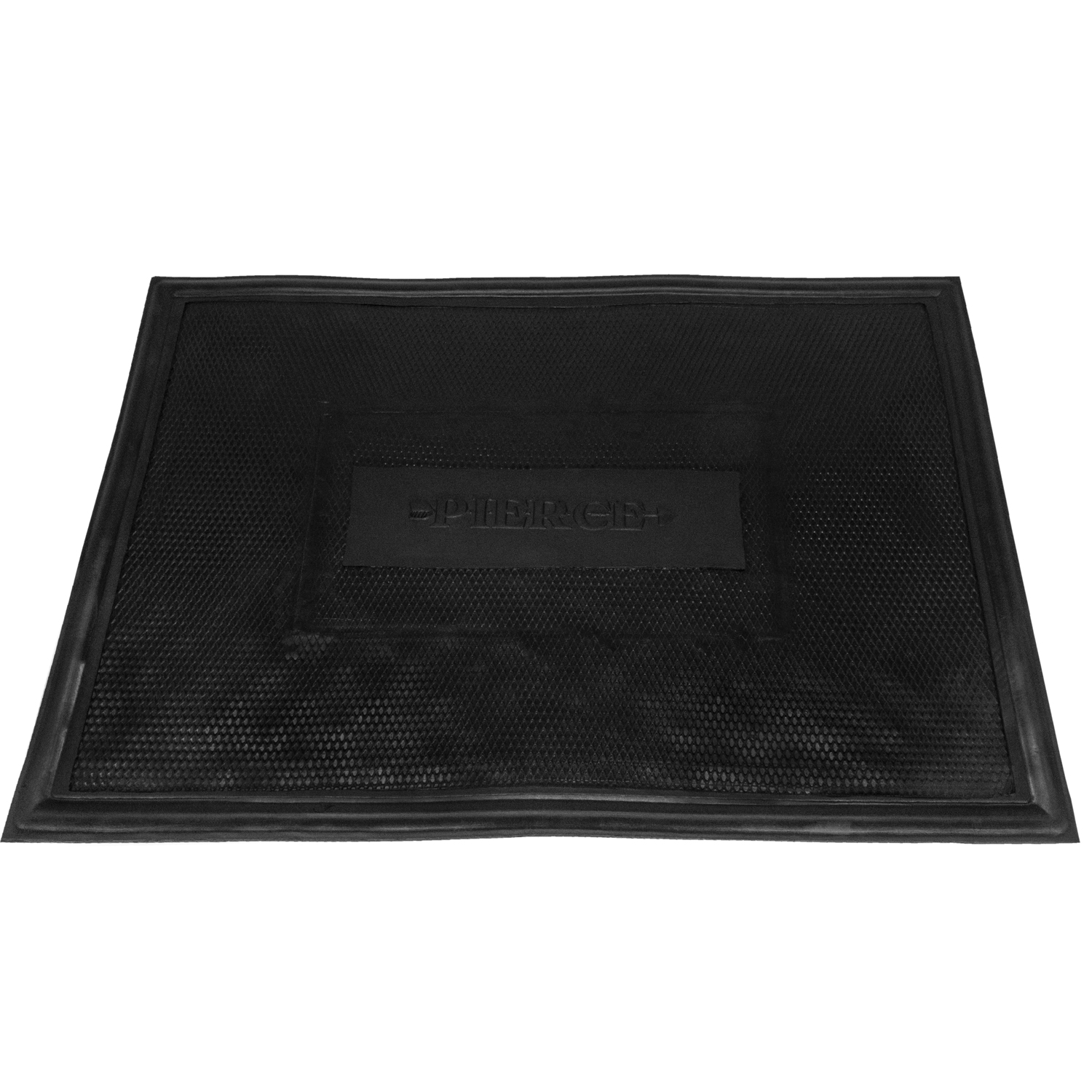 1931 Pierce-Arrow Model 42 Accessory Floor Mat - 12"X17"-AC 16Accessory Floor Mat - made of high quality black rubber with molded original emblem. Also designed to be sewn into new carpets. 12"X17", Each
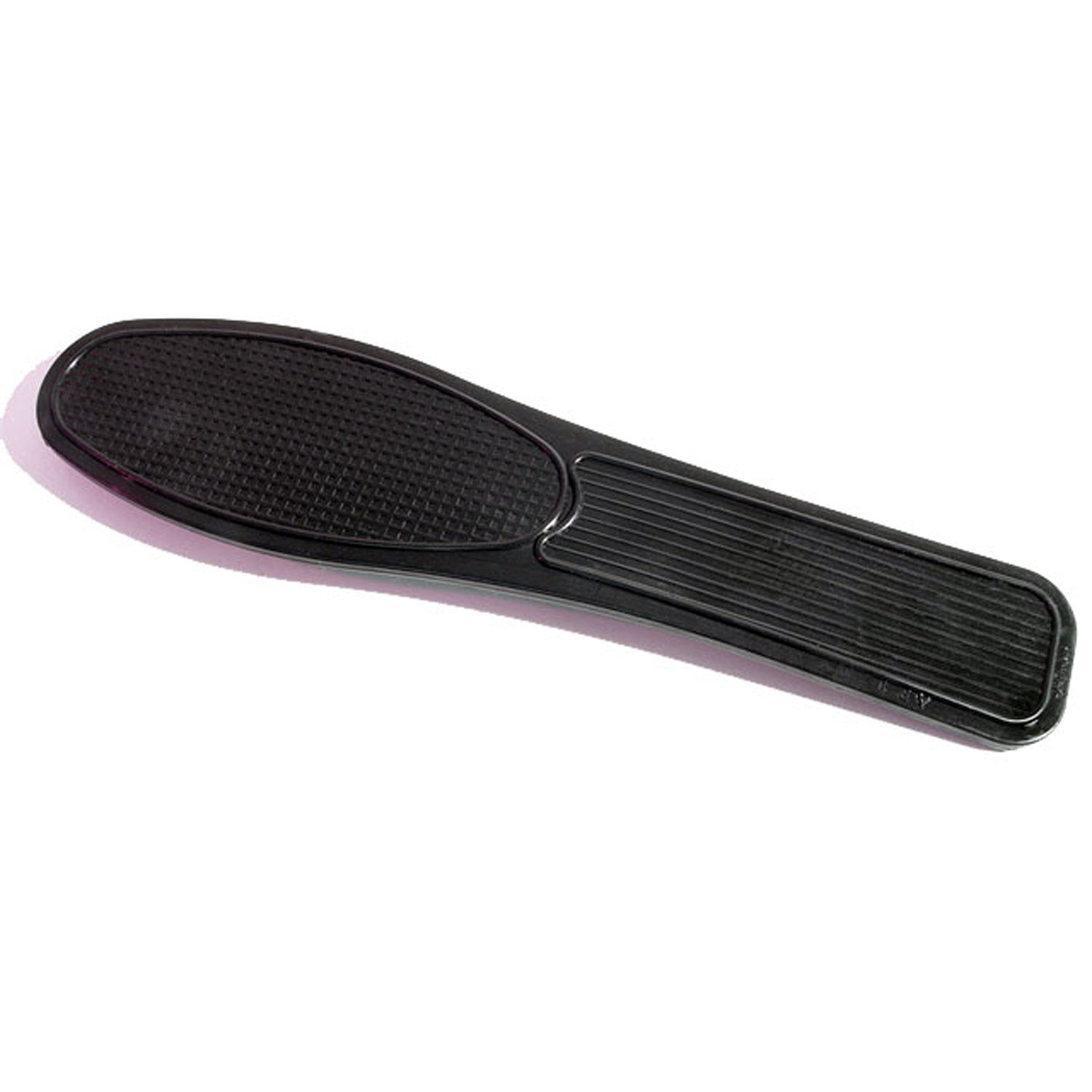 1931 Pierce-Arrow Model 42 Accelerator Pedal Pad. Cement on type. No emblem-AP 121Accelerator Pedal Pad. Cement on type. No emblem. 2-1/2" X 10-1/8", Each
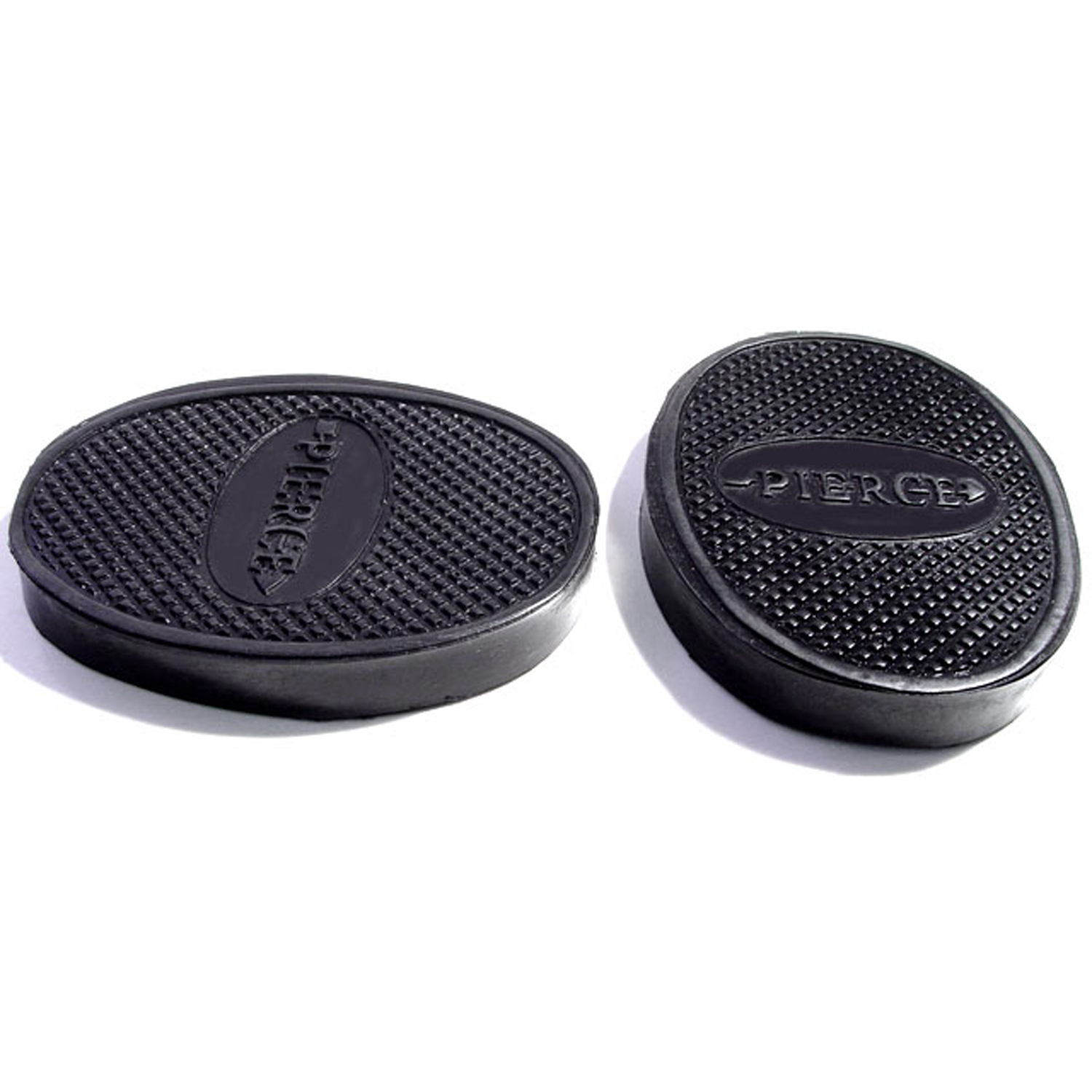 1931 Pierce-Arrow Model 42 Clutch and Brake Pedal Pads. Sharp Emblem-CB 33Clutch and Brake Pedal Pads. Sharp Emblem. 3" wide X 4-1/8" long. Pair
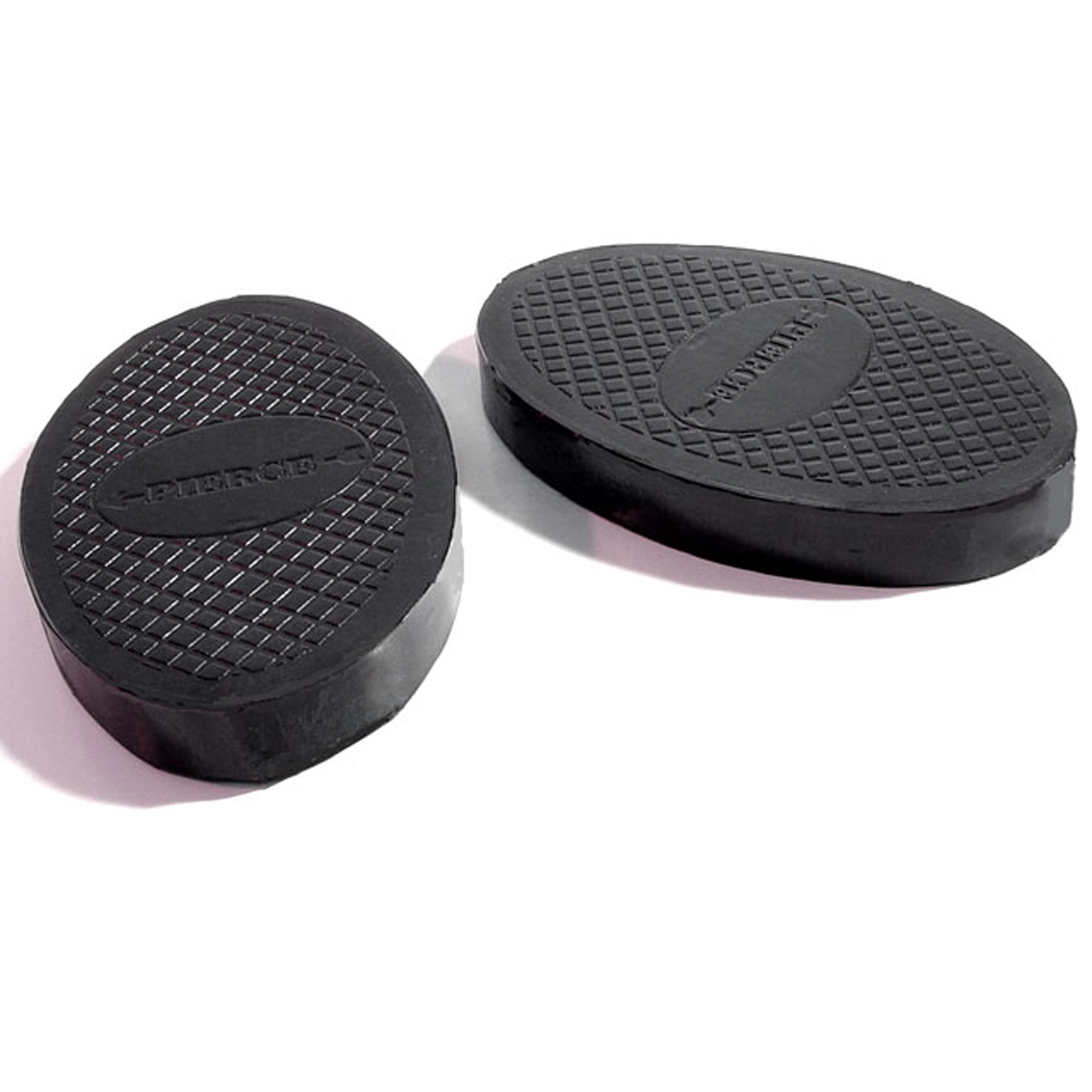 1931 Pierce-Arrow Model 42 Clutch and Brake Pedal Pads. Sharp-looking Emblem-CB 34Clutch and Brake Pedal Pads. Sharp-looking Emblem. 2-7/8" wide X 4-3/4" long. Pair
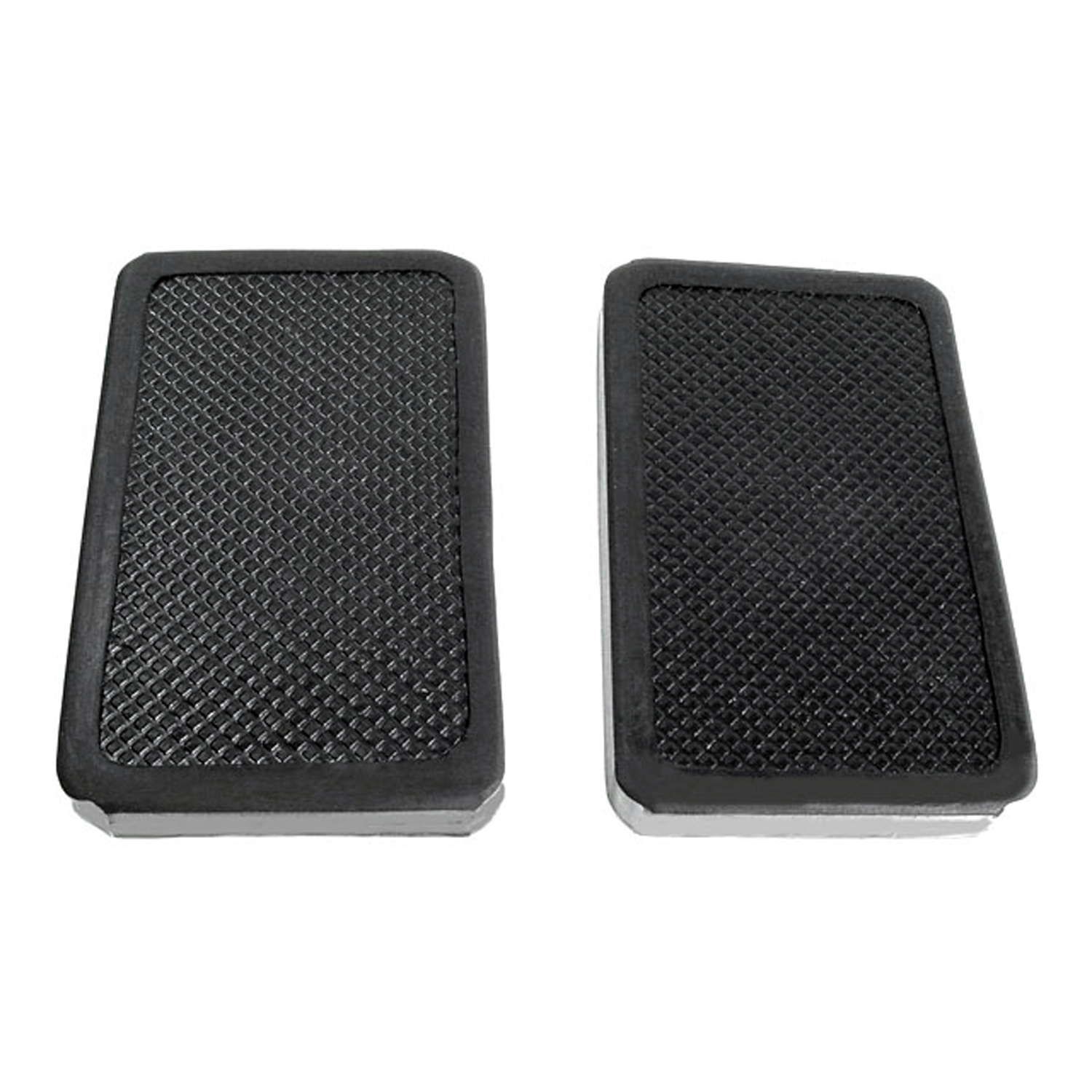 1931 Pierce-Arrow Model 42 Clutch and Brake Pedal Pads. 3" wide X 5" long. Pair-CB 35Clutch and Brake Pedal Pads. 3" wide X 5" long. Pair
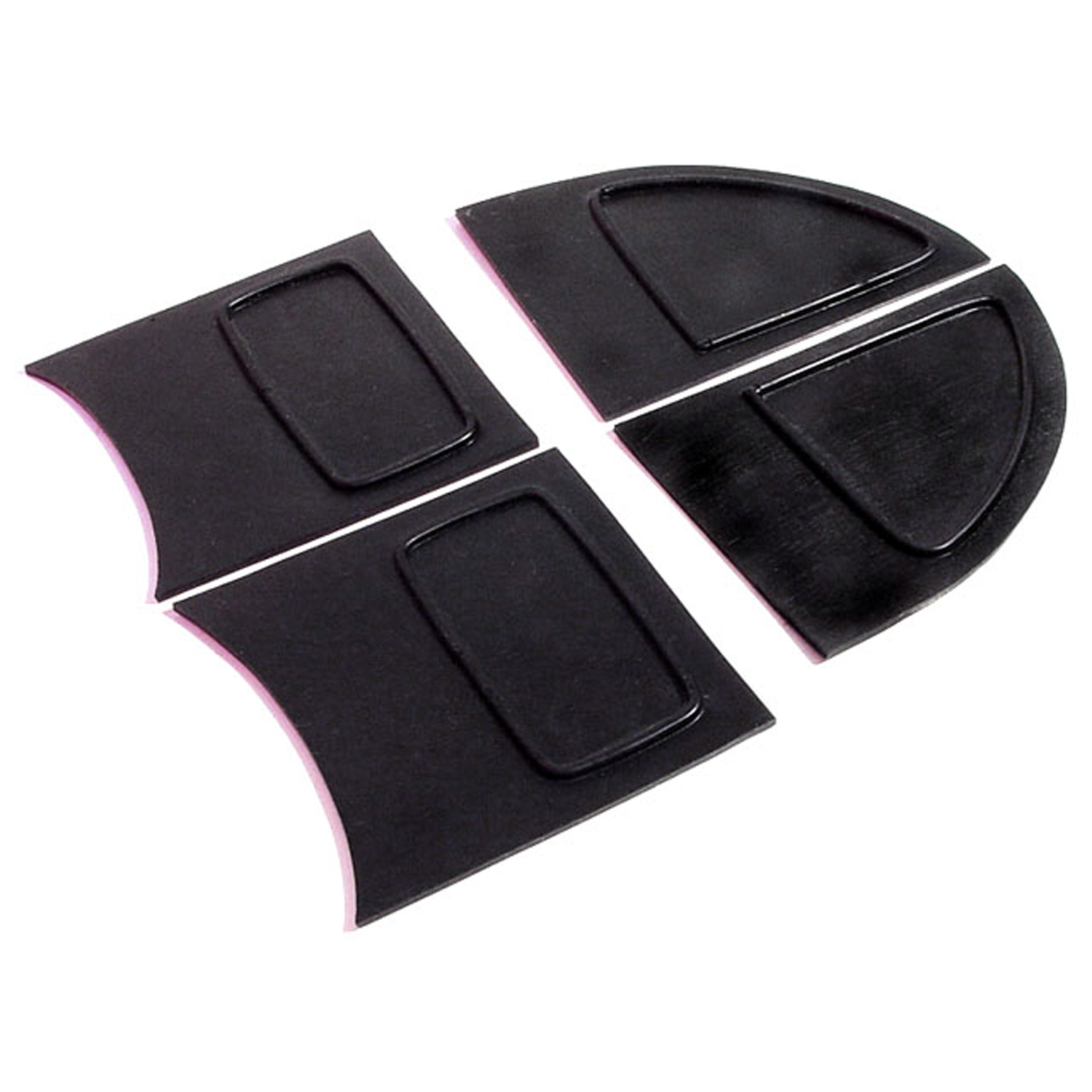 1931 Pierce-Arrow Model 42 Hood Corner Covers. Flat rubber with original design-HC 20Hood Corner Covers. Flat rubber with original design. Used to recover old metal. Tall pad is 3-1/4" long X 2-1/4" wide. Other is 2-1/2" wide. Set
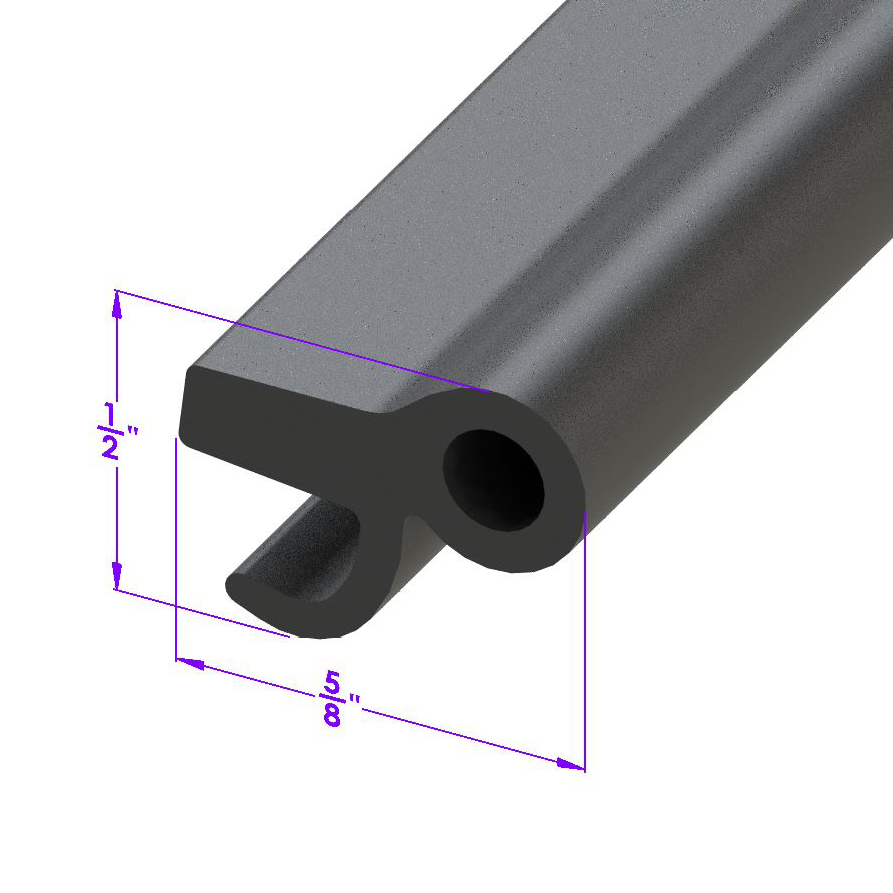 1931 Pierce-Arrow Model 42 Swing-Out Windshield Seal-LP 97-CSwing-Out Windshield Seal. For both one- and two-piece windshields. Sold by the foot
Why Choose Metro?
For over 100 years, Metro Moulded Parts has been the pinnacle of quality in classic car restoration parts. Our commitment to precision and authenticity in every component ensures a perfect fit and an OEM-level appearance.
- Expert Craftsmanship & Quality: Each part is a testament to our dedication to reliability and perfection, crafted from original designs and thoroughly tested.
- Advanced Technology: We use cutting-edge techniques to create flawless, long-lasting parts that surpass others in performance.
- SuperSoft Sponge – The Ultimate Door Seal: Not only are our door seals 30% softer than competitors', but they're also guaranteed to never leak. They effectively reduce wind and road noise, enhancing your classic car's comfort and driving experience.
- Proudly American: Our parts are a product of American craftsmanship, made in the USA with a spirit of excellence and heritage.
- Unrivaled Warranty: We back our products with a 30-year industry-leading warranty, a testament to our confidence in their quality.
Join us in preserving the legacy of classic cars with parts that are crafted for perfection, not just made.