

Image of 1933 Pierce-Arrow Model 1236, Note: These illustrations use artistic license and may differ from actual historical models.
Performance Metrics
Fundamental Metrics
Emotional Appeal
MMP Rating
| Engine Specifications | |
|---|---|
| Engine: | Straight 8 |
| Displacement: | 462 cubic inches |
| Horsepower: | Estimated 175 hp |
| Torque: | Not available |
| Compression Ratio: | Not available |
| Ignition System: | Battery and coil |
| Cooling System: | Water-cooled |
| Performance Specifications | |
| 0-60 Time: | Not available |
| 1/4 Mile Time: | Not available |
| Top Speed: | 85-90 mph |
| Transmission and Drive | |
| Drive Type: | Rear-wheel drive |
| Transmission Type: | 3-speed manual |
| Fuel and Efficiency | |
| Fuel System Type: | Carburetor |
| MPG: | Not available |
| Dimensions and Brakes | |
| Brakes: | 4-wheel drum brakes |
| Wheelbase: | 142 inches |
| Weight: | Estimated 5,000 lbs |
Note: Specifications for classic cars are given to the best of our ability, considering the limited and variant data available.
1933 Pierce-Arrow Model 1236: A V12 Luxury Car from Buffalo
The 1933 Pierce-Arrow Model 1236 was built for buyers who wanted a commanding luxury car without choosing the company’s longest, most imposing chassis. Its smooth V12, carefully finished coachwork, and unmistakable fender-mounted headlights made it a standout even among the expensive American automobiles of the Depression era.
Pierce-Arrow began as the George N. Pierce Company in Buffalo, New York, first making bicycles and other products before turning to automobiles. By 1933, it was one of America’s great prestige marques, competing with Cadillac, Packard, and Lincoln. The Model 1236 belonged to Pierce-Arrow’s Twelve range. Its model designation is generally understood to indicate a 12-cylinder car on a 136-inch wheelbase, a comparatively compact platform for a full-size luxury automobile.
The timing was challenging. The Great Depression had sharply reduced demand for costly cars, and Pierce-Arrow was operating in a shrinking market. Yet the company continued to build elaborate, technically ambitious machines. One memorable piece of the 1933 story is the dramatic Pierce-Arrow Silver Arrow show car, unveiled that year. It was a separate, much rarer design, not a Model 1236, but its sleek, futuristic appearance showed how far the marque was willing to push luxury-car styling.
Fender-Mounted Headlights and Classic Coachwork
The Model 1236 wore the unmistakable Pierce-Arrow face: a tall, upright grille, a long hood, sweeping front fenders, and headlights mounted on the sides of those fenders. The headlamps were more than a styling flourish. Their placement was a signature Pierce-Arrow feature that made the cars instantly recognizable from the road. The design gave the front end a broad, formal presence while the running boards and flowing fenders carried the eye toward the rear.
Bodywork depended on the specific catalog offering and the coachwork fitted to a particular chassis. Buyers could find formal closed cars, including sedan and limousine-style bodies, as well as sportier coupe and open-car forms in the broader Pierce-Arrow Twelve range. A five-passenger sedan or club-style closed body suited buyers who wanted a usable touring car with room for family or guests. More elaborate formal bodies emphasized chauffeur-driven comfort. The shorter 1236 chassis offered a little less stretch than Pierce’s longer-wheelbase models, while remaining a substantial automobile by any ordinary standard.
Inside, the emphasis was on quality and quiet refinement rather than modern gadgetry. A well-appointed car might feature fine leather upholstery, polished wood trim, deep carpeting, and carefully finished metal fittings. Seating was generous, and the cabin was designed to make long-distance travel comfortable. Exact materials and details varied with body style, equipment, and buyer specification, particularly on cars with special coachwork.
Factory and owner-selected finishes could range from restrained dark colors to richer, more distinctive combinations, with contrasting trim or wheel colors adding a personal touch. A single definitive color list is difficult to apply to every surviving car because specifications varied and paintwork has often been changed during restoration. Dark blues, greens, maroons, and black are all in keeping with the period’s luxury-car palette. A handsome two-tone finish could emphasize the long fenders and formal body lines.
V12 Engineering in the Depression Era
The Model 1236’s central engineering feature was its Pierce-Arrow V12, generally listed at about 429 cubic inches (roughly 7.0 liters) and 175 horsepower. In an era when many cars still relied on six-cylinder engines and even some luxury rivals used straight eights, a twelve-cylinder engine was a powerful statement. Its design favored smooth, quiet power delivery, helping the car gather speed with less vibration and drama than a smaller, harder-working engine.
The Twelve was paired with a conventional three-speed manual transmission. The car’s long, substantial chassis, large wheels, and luxury-oriented suspension were designed for composed travel, not nimble sports-car responses. Braking and steering systems should be understood in the context of 1930s technology: they demanded more driver effort and anticipation than a modern car’s assisted systems. Equipment details can differ by individual car and year, so it is wise to check the actual chassis rather than assume every example has identical components.
What Set the Model 1236 Apart
Pierce-Arrow’s greatest contribution was not one isolated invention but a consistent approach to prestige-car engineering and identity. The marque combined substantial construction, carefully finished bodies, and smooth, high-capacity engines with styling details that made its cars recognizable at a glance. The fender-mounted headlights became one of the most distinctive visual signatures in American automotive history.
The Model 1236 also reflects a turning point in the luxury-car business. During the Depression, carmakers had to balance costly engineering against a sharply reduced pool of customers. Pierce-Arrow’s decision to keep offering a sophisticated V12 demonstrated the company’s commitment to its high-end identity, but it also highlighted the difficulty of sustaining low-volume luxury production in such an unforgiving market. The company ceased automobile production in 1938.
Its influence is best seen in the way it represents the traditional American prestige car at the edge of a new era: formal, mechanically ambitious, and built around a powerful engine, yet increasingly challenged by changing economics and more streamlined design trends.
Performance and the Driving Experience
Factory performance figures and comparable period road tests for individual Model 1236 body styles are not easy to pin down. As a practical guide, a sound, correctly tuned car might reach roughly 80 to 90 mph, with 0 to 60 mph taking somewhere around 20 to 25 seconds. These are informed estimates, not guaranteed factory figures. Actual performance depends on body weight, gearing, engine condition, tires, and the accuracy of the restoration.
On a smooth road, the V12’s character is less about a sharp burst of acceleration than a steady, effortless surge. The engine should sound deep and restrained rather than loud or highly revved. The long wheelbase helps the car settle over broad undulations, although sharp bumps still make their presence known through the substantial chassis and period suspension. On winding roads, the Model 1236 feels large and deliberate. The driver works the steering wheel, plans braking early, and guides the car through corners rather than flicking it from turn to turn.
That interaction is part of its appeal. Driving a 1933 Pierce-Arrow is an involving experience: the view over the long hood, the measured movement of the controls, and the gentle mechanical sounds all remind the driver that this is a substantial prewar automobile, not a modern car in vintage clothing.
Owning and Maintaining a Pierce-Arrow
Today, a Model 1236 is most at home as a collector car, show car, or touring vehicle for carefully planned events. It is not a sensible daily driver for most owners. Its size, fuel consumption, slower traffic performance, and age make regular modern commuting impractical, while its rarity encourages careful use.
Maintenance is manageable for an experienced vintage-car specialist, but not especially easy for an average owner without tools, space, and mechanical knowledge. The V12 is a complex, large-displacement engine, and certain components can be difficult to source or reproduce. Brakes, fuel delivery, cooling, ignition, and lubrication all need close attention. Before buying, check for a documented restoration, confirm that the engine and chassis numbers are consistent with the car’s history, and inspect the frame, body structure, and mechanical systems with a marque specialist.
Parts availability is a major consideration. Some items can be repaired, rebuilt, or made by specialist suppliers, but a missing piece of trim or a damaged body component may require substantial time and expense. Reliability depends less on the car’s original reputation than on the quality of its current restoration and the care it receives. A properly sorted example can tour, but it still needs regular inspection and an owner who understands prewar machinery.
Rare Facts and Common Criticisms
The 1933 Silver Arrow is often mentioned alongside the Model 1236 because both belong to Pierce-Arrow’s final, ambitious chapter. The Silver Arrow was an exceptionally streamlined show car, with only a handful built, and it remains one of the most celebrated American concept cars of the period. It should not be confused with a standard 1236, but it adds drama to the story of the marque’s 1933 lineup.
There is no widely cited speed or endurance record that defines the Model 1236. Its distinction is instead its combination of a V12, traditional luxury, and low-volume construction at a time when the American luxury-car market was under severe pressure. Common criticisms are practical rather than romantic: the car is large, thirsty, slow to stop by modern standards, and expensive to maintain. Its performance estimates also should not be compared directly with modern 0-to-60 figures, since period testing methods and vehicle condition vary widely.
Collector Value and Availability
The Model 1236 is rare, and examples do not appear on the market regularly. Pierce-Arrow production fell dramatically during the Depression, but dependable model-by-model production totals are difficult to establish. As a cautious estimate rather than a documented factory figure, perhaps around 100 to 200 Model 1236 cars were built. The number surviving today would be much smaller, and surviving cars can differ greatly in body style, originality, and restoration quality.
As a broad current-market guide, a project car or incomplete example might fall around $40,000 to $90,000, while a sound, usable car could be in the $100,000 to $200,000 range. A highly restored, exceptionally original, or especially desirable body style may bring roughly $200,000 to $300,000 or more. These are estimates, not appraisals. Condition, documentation, provenance, body configuration, and the quality of the restoration have a substantial effect on price.
Values for important prewar cars tend to reward rarity and quality, but the market is selective. A top-level Pierce-Arrow with strong history can attract serious interest, while a costly restoration does not always return every dollar invested. In general, the Model 1236 is best viewed as a historically significant collector car with long-term appeal, rather than a guaranteed short-term investment.
A Lasting Piece of Pierce-Arrow History
The 1933 Pierce-Arrow Model 1236 brought together a smooth V12, unmistakable styling, and the craftsmanship expected of one of America’s great luxury marques. Its fender-mounted headlights and formal presence made it memorable, while its rarity and Depression-era context make it especially compelling to collectors today.
More than a handsome old touring car, the Model 1236 captures a moment when Pierce-Arrow continued to build boldly even as the market around it changed. Its long hood may be the first thing people notice, but its real distinction lies in the confidence of its engineering and the story it carries from the final years of American prewar luxury motoring.
1933 Pierce-Arrow Model 1236 Catalog of Parts
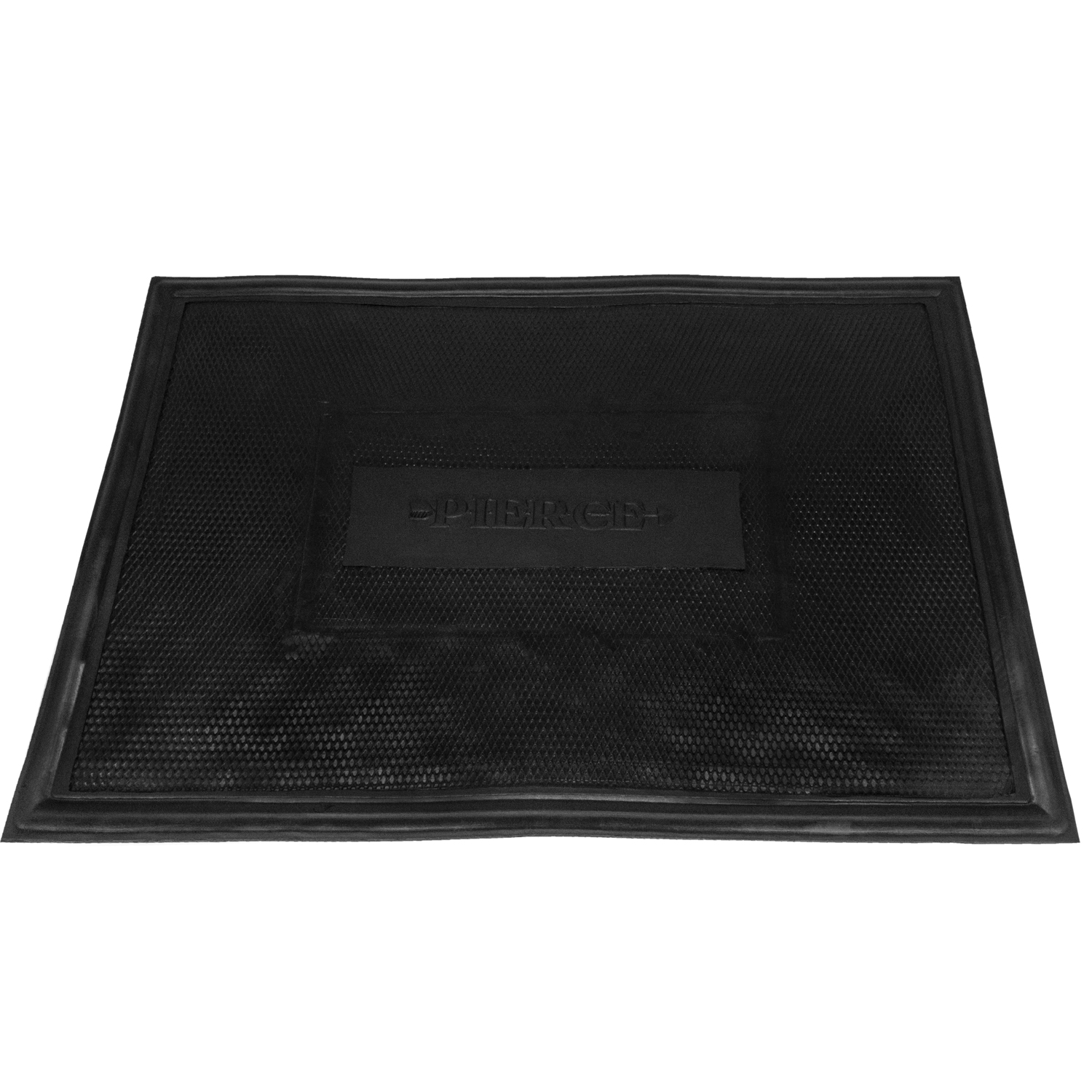 1933 Pierce-Arrow Model 1236 Accessory Floor Mat - 12"X17"-AC 16Accessory Floor Mat - made of high quality black rubber with molded original emblem. Also designed to be sewn into new carpets. 12"X17", Each
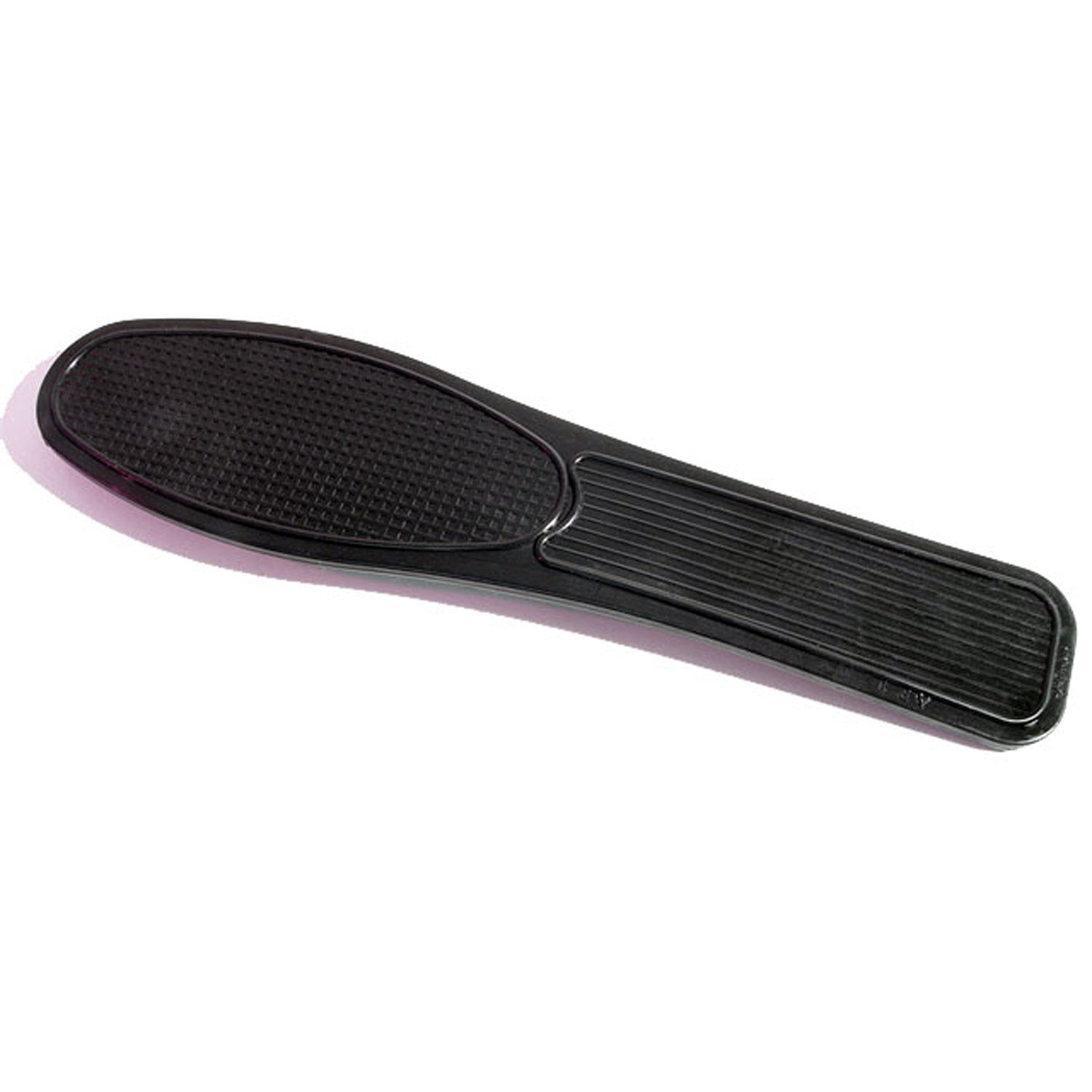 1933 Pierce-Arrow Model 1236 Accelerator Pedal Pad. Cement on type. No emblem-AP 121Accelerator Pedal Pad. Cement on type. No emblem. 2-1/2" X 10-1/8", Each
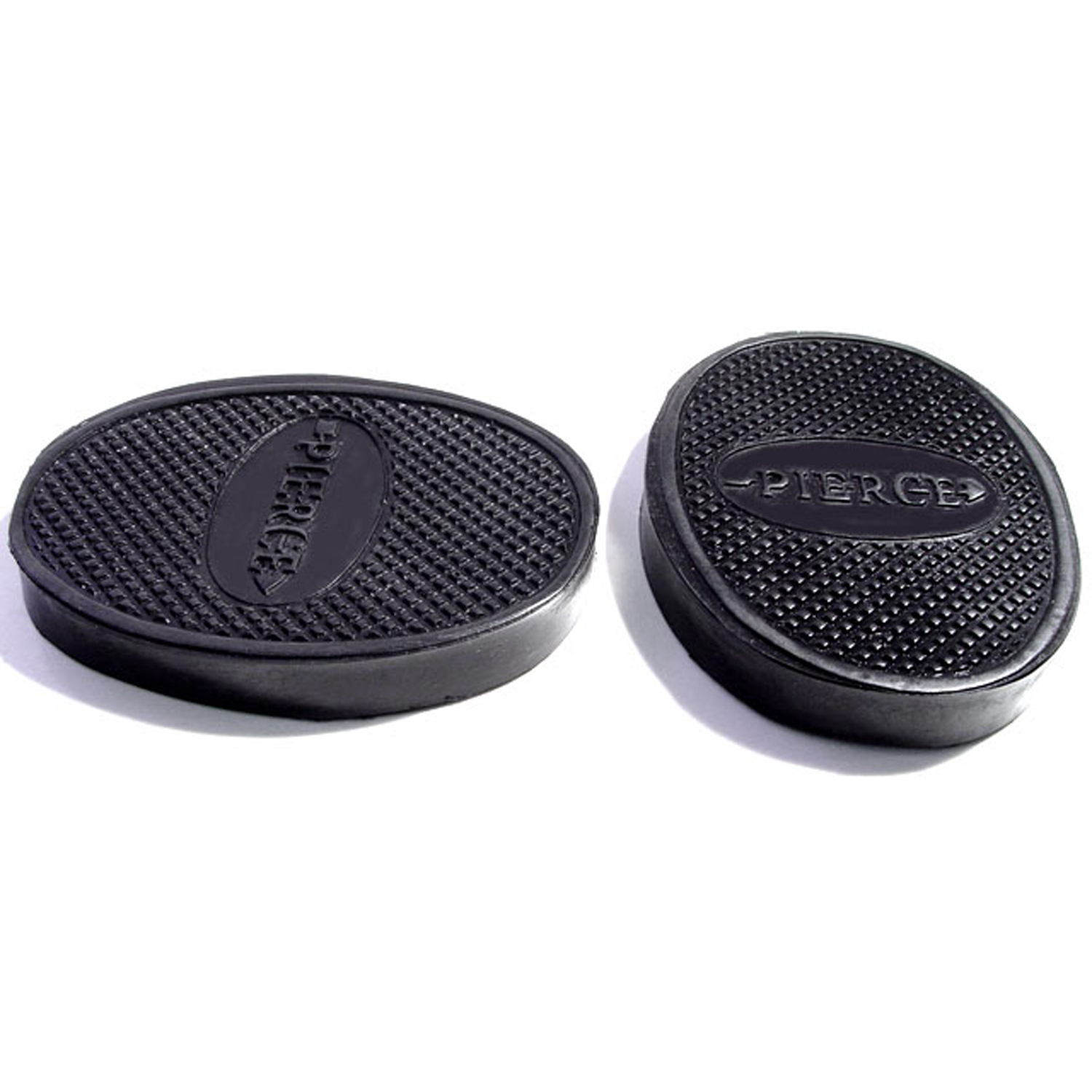 1933 Pierce-Arrow Model 1236 Clutch and Brake Pedal Pads. Sharp Emblem-CB 33Clutch and Brake Pedal Pads. Sharp Emblem. 3" wide X 4-1/8" long. Pair
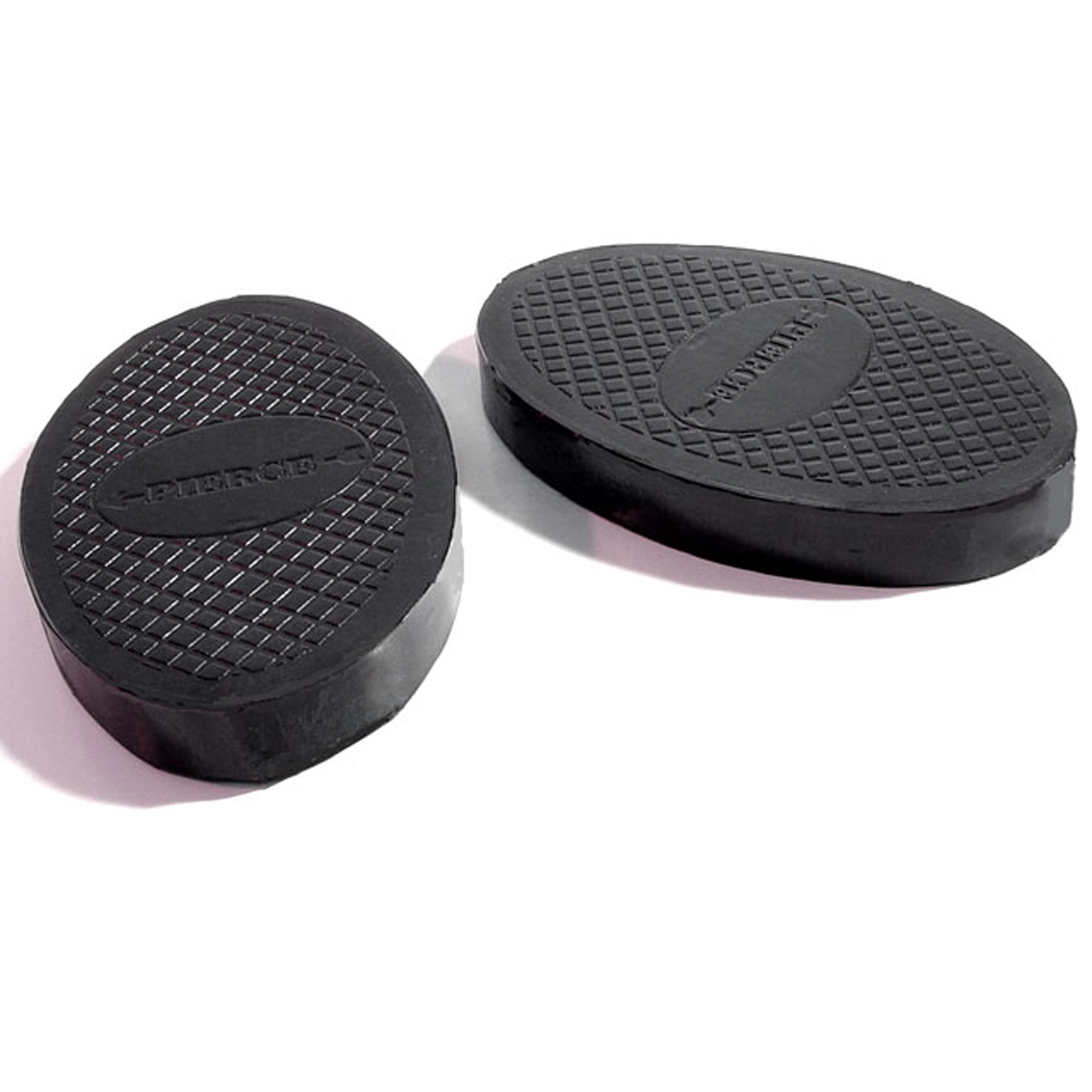 1933 Pierce-Arrow Model 1236 Clutch and Brake Pedal Pads. Sharp-looking Emblem-CB 34Clutch and Brake Pedal Pads. Sharp-looking Emblem. 2-7/8" wide X 4-3/4" long. Pair
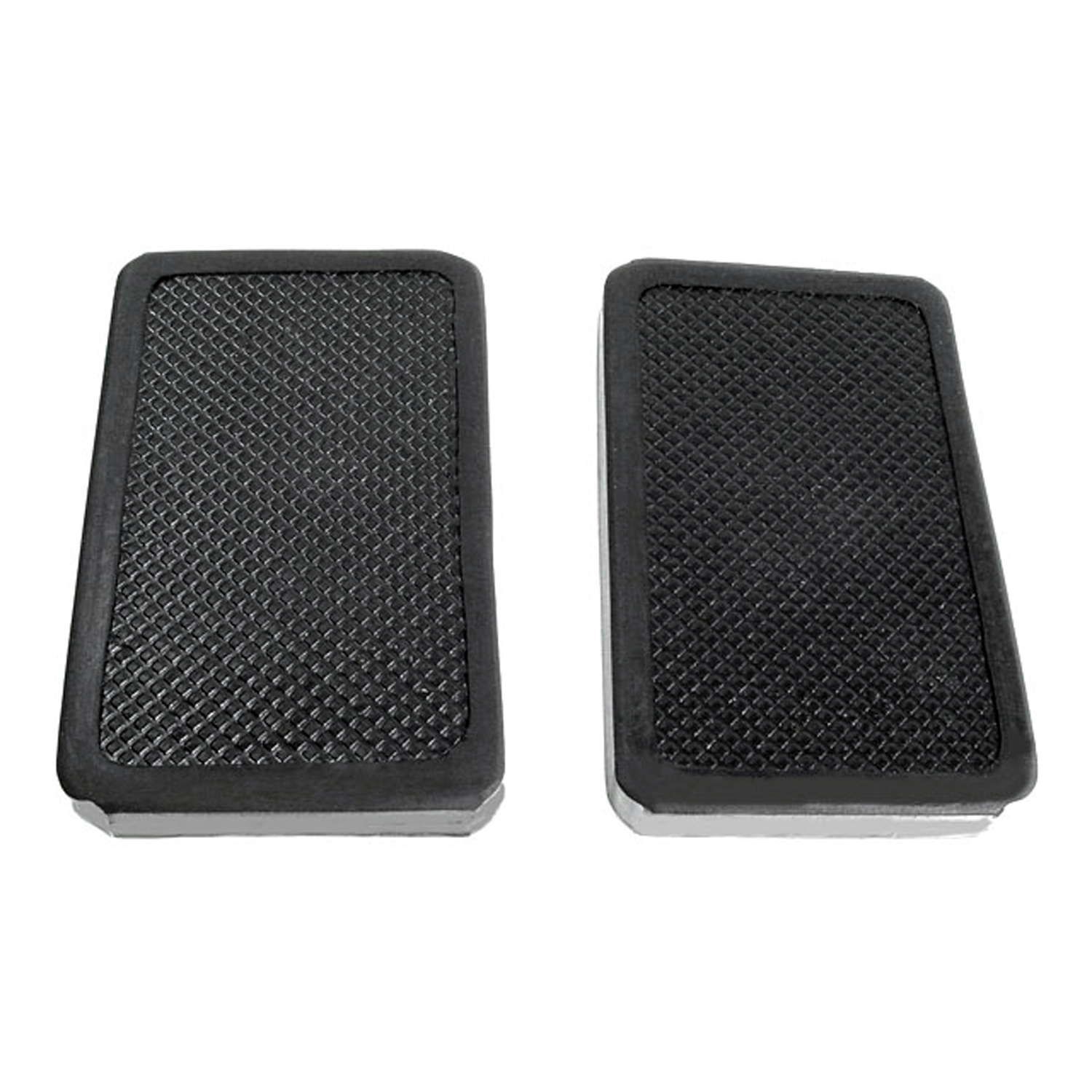 1933 Pierce-Arrow Model 1236 Clutch and Brake Pedal Pads. 3" wide X 5" long. Pair-CB 35Clutch and Brake Pedal Pads. 3" wide X 5" long. Pair
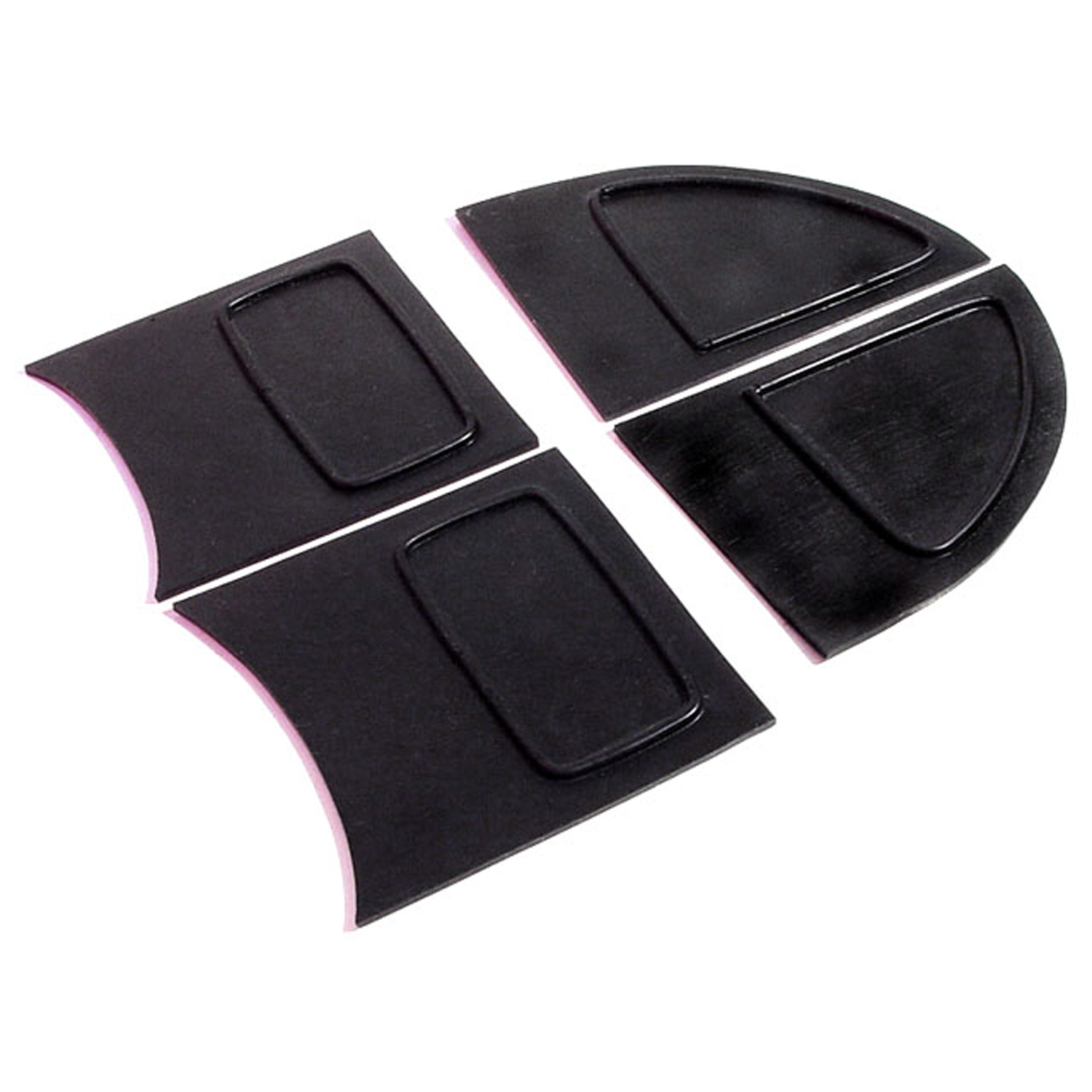 1933 Pierce-Arrow Model 1236 Hood Corner Covers. Flat rubber with original design-HC 20Hood Corner Covers. Flat rubber with original design. Used to recover old metal. Tall pad is 3-1/4" long X 2-1/4" wide. Other is 2-1/2" wide. Set
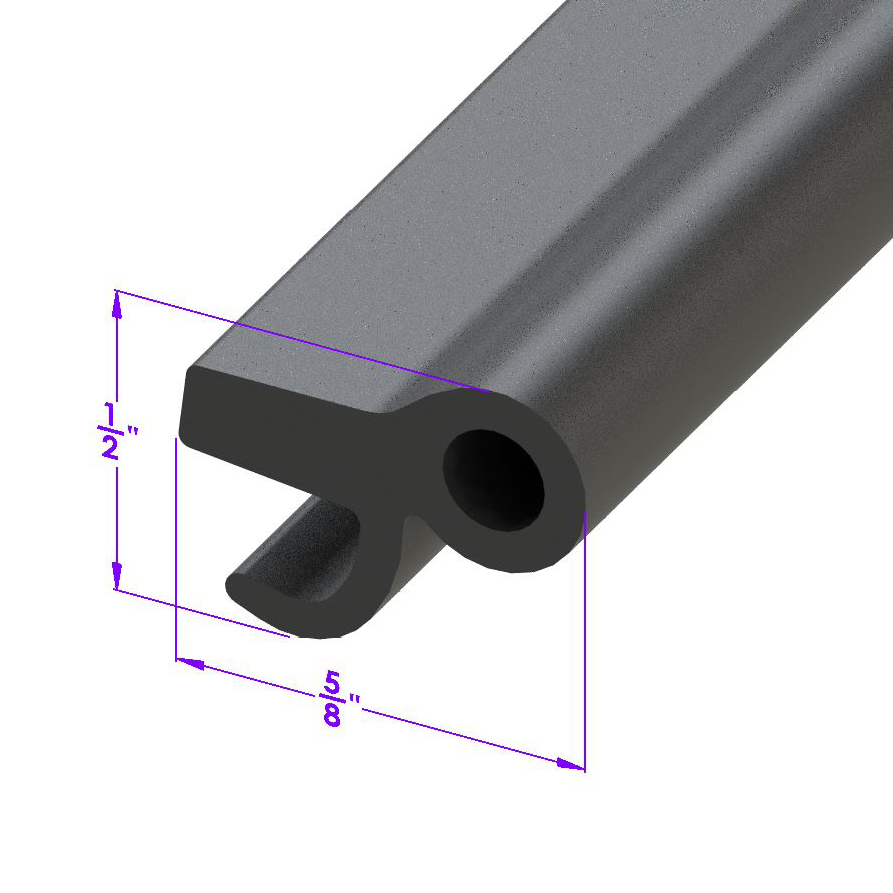 1933 Pierce-Arrow Model 1236 Swing-Out Windshield Seal-LP 97-CSwing-Out Windshield Seal. For both one- and two-piece windshields. Sold by the foot
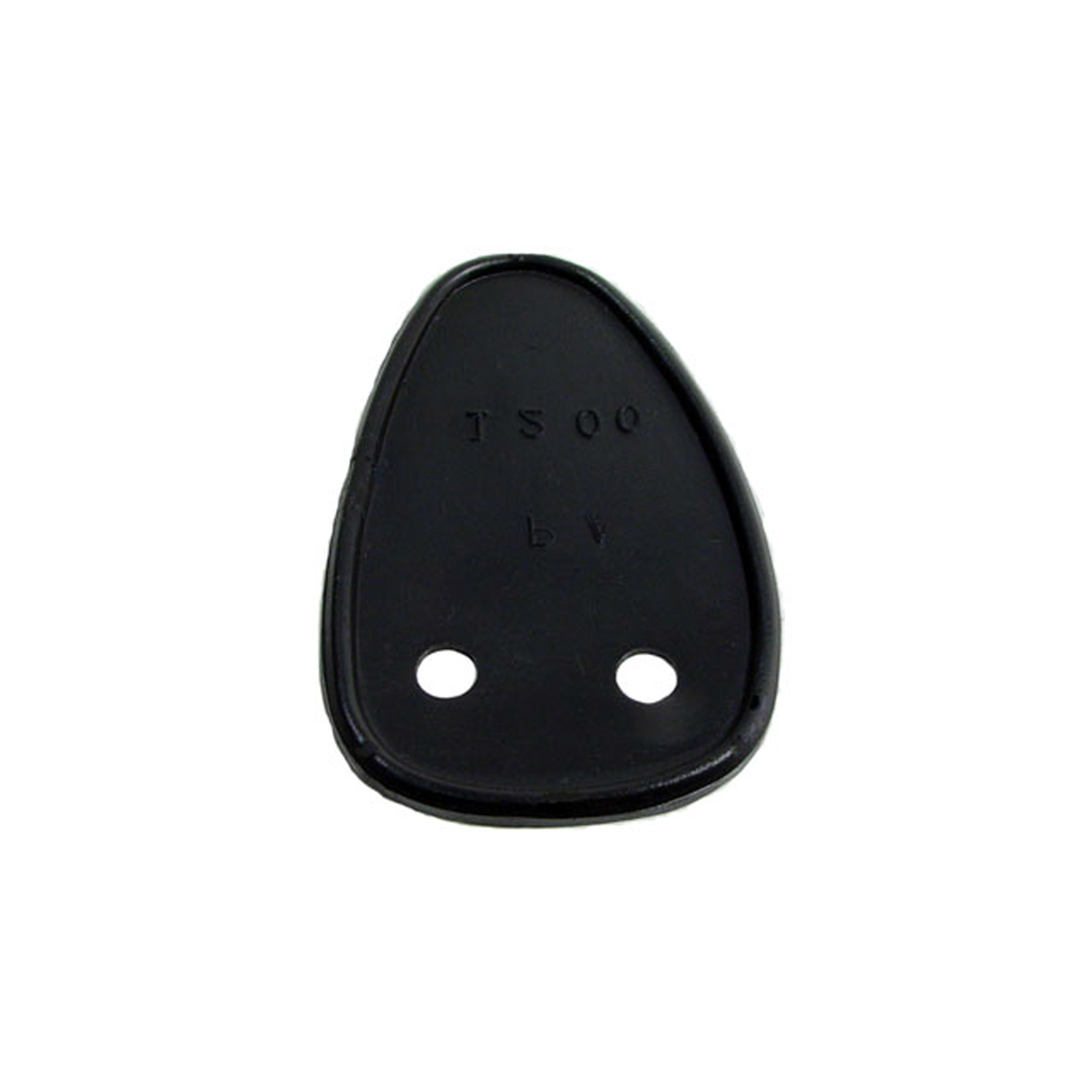 1933 Pierce-Arrow Model 1236 Rumble Seat Step-Plate Pad. 2-1/2" wide X 4" long. Each-MP 1200Rumble Seat Step-Plate Pad. 2-1/2" wide X 4" long. Each
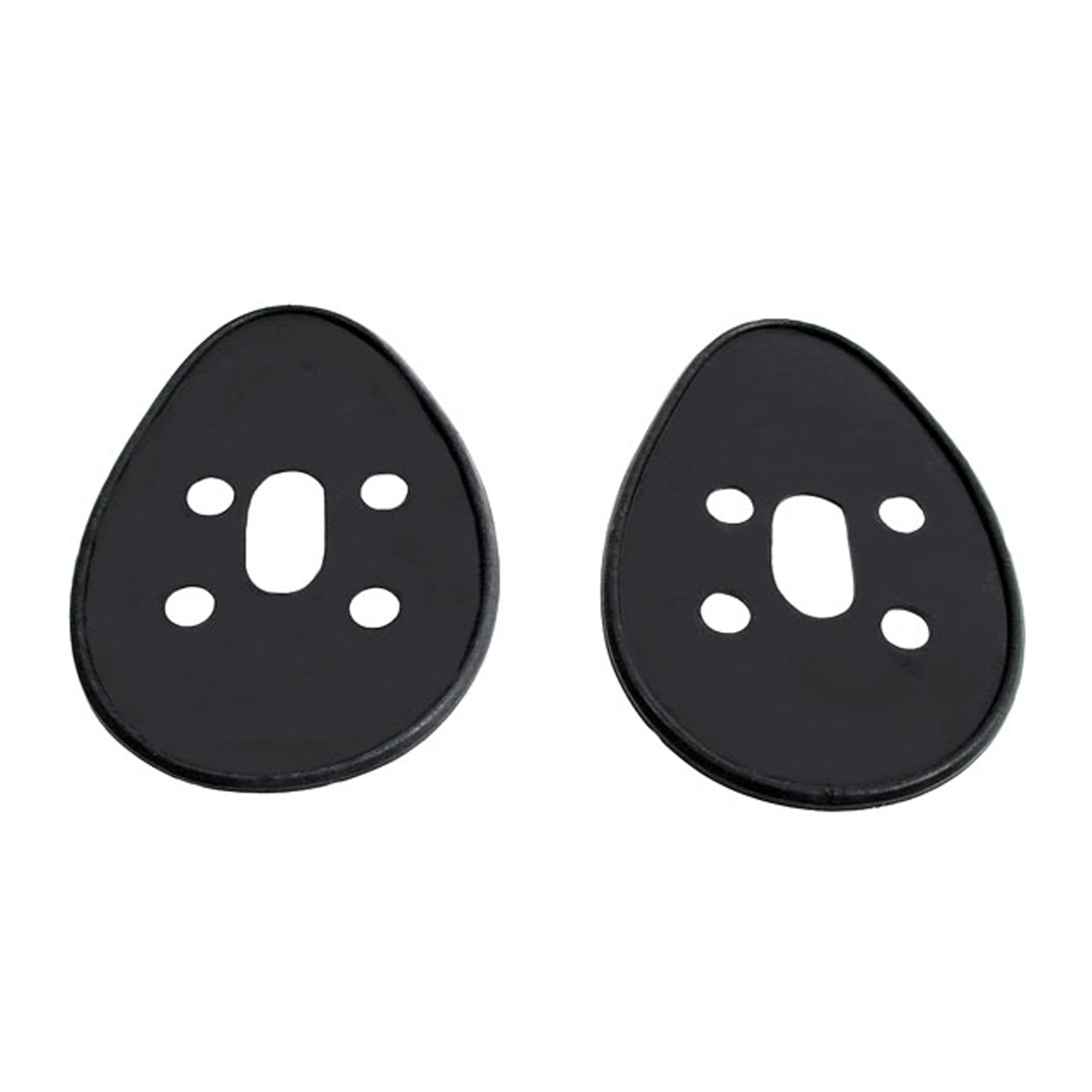 1933 Pierce-Arrow Model 1236 Tail-light Pads. 4-3/8" wide X 6-3/8" long. Pair-MP 1201Tail-light Pads. 4-3/8" wide X 6-3/8" long. Pair
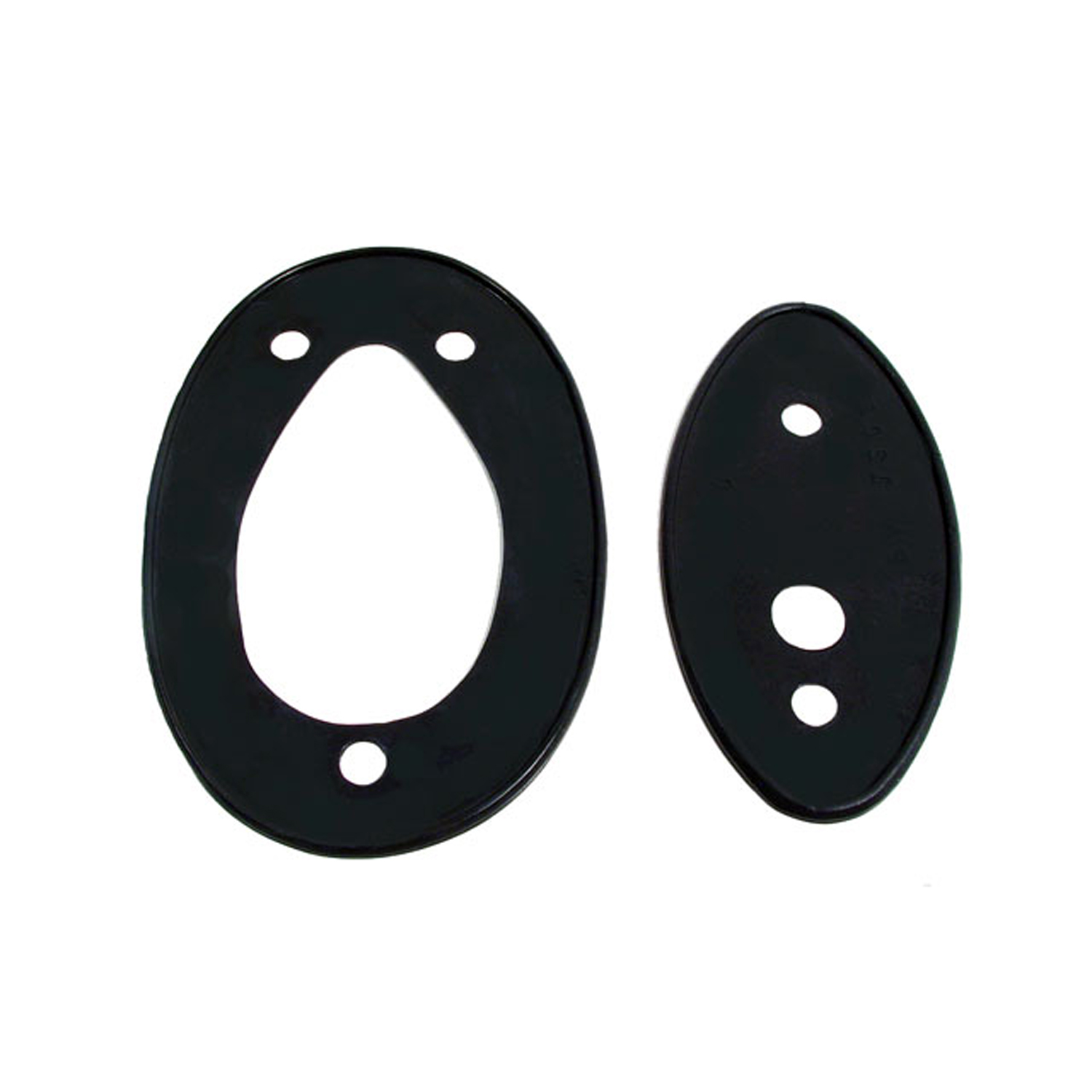 1933 Pierce-Arrow Model 1236 Tail-light Pads-MP 1203-1204Tail-light Pads. 5" wide X 7-1/2" long, 3-1/4" wide X 6-1/2" long. Pair R&L
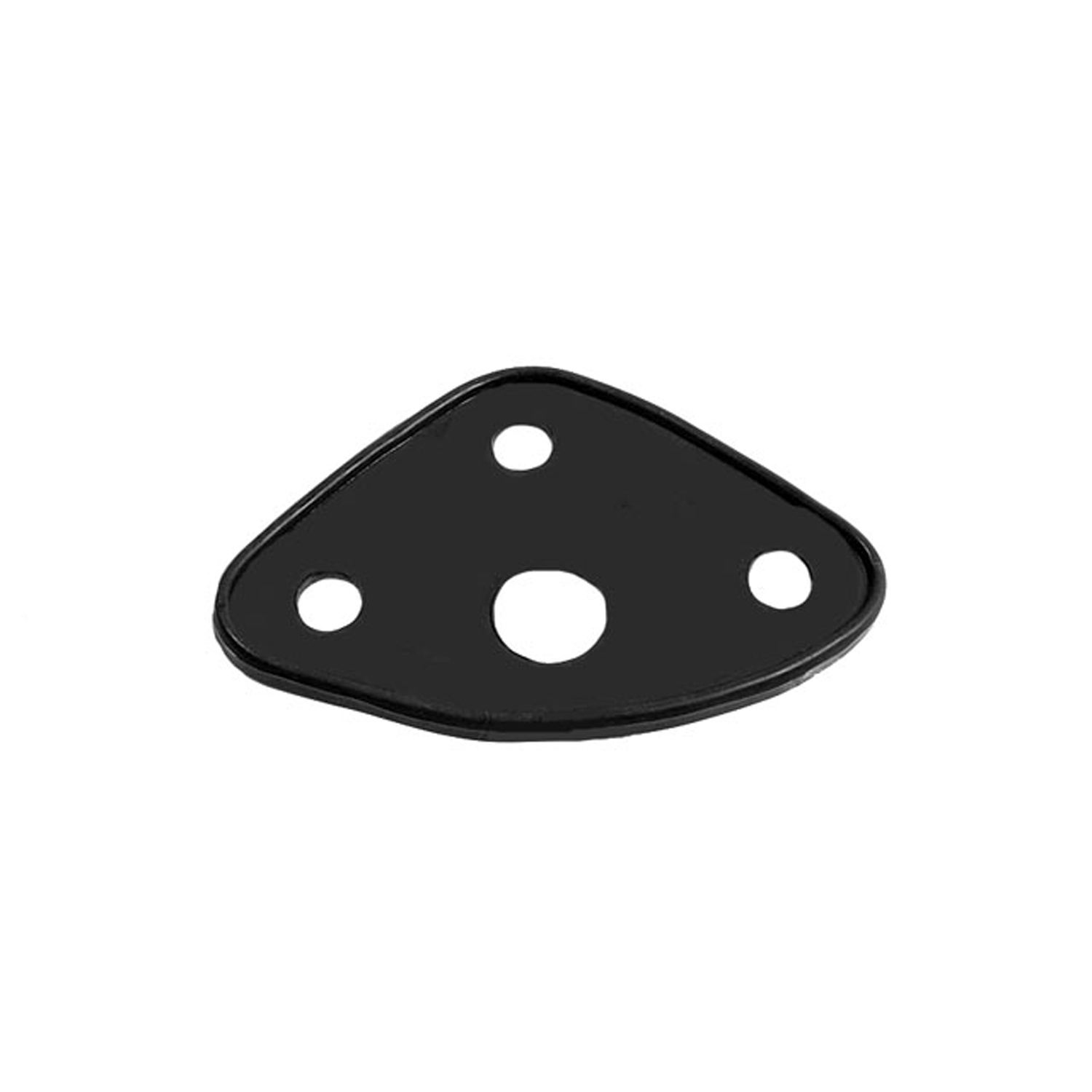 1933 Pierce-Arrow Model 1236 Park Light and Horn Bracket Pad. 4-5/8" wide X 3-1/8" long-MP 1205Park Light and Horn Bracket Pad. 4-5/8" wide X 3-1/8" long. Each
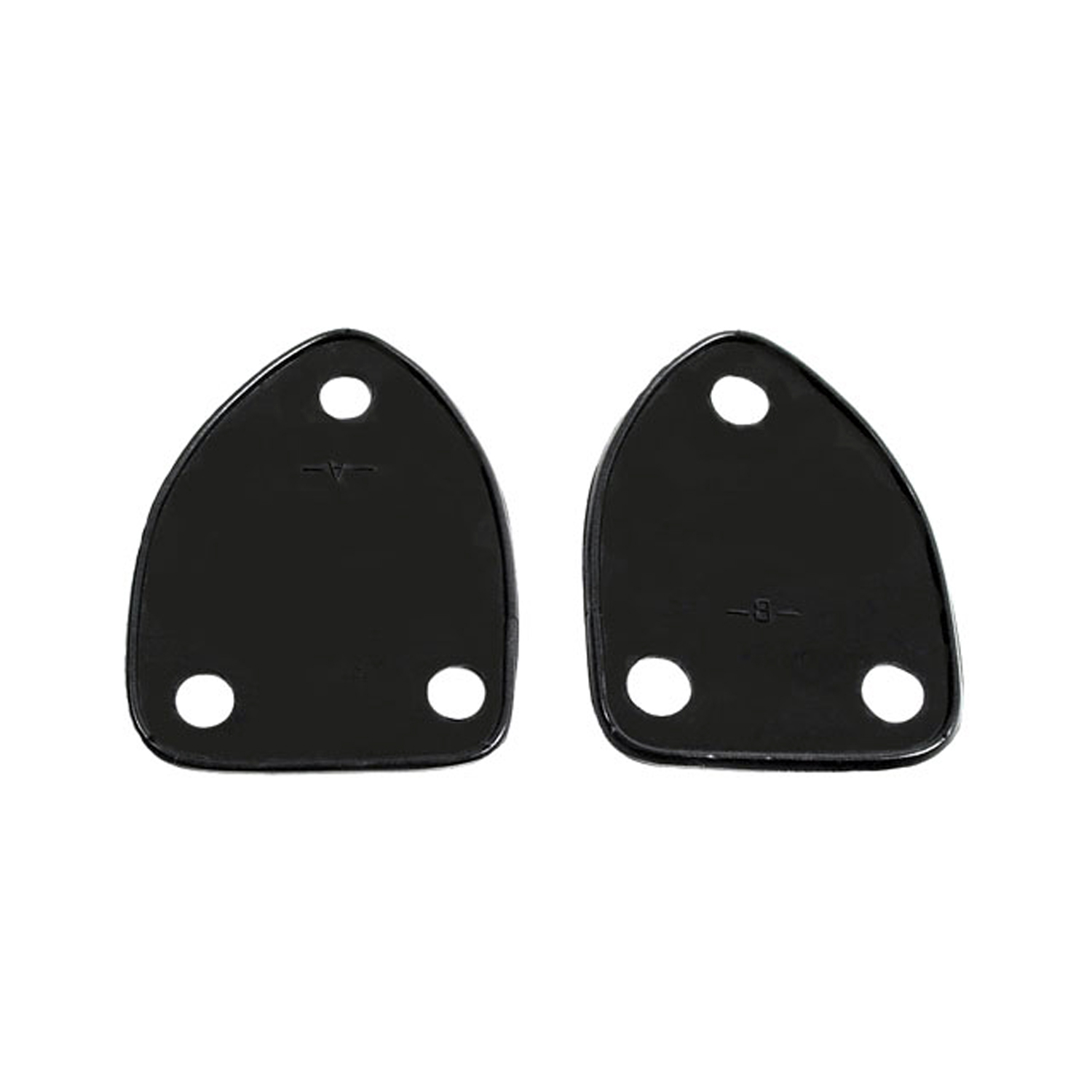 1933 Pierce-Arrow Model 1236 Spare Mount Pads. 3-1/2" wide X 4-5/8" long. Pair R&L-MP 1205-BSpare Mount Pads. 3-1/2" wide X 4-5/8" long. Pair R&L
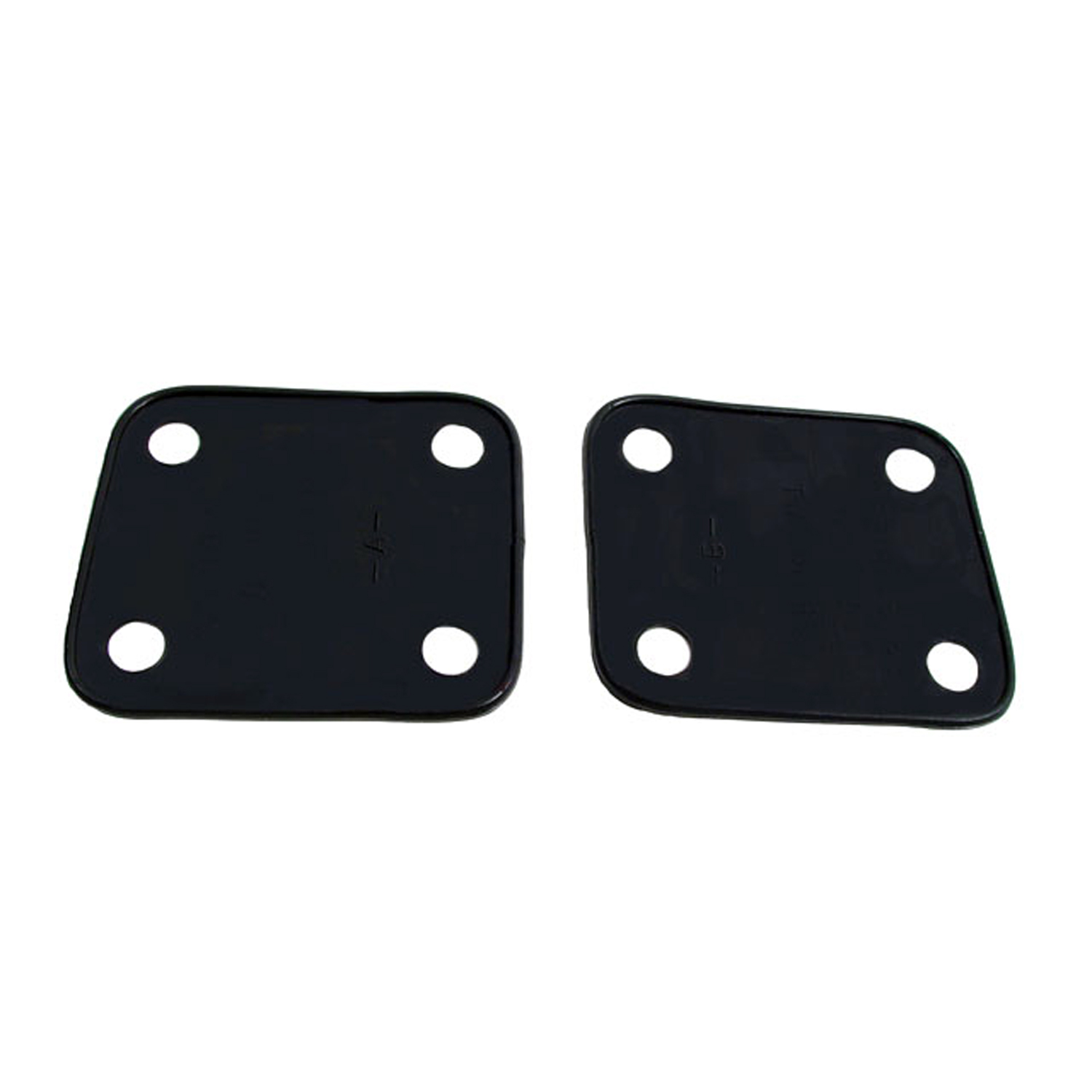 1933 Pierce-Arrow Model 1236 Spare Mount Pads. 3-1/2" wide X 4" long. Pair-MP 1205-CSpare Mount Pads. 3-1/2" wide X 4" long. Pair
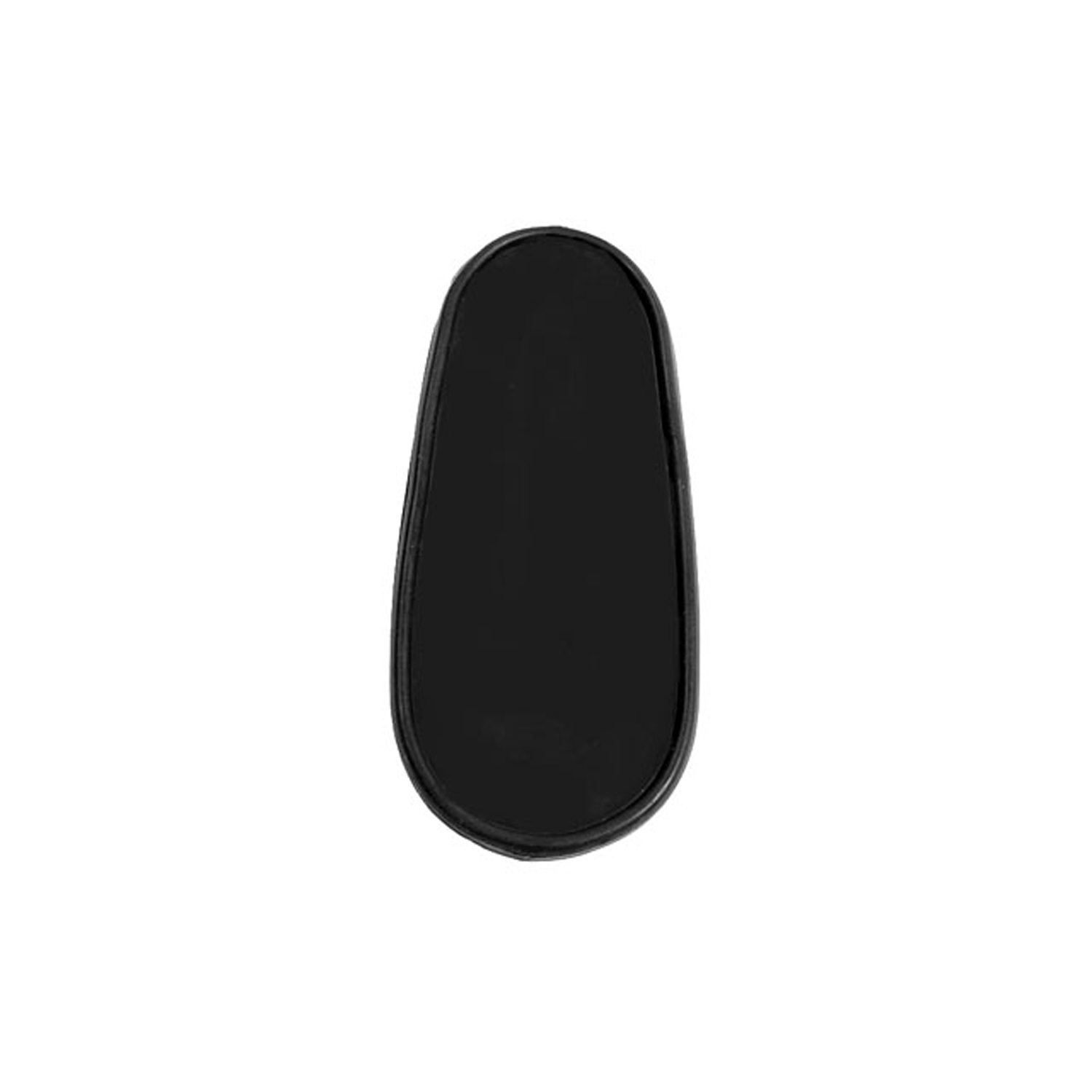 1933 Pierce-Arrow Model 1236 Horn Mount Pad. 2" wide X 4-1/2" long. Each-MP 1206Horn Mount Pad. 2" wide X 4-1/2" long. Each
Why Choose Metro?
For over 100 years, Metro Moulded Parts has been the pinnacle of quality in classic car restoration parts. Our commitment to precision and authenticity in every component ensures a perfect fit and an OEM-level appearance.
- Expert Craftsmanship & Quality: Each part is a testament to our dedication to reliability and perfection, crafted from original designs and thoroughly tested.
- Advanced Technology: We use cutting-edge techniques to create flawless, long-lasting parts that surpass others in performance.
- SuperSoft Sponge – The Ultimate Door Seal: Not only are our door seals 30% softer than competitors', but they're also guaranteed to never leak. They effectively reduce wind and road noise, enhancing your classic car's comfort and driving experience.
- Proudly American: Our parts are a product of American craftsmanship, made in the USA with a spirit of excellence and heritage.
- Unrivaled Warranty: We back our products with a 30-year industry-leading warranty, a testament to our confidence in their quality.
Join us in preserving the legacy of classic cars with parts that are crafted for perfection, not just made.