
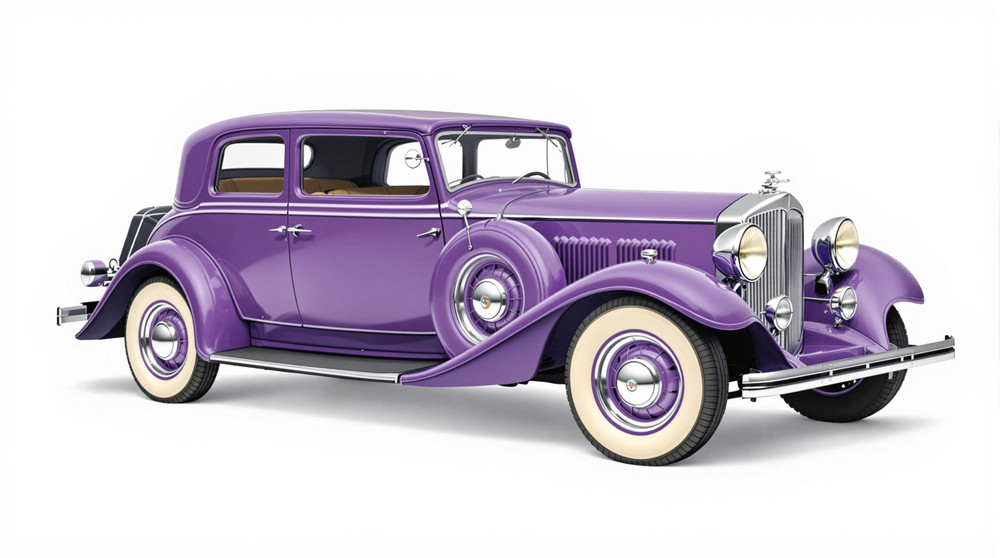
Image of 1933 Pierce-Arrow Model 1247, Note: These illustrations use artistic license and may differ from actual historical models.
Performance Metrics
Fundamental Metrics
Emotional Appeal
MMP Rating
| Engine Specifications | |
|---|---|
| Engine: | Inline 8 |
| Displacement: | 462 cubic inches |
| Horsepower: | Estimated 175 HP |
| Torque: | Not available |
| Compression Ratio: | Not available |
| Ignition System: | Battery and coil |
| Cooling System: | Water-cooled |
| Performance Specifications | |
| 0-60 Time: | Not available |
| 1/4 Mile Time: | Not available |
| Top Speed: | Estimated 85-90 mph |
| Transmission and Drive | |
| Drive Type: | Rear-wheel drive |
| Transmission Type: | 3-speed manual |
| Fuel and Efficiency | |
| Fuel System Type: | Carburetor |
| MPG: | Not available |
| Dimensions and Brakes | |
| Brakes: | 4-wheel drum brakes |
| Wheelbase: | 142 inches |
| Weight: | Estimated 5,500 lbs |
Note: Specifications for classic cars are given to the best of our ability, considering the limited and variant data available.
1933 Pierce-Arrow Model 1247: A Twelve-Cylinder American Classic
The 1933 Pierce-Arrow Model 1247 was built for a world where a luxury car was expected to feel less like transportation and more like a private salon on wheels. Made by the Pierce-Arrow Motor Car Company of Buffalo, New York, the 1247 paired a formidable V12 engine with a long 147-inch wheelbase and the craftsmanship of one of America’s most prestigious automakers.
Pierce-Arrow had earned its reputation through precision engineering and expensive, carefully finished automobiles. By 1933, however, the company was navigating the Great Depression, when relatively few buyers could afford a top-tier luxury car. The Model 1247 captures that contrast: it was an ambitious flagship at a time when the market for such machines was shrinking.
One remarkable connection adds extra intrigue. The spectacular Pierce-Arrow Silver Arrow, unveiled in 1933, was a separate, streamlined show car built on a Twelve chassis. It was not the standard Model 1247, but it demonstrated how far Pierce-Arrow was willing to push luxury-car design.
Long Lines and Signature Headlamps
The 1247 had the imposing proportions expected of a formal American luxury car. Its lengthy hood, upright radiator, sweeping fenders, and substantial running boards gave it a strong presence even at rest. The most recognizable Pierce-Arrow detail was its headlamps, integrated into the front fenders rather than mounted as separate units beside the radiator. The company had pioneered this distinctive treatment years earlier, and by 1933 it had become a defining part of the marque’s identity.
Depending on body style, the car could look stately and formal or more sporting. A closed sedan presented a tall, dignified profile, while open models showed off the long hood and flowing fender line. Fine trim and carefully proportioned coachwork helped the 1247 look expensive without relying on visual excess.
Inside, buyers could expect quality materials and traditional luxury-car workmanship: broad seats, substantial wood trim, well-finished metal fittings, and upholstery selected to suit the body and buyer. Exact equipment and trim varied by coachwork and order. These were hand-finished automobiles, not identical mass-market products, so surviving cars may differ in details.
Paint and upholstery choices were similarly flexible. Period luxury buyers often favored dark, formal colors such as black, deep blue, or burgundy, sometimes paired with contrasting trim. Individual cars could be ordered in other combinations, so it is safer to think of the 1247 as a car with a range of bespoke finishes rather than one standard color palette.
Body Styles and the Silver Arrow Connection
The Model 1247’s long-wheelbase chassis suited formal passenger cars, including sedan and limousine-type bodies. Pierce-Arrow offered a range of body configurations across its luxury line, with availability varying by year, catalog, and coachbuilder. Open and more sporting body styles were also part of the broader Twelve story. Buyers considering a particular surviving car should verify its original body and chassis records, since later restorations and body changes can complicate identification.
The most famous 1933 Pierce-Arrow design is the Silver Arrow, but it should not be mistaken for a regular-production 1247 body style. Created as an advanced show car, it had a dramatic fastback shape and a much more modern appearance than the conventional production cars. Only a handful were built, and it became a striking symbol of what the company could achieve during a difficult period.
V12 Engineering in the Depression Era
At the heart of the Model 1247 was Pierce-Arrow’s 12-cylinder engine, generally specified at about 462 cubic inches and 175 horsepower. That output was impressive for a luxury car of its time, though the engine’s real appeal was not simply peak power. Its twelve cylinders delivered the smooth, measured response that wealthy buyers expected from a flagship automobile.
The Model 1247 also reflected the period’s move toward more usable and integrated engineering. Its three-speed manual transmission, substantial chassis, and four-wheel braking system were designed to manage a large, heavy car with confidence. Pierce-Arrow’s reputation rested on careful construction and refinement, not on making the lightest or cheapest vehicle on the road.
Its significance is best understood alongside its contemporaries. The 1247 offered the scale, power, and finish associated with top American luxury cars, while Pierce-Arrow’s fender-mounted headlamps gave it a distinctive visual identity. The Silver Arrow took that design heritage in a radically modern direction, anticipating the streamlining that would become more common in later years.
Road Manners and V12 Performance
Published performance figures for individual 1933 cars are not always consistent, and actual results depended on body style, condition, gearing, and load. As a period luxury car, the Model 1247 could plausibly reach roughly 85 to 95 mph when properly maintained. A modern estimate for 0 to 60 mph is around 20 to 25 seconds. These are approximate figures, not guaranteed factory test results, and they should not be treated as contemporary performance-car benchmarks.
Behind the wheel, the Twelve would feel large and substantial. The engine’s smooth delivery suited steady cruising, while the long wheelbase helped the car settle over broad, rolling road surfaces. Sharp bumps, tight turns, and narrow roads would remind the driver that this was a heavy machine with a long hood and a substantial turning circle. Its size rewards anticipation rather than quick, abrupt inputs.
The driving experience is part of the attraction. A well-tuned V12 should sound smooth and restrained rather than loud or aggressive. The driver sits high among large controls and has to work a manual gearbox, steer a sizeable car, and allow extra room for braking. It is engaging vintage motoring, but not effortless modern driving.
Living With a Model 1247
Today, a 1247 is primarily a collector car, show car, or occasional touring vehicle. Its comfort and road presence make it well suited to carefully planned vintage events, but its age, value, and parts requirements make daily use impractical for most owners.
Maintenance is a specialist undertaking. The V12 is mechanically complex compared with a typical eight-cylinder car, and correct parts, knowledgeable machine work, and experienced technicians matter. Brakes, tires, cooling, fuel delivery, electrical systems, and lubrication all need close attention before regular road use. Repairs are possible, but this is not an ideal car for an owner expecting every job to be straightforward or inexpensive.
Reliability depends heavily on restoration quality and ongoing care. A properly sorted example can tour, but a neglected one may require substantial work before it is safe and dependable. For prospective buyers, a detailed inspection by a mechanic familiar with prewar Pierce-Arrow cars is more valuable than a quick glance at shiny paint.
Notable Facts and Common Misconceptions
The Model 1247 is sometimes discussed alongside the Silver Arrow because both belong to Pierce-Arrow’s 1933 Twelve story. They are not the same car. The 1247 was a production model designation associated with the long-wheelbase Twelve; the Silver Arrow was an exceptionally limited, purpose-built design on a Twelve chassis.
There is no widely cited speed, sales, or endurance record that belongs specifically to the Model 1247. Its distinction is instead its combination of a large V12, formal luxury, and Pierce-Arrow’s signature styling. The Silver Arrow’s advanced appearance is often remembered as a daring design statement, but that recognition should not be transferred to every 1247.
Common criticisms are familiar for cars of this class and era: high upkeep, difficult parts sourcing, substantial fuel consumption, and a driving experience that demands more effort than a modern vehicle. The Model 1247’s size can also make it cumbersome in tight spaces. Those drawbacks are the other side of its appeal as a rare, handmade automobile.
Rarity and Collector Values
Exact production totals for the Model 1247 are difficult to establish from commonly available summaries, and body styles can make counts harder to compare. A reasonable working estimate is that production numbered in the low hundreds, perhaps roughly 100 to 200 cars, though that should be treated as an informed estimate rather than a confirmed factory figure. Surviving examples are scarce, and well-documented, correctly restored cars appear infrequently on the market.
As a broad 2026 market estimate, a Model 1247 in need of significant restoration might be valued around $75,000 to $150,000. A sound, presentable example could fall in the $150,000 to $300,000 range, while an exceptional restoration or especially desirable body may bring $300,000 to $500,000 or more. These are indicative ranges, not a formal appraisal; provenance, originality, condition, and the quality of restoration can shift a sale substantially. The Silver Arrow is a separate, far rarer and more valuable case.
Prices for important prewar American luxury cars have generally held value better than ordinary vintage cars, but the market is selective. Exceptional examples can attract serious interest, while cars with costly mechanical needs may be harder to sell. Long-term value is influenced by restoration expenses and the relatively small pool of buyers who want a large, specialized prewar automobile. The 1247 is best approached as a passion purchase, not a guaranteed investment.
Why the 1933 Pierce-Arrow 1247 Still Matters
The Model 1247 brought together Pierce-Arrow’s signature styling, a smooth and powerful V12, and the generous proportions of a top-tier American luxury car. It also belongs to a fascinating moment in automotive history, when Depression-era manufacturers were trying to preserve old-world craftsmanship while experimenting with new forms and ideas.
Rare, imposing, and unmistakably Pierce-Arrow, the 1933 Model 1247 is more than a handsome survivor from another age. It is a reminder of the ambition and artistry that once defined American luxury motoring.
1933 Pierce-Arrow Model 1247 Catalog of Parts
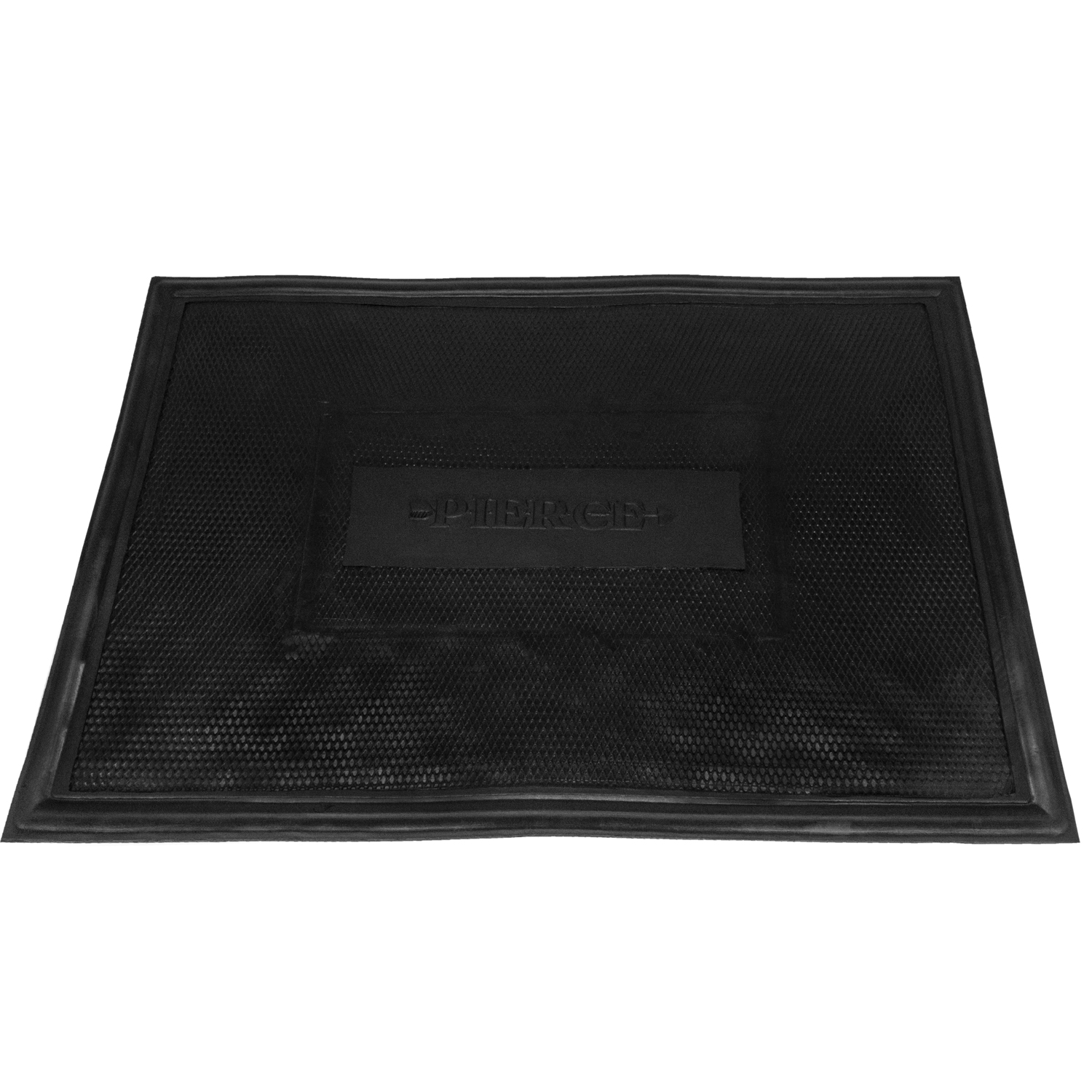 1933 Pierce-Arrow Model 1247 Accessory Floor Mat - 12"X17"-AC 16Accessory Floor Mat - made of high quality black rubber with molded original emblem. Also designed to be sewn into new carpets. 12"X17", Each
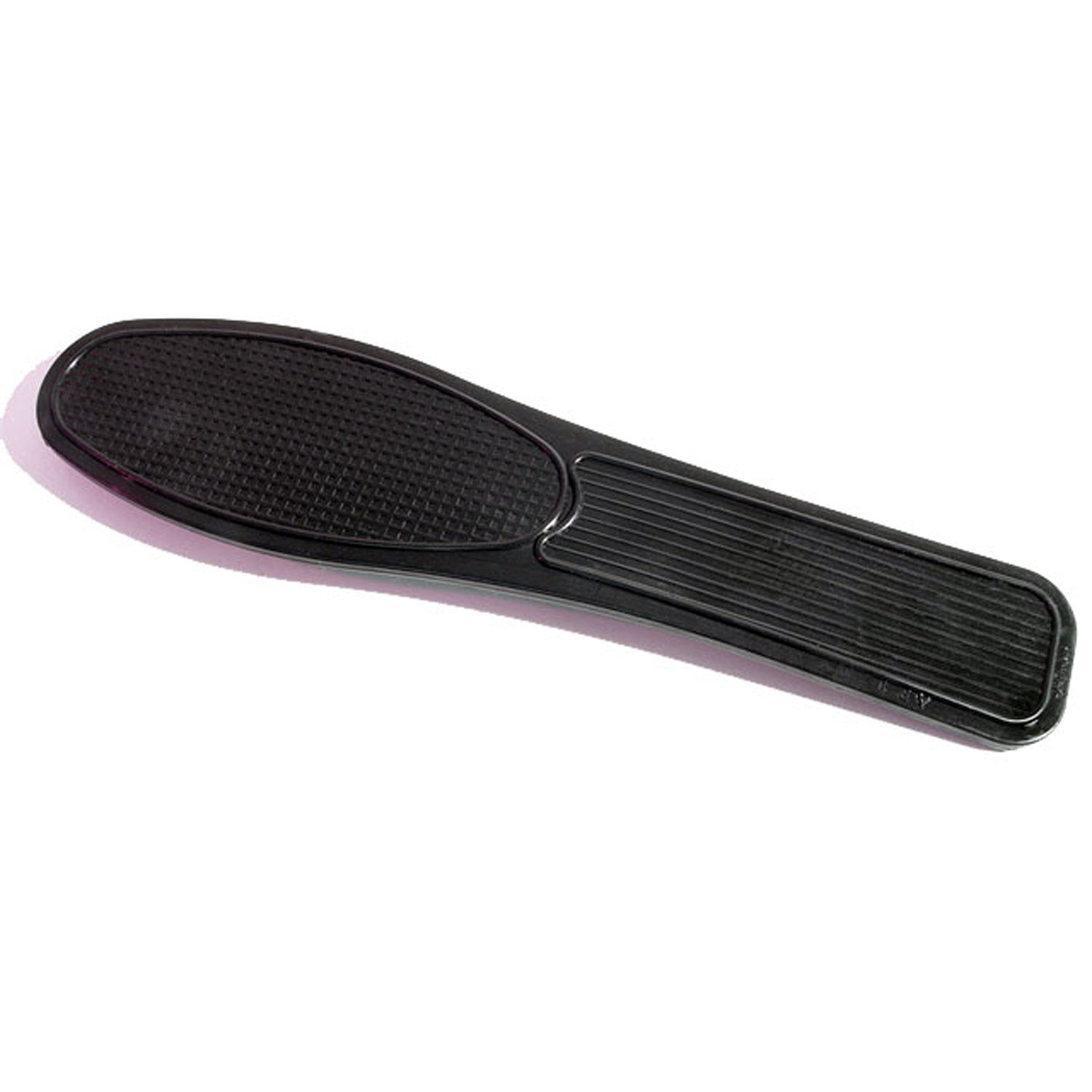 1933 Pierce-Arrow Model 1247 Accelerator Pedal Pad. Cement on type. No emblem-AP 121Accelerator Pedal Pad. Cement on type. No emblem. 2-1/2" X 10-1/8", Each
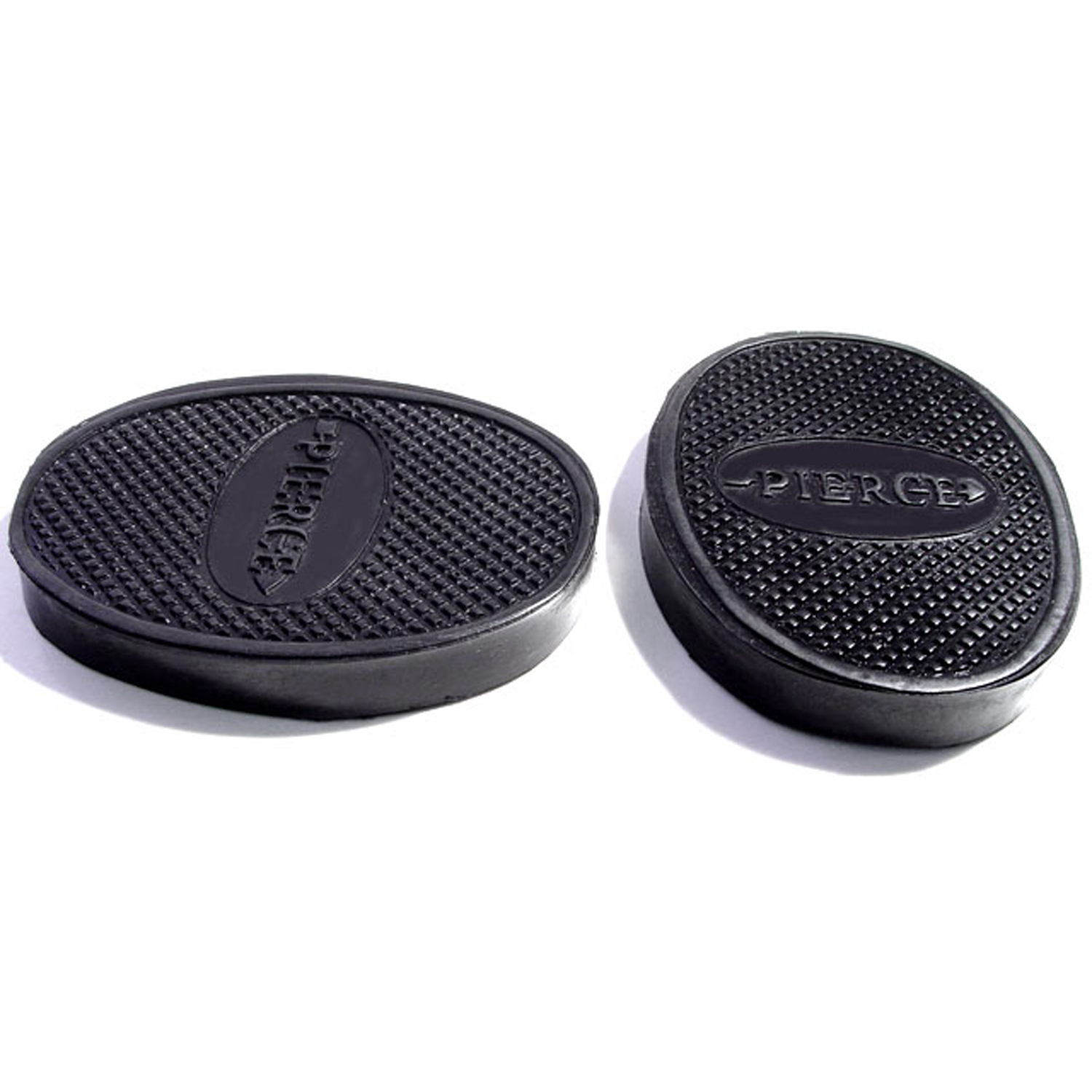 1933 Pierce-Arrow Model 1247 Clutch and Brake Pedal Pads. Sharp Emblem-CB 33Clutch and Brake Pedal Pads. Sharp Emblem. 3" wide X 4-1/8" long. Pair
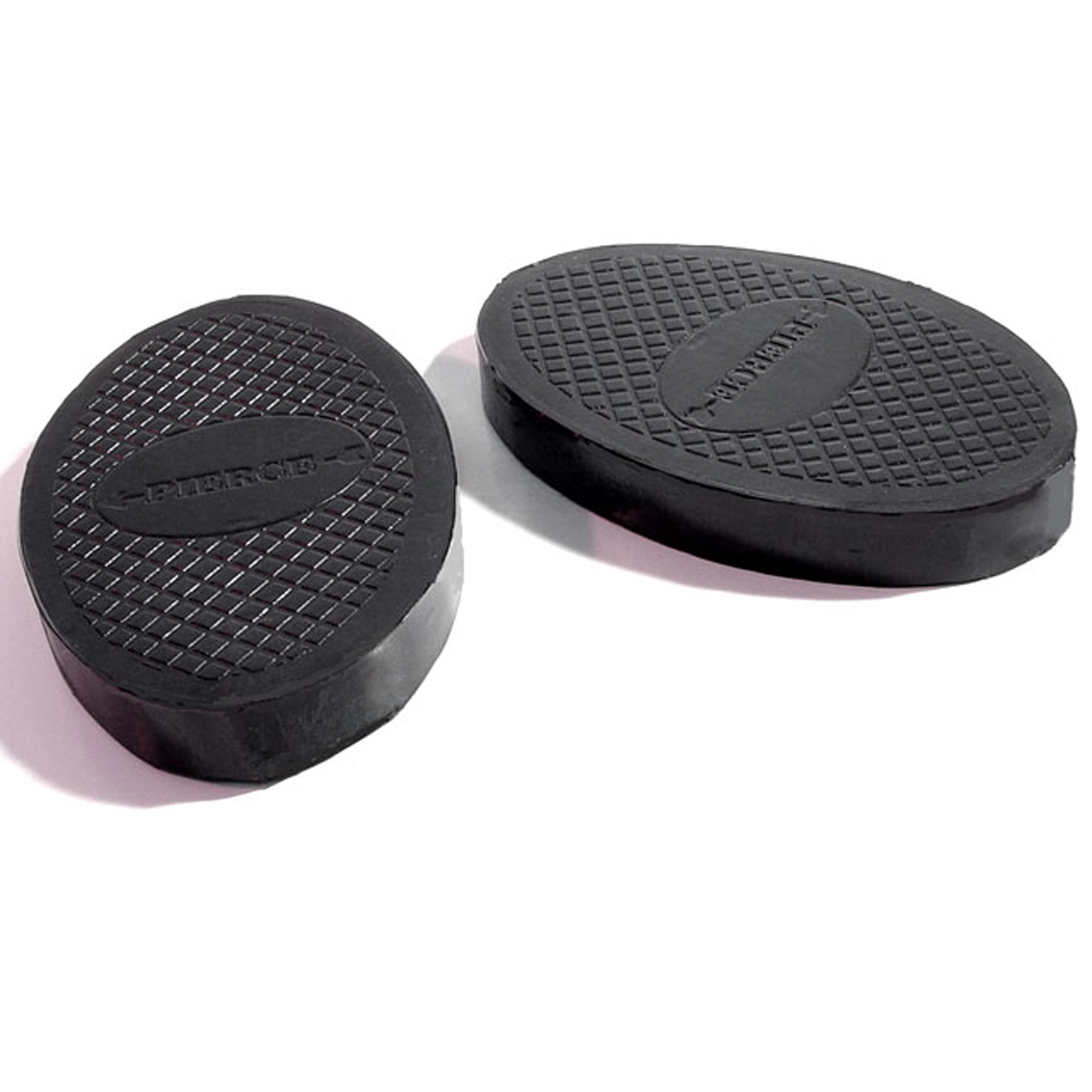 1933 Pierce-Arrow Model 1247 Clutch and Brake Pedal Pads. Sharp-looking Emblem-CB 34Clutch and Brake Pedal Pads. Sharp-looking Emblem. 2-7/8" wide X 4-3/4" long. Pair
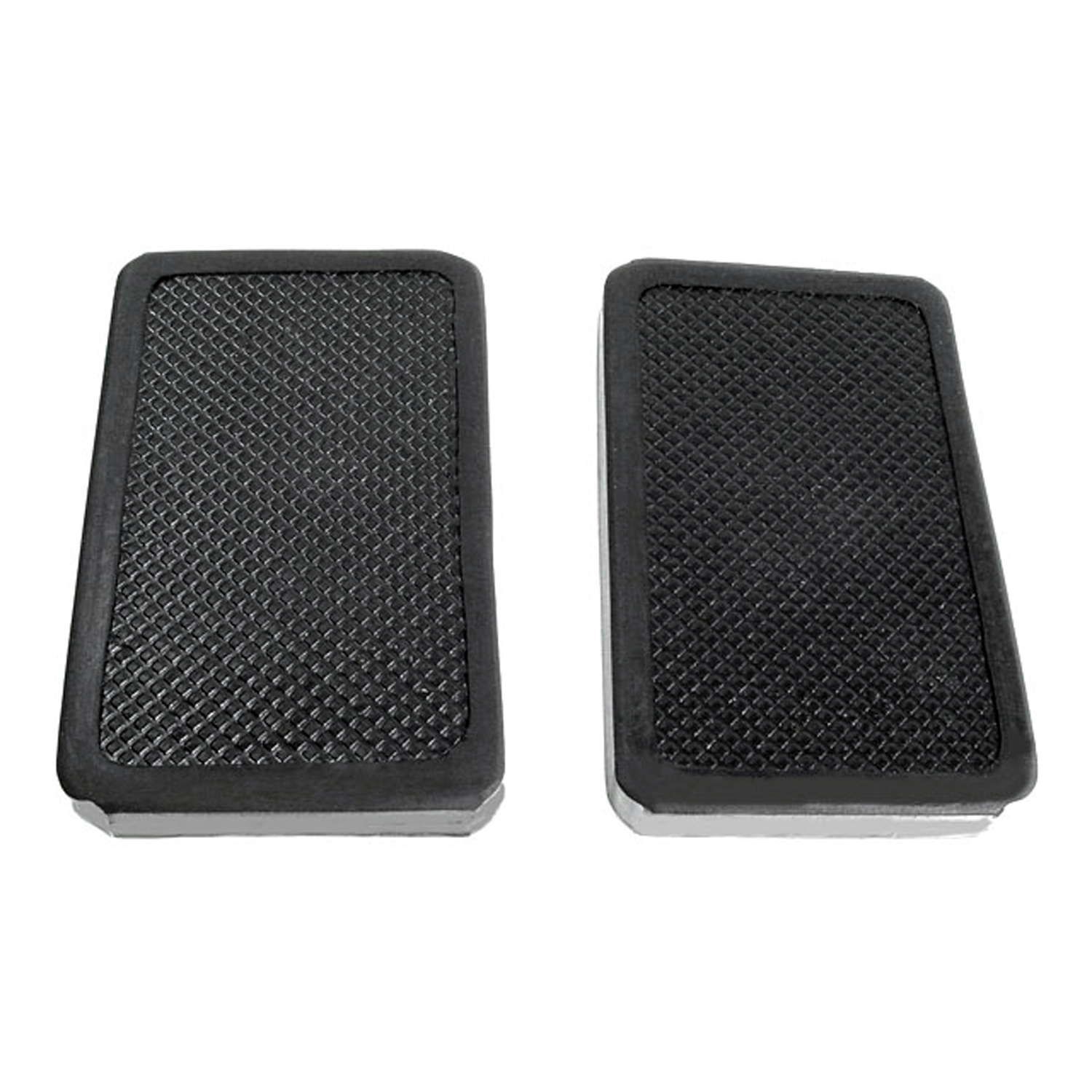 1933 Pierce-Arrow Model 1247 Clutch and Brake Pedal Pads. 3" wide X 5" long. Pair-CB 35Clutch and Brake Pedal Pads. 3" wide X 5" long. Pair
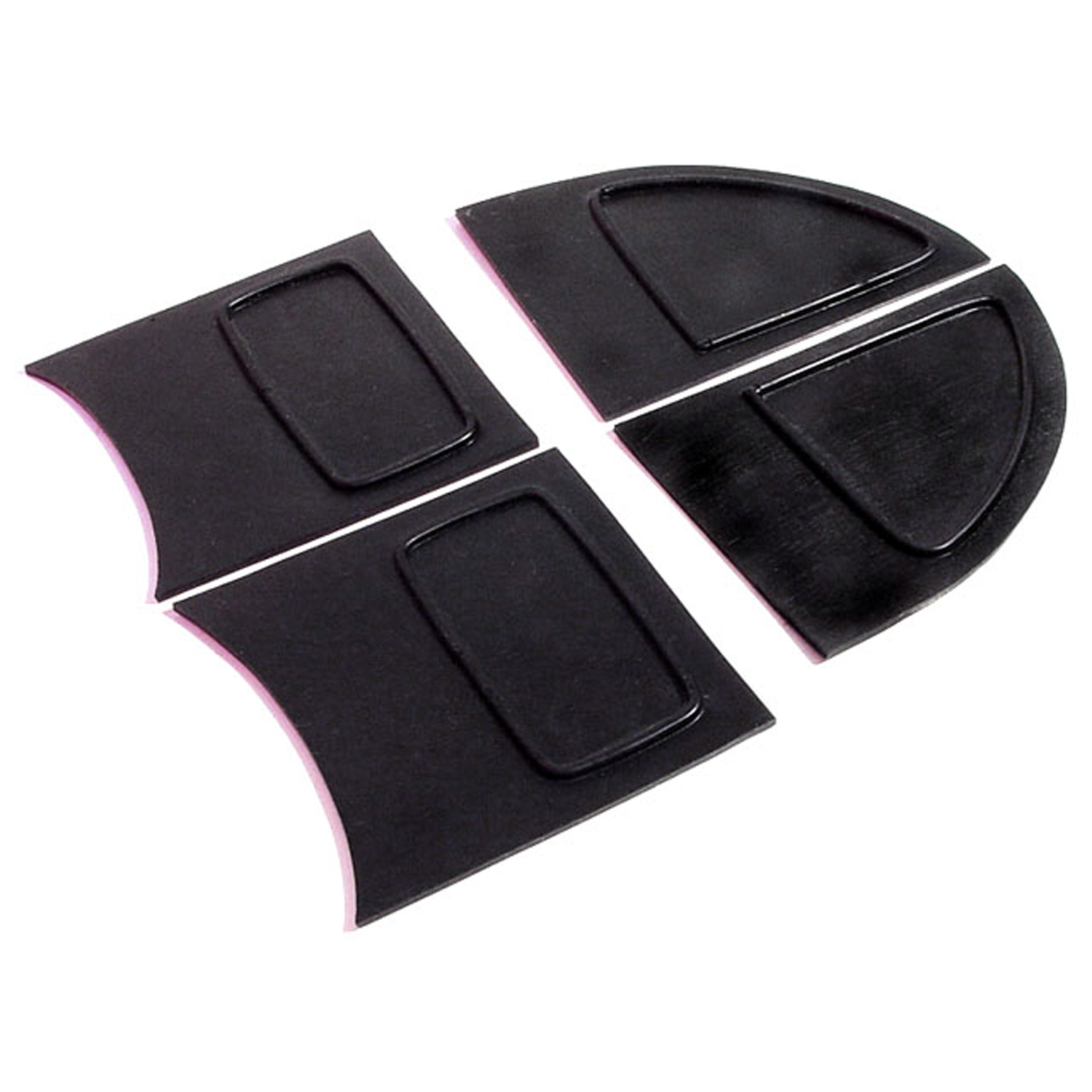 1933 Pierce-Arrow Model 1247 Hood Corner Covers. Flat rubber with original design-HC 20Hood Corner Covers. Flat rubber with original design. Used to recover old metal. Tall pad is 3-1/4" long X 2-1/4" wide. Other is 2-1/2" wide. Set
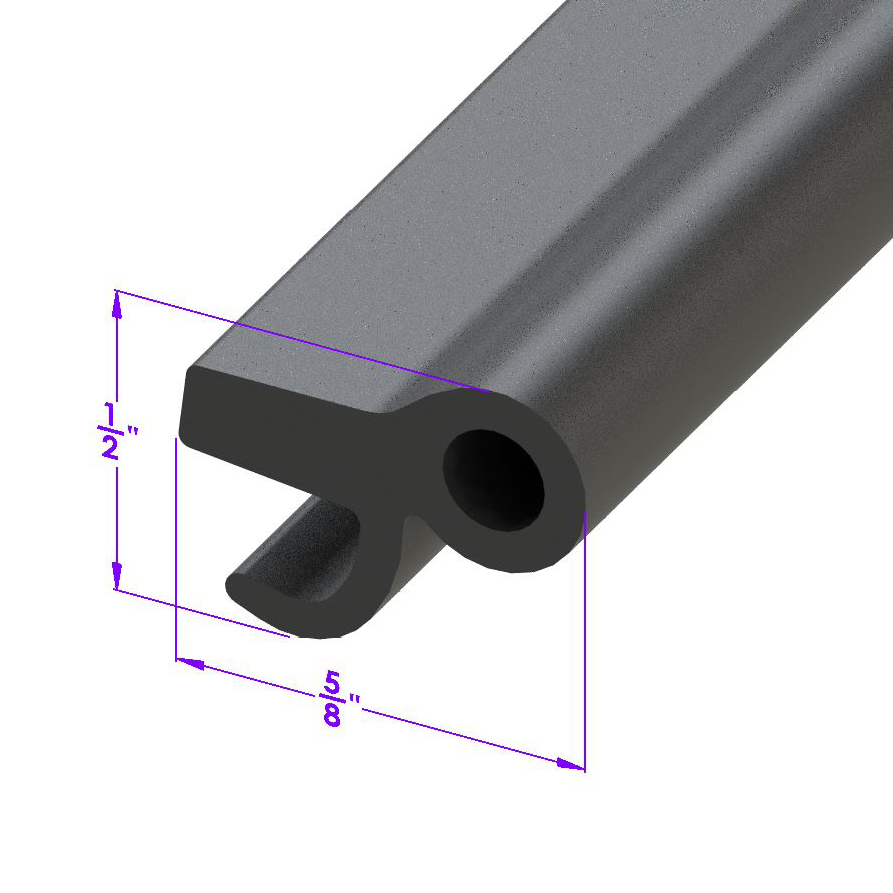 1933 Pierce-Arrow Model 1247 Swing-Out Windshield Seal-LP 97-CSwing-Out Windshield Seal. For both one- and two-piece windshields. Sold by the foot
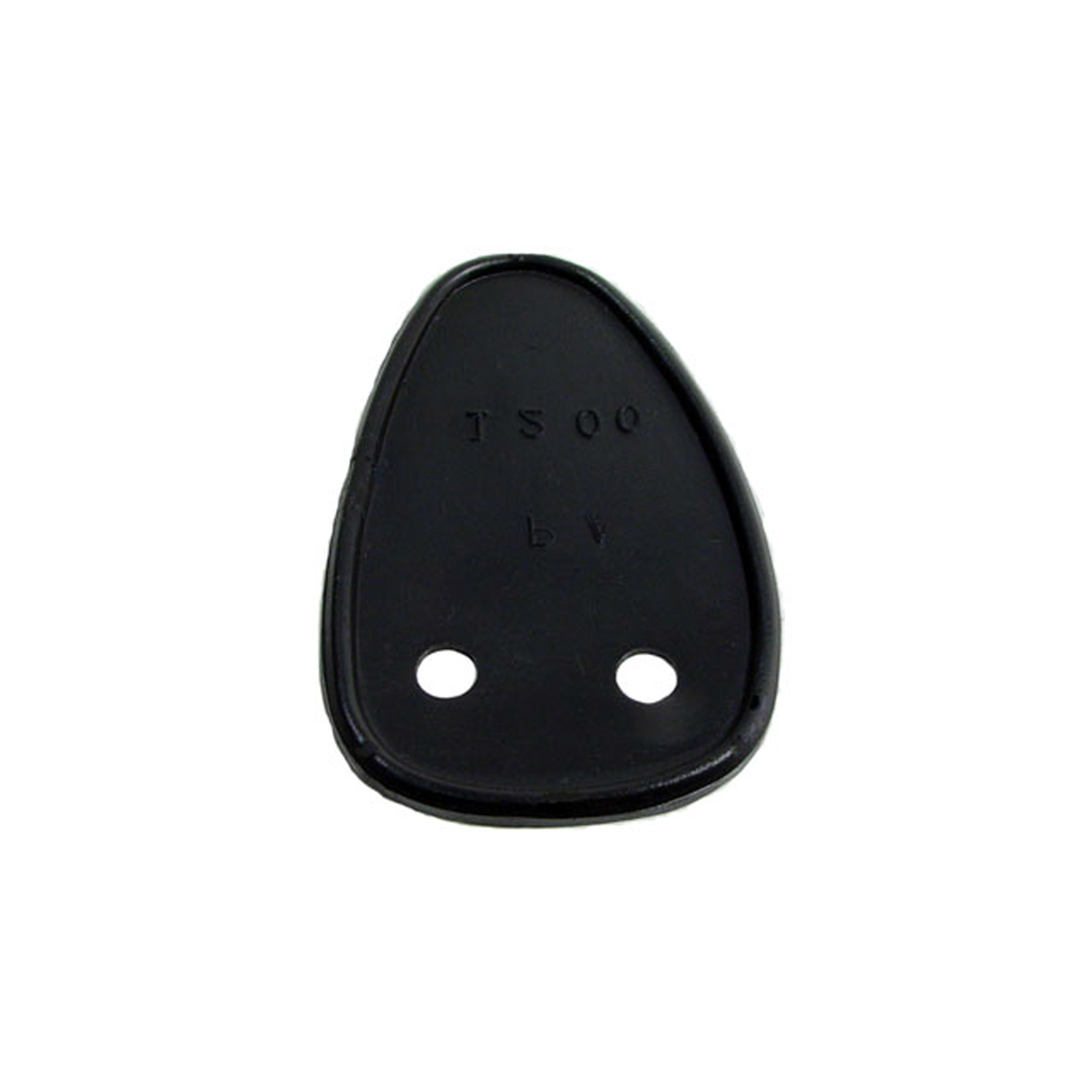 1933 Pierce-Arrow Model 1247 Rumble Seat Step-Plate Pad. 2-1/2" wide X 4" long. Each-MP 1200Rumble Seat Step-Plate Pad. 2-1/2" wide X 4" long. Each
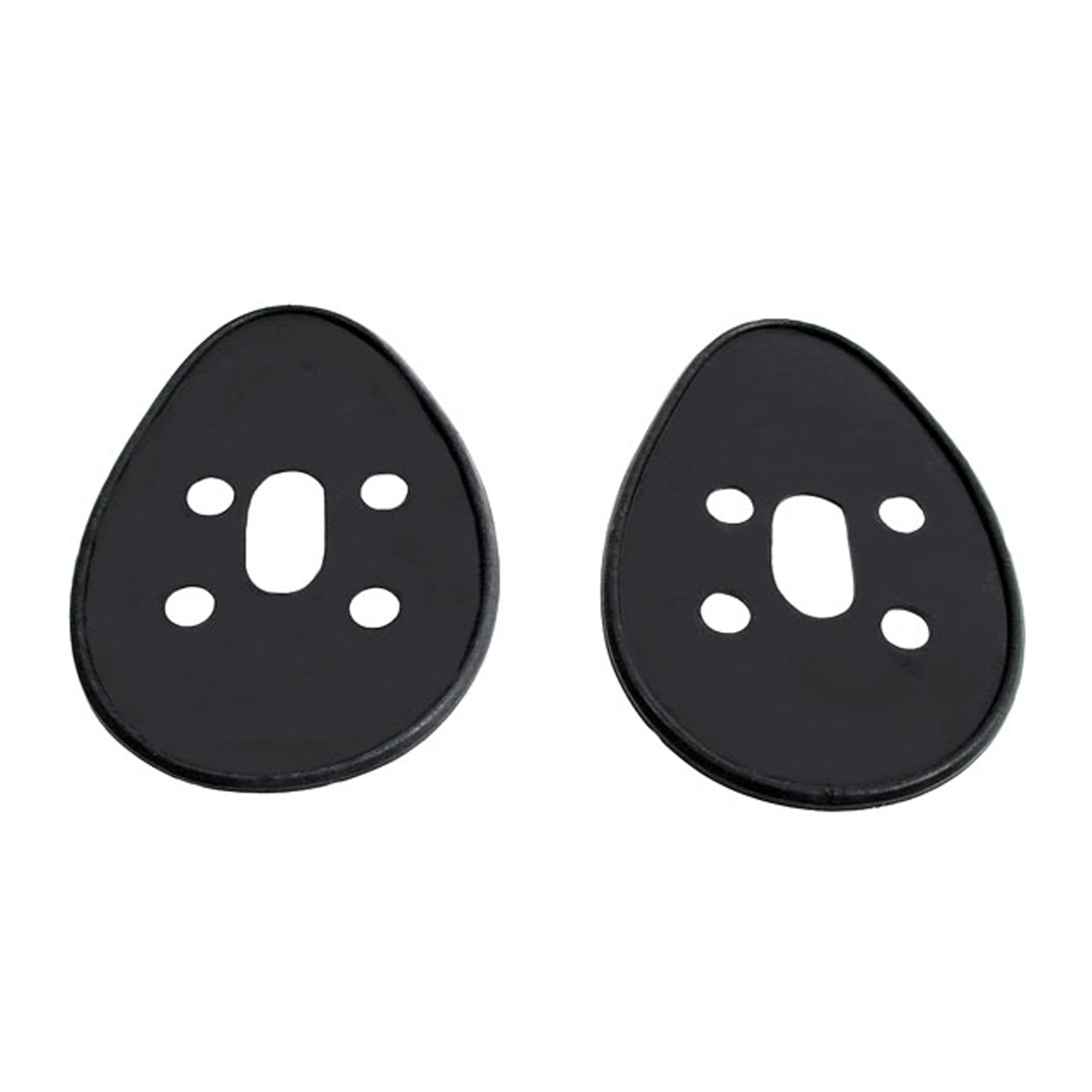 1933 Pierce-Arrow Model 1247 Tail-light Pads. 4-3/8" wide X 6-3/8" long. Pair-MP 1201Tail-light Pads. 4-3/8" wide X 6-3/8" long. Pair
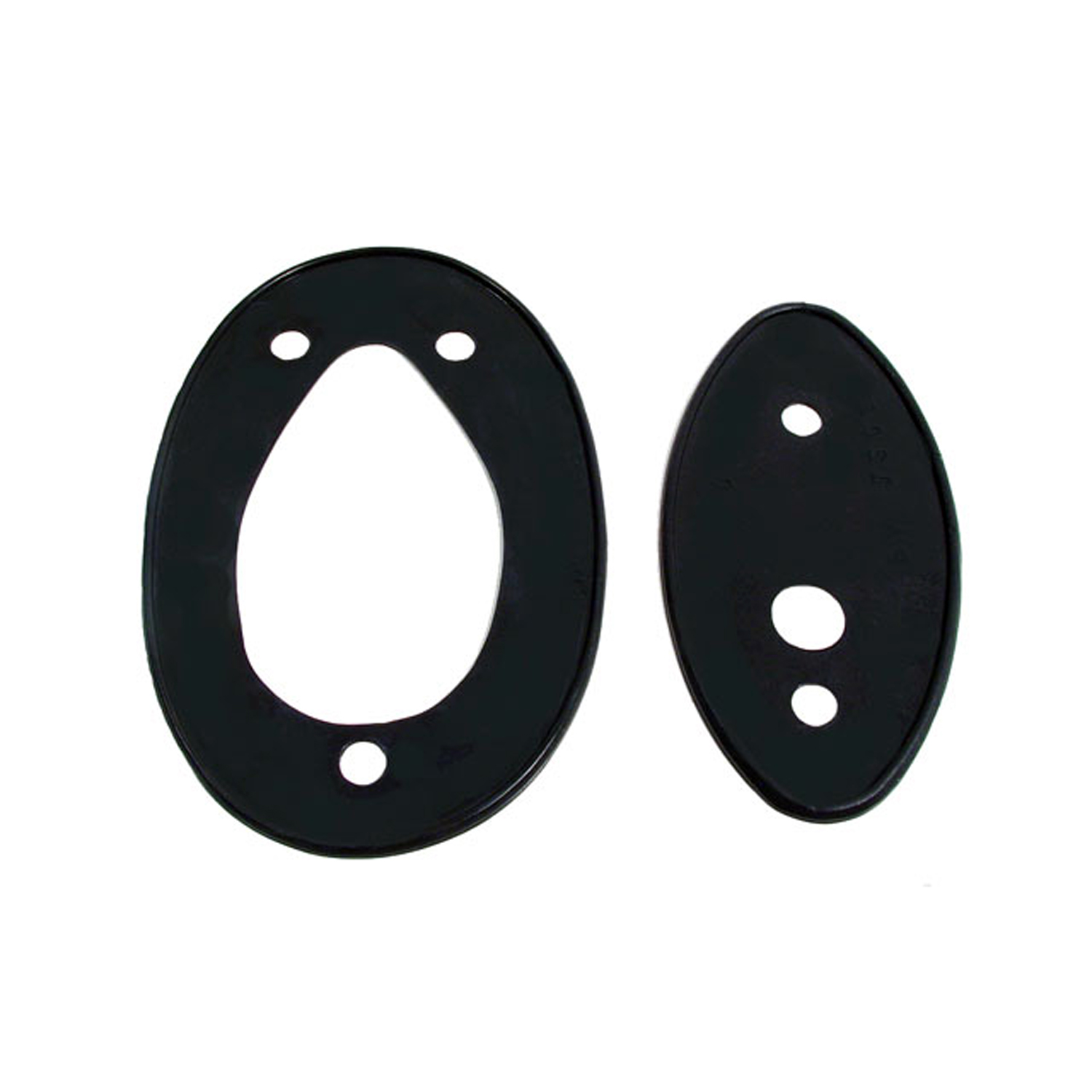 1933 Pierce-Arrow Model 1247 Tail-light Pads-MP 1203-1204Tail-light Pads. 5" wide X 7-1/2" long, 3-1/4" wide X 6-1/2" long. Pair R&L
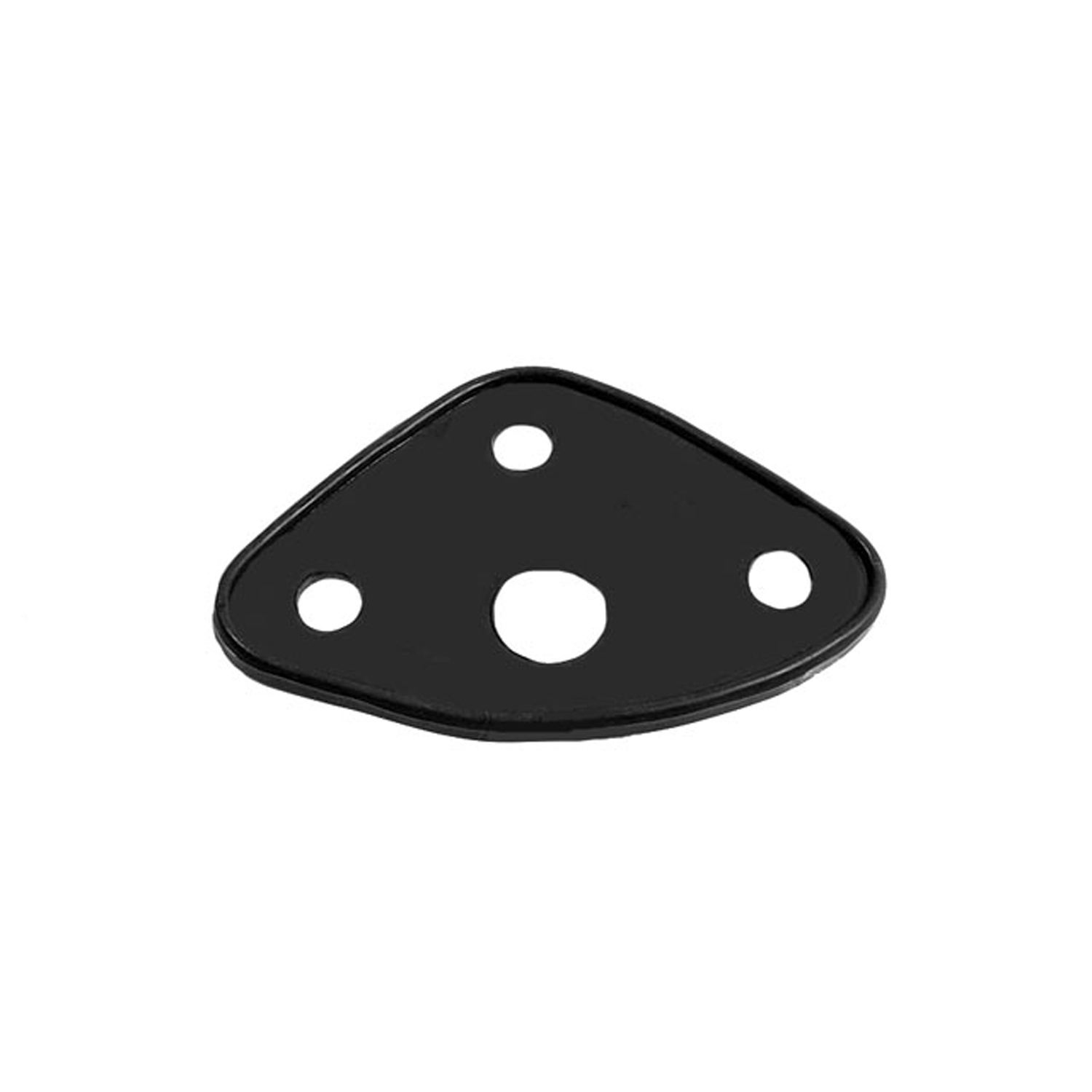 1933 Pierce-Arrow Model 1247 Park Light and Horn Bracket Pad. 4-5/8" wide X 3-1/8" long-MP 1205Park Light and Horn Bracket Pad. 4-5/8" wide X 3-1/8" long. Each
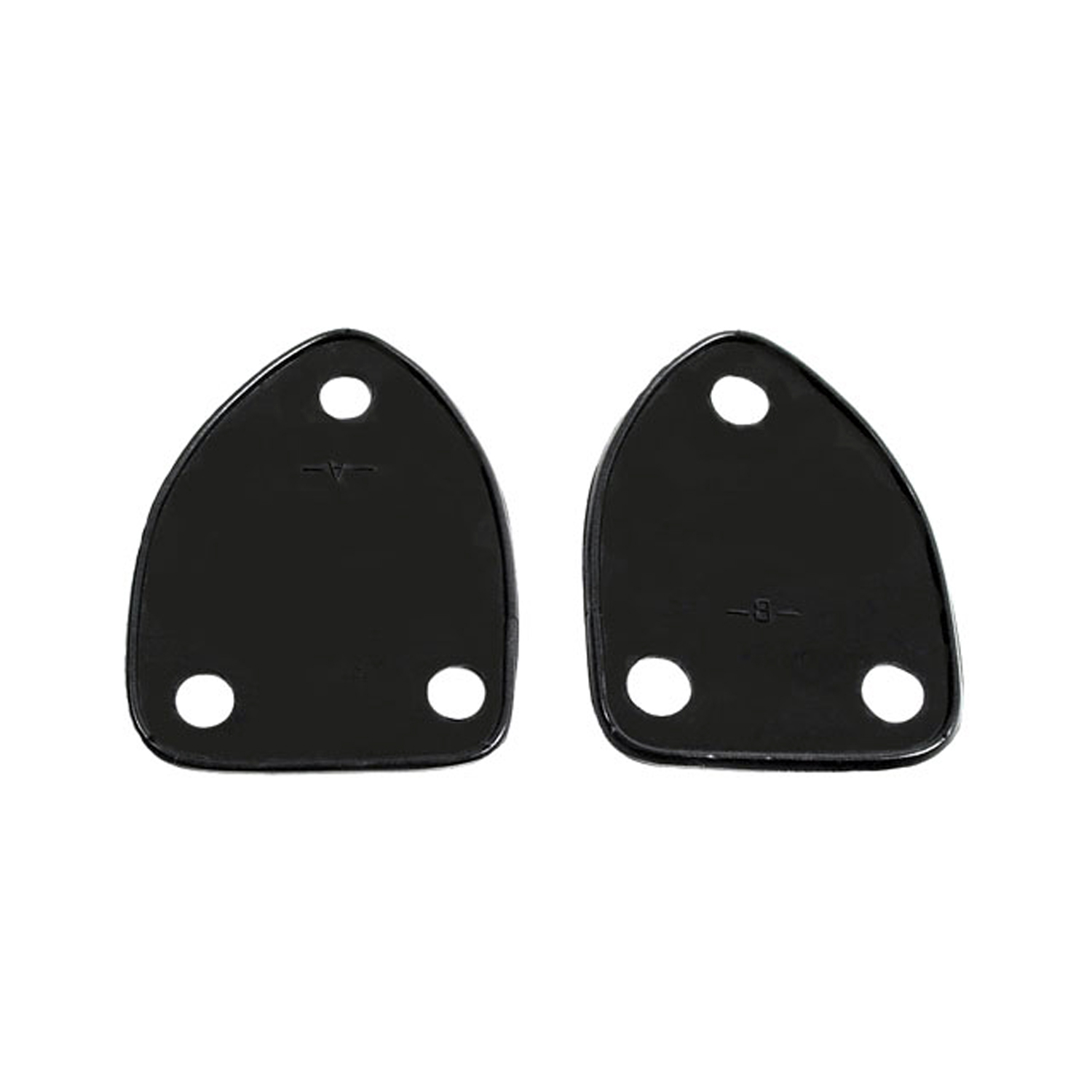 1933 Pierce-Arrow Model 1247 Spare Mount Pads. 3-1/2" wide X 4-5/8" long. Pair R&L-MP 1205-BSpare Mount Pads. 3-1/2" wide X 4-5/8" long. Pair R&L
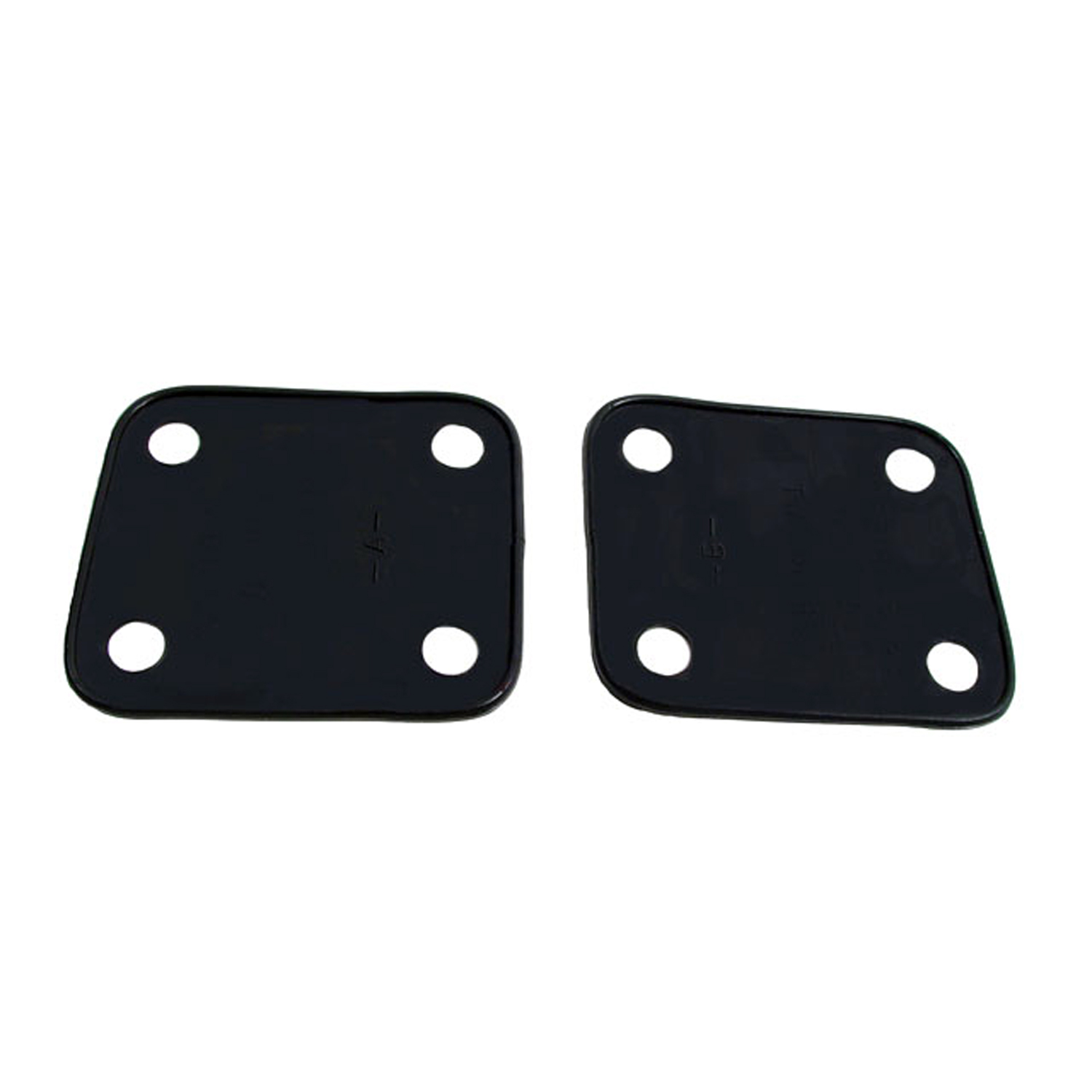 1933 Pierce-Arrow Model 1247 Spare Mount Pads. 3-1/2" wide X 4" long. Pair-MP 1205-CSpare Mount Pads. 3-1/2" wide X 4" long. Pair
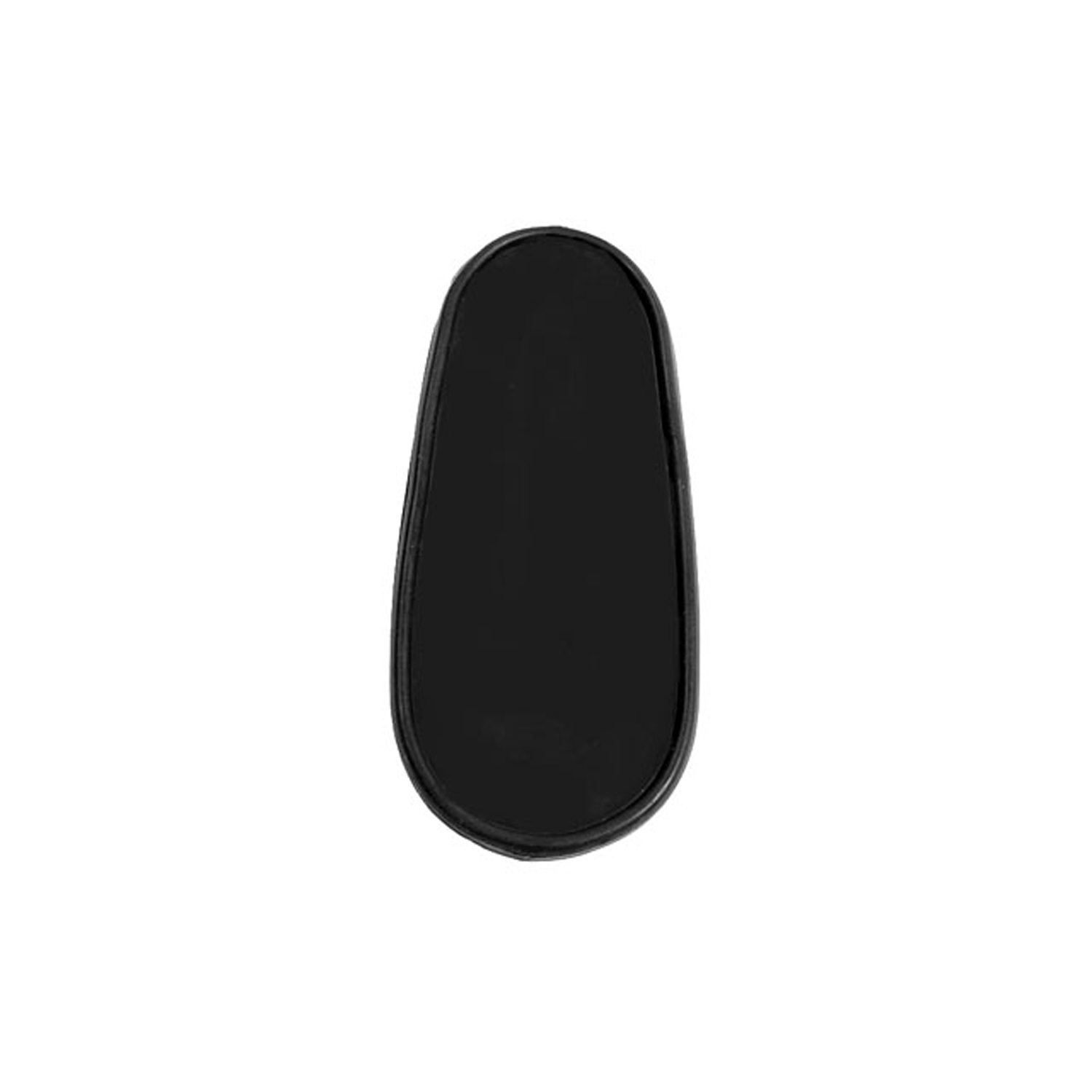 1933 Pierce-Arrow Model 1247 Horn Mount Pad. 2" wide X 4-1/2" long. Each-MP 1206Horn Mount Pad. 2" wide X 4-1/2" long. Each
Why Choose Metro?
For over 100 years, Metro Moulded Parts has been the pinnacle of quality in classic car restoration parts. Our commitment to precision and authenticity in every component ensures a perfect fit and an OEM-level appearance.
- Expert Craftsmanship & Quality: Each part is a testament to our dedication to reliability and perfection, crafted from original designs and thoroughly tested.
- Advanced Technology: We use cutting-edge techniques to create flawless, long-lasting parts that surpass others in performance.
- SuperSoft Sponge – The Ultimate Door Seal: Not only are our door seals 30% softer than competitors', but they're also guaranteed to never leak. They effectively reduce wind and road noise, enhancing your classic car's comfort and driving experience.
- Proudly American: Our parts are a product of American craftsmanship, made in the USA with a spirit of excellence and heritage.
- Unrivaled Warranty: We back our products with a 30-year industry-leading warranty, a testament to our confidence in their quality.
Join us in preserving the legacy of classic cars with parts that are crafted for perfection, not just made.