
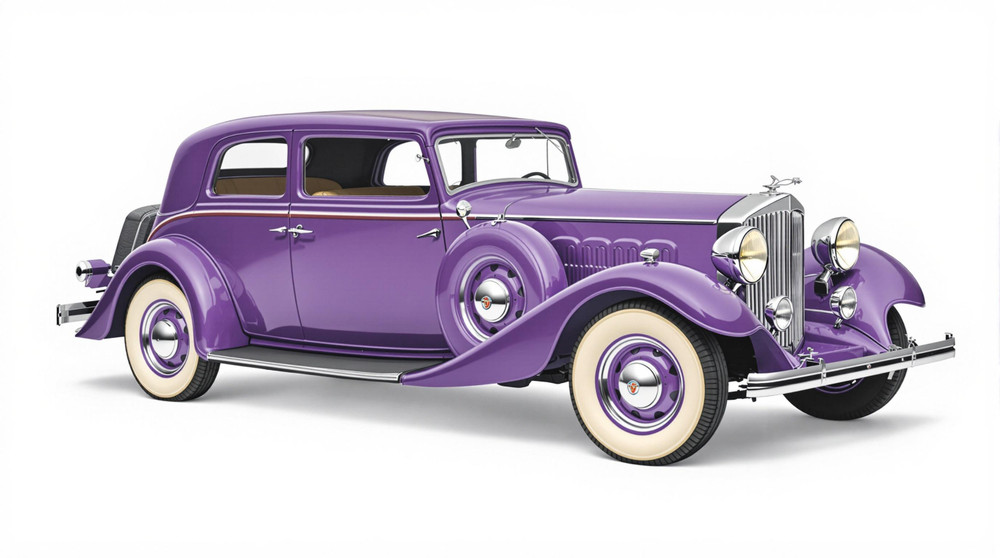
Image of 1934 Pierce-Arrow Model 1240a, Note: These illustrations use artistic license and may differ from actual historical models.
Performance Metrics
Fundamental Metrics
Emotional Appeal
MMP Rating
| Engine Specifications | |
|---|---|
| Engine: | Straight 8 |
| Displacement: | 462 cubic inches |
| Horsepower: | Estimated 175 HP |
| Torque: | Not available |
| Compression Ratio: | Not available |
| Ignition System: | Battery and coil |
| Cooling System: | Water-cooled |
| Performance Specifications | |
| 0-60 Time: | Not available |
| 1/4 Mile Time: | Not available |
| Top Speed: | Estimated 85-95 mph |
| Transmission and Drive | |
| Drive Type: | Rear-wheel drive |
| Transmission Type: | 3-speed manual |
| Fuel and Efficiency | |
| Fuel System Type: | Carburetor |
| MPG: | Not available |
| Dimensions and Brakes | |
| Brakes: | 4-wheel hydraulic drum brakes |
| Wheelbase: | 139 inches |
| Weight: | Estimated 5,000 lbs |
Note: Specifications for classic cars are given to the best of our ability, considering the limited and variant data available.
1934 Pierce-Arrow Model 1240A: A Twelve-Cylinder American Flagship
The 1934 Pierce-Arrow Model 1240A did not need a hood ornament to announce its importance: its long bonnet, sculpted fenders, and unmistakable fender-mounted headlights did the talking. Built in Buffalo, New York, by the Pierce-Arrow Motor Car Company, the 1240A was among the marque’s most prestigious offerings, combining imposing coachwork with a smooth twelve-cylinder engine.
Its arrival came during one of the toughest periods in American automotive history. The Great Depression had sharply reduced demand for expensive cars, yet Pierce-Arrow continued to build hand-finished luxury machines for buyers who wanted something beyond ordinary transportation. The 1240A represents both the ambition of the prewar American luxury industry and the financial pressures that would eventually overcome Pierce-Arrow. The company closed in 1938.
One especially intriguing connection is the 1933 Silver Arrow, Pierce-Arrow’s dramatic, streamlined show car. Its “Suddenly it’s 1940!” advertising captured the public’s appetite for futuristic design. The Model 1240A was a more traditional production automobile, but it shared the company’s confidence in making a car look unmistakably different from the crowd.
Arrow-Shaped Style and Hand-Finished Comfort
The 1240A’s styling balanced formal luxury with a powerful road presence. A tall radiator shell, long hood, sweeping running boards, and expansive fenders gave the car the proportions of a moving grand entrance. Its best-known visual signature was the pair of headlights mounted on the front fenders. Pierce-Arrow had made this arrangement a defining feature, and it gave the car a wide, almost architectural face.
Body details depended on the selected coachwork. A closed sedan could look stately and businesslike, while an open touring body or convertible emphasized the car’s length and elegance. The finish was intended to feel substantial rather than flashy: polished brightwork, carefully fitted trim, and deep paint colors complemented the car’s imposing scale. Buyers could choose from factory color selections, with custom combinations also possible depending on body and order. Dark shades such as black, maroon, and deep blue suited the period’s formal tastes, though original color availability varied by body style and individual specification.
Inside, the 1240A offered the kind of cabin expected of a high-priced automobile. Depending on the body, occupants could find broad upholstered seats, quality cloth or leather, handsome wood trim, and generous room for passengers. Limousines and other chauffeur-oriented versions could include a division between the driver and rear compartment. The finish was a major part of the ownership experience: Pierce-Arrow buyers were paying not only for an engine and chassis, but also for careful assembly and a sense of bespoke luxury.
Body styles and coachwork could include sedans, limousines, coupes, convertible coupes, and other formal or open configurations. The exact catalog varied with the year and production program, and some bodies were built in limited numbers. The sedan is the most recognizable practical choice today, while the open and unusually coachbuilt examples tend to attract extra attention at concours events and auctions.
Engineering for Quiet, Effortless Travel
At the heart of the Model 1240A was Pierce-Arrow’s large L-head V12, with displacement generally listed at about 462 cubic inches. Period specifications commonly put output around 175 horsepower, delivered at low engine speeds for smooth, relaxed progress. A three-speed manual transmission sent power to the rear wheels. This was not a lightweight sports car: the twelve-cylinder engine was designed to move a substantial luxury automobile with composure rather than deliver sharp, high-revving performance.
Its technology was advanced in the context of a 1930s luxury car. The V12’s inherent smoothness reduced vibration, while the long wheelbase helped create a stable ride. The fender-mounted headlamps were not merely decorative; they were part of Pierce-Arrow’s distinctive approach to integrating lighting with the body. Hydraulic brakes and substantial chassis engineering helped manage the car’s considerable mass, though owners still had to remember that a prewar automobile behaves differently from a modern car.
The 1240A was offered in a limited range of factory colors and finishes, with choices depending on body style and customer order. Rather than assume one universal palette, it is best to think of each surviving car as a combination of factory specification, later refinishing, and sometimes custom coachwork. Original paint and documented color history can add considerable interest for collectors.
A Luxury Car with a Lasting Design Signature
Pierce-Arrow stood apart from many contemporaries through its combination of mechanical refinement, distinctive styling, and low-volume production. Its cars were built for buyers comparing the finest American marques, not for the mass market. The 1240A’s V12 placed it in an exclusive class, while its long, formal bodywork projected the kind of presence associated with chauffeur-driven motoring.
The fender-mounted headlights remain the most memorable Pierce-Arrow design cue. They helped create a strong visual identity at a time when many cars shared similar upright proportions. The company’s Silver Arrow concept also showed a willingness to explore streamlined forms well before aerodynamic styling became common. While the 1240A itself was more conservative than that show car, it belongs to the same period of experimentation and transition in American design.
The model’s historical importance is also tied to timing. It was a high-quality product built when the market for expensive automobiles was shrinking. Pierce-Arrow’s commitment to craftsmanship and advanced powertrains could not overcome the economic conditions of the decade. That tension gives the 1240A its particular character: it is both a mature expression of traditional luxury and one of the last chapters in a celebrated American marque’s story.
How the Pierce-Arrow Twelve Drives
Exact performance figures vary with body style, condition, gearing, and the weight of the finished car. As a broad period-car estimate, a well-maintained Model 1240A could reach roughly 85 to 90 mph. Zero to 60 mph would likely take in the neighborhood of 20 to 25 seconds, rather than the quick sprint expected of a modern car. These are estimates, not guaranteed factory figures for every example.
On the road, the V12’s main virtue is its smooth, deep reserve of power. The engine should sound more like a muted mechanical hum than a hard-edged roar when it is running correctly. The three-speed gearbox calls for deliberate shifts, and the driver needs to anticipate stops and hills rather than rely on modern levels of acceleration or braking.
The long chassis helps the car glide over broad, uneven roads, but sharp potholes can still unsettle its heavy wheels and period suspension. On winding roads, the 1240A rewards a measured pace. Its size, weight, and older steering geometry mean that quick direction changes require planning, while narrow roads can make its generous dimensions obvious. The experience is less about attacking corners than settling into a steady rhythm and enjoying the quiet authority of the V12.
Ownership, Maintenance, and Reliability
Today, a 1934 Pierce-Arrow is primarily a collector car, touring car, and show vehicle. Some owners take their cars on organized vintage tours, where the ability to cover distance in comfort matters more than modern traffic performance. A Model 1240A could be driven regularly by a committed enthusiast, but it is not a sensible everyday car for most people.
Maintenance requires specialist knowledge and access to parts. The basic mechanical layout is understandable to an experienced vintage-car mechanic, but the V12, unique chassis components, body hardware, and coachwork can make repairs more involved than work on a common prewar car. Parts availability is limited compared with high-production American models, and some components may need to be rebuilt or fabricated. A prospective owner should seek out marque specialists and clubs before buying.
Reliability depends heavily on the quality of restoration and ongoing care. A properly sorted example can tour reliably at appropriate speeds, but an old luxury car should never be judged by its appearance alone. Compression, cooling, oil pressure, brakes, steering, electrical systems, and the condition of the transmission deserve careful inspection. A pre-purchase evaluation by someone familiar with Pierce-Arrow cars is money well spent.
Rare Details and Common Criticisms
The Model 1240A’s rarity is part of its appeal. Pierce-Arrow production was modest compared with the output of mass-market manufacturers, and twelve-cylinder cars represented only a portion of the company’s business. Exact factory totals for individual body styles and surviving cars can be difficult to establish. A reasonable working estimate is that production of the 1934 Model 1240A was in the low hundreds, though this should be treated as an informed estimate rather than a definitive factory count.
The Silver Arrow is often mentioned alongside 1934 Pierce-Arrow history, but it should not be confused with the standard Model 1240A. The Silver Arrow was an exceptionally rare, highly streamlined special, not simply a body option on every Twelve. Its futuristic appearance helped make it one of the era’s most famous American concept cars.
There is no widely recognized speed, sales, or endurance record associated specifically with the Model 1240A. Its distinction lies instead in its engineering, craftsmanship, and place in the history of American luxury automobiles. Nor is it chiefly remembered as a racing car. Pierce-Arrow’s reputation rested on road-going refinement and prestige.
Common criticisms are familiar to anyone considering a prewar luxury car: the 1240A is large, thirsty, demanding to maintain, and not suited to modern traffic. Its brakes and handling require more attention than those of a contemporary vehicle, and replacement parts can be expensive. Those drawbacks are real, but they are part of the ownership equation rather than surprises for a well-prepared buyer.
Collector Values and Market Outlook
Values depend greatly on body style, originality, restoration quality, provenance, and mechanical condition. As a broad current-market estimate, a usable or older-restoration Model 1240A might sell in the range of roughly $100,000 to $250,000. A high-quality restoration or a particularly desirable body could reach approximately $250,000 to $500,000 or more. Exceptional coachbuilt cars can exceed those ranges, while projects may sell for substantially less.
Availability is limited. A buyer may wait a long time for the right example, and the car that appears at auction may not be the body style, condition, or specification a collector wants. Total production for the 1934 Model 1240A is best treated as a low-hundreds estimate, with the number of surviving, usable cars smaller still.
Long-term values have benefited from the Model 1240A’s rarity and the enduring appeal of Pierce-Arrow’s name. However, the market for large prewar cars is selective, and restoration costs can exceed the value added by the work. Exceptional, documented examples are the strongest candidates for appreciation. Ordinary or poorly restored cars may be harder to sell, so buyers should prioritize condition and provenance over optimistic assumptions about future prices.
Why the 1934 Model 1240A Still Matters
The 1934 Pierce-Arrow Model 1240A brought together a distinctive American design, a remarkably smooth V12, and the craftsmanship of a luxury marque under pressure from the Depression. Its fender-mounted headlights make it instantly recognizable, while its imposing proportions and quiet road manners capture a form of motoring built around comfort and ceremony.
It is not an easy car to own by modern standards, nor was it meant to be. The 1240A is a rolling reminder of how far American luxury engineering reached in the 1930s, and of how beautifully a great marque could make a grand automobile just before the world changed around it.
1934 Pierce-Arrow Model 1240a Catalog of Parts
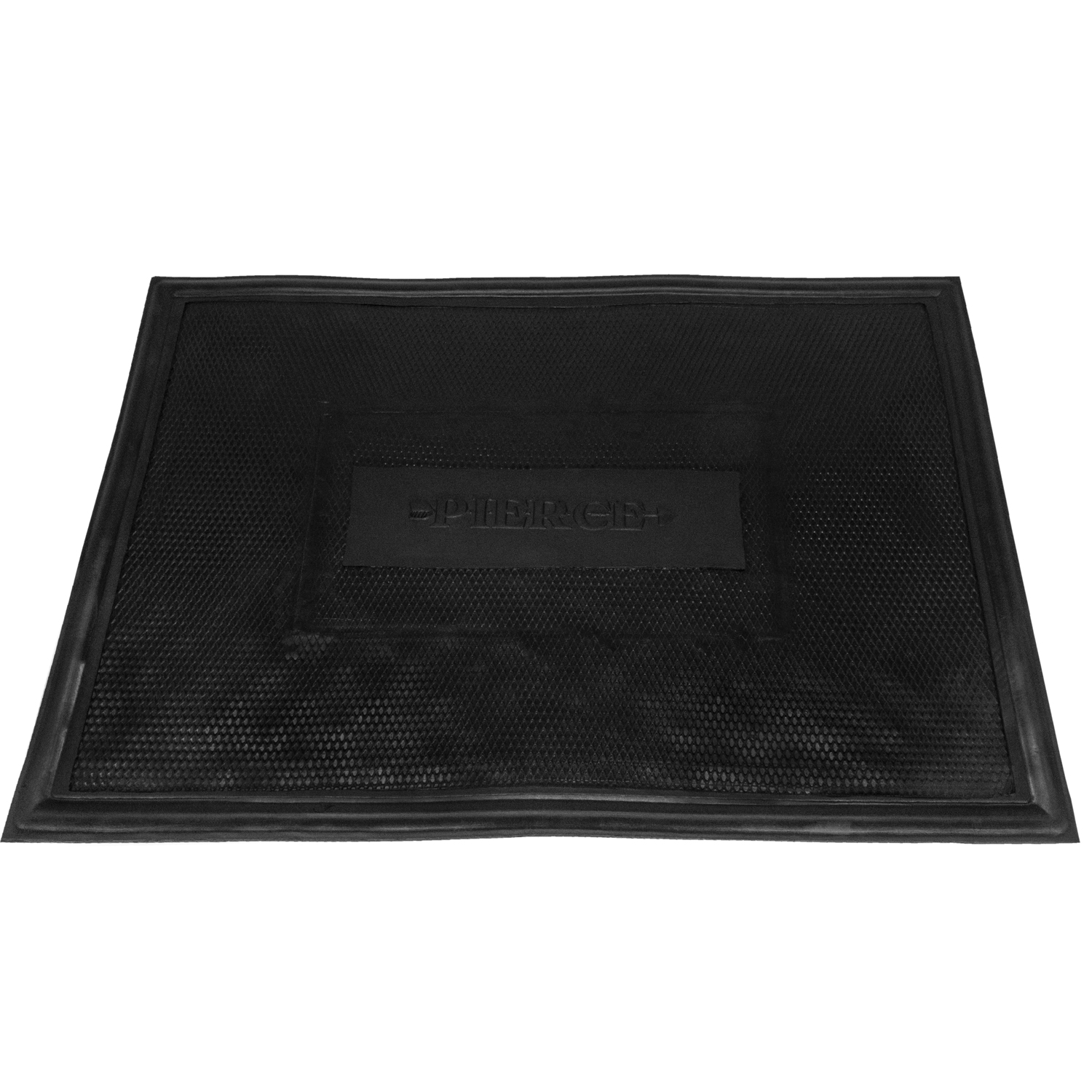 1934 Pierce-Arrow Model 1240A Accessory Floor Mat - 12"X17"-AC 16Accessory Floor Mat - made of high quality black rubber with molded original emblem. Also designed to be sewn into new carpets. 12"X17", Each
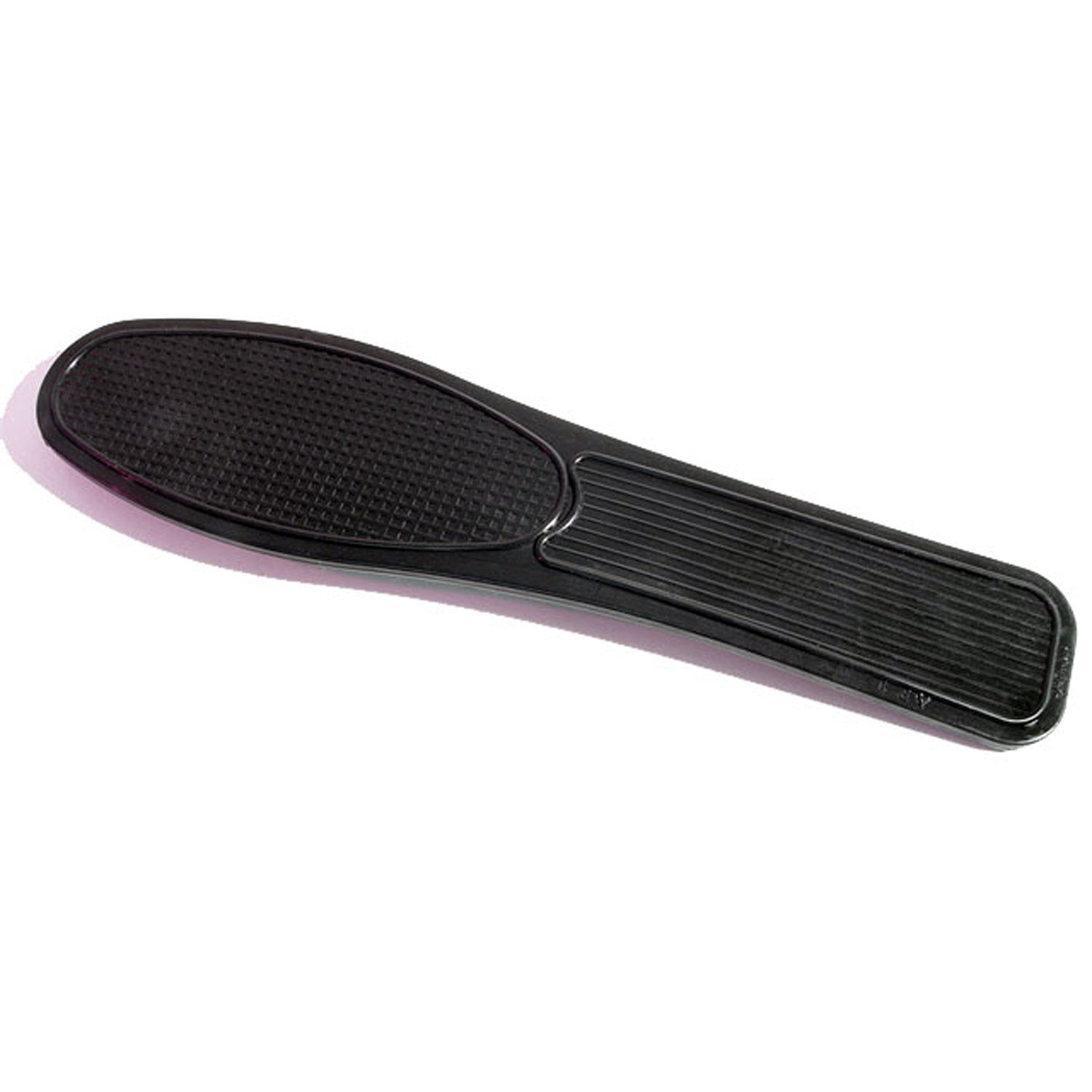 1934 Pierce-Arrow Model 1240A Accelerator Pedal Pad. Cement on type. No emblem-AP 121Accelerator Pedal Pad. Cement on type. No emblem. 2-1/2" X 10-1/8", Each
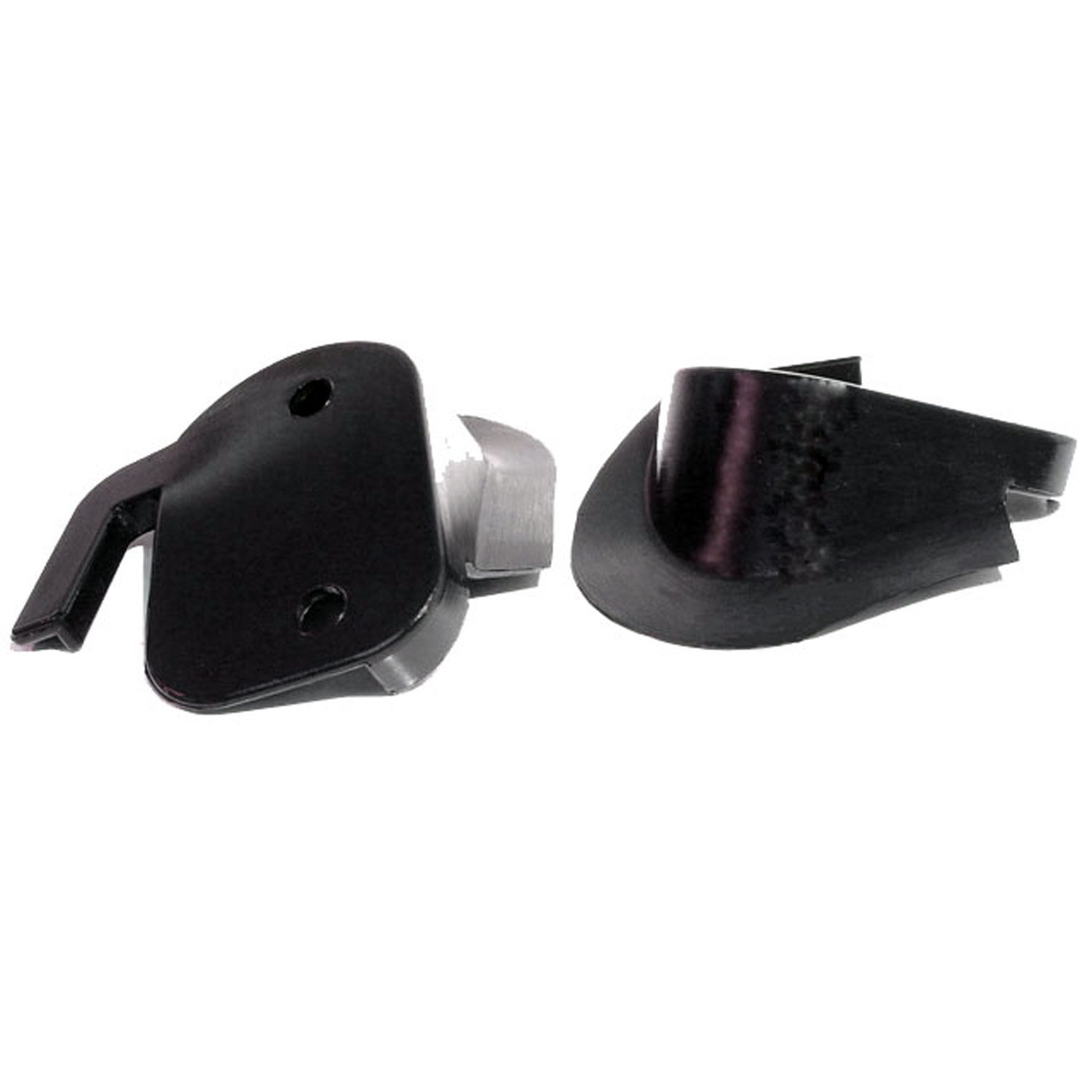 1934 Pierce-Arrow Model 1240A Rear Bumper Arm Grommets. 3-7/8" wide X 6" long. Pair-BG 42Rear Bumper Arm Grommets. 3-7/8" wide X 6" long. Pair
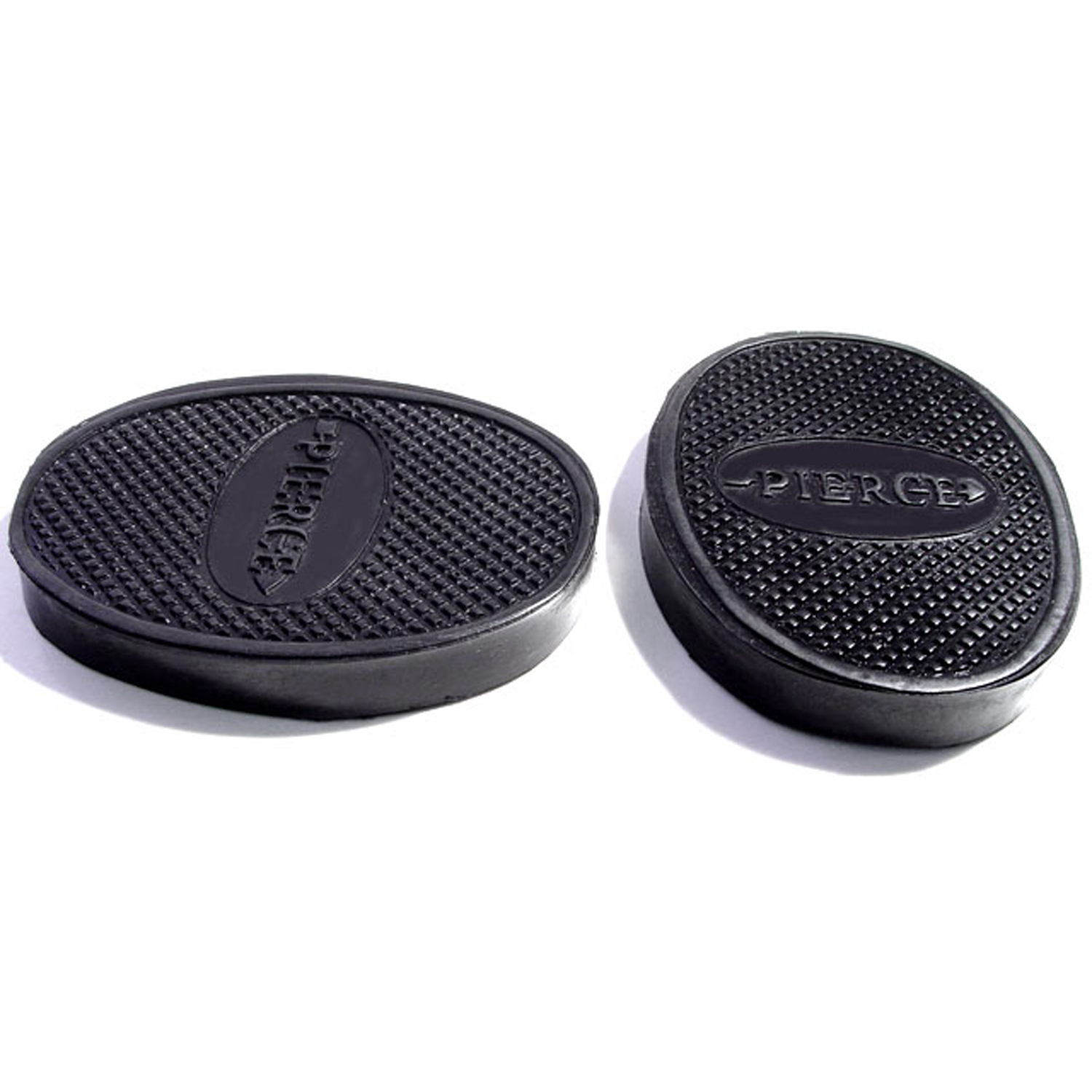 1934 Pierce-Arrow Model 1240A Clutch and Brake Pedal Pads. Sharp Emblem-CB 33Clutch and Brake Pedal Pads. Sharp Emblem. 3" wide X 4-1/8" long. Pair
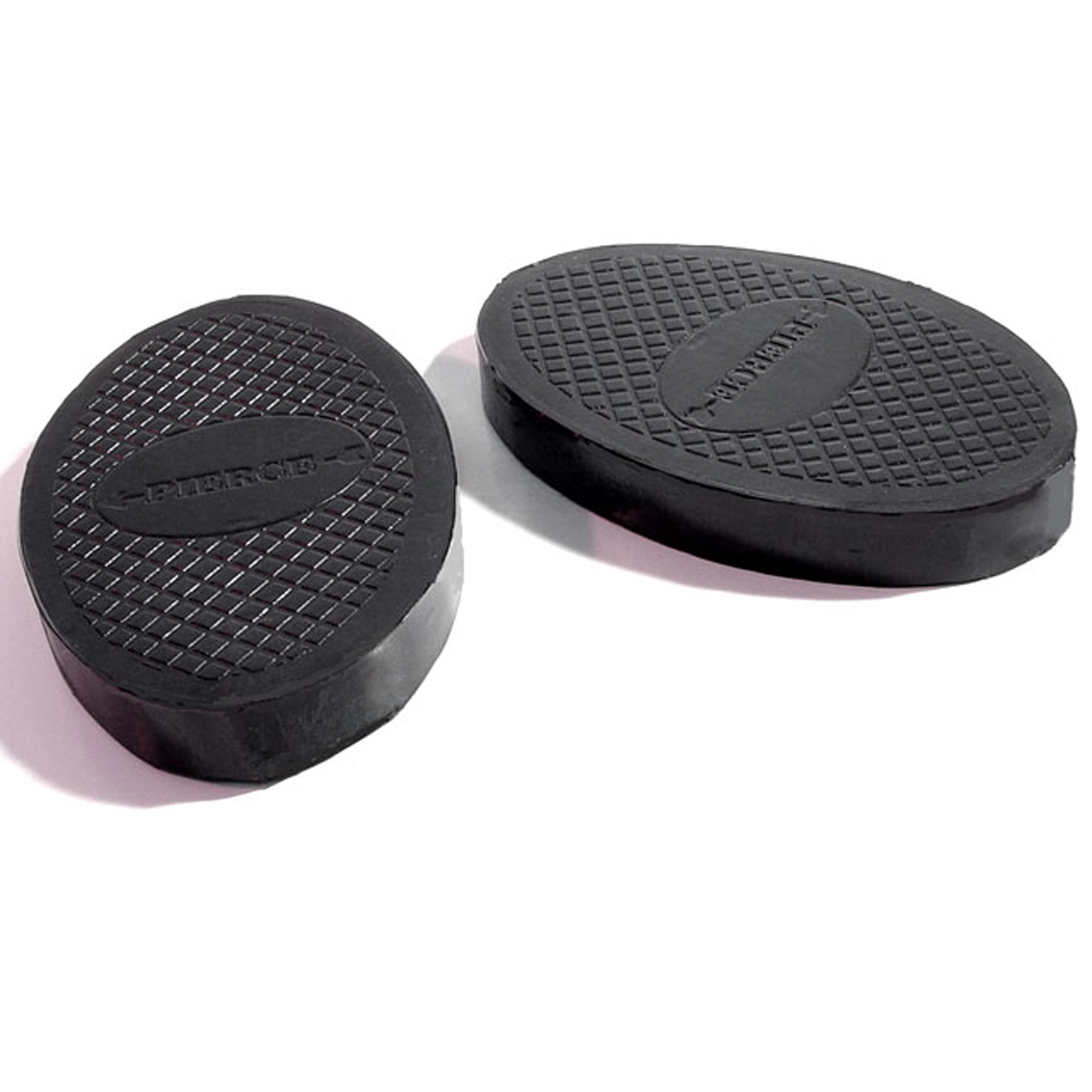 1934 Pierce-Arrow Model 1240A Clutch and Brake Pedal Pads. Sharp-looking Emblem-CB 34Clutch and Brake Pedal Pads. Sharp-looking Emblem. 2-7/8" wide X 4-3/4" long. Pair
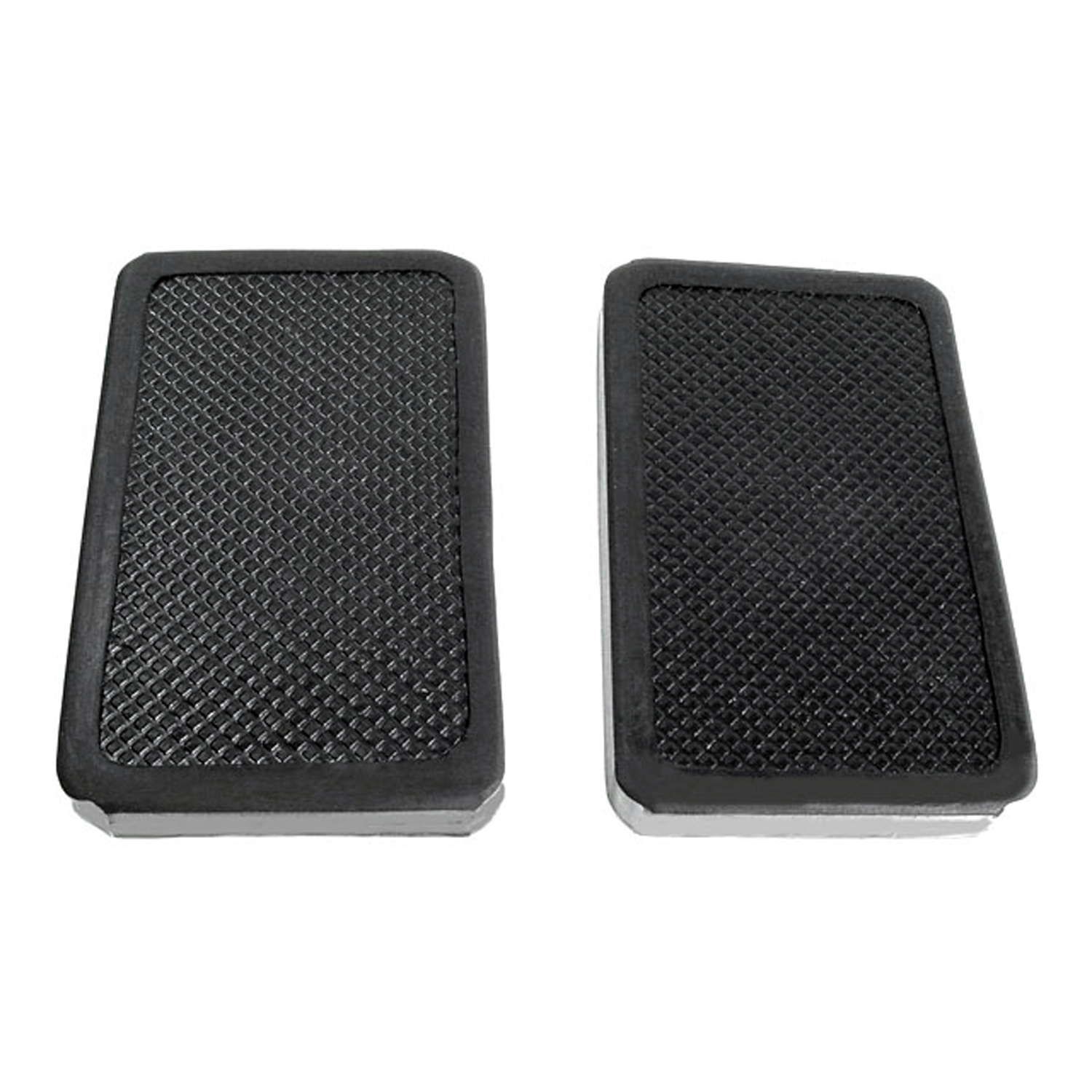 1934 Pierce-Arrow Model 1240A Clutch and Brake Pedal Pads. 3" wide X 5" long. Pair-CB 35Clutch and Brake Pedal Pads. 3" wide X 5" long. Pair
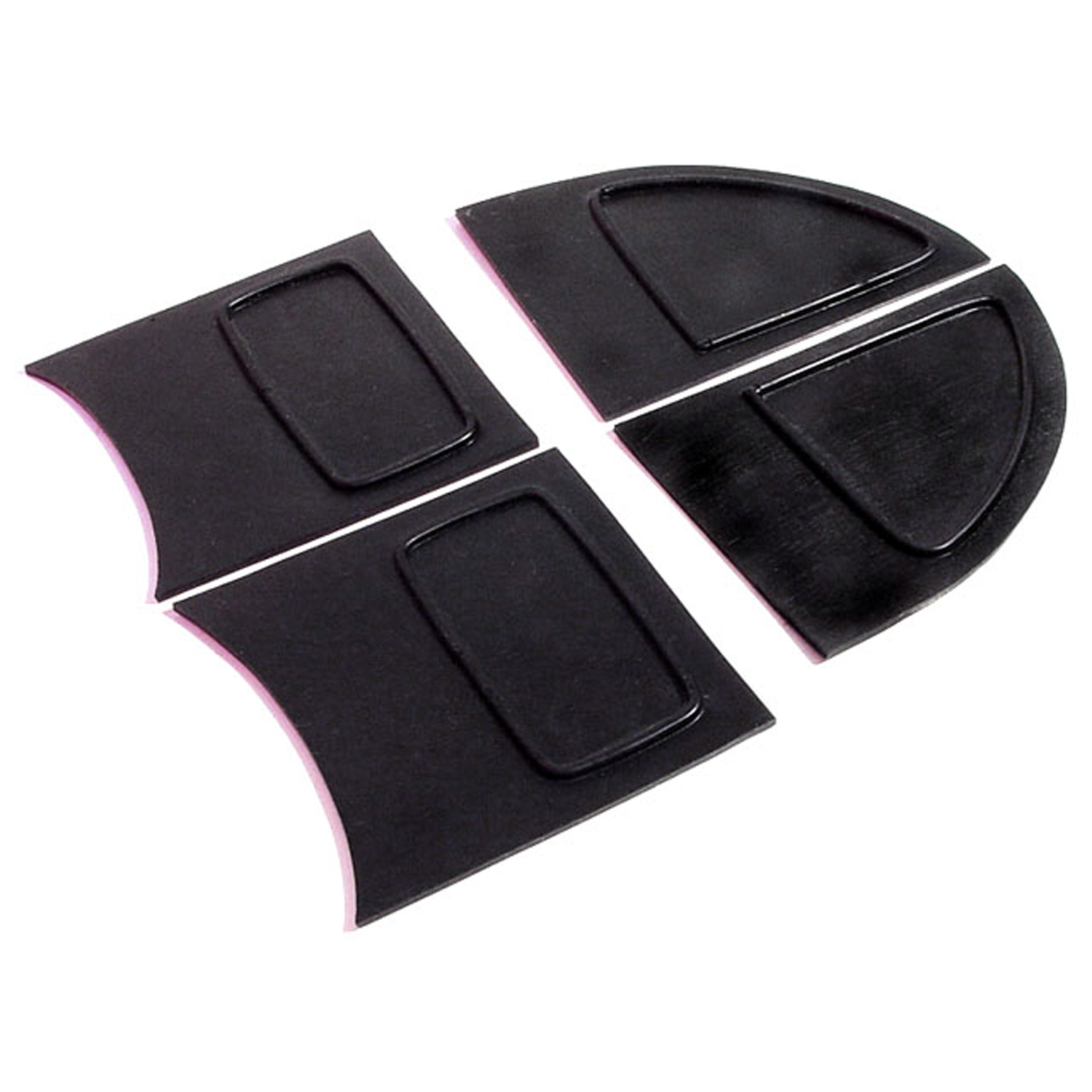 1934 Pierce-Arrow Model 1240A Hood Corner Covers. Flat rubber with original design-HC 20Hood Corner Covers. Flat rubber with original design. Used to recover old metal. Tall pad is 3-1/4" long X 2-1/4" wide. Other is 2-1/2" wide. Set
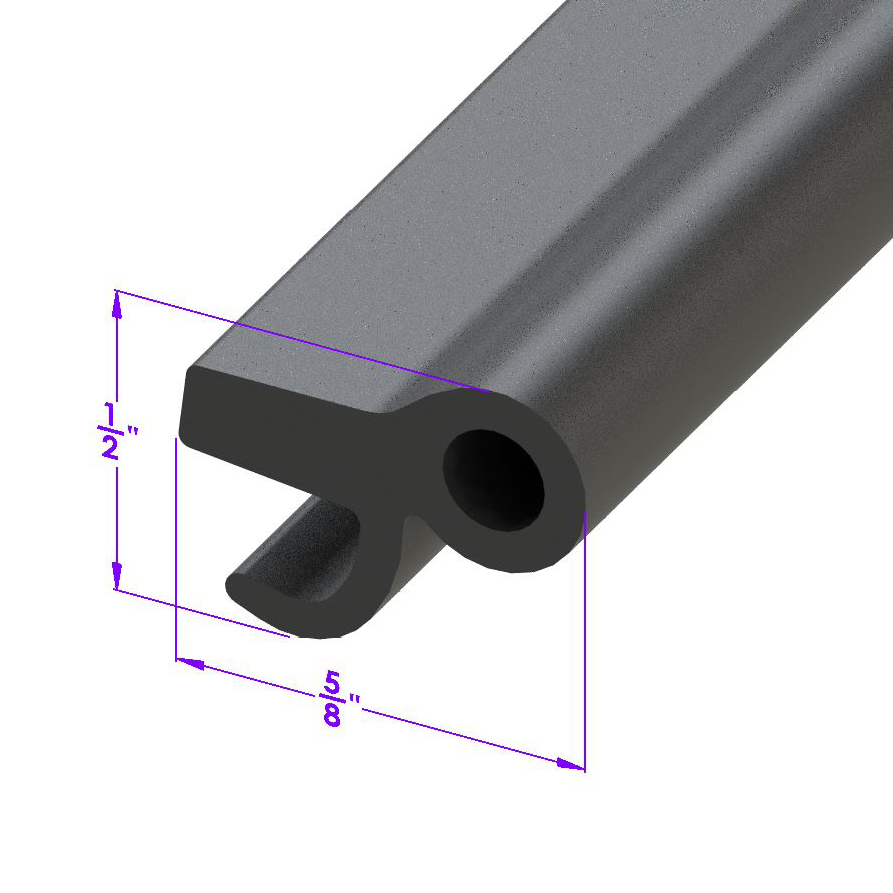 1934 Pierce-Arrow Model 1240A Swing-Out Windshield Seal-LP 97-CSwing-Out Windshield Seal. For both one- and two-piece windshields. Sold by the foot
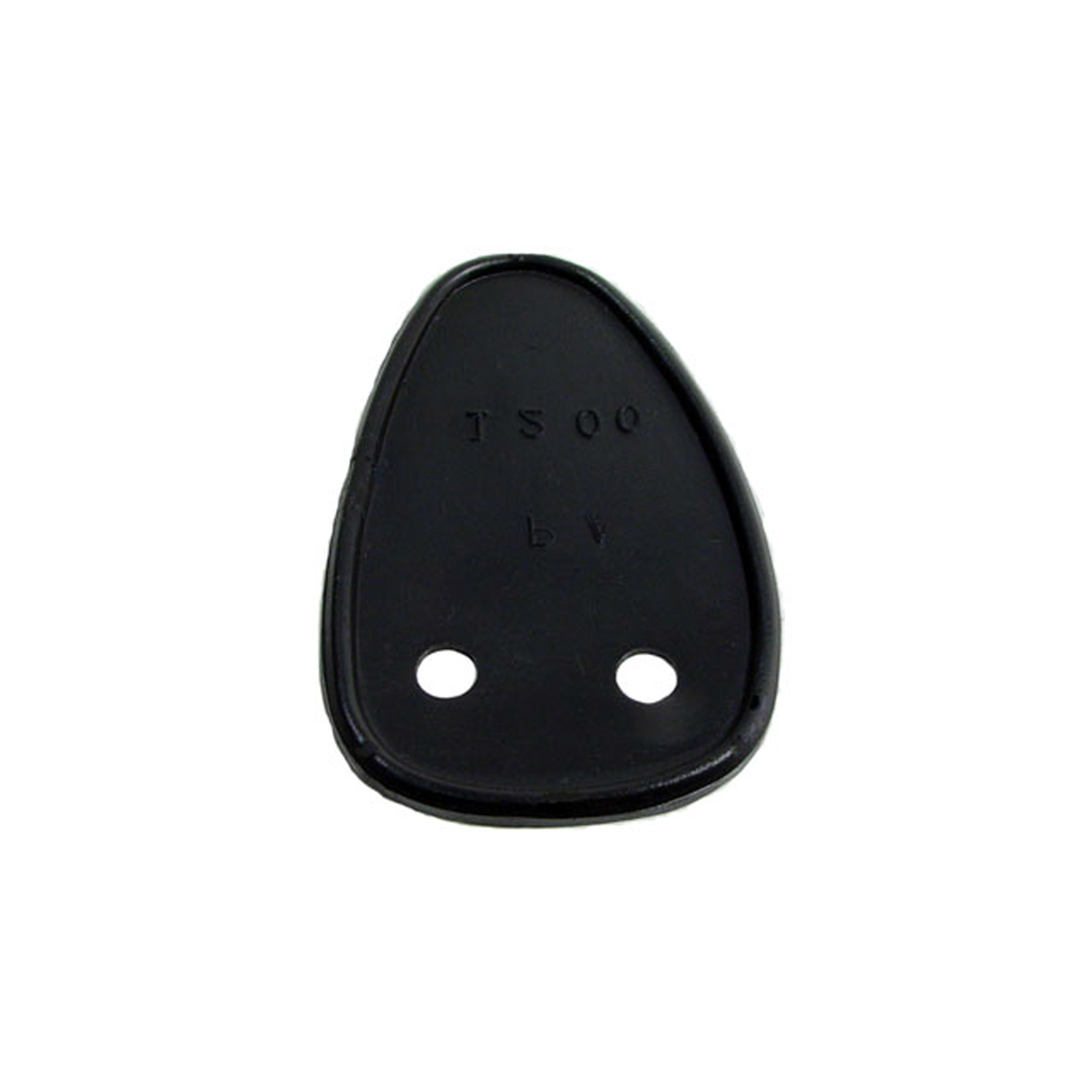 1934 Pierce-Arrow Model 1240A Rumble Seat Step-Plate Pad. 2-1/2" wide X 4" long. Each-MP 1200Rumble Seat Step-Plate Pad. 2-1/2" wide X 4" long. Each
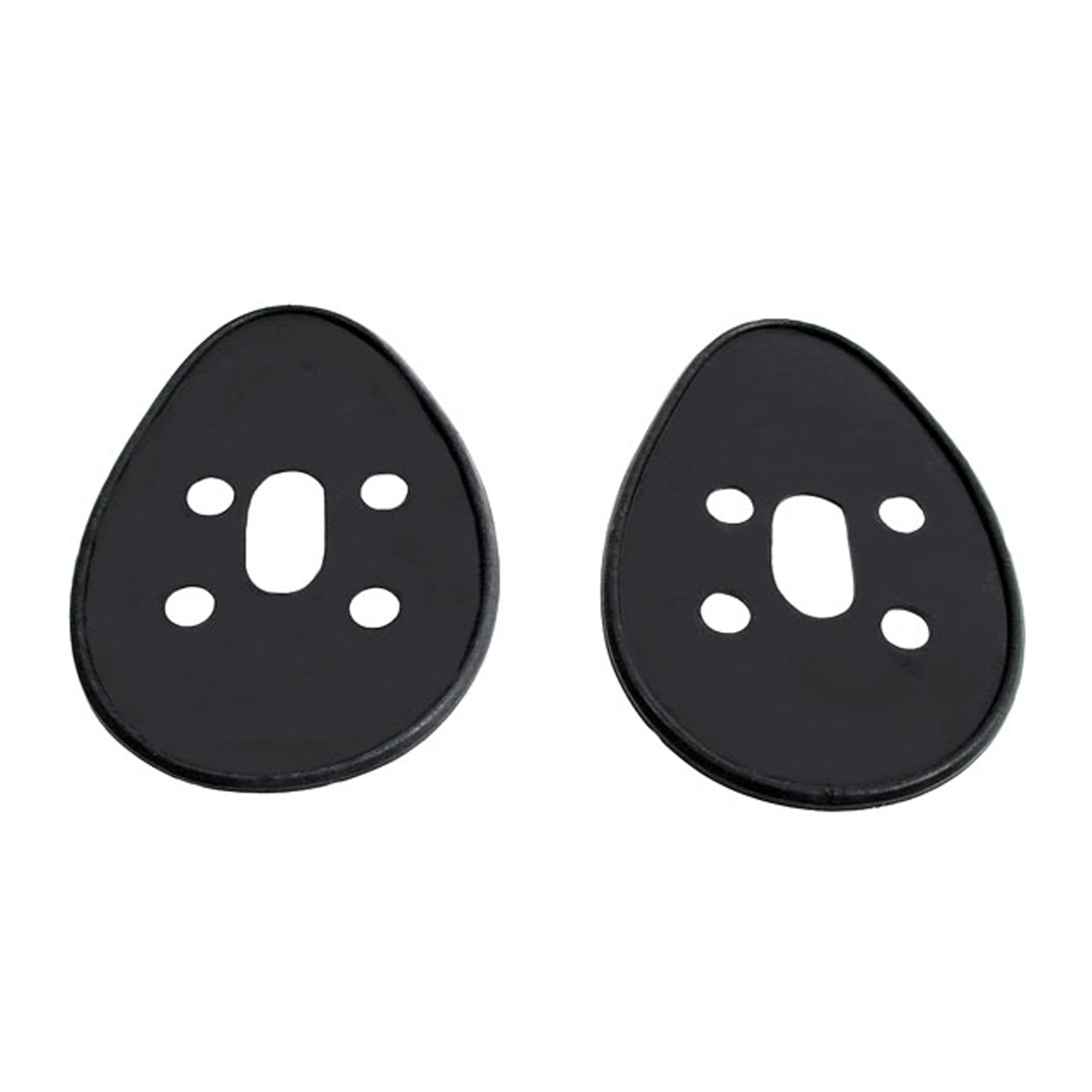 1934 Pierce-Arrow Model 1240A Tail-light Pads. 4-3/8" wide X 6-3/8" long. Pair-MP 1201Tail-light Pads. 4-3/8" wide X 6-3/8" long. Pair
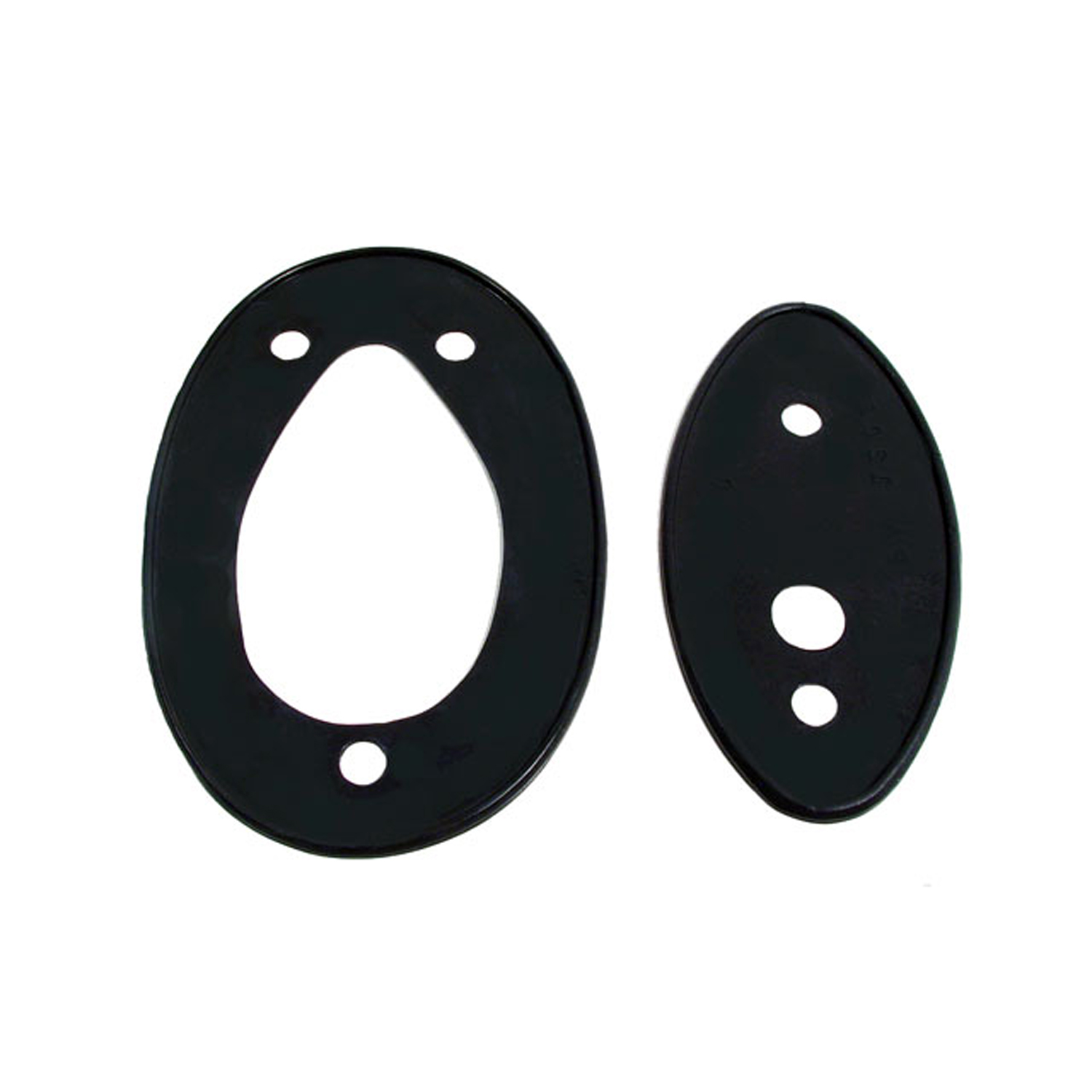 1934 Pierce-Arrow Model 1240A Tail-light Pads-MP 1203-1204Tail-light Pads. 5" wide X 7-1/2" long, 3-1/4" wide X 6-1/2" long. Pair R&L
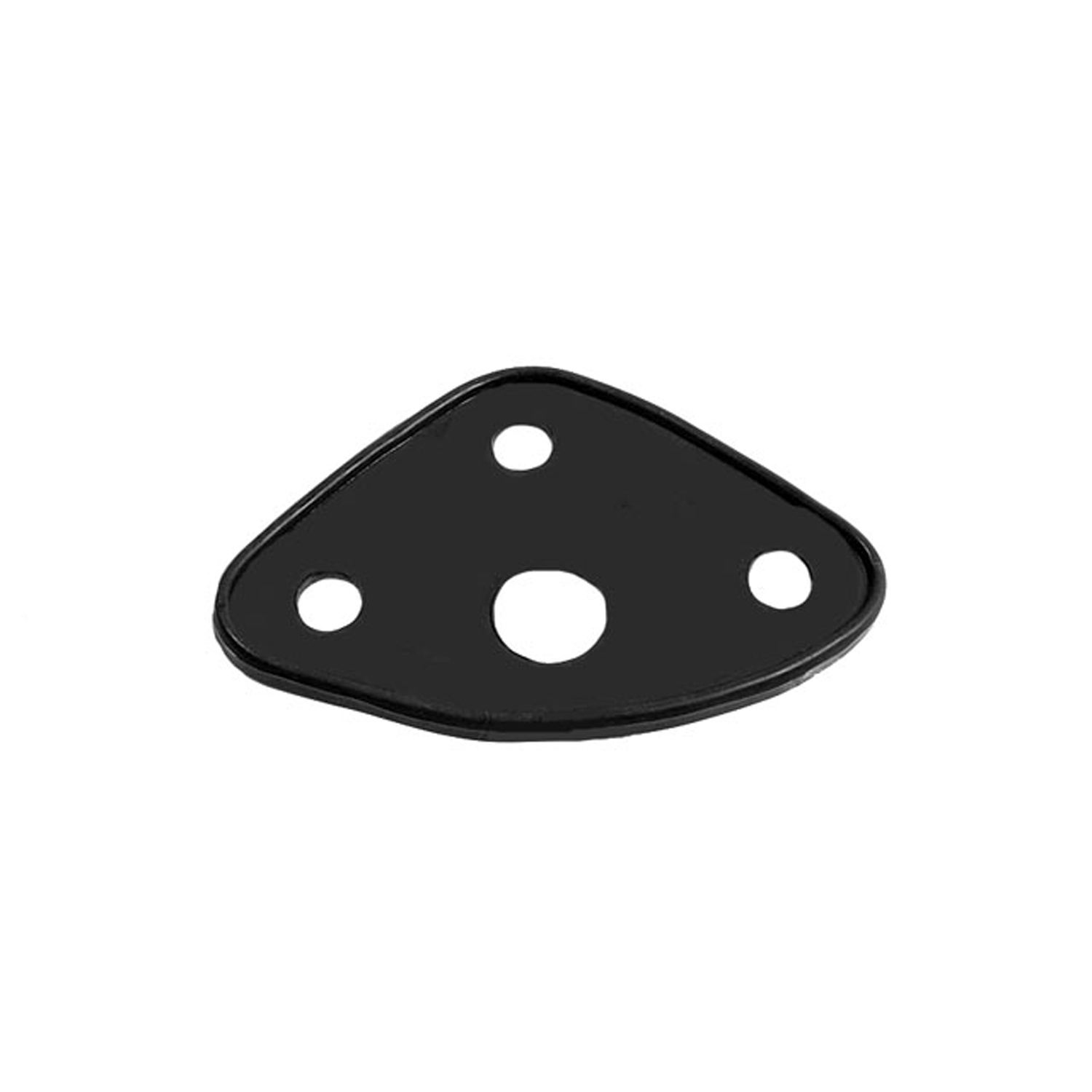 1934 Pierce-Arrow Model 1240A Park Light and Horn Bracket Pad. 4-5/8" wide X 3-1/8" long-MP 1205Park Light and Horn Bracket Pad. 4-5/8" wide X 3-1/8" long. Each
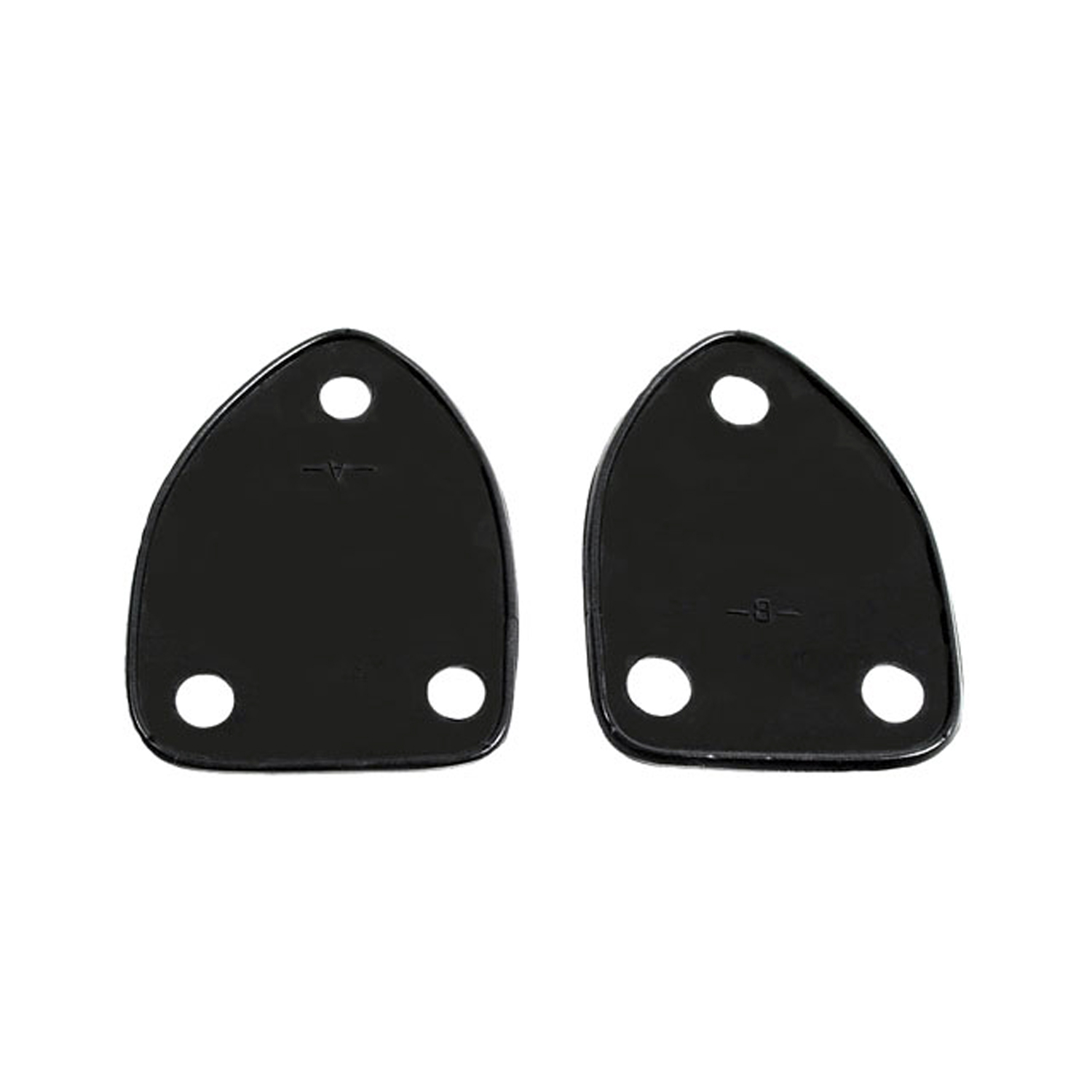 1934 Pierce-Arrow Model 1240A Spare Mount Pads. 3-1/2" wide X 4-5/8" long. Pair R&L-MP 1205-BSpare Mount Pads. 3-1/2" wide X 4-5/8" long. Pair R&L
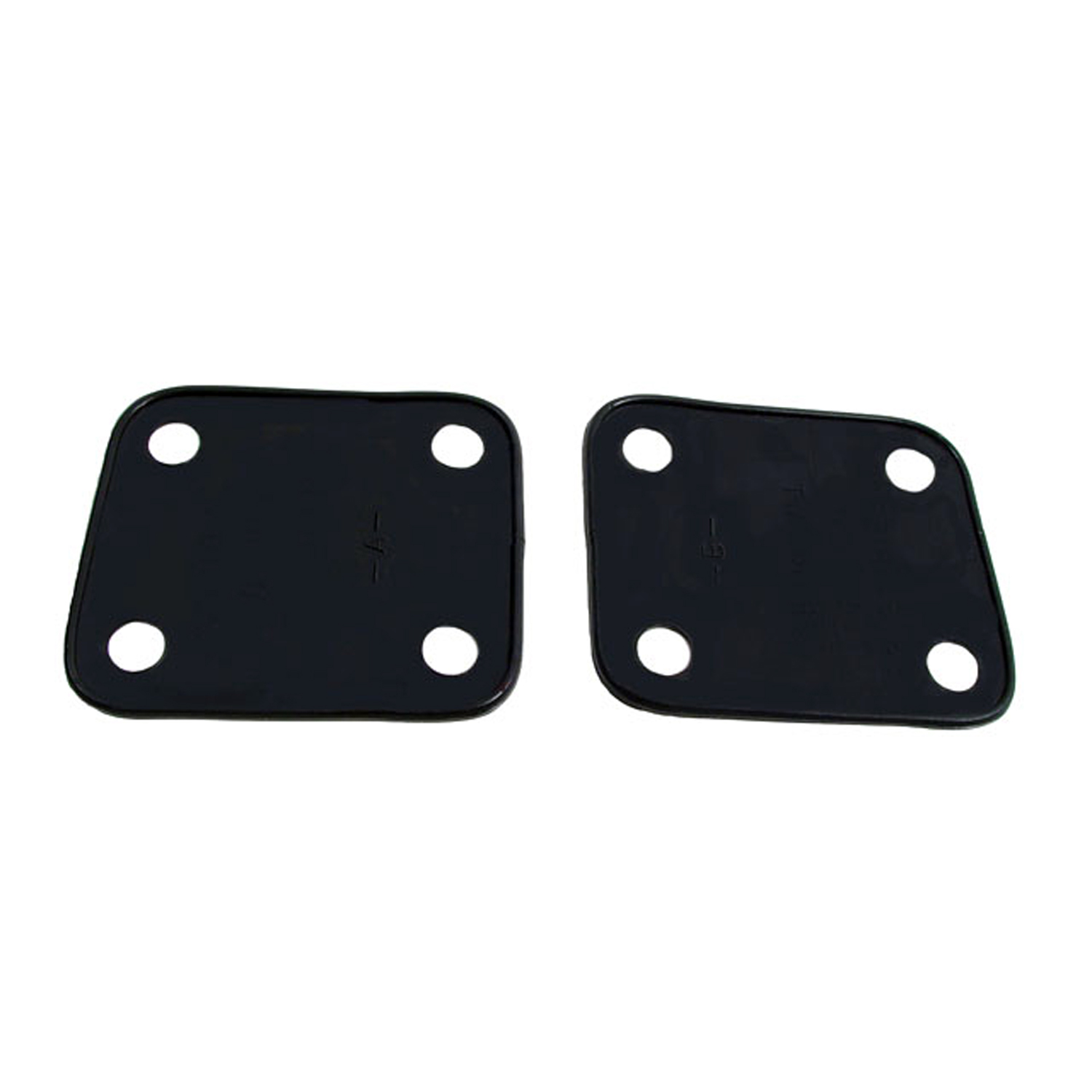 1934 Pierce-Arrow Model 1240A Spare Mount Pads. 3-1/2" wide X 4" long. Pair-MP 1205-CSpare Mount Pads. 3-1/2" wide X 4" long. Pair
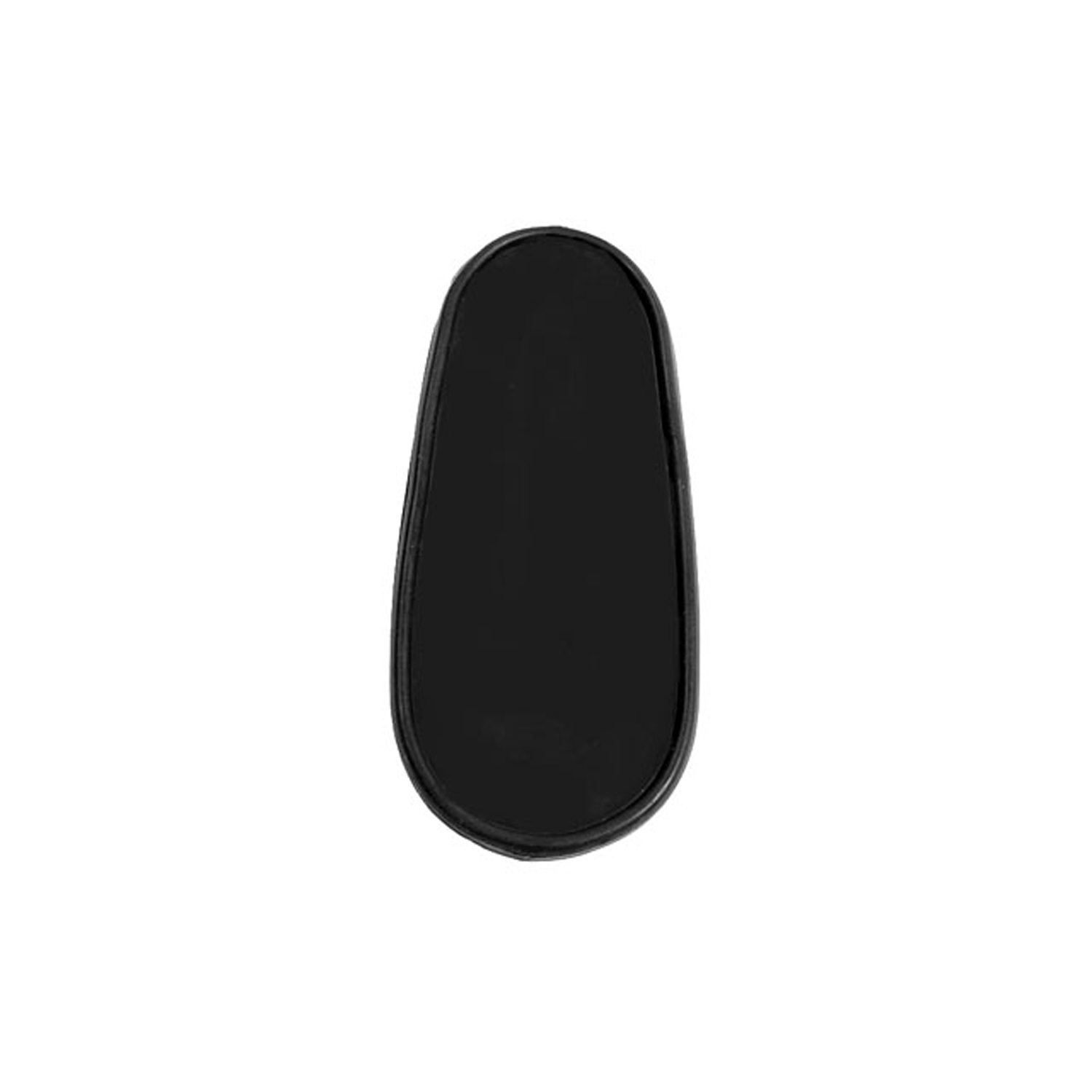 1934 Pierce-Arrow Model 1240A Horn Mount Pad. 2" wide X 4-1/2" long. Each-MP 1206Horn Mount Pad. 2" wide X 4-1/2" long. Each
Why Choose Metro?
For over 100 years, Metro Moulded Parts has been the pinnacle of quality in classic car restoration parts. Our commitment to precision and authenticity in every component ensures a perfect fit and an OEM-level appearance.
- Expert Craftsmanship & Quality: Each part is a testament to our dedication to reliability and perfection, crafted from original designs and thoroughly tested.
- Advanced Technology: We use cutting-edge techniques to create flawless, long-lasting parts that surpass others in performance.
- SuperSoft Sponge – The Ultimate Door Seal: Not only are our door seals 30% softer than competitors', but they're also guaranteed to never leak. They effectively reduce wind and road noise, enhancing your classic car's comfort and driving experience.
- Proudly American: Our parts are a product of American craftsmanship, made in the USA with a spirit of excellence and heritage.
- Unrivaled Warranty: We back our products with a 30-year industry-leading warranty, a testament to our confidence in their quality.
Join us in preserving the legacy of classic cars with parts that are crafted for perfection, not just made.