
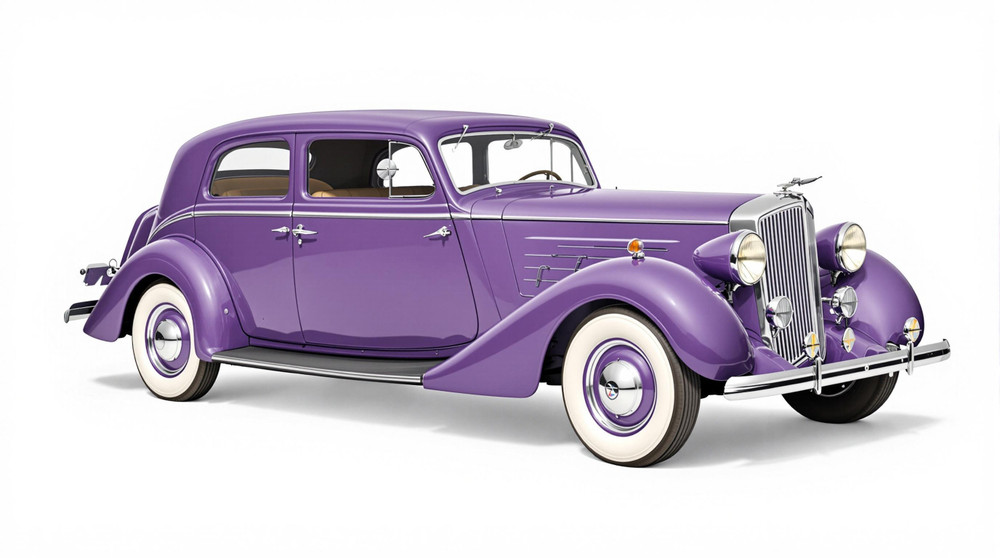
Image of 1935 Pierce-Arrow Model 1255, Note: These illustrations use artistic license and may differ from actual historical models.
Performance Metrics
Fundamental Metrics
Emotional Appeal
MMP Rating
| Engine Specifications | |
|---|---|
| Engine: | Straight 8 |
| Displacement: | 462 cubic inches |
| Horsepower: | Estimated 150-175 HP |
| Torque: | Not available |
| Compression Ratio: | Not available |
| Ignition System: | Battery and coil |
| Cooling System: | Water-cooled |
| Performance Specifications | |
| 0-60 Time: | Not available |
| 1/4 Mile Time: | Not available |
| Top Speed: | 85-100 mph |
| Transmission and Drive | |
| Drive Type: | Rear-wheel drive |
| Transmission Type: | 3-speed manual |
| Fuel and Efficiency | |
| Fuel System Type: | Carburetor |
| MPG: | Not available |
| Dimensions and Brakes | |
| Brakes: | 4-wheel hydraulic drum brakes |
| Wheelbase: | 139 inches |
| Weight: | 5,000 lbs |
Note: Specifications for classic cars are given to the best of our ability, considering the limited and variant data available.
1935 Pierce-Arrow Model 1255: American Luxury at Full Stretch
The 1935 Pierce-Arrow Model 1255 was built for buyers who believed a luxury car should arrive before its passengers did. Long, imposing and finished with the care of a custom-built automobile, it represented the upper end of American motoring in the middle of the Great Depression.
Pierce-Arrow grew from the George N. Pierce Company, a Buffalo, New York, manufacturer that began with bicycles and household goods before turning to automobiles. By the 1930s, its cars were known for refined engineering, formal coachwork and distinctive styling. The Model 1255 was among the marque’s large, long-wheelbase offerings. It paired a 147-inch chassis with a powerful straight-eight engine and roomy bodywork intended for formal, family or chauffeur-driven use.
Its timing gives the car added significance. The Depression was squeezing the market for expensive automobiles, and independent luxury makers were struggling to compete with the resources of giants such as General Motors. Pierce-Arrow continued to build prestigious cars, but its days were numbered: the company closed in 1938. One intriguing connection is that the Model 1255 appeared just two years after Pierce-Arrow’s dramatic Silver Arrow show car made headlines. The 1255 was a more traditional luxury machine, but it carried the same ambition to make a Pierce-Arrow instantly recognizable.
Long Lines and Signature Fender Headlamps
The Model 1255’s proportions do much of the talking. Its long hood, upright radiator shell and sweeping front fenders give it the unmistakable presence of a 1930s prestige car. The body sits high and formal, with a broad passenger compartment set behind the engine rather than blended into a modern-looking one-piece shape. Chrome trim and carefully shaped details add polish without overwhelming the car’s stately outline.
Pierce-Arrow’s most famous styling cue was its headlamps, mounted into the front fenders rather than standing apart from them. The arrangement had been developed earlier in the decade and became a visual signature of the marque. On a 1255, the lamps reinforce the long, flowing front end and make the car easy to identify from across a show field.
Depending on the exact body and equipment, buyers could choose formal sedans and limousine-style configurations, along with other passenger-car bodies offered across Pierce-Arrow’s range. The long-wheelbase Model 1255 is especially associated with spacious, multi-passenger sedans and chauffeur-oriented limousines. Individual cars can differ in body details and equipment, so the original build record is the best way to verify how a particular example left the factory.
Paint choices varied by model year, body and order. Period luxury cars were often finished in restrained dark shades, including deep blues, greens, maroons and black, sometimes with contrasting fenders or pinstriping. Those colors suit the 1255’s formal character, although a well-preserved original finish is more important to collectors than choosing a supposedly “correct” popular color.
A Quiet, Carefully Finished Cabin
Inside, the Model 1255 delivered the materials and atmosphere expected of a premium American car. Depending on body style and specification, occupants could find leather upholstery or high-quality broadcloth, polished wood trim, substantial carpeting and carefully finished metal fittings. The long chassis gave passengers room to stretch out, while limousine and larger sedan bodies could provide a more private rear compartment.
Comfort was part of the engineering, not just the upholstery. Wide seats, a commanding driving position and generous cabin space made long trips less tiring than they would have been in a smaller, less expensive car. Details varied between bodies and individual orders, but the overall effect was one of substantial, tailored craftsmanship rather than mass-market uniformity.
For its time, the 1255 also offered useful mechanical refinements, including a synchromesh-equipped manual transmission and power assistance for braking. Such features helped make a very large car more manageable. They did not turn it into a modern vehicle, but they reduced some of the effort that otherwise came with operating a heavy luxury automobile.
What Set the Model 1255 Apart
The 1255’s importance lies less in one revolutionary invention than in the way it brought engineering, comfort and visual identity together. Pierce-Arrow had a reputation for building substantial, carefully engineered cars, and its distinctive fender-mounted headlamps gave the marque a design signature unlike the more conventional front ends of many rivals.
It also occupied a particular place in the luxury market. Buyers could choose smaller or less costly cars from other manufacturers, but the Pierce-Arrow offered a combination of long-wheelbase room, imposing coachwork and brand prestige. In the 1930s, that mattered. A car was both transportation and a public statement, and the 1255 made its owner’s status clear without needing a flamboyant custom body.
The Model 1255 did not reverse Pierce-Arrow’s financial troubles, and it was not a mass-production success story. Its lasting influence is instead tied to the company’s larger legacy: a recognizable American luxury marque whose cars combined formal styling with serious engineering. Today, the 1255 helps tell the story of the final years of independent American luxury-car building.
Straight-Eight Power and Road Manners
At the heart of the Model 1255 was a large L-head inline eight. Published specifications commonly identify the engine as displacing about 385 cubic inches and producing roughly 150 horsepower. Power went through a three-speed manual transmission. Exact figures can vary slightly among reference sources and by how specifications are reported, so documentation for an individual car is worth checking.
Period performance figures are not as consistent as modern test data. A sound, correctly tuned Model 1255 is generally estimated to reach roughly 80 to 90 mph, with a 0-to-60 mph time likely in the neighborhood of 20 to 25 seconds. These are best treated as informed estimates, not guaranteed factory test results. The car’s purpose was smooth, dignified progress, not quick acceleration by modern standards.
On the road, the straight-eight’s appeal is its steady, unhurried delivery. The engine produces a deep mechanical hum, and the transmission rewards deliberate shifts rather than hurried gear changes. The 1255’s long wheelbase helps it settle over broad undulations, while its substantial weight gives it a planted feel on open roads.
That same size shapes the driving experience. Tight corners, narrow streets and parking require planning, and a long car with period steering and suspension will not change direction like a modern sedan. On winding roads, a driver needs to anticipate turns and carry a measured pace. Rough surfaces are handled with the supple, high-riding character typical of a large 1930s car, though worn springs, tired dampers or incorrect tires can make any surviving example feel loose or unsettled.
Owning and Maintaining a Pierce-Arrow
Today, the Model 1255 is more likely to be a collector car, touring car or show vehicle than a daily driver. A well-sorted example can take part in vintage-car tours and local events, but its age, size and specialized parts make routine modern commuting impractical for most owners.
Maintenance calls for patience and access to marque expertise. The straight-eight is mechanically understandable to an experienced vintage-car mechanic, but parts are not as readily available as they are for a common postwar American car. Brakes, ignition components, cooling-system condition, tires and the fuel system all deserve close attention. Some repairs can be straightforward in principle, yet finding correct components or a specialist familiar with Pierce-Arrow details may take time.
Reliability depends heavily on restoration quality and ongoing care. A neglected car can become an expensive project, while a properly maintained example can be dependable on organized tours. Before purchase, a specialist inspection should cover the engine, transmission, chassis, brakes, electrical system and body structure, as well as the authenticity of the car’s coachwork and major components.
Rare-Car Details and Common Misconceptions
The 1935 Model 1255 belongs to a small-production era, but there is no widely accepted, definitive production count for every body style and configuration. As a reasoned estimate rather than a factory-certified figure, perhaps 100 to 200 Model 1255 cars were built. The number surviving in usable or restorable condition is smaller, and examples do not appear on the market regularly.
The car is sometimes discussed alongside the Pierce-Arrow Silver Arrow, but the two should not be confused. The Silver Arrow was a striking, limited-production design introduced as a showpiece in 1933. The Model 1255 was a separate production model with more conventional luxury-car proportions. Its significance is not that it was a record-breaking racer or a celebrity’s famous personal car. It is that it represents Pierce-Arrow’s final period as a maker of high-end American automobiles.
One fair criticism is that the 1255’s size and complexity can make ownership demanding. It is heavy, consumes considerably more fuel than a modern car and requires room for storage and maintenance. Another is that formal luxury styling can be less visually dramatic than the Silver Arrow’s futuristic design. For many enthusiasts, though, the 1255’s restrained elegance is exactly the point.
1935 Pierce-Arrow 1255 Values
Values depend on body style, originality, restoration quality, mechanical condition and the strength of the collector-car market at the time of sale. As a broad current-market estimate, a project or incomplete car might fall around $25,000 to $50,000. A usable driver or older restoration could be roughly $50,000 to $100,000, while a high-quality restoration may bring about $100,000 to $175,000. Exceptional, highly original or especially desirable examples could exceed that range, sometimes reaching $200,000 or more.
These are guide ranges, not a formal appraisal. Rare bodywork, documented history and quality of execution can move a car’s value substantially. Like many prewar classics, the Model 1255 has seen interest fluctuate with broader collector-car trends. The best examples remain desirable because supply is limited, but restoration costs can exceed the value gained, so careful buyers focus on condition and provenance rather than assuming every Pierce-Arrow will appreciate quickly.
A Lasting Symbol of American Luxury
The 1935 Pierce-Arrow Model 1255 combined a powerful straight-eight, long-wheelbase comfort and distinctive styling in a car built for a shrinking but still discerning luxury market. Its integrated fender headlamps, carefully finished cabin and imposing road presence made it unmistakably a Pierce-Arrow.
It may not be the quickest or easiest classic to own, and it does not have the futuristic profile of the Silver Arrow. But the 1255 captures something just as compelling: the confidence of an American luxury marque in its final years. When one glides past with its straight-eight humming beneath that long hood, it does more than recall the 1930s. It brings an entire era of craftsmanship and ambition back to life.
1935 Pierce-Arrow Model 1255 Catalog of Parts
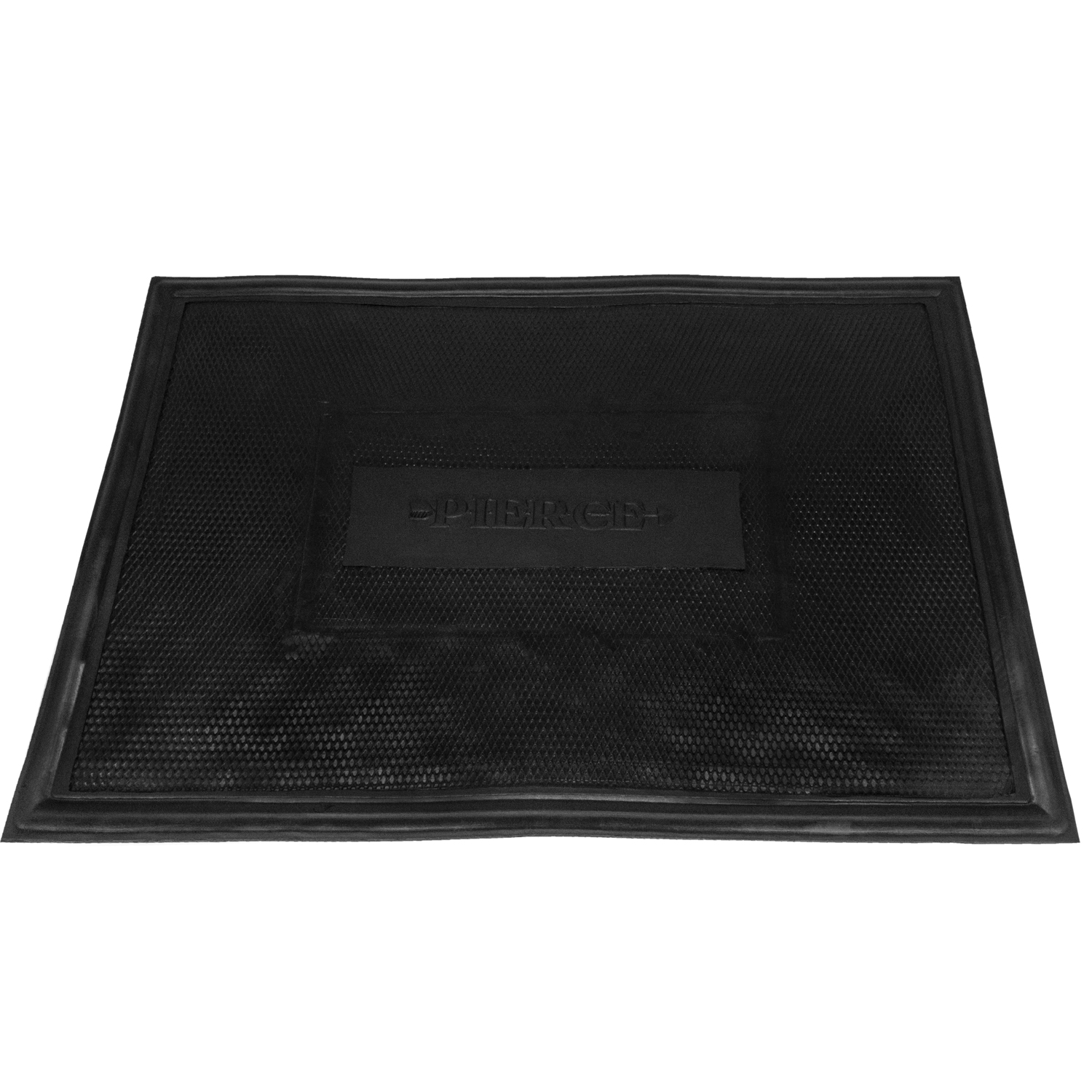 1935 Pierce-Arrow Model 1255 Accessory Floor Mat - 12"X17"-AC 16Accessory Floor Mat - made of high quality black rubber with molded original emblem. Also designed to be sewn into new carpets. 12"X17", Each
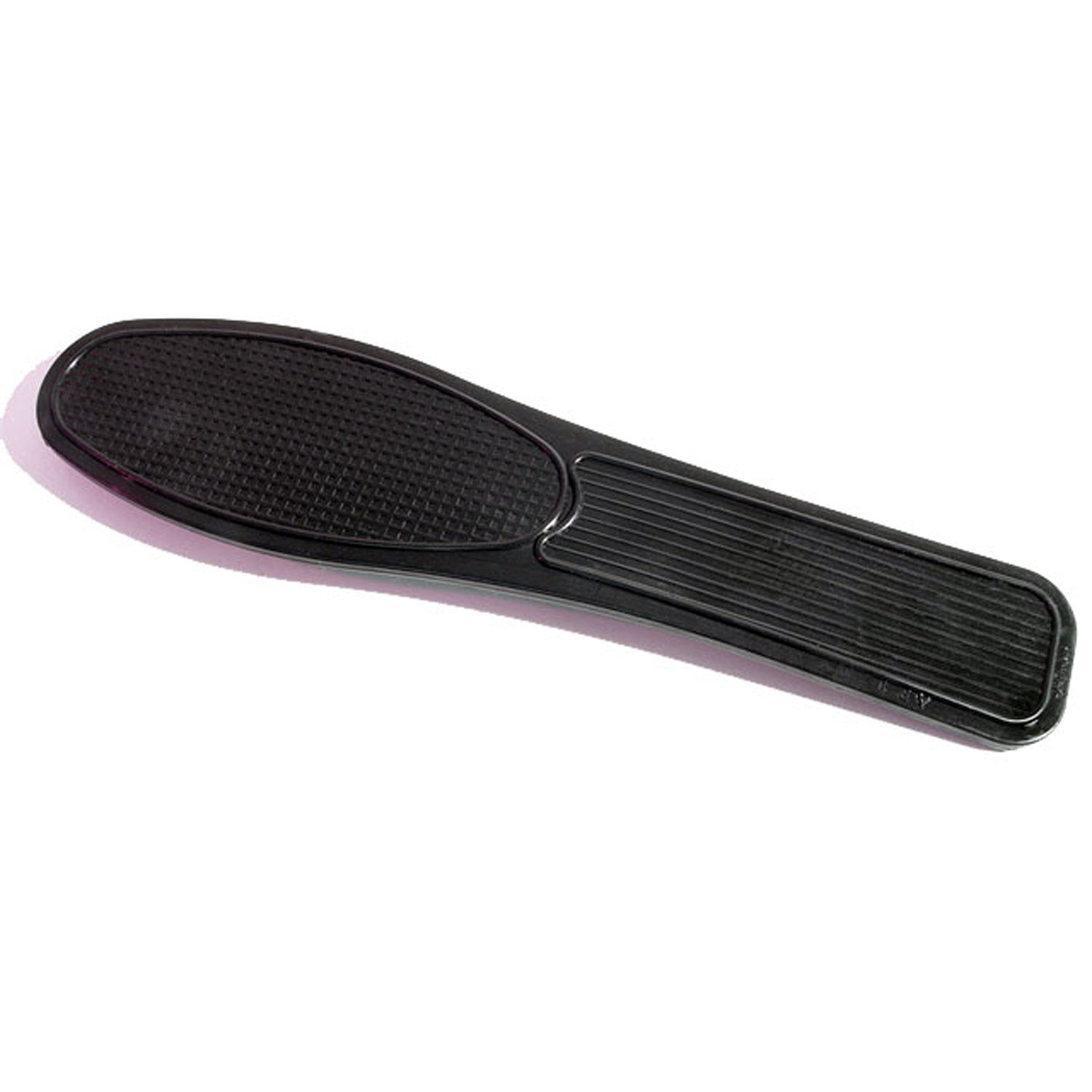 1935 Pierce-Arrow Model 1255 Accelerator Pedal Pad. Cement on type. No emblem-AP 121Accelerator Pedal Pad. Cement on type. No emblem. 2-1/2" X 10-1/8", Each
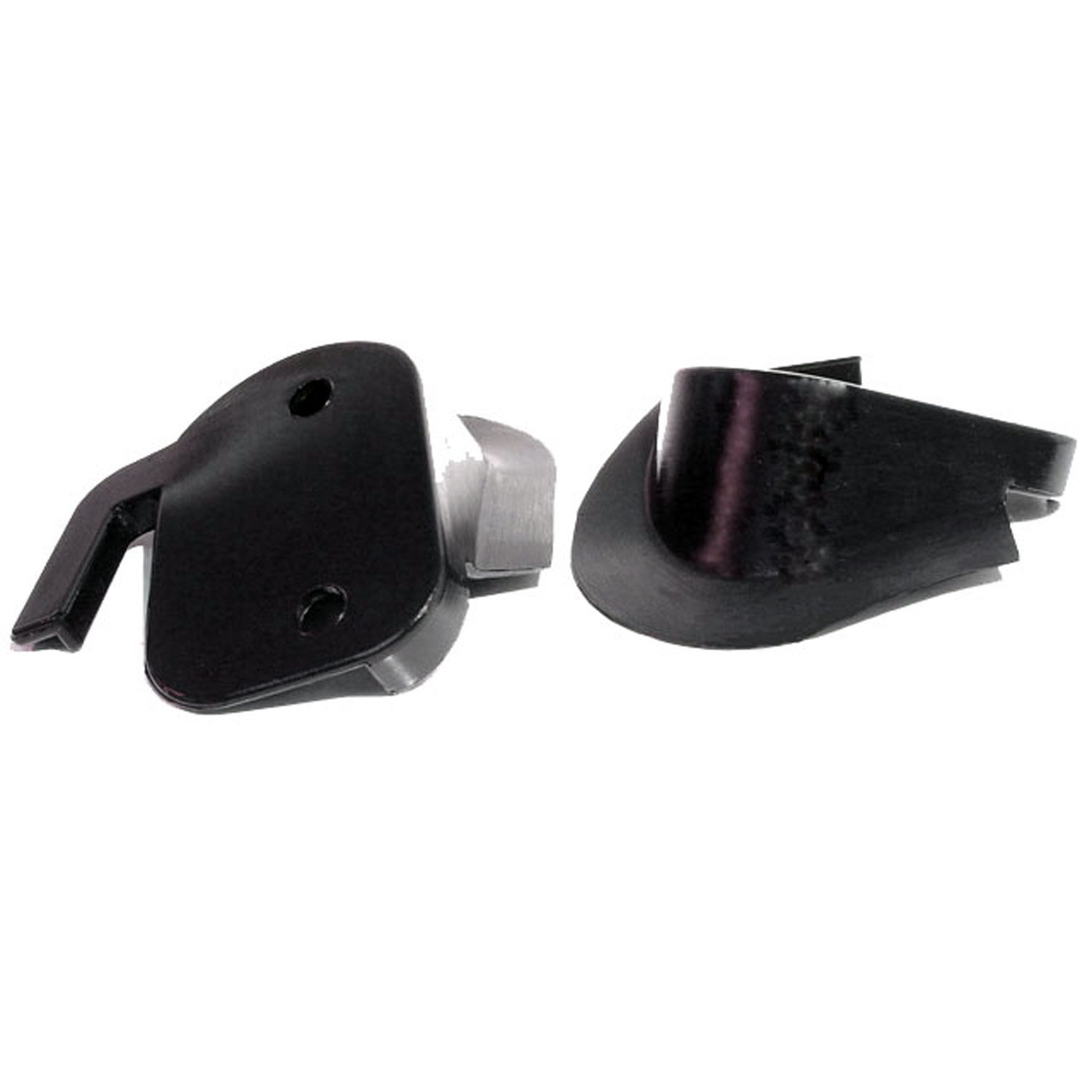 1935 Pierce-Arrow Model 1255 Rear Bumper Arm Grommets. 3-7/8" wide X 6" long. Pair-BG 42Rear Bumper Arm Grommets. 3-7/8" wide X 6" long. Pair
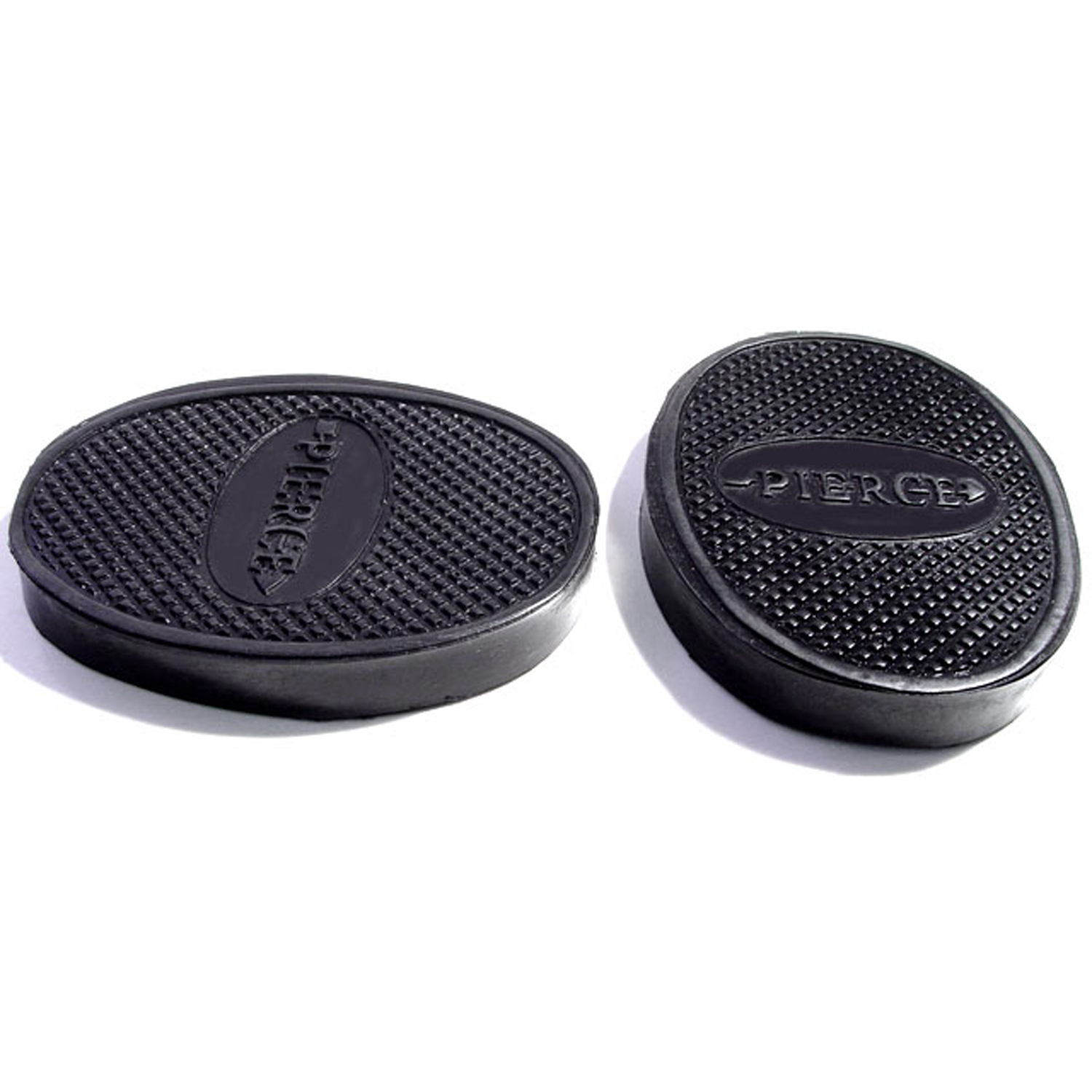 1935 Pierce-Arrow Model 1255 Clutch and Brake Pedal Pads. Sharp Emblem-CB 33Clutch and Brake Pedal Pads. Sharp Emblem. 3" wide X 4-1/8" long. Pair
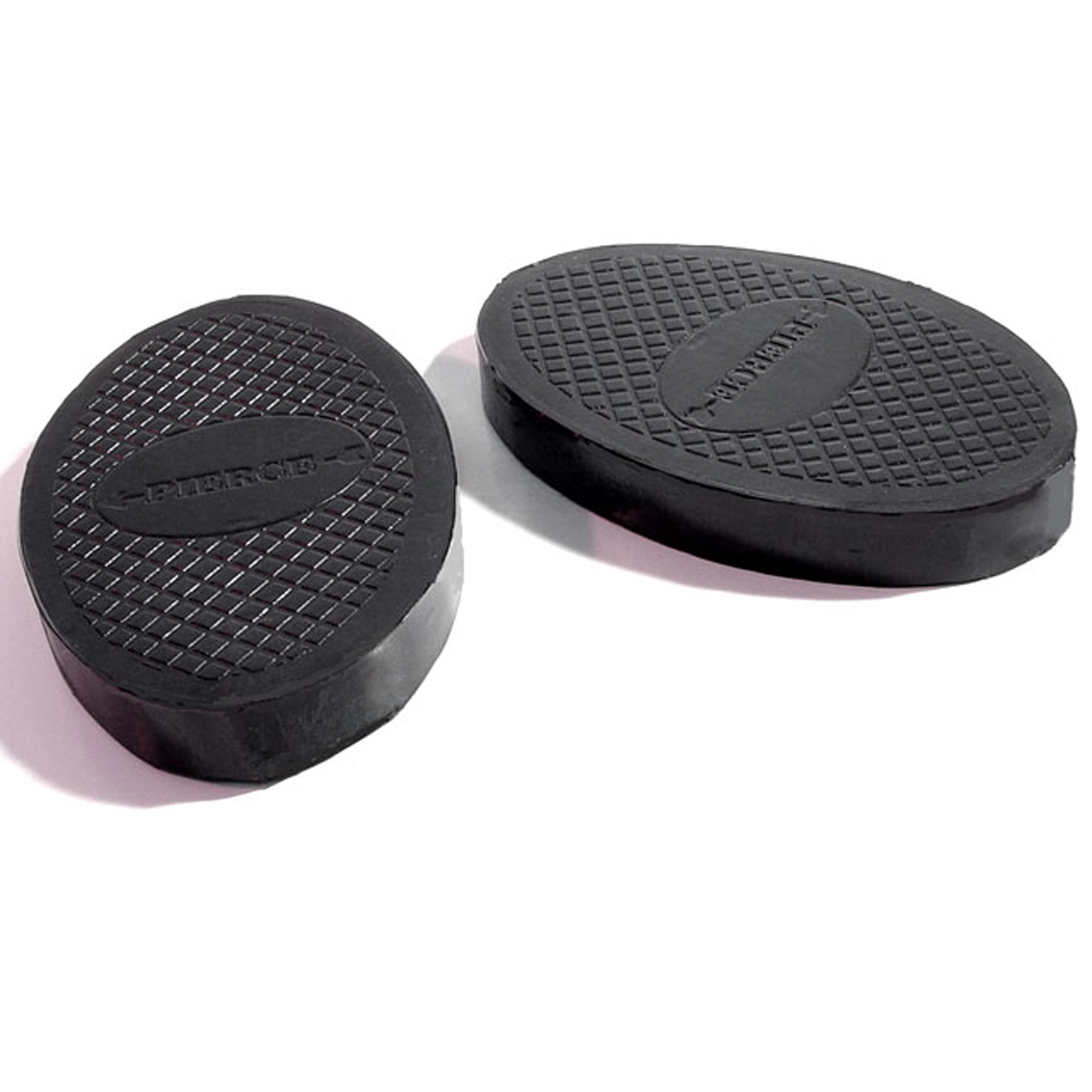 1935 Pierce-Arrow Model 1255 Clutch and Brake Pedal Pads. Sharp-looking Emblem-CB 34Clutch and Brake Pedal Pads. Sharp-looking Emblem. 2-7/8" wide X 4-3/4" long. Pair
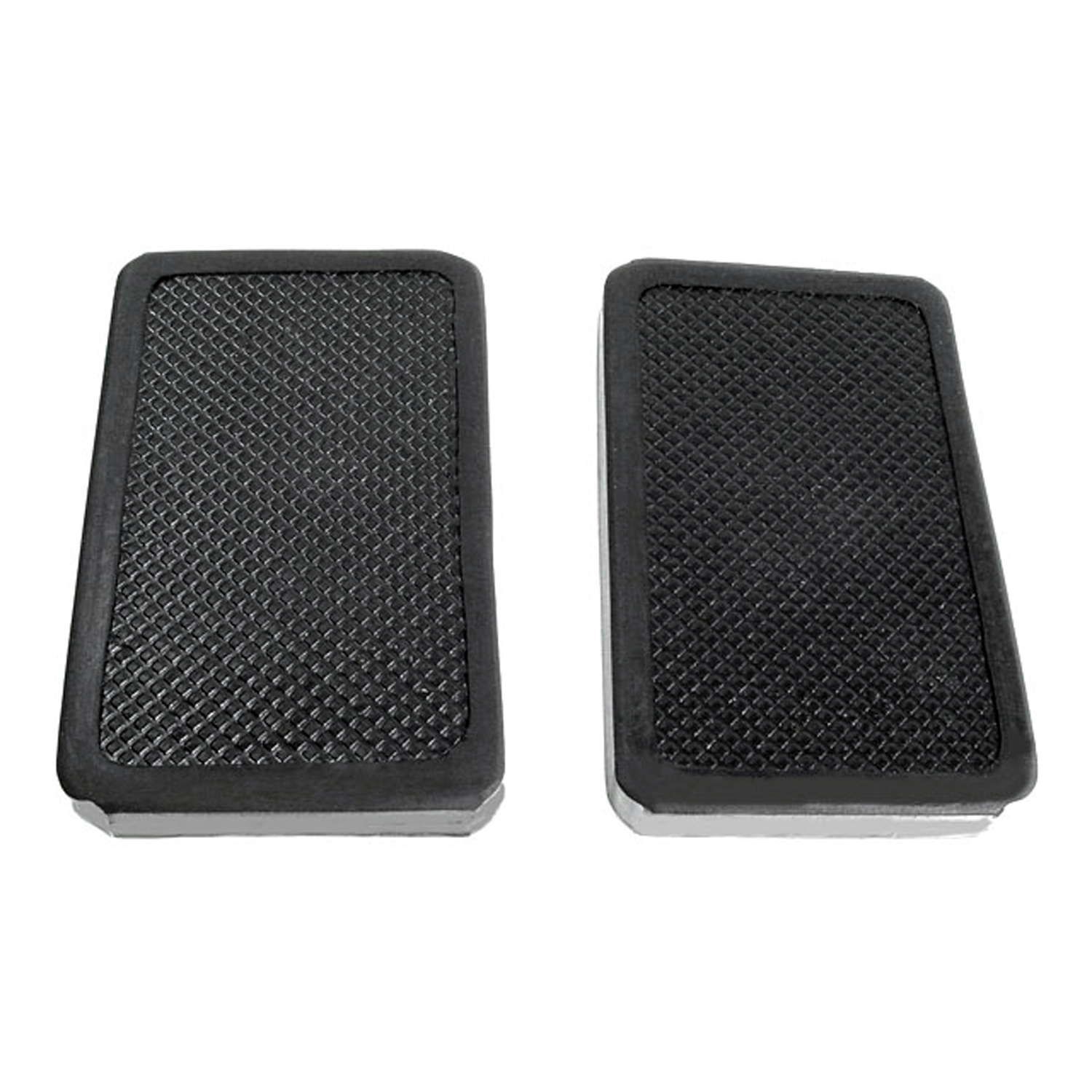 1935 Pierce-Arrow Model 1255 Clutch and Brake Pedal Pads. 3" wide X 5" long. Pair-CB 35Clutch and Brake Pedal Pads. 3" wide X 5" long. Pair
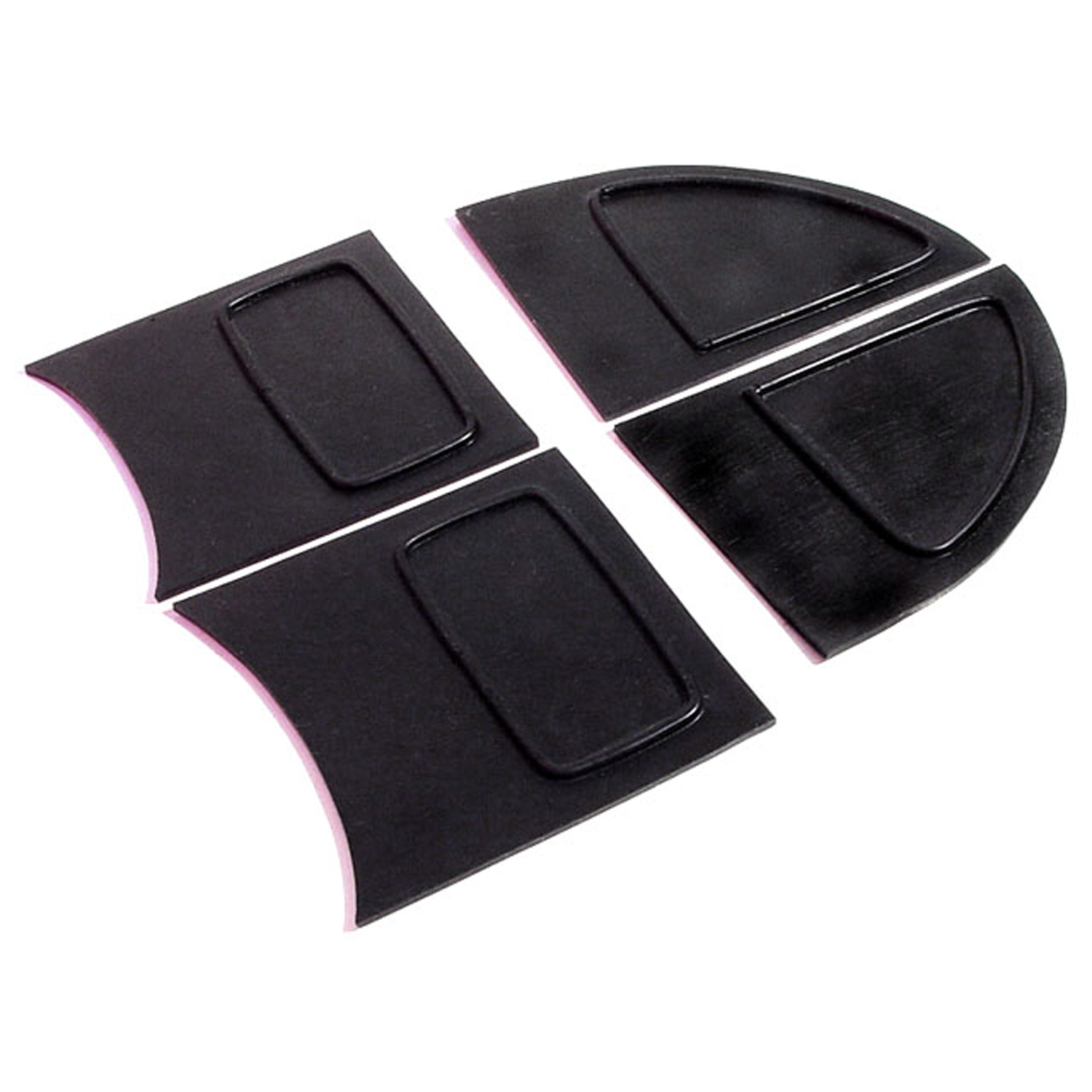 1935 Pierce-Arrow Model 1255 Hood Corner Covers. Flat rubber with original design-HC 20Hood Corner Covers. Flat rubber with original design. Used to recover old metal. Tall pad is 3-1/4" long X 2-1/4" wide. Other is 2-1/2" wide. Set
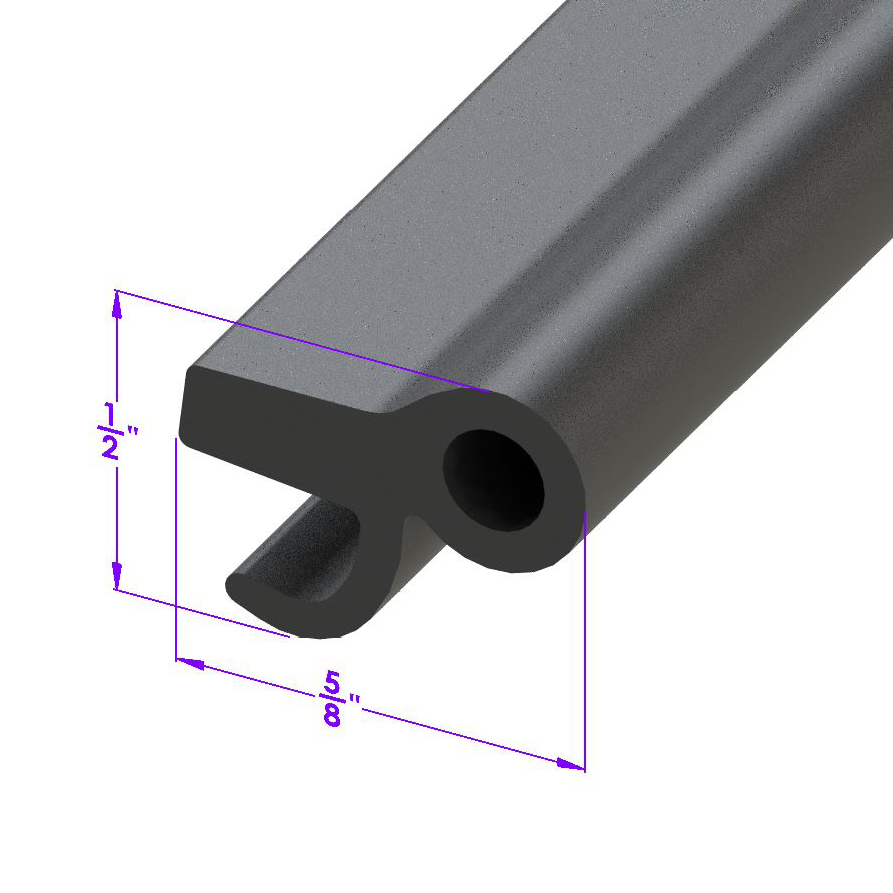 1935 Pierce-Arrow Model 1255 Swing-Out Windshield Seal-LP 97-CSwing-Out Windshield Seal. For both one- and two-piece windshields. Sold by the foot
Why Choose Metro?
For over 100 years, Metro Moulded Parts has been the pinnacle of quality in classic car restoration parts. Our commitment to precision and authenticity in every component ensures a perfect fit and an OEM-level appearance.
- Expert Craftsmanship & Quality: Each part is a testament to our dedication to reliability and perfection, crafted from original designs and thoroughly tested.
- Advanced Technology: We use cutting-edge techniques to create flawless, long-lasting parts that surpass others in performance.
- SuperSoft Sponge – The Ultimate Door Seal: Not only are our door seals 30% softer than competitors', but they're also guaranteed to never leak. They effectively reduce wind and road noise, enhancing your classic car's comfort and driving experience.
- Proudly American: Our parts are a product of American craftsmanship, made in the USA with a spirit of excellence and heritage.
- Unrivaled Warranty: We back our products with a 30-year industry-leading warranty, a testament to our confidence in their quality.
Join us in preserving the legacy of classic cars with parts that are crafted for perfection, not just made.