
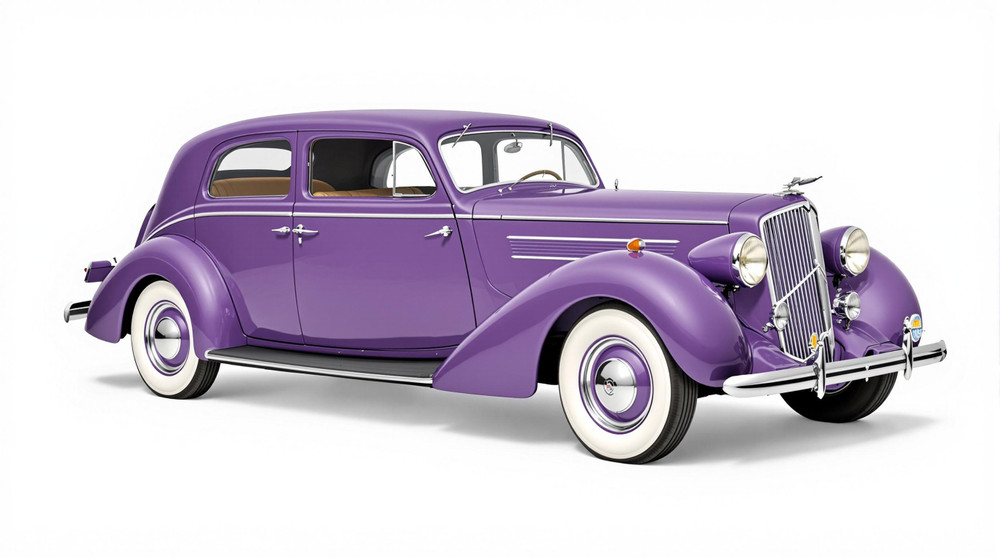
Image of 1936 Pierce-Arrow Deluxe 8, Note: These illustrations use artistic license and may differ from actual historical models.
Performance Metrics
Fundamental Metrics
Emotional Appeal
MMP Rating
| Engine Specifications | |
|---|---|
| Engine: | Inline 8-cylinder |
| Displacement: | 385 cubic inches |
| Horsepower: | Estimated 150 HP |
| Torque: | Not available |
| Compression Ratio: | Not available |
| Ignition System: | Battery and coil |
| Cooling System: | Water-cooled |
| Performance Specifications | |
| 0-60 Time: | Not available |
| 1/4 Mile Time: | Not available |
| Top Speed: | 85 mph |
| Transmission and Drive | |
| Drive Type: | Rear-wheel drive |
| Transmission Type: | 3-speed manual |
| Fuel and Efficiency | |
| Fuel System Type: | Carburetor |
| MPG: | Not available |
| Dimensions and Brakes | |
| Brakes: | 4-wheel hydraulic drum brakes |
| Wheelbase: | 139 inches |
| Weight: | 4,700 lbs |
Note: Specifications for classic cars are given to the best of our ability, considering the limited and variant data available.
1936 Pierce-Arrow Deluxe Eight: A Grand American Classic
The 1936 Pierce-Arrow Deluxe Eight was built to make distance feel effortless, with a long, stately body and a smooth straight-eight engine that announced its arrival without needing to shout. It came from Pierce-Arrow Motor Car Company of Buffalo, New York, a maker whose name had become synonymous with prestige, craftsmanship, and substantial American luxury.
Pierce-Arrow began as the George N. Pierce Company, a manufacturer of bicycles and other products before turning to automobiles in the early 1900s. By the 1920s, its cars competed with the finest American marques. The Deluxe Eight arrived during a difficult chapter: the Great Depression had sharply reduced demand for expensive cars, and Pierce-Arrow was fighting to remain independent. The company would close in 1938, making the 1936 cars part of its final, determined effort to preserve a celebrated name.
One intriguing detail is that the company’s signature fender-mounted headlamps were not a styling flourish invented for this model. Pierce-Arrow had made them a recognizable brand feature decades earlier. On the 1936 car, that long-running trademark was integrated into a more streamlined design, connecting the latest model to the marque’s history.
Streamlined Style and Hand-Finished Comfort
The Deluxe Eight had the commanding proportions expected of a luxury car of its era. Its long hood led to a broad, carefully detailed grille, while sweeping front fenders and flowing rear bodywork softened the car’s considerable size. The headlamps, set into the front fenders, gave the nose a distinctive, unified appearance. Subtle brightwork, polished trim, and Pierce-Arrow identification added presence without relying on excessive decoration.
Inside, the emphasis was on room, quiet, and quality. Depending on body style and specification, the cabin could feature fine upholstery, wood trim, carpeting, and carefully finished metal fittings. Front and rear passengers had generous space, and larger sedan configurations could accommodate additional passengers. These were expensive cars built for owners who expected their transport to feel like a private room as much as a machine.
Body and equipment choices varied by series and coachwork. The range included formal and touring-oriented sedan styles, along with more personal coupe and convertible forms. The closed sedan was the practical, prestigious choice for many buyers, while open cars and coupes offered greater visual drama and are especially appealing to collectors today. Exact body names and availability can differ among catalogs and surviving-car records, so identification is best confirmed from the vehicle’s original documentation and chassis details.
Factory color offerings could include restrained shades suited to formal luxury as well as richer, more expressive combinations. Dark blue, maroon, black, and deep green are popular choices on surviving examples, often contrasted with lighter upholstery or subtle pinstriping. A car’s present color is not necessarily its original one, so careful restoration research can be worthwhile.
Engineering in the Late Pierce-Arrow Years
At the heart of the Deluxe Eight was a large-displacement inline eight-cylinder engine. Published specifications for 1936 Pierce-Arrow eights commonly identify a 366-cubic-inch L-head engine producing about 150 horsepower, though exact figures should be checked against the particular model and original reference material. The engine’s design favored smooth, steady power rather than high-revving performance.
A multi-speed manual transmission, period-appropriate hydraulic brakes, and a chassis engineered for substantial weight helped make the car capable of covering long distances in comfort. These were not exotic features in isolation, but Pierce-Arrow combined them with careful construction and a high level of finish. The result was a luxury car intended to feel composed and dependable on the roads of its day.
The Deluxe Eight was not a revolutionary design in the way a purpose-built experimental car might be. Its importance lies in how it refined established luxury-car ideas: a powerful straight eight, formal proportions, quality coachwork, and engineering aimed at smooth touring. It represented the final evolution of a tradition that had helped define American prestige automobiles before mass production and lower-priced cars reshaped the market.
Road Manners, Speed, and Driving Feel
Period performance figures are not as consistently documented as modern test results. Based on the engine’s output, gearing, body weight, and reports for comparable Pierce-Arrow eights, a healthy Deluxe Eight may reach roughly 80 to 90 mph. A 0-to-60-mph time in the region of 20 to 25 seconds is a reasonable estimate, not a universal factory-certified figure. Body style, mechanical condition, axle ratio, and passenger load all make a difference.
Behind the wheel, the straight eight’s character is more notable for refinement than urgency. It should deliver a deep, even engine note and a measured surge of torque, with the car gathering speed smoothly rather than leaping forward. The manual gearbox and large steering wheel call for a more deliberate driving style than a modern car, especially at low speeds.
On a good road, the Deluxe Eight is best enjoyed as a relaxed tourer. Its long wheelbase and substantial chassis help it settle over broad dips and uneven pavement, though sharp potholes and broken surfaces can still make a heavy prewar car feel busy. On winding roads, expect slower steering responses and more body movement than in a modern vehicle. The rewarding approach is to look well ahead, brake early, and carry a smooth line rather than hustle it through corners.
Living with a 1936 Pierce-Arrow
Today, a Deluxe Eight is most often used for touring, club events, concours displays, and occasional pleasure drives. It is not generally a daily driver. Its size, age, fuel consumption, and need for attentive maintenance make regular modern traffic a demanding environment, while its historical value encourages owners to preserve it.
Maintenance is manageable for an experienced vintage-car owner, but it is not a casual do-it-yourself project. Routine servicing includes attention to ignition, cooling, lubrication, brakes, tires, and the fuel system. Replacement parts may require specialist suppliers, careful searching, or fabrication, and restorations can be complicated by variations in bodywork and equipment. A knowledgeable pre-purchase inspection is essential, especially for the engine, transmission, chassis, brakes, and any previous structural repairs.
Reliability depends heavily on the quality of restoration and ongoing care. A properly sorted example can tour reliably at appropriate speeds, but age-related issues such as overheating, electrical faults, deteriorated rubber parts, and brake problems deserve close attention. Owners who can perform basic servicing and have access to a marque specialist will have the easiest experience.
Notable Details and Common Criticisms
The Deluxe Eight’s most enduring visual calling card is its fender-mounted headlamp treatment, a feature closely associated with Pierce-Arrow across multiple generations. The company’s Buffalo roots also remain central to its identity: Pierce-Arrow was one of the major American luxury manufacturers based outside Detroit, giving it a distinct regional history.
There is no widely recognized speed or endurance record that defines the 1936 Deluxe Eight. Its significance is instead tied to the broader story of Pierce-Arrow and the last years of independent American luxury-car manufacturing. Individual examples may have interesting ownership or touring histories, but claims involving famous owners should be verified through documentation rather than assumed from a car’s prestige.
Common criticisms are familiar to owners of large prewar cars. The Deluxe Eight is heavy, thirsty by modern standards, and less nimble than smaller cars. Parts and specialist labor can be costly, and a neglected example may require extensive work before it is safe for touring. Those trade-offs are part of the ownership reality, not flaws unique to Pierce-Arrow.
Collector Value and Rarity
Production figures for individual 1936 body styles are not always presented consistently, and surviving records can be incomplete. A reasonable working estimate is that Pierce-Arrow built roughly 700 to 900 cars across its 1936 range, with the Deluxe Eight representing a substantial portion of that total. The exact number of Deluxe Eights, and the number of each body style, should be treated as an estimate rather than a confirmed figure.
Values vary widely with condition, originality, restoration quality, and body style. As a broad current-market guide, a project or incomplete car might fall around $25,000 to $50,000; a sound, usable sedan could bring roughly $50,000 to $100,000; and a high-quality restored example may reach $100,000 to $175,000. Desirable open coachwork or an unusually authentic, exceptional car can exceed that range. These are general estimates, not a substitute for a current appraisal or recent comparable sales.
Like many prewar classics, the Deluxe Eight’s market is selective. The best-preserved and most distinctive examples tend to attract the strongest interest, while ordinary sedans can take longer to sell. Values have generally held better for rare, high-quality cars than for tired or heavily modified examples. Long-term appreciation is possible, but ownership costs, restoration expense, and the size of the buyer pool should be considered before treating one as an investment.
Why the Deluxe Eight Still Matters
The 1936 Pierce-Arrow Deluxe Eight brings together the qualities that made the marque famous: imposing but graceful styling, a smooth straight-eight engine, carefully finished interiors, and a clear sense of American luxury. It was built in a period of severe economic pressure, just two years before the company’s closure, and stands as a late chapter in the story of one of the country’s most respected independent automakers.
Today, its appeal is not simply that it is rare or large. It offers a direct connection to an era when luxury meant craftsmanship, mechanical substance, and the confidence to travel at an unhurried pace. A well-kept Deluxe Eight does more than preserve a classic name: it lets that name speak for itself on the open road.
1936 Pierce-Arrow Deluxe 8 Catalog of Parts
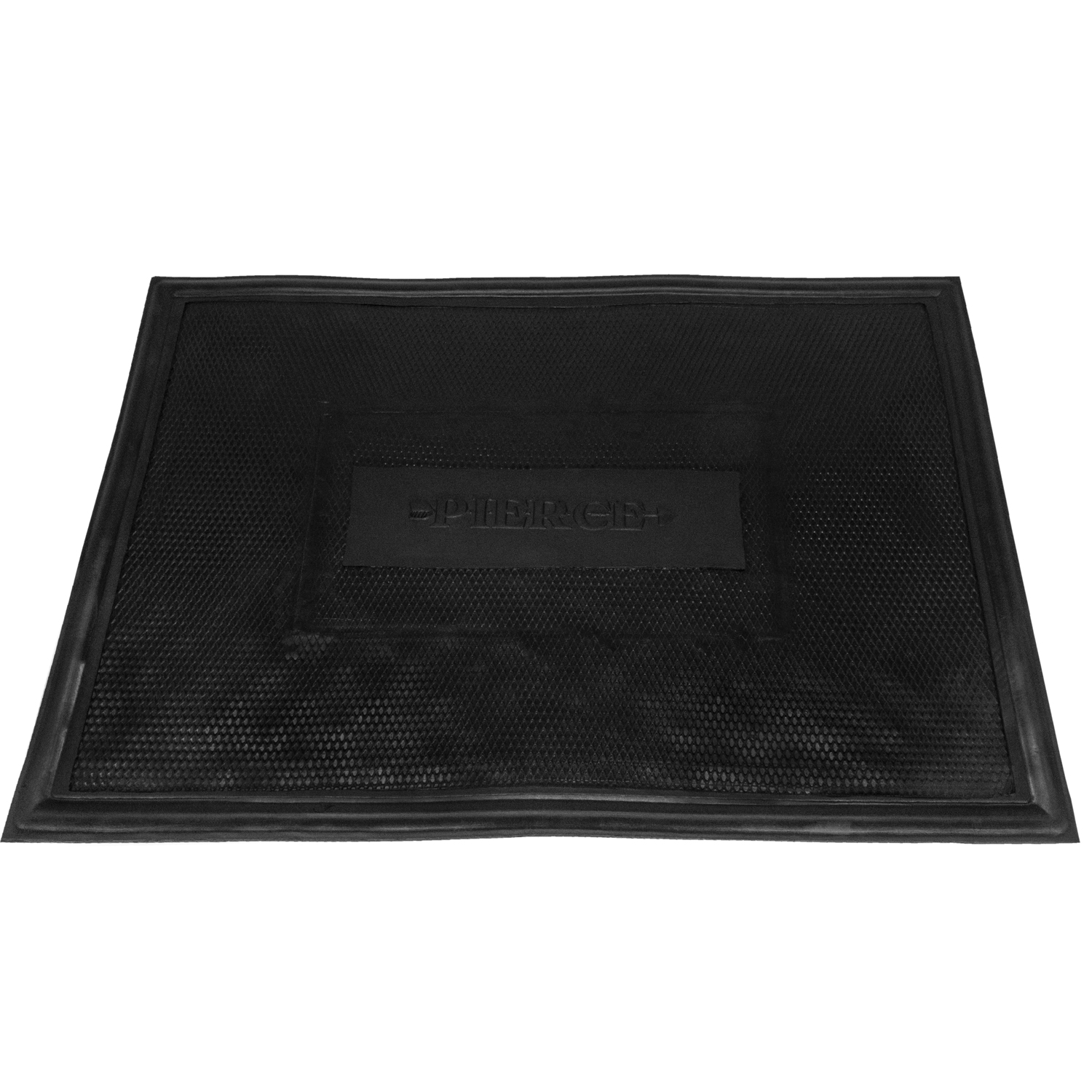 1936 Pierce-Arrow Deluxe 8 Accessory Floor Mat - 12"X17"-AC 16Accessory Floor Mat - made of high quality black rubber with molded original emblem. Also designed to be sewn into new carpets. 12"X17", Each
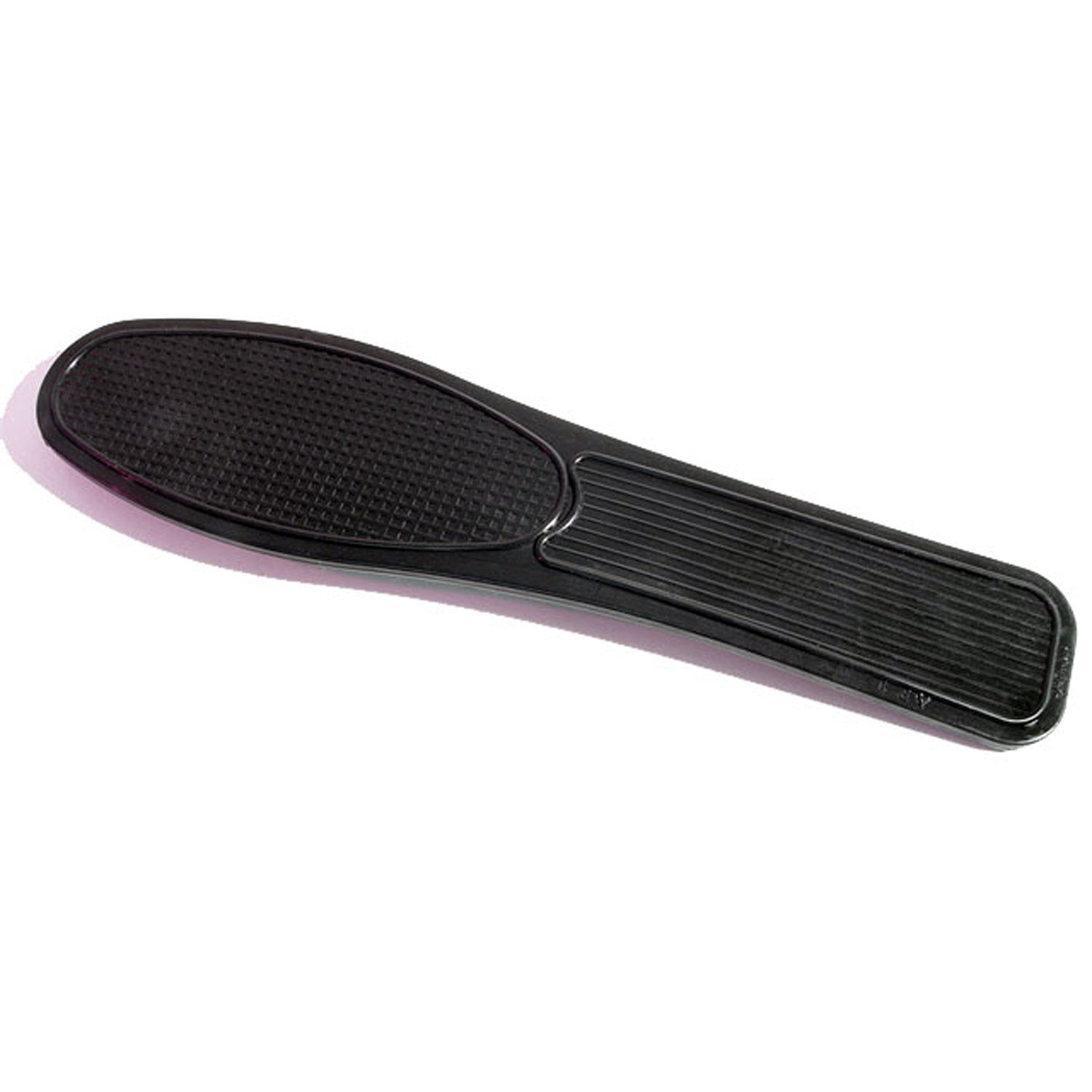 1936 Pierce-Arrow Deluxe 8 Accelerator Pedal Pad. Cement on type. No emblem-AP 121Accelerator Pedal Pad. Cement on type. No emblem. 2-1/2" X 10-1/8", Each
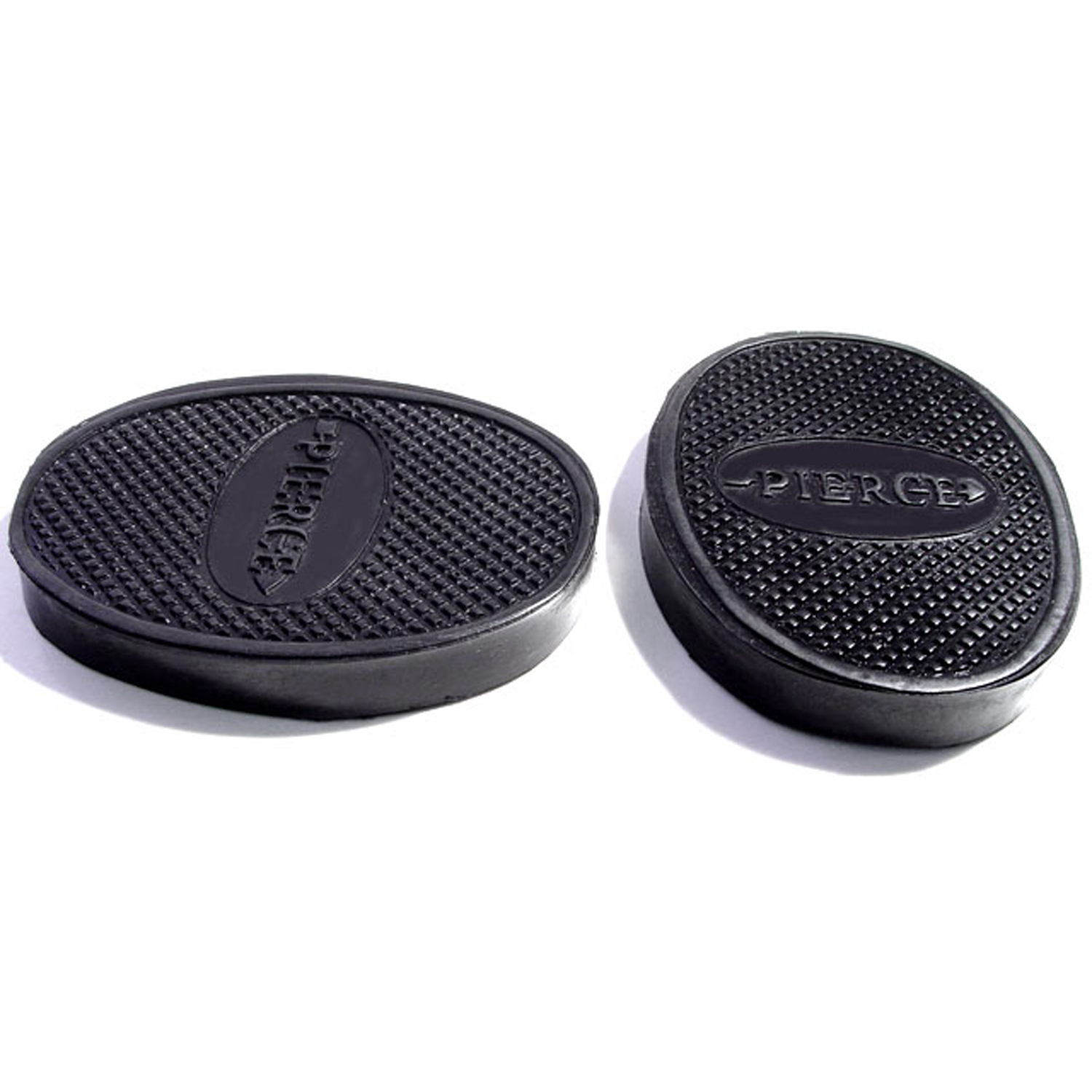 1936 Pierce-Arrow Deluxe 8 Clutch and Brake Pedal Pads. Sharp Emblem-CB 33Clutch and Brake Pedal Pads. Sharp Emblem. 3" wide X 4-1/8" long. Pair
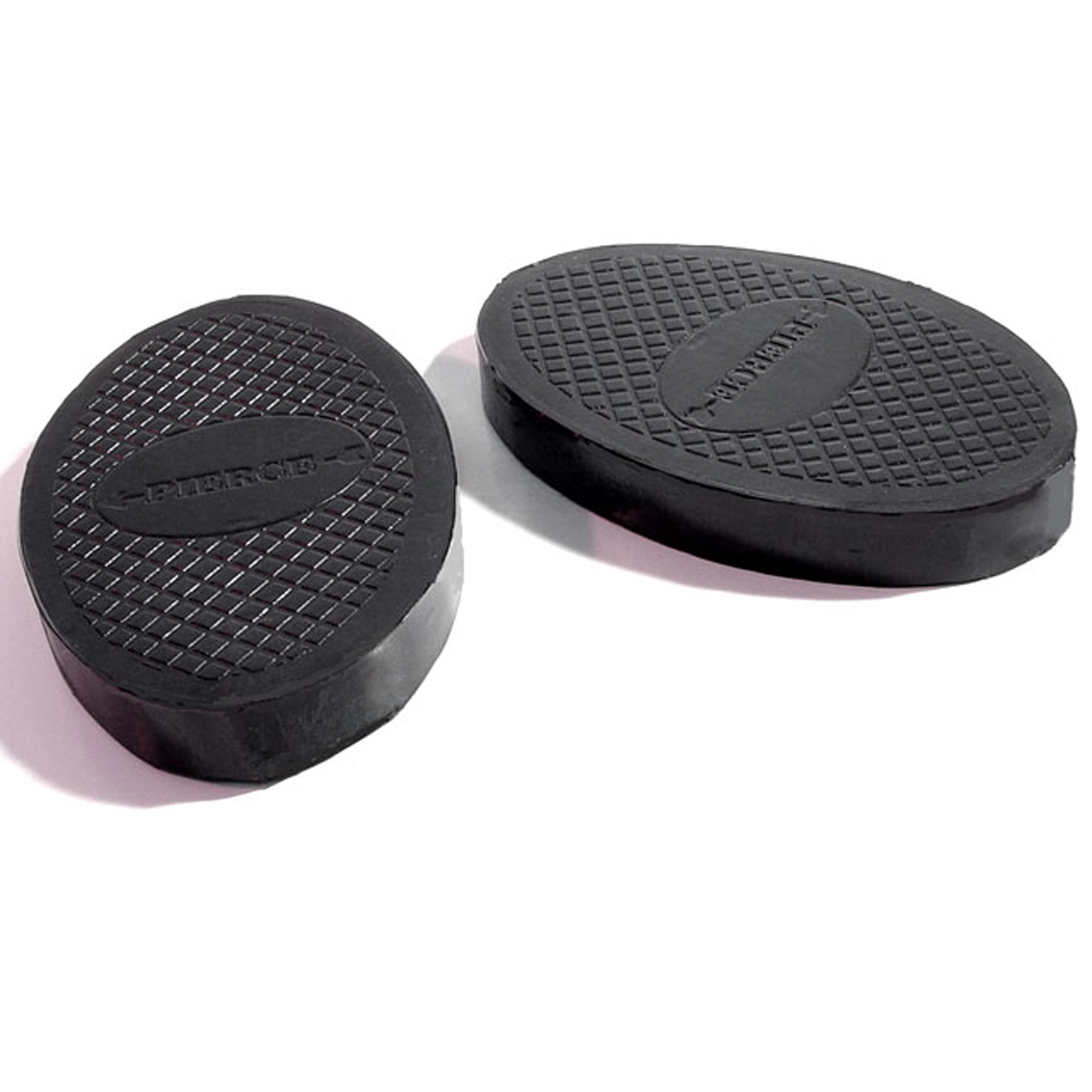 1936 Pierce-Arrow Deluxe 8 Clutch and Brake Pedal Pads. Sharp-looking Emblem-CB 34Clutch and Brake Pedal Pads. Sharp-looking Emblem. 2-7/8" wide X 4-3/4" long. Pair
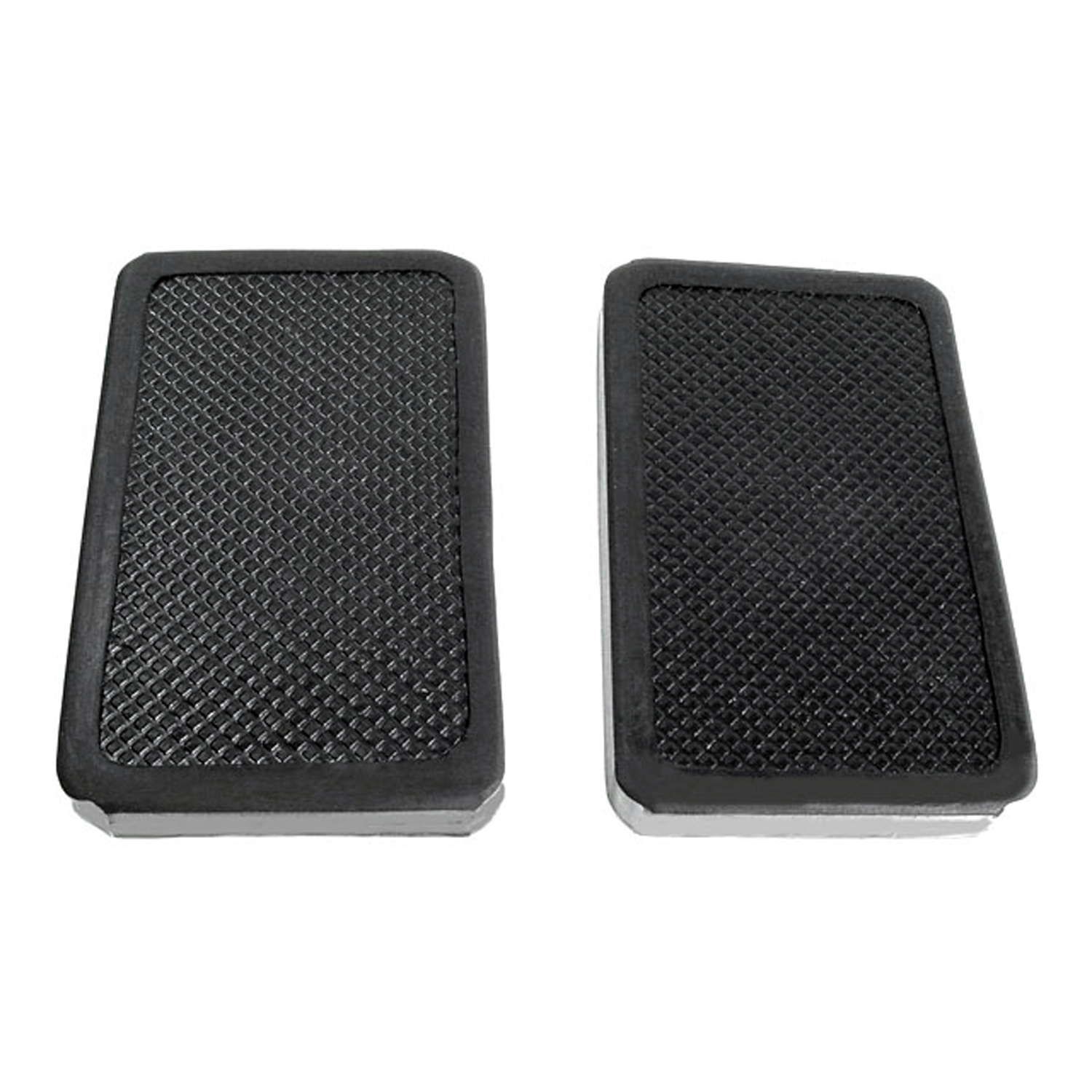 1936 Pierce-Arrow Deluxe 8 Clutch and Brake Pedal Pads. 3" wide X 5" long. Pair-CB 35Clutch and Brake Pedal Pads. 3" wide X 5" long. Pair
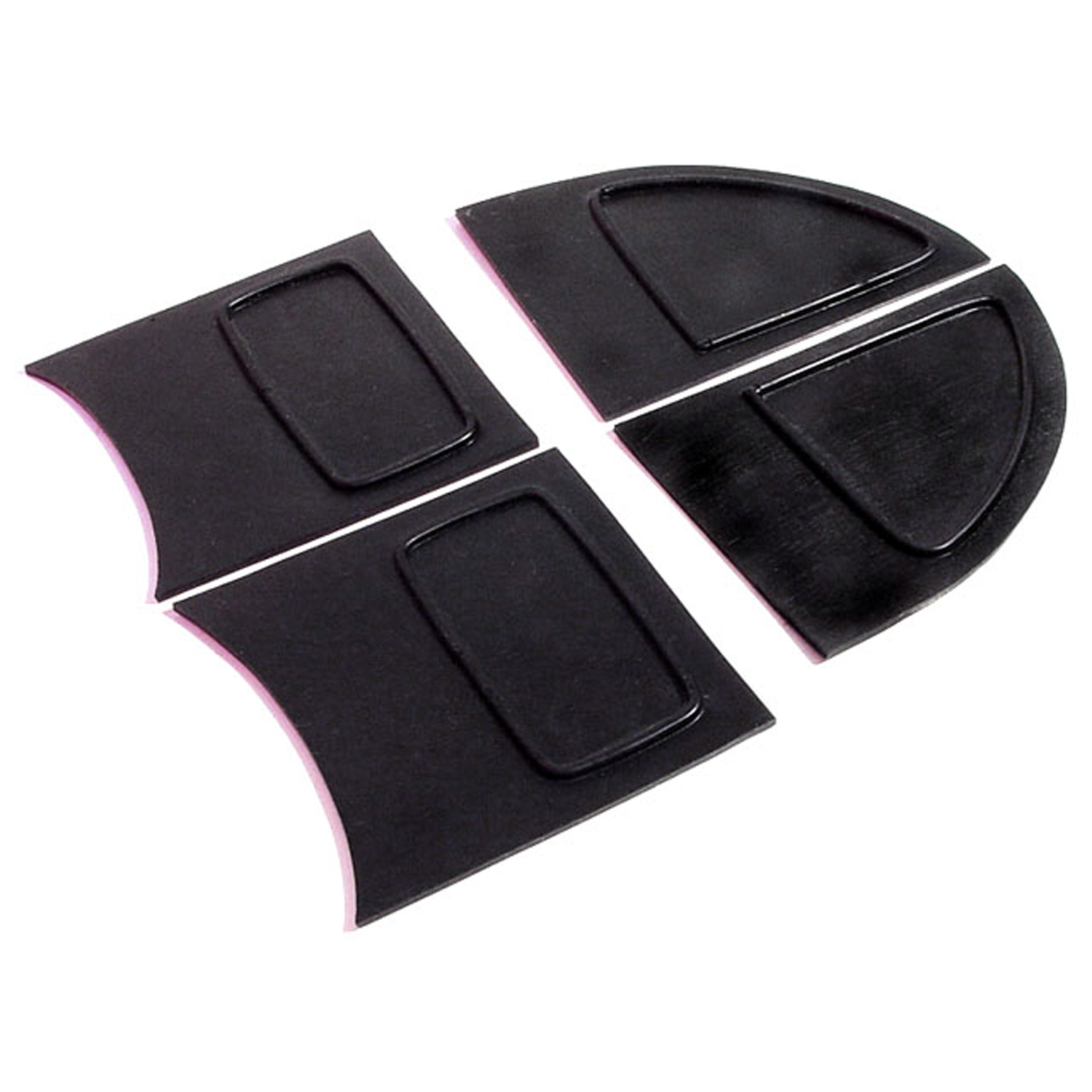 1936 Pierce-Arrow Deluxe 8 Hood Corner Covers. Flat rubber with original design-HC 20Hood Corner Covers. Flat rubber with original design. Used to recover old metal. Tall pad is 3-1/4" long X 2-1/4" wide. Other is 2-1/2" wide. Set
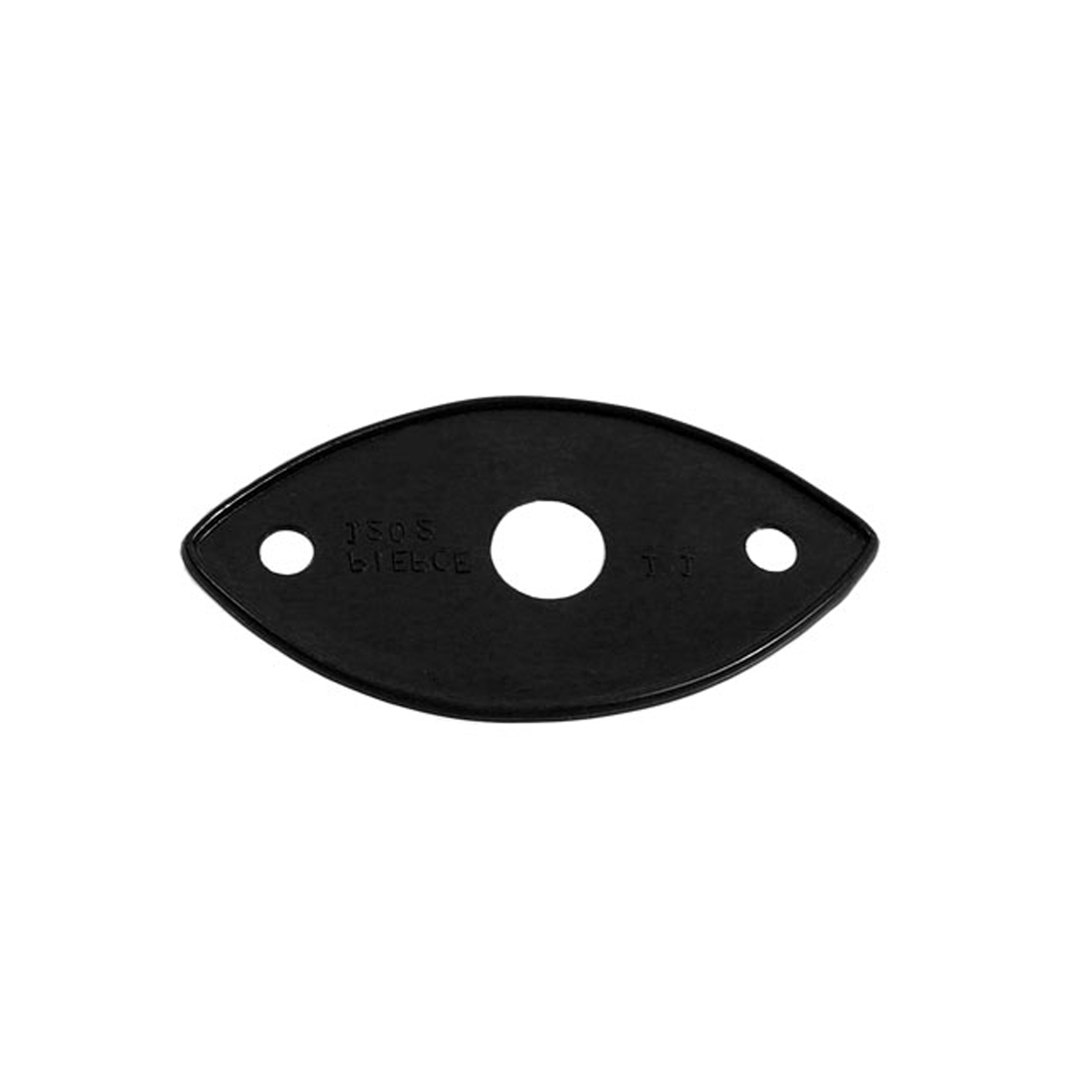 1936 Pierce-Arrow Deluxe 8 Auxiliary Light Pad. 6" inside bead X 3" inside bead-MP 1202Auxiliary Light Pad. 6" inside bead X 3" inside bead. Each
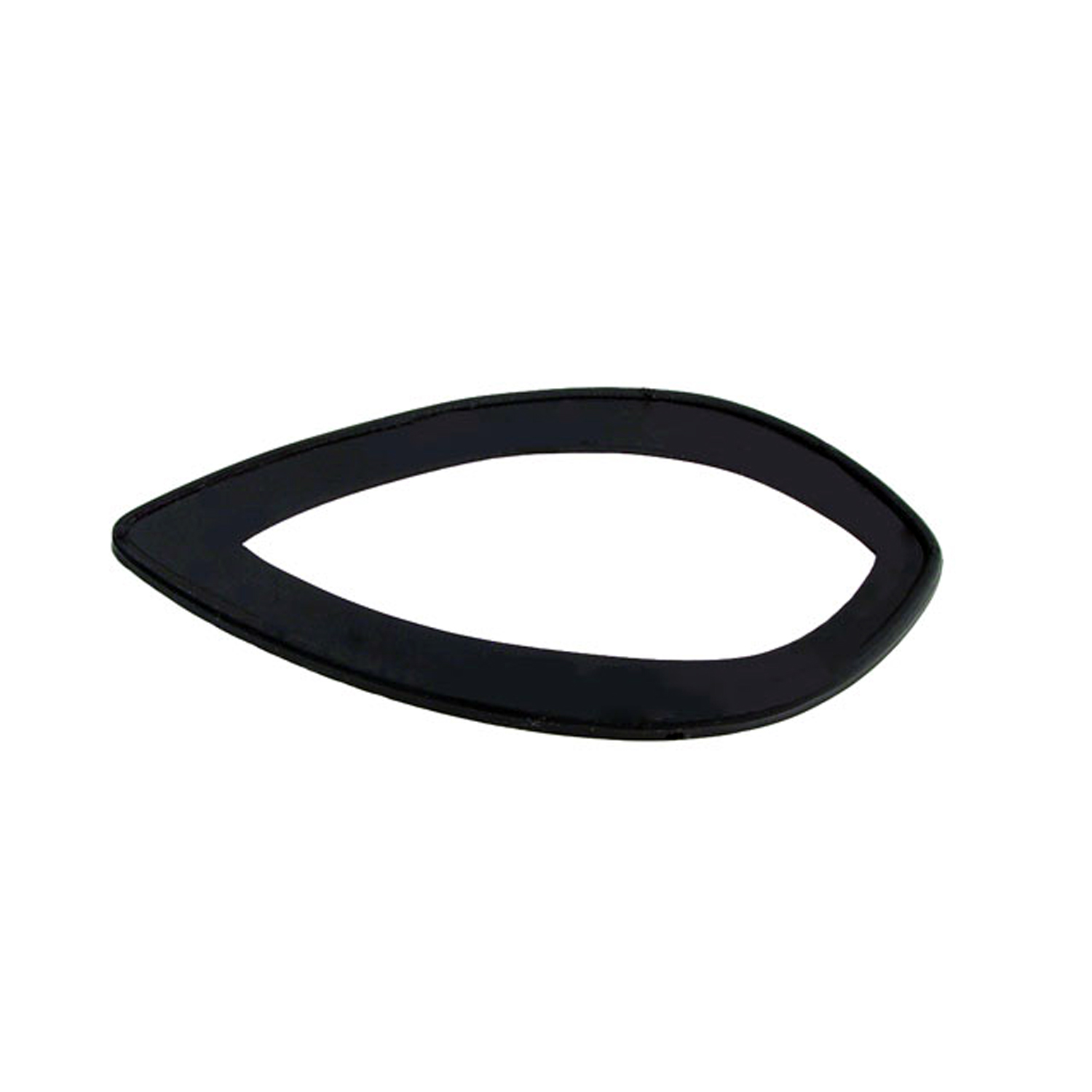 1936 Pierce-Arrow Deluxe 8 Auxiliary Light Pad. 2-3/4" wide X 5-3/4" long. Each-MP 1207Auxiliary Light Pad. 2-3/4" wide X 5-3/4" long. Each
Why Choose Metro?
For over 100 years, Metro Moulded Parts has been the pinnacle of quality in classic car restoration parts. Our commitment to precision and authenticity in every component ensures a perfect fit and an OEM-level appearance.
- Expert Craftsmanship & Quality: Each part is a testament to our dedication to reliability and perfection, crafted from original designs and thoroughly tested.
- Advanced Technology: We use cutting-edge techniques to create flawless, long-lasting parts that surpass others in performance.
- SuperSoft Sponge – The Ultimate Door Seal: Not only are our door seals 30% softer than competitors', but they're also guaranteed to never leak. They effectively reduce wind and road noise, enhancing your classic car's comfort and driving experience.
- Proudly American: Our parts are a product of American craftsmanship, made in the USA with a spirit of excellence and heritage.
- Unrivaled Warranty: We back our products with a 30-year industry-leading warranty, a testament to our confidence in their quality.
Join us in preserving the legacy of classic cars with parts that are crafted for perfection, not just made.