
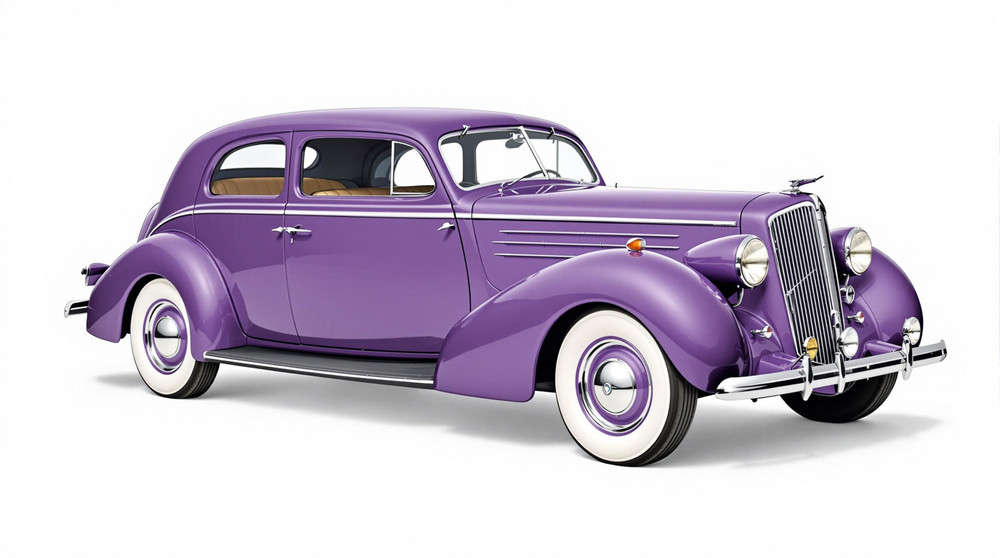
Image of 1937 Pierce-Arrow 12, Note: These illustrations use artistic license and may differ from actual historical models.
Performance Metrics
Fundamental Metrics
Emotional Appeal
MMP Rating
| Engine Specifications | |
|---|---|
| Engine: | V12 |
| Displacement: | 462 cubic inches |
| Horsepower: | Estimated 175-185 hp |
| Torque: | Not available |
| Compression Ratio: | Not available |
| Ignition System: | Battery and coil |
| Cooling System: | Water-cooled |
| Performance Specifications | |
| 0-60 Time: | Not available |
| 1/4 Mile Time: | Not available |
| Top Speed: | Estimated 100-110 mph |
| Transmission and Drive | |
| Drive Type: | Rear-wheel drive |
| Transmission Type: | 3-speed manual |
| Fuel and Efficiency | |
| Fuel System Type: | Carburetor |
| MPG: | Not available |
| Dimensions and Brakes | |
| Brakes: | 4-wheel hydraulic drum brakes |
| Wheelbase: | 139 inches |
| Weight: | Estimated 5,000 lbs |
Note: Specifications for classic cars are given to the best of our ability, considering the limited and variant data available.
1937 Pierce-Arrow Twelve: America’s V12 Grand Tourer
The 1937 Pierce-Arrow Twelve was built for the kind of motoring that made a journey feel like an occasion. Long, imposing and powered by a twelve-cylinder engine, it represented the last great chapter of one of America’s most prestigious luxury-car makers. Pierce-Arrow Motor Car Company, based in Buffalo, New York, had earned its reputation through costly, carefully engineered automobiles for affluent buyers. By 1937, however, even its flagship was facing a world changed by the Great Depression.
The Twelve belonged to the Pierce-Arrow Series 1701 range. Its large-displacement V12, formal presence and elaborate coachwork made it a rolling statement of status, but also a remarkable piece of engineering. One striking detail is its timing: the car appeared just two years before Pierce-Arrow ended production in 1938. That gives the 1937 Twelve the character of a final flourish from a marque that had once stood among America’s finest.
Art Deco Style and Hand-Finished Luxury
The Twelve’s styling balanced traditional prestige with the streamlining fashionable in the late 1930s. A tall, shield-like grille led the eye toward a long hood, while sweeping fenders and a generous wheelbase gave the car a stately, almost yacht-like profile. Pierce-Arrow’s distinctive headlamps were mounted on the front fenders, a design cue associated with the marque for decades. Fine trim, elegant wheel covers and the Arrow emblem completed the formal look.
Inside, the experience depended on the body style and how the car was ordered. Buyers could expect a spacious cabin dressed in high-quality upholstery, polished wood trim and carefully finished metal fittings. Broad seats, generous legroom and a commanding driving position suited long-distance travel. Limousine versions emphasized rear-seat comfort, while more sporting open or coupe-style bodies put the driver closer to the experience of the road.
The Twelve was available in a range of body configurations, including sedans and formal limousine styles, with more distinctive coupe and convertible forms also offered. Exact names and availability varied by catalog and coachwork. The closed sedan and limousine were the practical choices for owners who wanted quiet, protected travel; the convertible coupe and other open-bodied versions are among the most eye-catching today. Factory and custom bodywork could make two Twelves look notably different.
Color choices were part of the car’s personal character. Buyers could select subdued black, dark blue, burgundy and other rich finishes, often paired with contrasting trim or upholstery. Dark, formal colors were especially appropriate to the Twelve’s executive image, though lighter or two-tone treatments could give an individual car a more sporting appearance. The precise palette depended on the original order and body.
Engineering at the End of an Era
At the heart of the 1937 Pierce-Arrow Twelve was a 462-cubic-inch, or approximately 7.6-liter, L-head V12. Output is commonly cited at about 175 horsepower, delivered with the smooth, low-effort character expected of a luxury twelve-cylinder engine. A conventional manual transmission and substantial chassis components were built to carry the car’s considerable mass and its passengers in comfort. Four-wheel hydraulic brakes were an important feature for a car of this size and speed.
The Twelve stood apart from many contemporaries through its combination of a large V12, bespoke-feeling finish and conservative, dignified engineering. Cadillac, Packard and Lincoln also offered formidable luxury cars, but Pierce-Arrow’s fender-mounted lamps and individual styling gave its cars an unmistakable identity. The marque’s approach was less about producing a mass-market trendsetter than about refining the experience of travel for a small, wealthy clientele.
Its influence is best understood as part of the American luxury tradition rather than as a single technical revolution. Pierce-Arrow helped establish the idea that an automobile could be both advanced machinery and a carefully tailored personal possession. The Twelve’s sweeping bodywork reflected the era’s move toward streamlined forms, while its traditional proportions and hand-finished details preserved the formal character of earlier luxury motoring.
V12 Performance and Road Manners
Period performance figures vary with body style, gearing and condition. A sound 1937 Twelve is often estimated to have a top speed around 90 to 100 mph, with a 0-to-60-mph time roughly in the 18-to-22-second range. Those figures are best treated as practical estimates rather than guaranteed factory results. The car’s purpose was not quick acceleration by modern standards; it was to gather speed smoothly and maintain a relaxed pace over long distances.
On a good road, the V12’s defining quality is its steady, even delivery. Rather than a sharp exhaust bark, the engine produces a deep, subdued mechanical note, with the twelve cylinders helping it feel composed under load. The long chassis and substantial suspension absorb ordinary road imperfections well, though a heavy car from the 1930s cannot disguise deep potholes or broken pavement. On winding roads, the driver must plan ahead: the Twelve rewards smooth steering and measured braking more than sudden inputs.
Driving one is an active experience. The driver manages a large steering wheel, a manual gearbox and substantial momentum, while keeping in mind that braking distances and tire grip are very different from those of a modern car. In return, the cabin offers a sense of occasion that is difficult to reproduce. The engine’s muted hum, the view over the long hood and the gentle movement of the body make even an unhurried drive feel memorable.
Owning and Maintaining a Pierce-Arrow
A 1937 Twelve is generally a preservation, touring or show car, not an everyday commuter. Some examples participate in classic-car tours and concours events, where their size, craftsmanship and rare V12 power make them natural attention-getters. Regular driving is possible, but owners need to be realistic about fuel consumption, storage, insurance and the time required to keep an elderly luxury car in good condition.
Maintenance is manageable for an experienced vintage-car specialist, but it is not especially convenient for the average owner. The V12 is complex and heavy, and engine, drivetrain and body parts can be difficult to locate. Routine servicing and careful attention to cooling, ignition, lubrication, brakes and tires are essential. A neglected example may require extensive work, and restoration costs can quickly exceed the value of the car. Original components and correct bodywork are especially important to collectors, so repairs should be planned with knowledgeable marque specialists.
Rare Facts and Common Criticisms
The Twelve’s rarity is closely tied to Pierce-Arrow’s position in the market. The company sold far fewer cars than mass-market manufacturers, and its most expensive V12 models were intended for a small circle of buyers. Production records for individual body styles can be incomplete or difficult to reconcile. A reasonable estimate is that roughly 50 to 100 1937 Twelves were built, though the exact number may differ depending on how model and body-style records are counted. Total Pierce-Arrow production across all models was far higher than Twelve production, but still small by mass-market standards.
The car’s most common criticisms are also part of its character: it is large, thirsty, mechanically involved and not suited to tight modern parking spaces. Its substantial weight and vintage braking performance call for patience. Parts availability can be a challenge, and a glamorous restoration does not guarantee that every mechanical system is ready for regular touring. For many enthusiasts, these compromises are outweighed by the distinctive V12, the craftsmanship and the rarity.
1937 Pierce-Arrow Twelve Values
Values vary widely according to body style, originality, restoration quality and mechanical condition. As a broad guide, a project or incomplete car might fall around $50,000 to $100,000, while a sound driver-quality example could bring roughly $100,000 to $250,000. Exceptional, correctly restored cars, especially rare open or custom-bodied versions, may sell for $250,000 to $500,000 or more. These are approximate ranges, not appraisals; individual auction results can depart substantially from them.
Availability is limited. A buyer may wait a long time for the right car, and the most desirable examples are more likely to appear through specialist dealers or major auctions than through ordinary classified listings. Long-term values are supported by the Twelve’s rarity, its V12 engine and the marque’s place in American automotive history. Like other high-end classics, however, it is not immune to shifts in collector demand or the high cost of restoration. Well-documented, correctly maintained cars are generally the strongest prospects.
A Lasting American Classic
The 1937 Pierce-Arrow Twelve brought together a smooth 462-cubic-inch V12, formal Art Deco-era styling and the generous craftsmanship of a luxury car built in limited numbers. It was not designed to be economical or easy to own by modern standards. It was designed to make distance feel effortless and ownership feel special.
As one of the final expressions of Pierce-Arrow’s prewar ambition, the Twelve is more than a rare old automobile. It is a reminder of an era when American luxury meant engineering on a grand scale, individual character and a journey worth savoring.
1937 Pierce-Arrow 12 Catalog of Parts
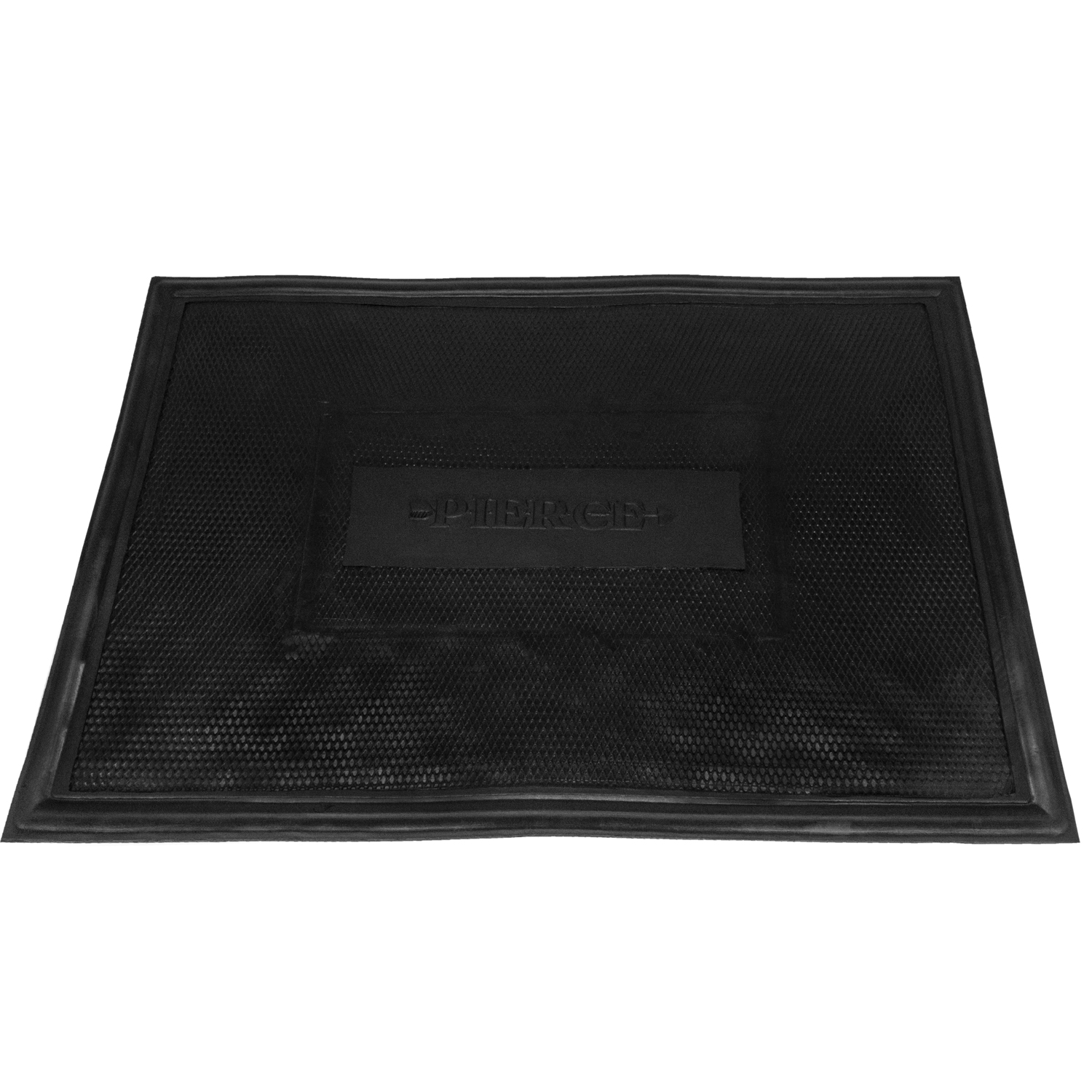 1937 Pierce-Arrow 12 Accessory Floor Mat - 12"X17"-AC 16Accessory Floor Mat - made of high quality black rubber with molded original emblem. Also designed to be sewn into new carpets. 12"X17", Each
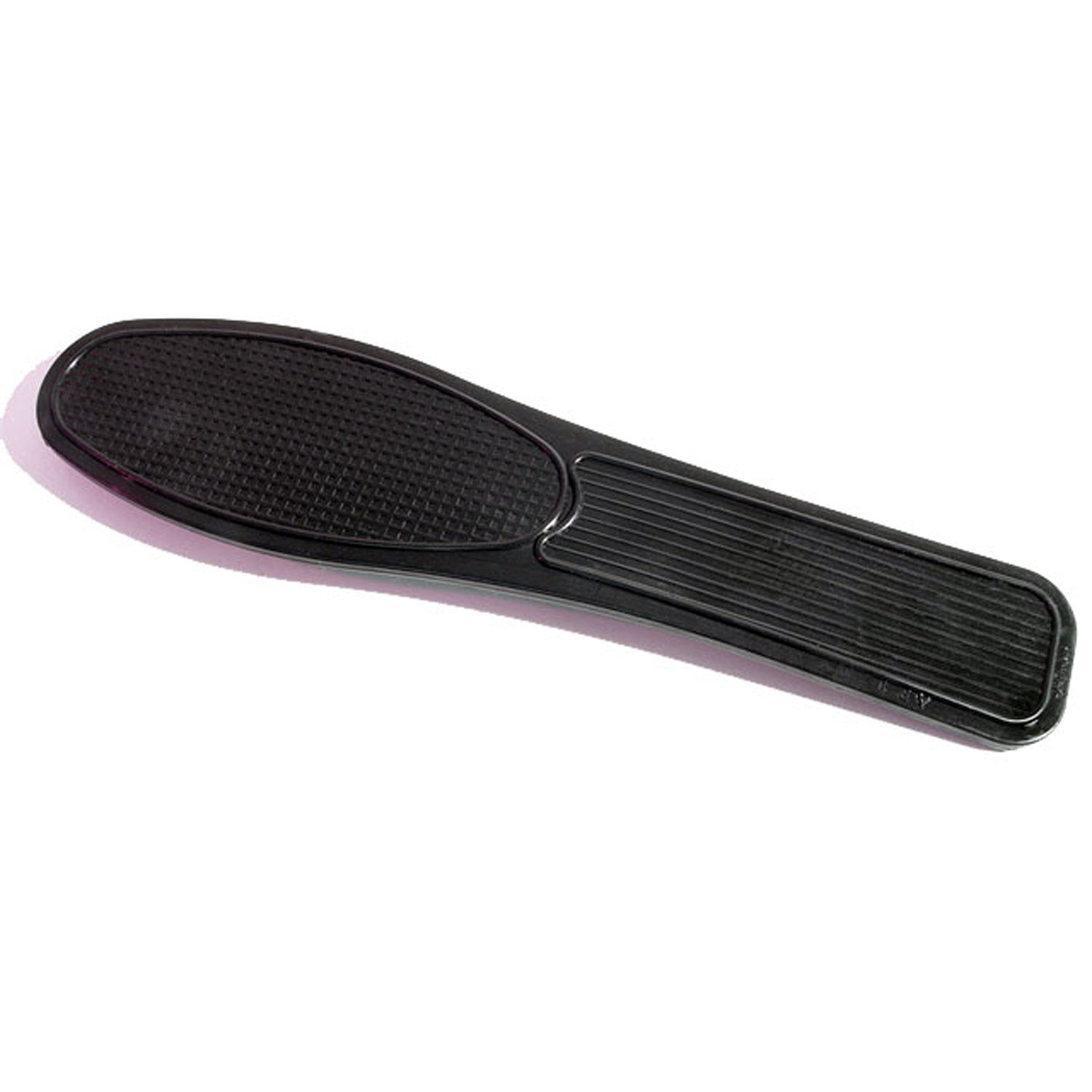 1937 Pierce-Arrow 12 Accelerator Pedal Pad. Cement on type. No emblem-AP 121Accelerator Pedal Pad. Cement on type. No emblem. 2-1/2" X 10-1/8", Each
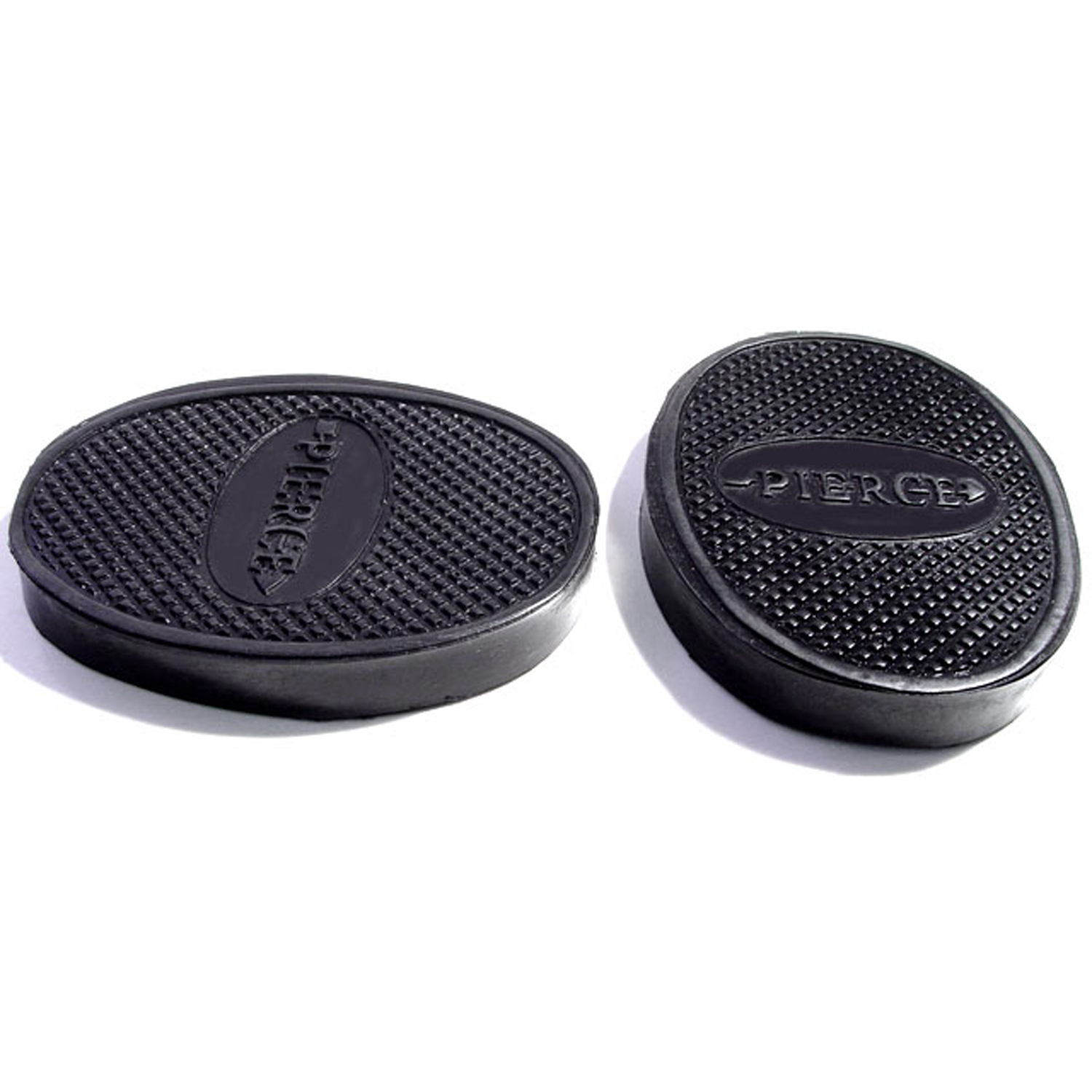 1937 Pierce-Arrow 12 Clutch and Brake Pedal Pads. Sharp Emblem-CB 33Clutch and Brake Pedal Pads. Sharp Emblem. 3" wide X 4-1/8" long. Pair
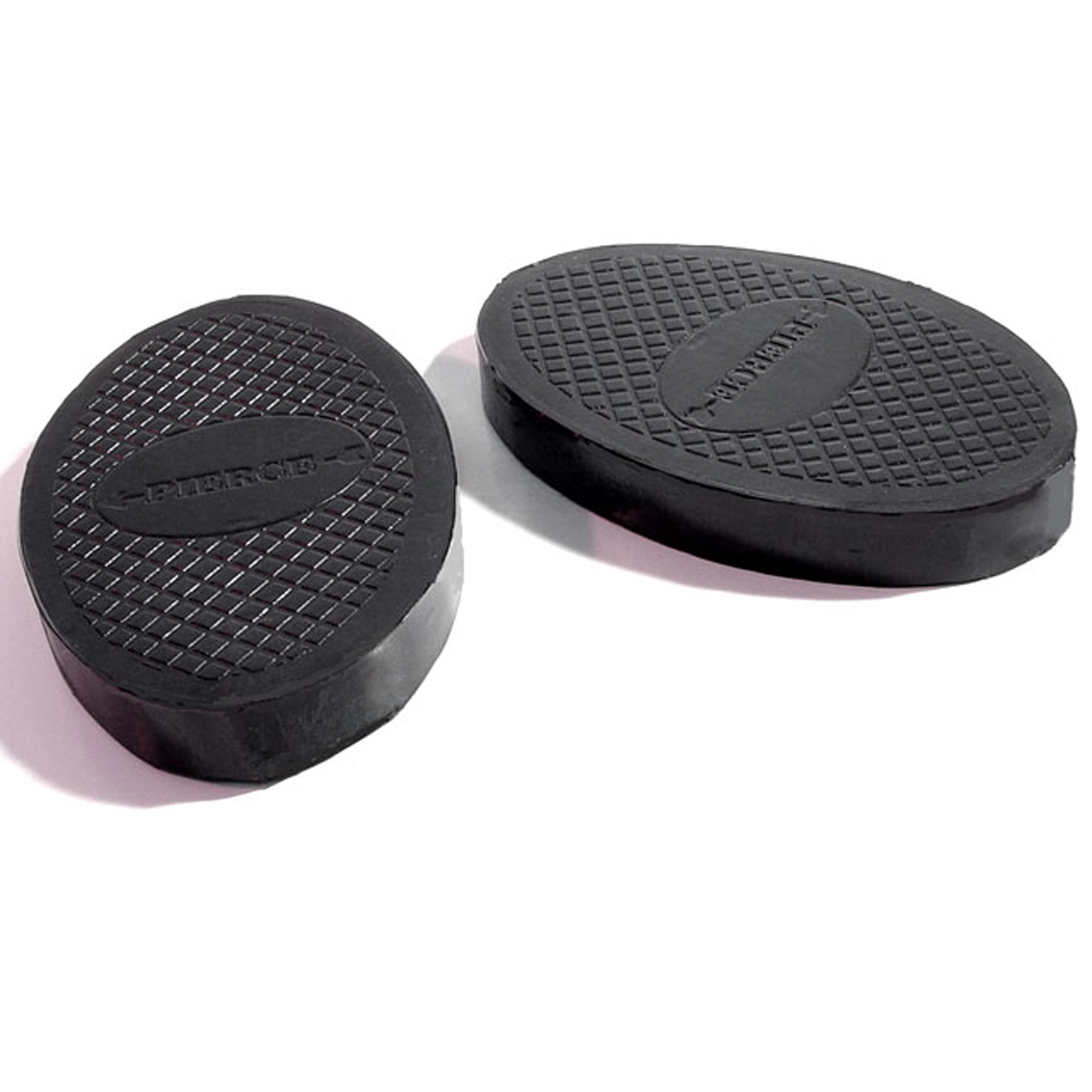 1937 Pierce-Arrow 12 Clutch and Brake Pedal Pads. Sharp-looking Emblem-CB 34Clutch and Brake Pedal Pads. Sharp-looking Emblem. 2-7/8" wide X 4-3/4" long. Pair
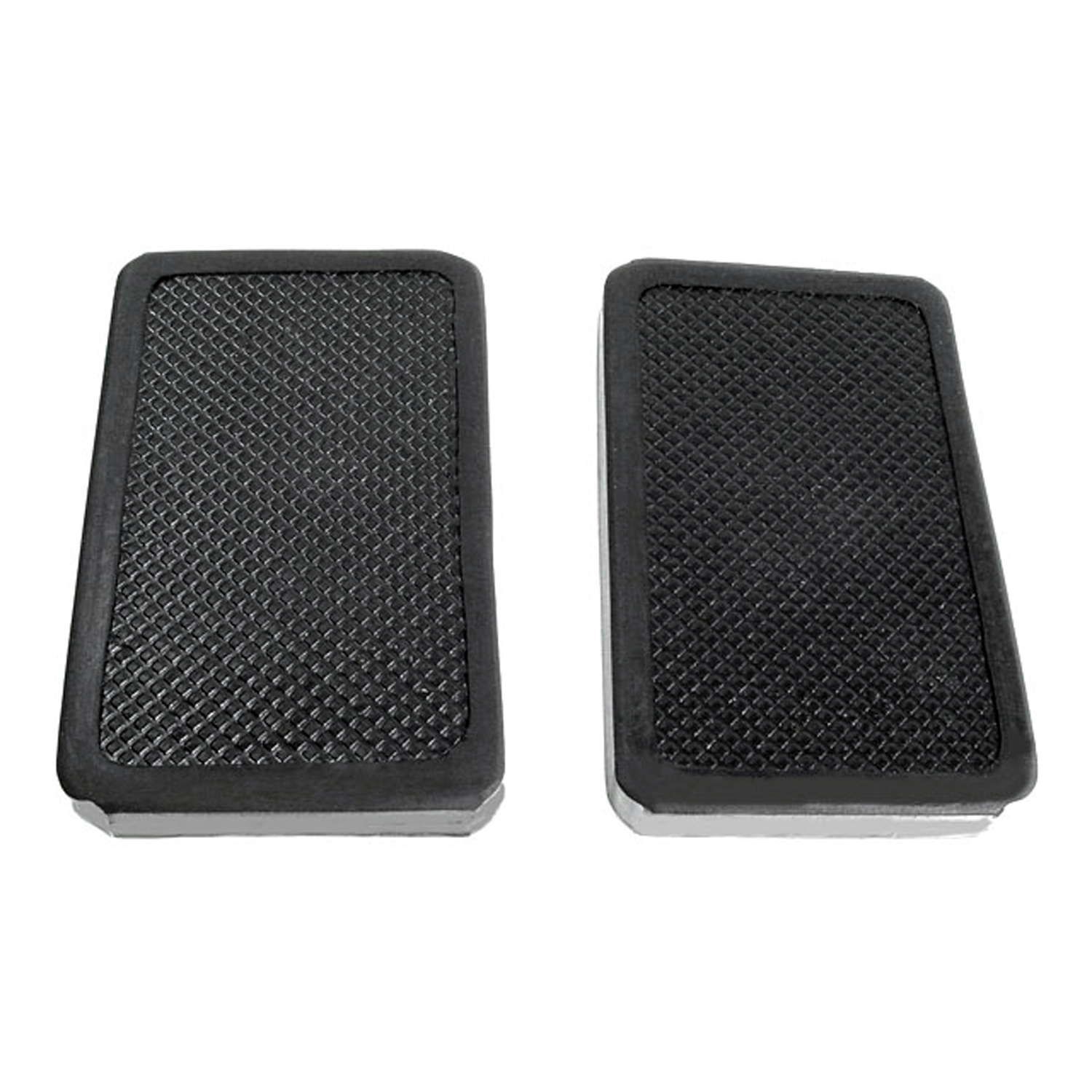 1937 Pierce-Arrow 12 Clutch and Brake Pedal Pads. 3" wide X 5" long. Pair-CB 35Clutch and Brake Pedal Pads. 3" wide X 5" long. Pair
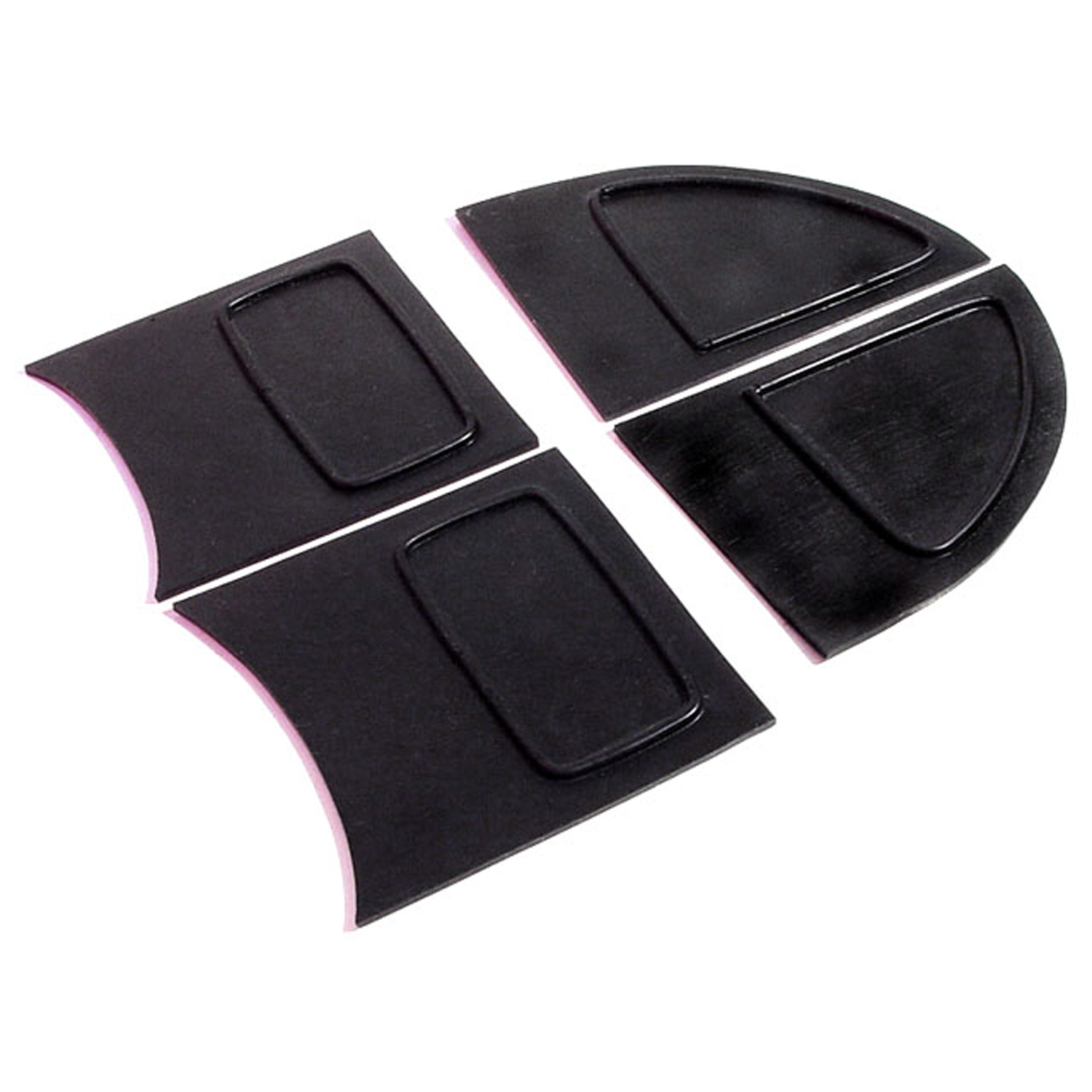 1937 Pierce-Arrow 12 Hood Corner Covers. Flat rubber with original design-HC 20Hood Corner Covers. Flat rubber with original design. Used to recover old metal. Tall pad is 3-1/4" long X 2-1/4" wide. Other is 2-1/2" wide. Set
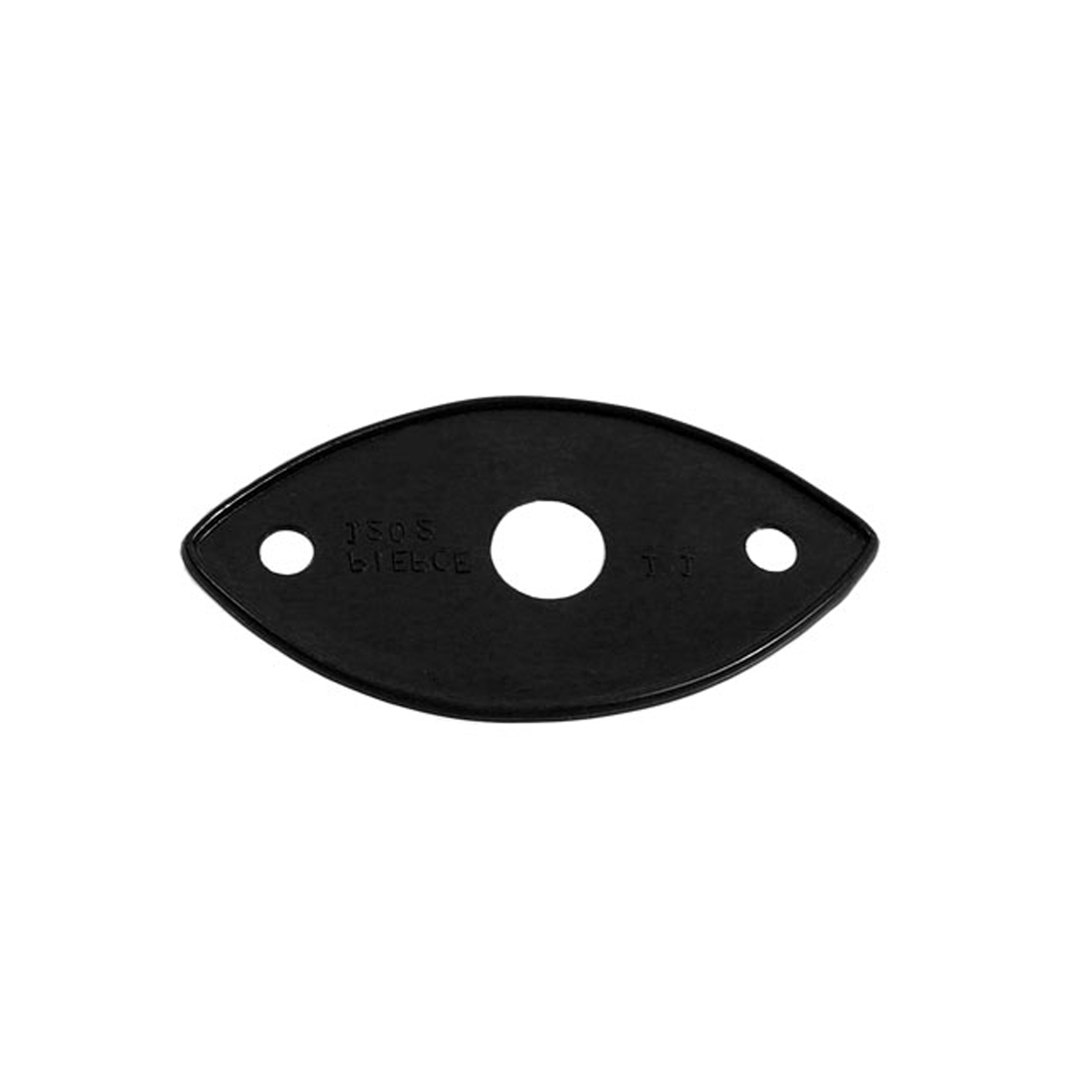 1937 Pierce-Arrow 12 Auxiliary Light Pad. 6" inside bead X 3" inside bead-MP 1202Auxiliary Light Pad. 6" inside bead X 3" inside bead. Each
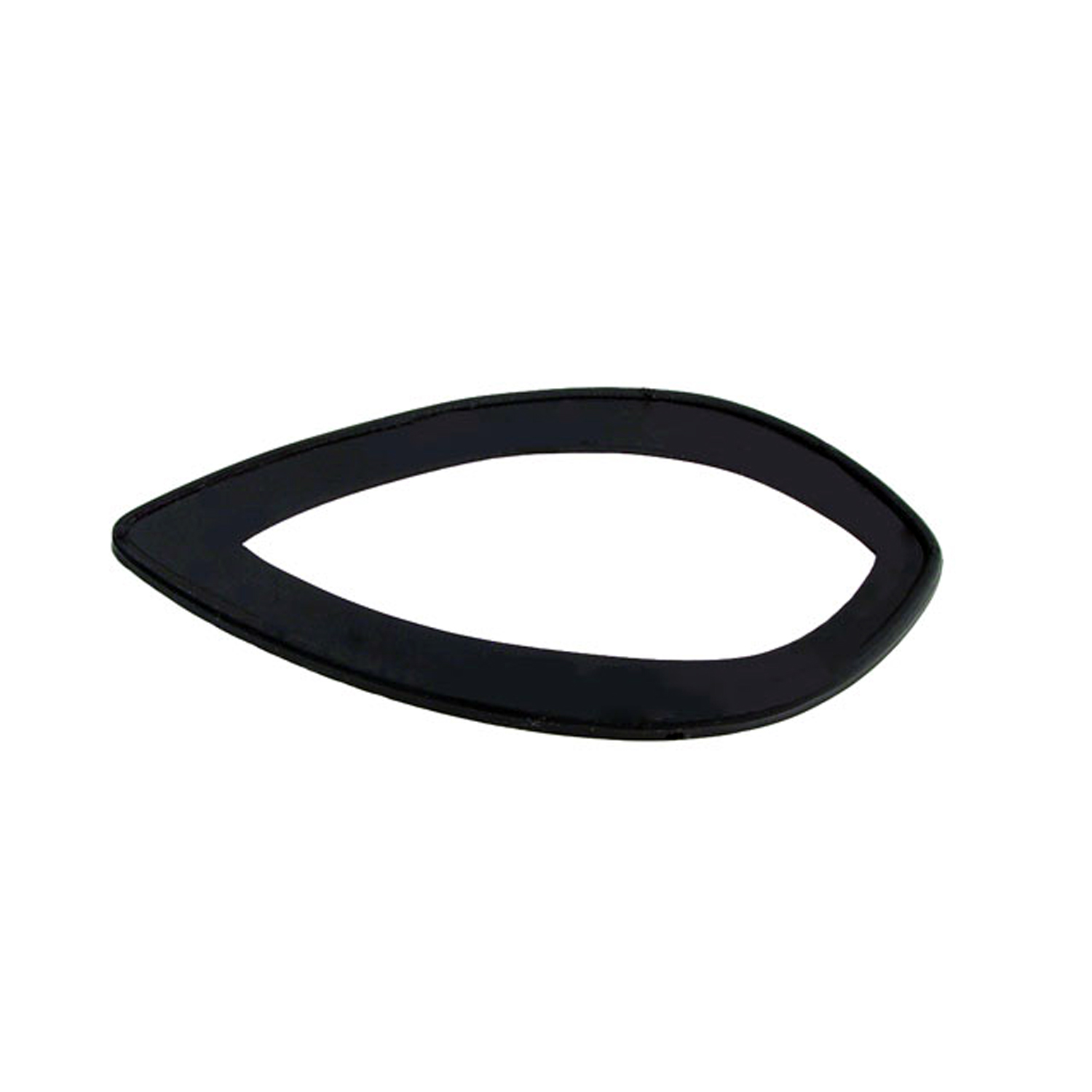 1937 Pierce-Arrow 12 Auxiliary Light Pad. 2-3/4" wide X 5-3/4" long. Each-MP 1207Auxiliary Light Pad. 2-3/4" wide X 5-3/4" long. Each
Why Choose Metro?
For over 100 years, Metro Moulded Parts has been the pinnacle of quality in classic car restoration parts. Our commitment to precision and authenticity in every component ensures a perfect fit and an OEM-level appearance.
- Expert Craftsmanship & Quality: Each part is a testament to our dedication to reliability and perfection, crafted from original designs and thoroughly tested.
- Advanced Technology: We use cutting-edge techniques to create flawless, long-lasting parts that surpass others in performance.
- SuperSoft Sponge – The Ultimate Door Seal: Not only are our door seals 30% softer than competitors', but they're also guaranteed to never leak. They effectively reduce wind and road noise, enhancing your classic car's comfort and driving experience.
- Proudly American: Our parts are a product of American craftsmanship, made in the USA with a spirit of excellence and heritage.
- Unrivaled Warranty: We back our products with a 30-year industry-leading warranty, a testament to our confidence in their quality.
Join us in preserving the legacy of classic cars with parts that are crafted for perfection, not just made.