

Image of 1938 Pierce-Arrow 8, Note: These illustrations use artistic license and may differ from actual historical models.
Performance Metrics
Fundamental Metrics
Emotional Appeal
MMP Rating
| Engine Specifications | |
|---|---|
| Engine: | Inline 8 |
| Displacement: | 4.9L - 5.3L |
| Horsepower: | Estimated 130 - 150 HP |
| Torque: | Not available |
| Compression Ratio: | Not available |
| Ignition System: | Battery and coil |
| Cooling System: | Liquid-cooled |
| Performance Specifications | |
| 0-60 Time: | Not available |
| 1/4 Mile Time: | Not available |
| Top Speed: | Estimated 85 - 95 mph |
| Transmission and Drive | |
| Drive Type: | Rear-wheel drive |
| Transmission Type: | 3-speed manual |
| Fuel and Efficiency | |
| Fuel System Type: | Carburetor |
| MPG: | Not available |
| Dimensions and Brakes | |
| Brakes: | Drum brakes |
| Wheelbase: | 139 inches |
| Weight: | Estimated 4,500 - 5,000 lbs |
Note: Specifications for classic cars are given to the best of our ability, considering the limited and variant data available.
1938 Pierce-Arrow Eight: A Final-Year American Classic
The 1938 Pierce-Arrow Eight was built for drivers who wanted more than transportation: it offered the scale, craftsmanship, and quiet authority of a prestigious American luxury car. It was produced by the Pierce-Arrow Motor Car Company of Buffalo, New York, a marque whose reputation had been earned over decades through engineering, refinement, and high-quality coachwork.
The Eight arrived during Pierce-Arrow’s final chapter. The Great Depression had sharply reduced demand for expensive automobiles, and the company ended production in 1938. That makes this model both a mature example of Pierce-Arrow’s traditional luxury and a poignant last-year car. One intriguing detail is that the company’s final cars were not crude or unfinished survivors of a collapsing business. The 1938 range remained substantial, with a powerful straight-eight engine and carefully finished bodies.
Streamlined Style and Hand-Finished Comfort
The 1938 Eight balanced traditional proportions with the more streamlined look taking hold in the late 1930s. Its long hood, upright grille, sweeping fenders, and substantial passenger compartment gave it the unmistakable presence of a prewar luxury car. Pierce-Arrow’s signature fender-mounted headlamps were a distinctive styling feature, integrating the lights into the front fenders rather than placing them as separate pods beside the grille. Running boards, bright trim, and carefully shaped body panels completed the formal appearance.
Inside, the emphasis was on comfort and quality rather than visual flash. Depending on body style and specification, buyers could find rich upholstery in materials such as broadcloth, mohair, or leather, along with polished wood trim and detailed metal fittings. Wide seats, generous legroom, and a roomy cabin made the Eight well suited to long-distance touring. As with other high-grade cars of the era, the exact finish could vary with the body and the customer’s choices.
Factory paint selections changed over time and could vary by body and order, so there is no single color that defines every 1938 Eight. Deep blues, maroons, greens, black, and two-tone combinations all suit the period and are seen on surviving cars. Dark, dignified colors were especially fitting for formal sedans, while contrasting fenders or body panels could make a touring or convertible body look more sporting.
The Eight was offered in several body configurations, including closed sedans and more formal limousine-style bodies, with open or coachbuilt versions available in the broader Pierce-Arrow range. Exact offerings depended on the series and order. A sedan is among the most recognizable and practical forms today, while convertibles and unusual coachwork tend to attract extra attention from collectors because they are less commonly encountered.
Engineering at the End of an Era
At the heart of the 1938 Pierce-Arrow Eight was a large L-head inline-eight engine of approximately 385 cubic inches, generally rated at about 150 horsepower. It was paired with a three-speed manual transmission. The engine’s long, smooth power delivery suited the car’s luxury mission: rather than chasing high-revving performance, it was designed to move a substantial automobile with composure.
Hydraulic brakes were an important part of the period’s move toward more effective stopping systems, and the Eight combined them with a conventional, durable chassis layout. Its engineering was not intended to make the car radically different from every rival. Instead, Pierce-Arrow refined familiar luxury-car ingredients: a large straight-eight, a robust frame, generous dimensions, and a high standard of finish.
The car’s historical importance lies partly in that blend of established craftsmanship and changing design. By the late 1930s, American luxury cars were becoming lower, more aerodynamic, and more mass-produced. Pierce-Arrow retained a strong individual identity while adapting its styling to the streamlined age. Its fender-mounted headlights, long hood, and carefully proportioned bodywork helped distinguish it from more common luxury makes. The Eight did not create the trend toward aerodynamic styling, but it shows how a traditional prestige manufacturer interpreted it.
Its final-year status also gives the 1938 model a special place in the marque’s story. Pierce-Arrow had once been one of America’s most respected luxury-car builders, but the shrinking market for costly automobiles proved difficult to survive. The Eight was among the last expressions of that independent American tradition.
How the Pierce-Arrow Eight Drives
Period performance figures are not consistent across surviving references, and modern road tests are rare. A sound, correctly tuned 1938 Eight is generally estimated to reach roughly 85 to 90 mph, with a 0-to-60 mph time somewhere around 20 to 25 seconds. Those figures should be treated as informed estimates rather than guaranteed factory-tested results. Vehicle condition, gearing, body style, and mechanical setup all make a difference.
On the road, the straight-eight is best appreciated for its smoothness and steady pull. It produces a deep, restrained engine note rather than a sharp sporting bark. The car’s weight and long wheelbase help it feel settled on open roads, while the suspension is intended to absorb rough surfaces with the relaxed motion expected of a luxury automobile of its time. Broken pavement can still remind the driver that this is a heavy prewar car on period-style suspension, and tight, winding roads call for measured steering inputs and thoughtful speed.
Driving one is a hands-on experience. The driver manages a manual gearbox, monitors the car’s instruments, and allows room for its size and braking distances. It is not a modern car with vintage styling. The reward is the sense of occasion: the broad hood ahead, the quiet cadence of the eight-cylinder engine, and the solid, deliberate feel of a machine built for comfortable travel.
Ownership, Maintenance, and Reliability
Today, a 1938 Pierce-Arrow Eight is best suited to touring, club events, concours displays, and occasional pleasure drives. It is not usually a practical daily driver, though a carefully restored and regularly exercised example can cover meaningful distances. The car’s size, fuel use, age, and need for specialist attention make it a commitment rather than a casual runabout.
Routine work is familiar in principle to anyone who knows prewar cars, but parts availability and specialist knowledge are the real challenges. The engine, brakes, electrical system, and cooling system all need to be maintained to a high standard, and long periods of inactivity can create problems. Some service items can be repaired by an experienced owner, but restoration of the engine, transmission, bodywork, or bespoke interior may require marque specialists. Reliability depends heavily on the quality of past restoration and ongoing maintenance, not simply on the Pierce-Arrow name.
Before buying, inspect the chassis and body for corrosion, check the engine’s oil pressure and cooling behavior, and confirm that the brakes operate evenly. Because many cars have been restored or modified over the decades, documentation and specialist inspection are especially valuable.
Rare Details and Common Criticisms
The most important fact about the 1938 Eight is also its most memorable: it belongs to Pierce-Arrow’s final model year. The company ceased automobile production in 1938, making every surviving example a representative of the marque’s closing days. Exact production totals by individual body style can be difficult to establish, but estimates commonly place total Pierce-Arrow output for the year at roughly 1,700 cars across the range. The number of Eights alone was lower, though a precise model-by-model figure is not consistently documented.
There is no widely recognized speed or endurance record associated specifically with the 1938 Eight. Its appeal is less about competition and more about its place in American luxury-car history. Pierce-Arrow’s larger legacy includes its reputation for fine engineering and distinctive design, especially the signature headlamps integrated into the front fenders.
Common criticisms are practical ones. The car is large, thirsty by modern standards, and not especially quick off the line. Its brakes and steering require more planning and effort than those of a contemporary vehicle, and specialist parts can be expensive or difficult to source. For collectors, those limitations are part of the period experience, but they are worth understanding before purchase.
1938 Pierce-Arrow Values and Availability
Values depend strongly on body style, originality, condition, restoration quality, and provenance. As a broad current-market estimate, a project or rough example might fall around $20,000 to $40,000. A usable, presentable car may bring roughly $40,000 to $90,000, while a high-quality restoration or especially desirable body style can reach approximately $100,000 to $175,000 or more. Exceptional coachbuilt examples may exceed that range, but they are not the norm.
These figures are estimates rather than a promise of what any particular car will sell for. Pierce-Arrows appear less often than mainstream classics, and buyers may wait a long time for the right body style or condition. The market is selective: well-documented, correctly restored cars tend to hold attention, while cars needing major work can be costly to bring back.
In recent years, the broader prewar luxury market has been uneven. The 1938 Eight’s final-year significance and distinctive marque help support its appeal, but restoration costs and a relatively specialized buyer pool can limit price growth. The best examples have the strongest prospects for holding value; they should be purchased primarily for their history and enjoyment, not as a guaranteed short-term investment.
A Lasting Piece of Pierce-Arrow History
The 1938 Pierce-Arrow Eight combines a smooth, large-displacement straight-eight, refined prewar styling, and the craftsmanship of a celebrated American luxury maker. Its generous proportions and fender-mounted headlights make it immediately recognizable, while its final-year status gives it importance beyond its specifications.
It is not the quickest or easiest classic to own, but that is not the point. The Eight represents one of the last opportunities to experience Pierce-Arrow’s distinctive approach to American luxury, preserved in a car that closed an important chapter in the country’s automotive history.
1938 Pierce-Arrow 8 Catalog of Parts
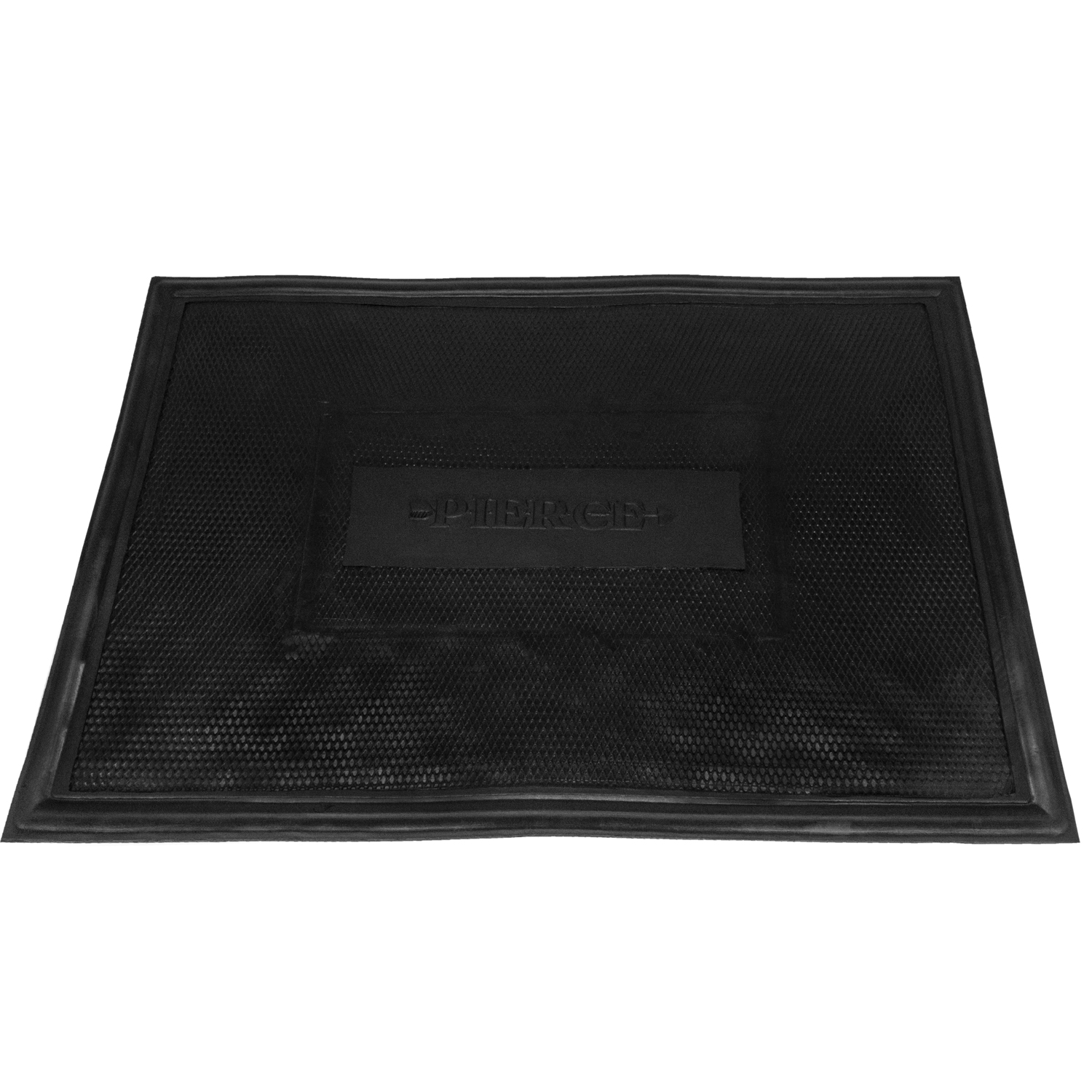 1938 Pierce-Arrow 8 Accessory Floor Mat - 12"X17"-AC 16Accessory Floor Mat - made of high quality black rubber with molded original emblem. Also designed to be sewn into new carpets. 12"X17", Each
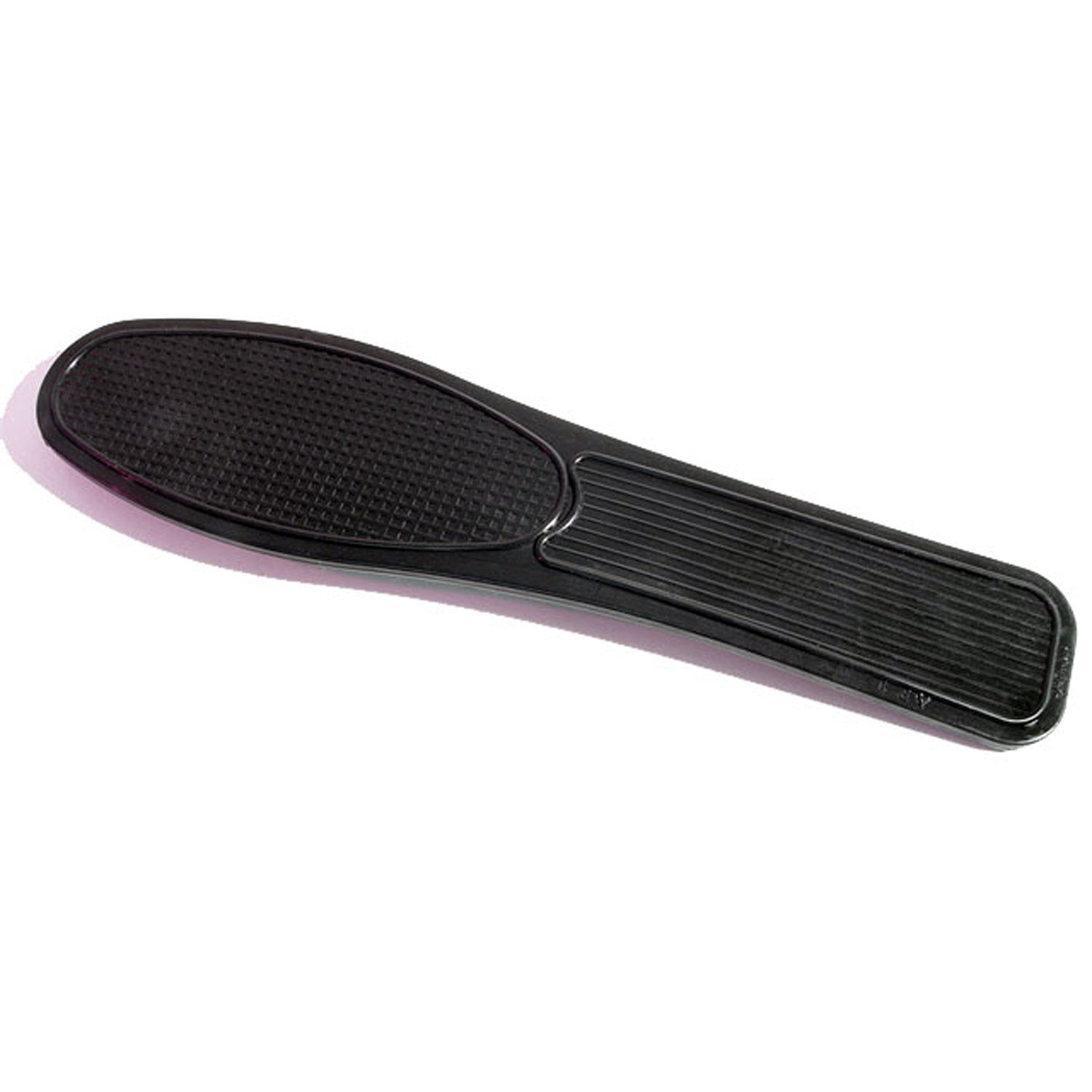 1938 Pierce-Arrow 8 Accelerator Pedal Pad. Cement on type. No emblem-AP 121Accelerator Pedal Pad. Cement on type. No emblem. 2-1/2" X 10-1/8", Each
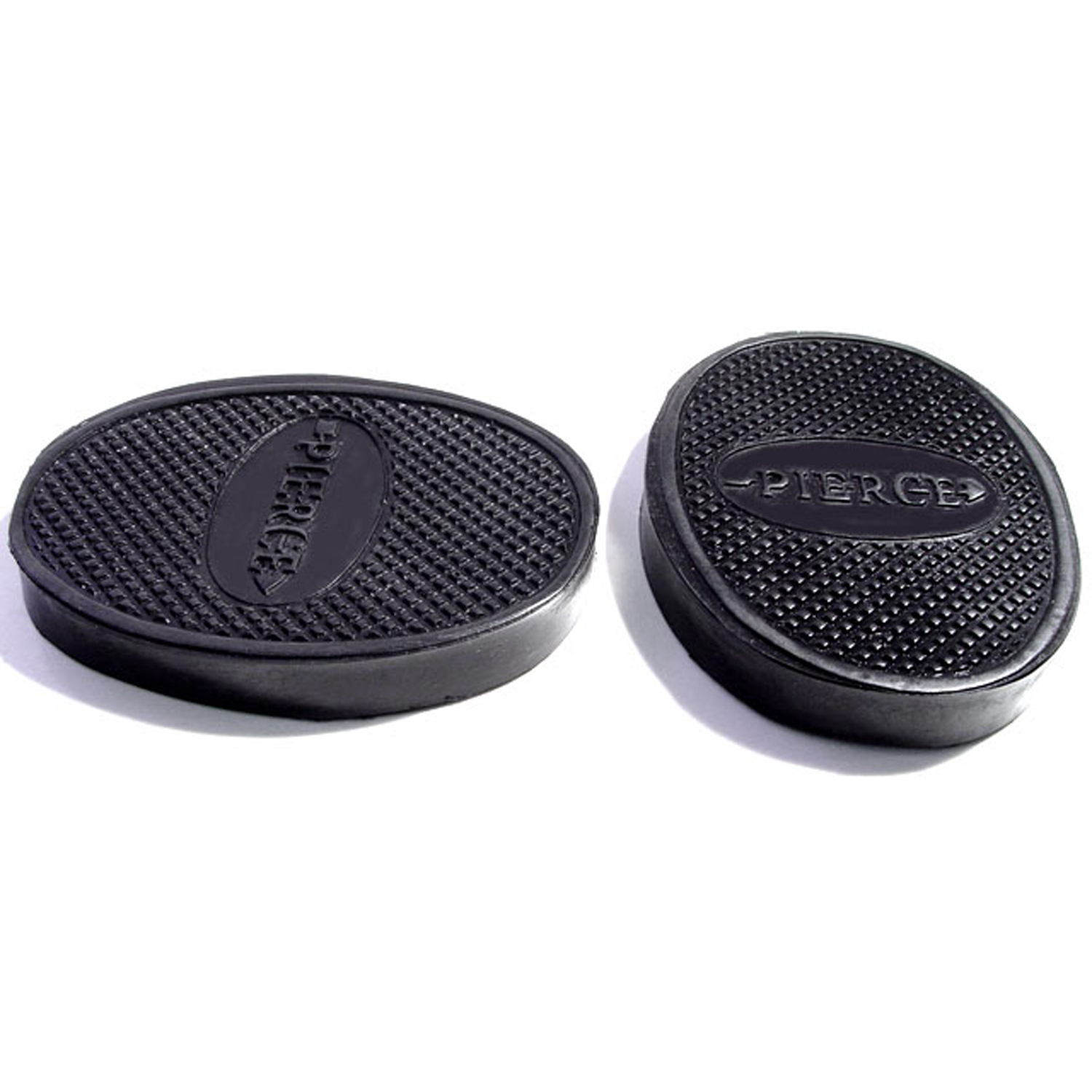 1938 Pierce-Arrow 8 Clutch and Brake Pedal Pads. Sharp Emblem-CB 33Clutch and Brake Pedal Pads. Sharp Emblem. 3" wide X 4-1/8" long. Pair
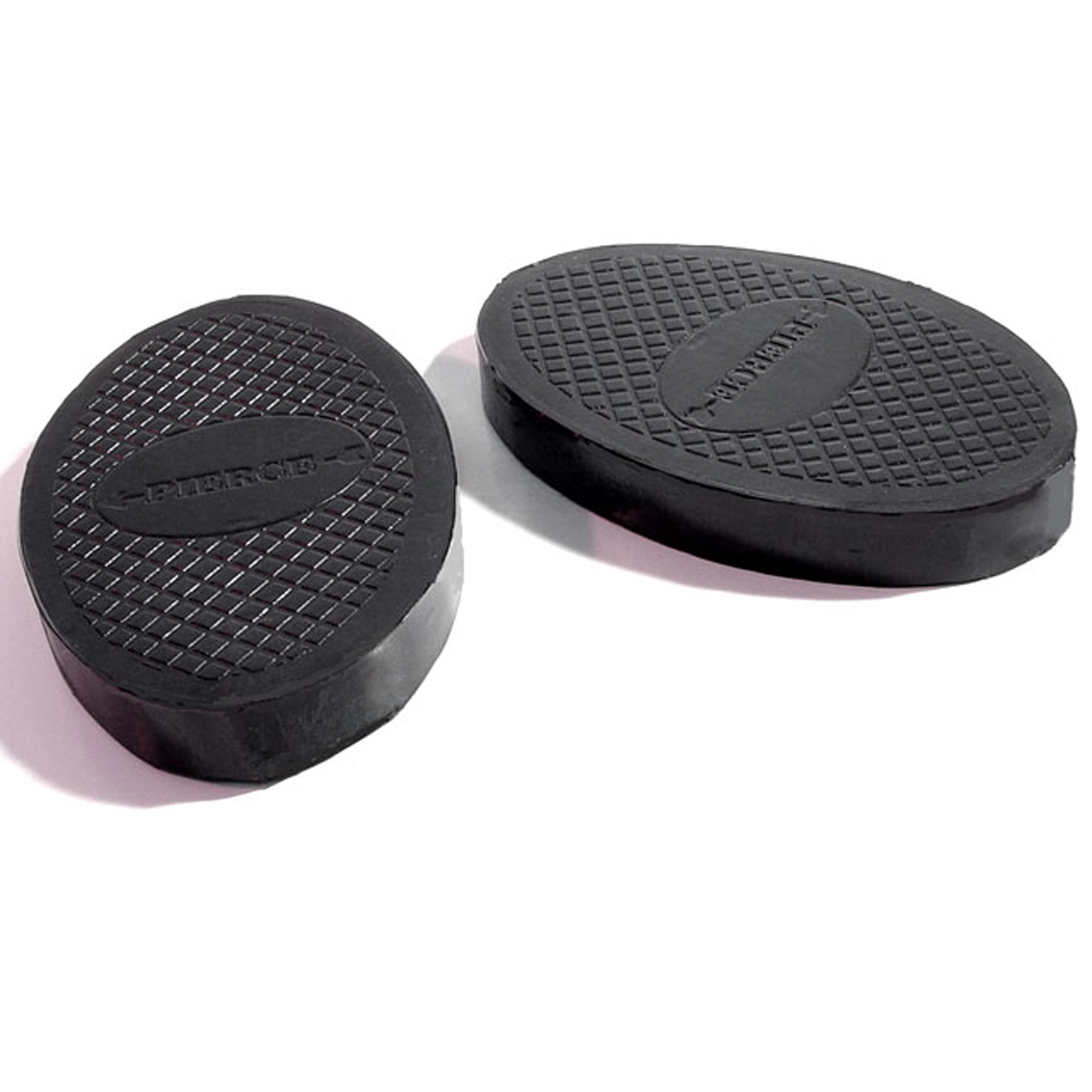 1938 Pierce-Arrow 8 Clutch and Brake Pedal Pads. Sharp-looking Emblem-CB 34Clutch and Brake Pedal Pads. Sharp-looking Emblem. 2-7/8" wide X 4-3/4" long. Pair
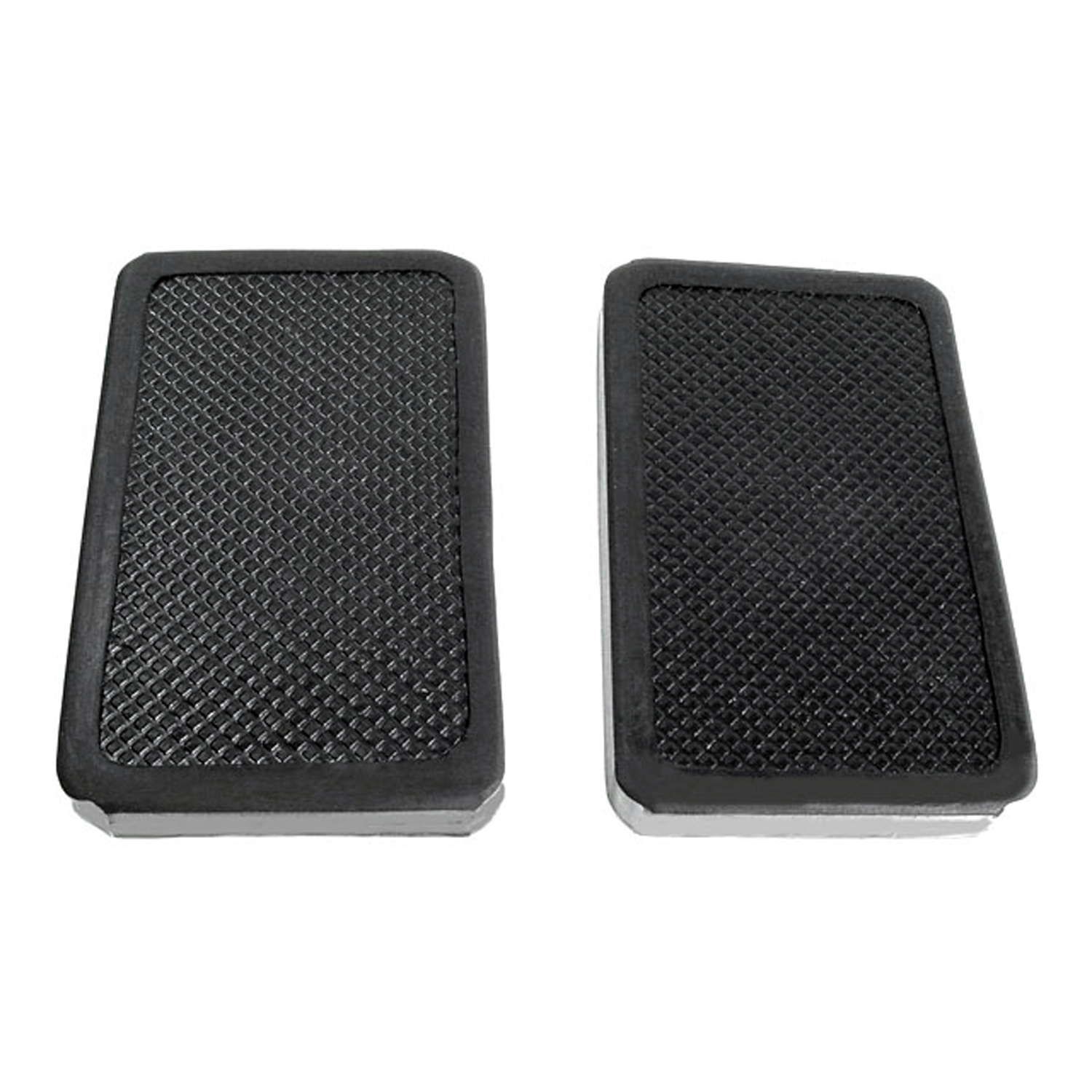 1938 Pierce-Arrow 8 Clutch and Brake Pedal Pads. 3" wide X 5" long. Pair-CB 35Clutch and Brake Pedal Pads. 3" wide X 5" long. Pair
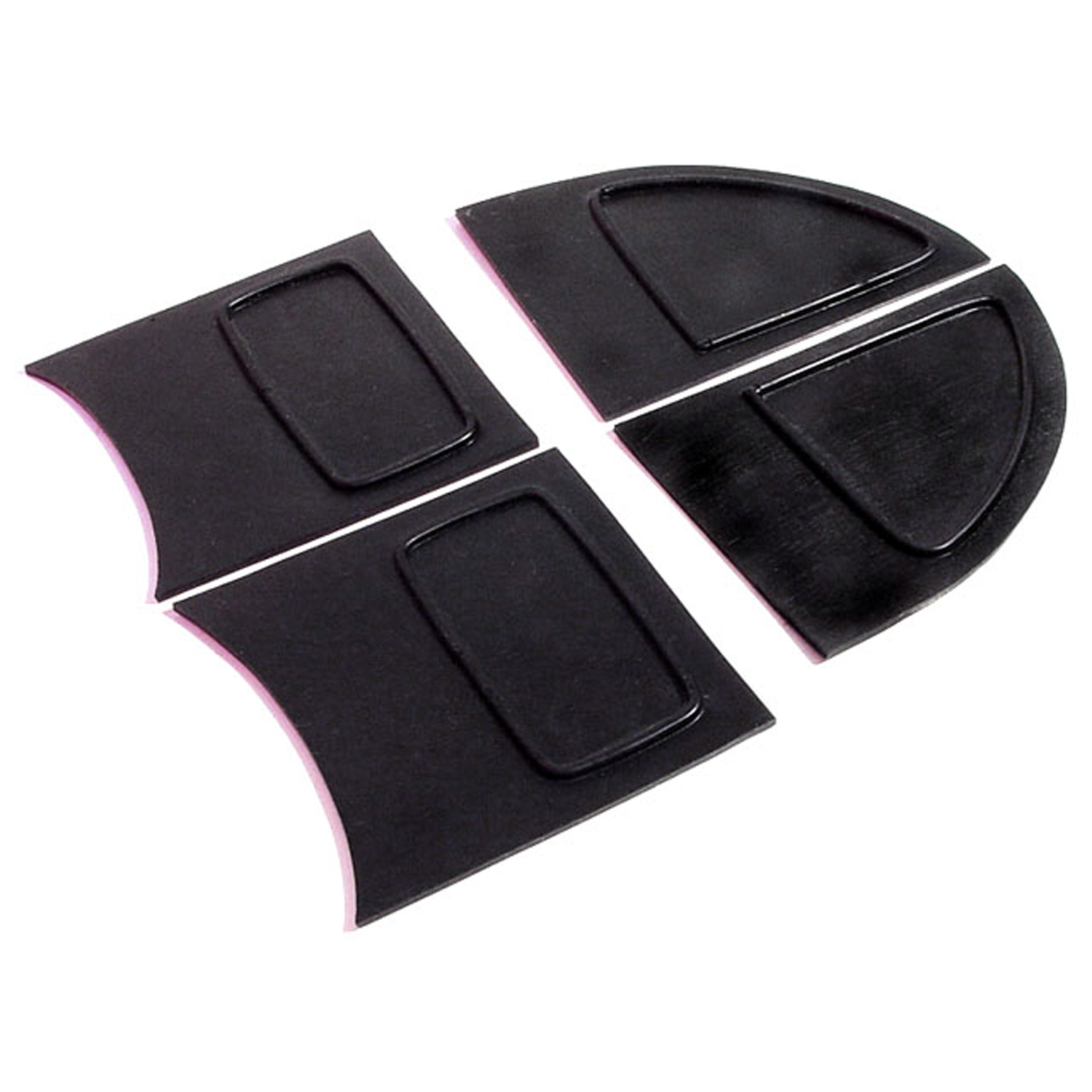 1938 Pierce-Arrow 8 Hood Corner Covers. Flat rubber with original design-HC 20Hood Corner Covers. Flat rubber with original design. Used to recover old metal. Tall pad is 3-1/4" long X 2-1/4" wide. Other is 2-1/2" wide. Set
Why Choose Metro?
For over 100 years, Metro Moulded Parts has been the pinnacle of quality in classic car restoration parts. Our commitment to precision and authenticity in every component ensures a perfect fit and an OEM-level appearance.
- Expert Craftsmanship & Quality: Each part is a testament to our dedication to reliability and perfection, crafted from original designs and thoroughly tested.
- Advanced Technology: We use cutting-edge techniques to create flawless, long-lasting parts that surpass others in performance.
- SuperSoft Sponge – The Ultimate Door Seal: Not only are our door seals 30% softer than competitors', but they're also guaranteed to never leak. They effectively reduce wind and road noise, enhancing your classic car's comfort and driving experience.
- Proudly American: Our parts are a product of American craftsmanship, made in the USA with a spirit of excellence and heritage.
- Unrivaled Warranty: We back our products with a 30-year industry-leading warranty, a testament to our confidence in their quality.
Join us in preserving the legacy of classic cars with parts that are crafted for perfection, not just made.