
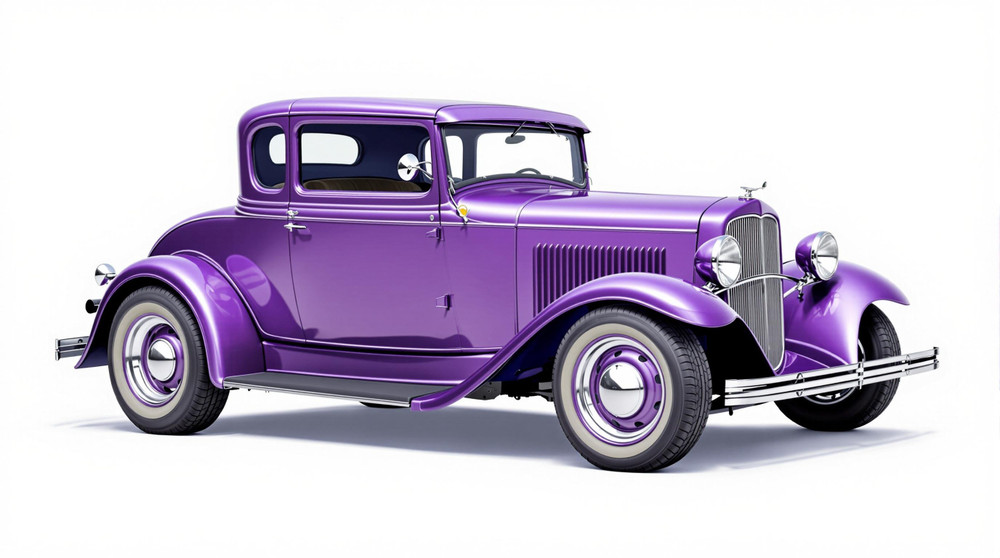
Image of 1930 Plymouth Model 30u, Note: These illustrations use artistic license and may differ from actual historical models.
Performance Metrics
Fundamental Metrics
Emotional Appeal
MMP Rating
| Engine Specifications | |
|---|---|
| Engine: | Inline 4 |
| Displacement: | 196 cubic inches |
| Horsepower: | Estimated 48-50 HP |
| Torque: | Not available |
| Compression Ratio: | Not available |
| Ignition System: | Battery and coil |
| Cooling System: | Water-cooled |
| Performance Specifications | |
| 0-60 Time: | Not available |
| 1/4 Mile Time: | Not available |
| Top Speed: | 60 mph |
| Transmission and Drive | |
| Drive Type: | Rear-wheel drive |
| Transmission Type: | 3-speed manual |
| Fuel and Efficiency | |
| Fuel System Type: | Carburetor |
| MPG: | Not available |
| Dimensions and Brakes | |
| Brakes: | Mechanical drum brakes |
| Wheelbase: | 109 inches |
| Weight: | 2,365 lbs |
Note: Specifications for classic cars are given to the best of our ability, considering the limited and variant data available.
1930 Plymouth Model 30-U: Chrysler’s Affordable Challenger
The 1930 Plymouth Model 30-U brought Chrysler engineering to buyers who wanted a practical, well-equipped car without paying for a luxury badge. Upright and unmistakably vintage, it paired a sturdy four-cylinder engine with four-wheel hydraulic brakes, a feature that gave this modest-priced Plymouth a useful edge over many rivals.
Plymouth was created by the Chrysler Corporation and introduced in 1928 to compete in the fast-growing affordable-car market. By 1930, the Model 30-U was helping the young marque take on established names such as Ford and Chevrolet. Its timing was significant: the Depression was beginning to squeeze household budgets, and dependable transportation at a reachable price mattered more than ever.
One detail still worth noting is the car’s braking system. Hydraulic brakes were not exclusive to Plymouth, but their availability on a low-priced car helped distinguish the brand and reinforced Chrysler’s reputation for putting practical engineering within reach of ordinary motorists.
Upright Style, Practical Cabin
The Model 30-U wears the classic proportions of an early-1930s automobile. A tall, upright radiator anchors the front end, flanked by large round headlamps and long, arched front fenders. The bonnet stretches back toward a high-set cabin, while running boards connect the fenders and give the car a strong, continuous profile. At the rear, the body tapers into a compact trunk or, on some versions, a rumble seat.
Inside, the emphasis was on usefulness rather than luxury. The cabin offered a straightforward dashboard, large steering wheel, bench seating and durable upholstery. Materials and trim varied with body style and equipment, but buyers could expect a functional finish suited to regular use. It was a more substantial-feeling proposition than a bare-bones runabout, though it should not be mistaken for one of Chrysler’s high-end cars.
Paint choices depended on body style, production details and the buyer’s selection. Dark shades such as black, deep blue, maroon and green were typical period favorites, with contrasting trim or two-tone treatments available on some configurations. Original color combinations can be difficult to confirm today, so restorers often consult period literature and surviving paint evidence rather than relying on a single universal palette.
The 30-U range included several familiar period body styles, including coupes, sedans, open touring-style bodies and versions with a rumble seat. The four-door sedan is among the most recognizable and practical today, while a rumble-seat coupe or open car has extra visual appeal for collectors. Exact names and availability could vary by market and production source.
Engineering for the Everyday Driver
Under the bonnet sits a 175.4-cubic-inch (about 2.9-liter) side-valve, or L-head, four-cylinder engine. Period specifications are commonly listed at roughly 45 horsepower, driving the rear wheels through a three-speed manual transmission. The layout was conventional, but it was proven, understandable and well suited to the car’s role as family transportation.
Four-wheel hydraulic brakes were a major practical feature. Compared with mechanical systems that relied on rods and levers, hydraulic brakes applied braking force through fluid pressure, helping deliver more consistent stopping action when properly maintained. The Model 30-U also used a traditional chassis with solid axles and leaf springs, a familiar setup that was rugged and straightforward to service.
Its importance lies less in a single revolutionary design flourish than in the way it combined useful equipment, a broad choice of bodies and Chrysler’s manufacturing resources at an accessible price. Plymouth helped establish that a budget-minded car could offer more than bare transportation. That formula strengthened the brand through the hard years of the early 1930s and helped it become a lasting part of Chrysler’s lineup.
Performance and Road Manners
The Model 30-U was built for steady motoring, not fast starts. Depending on body, condition, gearing and road surface, a well-sorted example is generally estimated to reach about 55 to 60 mph, with some reports placing maximum speed a little higher. A modern-style 0-to-60-mph test was not a standard period measure, and reliable factory figures are hard to pin down. In practice, expect acceleration to take roughly 30 seconds or more, rather than anything resembling a modern family car.
On ordinary roads, the four-cylinder engine produces a measured, mechanical rhythm, and the three-speed gearbox asks the driver to plan ahead. The clutch, steering and brakes all require more physical input than a contemporary car. The leaf-spring suspension handles rough surfaces with a firm, simple motion, and bumps can make themselves known through the cabin. On winding roads, the tall body and period tires favor calm cornering over quick changes of direction.
Driving one is an involving experience. You hear the engine working, feel the road through the steering wheel and manage each gear change yourself. The Model 30-U rewards a smooth hand and sensible speed. It is most enjoyable on back roads, at local tours and in vintage-car events, where its pace and character fit the setting.
Ownership, Repairs and Reliability
In its day, the Plymouth was intended to serve as everyday transportation. Today, most surviving examples are maintained as show cars, touring cars or cherished family heirlooms. Some owners still drive them regularly, but modern traffic speeds and the lack of contemporary safety equipment make thoughtful route selection essential.
The mechanical layout is relatively approachable for an experienced hobbyist. The engine is a conventional four-cylinder design, and the chassis does not depend on complex electronics or specialized control systems. Routine work can include ignition and carburetor tuning, lubrication, cooling-system care, and regular inspection of the brakes and tires. Parts availability varies: common service items may be obtainable through vintage suppliers, while body panels, trim and model-specific components can require patience or specialist help.
Reliability depends heavily on condition and maintenance. A car that has been stored poorly may need extensive attention to its fuel system, wiring, cooling system, wood or body structure, and hydraulic brakes. Before driving any example, have the braking system inspected carefully. Hydraulic components that look intact may still be old, worn or unsafe.
Facts Behind the Four-Door
The Model 30-U belongs to Plymouth’s early rise as a value-focused Chrysler brand. Its significance is tied to the broader success of Plymouth during the Depression era, when practical pricing and a reputation for solid engineering helped the marque compete against far larger rivals.
Production figures are not always presented consistently by model year and body style, but a reasonable estimate for 1930 Model 30-U production is in the neighborhood of 75,000 to 80,000 cars. That makes it uncommon today, but not necessarily a one-off rarity. Survival rates differ greatly by body style, and complete open cars or unusual configurations can be harder to find than sedans.
There is no widely documented Model 30-U speed or endurance record that defines the model’s legacy. Its more meaningful achievement was commercial: it helped Plymouth build a following by offering a credible alternative in a fiercely competitive market. Its common criticism today is familiar to anyone who drives a car of this age: modest power, slow acceleration, heavy controls and limited protection by modern standards.
Collector Values and Availability
Prices vary substantially with body style, originality, mechanical condition, restoration quality and local demand. As a broad 2026 estimate, a project car may sell for around $5,000 to $12,000. A usable driver or older restoration might fall in the $12,000 to $25,000 range, while a high-quality restoration can reach approximately $25,000 to $45,000 or more. Open body styles and especially attractive, well-documented examples may command a premium.
These are general guide figures, not appraisals. A car needing major body or brake work can cost far more to put right than its purchase price suggests, while originality and correct details may matter as much as glossy paint to serious collectors. Values for early mass-market classics tend to be condition-led rather than driven by rapid speculation. Well-restored examples have generally held interest, but prices can move with broader classic-car demand and the cost of restoration.
Finding a Model 30-U is possible, but buyers may need to search beyond the most visible online listings. Sedans are often the practical starting point; rumble-seat and open versions tend to attract more attention. A pre-purchase inspection by someone familiar with prewar cars is a wise investment.
A Plymouth with Lasting Purpose
The 1930 Plymouth Model 30-U was not designed to set speed records or overwhelm its owner with luxury. Its strengths were more enduring: useful body choices, straightforward mechanicals, Chrysler-backed engineering and four-wheel hydraulic brakes in an affordable package. Those qualities helped Plymouth establish itself when families needed dependable transportation and every dollar counted.
Today, the Model 30-U offers a tangible link to the moment when a young automobile brand proved that an inexpensive car could still feel thoughtfully engineered. Its pace is unhurried, its controls are wonderfully hands-on, and its upright silhouette belongs to a vanished motoring world. For collectors and enthusiasts, that is precisely the point.
1930 Plymouth Model 30u Catalog of Parts
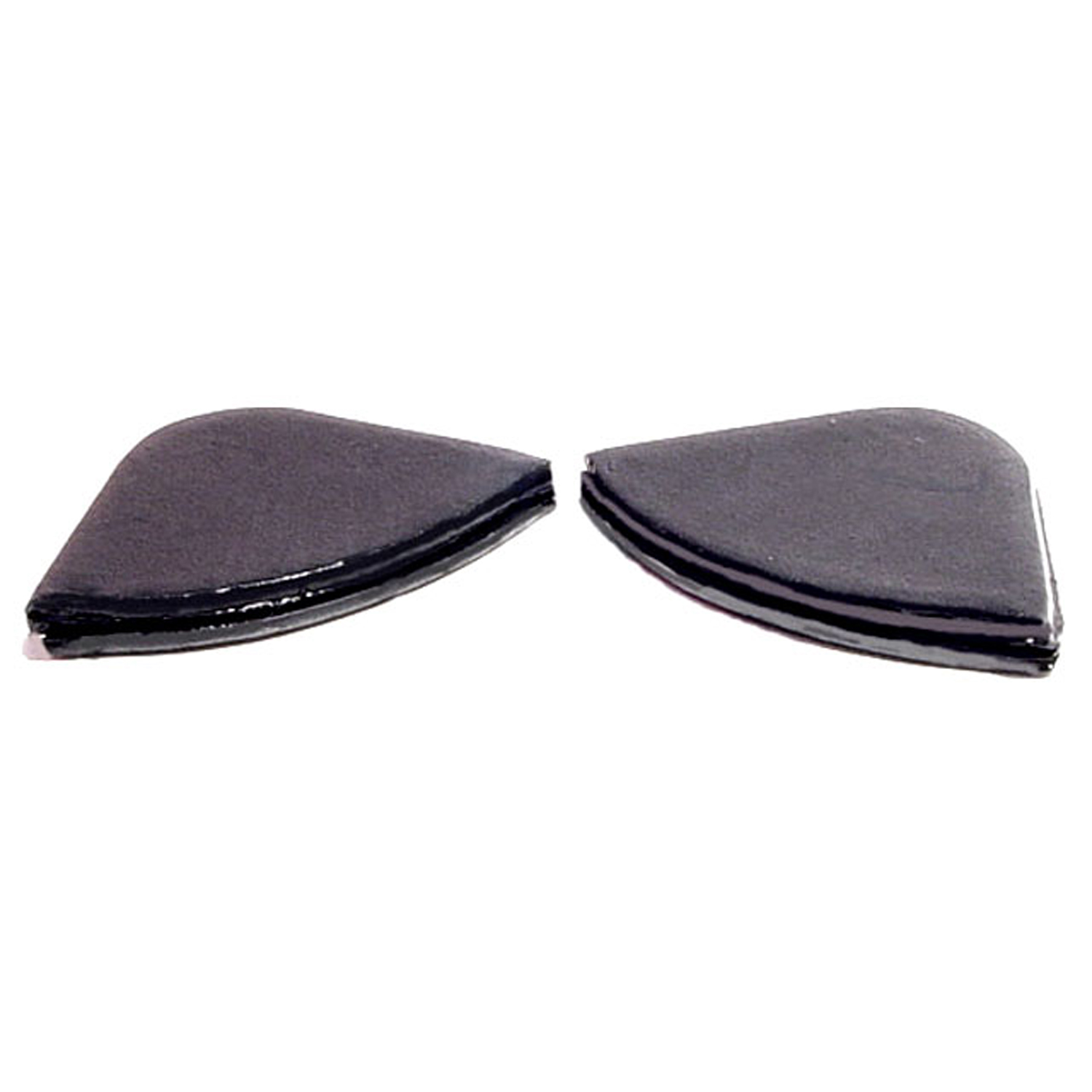 1930 Plymouth MODEL 30U Hood Corners. Fits flat corners-HC 19Hood Corners. Fits flat corners. 80° angle, 1/4" to 3/8" corner radius. 1-3/8" wide. Pair
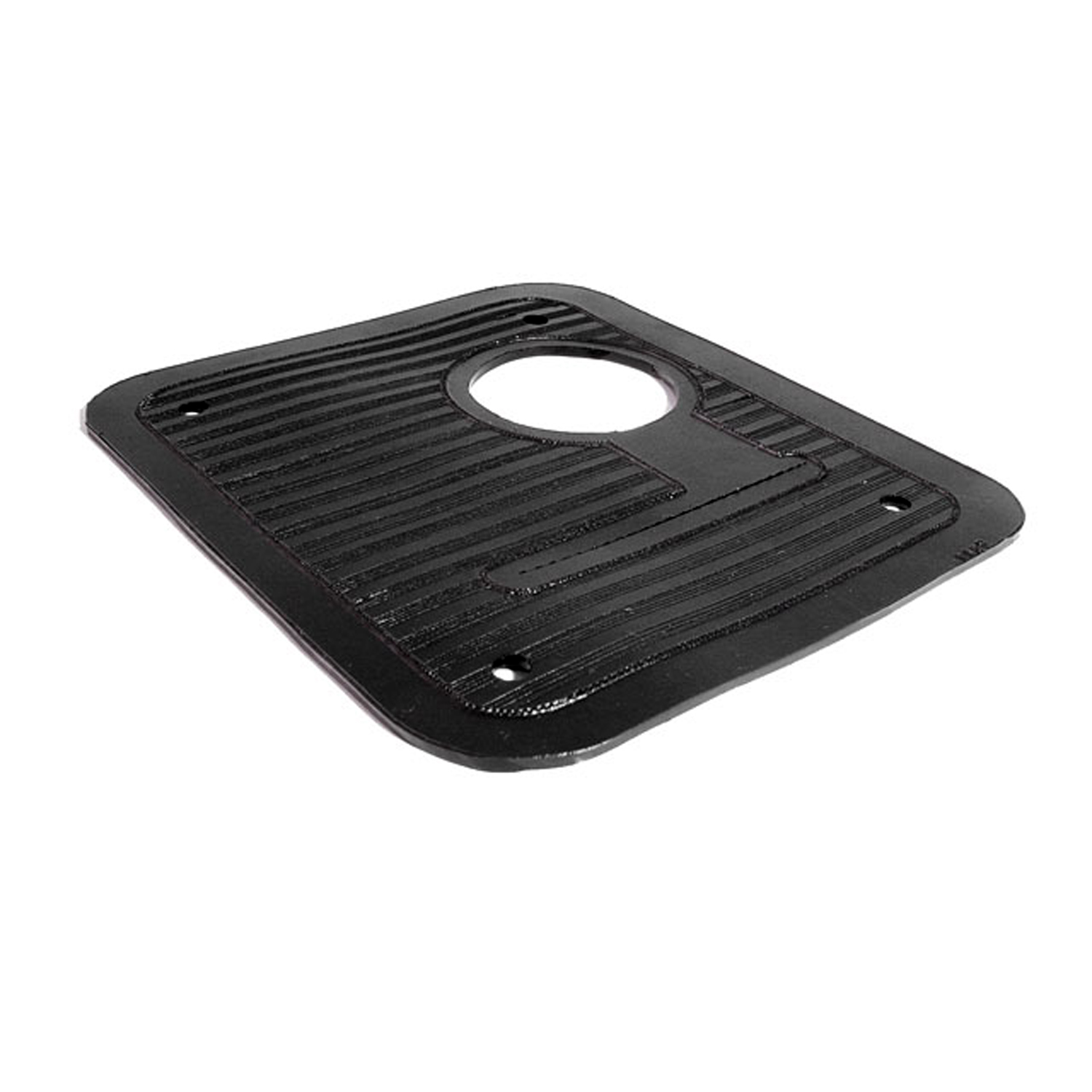 1930 Plymouth MODEL 30U Gear Shift Pad. 7-7/8" X 7-7/8". Each-SC 14Gear Shift Pad. 7-7/8" X 7-7/8". Each
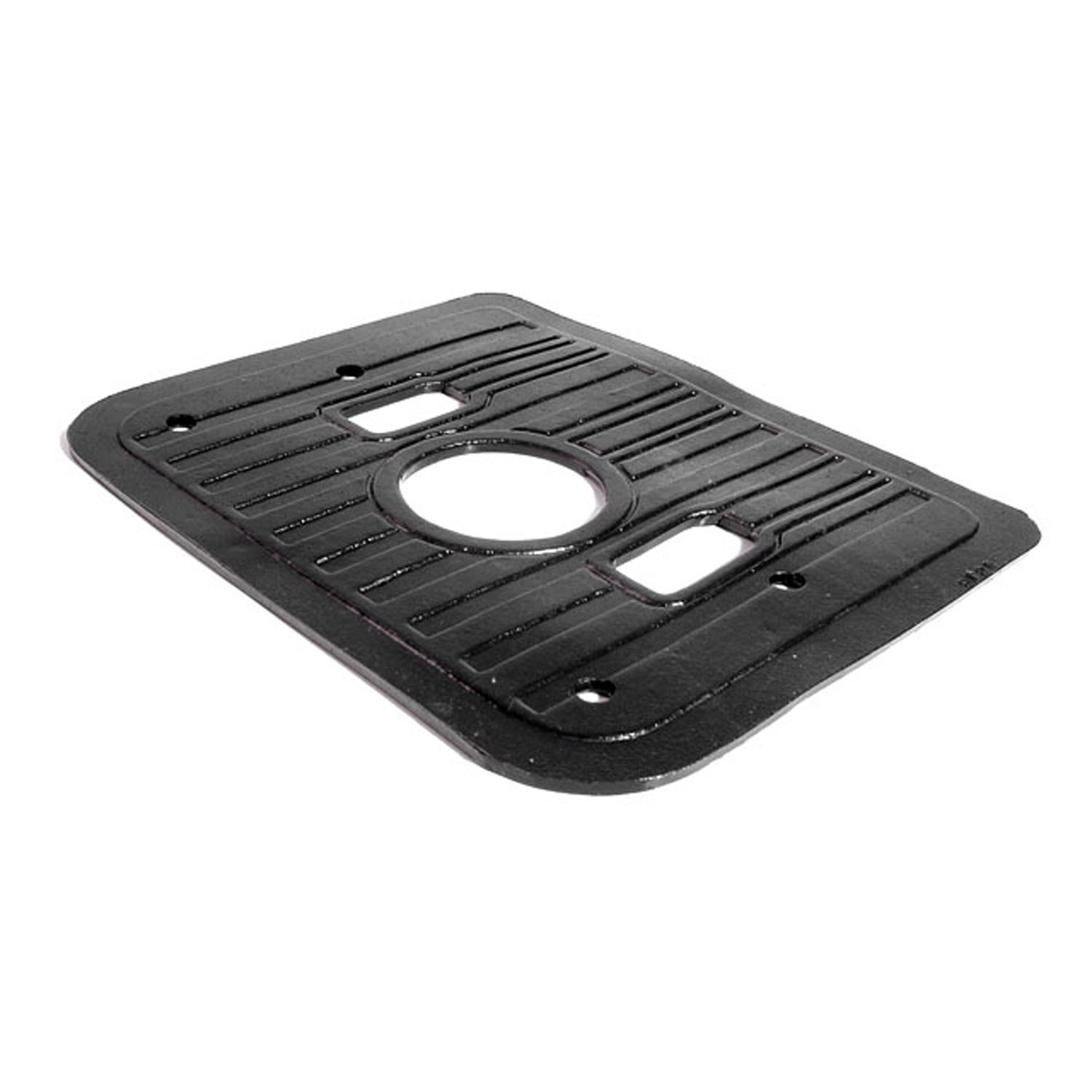 1930 Plymouth MODEL 30U Steering Column Pad. 8-1/4" X 6-5/8". Each-SC 16Steering Column Pad. 8-1/4" X 6-5/8". Each
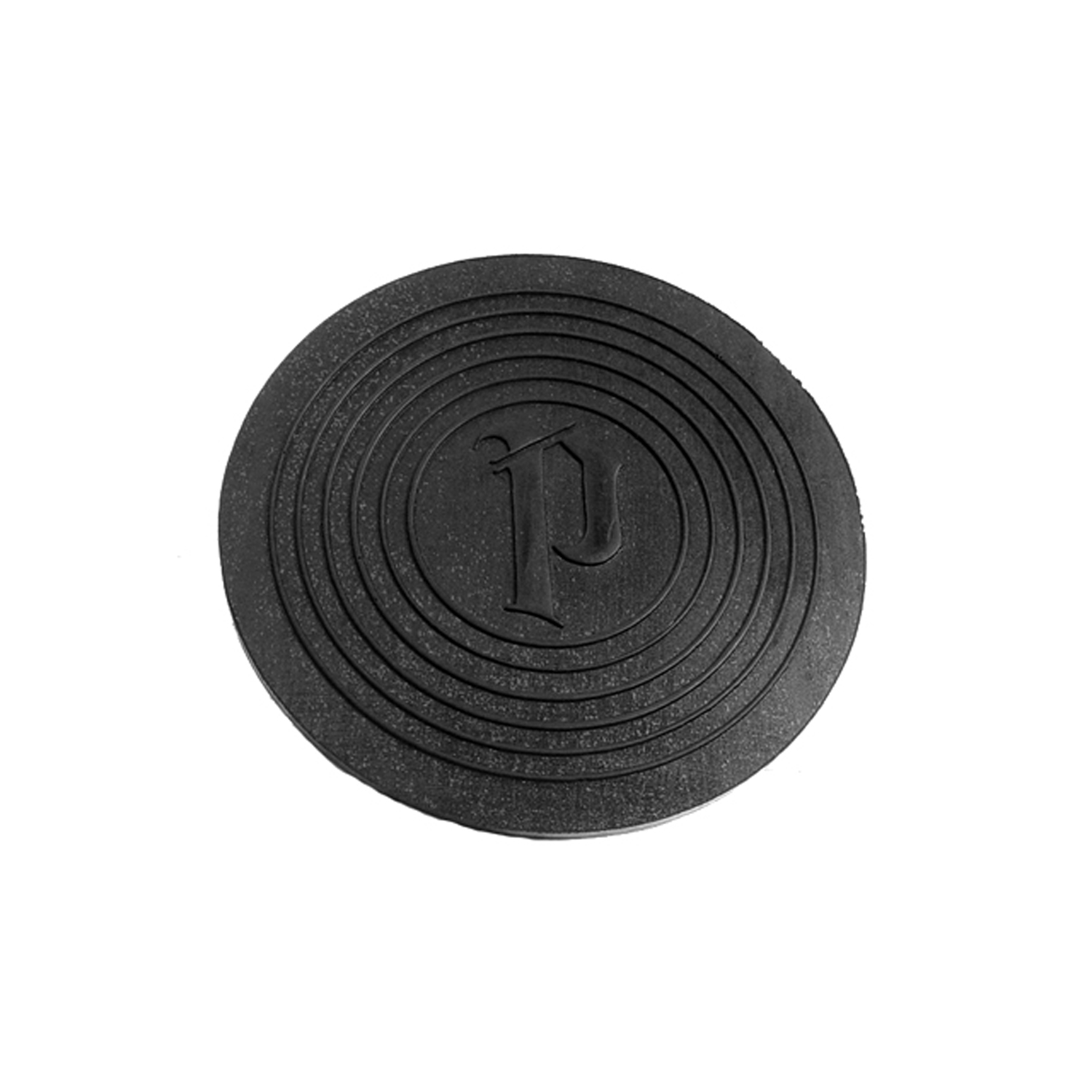 1930 Plymouth MODEL 30U Rumble Seat Step Plate Pad. Rubber face only. 4-1/4" O.D-SP 10Rumble Seat Step Plate Pad. Rubber face only. 4-1/4" O.D. Each
Why Choose Metro?
For over 100 years, Metro Moulded Parts has been the pinnacle of quality in classic car restoration parts. Our commitment to precision and authenticity in every component ensures a perfect fit and an OEM-level appearance.
- Expert Craftsmanship & Quality: Each part is a testament to our dedication to reliability and perfection, crafted from original designs and thoroughly tested.
- Advanced Technology: We use cutting-edge techniques to create flawless, long-lasting parts that surpass others in performance.
- SuperSoft Sponge – The Ultimate Door Seal: Not only are our door seals 30% softer than competitors', but they're also guaranteed to never leak. They effectively reduce wind and road noise, enhancing your classic car's comfort and driving experience.
- Proudly American: Our parts are a product of American craftsmanship, made in the USA with a spirit of excellence and heritage.
- Unrivaled Warranty: We back our products with a 30-year industry-leading warranty, a testament to our confidence in their quality.
Join us in preserving the legacy of classic cars with parts that are crafted for perfection, not just made.