

Image of 1931 Plymouth Model Pa, Note: These illustrations use artistic license and may differ from actual historical models.
Performance Metrics
Fundamental Metrics
Emotional Appeal
MMP Rating
| Engine Specifications | |
|---|---|
| Engine: | Inline 4 |
| Displacement: | 196 cu in (3.2 L) |
| Horsepower: | 48 hp |
| Torque: | Not available |
| Compression Ratio: | Not available |
| Ignition System: | Battery and coil |
| Cooling System: | Water |
| Performance Specifications | |
| 0-60 Time: | Not available |
| 1/4 Mile Time: | Not available |
| Top Speed: | 60 mph |
| Transmission and Drive | |
| Drive Type: | Rear wheel drive |
| Transmission Type: | 3-speed manual |
| Fuel and Efficiency | |
| Fuel System Type: | Carburetor |
| MPG: | Not available |
| Dimensions and Brakes | |
| Brakes: | Mechanical drum brakes |
| Wheelbase: | 109 in (2,769 mm) |
| Weight: | 2,265 lbs |
Note: Specifications for classic cars are given to the best of our ability, considering the limited and variant data available.
1931 Plymouth Model PA: An Affordable Classic With a Smoother Ride
The 1931 Plymouth Model PA brought a little more comfort and engineering ambition to the affordable-car market at a time when many American families were watching every dollar. Built by the Chrysler Corporation, the PA was a four-cylinder, rear-wheel-drive car that paired practical transportation with a feature Plymouth was especially proud of: “Floating Power,” a clever engine-mounting system designed to reduce vibration.
Plymouth had been launched in 1928 as Chrysler’s entry-level marque, aimed squarely at buyers considering a Ford or Chevrolet. By 1931, the country was deep in the Great Depression, making dependable, reasonably priced cars more important than ever. The Model PA helped Plymouth strengthen its position in that competitive field. Its distinctive engine mounts are a notable piece of the story: rather than simply advertising more power, Plymouth promoted a quieter, smoother-feeling ride as a meaningful improvement owners could appreciate every day.
Art Deco Details and Practical Cabin Design
The Model PA had the upright, purposeful stance typical of early-1930s cars, but its proportions gave it a more substantial look than a bare-bones runabout. A tall, bright-finished radiator shell and narrow vertical grille sat between sweeping front fenders. Large round headlamps, running boards, exposed door hinges, and a spare tire mounted on the side or rear, depending on body style, completed the period silhouette. Its long hood and separate fenders make the PA instantly recognizable as a prewar automobile, while its restrained trim kept the design from feeling overly ornate.
Inside, the emphasis was on durability and straightforward function. Closed models generally used cloth upholstery, often described as broadcloth or mohair, with a simple dashboard carrying essential gauges and controls. Open cars could be trimmed in leather. Wood-grain finishes and polished metal details added warmth, while wide seating and a high driving position made the cabin feel airy by the standards of the day. Exact materials and trim varied with body style, equipment, and production details, so surviving cars are not all finished alike.
Factory paint choices varied by model and body, and original color records can be difficult to match to a particular car. Dark greens, blues, maroons, grays, and black are commonly associated with cars of the period, sometimes complemented by contrasting wheels or trim. A careful restoration should confirm the original finish from reliable records or protected areas of the car rather than assume that one color was standard across every PA.
Plymouth offered the PA in several body styles, including sedans, coupes, a roadster, and a convertible coupe. Specific availability could vary across the model year and market. The sedan was the sensible family choice, while the coupe and roadster offered a sportier profile. The convertible coupe, with its folding top and open-air character, is among the most eye-catching versions today.
Floating Power and Plymouth’s Place in the Market
The Model PA’s most talked-about technical feature was Chrysler’s Floating Power engine mounting, introduced on Plymouths in 1931. The engine was supported on specially arranged rubber mounts that allowed it to move slightly as a unit, helping isolate engine vibration from the body and frame. It did not make the PA silent or vibration-free, but it offered a more composed feel than many buyers expected from an inexpensive four-cylinder car.
That attention to refinement helped distinguish Plymouth from rivals competing largely on price and basic utility. The PA also came with four-wheel hydraulic brakes, a significant safety and convenience feature for its class. Hydraulic brakes applied braking force through fluid pressure rather than relying on a purely mechanical linkage to each wheel. Combined with Chrysler engineering and a broad range of body styles, the package helped Plymouth present itself as a value car that did not have to feel crude.
The PA belongs to an important chapter in Plymouth’s growth. The marque was establishing itself as a serious volume producer, not merely a low-cost alternative. Its combination of practical engineering, broad appeal, and relative comfort helped build the reputation that carried Plymouth through the decades. The Floating Power idea is especially memorable because it shows how automakers were beginning to market comfort and refinement as well as price and horsepower.
Four-Cylinder Performance and Road Manners
The Model PA was powered by a 196.1-cubic-inch L-head inline-four, rated at about 56 horsepower. Power went to the rear wheels through a three-speed manual transmission. A wheelbase of roughly 109 inches gave the car a substantial footprint for its class, and its conventional chassis used solid axles and leaf-spring suspension.
Period performance figures vary, and today’s results depend heavily on engine condition, gearing, tire size, and body style. A healthy PA might reach approximately 60 to 65 mph under favorable conditions. Acceleration from 0 to 60 mph was leisurely, likely taking around 25 to 30 seconds or more. Those figures are best treated as estimates, not guaranteed factory test results. The PA was built for steady transportation, not quick starts or high-speed touring.
On a smooth road, the car feels deliberate and mechanical. The engine produces a steady four-cylinder thrum, and the driver works the clutch and gear lever with more involvement than in a modern car. Steering is unassisted, braking requires a firm, anticipatory foot, and the high seating position gives a clear view over the hood. Floating Power helps reduce some of the engine’s vibration, but a driver will still feel the car’s age through the steering wheel, pedals, and seat.
Leaf springs and tall tires absorb ordinary road imperfections reasonably well, though deep potholes and rough surfaces can unsettle the solid axles. On winding roads, the PA rewards smooth inputs rather than sudden steering. Its narrow tires, period suspension, and relatively high center of gravity call for conservative cornering. In crosswinds, the upright body can move around more than a modern driver might expect. The best experience comes from keeping a relaxed pace and letting the car settle into the road.
Living With a Model PA
Today, most Model PAs are enjoyed as show cars, touring vehicles, and weekend drivers rather than as everyday transportation. They can handle local events and gentle country drives when properly maintained, but traffic speeds, limited crash protection, and the absence of modern safety equipment make them a poor match for routine high-speed commuting.
The PA’s basic mechanical layout is comparatively approachable for a hobbyist familiar with older cars. The engine, manual transmission, and chassis systems are conventional, and many routine jobs require ordinary mechanical tools rather than specialized electronics equipment. That does not mean every repair is easy. Decades of wear, corrosion, previous repairs, and parts availability can turn a seemingly simple job into a longer project. Owners should pay particular attention to the cooling system, ignition, fuel delivery, brake hydraulics, tires, and the condition of the electrical wiring.
Parts support is available through vintage-car suppliers and enthusiast networks, but some body, trim, and interior components may take time to find. A complete car is usually a better starting point than a cheap project with missing unique pieces. Before buying, inspect the frame, body structure, floor, wood components if present, and brake system closely. A car that has been stored for years should not be driven until its tires, brakes, fuel system, and steering have been checked.
PA Trivia, Reputation, and Common Criticisms
The PA’s best-known talking point is its Floating Power system, an early example of automakers turning vibration control into a selling feature. It is a useful reminder that innovation in the 1930s was not limited to bigger engines or faster cars. Sometimes the goal was simply to make an affordable automobile more pleasant to drive.
There is no widely recognized Model PA speed or endurance record, and no single PA body style is known as a major celebrity-owned edition. Its stronger claim to fame is its place in Plymouth’s rise during a difficult economic period. Production figures are not always presented consistently by body style and source, but a reasonable estimate for the 1931 PA is in the neighborhood of 100,000 cars across the line. That estimate should not be confused with the number of surviving examples, which is much smaller and not reliably documented.
Common criticisms are familiar to anyone considering a car from this era: modest performance, heavy manual controls, limited braking compared with modern standards, and a lack of contemporary safety features. Parts for unusual trim or body styles may also be challenging to source. The flip side is that the PA’s straightforward mechanical design and distinctive prewar character make it rewarding for owners who enjoy hands-on preservation.
Collector Values and Availability
Model PA values vary widely with body style, originality, restoration quality, and mechanical condition. As a broad current-market estimate, a project car may sell for roughly $4,000 to $10,000, while a usable but imperfect example might fall around $10,000 to $20,000. Well-restored cars commonly reach approximately $20,000 to $35,000, with exceptional examples or desirable open body styles potentially selling for more. These are general estimates rather than a formal appraisal, and local demand can make a substantial difference.
The PA is not exceptionally rare in the sense of having been produced in tiny numbers, but finding a complete, sound example is another matter. Sedans tend to be more available than roadsters and convertible coupes. Values are best described as steady to gradually appreciating for attractive, correctly restored examples, though the market is selective. Originality, documented history, quality workmanship, and a desirable body style usually matter more than simply spending heavily on a restoration.
Why the 1931 Plymouth Model PA Still Matters
The 1931 Plymouth Model PA combined an affordable price point with thoughtful engineering, a useful selection of body styles, and the comfort-minded Floating Power system. Its 56-horsepower four-cylinder engine was never meant to set the road alight, but the car offered families dependable transportation and a smoother experience than its modest price might suggest.
For collectors, the PA captures a turning point when mass-market cars were becoming more refined without losing their mechanical simplicity. Its tall grille, sweeping fenders, and hands-on driving character make it a vivid ambassador for the early 1930s. More than a Depression-era bargain, the Model PA is a reminder that good engineering can make an everyday car memorable.
1931 Plymouth Model Pa Catalog of Parts
 1931 Plymouth Model PA Clutch and Brake Pedal Pads. 2-1/4" wide X 3-5/8" long-CB 31Clutch and Brake Pedal Pads. 2-1/4" wide X 3-5/8" long. Pair
 1931 Plymouth Model PA Door Jamb Bumper. Perfect reproduction-DB 36Door Jamb Bumper. Perfect reproduction. 1-1/16" high X 1-1/4" wide X 7/16" thick. Each
 1931 Plymouth Model PA Hood Corners. Fits flat corners-HC 19Hood Corners. Fits flat corners. 80° angle, 1/4" to 3/8" corner radius. 1-3/8" wide. Pair
 1931 Plymouth Model PA Headlight Pads. 1-7/8" wide X 5-1/8" long. Pair-MP 940-CHeadlight Pads. 1-7/8" wide X 5-1/8" long. Pair
 1931 Plymouth Model PA Door Handle Pads. 1-3/4" wide X 2-1/2" long. Pair-MP 940-DDoor Handle Pads. 1-3/4" wide X 2-1/2" long. Pair
 1931 Plymouth Model PA Headlight Pads Fits 31 Plymouth PA Pair-MP 947Headlight Pads Fits 31 Plymouth PA 1" 7/8 x 3" 3/16 Pair
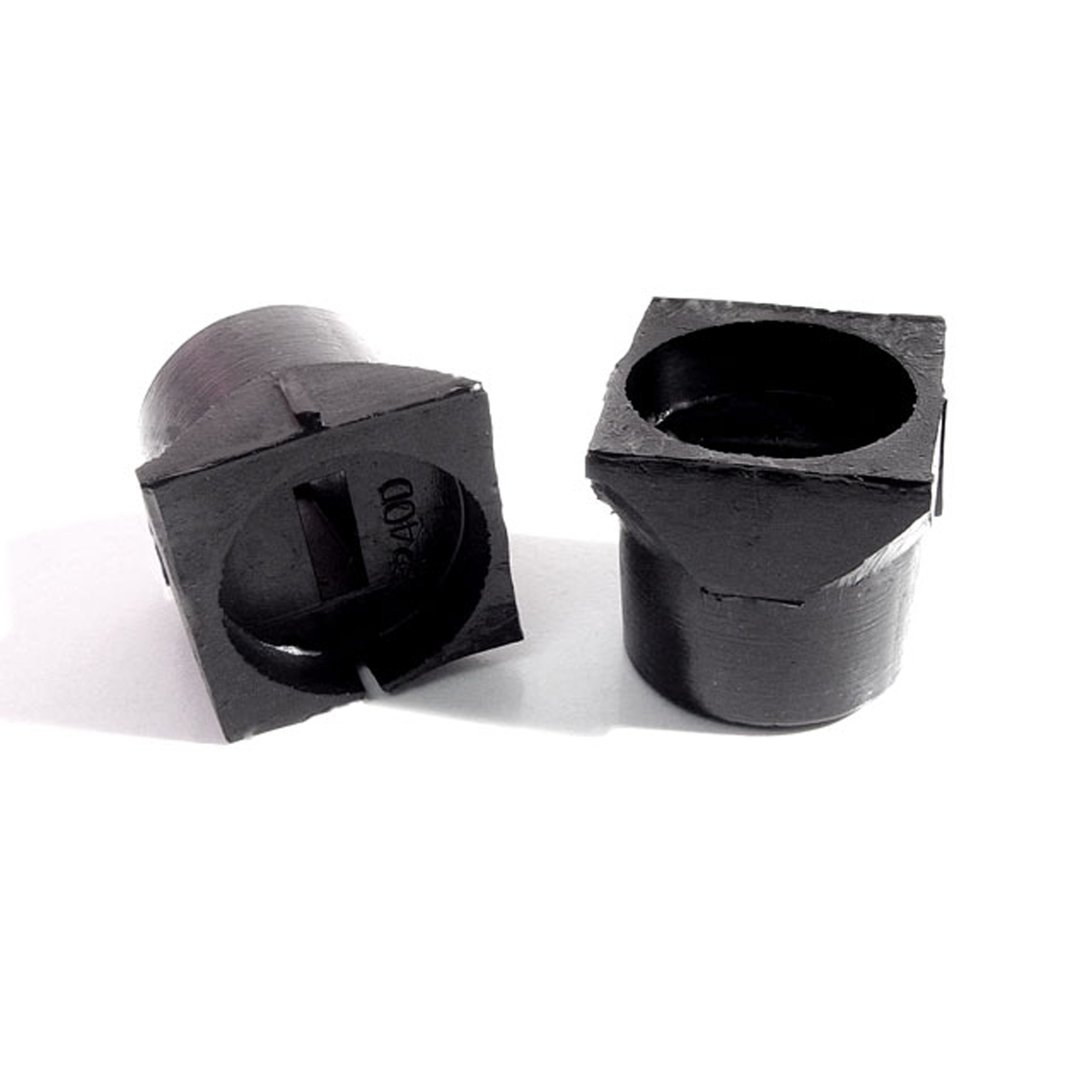 1931 Plymouth Model PA Door Check Rubber Cushion. Each-RP 40-DDoor Check Rubber Cushion. Each
 1931 Plymouth Model PA Gear Shift Pad. 7-7/8" X 7-7/8". Each-SC 14Gear Shift Pad. 7-7/8" X 7-7/8". Each
 1931 Plymouth Model PA Rumble Seat Step Plate Pad. Rubber face only. 4-1/4" O.D-SP 10Rumble Seat Step Plate Pad. Rubber face only. 4-1/4" O.D. Each
Why Choose Metro?
For over 100 years, Metro Moulded Parts has been the pinnacle of quality in classic car restoration parts. Our commitment to precision and authenticity in every component ensures a perfect fit and an OEM-level appearance.
- Expert Craftsmanship & Quality: Each part is a testament to our dedication to reliability and perfection, crafted from original designs and thoroughly tested.
- Advanced Technology: We use cutting-edge techniques to create flawless, long-lasting parts that surpass others in performance.
- SuperSoft Sponge – The Ultimate Door Seal: Not only are our door seals 30% softer than competitors', but they're also guaranteed to never leak. They effectively reduce wind and road noise, enhancing your classic car's comfort and driving experience.
- Proudly American: Our parts are a product of American craftsmanship, made in the USA with a spirit of excellence and heritage.
- Unrivaled Warranty: We back our products with a 30-year industry-leading warranty, a testament to our confidence in their quality.
Join us in preserving the legacy of classic cars with parts that are crafted for perfection, not just made.