

Image of 1932 Plymouth Model Pb, Note: These illustrations use artistic license and may differ from actual historical models.
Performance Metrics
Fundamental Metrics
Emotional Appeal
MMP Rating
| Engine Specifications | |
|---|---|
| Engine: | Inline 4 |
| Displacement: | 196 cu in (3.2 L) |
| Horsepower: | 65 HP |
| Torque: | Not available |
| Compression Ratio: | Not available |
| Ignition System: | Battery and coil |
| Cooling System: | Water |
| Performance Specifications | |
| 0-60 Time: | Not available |
| 1/4 Mile Time: | Not available |
| Top Speed: | 60-70 mph |
| Transmission and Drive | |
| Drive Type: | Rear wheel drive |
| Transmission Type: | 3-speed manual |
| Fuel and Efficiency | |
| Fuel System Type: | Carburetor |
| MPG: | Not available |
| Dimensions and Brakes | |
| Brakes: | 4-wheel hydraulic drum brakes |
| Wheelbase: | 112 in (2,845 mm) |
| Weight: | 2,400 lbs |
Note: Specifications for classic cars are given to the best of our ability, considering the limited and variant data available.
1932 Plymouth Model PB: An Affordable Six-Cylinder Classic
The 1932 Plymouth Model PB brought six-cylinder power to a practical, sensibly priced American car at a time when the country was struggling through the Great Depression. Built by the Chrysler Corporation’s Plymouth division, the PB paired a smooth-running engine with sturdy construction and features that helped make comfortable motoring accessible to more families.
Its timing was significant. Buyers were watching every dollar, while automakers competed to offer more power, style, and equipment for the money. Plymouth’s answer was a well-rounded car rather than a bare-bones economy special. A notable change for the year was its move to a six-cylinder engine, giving the PB a more refined character than the four-cylinder Plymouths that came before it.
Art Deco Lines and Practical Details
The PB has the upright, confident look of an early-1930s car, with a tall, narrow grille, prominent headlamps, sweeping front fenders, and a long hood that emphasizes its six-cylinder power. Running boards connect the fenders and make entry easier, while the gently curved bodywork adds a touch of formality. Its styling is handsome without being overly elaborate, a balance that suited Plymouth’s value-conscious identity.
Inside, the emphasis was on comfort and durability. Depending on body style and trim, occupants found broad cloth-covered seats, practical door trim, and a straightforward instrument panel with clear, period-style gauges. Materials were appropriate to a moderately priced car of the era: more inviting than austere, but not as lavish as those in an expensive luxury automobile. Much of the cabin’s appeal today comes from its honest, functional character.
Period paint choices varied by body style, trim, and market. Dark, formal shades such as black and deep green or maroon suit the car particularly well, while lighter colors could make its fenders and body contours stand out. Anyone restoring a PB should check period paint references and surviving factory documentation rather than assume that a color popular on another Plymouth model was offered on every PB body.
PB Body Styles and Equipment
Plymouth offered the Model PB in several body configurations, including sedans, coupes, and open cars. Exact names and availability could vary across the catalog and production run. Closed sedans were practical choices for families, while coupes offered a sportier profile. Some coupe configurations were available with a rumble seat, an exposed rear compartment that could carry extra passengers on fair-weather trips.
The most recognizable versions are often the two-door coupes, especially examples fitted with a rumble seat. Their compact cabin, long hood, and sweeping fenders give them a particularly lively silhouette. Four-door sedans, meanwhile, show the PB’s everyday purpose: a substantial family car with room for passengers and protection from the weather.
Mechanical equipment was modern for an affordable car of its day. The PB used a three-speed manual transmission and four-wheel hydraulic brakes, which applied braking force through fluid pressure rather than relying solely on mechanical linkages. Hydraulic brakes were an important safety and convenience feature, though drivers still needed to plan ahead and leave generous stopping distance compared with a modern car.
Why the 1932 Plymouth Mattered
The Model PB helped strengthen Plymouth’s position as a serious competitor in the lower-priced market. It offered six-cylinder smoothness and useful equipment at a time when value mattered enormously. That combination made it an appealing alternative to cars that emphasized either low price or performance, but did not always provide the same blend of comfort and engineering.
The PB also reflected a broader shift in American motoring. Buyers increasingly expected more than basic transportation: they wanted smoother engines, better braking, and bodies suited to different needs. Plymouth’s move to six-cylinder power was part of that evolution. The PB did not single-handedly transform automotive design, but it helped bring more sophisticated mechanical features to a wider audience.
Its lasting appeal comes from that middle ground. The car is not as mechanically complex as many later classics, yet it feels like a substantial step beyond the earliest mass-market automobiles. For collectors, it captures a pivotal period when affordable cars were becoming more comfortable and capable.
Engine, Speed, and Road Manners
The Model PB’s L-head inline-six displaced about 196 cubic inches and produced roughly 65 horsepower, depending on the specification quoted. Power went to the rear wheels through a three-speed manual gearbox. These figures made the PB a capable road car for its era, though its performance should not be compared too closely with modern vehicles.
Period cars were not generally advertised using today’s standardized 0-to-60-mph testing, and results vary with body style, gearing, condition, and test method. As a modern estimate, a healthy PB might take roughly 25 to 30 seconds to reach 60 mph. Top speed is commonly estimated in the neighborhood of 65 mph, with actual results depending on the car’s condition and setup. Sustained high-speed driving is not advisable for an eighty-plus-year-old car unless it has been carefully inspected and maintained.
On the road, the six-cylinder engine should feel smoother than a small four-cylinder of the same period, with a steady mechanical hum that grows more pronounced under acceleration. The manual gearbox asks the driver to work deliberately, and the steering and controls have a weight and motion unlike those of a modern car. A sound PB feels substantial rather than quick.
Its suspension is suited to the roads of its era. It can soften ordinary bumps, but rough pavement still travels through the chassis, and the car will lean more in corners than a modern vehicle. On winding roads, measured inputs are the key: slow before the bend, steer smoothly, and avoid abrupt braking. Crosswinds can also be noticeable, particularly in a tall sedan. The PB rewards relaxed driving, not hurried maneuvering.
Living with a Plymouth PB
Today, most PBs are used as show cars, touring cars, or occasional weekend drivers. A well-maintained example can be enjoyable on local roads and at vintage-car events, but it is not an ideal modern daily driver. Traffic speeds, limited safety equipment, and the effort required to operate an early-1930s car all favor shorter, carefully planned trips.
Routine service is familiar to many classic-car mechanics: oil changes, ignition adjustments, cooling-system care, brake maintenance, and attention to the charging system. The mechanical layout is comparatively straightforward, and many repairs can be handled by an experienced home mechanic. Parts availability is mixed. Common service items and some reproduction parts can be found through vintage-car suppliers, but body trim, interior pieces, and components specific to the PB may take more searching.
Reliability depends heavily on restoration quality and regular use. Old fuel systems, deteriorated wiring, neglected brakes, and overheating are more likely to cause trouble than the basic engine design. Before driving a newly acquired car, inspect the tires, brake hydraulics, steering, fuel lines, cooling system, and electrical wiring. Good maintenance makes the PB far more pleasant and dependable than simply polishing it and putting it on display.
Rare Facts and Common Criticisms
The PB is best understood as an everyday car of its time, not a racing model with a long list of speed records. Its historical importance lies in bringing six-cylinder power and practical features to Plymouth’s value-focused lineup. There is no widely recognized PB production speed or endurance record that defines the model.
Production is commonly estimated at roughly 80,000 to 85,000 Model PB cars, with figures varying by source and the way model-year production is counted. That was a substantial number for the period, but surviving examples are much less common today. Sedans are generally easier to encounter than distinctive open cars or particular coupe configurations.
The main criticisms are typical of a car from 1932: modest acceleration by modern standards, limited occupant protection, heavy controls, and a need for frequent attention compared with a contemporary automobile. Its age also means that condition matters more than the model’s original reputation. A worn example can be demanding; a properly restored one can be a charming and surprisingly usable vintage tourer.
1932 Plymouth PB Values and Availability
Collector values vary widely according to body style, originality, restoration quality, and regional demand. As a broad current-market estimate, a project car may sell for about $5,000 to $12,000. A sound driver or older restoration might fall around $15,000 to $30,000, while a high-quality restoration or desirable open-body example could reach approximately $30,000 to $50,000 or more. Exceptional cars and rare configurations can exceed those ranges, while incomplete or poorly repaired cars may sell for less.
Those figures are best treated as guideposts rather than fixed prices. A detailed inspection is essential, especially for structural rust, wood or body repairs where applicable, brake condition, and the quality of any restoration. Recent comparable sales are more useful than asking prices alone.
Like many prewar classics, the PB’s market is selective. Values have generally been supported by its period styling and historical interest, but they do not rise uniformly across all examples. Outstanding, well-documented cars tend to attract the strongest interest; cars needing major work can be difficult to sell because restoration costs may exceed the finished value.
A Prewar Plymouth with Lasting Appeal
The 1932 Plymouth Model PB combined a smooth six-cylinder engine, four-wheel hydraulic brakes, practical body choices, and dignified early-1930s styling. It was built for ordinary motorists during extraordinary economic times, and that purpose is part of its appeal today.
More than a display piece, a well-kept PB offers a direct connection to an era when American cars were becoming more comfortable, capable, and refined. Take the time to maintain it properly, drive it at a relaxed pace, and the Model PB rewards you with something modern cars cannot reproduce: the unmistakable feel of motoring in 1932.
1932 Plymouth Model Pb Catalog of Parts
 1932 Plymouth Model PB Clutch and Brake Pedal Pads. 2-1/4" wide X 3-5/8" long-CB 31Clutch and Brake Pedal Pads. 2-1/4" wide X 3-5/8" long. Pair
 1932 Plymouth Model PB Door Jamb Bumper. Perfect reproduction-DB 36Door Jamb Bumper. Perfect reproduction. 1-1/16" high X 1-1/4" wide X 7/16" thick. Each
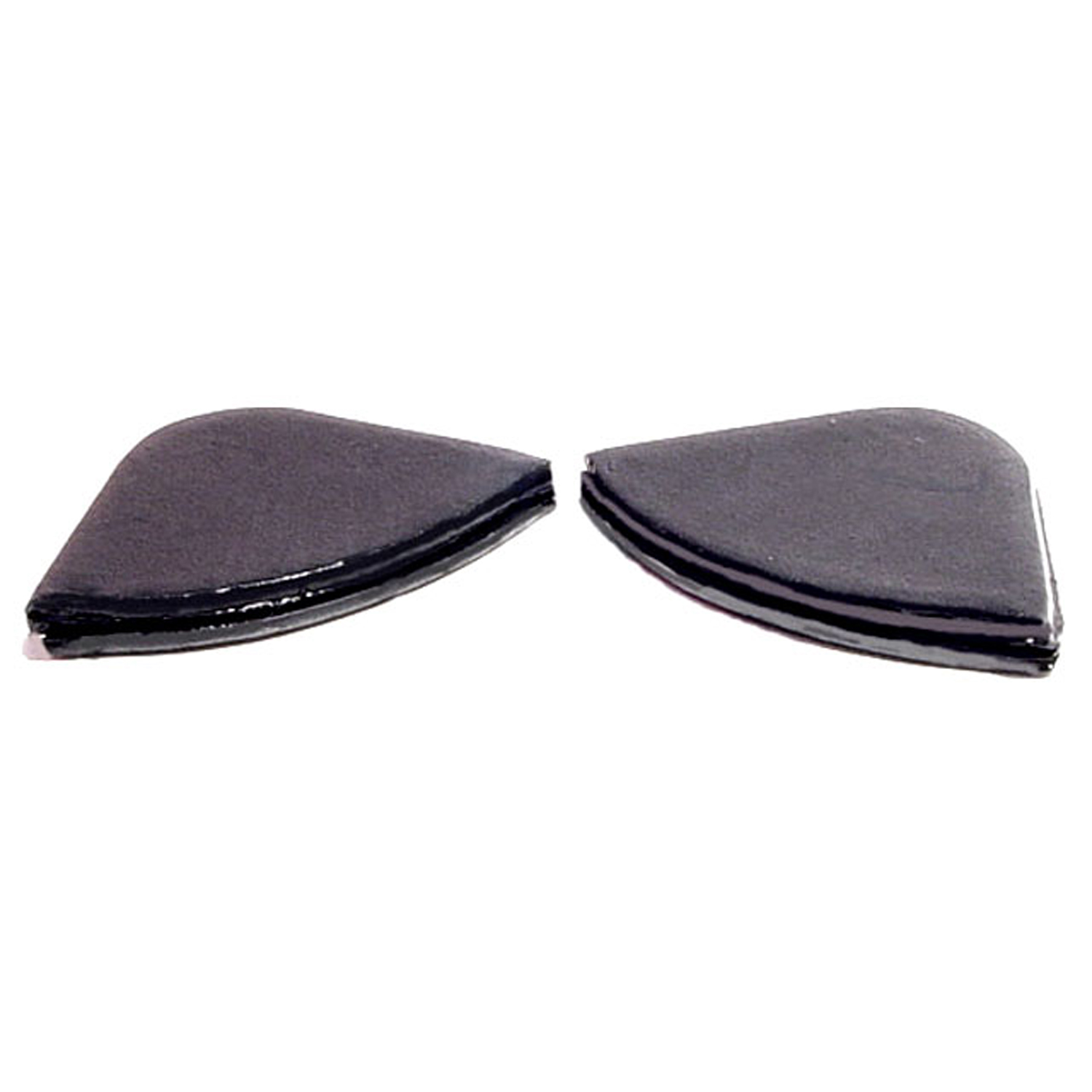 1932 Plymouth Model PB Hood Corners. Fits flat corners-HC 19Hood Corners. Fits flat corners. 80° angle, 1/4" to 3/8" corner radius. 1-3/8" wide. Pair
 1932 Plymouth Model PB Roof Related Seal. Top insert filler & seal for closed cars-LP 110-RRoof Related Seal. Top insert filler & seal for closed cars. Fits in groove between cloth top-center panel & surrounding steel. Sold by the foot
 1932 Plymouth Model PB Windshield Post Base Pads. 5-3/8" wide X 2-3/4" long-MP 940Windshield Post Base Pads. 5-3/8" wide X 2-3/4" long. Pair
 1932 Plymouth Model PB Headlight Pads. 1-7/8" wide X 5-1/8" long. Pair-MP 940-CHeadlight Pads. 1-7/8" wide X 5-1/8" long. Pair
 1932 Plymouth Model PB Door Handle Pads. 1-3/4" wide X 2-1/2" long. Pair-MP 940-DDoor Handle Pads. 1-3/4" wide X 2-1/2" long. Pair
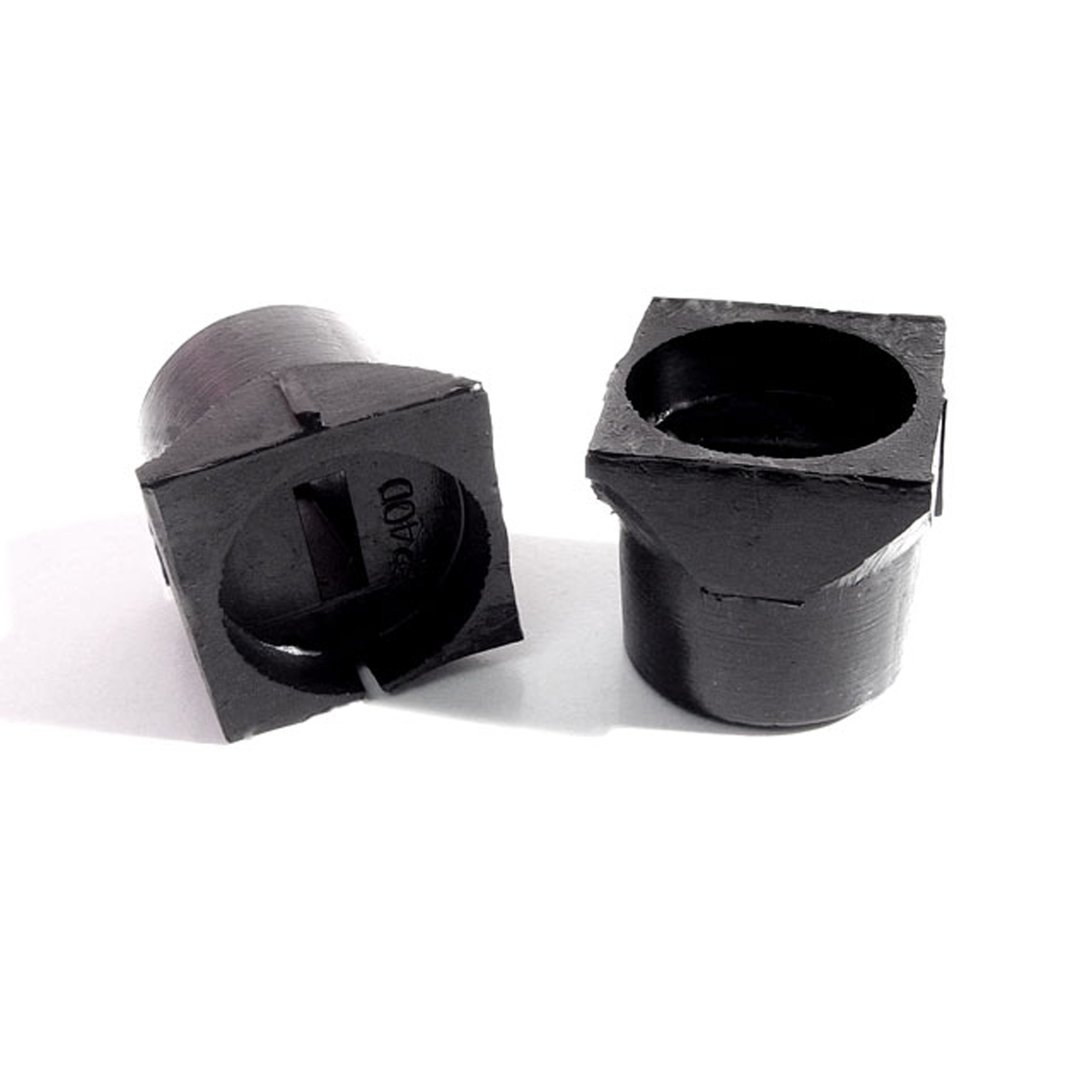 1932 Plymouth Model PB Door Check Rubber Cushion. Each-RP 40-DDoor Check Rubber Cushion. Each
 1932 Plymouth Model PB Rumble Seat Step Plate Pad. Rubber face only. 4-1/4" O.D-SP 10Rumble Seat Step Plate Pad. Rubber face only. 4-1/4" O.D. Each
Why Choose Metro?
For over 100 years, Metro Moulded Parts has been the pinnacle of quality in classic car restoration parts. Our commitment to precision and authenticity in every component ensures a perfect fit and an OEM-level appearance.
- Expert Craftsmanship & Quality: Each part is a testament to our dedication to reliability and perfection, crafted from original designs and thoroughly tested.
- Advanced Technology: We use cutting-edge techniques to create flawless, long-lasting parts that surpass others in performance.
- SuperSoft Sponge – The Ultimate Door Seal: Not only are our door seals 30% softer than competitors', but they're also guaranteed to never leak. They effectively reduce wind and road noise, enhancing your classic car's comfort and driving experience.
- Proudly American: Our parts are a product of American craftsmanship, made in the USA with a spirit of excellence and heritage.
- Unrivaled Warranty: We back our products with a 30-year industry-leading warranty, a testament to our confidence in their quality.
Join us in preserving the legacy of classic cars with parts that are crafted for perfection, not just made.