

Image of 1933 Plymouth Model Pc, Note: These illustrations use artistic license and may differ from actual historical models.
Performance Metrics
Fundamental Metrics
Emotional Appeal
MMP Rating
| Engine Specifications | |
|---|---|
| Engine: | Inline 6 |
| Displacement: | 189 cu in (3.1 L) |
| Horsepower: | 70 hp |
| Torque: | Not available |
| Compression Ratio: | Not available |
| Ignition System: | Battery and coil |
| Cooling System: | Water-cooled |
| Performance Specifications | |
| 0-60 Time: | Not available |
| 1/4 Mile Time: | Not available |
| Top Speed: | 70 mph |
| Transmission and Drive | |
| Drive Type: | Rear-wheel drive |
| Transmission Type: | 3-speed manual |
| Fuel and Efficiency | |
| Fuel System Type: | Carburetor |
| MPG: | Not available |
| Dimensions and Brakes | |
| Brakes: | Mechanical drum brakes |
| Wheelbase: | 112 in (2,845 mm) |
| Weight: | 2,400 lbs |
Note: Specifications for classic cars are given to the best of our ability, considering the limited and variant data available.
1933 Plymouth Model PC: A Depression-Era Six With Big-City Style
The 1933 Plymouth Model PC brought six-cylinder power, hydraulic brakes, and smart Art Deco styling to buyers who needed a car that felt modern without costing a fortune. Built by the Chrysler Corporation, the PC was part of Plymouth’s effort to offer practical transportation with features often associated with more expensive automobiles. It is also important to distinguish the PC from the later 1933 Plymouth PD, which used a larger engine and a longer chassis.
The Model PC arrived during the Great Depression, when value mattered as much as appearance. Plymouth had become a serious competitor in the affordable-car market, and the PC helped reinforce the brand’s reputation for offering substantial engineering at a reachable price. One notable feature was its “Floating Power” engine mounting system, designed to reduce the vibration felt in the passenger compartment. It was a clever bit of engineering in a car aimed at ordinary families.
Art Deco Lines and a More Comfortable Cabin
The PC has the confident stance typical of early-1930s cars: a tall, upright grille, sweeping front fenders, separate headlamps, and a long hood that gives the modestly sized six-cylinder engine a more imposing presence. Its rounded bodywork softened the square shapes of earlier cars, while bright trim and carefully shaped fenders added polish. The result is handsome rather than flashy, with a distinctly period look from every angle.
Inside, the cabin was designed for usefulness. The dashboard placed the key instruments and controls within the driver’s reach, and the broad front bench seat gave the car a sociable, open feel. Upholstery materials and trim depended on body style and specification. Closed cars generally used durable cloth or similar woven materials, while more expensive or open models could offer richer finishes. These were not luxury-car interiors, but they were inviting and well suited to everyday use.
Factory paint choices varied by body style and production details. Period Plymouths could be ordered in several subdued and richer colors, with dark shades especially common on surviving cars. Original paint records and color names can be difficult to verify today, so restorers often consult factory literature and paint references before choosing a finish. A well-executed dark blue, green, maroon, or black car suits the PC’s restrained, elegant lines particularly well.
Available body styles included closed sedans and coupe types, with configurations varying across the range. Some coupes featured a rumble seat, an exposed rear seat that folded out for occasional passengers. The two-door sedan and coupe are among the most recognizable forms today, while a rumble-seat car has extra visual appeal for collectors who enjoy the theatrical charm of prewar motoring.
Engineering That Made the PC Stand Out
The Model PC’s most important contribution was not a radical new shape or a record-breaking engine. Its significance lies in how it combined practical engineering with affordability. Plymouth promoted features such as hydraulic brakes and Floating Power engine mounting at a time when buyers in the low-price field were paying closer attention to safety and comfort. Hydraulic brakes gave the driver more consistent braking effort than older mechanical systems, while the engine mounts helped isolate vibration from the body.
The PC also reflects Chrysler’s broader approach to building cars: bring useful engineering into mainstream models rather than reserving every improvement for expensive marques. That formula helped Plymouth compete with Ford and Chevrolet during a difficult economic period. The PC did not single-handedly transform automotive design, but it represents an important step in making modern conveniences more accessible to American buyers.
Six-Cylinder Performance and Road Manners
Power came from a 189.8-cubic-inch L-head inline-six, rated at roughly 70 horsepower, paired with a three-speed manual transmission. The PC’s performance was respectable for its class, but it was built for steady transportation rather than quick acceleration. A realistic top speed is around 60 to 70 mph, depending on condition, gearing, tires, and adjustments. Period performance was modest by modern standards; a 0-to-60-mph time in the neighborhood of 25 to 30 seconds is a reasonable estimate, not a factory-certified figure.
On a smooth road, the PC feels relaxed and substantial. The inline-six produces a measured, low-pitched mechanical rhythm, and the Floating Power mounts help keep some of its vibration from reaching the cabin. The three-speed gearbox calls for deliberate shifts, and the driver needs to plan overtakes rather than expect a burst of modern-style acceleration.
Its suspension and tall tires soften smaller bumps, though a 1933 car still transmits more road texture than a modern vehicle. On winding roads, the PC rewards a measured pace. The steering is not as light or precise as a contemporary car’s, and the body leans through corners. Hydraulic brakes were a welcome advantage, but stopping distances and pedal feel cannot match modern systems. In strong crosswinds, the upright body and narrow tires also ask for steady attention from the driver.
Living With a 1933 Plymouth
Today, a Model PC is best suited to weekend drives, vintage-car tours, local shows, and preservation projects. Some owners do use their prewar cars regularly, but the PC is not an effortless modern daily driver. It lacks contemporary safety equipment, climate control, and the speed needed to blend comfortably with fast highway traffic.
Maintenance is approachable for an owner familiar with older vehicles. The engine is a conventional side-valve six, and many routine jobs, such as ignition service, lubrication, and basic adjustments, can be handled with ordinary mechanical skills. Parts availability is generally better for common service items than for rare body trim, specialized hardware, or model-specific interior pieces. Before buying, inspect the cooling system, electrical components, brakes, frame, and body for age-related wear and previous repairs. A car that has been maintained and driven regularly is often a better starting point than one that has sat untouched for decades.
1933 Plymouth PC Facts and Misconceptions
The PC’s Floating Power system is a particularly good conversation starter. Rather than letting engine vibration travel directly into the chassis, the mounting arrangement was intended to let the powerplant move slightly while reducing vibration in the body. It was a comfort feature with a memorable name, and it illustrates how manufacturers used engineering as a selling point during the period.
There is no widely recognized PC-specific land-speed or endurance record, and claims of celebrity ownership should be treated cautiously unless supported by documentation. The car’s more meaningful claim to fame is its place in Plymouth’s Depression-era success. It helped deliver six-cylinder motoring and useful braking technology to a broad market at a time when buyers were carefully weighing every dollar.
Common criticisms are fair but predictable: the PC is slow by modern standards, parts for cosmetic details can take patience to find, and early brakes and handling require a different driving style. Its relatively compact size and straightforward mechanical layout, however, make it less intimidating than many larger luxury cars of the same era.
Collector Value, Rarity, and Buying Advice
Exact production figures for the PC series are not consistently reported separately from broader Plymouth totals, so any model-specific number should be treated as an estimate. A reasonable working estimate is roughly 60,000 to 90,000 Model PCs produced, but surviving examples are far fewer. Body style, originality, restoration quality, and documentation all have a major effect on availability and value.
As a broad 2026 collector-market guide, a project car may fall around $5,000 to $12,000, while a usable driver could bring roughly $12,000 to $25,000. A strong, well-restored example may reach $25,000 to $40,000 or more, with especially attractive or rare body styles potentially commanding a premium. These are general estimates rather than guaranteed sale prices; regional demand and the quality of the restoration can shift the result considerably.
Values for prewar Plymouths tend to move more gradually than those of headline luxury classics. Well-presented cars have a durable audience among collectors who value approachable, usable prewar transportation, but condition and authenticity matter more than speculative demand. A sound original car or a carefully documented restoration is usually easier to sell than an unfinished project with missing trim.
Why the Plymouth Model PC Still Matters
The 1933 Plymouth Model PC paired a smooth inline-six with useful engineering, distinctive early-1930s styling, and the practical character buyers needed during the Depression. It was not built to dominate a racetrack or impress with luxury. Its achievement was making a well-equipped, modern-feeling car available to everyday motorists.
More than nine decades later, the PC remains a rewarding classic for drivers who appreciate mechanical simplicity and period charm. Its upright grille and flowing fenders catch the eye, but its real appeal is the way it represents Plymouth’s promise: thoughtful engineering and genuine road presence without stepping into luxury-car territory.
1933 Plymouth Model Pc Catalog of Parts
 1933 Plymouth Model PC Clutch and Brake Pedal Pads. 2-1/4" wide X 3-5/8" long-CB 31Clutch and Brake Pedal Pads. 2-1/4" wide X 3-5/8" long. Pair
 1933 Plymouth Model PC Door Jamb Bumper. Perfect reproduction-DB 36Door Jamb Bumper. Perfect reproduction. 1-1/16" high X 1-1/4" wide X 7/16" thick. Each
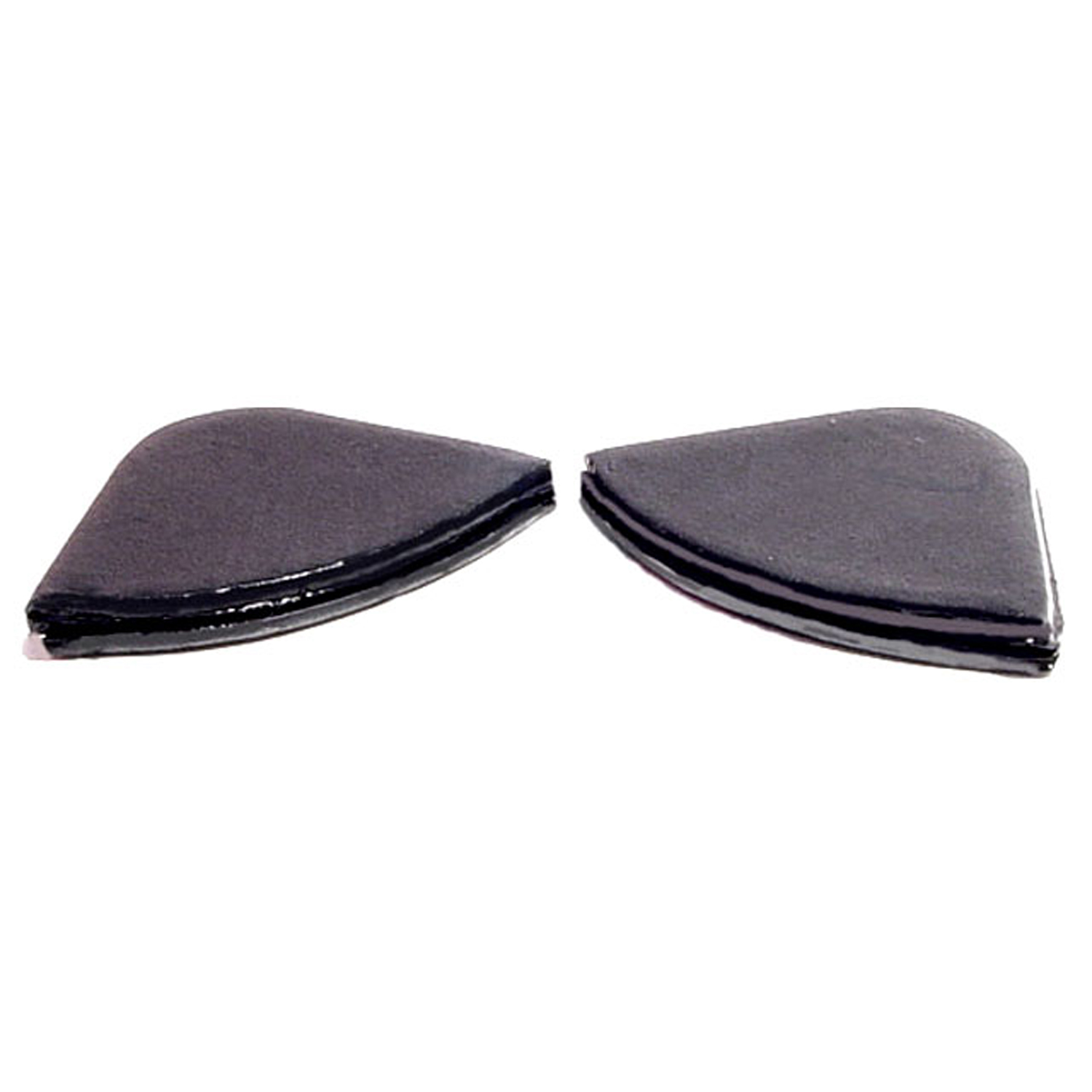 1933 Plymouth Model PC Hood Corners. Fits flat corners-HC 19Hood Corners. Fits flat corners. 80° angle, 1/4" to 3/8" corner radius. 1-3/8" wide. Pair
 1933 Plymouth Model PC Roof Related Seal. Top insert filler & seal for closed cars-LP 110-RRoof Related Seal. Top insert filler & seal for closed cars. Fits in groove between cloth top-center panel & surrounding steel. Sold by the foot
 1933 Plymouth Model PC Windshield base pad, '33-'34 Plymouth Roadster. Molded in two pieces, Pair.-MP 933Windshield base pad, '33-'34 Plymouth Roadster. Molded in two pieces, Pair. 2-5/8 in. W x 25-1/8 in. L. R&L.
 1933 Plymouth Model PC Door Handle Pads, Locking Type. 1-1/2" wide X 2-1/2" long-MP 940-EDoor Handle Pads, Locking Type. 1-1/2" wide X 2-1/2" long. Pair
 1933 Plymouth Model PC Tail-light Pads. 2-1/2" wide X 4-3/4" long. Pair-MP 950Tail-light Pads. 2-1/2" wide X 4-3/4" long. Pair
 1933 Plymouth Model PC Trunk Handle Pad. 1-3/8" wide X 2-3/8" long. Each-MP 950-ATrunk Handle Pad. 1-3/8" wide X 2-3/8" long. Each
 1933 Plymouth Model PC Headlight Pads. 1-7/8" wide X 4-5/8" long. Pair-MP 951Headlight Pads. 1-7/8" wide X 4-5/8" long. Pair
 1933 Plymouth Model PC Headlight Pads. 4-5/8" wide X 2-1/4" long. Pair-MP 955Headlight Pads. 4-5/8" wide X 2-1/4" long. Pair
 1933 Plymouth Model PC Headlight Pads. 2-3/8" wide X 5-5/8" long. Pair-MP 955-BHeadlight Pads. 2-3/8" wide X 5-5/8" long. Pair
 1933 Plymouth Model PC Cowl Vent Seal (fits some models). Made of open cell sponge-RP 100Cowl Vent Seal (fits some models). Made of open cell sponge. 2-1/2" X 16-1/4" O.D., 2" x 15-1/2" I.D. Each
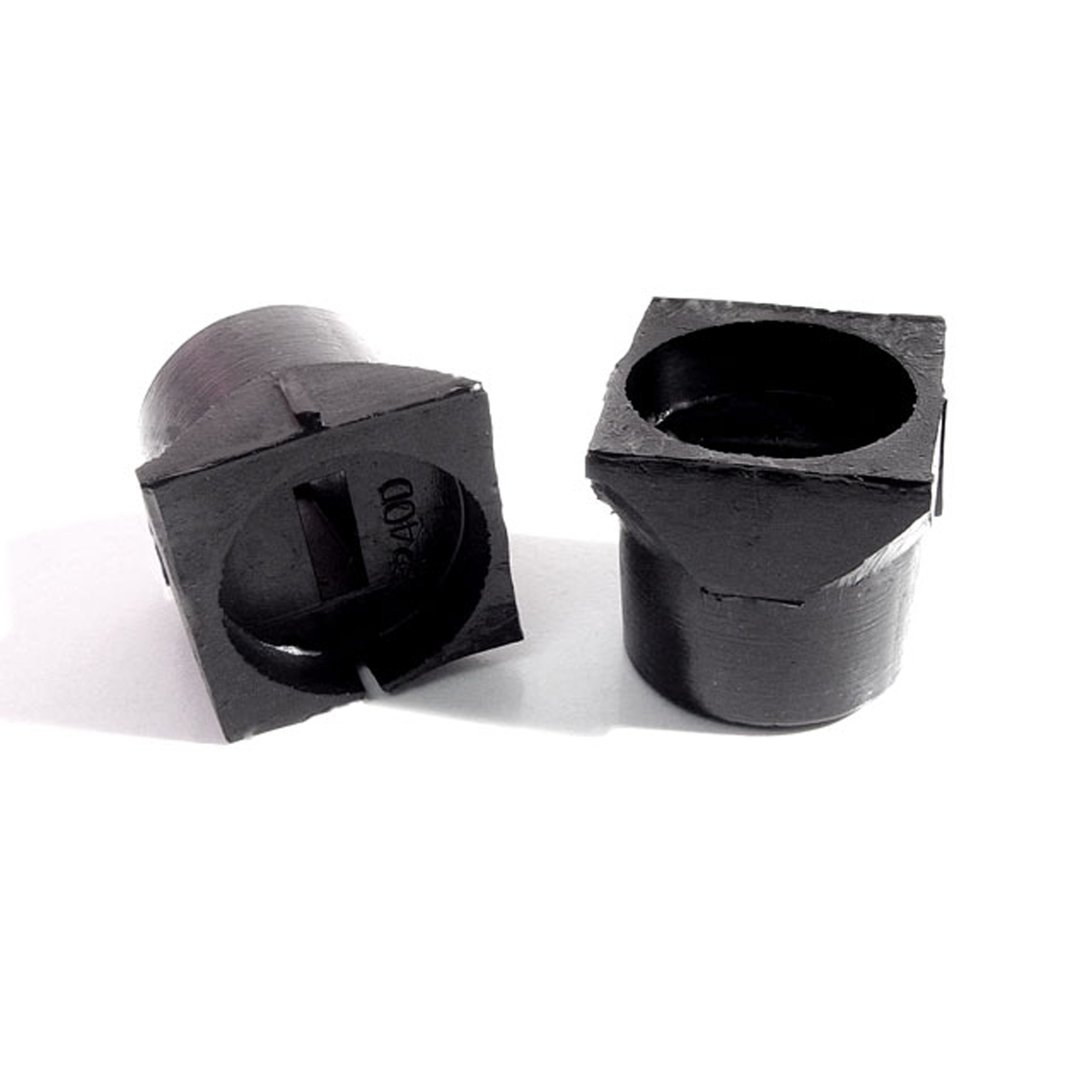 1933 Plymouth Model PC Door Check Rubber Cushion. Each-RP 40-DDoor Check Rubber Cushion. Each
 1933 Plymouth Model PC Door Bumper. 1" diameter X 1/4" thick Each-SB 60Door Bumper. 1" diameter X 1/4" thick Each
 1933 Plymouth Model PC Rumble Seat Step Plate Pad. Rubber face only. 4-1/4" O.D-SP 10Rumble Seat Step Plate Pad. Rubber face only. 4-1/4" O.D. Each
Why Choose Metro?
For over 100 years, Metro Moulded Parts has been the pinnacle of quality in classic car restoration parts. Our commitment to precision and authenticity in every component ensures a perfect fit and an OEM-level appearance.
- Expert Craftsmanship & Quality: Each part is a testament to our dedication to reliability and perfection, crafted from original designs and thoroughly tested.
- Advanced Technology: We use cutting-edge techniques to create flawless, long-lasting parts that surpass others in performance.
- SuperSoft Sponge – The Ultimate Door Seal: Not only are our door seals 30% softer than competitors', but they're also guaranteed to never leak. They effectively reduce wind and road noise, enhancing your classic car's comfort and driving experience.
- Proudly American: Our parts are a product of American craftsmanship, made in the USA with a spirit of excellence and heritage.
- Unrivaled Warranty: We back our products with a 30-year industry-leading warranty, a testament to our confidence in their quality.
Join us in preserving the legacy of classic cars with parts that are crafted for perfection, not just made.