

Image of 1934 Plymouth Deluxe Pe Model, Note: These illustrations use artistic license and may differ from actual historical models.
Performance Metrics
Fundamental Metrics
Emotional Appeal
MMP Rating
| Engine Specifications | |
|---|---|
| Engine: | Inline 6 |
| Displacement: | 201 cubic inches |
| Horsepower: | Estimated 77 HP |
| Torque: | Not available |
| Compression Ratio: | Not available |
| Ignition System: | Battery and coil |
| Cooling System: | Water-cooled |
| Performance Specifications | |
| 0-60 Time: | Not available |
| 1/4 Mile Time: | Not available |
| Top Speed: | 75 mph |
| Transmission and Drive | |
| Drive Type: | Rear-wheel drive |
| Transmission Type: | 3-speed manual |
| Fuel and Efficiency | |
| Fuel System Type: | Carburetor |
| MPG: | Not available |
| Dimensions and Brakes | |
| Brakes: | 4-wheel hydraulic drum brakes |
| Wheelbase: | 112 inches |
| Weight: | 2,785 lbs |
Note: Specifications for classic cars are given to the best of our ability, considering the limited and variant data available.
1934 Plymouth Deluxe PE: Affordable Style in a Hard-Earned Era
The 1934 Plymouth Deluxe PE brought six-cylinder power, handsome proportions, and useful comfort to drivers who wanted more than bare-bones transportation without paying luxury-car prices. Built by the Chrysler Corporation, the PE was part of Plymouth’s effort to make dependable, modern motoring accessible during the difficult years of the Great Depression.
“PE” identifies the model series, while “Deluxe” describes its trim level. The result was a practical American car with a little extra polish, offered in a year when buyers valued both affordability and substance. A notable detail: Plymouth’s reputation for smoothness owed much to its “Floating Power” engine mounting system, which isolated engine vibration from the frame and helped give the car a more refined feel than many economy-minded rivals.
1934 Plymouth Styling and Cabin Details
The PE’s exterior balanced graceful curves with the upright, clearly defined shape of a prewar car. Its tall radiator grille, long hood, rounded fenders, and separate headlamps gave it a confident road presence. Running boards linked the front and rear fenders, while bright trim and carefully shaped body lines added a touch of elegance without making the car look overly formal. From the side, the long hood and swept fenders make the PE especially appealing to collectors who enjoy the transition from boxy early automobiles to more streamlined designs.
Inside, the cabin was made for everyday use rather than ostentation. Buyers could expect a broad bench seat, a large steering wheel, straightforward instrumentation, and durable cloth upholstery. Deluxe trim generally brought a more finished appearance than the least expensive configurations, though upholstery and trim details varied with body style and factory specification. Many surviving cars have been reupholstered, so a restored interior may not reflect the material or pattern originally fitted.
Paint choices varied by body and production details. Period colors included subdued shades such as dark green, maroon, blue, gray, and black, with brighter or contrasting trim adding visual interest. Black remains a familiar choice on restored examples, but period-appropriate greens and maroons can show off the PE’s flowing fenders particularly well. For an authentic restoration, check the car’s original paint evidence and factory records rather than relying on a color seen on another car.
The PE range included several passenger-car body styles, with coupe and sedan configurations among the most recognizable. Depending on the exact catalog offering and market, buyers could find two-door and four-door sedans, coupes, and open or rumble-seat variations. The two-door coupe has a sporty, compact profile, while the four-door sedan is the more practical choice for regular family use. Availability and trim names can differ between reference sources, so a car’s body tag and period documentation are useful when identifying a specific example.
Engineering That Made the PE Stand Out
Plymouth’s 1934 formula was not radical, but it was effective: give buyers a substantial car, a smooth six-cylinder engine, and useful equipment at a competitive price. The PE used a 201.3-cubic-inch inline-six, generally rated at about 77 horsepower, paired with a three-speed manual transmission. Four-wheel hydraulic brakes were an important everyday advantage, offering more consistent stopping than the mechanical systems still found on some older cars.
Floating Power was another meaningful engineering feature. Rather than letting engine vibration travel directly into the frame and passenger compartment, the mounting arrangement allowed the engine to move slightly on its supports. The idea did not turn the Plymouth into a luxury car, but it helped make the engine feel smoother at idle and during ordinary driving.
The PE also arrived during a period of experimentation across the Chrysler Corporation. Chrysler and DeSoto were promoting the highly streamlined Airflow design, while Plymouth retained a more conventional shape that many buyers found familiar and appealing. That contrast is part of the PE’s historical interest: it offered contemporary mechanical features in a traditional package at a time when automakers were debating how quickly styling should change.
Road Performance and Driving Feel
With roughly 77 horsepower moving a car weighing around 2,500 to 2,800 pounds, the Plymouth was built for steady progress rather than quick acceleration. Period performance figures and present-day results vary with body style, gearing, condition, and measurement method. As a general guide, a healthy PE may reach approximately 65 to 70 mph, with some examples capable of a little more. A 0-to-60-mph run is leisurely, commonly estimated in the neighborhood of 25 to 30 seconds.
On the road, the inline-six produces a measured, even sound rather than a sharp sporting bark. The three-speed manual asks the driver to plan ahead, especially when climbing hills or joining faster traffic. The steering and controls feel substantial by modern standards, and the driver does more of the work than in a contemporary car. That is part of the appeal: the PE rewards smooth inputs, sensible speeds, and an unhurried approach.
The suspension is suited to the roads of its time, with a compliant ride over ordinary bumps but more body movement than a modern car. On winding roads, the upright body and period tires call for moderate cornering speeds. Crosswinds and rough pavement can make the car feel less settled than a modern vehicle, so well-maintained steering, suspension, and tires matter greatly. A properly sorted PE is comfortable for relaxed touring, not aggressive driving.
Living With a 1934 Plymouth
Today, most PE models are used as show cars, weekend cruisers, parade vehicles, and participants in vintage tours. They can be driven regularly by owners who understand prewar-car upkeep, but modern highways, heavy traffic, and long periods at high speed are not their natural habitat. A four-door sedan is generally the practical choice for carrying passengers, while a coupe often attracts buyers looking for a more distinctive collector car.
Routine maintenance is approachable for an owner with basic mechanical skills. The engine is a conventional inline-six, and many service tasks do not require specialized electronic tools. Still, a 1934 car has unique requirements: ignition, carburetion, cooling, lubrication, brakes, and the fuel system need regular attention. Before driving a newly acquired example, inspect the brake hydraulics, steering components, tires, wheel bearings, and fuel lines. Old rubber parts can fail even when the car looks polished.
Parts support is reasonable for common service items, though body panels, trim, glass, and model-specific details can take longer to source. A car that has been maintained and restored with suitable parts is far easier to enjoy than a neglected project. As with any prewar vehicle, condition and the quality of past repairs matter more than a seller’s claim that it “runs great.”
PE Facts, Reputation, and Common Criticisms
Plymouth was a major volume brand for Chrysler, and the company’s affordable six-cylinder cars helped it compete with Ford and Chevrolet during the Depression. Production figures for individual trims and body styles are not consistently reported, but a reasonable estimate for 1934 Plymouth production overall is about 321,000 cars. That is a model-year total, not a count of Deluxe PE cars alone, and it should be treated as an approximate figure rather than a precise PE production tally.
The PE’s most enduring technical talking point is Floating Power, a feature Plymouth used to promote the smoothness of its cars. Its historical importance is less about one dramatic record or a single famous owner and more about how it helped establish Plymouth as a serious value-minded alternative. The 1934 car also represents a fascinating moment when streamlined designs were emerging, but many buyers still preferred familiar, upright styling.
Common criticisms are typical of cars from the period. The PE is slow by modern standards, requires more frequent attention than a contemporary vehicle, and lacks modern safety equipment such as airbags, anti-lock brakes, and modern crash protection. Its brakes and handling should never be judged by today’s expectations. It is best enjoyed at appropriate speeds and with careful maintenance, not treated as a modern daily driver.
1934 Plymouth Deluxe PE Collector Values
Prices depend heavily on body style, originality, restoration quality, and mechanical condition. As a broad U.S. market estimate, a project car may sell for roughly $5,000 to $12,000. A usable driver or older restoration may fall around $12,000 to $25,000, while a strong, well-restored example can bring approximately $25,000 to $45,000. Particularly desirable open cars or unusually fine, correctly restored examples may exceed that range. These are working estimates, not guaranteed sale prices, and local markets can differ considerably.
The PE is uncommon on today’s market compared with later Plymouths, but it is not necessarily rare in the strict production sense. The surviving population is much smaller than the original production total, and complete cars with sound bodies, intact trim, and documented restoration are harder to find than rough projects. Coupes and open body styles often draw more attention than sedans, though a well-preserved four-door can be an appealing and comparatively accessible way into prewar ownership.
Values for prewar cars tend to move more slowly than those for high-profile postwar classics. Good examples have generally held collector interest, but condition, provenance, and restoration costs strongly affect what a car is worth. The best cars can appreciate over time, while tired examples may remain difficult to sell if the cost of a proper restoration exceeds the finished car’s market value.
Why the 1934 Plymouth PE Still Matters
The 1934 Plymouth Deluxe PE combined a smooth six-cylinder engine, hydraulic brakes, practical body styles, and the comfort-minded Floating Power system in a package aimed at ordinary American buyers. Its conventional styling was a deliberate strength at a time when radical streamlining was challenging buyers’ expectations.
Today, the PE offers a rewarding look at how prewar cars were designed, built, and driven. It is not fast, effortless, or maintenance-free, but it has real character and a place in the story of affordable American motoring. For collectors who value honest engineering and graceful prewar style, the 1934 Plymouth Deluxe PE is more than transportation from another era. It is a rolling reminder of how much innovation can hide inside a practical car.
1934 Plymouth Deluxe Pe Model Catalog of Parts
 1934 Plymouth Deluxe PE Model Clutch and Brake Pedal Pads. 2-1/4" wide X 3-5/8" long-CB 31Clutch and Brake Pedal Pads. 2-1/4" wide X 3-5/8" long. Pair
 1934 Plymouth Deluxe PE Model Door Jamb Bumper. Perfect reproduction-DB 36Door Jamb Bumper. Perfect reproduction. 1-1/16" high X 1-1/4" wide X 7/16" thick. Each
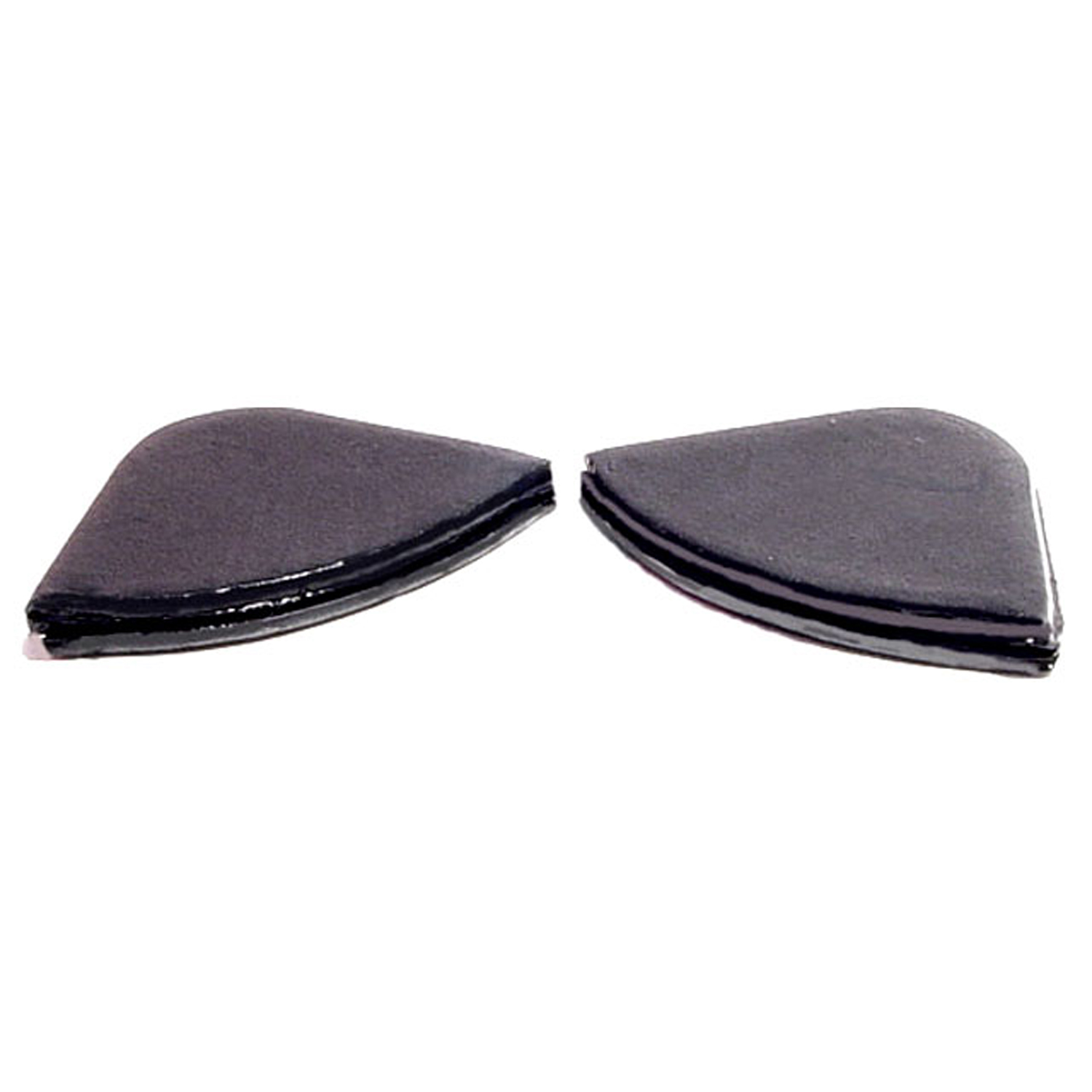 1934 Plymouth Deluxe PE Model Hood Corners. Fits flat corners-HC 19Hood Corners. Fits flat corners. 80° angle, 1/4" to 3/8" corner radius. 1-3/8" wide. Pair
 1934 Plymouth Deluxe PE Model Roof Related Seal. Top insert filler & seal for closed cars-LP 110-RRoof Related Seal. Top insert filler & seal for closed cars. Fits in groove between cloth top-center panel & surrounding steel. Sold by the foot
 1934 Plymouth Deluxe PE Model Windshield base pad, '33-'34 Plymouth Roadster. Molded in two pieces, Pair.-MP 933Windshield base pad, '33-'34 Plymouth Roadster. Molded in two pieces, Pair. 2-5/8 in. W x 25-1/8 in. L. R&L.
 1934 Plymouth Deluxe PE Model Tail-light Pads. 2-3/4" wide X 5-1/8" long. Pair-MP 941Tail-light Pads. 2-3/4" wide X 5-1/8" long. Pair
 1934 Plymouth Deluxe PE Model Headlight Pads. 2-5/8" wide X 6-1/2" long. Pair-MP 942Headlight Pads. 2-5/8" wide X 6-1/2" long. Pair
 1934 Plymouth Deluxe PE Model Door Handle Pads. 1-5/8" wide X 3-1/2" long. Pair-MP 946-EDoor Handle Pads. 1-5/8" wide X 3-1/2" long. Pair
 1934 Plymouth Deluxe PE Model Cowl Vent Seal. Made of molded sponge-RP 100-LCowl Vent Seal. Made of molded sponge. 3-3/4" wide at side X 15-1/3" long X 3/8" thick. Each
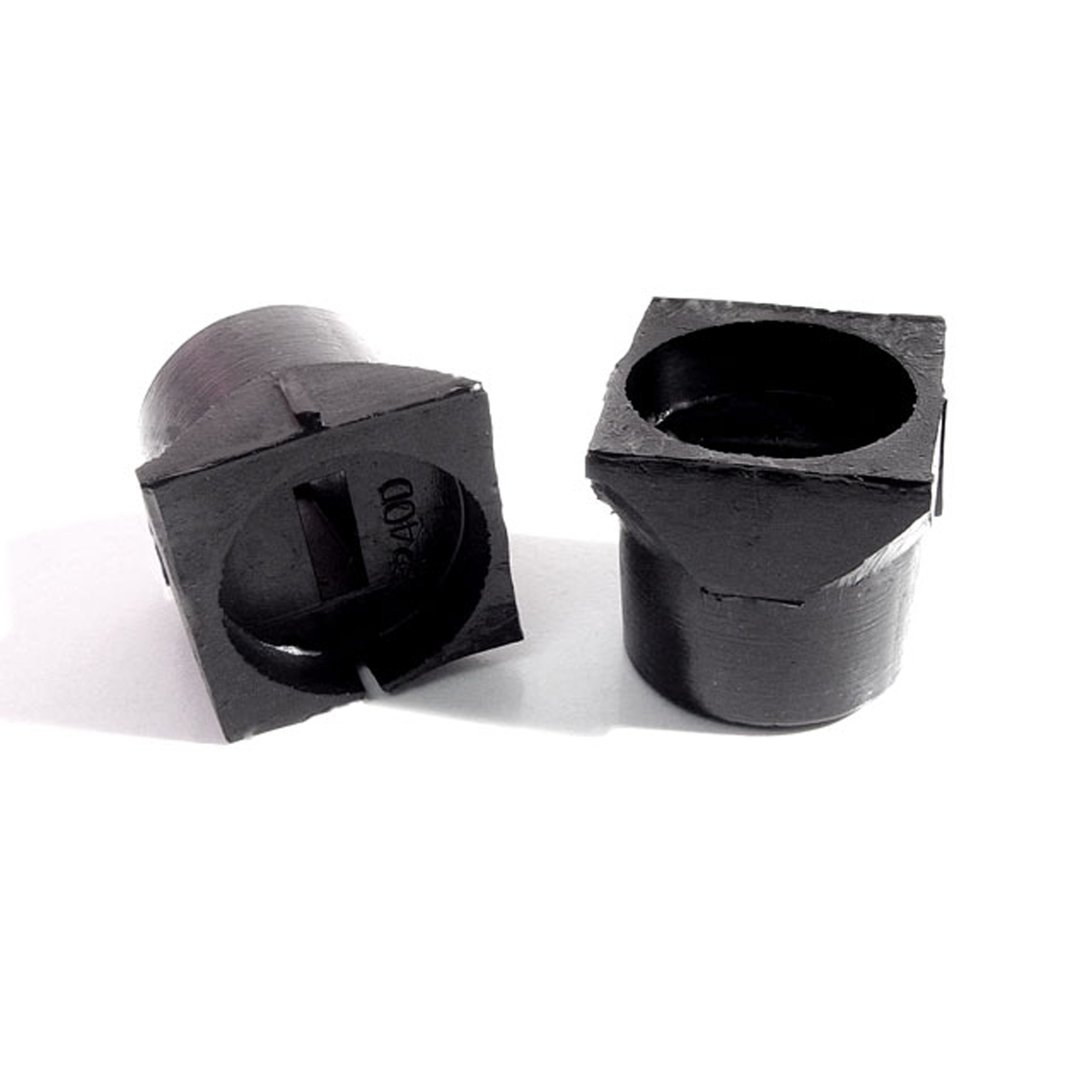 1934 Plymouth Deluxe PE Model Door Check Rubber Cushion. Each-RP 40-DDoor Check Rubber Cushion. Each
 1934 Plymouth Deluxe PE Model Door Bumper. 1" diameter X 1/4" thick Each-SB 60Door Bumper. 1" diameter X 1/4" thick Each
Why Choose Metro?
For over 100 years, Metro Moulded Parts has been the pinnacle of quality in classic car restoration parts. Our commitment to precision and authenticity in every component ensures a perfect fit and an OEM-level appearance.
- Expert Craftsmanship & Quality: Each part is a testament to our dedication to reliability and perfection, crafted from original designs and thoroughly tested.
- Advanced Technology: We use cutting-edge techniques to create flawless, long-lasting parts that surpass others in performance.
- SuperSoft Sponge – The Ultimate Door Seal: Not only are our door seals 30% softer than competitors', but they're also guaranteed to never leak. They effectively reduce wind and road noise, enhancing your classic car's comfort and driving experience.
- Proudly American: Our parts are a product of American craftsmanship, made in the USA with a spirit of excellence and heritage.
- Unrivaled Warranty: We back our products with a 30-year industry-leading warranty, a testament to our confidence in their quality.
Join us in preserving the legacy of classic cars with parts that are crafted for perfection, not just made.