

Image of 1934 Plymouth Standard Pf Model, Note: These illustrations use artistic license and may differ from actual historical models.
Performance Metrics
Fundamental Metrics
Emotional Appeal
MMP Rating
| Engine Specifications | |
|---|---|
| Engine: | Inline 6 |
| Displacement: | 201 cubic inches |
| Horsepower: | Estimated 77 HP |
| Torque: | Not available |
| Compression Ratio: | Not available |
| Ignition System: | Battery and coil |
| Cooling System: | Water-cooled |
| Performance Specifications | |
| 0-60 Time: | Not available |
| 1/4 Mile Time: | Not available |
| Top Speed: | 70 mph |
| Transmission and Drive | |
| Drive Type: | Rear wheel drive |
| Transmission Type: | 3-speed manual |
| Fuel and Efficiency | |
| Fuel System Type: | Carburetor |
| MPG: | Not available |
| Dimensions and Brakes | |
| Brakes: | 4-wheel hydraulic brakes |
| Wheelbase: | 113 inches |
| Weight: | 2,785 lbs |
Note: Specifications for classic cars are given to the best of our ability, considering the limited and variant data available.
1934 Plymouth Standard PF: An Affordable Classic Six
The 1934 Plymouth Standard PF was built for motorists who wanted a comfortable, dependable car without paying luxury-car prices. Its honest engineering and purposeful styling made it a strong member of the Chrysler Corporation family during a decade when affordable transportation was becoming increasingly important.
Plymouth was established by Walter P. Chrysler in 1928 as a lower-priced brand positioned beneath Chrysler and DeSoto. The Standard PF belonged to Plymouth’s conventional, value-focused line, offering six-cylinder power, room for a family, and practical features at a comparatively accessible price. It also arrived during an especially interesting year for Chrysler: while the corporation promoted its radical Airflow designs in other divisions, Plymouth continued with a familiar front-engine, rear-wheel-drive layout.
That contrast is part of the PF’s appeal today. It represents a more traditional path through a period of experimentation, combining prewar character with engineering that was familiar and serviceable. The figures and equipment below are typical of the Standard PF; specifications and details could vary by body style, production date, and market.
PF Styling and Cabin Details
The Standard PF has the upright, distinctly prewar profile that makes a 1930s car instantly recognizable. Its tall radiator grille, separate sweeping front fenders, freestanding headlamps, and long hood give it a formal stance. Running boards connect the front and rear fenders, while the narrow tires and relatively high roofline emphasize its carriage-like proportions. Compared with the streamlined cars that would soon follow, the PF looks proudly composed of individual, clearly defined parts.
Inside, the cabin is practical rather than lavish. Period cloth upholstery, a broad bench seat, painted metal trim, and a simple dashboard create a welcoming, straightforward environment. The instrument panel typically groups the essential gauges and controls in front of the driver, with large, legible instruments suited to the era. Materials and trim depended on body style and equipment, but the overall effect was durable and comfortable rather than decorative.
Period Plymouths were offered in a range of colors, though exact combinations depended on the body and production run. Dark blue, maroon, green, gray, and black are among the colors associated with cars of the period. Deep, restrained shades suit the PF’s formal shape especially well, while lighter two-tone treatments can make its separate fenders and body lines stand out.
Standard PF body offerings included sedan and coupe types, with availability varying by catalog and market. The four-door sedan is the most immediately recognizable family-car configuration. Coupes offer a sportier profile, and some versions were fitted with a folding rumble seat behind the main cabin, a memorable feature that turned the rear of the car into occasional seating for two.
Engineering for Everyday Motoring
At the heart of the Standard PF was a front-mounted, side-valve inline-six. Typical specifications list displacement at about 190 cubic inches and output at roughly 70 horsepower. The engine was designed for smooth, steady road work rather than high-revving performance. A three-speed manual transmission sent power to the rear wheels, with the driver operating a conventional clutch and gear lever.
Four-wheel hydraulic brakes were an important practical feature. They offered more consistent braking than the purely mechanical systems found on many earlier cars, although stopping distances and pedal feel are understandably different from those of a modern vehicle. The PF also used a conventional chassis with solid axles and leaf springs, a robust arrangement that was straightforward to maintain and well suited to the roads of its time.
Plymouth’s broader significance lay in making six-cylinder motoring accessible to ordinary buyers. The PF was not a landmark because it introduced a dramatic new technology. Rather, it helped establish the idea that a reasonably priced car could offer the smoothness and comfort of a six-cylinder engine, useful passenger space, and modern hydraulic braking. That practical balance helped Plymouth compete against Ford and Chevrolet.
Road Manners and Performance
Expect performance that feels measured by modern standards. Period specifications and surviving examples suggest a top speed in the neighborhood of 60 to 70 mph, depending on condition, gearing, tires, and body style. A present-day estimate for 0 to 60 mph is roughly 28 to 35 seconds. These are approximate figures, not guaranteed factory test results, and a well-preserved PF is generally happiest cruising below its maximum speed.
On a smooth road, the six-cylinder engine delivers a relaxed, even rhythm. Acceleration builds gradually, and the driver uses the three-speed gearbox frequently to keep the engine in its useful range, particularly on hills. The engine’s sound is a subdued mechanical murmur at low speed that becomes more noticeable as the car works harder. It is part of the experience rather than something the car tries to conceal.
The leaf-spring suspension has a firm, old-fashioned character. It can absorb ordinary bumps reasonably well, but sharp road edges and rough surfaces are felt more directly than in a modern car. On winding roads, the PF rewards a smooth approach: its tall body, narrow tires, and unassisted steering favor deliberate inputs over quick changes of direction. In crosswinds, the upright body and period tires can require regular steering corrections.
Driving one is an active experience. The driver manages the clutch and gearbox, works the steering, and keeps a close eye on traffic and road conditions. There are no modern driver aids, and braking requires anticipation. That hands-on quality is central to the PF’s charm, but it also means that a test drive should be treated as an introduction to prewar motoring, not as a comparison with a contemporary sedan.
Living With a Standard PF
Today, most Standard PFs are used as weekend tour cars, local show vehicles, or occasional parade participants. A well-sorted example can handle neighborhood drives and moderate touring, but many owners avoid long periods at modern highway speeds. The car’s age, braking capability, tire condition, and cooling system matter more than its theoretical top speed.
Routine maintenance is approachable for an owner comfortable with basic mechanical work. The simple engine layout and conventional chassis make many service tasks understandable, and specialist knowledge is not required for every adjustment. However, parts availability varies. Wear items and some reproduction parts can be sourced through vintage-car suppliers, while trim, body panels, and model-specific components may take more effort to find.
Like any car approaching a century old, reliability depends heavily on restoration quality and regular use. Cooling-system condition, fuel delivery, ignition timing, brake hydraulics, and wiring deserve careful inspection. The electrical system is typically six-volt, so owners should check that the battery, cables, grounds, and charging components are in good shape. A neglected car may require substantial recommissioning before it is safe for the road.
PF Trivia and Common Criticisms
The PF’s most intriguing historical context is its place beside Chrysler’s much-publicized 1934 Airflow models. The Airflow pursued a streamlined, forward-looking design, while the Plymouth Standard retained the familiar hood, upright grille, separate fenders, and conventional chassis that buyers already understood. The PF is therefore a useful reminder that automotive progress did not move in one direction or at one speed.
There is no widely recognized speed or endurance record associated specifically with the Standard PF. Its achievement was more practical: offering six-cylinder transportation to a broad market. Plymouth’s success as a brand helped make that formula commercially important, though exact PF-only production totals are not consistently available in commonly cited references.
Common criticisms are easy to anticipate. The PF is slow by modern standards, its cabin can be warm and noisy, steering and braking demand effort, and its body-on-chassis construction and narrow tires do not deliver modern cornering precision. Some owners also find that locating correct trim or model-specific parts takes patience. For enthusiasts who value simplicity, period character, and mechanical involvement, those drawbacks are part of the package rather than deal-breakers.
Collector Values and Availability
The Standard PF is collectible, but it is generally more attainable than rare luxury cars or highly sought-after open prewar models. Exact PF production is difficult to establish with confidence. As a rough estimate, several tens of thousands of Standard PFs may have been built, with a broad possible range of about 50,000 to 100,000 units. This is an informed estimate, not a confirmed factory total. The surviving population is much smaller, and condition, body style, originality, and documentation strongly affect value.
As a broad North American guide, a project car may sell for roughly $5,000 to $12,000, while a usable driver often falls around $12,000 to $25,000. A well-restored sedan or coupe may bring approximately $25,000 to $45,000, with especially attractive, correct, or unusual examples potentially exceeding that range. These are estimates, not appraisals; regional demand and restoration quality can move prices considerably.
Market values for ordinary prewar sedans have generally been steadier than those for rare sports cars and open-bodied classics. The PF’s straightforward styling and relative practicality support continued interest, while restoration costs can limit price growth. Exceptional examples may appreciate, but buyers should not assume that the cost of a full restoration will be recovered at resale. Well-documented cars in sound, usable condition tend to make the most sensible purchases.
Why the 1934 Plymouth PF Still Matters
The 1934 Plymouth Standard PF is a clear-eyed example of what made Plymouth successful: useful space, straightforward six-cylinder power, hydraulic brakes, and conventional engineering aimed at everyday buyers. Its upright styling and hands-on road manners place it firmly in the prewar era, while its practical design makes it approachable for enthusiasts willing to learn its rhythms.
It may not have the speed of a sports car or the visual drama of a radical Airflow, but the PF tells an important story about how comfortable, capable motoring reached ordinary families. That combination of historical context, honest engineering, and unmistakable 1930s character is what keeps this Plymouth worth a closer look.
1934 Plymouth Standard Pf Model Catalog of Parts
 1934 Plymouth Standard PF Model Clutch and Brake Pedal Pads. 2-1/4" wide X 3-5/8" long-CB 31Clutch and Brake Pedal Pads. 2-1/4" wide X 3-5/8" long. Pair
 1934 Plymouth Standard PF Model Door Jamb Bumper. Perfect reproduction-DB 36Door Jamb Bumper. Perfect reproduction. 1-1/16" high X 1-1/4" wide X 7/16" thick. Each
 1934 Plymouth Standard PF Model Hood Corners. Fits flat corners-HC 19Hood Corners. Fits flat corners. 80° angle, 1/4" to 3/8" corner radius. 1-3/8" wide. Pair
 1934 Plymouth Standard PF Model Roof Related Seal. Top insert filler & seal for closed cars-LP 110-RRoof Related Seal. Top insert filler & seal for closed cars. Fits in groove between cloth top-center panel & surrounding steel. Sold by the foot
 1934 Plymouth Standard PF Model Windshield base pad, '33-'34 Plymouth Roadster. Molded in two pieces, Pair.-MP 933Windshield base pad, '33-'34 Plymouth Roadster. Molded in two pieces, Pair. 2-5/8 in. W x 25-1/8 in. L. R&L.
 1934 Plymouth Standard PF Model Tail-light Pads. 2-3/4" wide X 5-1/8" long. Pair-MP 941Tail-light Pads. 2-3/4" wide X 5-1/8" long. Pair
 1934 Plymouth Standard PF Model Headlight Pads. 2-5/8" wide X 6-1/2" long. Pair-MP 942Headlight Pads. 2-5/8" wide X 6-1/2" long. Pair
 1934 Plymouth Standard PF Model Door Handle Pads. 1-5/8" wide X 3-1/2" long. Pair-MP 946-EDoor Handle Pads. 1-5/8" wide X 3-1/2" long. Pair
 1934 Plymouth Standard PF Model Cowl Vent Seal. Made of molded sponge-RP 100-LCowl Vent Seal. Made of molded sponge. 3-3/4" wide at side X 15-1/3" long X 3/8" thick. Each
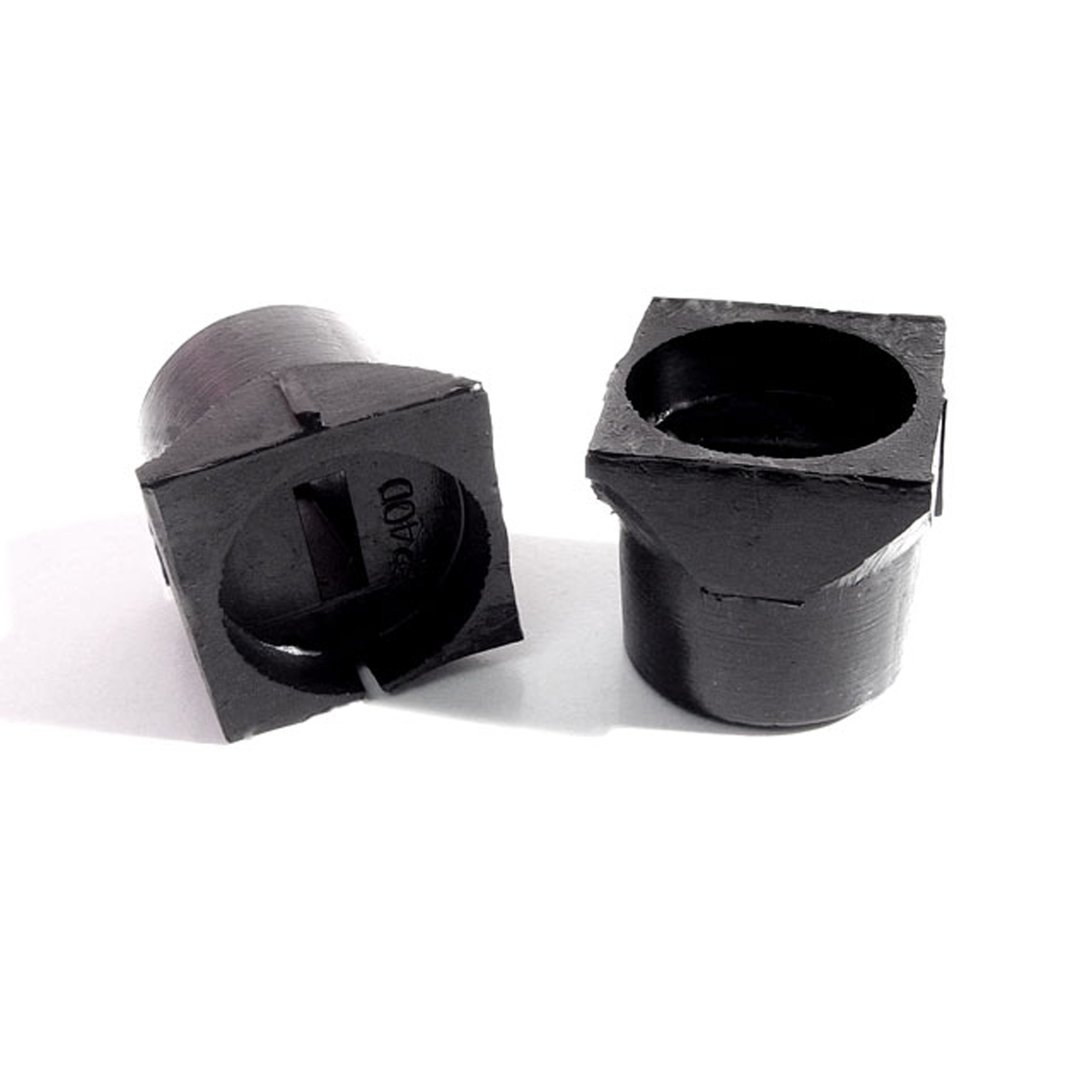 1934 Plymouth Standard PF Model Door Check Rubber Cushion. Each-RP 40-DDoor Check Rubber Cushion. Each
 1934 Plymouth Standard PF Model Door Bumper. 1" diameter X 1/4" thick Each-SB 60Door Bumper. 1" diameter X 1/4" thick Each
Why Choose Metro?
For over 100 years, Metro Moulded Parts has been the pinnacle of quality in classic car restoration parts. Our commitment to precision and authenticity in every component ensures a perfect fit and an OEM-level appearance.
- Expert Craftsmanship & Quality: Each part is a testament to our dedication to reliability and perfection, crafted from original designs and thoroughly tested.
- Advanced Technology: We use cutting-edge techniques to create flawless, long-lasting parts that surpass others in performance.
- SuperSoft Sponge – The Ultimate Door Seal: Not only are our door seals 30% softer than competitors', but they're also guaranteed to never leak. They effectively reduce wind and road noise, enhancing your classic car's comfort and driving experience.
- Proudly American: Our parts are a product of American craftsmanship, made in the USA with a spirit of excellence and heritage.
- Unrivaled Warranty: We back our products with a 30-year industry-leading warranty, a testament to our confidence in their quality.
Join us in preserving the legacy of classic cars with parts that are crafted for perfection, not just made.