

Image of 1934 Plymouth Standard Pg Model, Note: These illustrations use artistic license and may differ from actual historical models.
Performance Metrics
Fundamental Metrics
Emotional Appeal
MMP Rating
| Engine Specifications | |
|---|---|
| Engine: | Inline 6 |
| Displacement: | 201 cubic inches |
| Horsepower: | Estimated 77 HP |
| Torque: | Not available |
| Compression Ratio: | Not available |
| Ignition System: | Battery and coil |
| Cooling System: | Water-cooled |
| Performance Specifications | |
| 0-60 Time: | Not available |
| 1/4 Mile Time: | Not available |
| Top Speed: | 70 mph |
| Transmission and Drive | |
| Drive Type: | Rear wheel drive |
| Transmission Type: | 3-speed manual |
| Fuel and Efficiency | |
| Fuel System Type: | Carburetor |
| MPG: | Not available |
| Dimensions and Brakes | |
| Brakes: | 4-wheel hydraulic brakes |
| Wheelbase: | 112 inches |
| Weight: | 2,785 lbs |
Note: Specifications for classic cars are given to the best of our ability, considering the limited and variant data available.
1934 Plymouth Standard PG: The Affordable Six That Helped Keep America Moving
The 1934 Plymouth Standard PG brought six-cylinder power, hydraulic brakes, and sensible comfort to buyers who wanted a substantial car without a luxury-car price tag. Built by the Plymouth division of Chrysler Corporation, the PG was a value-minded member of the brand’s 1934 lineup, combining familiar American styling with engineering that helped make Plymouth a serious force in the low-priced market.
The early 1930s were difficult years for the car industry. The Great Depression had cut household spending, and buyers increasingly expected more equipment and refinement for their money. Plymouth’s answer was a sturdy, full-sized car with a smooth inline-six and practical body choices. One intriguing detail: the PG shared its model year with Chrysler’s radical Airflow experiment, yet it kept the conventional styling and layout many buyers trusted. Plymouth offered both the familiar and the futuristic under the wider Chrysler umbrella.
Classic Plymouth Styling and Cabin Comfort
The Standard PG wore the unmistakable proportions of a mid-1930s American car: a long hood, upright windshield, separate fenders, running boards, and a tall passenger cabin. Its front end was dressed with a prominent, upright grille and rounded fenders that flowed toward the headlamps. The result was formal rather than streamlined, but details such as the curved fender lines and carefully shaped hood gave the car a more modern presence than earlier boxier designs.
Inside, the PG emphasized useful space and straightforward controls. The bench seats were typically upholstered in durable cloth, with trim and appointments varying by body style and specification. The dashboard put the main gauges and controls within easy reach, while the broad cabin and upright seating position made the car comfortable for a family or a group of passengers. Materials were appropriate to a standard-priced automobile of the period: serviceable and neatly finished, rather than lavish.
Factory paint choices varied by body style, production details, and market. Dark shades such as black, blue, green, and maroon are often associated with cars of the era, but original paint documentation is the best guide for a specific car. Today, restored PGs are frequently seen in deep, period-looking colors that highlight the sweeping fenders and bright trim.
The PG range included practical closed cars such as sedans and coupe variations, with exact offerings depending on the catalog and market. A sedan is the classic family-car choice, while a coupe offers the compact, personal-car look that many collectors find especially appealing. Buyers could also encounter differences in seating and rear-compartment arrangements across coupe styles. When identifying a car, check its body tags and period sales literature rather than relying on a broad model description alone.
Engineering for the Everyday Driver
The Standard PG’s main mechanical feature was its 190.5-cubic-inch (3.1-liter) L-head inline-six. Period specifications commonly list output at about 70 horsepower, delivered through a three-speed manual transmission to the rear wheels. It was not a high-revving engine. Its appeal was steady, usable torque and the relaxed character of a six-cylinder powerplant.
Plymouth’s hydraulic brakes were an important part of the brand’s reputation. Chrysler had adopted hydraulic braking on Plymouth years earlier, and by 1934 the technology gave the PG more predictable braking than the mechanical systems still found on some competing cars. Plymouth also used “Floating Power” engine mounting, a Chrysler development intended to reduce engine vibration reaching the passenger compartment. These features did not make the PG a luxury car, but they helped it feel more refined than its modest price suggested.
The Standard PG was a conventional rear-wheel-drive car with a body-on-frame construction. That familiar layout made it straightforward for mechanics to service and gave Plymouth a durable foundation for a range of body styles. Its significance is less about one revolutionary invention than about bringing useful engineering to a large number of ordinary buyers.
What It Was Like on the Road
With roughly 70 horsepower moving a substantial car, the PG favored a measured pace. Contemporary performance figures are not as standardized as modern tests, and results depend on body style, condition, gearing, and road surface. A reasonable modern estimate is a top speed in the neighborhood of 70 to 75 mph, with 0-to-60-mph acceleration taking roughly 25 to 30 seconds. Those figures are estimates, not guaranteed factory test results, and a well-preserved original may perform differently from a restored car with updated components.
The engine’s sound is a mellow, rhythmic six-cylinder burble, especially at low speed. Acceleration feels deliberate: the driver works the three-speed gearbox, builds momentum, and plans overtaking rather than expecting a quick burst of speed. The steering is unassisted and requires more effort at parking speeds than a modern car, while the brakes call for a firm, practiced foot.
On rough roads, the PG’s tall tires and period suspension absorb bumps in a soft, rolling way. It is comfortable at a steady touring pace, though the body can lean through corners and the steering does not have the precision of a modern sedan. On winding roads, smooth inputs and sensible speeds suit the car best. In crosswinds, its tall body and narrow tires make it more sensitive than a contemporary vehicle, so a confident grip on the wheel is part of the experience.
Living with a Standard PG
Today, most 1934 Plymouth PGs are enjoyed as show cars, weekend cruisers, and touring vehicles for local classic-car events. Some owners drive them regularly, but modern traffic can be demanding: the car lacks contemporary crash protection, fast acceleration, power steering, and the braking performance drivers now take for granted. It is best used with a little extra space and a calm driving style.
The PG’s straightforward mechanical layout is a plus for hands-on owners. The engine, manual transmission, and chassis are understandable to a competent hobby mechanic, and many routine repairs require ordinary workshop skills. The harder part can be sourcing model-specific pieces, such as trim, body panels, upholstery details, and correct restoration hardware. Before buying, inspect the frame, floor, lower body panels, and wood or structural areas where applicable, along with the condition of the engine and transmission. A complete, running car is often a better starting point than a cheap but incomplete project.
Parts availability is not as broad as it is for a later Ford or Chevrolet, but specialist suppliers, marque clubs, swap meets, and online owner communities can help. As with any prewar car, reliability depends heavily on the quality of its previous restoration and regular maintenance. A well-sorted PG can be dependable for relaxed local driving, but it still benefits from careful attention to cooling, lubrication, ignition, tires, and brake condition.
Little-Known Details and Common Criticisms
The PG’s most interesting historical backdrop is its coexistence with the Chrysler Airflow. The Airflow pursued aerodynamic styling and a more integrated body design, while the Standard PG retained the separate fenders and upright profile familiar to buyers. That contrast makes the 1934 Plymouth range a useful snapshot of an industry weighing bold design against customer preference.
The PG is not generally known for a headline speed record, a famous endurance run, or a single celebrity association. Its distinction is more everyday: it represents the kind of well-equipped, affordable car that helped Plymouth build a broad customer base during a difficult economic period. Exact production totals for the PG alone are not consistently reported in commonly available summaries. Plymouth as a whole built hundreds of thousands of cars in 1934, while a reasonable, explicitly rough estimate for the Standard PG is several tens of thousands. Treat any more precise figure with caution unless it is supported by factory records.
Common criticisms are familiar to anyone driving a prewar automobile. The PG is slow by modern standards, has limited safety equipment, and requires more driver attention than a newer car. Its cabin can also feel noisy by present-day expectations, and the manual steering and brakes take adjustment. Those shortcomings are part of its period character, but they matter when choosing a car for regular use.
1934 Plymouth PG Values and Rarity
Collector prices depend strongly on body style, originality, restoration quality, and completeness. As a broad North American guide for 2026, a project car might fall around $5,000 to $12,000, while a sound driver or older restoration could be roughly $12,000 to $25,000. A high-quality, correctly restored example may reach about $25,000 to $40,000 or more, especially if it has a desirable body style and strong documentation. These are approximate ranges, not formal appraisals, and unusual examples can fall outside them.
The PG is uncommon compared with the best-known later American classics, but it is not necessarily a one-off rarity. Cars do appear on the market, though finding the right body style in complete, well-documented condition may take patience. Values for sound, usable prewar cars have generally benefited from interest in early automotive history, but the market is selective. Exceptional restorations tend to hold attention, while incomplete projects can be difficult to sell because restoration costs quickly exceed the value of the finished car.
Why the Standard PG Still Matters
The 1934 Plymouth Standard PG was not built to be the fastest or most flamboyant car on the road. Its strengths were practical ones: a smooth six-cylinder engine, hydraulic brakes, useful body choices, and a familiar design that made sense to buyers watching their budgets. It also reflects an important moment when automakers were adding comfort and engineering improvements while still relying on proven layouts.
For today’s enthusiast, the PG offers more than prewar styling. It is a reminder that automotive progress often comes through making good ideas accessible, one dependable family car at a time. Settle behind its broad steering wheel, listen to the six come to life, and the appeal becomes clear: this Plymouth is a rolling piece of everyday American history.
1934 Plymouth Standard Pg Model Catalog of Parts
 1934 Plymouth Standard PG Model Clutch and Brake Pedal Pads. 2-1/4" wide X 3-5/8" long-CB 31Clutch and Brake Pedal Pads. 2-1/4" wide X 3-5/8" long. Pair
 1934 Plymouth Standard PG Model Door Jamb Bumper. Perfect reproduction-DB 36Door Jamb Bumper. Perfect reproduction. 1-1/16" high X 1-1/4" wide X 7/16" thick. Each
 1934 Plymouth Standard PG Model Hood Corners. Fits flat corners-HC 19Hood Corners. Fits flat corners. 80° angle, 1/4" to 3/8" corner radius. 1-3/8" wide. Pair
 1934 Plymouth Standard PG Model Roof Related Seal. Top insert filler & seal for closed cars-LP 110-RRoof Related Seal. Top insert filler & seal for closed cars. Fits in groove between cloth top-center panel & surrounding steel. Sold by the foot
 1934 Plymouth Standard PG Model Windshield base pad, '33-'34 Plymouth Roadster. Molded in two pieces, Pair.-MP 933Windshield base pad, '33-'34 Plymouth Roadster. Molded in two pieces, Pair. 2-5/8 in. W x 25-1/8 in. L. R&L.
 1934 Plymouth Standard PG Model Tail-light Pads. 2-3/4" wide X 5-1/8" long. Pair-MP 941Tail-light Pads. 2-3/4" wide X 5-1/8" long. Pair
 1934 Plymouth Standard PG Model Headlight Pads. 2-5/8" wide X 6-1/2" long. Pair-MP 942Headlight Pads. 2-5/8" wide X 6-1/2" long. Pair
 1934 Plymouth Standard PG Model Door Handle Pads. 1-5/8" wide X 3-1/2" long. Pair-MP 946-EDoor Handle Pads. 1-5/8" wide X 3-1/2" long. Pair
 1934 Plymouth Standard PG Model Cowl Vent Seal. Made of molded sponge-RP 100-LCowl Vent Seal. Made of molded sponge. 3-3/4" wide at side X 15-1/3" long X 3/8" thick. Each
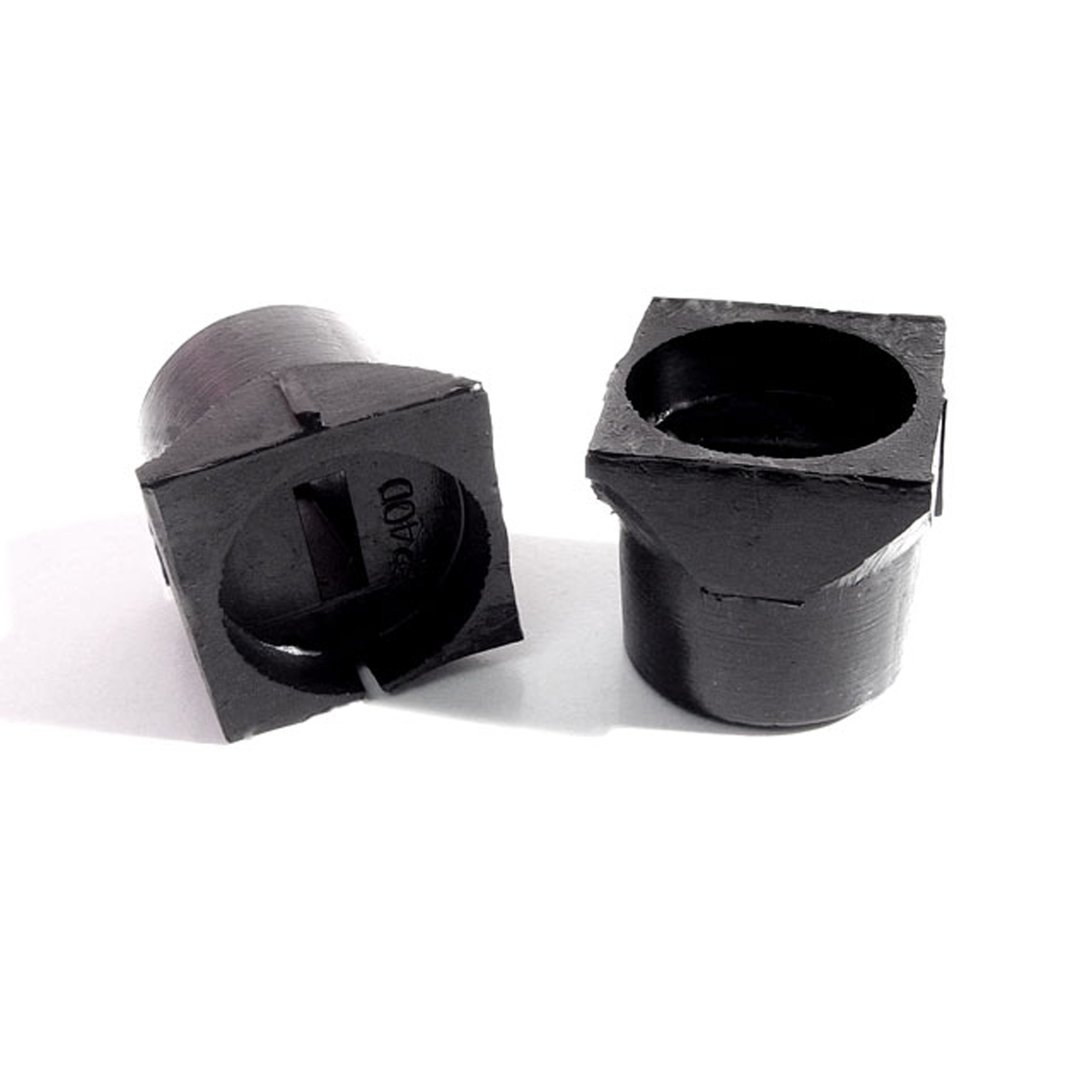 1934 Plymouth Standard PG Model Door Check Rubber Cushion. Each-RP 40-DDoor Check Rubber Cushion. Each
 1934 Plymouth Standard PG Model Door Bumper. 1" diameter X 1/4" thick Each-SB 60Door Bumper. 1" diameter X 1/4" thick Each
Why Choose Metro?
For over 100 years, Metro Moulded Parts has been the pinnacle of quality in classic car restoration parts. Our commitment to precision and authenticity in every component ensures a perfect fit and an OEM-level appearance.
- Expert Craftsmanship & Quality: Each part is a testament to our dedication to reliability and perfection, crafted from original designs and thoroughly tested.
- Advanced Technology: We use cutting-edge techniques to create flawless, long-lasting parts that surpass others in performance.
- SuperSoft Sponge – The Ultimate Door Seal: Not only are our door seals 30% softer than competitors', but they're also guaranteed to never leak. They effectively reduce wind and road noise, enhancing your classic car's comfort and driving experience.
- Proudly American: Our parts are a product of American craftsmanship, made in the USA with a spirit of excellence and heritage.
- Unrivaled Warranty: We back our products with a 30-year industry-leading warranty, a testament to our confidence in their quality.
Join us in preserving the legacy of classic cars with parts that are crafted for perfection, not just made.