

Image of 1935 Plymouth Business, Note: These illustrations use artistic license and may differ from actual historical models.
Performance Metrics
Fundamental Metrics
Emotional Appeal
MMP Rating
| Engine Specifications | |
|---|---|
| Engine Options: | Inline 6 |
| Displacement Range: | 201 cubic inches |
| Horsepower Range: | Estimated 65-85 HP |
| Torque: | Not available |
| Compression Ratio: | 6.7:1 |
| Ignition System: | Distributor and coil |
| Cooling System: | Liquid-cooled |
| Performance Specifications | |
| 0-60 Time: | Not available |
| 1/4 Mile Time: | Not available |
| Top Speed: | 70-75 mph |
| Transmission and Drive | |
| Drive Type: | Rear-wheel drive |
| Transmission Type: | 3-speed manual |
| Fuel and Efficiency | |
| Fuel System Type: | Carburetor |
| MPG: | Estimated 15-20 MPG |
| Dimensions and Brakes | |
| Brakes: | Drum brakes |
| Wheelbase: | 113 inches |
| Weight: | 2,700 lbs |
Note: Specifications for classic cars are given to the best of our ability, considering the limited and variant data available.
1935 Plymouth Business Coupe: An Affordable Classic with Purpose
The 1935 Plymouth Business Coupe was built to make practical transportation feel a little less ordinary. Its upright grille, rounded fenders, and dependable six-cylinder power gave Depression-era buyers a stylish alternative to a bare-bones work car, while its roomy front compartment and useful cargo space made it a natural choice for traveling salesmen and small-business owners.
Built by the Chrysler Corporation under its Plymouth brand, the 1935 model belonged to the PJ series. Plymouth occupied an important spot in Chrysler’s lineup: it offered many of the comforts and engineering ideas associated with more expensive cars at a price aimed at ordinary American families and businesses. The Business Coupe was one of its most work-focused body styles, typically configured with a broad front seat and space behind it for samples, tools, or luggage rather than a full rear passenger seat.
Here is a detail worth remembering: the Business Coupe was not simply a regular coupe with a different name. Its limited rear seating and generous storage area made it a purpose-built commercial choice, reflecting how much of America’s business was still conducted on the road.
1935 Plymouth Styling and Cabin
The PJ Plymouth wore a distinctly mid-1930s shape, with a tall, narrow radiator grille leading into a long hood and a gently curved cabin. Separate, rounded front fenders framed the wheels, while the running boards connected the front and rear bodywork in one flowing line. Headlamps sat prominently beside the grille, giving the car a purposeful face. It was more streamlined than many earlier upright cars, but it did not chase the radical aerodynamic look of Chrysler’s better-known Airflow models.
Inside, the Business Coupe was straightforward and durable rather than luxurious. Buyers could expect a broad bench seat, a large steering wheel, simple gauges, and practical door and window hardware. Upholstery and trim varied with equipment and body configuration, but cloth was common, with materials selected to stand up to regular use. A buyer stepping into one today should expect period-correct simplicity, not modern conveniences such as a radio, climate control, or adjustable seats as standard equipment.
Exterior paint choices depended on the specific factory order and market. Dark, restrained colors such as black, deep blue, green, and maroon suit the car’s period character, though exact shades and trim combinations should be checked against factory documentation or the car’s original paint evidence. A well-preserved original finish can be more valuable to a collector than a color chosen only for modern show appeal.
Plymouth offered the 1935 line in several body styles, including two-door and four-door sedans, coupes, and open models. Coupe configurations could include a rumble seat, while the Business Coupe emphasized enclosed storage behind the front seat. The Business Coupe is especially appealing today because its compact, purposeful profile clearly tells the story of how the car was meant to be used.
Engineering Ahead of Its Price Class
The 1935 Plymouth’s significance lies less in one revolutionary feature than in the way it brought useful engineering to an affordable car. Its six-cylinder engine, all-steel body construction, and hydraulic brakes helped make it a serious competitor in the low-priced market. Hydraulic brakes were a meaningful advantage over older mechanical systems, providing more consistent braking force at all four wheels when properly maintained.
The car also benefited from Chrysler’s work on reducing vibration and improving ride quality. Plymouth had adopted its “Floating Power” engine-mounting approach earlier in the decade, isolating engine vibration from the body more effectively than many drivers expected in an inexpensive car. Independent front suspension, used in Plymouth’s contemporary engineering development, helped the front wheels respond more separately to uneven pavement than a basic solid front axle would.
Against contemporaries such as the Ford V-8 and Chevrolet Master, Plymouth offered a well-rounded combination of comfort, equipment, and price. It was not the fastest car in its class, nor did it have the most powerful engine. Its strength was balance: respectable performance, practical construction, and a more composed ride than buyers might have expected from an entry-level automobile.
Flathead Six Performance and Road Manners
Power came from a 201.3-cubic-inch L-head, or flathead, inline-six. Period specifications commonly list output at about 82 horsepower, delivered through a three-speed manual transmission and sent to the rear wheels. As with many prewar cars, exact figures can vary by specification source, equipment, and how horsepower was rated at the time.
Performance figures should be treated as period-style estimates rather than modern instrumented test results. A healthy, correctly tuned example may reach roughly 75 to 80 mph, while acceleration from 0 to 60 mph is leisurely, often estimated in the neighborhood of 25 to 30 seconds. It was designed for dependable everyday travel, not quick launches or sustained high-speed cruising.
Behind the wheel, the flathead six has a steady, unhurried character. It produces a low mechanical rumble rather than a sharp modern engine note, and the driver works a long-throw gearshift while keeping an eye on the road and the gauges. The bench seat, large steering wheel, and relatively upright driving position make the experience feel immediately different from a modern car.
On ordinary roads, the Plymouth’s suspension gives it a comfortable, compliant ride, though worn shocks, tired springs, or loose steering components can make a surviving car feel vague. It handles broken pavement with the relaxed motion of a 1930s sedan, not the tight body control of a modern vehicle. On winding roads, the driver should plan ahead: steering is slower, body roll is noticeable, and period tires offer far less grip than contemporary rubber.
Four-wheel hydraulic brakes were an asset for the era, but stopping distances are still much longer than in a modern car. A safe vintage-car outing means leaving generous space, checking the brake system regularly, and treating wet roads with particular care.
Owning and Maintaining a 1935 Plymouth
Most surviving Business Coupes are now used as weekend drivers, touring cars, club-event participants, or show vehicles. Their original commercial purpose is still easy to appreciate: the rear compartment can carry luggage or display materials, and the front cabin is welcoming for short trips. With suitable inspection and maintenance, some owners also drive them regularly, but modern traffic speeds and limited safety equipment make them less suitable for routine commuting.
The flathead six is mechanically straightforward by modern standards. A capable owner or local vintage-car mechanic can handle many routine jobs, including ignition service, carburetor adjustment, cooling-system maintenance, and brake work. Parts support is generally better than for obscure makes, though trim pieces, body panels, correct gauges, and model-specific details may take patience to find. As with any car approaching a century old, condition matters more than reputation: inspect the frame, floor, body mounts, cooling system, wiring, and hydraulic brakes before buying.
Reliability depends heavily on maintenance and correct restoration. Old fuel systems can clog, cooling systems can overheat, and long periods of storage can create electrical and brake problems. A car that starts easily is not necessarily roadworthy, so a careful mechanical inspection is essential before a long tour.
1935 Plymouth Facts and Common Criticisms
The Business Coupe is a snapshot of an era when a car could be both family transportation and a mobile office. Its cargo-oriented layout suited traveling salesmen, tradespeople, and small firms that needed to carry goods without buying a larger commercial vehicle. The coupe’s enclosed body also offered better protection from weather than an open roadster or touring car.
There is no widely recognized speed, endurance, or sales record attached specifically to the 1935 Business Coupe, and celebrity ownership claims should be treated cautiously unless supported by documentation. The model’s importance is more representative than record-breaking: it shows how American manufacturers adapted everyday cars to the needs of working owners during the Depression.
Its most common criticisms are familiar to anyone who drives a prewar car. Acceleration is modest, the cabin lacks modern safety features, and steering and braking require more attention than they do in a newer vehicle. Parts availability can also be uneven for model-specific trim. Those shortcomings are part of the ownership equation, but they are balanced by simple mechanicals, unmistakable period style, and a genuinely useful design.
Collector Value and Availability
Values vary widely according to body style, originality, mechanical condition, restoration quality, and documentation. As a broad 2026 U.S. market estimate, a project or rough driver might fall around $8,000 to $15,000. A solid, usable car could bring roughly $15,000 to $25,000, while a well-restored Business Coupe may reach approximately $25,000 to $40,000 or more. An exceptional, highly original, or unusually well-documented example can exceed that range, but condition and buyer interest determine the final price.
There is no consistently published production total for the Business Coupe alone. A reasonable working estimate is that Plymouth built somewhere in the tens of thousands of PJ-series Business Coupes, perhaps roughly 20,000 to 35,000, though that figure should be treated as an informed estimate rather than a verified factory count. Total production for the broader 1935 Plymouth line was far higher, commonly reported at around 350,000 cars across its body styles. The Business Coupe is less common today than the more familiar sedans, but it is not so rare that a determined buyer will never find one.
Market values have generally followed the wider prewar-car market: exceptional examples tend to hold interest, while ordinary cars can fluctuate with condition and demand. The Business Coupe is best viewed as a characterful, usable collectible rather than a guaranteed investment. Originality, sound metal, and a properly functioning drivetrain are usually wiser buying priorities than expensive cosmetic upgrades.
Why the 1935 Plymouth Business Coupe Still Matters
The 1935 Plymouth Business Coupe combined a useful commercial layout with the comfort and engineering of a well-equipped passenger car. Its flathead six, hydraulic brakes, composed ride, and recognizable 1930s styling made it a practical tool in its day and an engaging classic today.
It may not set records for speed or power, but it captures an important moment in American motoring: the point when affordable cars were becoming more comfortable, more capable, and more closely tailored to how people actually worked. The Business Coupe’s appeal is right there in its shape and purpose: a handsome Plymouth built to earn its keep, and one that still has plenty of road presence nearly a century later.
1935 Plymouth Business Catalog of Parts
 1935 Plymouth BUSINESS Door Jamb Bumper. Perfect reproduction-DB 36Door Jamb Bumper. Perfect reproduction. 1-1/16" high X 1-1/4" wide X 7/16" thick. Each
 1935 Plymouth BUSINESS Hood Corners. Fits flat corners-HC 19Hood Corners. Fits flat corners. 80° angle, 1/4" to 3/8" corner radius. 1-3/8" wide. Pair
 1935 Plymouth BUSINESS Roof Related Seal. Top insert filler & seal for closed cars-LP 110-RRoof Related Seal. Top insert filler & seal for closed cars. Fits in groove between cloth top-center panel & surrounding steel. Sold by the foot
 1935 Plymouth BUSINESS Steering Column Bracket Pad. 4-1/4" wide X 1-1/8" long-MP 932-BSteering Column Bracket Pad. 4-1/4" wide X 1-1/8" long. Each
 1935 Plymouth BUSINESS Door Handle Pads. 1-1/2" wide X 2-1/2" long. Pair-MP 932-CDoor Handle Pads. 1-1/2" wide X 2-1/2" long. Pair
 1935 Plymouth BUSINESS Tail-light Pads. 2-3/4" wide X 5-1/8" long. Pair-MP 941Tail-light Pads. 2-3/4" wide X 5-1/8" long. Pair
 1935 Plymouth BUSINESS Tail-light Pads. 2-3/4" wide X 5-3/8" long. Pair-MP 941-ATail-light Pads. 2-3/4" wide X 5-3/8" long. Pair
 1935 Plymouth BUSINESS Spare Mount Pads. 6-1/4" wide X 1-1/4" long. Pair-MP 941-DSpare Mount Pads. 6-1/4" wide X 1-1/4" long. Pair
 1935 Plymouth BUSINESS Headlight Pads. 2-7/8" wide X 8-5/8" long. Pair-MP 942-BHeadlight Pads. 2-7/8" wide X 8-5/8" long. Pair
 1935 Plymouth BUSINESS Park Light Pads. 2-5/8" wide X 7-3/4" long. Pair-MP 950-BBPark Light Pads. 2-5/8" wide X 7-3/4" long. Pair
 1935 Plymouth BUSINESS Trunk Handle Pads. 1-1/2" wide X 2-1/4" long. Pair-MP 950-CTrunk Handle Pads. 1-1/2" wide X 2-1/4" long. Pair
 1935 Plymouth BUSINESS Cowl Vent Seal. Made of molded sponge-RP 100-LCowl Vent Seal. Made of molded sponge. 3-3/4" wide at side X 15-1/3" long X 3/8" thick. Each
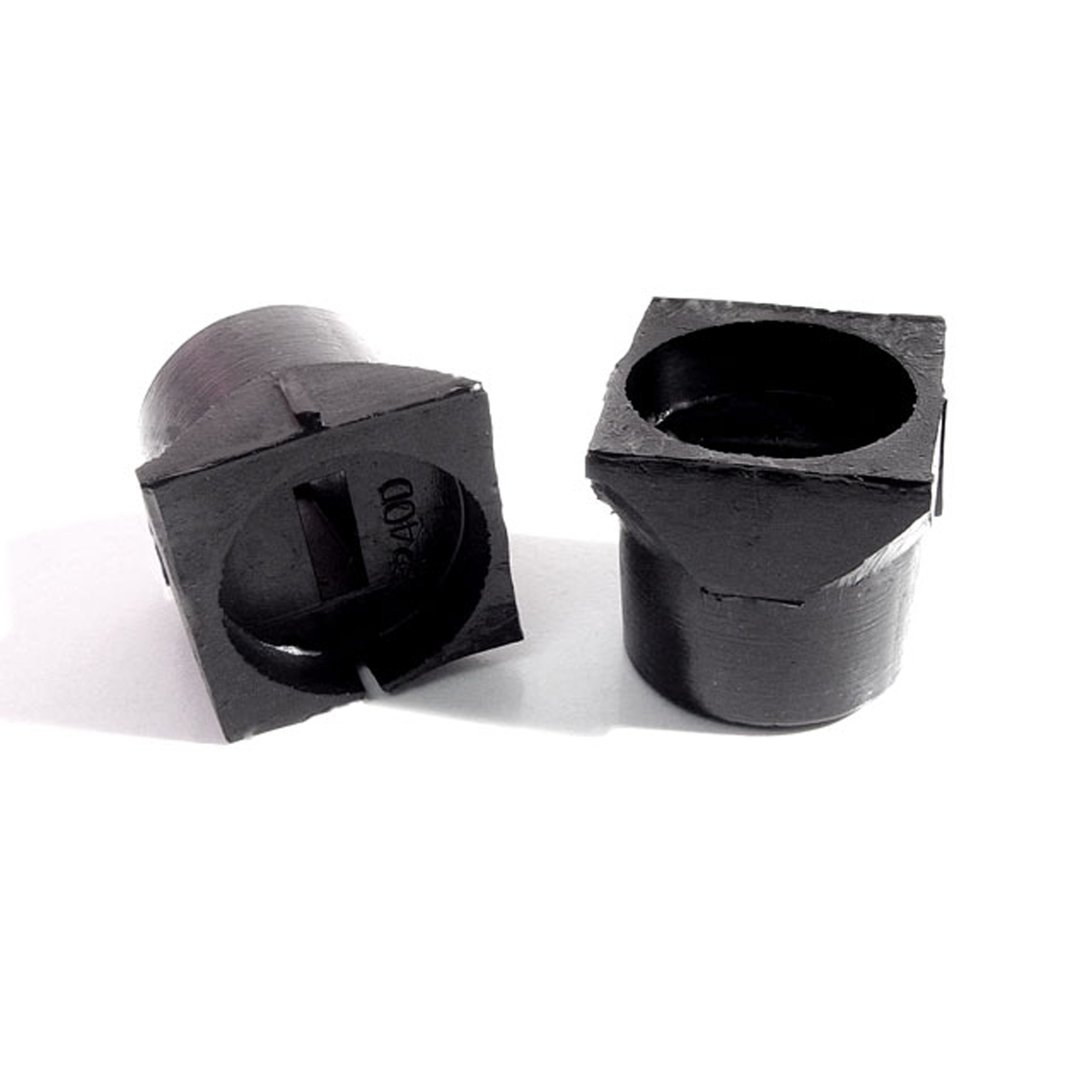 1935 Plymouth BUSINESS Door Check Rubber Cushion. Each-RP 40-DDoor Check Rubber Cushion. Each
 1935 Plymouth BUSINESS Door Bumper. 1" diameter X 1/4" thick Each-SB 60Door Bumper. 1" diameter X 1/4" thick Each
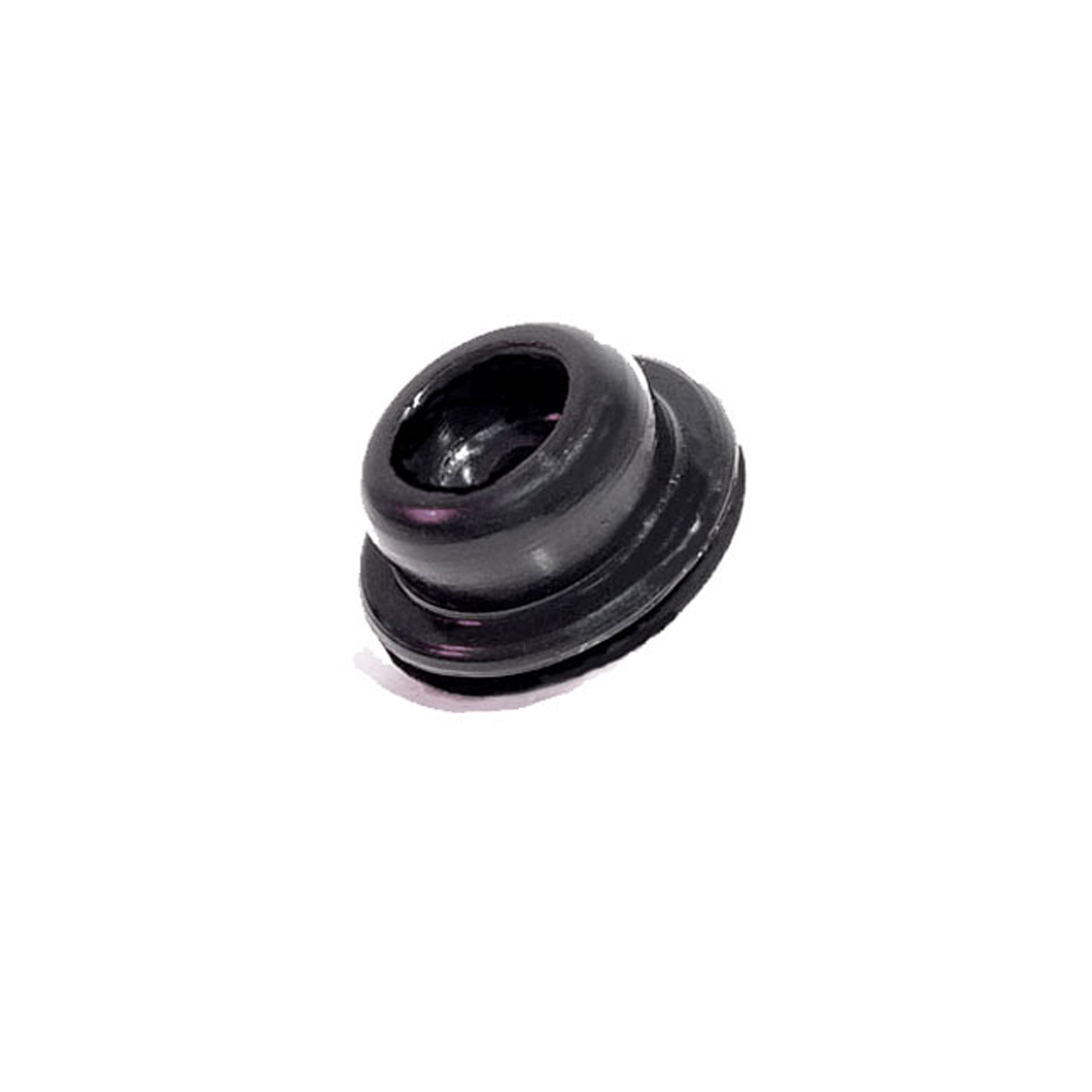 1935 Plymouth BUSINESS Accelerator Rod Grommet-SM 43-BAccelerator Rod Grommet. For accelerator rod through floorboard. Each
Why Choose Metro?
For over 100 years, Metro Moulded Parts has been the pinnacle of quality in classic car restoration parts. Our commitment to precision and authenticity in every component ensures a perfect fit and an OEM-level appearance.
- Expert Craftsmanship & Quality: Each part is a testament to our dedication to reliability and perfection, crafted from original designs and thoroughly tested.
- Advanced Technology: We use cutting-edge techniques to create flawless, long-lasting parts that surpass others in performance.
- SuperSoft Sponge – The Ultimate Door Seal: Not only are our door seals 30% softer than competitors', but they're also guaranteed to never leak. They effectively reduce wind and road noise, enhancing your classic car's comfort and driving experience.
- Proudly American: Our parts are a product of American craftsmanship, made in the USA with a spirit of excellence and heritage.
- Unrivaled Warranty: We back our products with a 30-year industry-leading warranty, a testament to our confidence in their quality.
Join us in preserving the legacy of classic cars with parts that are crafted for perfection, not just made.