

Image of 1935 Plymouth Deluxe, Note: These illustrations use artistic license and may differ from actual historical models.
Performance Metrics
Fundamental Metrics
Emotional Appeal
MMP Rating
| Engine Specifications | |
|---|---|
| Engine: | Inline 6 |
| Displacement: | 201 cubic inches |
| Horsepower: | Estimated 82-85 HP |
| Torque: | Not available |
| Compression Ratio: | 6.7:1 |
| Ignition System: | Distributor and coil |
| Cooling System: | Liquid-cooled |
| Performance Specifications | |
| 0-60 Time: | Not available |
| 1/4 Mile Time: | Not available |
| Top Speed: | 75 mph |
| Transmission and Drive | |
| Drive Type: | Rear-wheel drive |
| Transmission Type: | 3-speed manual |
| Fuel and Efficiency | |
| Fuel System Type: | Carburetor |
| MPG: | Not available |
| Dimensions and Brakes | |
| Brakes: | Drum brakes |
| Wheelbase: | 113 inches |
| Weight: | 2,785 lbs |
Note: Specifications for classic cars are given to the best of our ability, considering the limited and variant data available.
1935 Plymouth Deluxe: A Mainstream Classic with Streamlined Style
The 1935 Plymouth Deluxe brought smart new styling and dependable six-cylinder power to the American family car at a time when value mattered more than ever. Built by the Chrysler Corporation’s Plymouth division, it was part of the PJ series, a lineup designed to compete directly with popular low-priced cars from Ford and Chevrolet.
Its arrival came as the United States was slowly emerging from the Great Depression. Buyers wanted an affordable car, but they also wanted comfort, modern looks, and features that had once been associated with pricier models. Plymouth answered with a conventional, practical car wrapped in smoother, more streamlined bodywork. One intriguing detail: the 1935 Plymouth’s flowing shape reflected the era’s fascination with “Airstream” styling, but it avoided the radical engineering and appearance of Chrysler’s controversial Airflow cars.
Streamlined Plymouth Styling
The 1935 Deluxe had a purposeful, rounded look that was noticeably more modern than the boxier cars of just a few years earlier. Its tall grille leaned gently backward, flanked by curving front fenders and large headlamps. The hood ran neatly into the cowl, while the fenders and running boards formed a continuous, flowing profile. At the rear, a rounded trunk or rumble-seat section completed the car’s streamlined silhouette.
Inside, the Deluxe was designed to feel welcoming and durable rather than extravagant. Upholstery materials varied by body style and specification, with woven cloth or mohair-style fabrics common in closed cars and leather often associated with open models. A broad dashboard housed clear, period-style instrumentation, while a large steering wheel and straightforward controls made the car easy to operate. Compared with an economy car stripped to the basics, the Deluxe offered a more polished cabin, though it remained firmly in the affordable-car class.
Paint choices depended on body style, trim, and the market, but buyers could choose from sober dark shades as well as period colors such as blue, green, gray, or maroon. Black remained a familiar and practical choice. Original paint codes and combinations should be checked against factory documentation, since colors and availability could differ during the model year.
The PJ range included several body styles, with exact availability varying by trim and market. Buyers could find two-door and four-door sedans, business and passenger coupes, rumble-seat coupes, convertible coupes, and touring-style sedans. The four-door sedan was the sensible family favorite, while the convertible coupe and rumble-seat models offered the most visual character and are especially appealing to collectors today.
Useful Technology for the 1930s
Under the hood, the 1935 Plymouth Deluxe used a 201.3-cubic-inch L-head inline-six rated at about 82 horsepower. Power went to the rear wheels through a three-speed manual transmission. Hydraulic brakes were an important practical feature for the period, providing more even braking than the older mechanical systems still found on some cars.
Plymouth also benefited from Chrysler engineering developments such as “Floating Power” engine mounting, introduced earlier in the decade to reduce the vibration transmitted into the passenger compartment. The result was not modern-car silence, but it helped make the Plymouth feel smoother and more refined than its modest price might suggest.
Why the 1935 Plymouth Mattered
The Deluxe’s importance was less about a single revolutionary invention and more about bringing useful engineering and contemporary styling to a broad audience. Plymouth occupied a competitive position in the American low-price market, and the 1935 model helped the brand offer buyers a modern-looking alternative without asking them to gamble on radically unfamiliar technology.
That contrast mattered. Chrysler’s Airflow models pursued advanced aerodynamics and a very different body layout, but their unconventional appearance proved difficult for many buyers to accept. The 1935 Plymouth, by comparison, used familiar rear-wheel-drive mechanicals and a conventional body while adopting smoother lines. It showed how manufacturers could modernize a car visually without making ownership or repair intimidating.
The Deluxe also reflected an important shift in the industry: streamlined styling was moving from expensive, experimental designs into everyday transportation. Its lasting influence is best understood as part of that broader transition toward rounded fenders, integrated body forms, and less upright proportions.
Six-Cylinder Performance and Road Manners
With around 82 horsepower, the Plymouth was built for dependable everyday travel rather than quick acceleration. Period gearing, vehicle condition, passenger load, and road surface all affect performance, but a well-maintained example is generally estimated to reach 0 to 60 mph in roughly 25 to 30 seconds. Top speed is commonly estimated in the neighborhood of 70 to 75 mph. These are modern estimates, not guaranteed factory test figures, and sustained high-speed driving is not kind to an 90-year-old car.
The six-cylinder engine delivers its power gradually, with a steady low-speed pull that suits relaxed driving. The three-speed manual asks the driver to work the clutch and shift deliberately, especially when accelerating or climbing a hill. The engine’s sound is a subdued mechanical burble at idle that becomes a more noticeable, even six-cylinder hum as speed rises.
On ordinary roads, the Plymouth feels substantial and composed by 1930s standards. Its suspension and tall tires take the edge off rough pavement, although sharp bumps can still send a noticeable jolt through the chassis. On winding roads, the steering is slower and heavier than a modern driver may expect, and the body leans through corners. Crosswinds and road grooves can require steady attention, particularly with narrow vintage tires. The best way to enjoy the car is to leave modern traffic habits behind and drive smoothly.
Living with a 1935 Plymouth Deluxe
Today, most Deluxes serve as weekend cruisers, parade cars, museum pieces, or entries in vintage-car gatherings. A sound, properly maintained example can be driven on local roads, but it is not a modern daily driver. It lacks contemporary safety equipment, and its braking, lighting, handling, and crash protection should be treated accordingly.
Routine mechanical work is generally approachable for an experienced home mechanic. The engine is a straightforward side-valve design, and the car predates complex electronics and computer controls. However, age brings its own challenges. Owners should inspect the cooling system, fuel lines, wiring, brakes, steering components, tires, and structural areas for deterioration. Parts support is reasonable for common service items, but correct trim, sheet metal, glass, and body-specific pieces can take time to locate.
Reliability depends heavily on restoration quality and maintenance history. A car that starts and runs well in a short test may still need work on its fuel system, charging system, brakes, or cooling system. Before buying, inspect the frame and body carefully, verify that the engine and transmission are healthy, and budget for sorting even if the car appears road-ready.
1935 Plymouth Facts and Myths
The 1935 Plymouth is part of the PJ series, a model year associated with the brand’s move toward smoother, more aerodynamic styling. “Airstream” is often used to describe the design direction of the era, but it should not be confused with the Chrysler Airflow, which was a separate and far more radical design program.
There is no widely recognized 1935 Plymouth Deluxe speed or endurance record that defines the model. Its achievement was more practical: Plymouth became a major volume name by offering affordable cars that combined useful equipment, conventional engineering, and appealing styling. Total Plymouth production for the 1935 model year is generally estimated at roughly 350,000 cars across the lineup. A reliable, separately documented production count for Deluxe models by body style is difficult to establish, so that figure should not be treated as the number of Deluxes built.
One common criticism is that the car can feel slow and demanding in modern traffic. Its manual transmission, unassisted controls, vintage tires, and limited safety features require patience and attention. Those same qualities are part of its appeal to enthusiasts: the driver is directly involved in every part of the experience.
Collector Values and Availability
1935 Plymouth Deluxes appear on the market from time to time, but condition and body style make a major difference. Four-door sedans are usually easier to find than desirable open cars, while convertible coupes and well-preserved rumble-seat models tend to draw more interest. No precise production breakdown is available here, so rarity is best judged by the individual body style and the condition of surviving examples rather than by a single total.
As a broad current-market estimate, a project car might sell for about $4,000 to $8,000. A usable driver could fall around $10,000 to $20,000, while a well-restored sedan may bring approximately $25,000 to $40,000. A particularly attractive convertible or unusually well-finished example could reach roughly $45,000 to $65,000 or more. These are general guide figures, not appraisals; location, originality, restoration quality, documentation, and market demand all matter.
Values for sound, complete examples have generally held up better than those for unfinished projects, with the strongest interest concentrated in rare or appealing body styles. The market is selective: buyers will pay for a properly documented restoration, but cosmetic shine alone does not compensate for hidden rust or worn mechanicals. As with most prewar cars, future prices are difficult to predict, so purchase decisions are best based on condition and enjoyment rather than expected appreciation.
The Appeal of the 1935 Plymouth Deluxe
The 1935 Plymouth Deluxe combined an accessible price point, a sturdy six-cylinder drivetrain, practical features, and streamlined styling that captured the mood of the mid-1930s. It was not a high-performance car or a radical engineering experiment. Its achievement was making modern-looking, comfortable motoring attainable for ordinary buyers.
Nearly a century later, the Deluxe rewards owners who enjoy a hands-on, unhurried style of driving. Its rounded fenders, steady six-cylinder soundtrack, and honest mechanical character make it more than a display piece: it is a reminder of how American cars grew more refined while remaining built for everyday life.
1935 Plymouth Deluxe Catalog of Parts
 1935 Plymouth Deluxe Door Jamb Bumper. Perfect reproduction-DB 36Door Jamb Bumper. Perfect reproduction. 1-1/16" high X 1-1/4" wide X 7/16" thick. Each
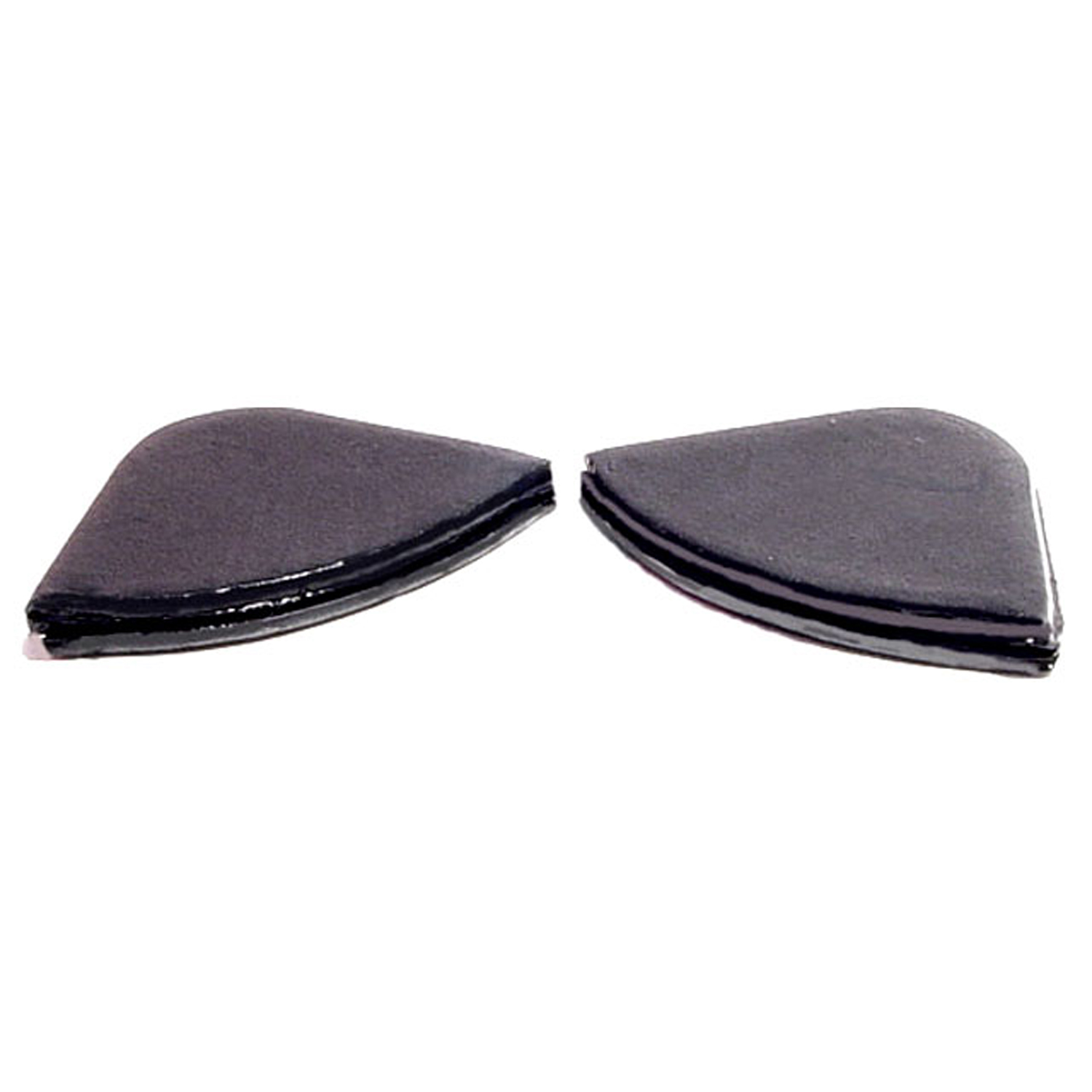 1935 Plymouth Deluxe Hood Corners. Fits flat corners-HC 19Hood Corners. Fits flat corners. 80° angle, 1/4" to 3/8" corner radius. 1-3/8" wide. Pair
 1935 Plymouth Deluxe Roof Related Seal. Top insert filler & seal for closed cars-LP 110-RRoof Related Seal. Top insert filler & seal for closed cars. Fits in groove between cloth top-center panel & surrounding steel. Sold by the foot
 1935 Plymouth Deluxe Steering Column Bracket Pad. 4-1/4" wide X 1-1/8" long-MP 932-BSteering Column Bracket Pad. 4-1/4" wide X 1-1/8" long. Each
 1935 Plymouth Deluxe Door Handle Pads. 1-1/2" wide X 2-1/2" long. Pair-MP 932-CDoor Handle Pads. 1-1/2" wide X 2-1/2" long. Pair
 1935 Plymouth Deluxe Tail-light Pads. 2-3/4" wide X 5-1/8" long. Pair-MP 941Tail-light Pads. 2-3/4" wide X 5-1/8" long. Pair
 1935 Plymouth Deluxe Tail-light Pads. 2-3/4" wide X 5-3/8" long. Pair-MP 941-ATail-light Pads. 2-3/4" wide X 5-3/8" long. Pair
 1935 Plymouth Deluxe Spare Mount Pads. 6-1/4" wide X 1-1/4" long. Pair-MP 941-DSpare Mount Pads. 6-1/4" wide X 1-1/4" long. Pair
 1935 Plymouth Deluxe Headlight Pads. 2-7/8" wide X 8-5/8" long. Pair-MP 942-BHeadlight Pads. 2-7/8" wide X 8-5/8" long. Pair
 1935 Plymouth Deluxe Park Light Pads. 2-5/8" wide X 7-3/4" long. Pair-MP 950-BBPark Light Pads. 2-5/8" wide X 7-3/4" long. Pair
 1935 Plymouth Deluxe Trunk Handle Pads. 1-1/2" wide X 2-1/4" long. Pair-MP 950-CTrunk Handle Pads. 1-1/2" wide X 2-1/4" long. Pair
 1935 Plymouth Deluxe Cowl Vent Seal. Made of molded sponge-RP 100-LCowl Vent Seal. Made of molded sponge. 3-3/4" wide at side X 15-1/3" long X 3/8" thick. Each
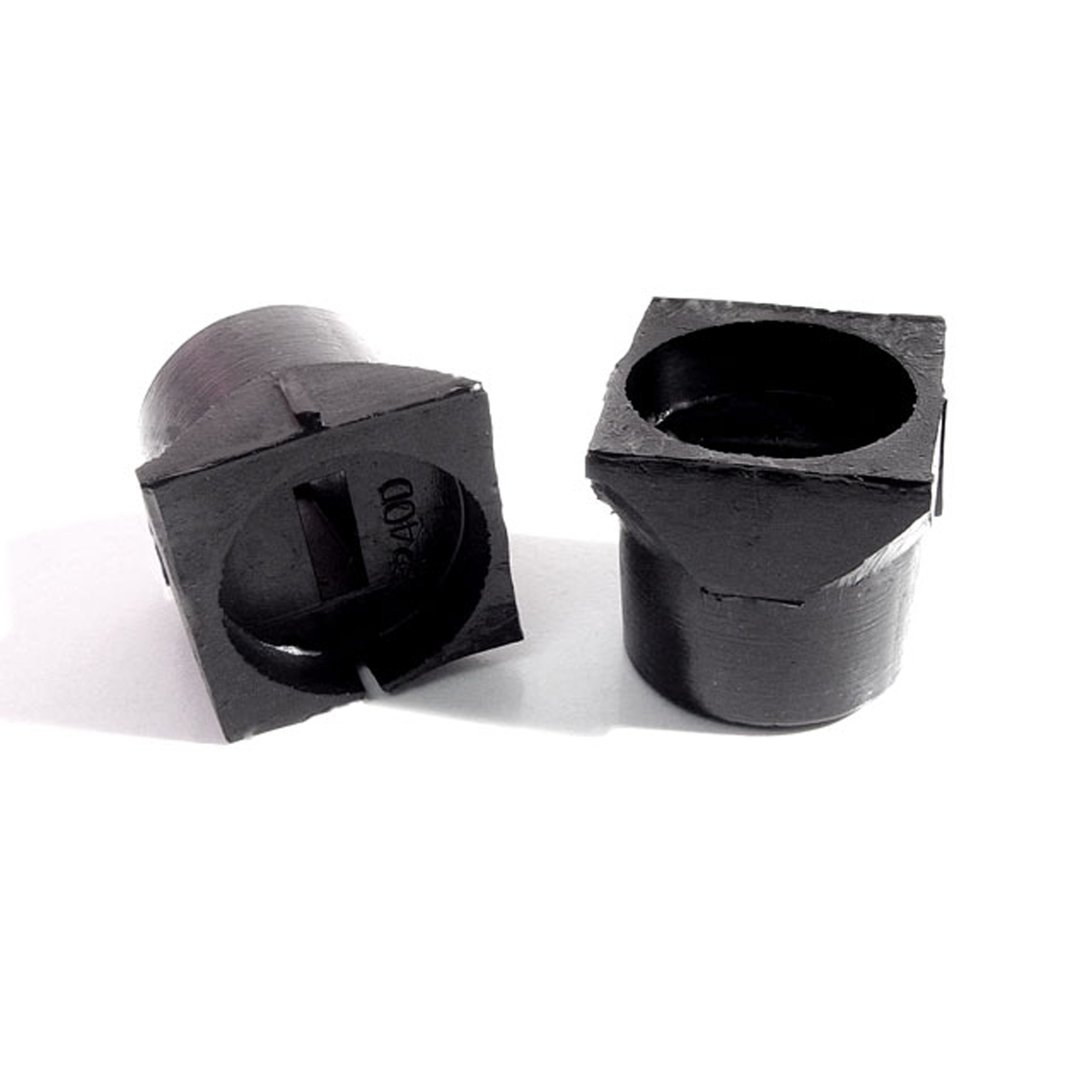 1935 Plymouth Deluxe Door Check Rubber Cushion. Each-RP 40-DDoor Check Rubber Cushion. Each
 1935 Plymouth Deluxe Door Bumper. 1" diameter X 1/4" thick Each-SB 60Door Bumper. 1" diameter X 1/4" thick Each
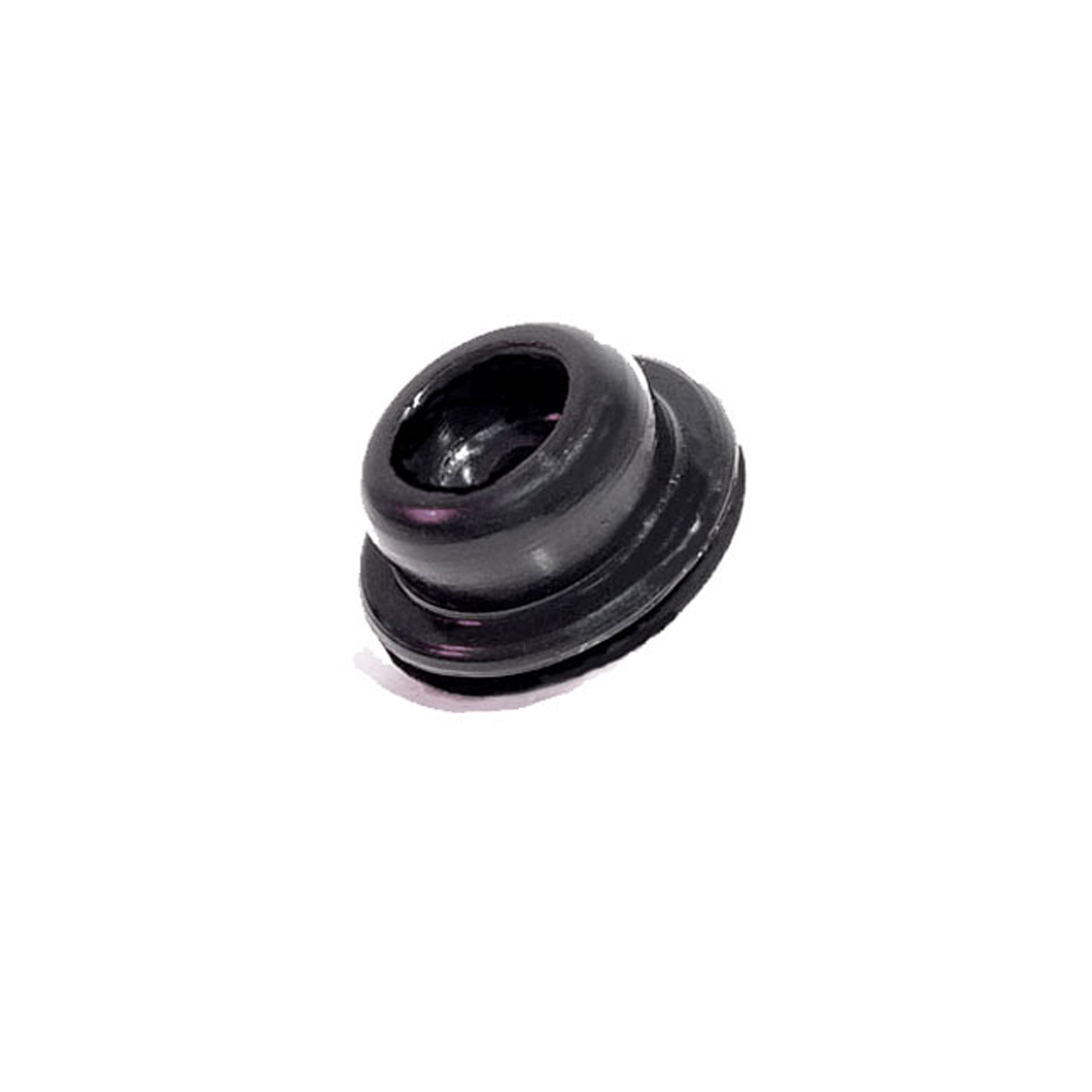 1935 Plymouth Deluxe Accelerator Rod Grommet-SM 43-BAccelerator Rod Grommet. For accelerator rod through floorboard. Each
Why Choose Metro?
For over 100 years, Metro Moulded Parts has been the pinnacle of quality in classic car restoration parts. Our commitment to precision and authenticity in every component ensures a perfect fit and an OEM-level appearance.
- Expert Craftsmanship & Quality: Each part is a testament to our dedication to reliability and perfection, crafted from original designs and thoroughly tested.
- Advanced Technology: We use cutting-edge techniques to create flawless, long-lasting parts that surpass others in performance.
- SuperSoft Sponge – The Ultimate Door Seal: Not only are our door seals 30% softer than competitors', but they're also guaranteed to never leak. They effectively reduce wind and road noise, enhancing your classic car's comfort and driving experience.
- Proudly American: Our parts are a product of American craftsmanship, made in the USA with a spirit of excellence and heritage.
- Unrivaled Warranty: We back our products with a 30-year industry-leading warranty, a testament to our confidence in their quality.
Join us in preserving the legacy of classic cars with parts that are crafted for perfection, not just made.