

Image of 1935 Plymouth Deluxe Pj Model, Note: These illustrations use artistic license and may differ from actual historical models.
Performance Metrics
Fundamental Metrics
Emotional Appeal
MMP Rating
| Engine Specifications | |
|---|---|
| Engine: | Inline 6 |
| Displacement: | 201 cubic inches |
| Horsepower: | Estimated 65-85 hp |
| Torque: | Not available |
| Compression Ratio: | Not available |
| Ignition System: | Battery and coil |
| Cooling System: | Liquid-cooled |
| Performance Specifications | |
| 0-60 Time: | Not available |
| 1/4 Mile Time: | Not available |
| Top Speed: | 70-75 mph |
| Transmission and Drive | |
| Drive Type: | Rear-wheel drive |
| Transmission Type: | 3-speed manual |
| Fuel and Efficiency | |
| Fuel System Type: | Carburetor |
| MPG: | Not available |
| Dimensions and Brakes | |
| Brakes: | Drum brakes |
| Wheelbase: | 113 inches |
| Weight: | 2,695 lbs |
Note: Specifications for classic cars are given to the best of our ability, considering the limited and variant data available.
1935 Plymouth Deluxe PJ: An Affordable Car with Big-League Ambitions
The 1935 Plymouth Deluxe PJ brought Art Deco flair and practical engineering to buyers who wanted more than basic transportation without paying for a luxury car. Built by the Chrysler Corporation, the PJ was part of Plymouth’s mission to deliver solid value in the fiercely competitive low-priced market. Its rounded fenders, upright grille, roomy cabin, and dependable flathead six made it a stylish everyday car for its era.
The timing mattered. In the mid-1930s, American automakers were emerging from the depths of the Great Depression, and customers wanted cars that looked modern but remained affordable to buy and maintain. Plymouth had earned a reputation for sturdy construction and useful engineering, helping Chrysler compete against Ford and Chevrolet.
One detail that makes the PJ especially interesting is that its apparent simplicity concealed years of engineering development. Plymouth had adopted hydraulic brakes in the late 1920s and used Chrysler’s “Floating Power” engine-mounting system to reduce vibration. Those features helped give a budget-conscious car a more refined feel than its modest price might suggest.
Art Deco Lines and a Comfortable Cabin
The PJ’s exterior is unmistakably mid-1930s: a tall, vertical grille anchors the front, while sweeping front fenders flow back toward the body. Rounded hood sides, separate headlamps, running boards, and a rear-mounted spare tire complete the classic profile. Chrome trim was used with restraint, giving the car a dressed-up look without the heavy ornamentation of a luxury model.
Inside, the cabin was designed for regular use rather than formal display. Depending on body style and trim, buyers could find durable woven cloth or mohair-style upholstery, with higher-trim interiors generally offering a richer finish. The upright seating position, broad windows, and simple dashboard made the car feel open and straightforward. Materials and craftsmanship varied with trim and specification, but the Deluxe was intended to look and feel more finished than an entry-level model.
Equipment was conventional by modern standards, but useful for the time. The PJ used a manual transmission, a straightforward instrument panel, and hydraulic brakes. Plymouth’s Floating Power mounts helped isolate engine vibration from the passenger compartment. Buyers could select accessories and trim items according to their needs, though the exact combinations depended on body style and destination market.
Factory paint choices changed by production specification and market. Period colors included muted blues, greens, grays, browns, and darker tones, with contrasting details or two-tone treatments available on some configurations. Darker colors and subdued combinations are especially familiar on surviving restored cars, but an original paint code or period sales literature is the best guide when assessing a particular example.
PJ Body Styles and Buyer Choices
The Plymouth PJ range was offered in several practical and sporting body styles. Depending on the exact Deluxe specification, buyers could choose among two-door and four-door sedans, a business coupe, a coupe with a rumble seat, a convertible coupe, and touring-style sedan configurations. Availability and naming could vary by market and trim level, so the model identification on a specific car matters.
The four-door sedan was a natural choice for families and business use, offering easier access to the rear seat. Coupes appealed to buyers who wanted a smaller, sportier-looking car, while the rumble-seat version added occasional passenger space behind the main cabin. The convertible coupe is often the most visually striking today, but enclosed sedans were the more practical choice for year-round driving.
Why the 1935 Plymouth PJ Mattered
The PJ was not a radical one-year experiment. Its significance lies in how effectively it brought useful engineering and a polished appearance to the affordable-car class. Plymouth’s hydraulic brakes were a meaningful safety advantage over mechanical braking systems, and Floating Power mounts helped make the six-cylinder engine smoother at idle and under acceleration.
That combination helped distinguish Plymouth from competitors that were also chasing value-conscious buyers. The PJ offered a more substantial, comfortable impression than a bare-bones economy car, while remaining less expensive and less elaborate than a Chrysler. Its styling also reflected the period’s move toward more integrated bodies and flowing fender shapes, a direction that would become increasingly common across American cars.
The PJ did not single-handedly transform automotive design, and it should not be mistaken for a high-performance model. Its lasting appeal is more grounded: it represents the steady progress of mainstream American engineering, when safety, comfort, and appearance were improving even in cars built for ordinary budgets.
Flathead-Six Performance and Road Manners
Power came from a 201.3-cubic-inch L-head, or flathead, inline-six. Period specifications commonly list output at about 82 horsepower, driving the rear wheels through a three-speed manual transmission. Exact figures can vary by source and configuration, but that engine gave the PJ enough performance for normal road use without making it a fast car by modern standards.
A healthy, correctly tuned example is generally estimated to reach roughly 70 to 75 mph under favorable conditions. A 0-to-60-mph time is not a widely standardized factory figure, but period performance and modern test estimates suggest a leisurely run in the neighborhood of 25 to 30 seconds. These are approximate figures, not guarantees: engine condition, gearing, tire size, altitude, and road surface all make a difference.
On a smooth road, the PJ delivers the relaxed, unhurried character expected of a 1930s family car. The flathead six produces a muted mechanical hum at cruising speed, with more intake and exhaust presence when the driver asks for acceleration. The three-speed gearbox calls for deliberate shifts, and the driver must plan passing maneuvers well in advance.
Its suspension and tall tires soften many ordinary road bumps, though the body can lean through corners and the steering feels slower than that of a modern car. On winding roads, smooth inputs and sensible speeds suit it best. Strong crosswinds, uneven pavement, and steep hills demand attention, especially in a car with older tires and suspension components. The hydraulic brakes were progressive for their time, but stopping distances and pedal feel are not comparable to modern braking systems.
Living with a 1935 Plymouth
Today, most PJ owners use their cars for weekend drives, local shows, parades, and vintage motoring events. A well-maintained example can handle occasional road trips, but modern traffic moves quickly, and the car’s modest acceleration, older lighting, and limited occupant protection make careful route and speed choices important.
Mechanical access is one of the PJ’s ownership advantages. The flathead six is relatively straightforward, and many routine jobs can be handled by an experienced home mechanic with period-appropriate tools and a repair manual. Carburetor service, ignition work, cooling-system maintenance, brake rebuilding, and attention to the charging system are familiar tasks for vintage-car specialists.
Reliability depends heavily on condition. A car that has been stored for decades may need attention to fuel lines, wiring, hoses, tires, wheel bearings, and brakes before it is safe to drive. Parts availability is generally better for common service items than for certain body, trim, and interior pieces. Restoring a complete car is usually easier than finding missing original components, so inspect completeness before buying.
1935 Plymouth PJ Facts and Common Criticisms
The PJ is best understood as a practical mass-market car rather than a special racing or record-setting model. There is no widely recognized speed or endurance record associated with the Deluxe PJ, and celebrity ownership is not central to its history. Its notable achievement was broader: Plymouth produced affordable cars in large numbers and helped make features such as hydraulic brakes and smoother engine mounting familiar to mainstream buyers.
Production figures are not always separated cleanly by Deluxe trim and individual body style. Plymouth’s 1935 output across its range is commonly described as being in the hundreds of thousands, with estimates often near 350,000 cars. That figure should not be treated as a precise production count for the Deluxe PJ alone. Exact totals depend on which series, body styles, and market records a source includes.
Common criticisms are part of the car’s honest character. The six-cylinder engine is dependable but not quick, the three-speed transmission requires practice, and the cabin lacks modern conveniences. The car also needs regular upkeep and careful driving in contemporary traffic. For enthusiasts, however, those limitations are balanced by its approachable mechanical layout, distinctive styling, and authentic prewar driving experience.
1935 Plymouth Deluxe PJ Values and Rarity
The PJ is collectible, but it generally remains more attainable than famous prewar luxury cars or rare high-performance models. As a broad current-market estimate, a project car may sell for roughly $5,000 to $12,000, while a usable driver or older restoration may fall around $12,000 to $25,000. A high-quality restoration, especially a desirable convertible or rumble-seat model, can reach approximately $30,000 to $50,000 or more. These are general ranges, not formal appraisals.
Condition, originality, body style, and restoration quality have a major effect on price. A complete, documented car with correct trim and a sound body is usually a stronger buy than a shiny restoration with hidden structural problems. Rare or especially attractive configurations can command a premium, while sedans tend to be more affordable.
The PJ is not rare in the same way as a limited-production luxury car, but surviving examples are not always easy to find in good condition. Many were used hard and scrapped over the decades. There is no reliable, comprehensive count of surviving cars, so rarity is best judged by body style, originality, and the availability of comparable cars for sale.
Values for sound, well-presented examples have generally held up better than those of rough projects, with gradual appreciation possible for exceptional cars. The market is relatively specialized, however, and prices can vary substantially by region and buyer interest. A well-documented restoration and a desirable body style are likely to matter more than speculation about rapid price growth.
A Dependable Snapshot of Prewar Plymouth
The 1935 Plymouth Deluxe PJ combined Art Deco styling, a smooth-running flathead six, hydraulic brakes, and practical body choices in a package aimed at everyday buyers. It was not built to dominate a racetrack or set a speed record. It was built to make modern motoring feel more comfortable, capable, and attainable.
That purpose is precisely what gives the PJ its lasting charm. It is a handsome, mechanically approachable reminder of how much American family cars had advanced by the mid-1930s, and every unhurried mile puts that history right in the driver’s hands.
1935 Plymouth Deluxe Pj Model Catalog of Parts
 1935 Plymouth Deluxe PJ Model Door Jamb Bumper. Perfect reproduction-DB 36Door Jamb Bumper. Perfect reproduction. 1-1/16" high X 1-1/4" wide X 7/16" thick. Each
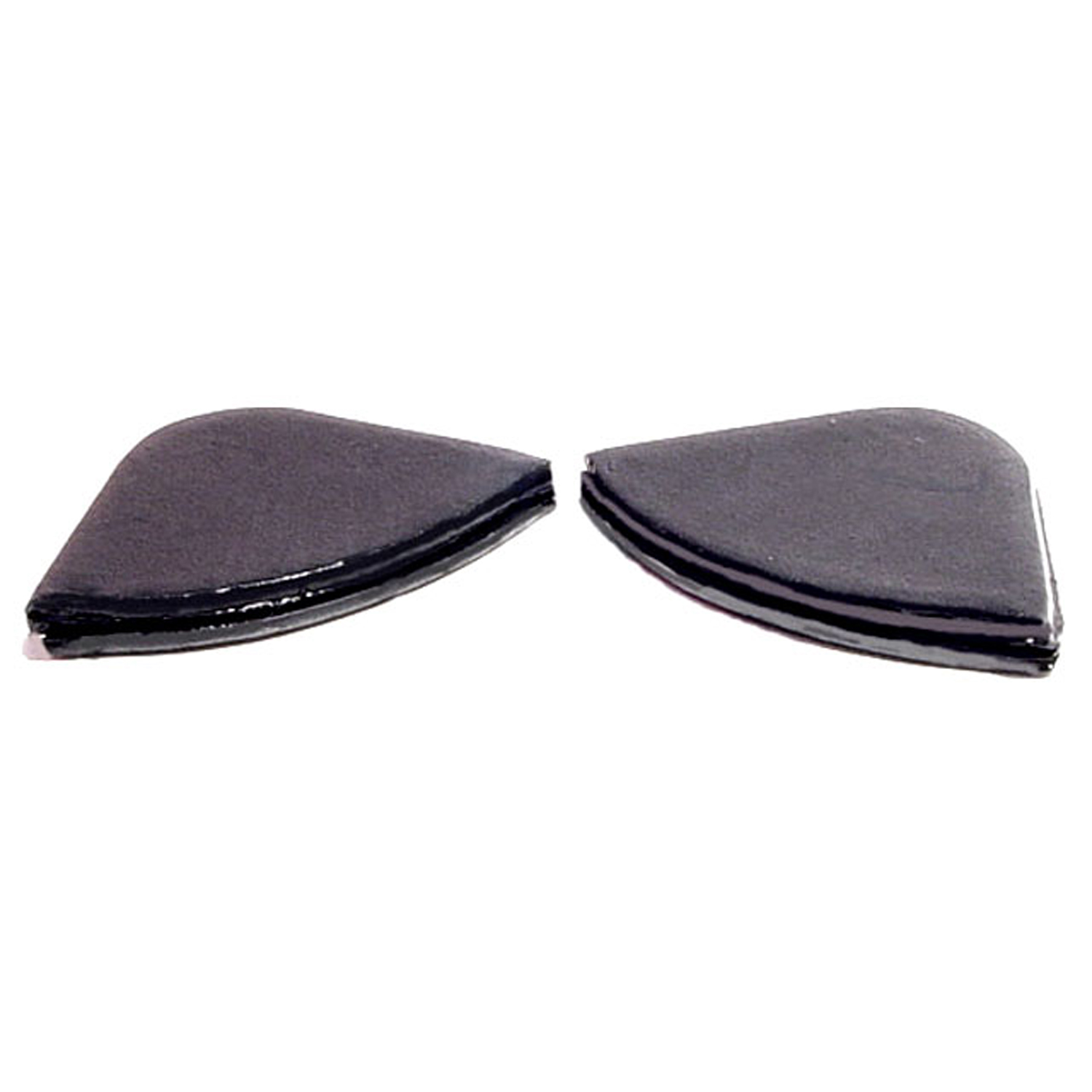 1935 Plymouth Deluxe PJ Model Hood Corners. Fits flat corners-HC 19Hood Corners. Fits flat corners. 80° angle, 1/4" to 3/8" corner radius. 1-3/8" wide. Pair
 1935 Plymouth Deluxe PJ Model Roof Related Seal. Top insert filler & seal for closed cars-LP 110-RRoof Related Seal. Top insert filler & seal for closed cars. Fits in groove between cloth top-center panel & surrounding steel. Sold by the foot
 1935 Plymouth Deluxe PJ Model Steering Column Bracket Pad. 4-1/4" wide X 1-1/8" long-MP 932-BSteering Column Bracket Pad. 4-1/4" wide X 1-1/8" long. Each
 1935 Plymouth Deluxe PJ Model Door Handle Pads. 1-1/2" wide X 2-1/2" long. Pair-MP 932-CDoor Handle Pads. 1-1/2" wide X 2-1/2" long. Pair
 1935 Plymouth Deluxe PJ Model Tail-light Pads. 2-3/4" wide X 5-1/8" long. Pair-MP 941Tail-light Pads. 2-3/4" wide X 5-1/8" long. Pair
 1935 Plymouth Deluxe PJ Model Tail-light Pads. 2-3/4" wide X 5-3/8" long. Pair-MP 941-ATail-light Pads. 2-3/4" wide X 5-3/8" long. Pair
 1935 Plymouth Deluxe PJ Model Spare Mount Pads. 6-1/4" wide X 1-1/4" long. Pair-MP 941-DSpare Mount Pads. 6-1/4" wide X 1-1/4" long. Pair
 1935 Plymouth Deluxe PJ Model Headlight Pads. 2-7/8" wide X 8-5/8" long. Pair-MP 942-BHeadlight Pads. 2-7/8" wide X 8-5/8" long. Pair
 1935 Plymouth Deluxe PJ Model Park Light Pads. 2-5/8" wide X 7-3/4" long. Pair-MP 950-BBPark Light Pads. 2-5/8" wide X 7-3/4" long. Pair
 1935 Plymouth Deluxe PJ Model Trunk Handle Pads. 1-1/2" wide X 2-1/4" long. Pair-MP 950-CTrunk Handle Pads. 1-1/2" wide X 2-1/4" long. Pair
 1935 Plymouth Deluxe PJ Model Cowl Vent Seal. Made of molded sponge-RP 100-LCowl Vent Seal. Made of molded sponge. 3-3/4" wide at side X 15-1/3" long X 3/8" thick. Each
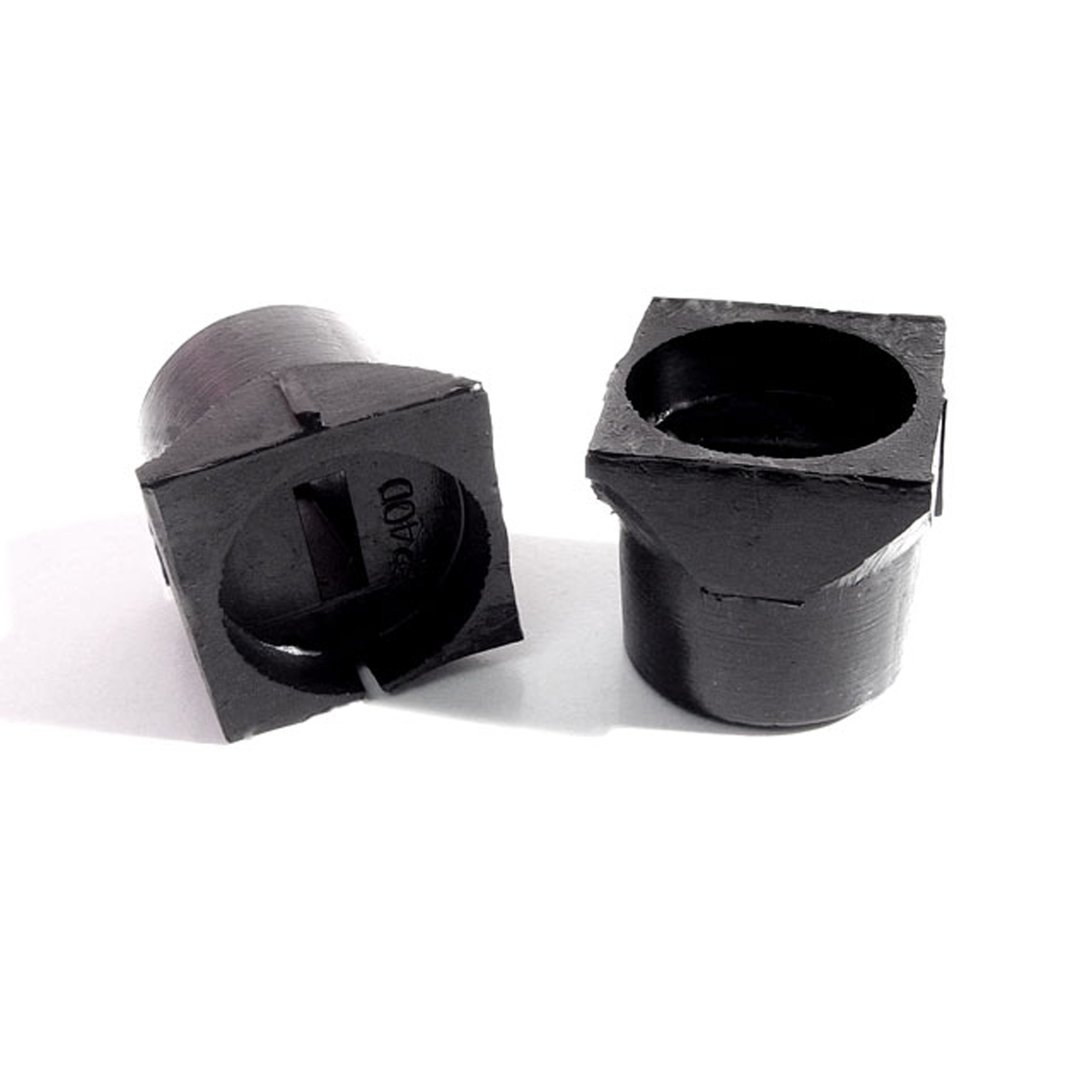 1935 Plymouth Deluxe PJ Model Door Check Rubber Cushion. Each-RP 40-DDoor Check Rubber Cushion. Each
 1935 Plymouth Deluxe PJ Model Door Bumper. 1" diameter X 1/4" thick Each-SB 60Door Bumper. 1" diameter X 1/4" thick Each
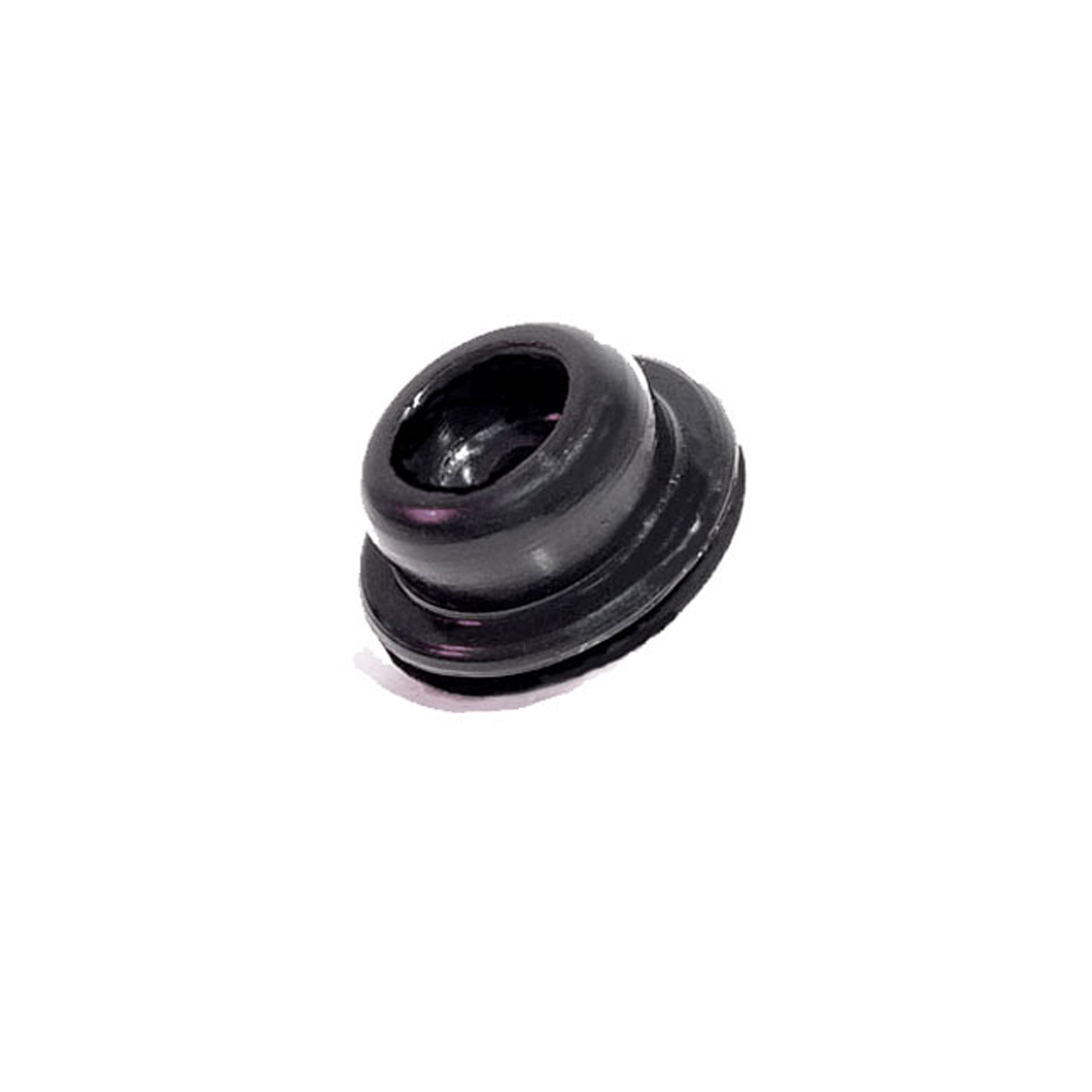 1935 Plymouth Deluxe PJ Model Accelerator Rod Grommet-SM 43-BAccelerator Rod Grommet. For accelerator rod through floorboard. Each
Why Choose Metro?
For over 100 years, Metro Moulded Parts has been the pinnacle of quality in classic car restoration parts. Our commitment to precision and authenticity in every component ensures a perfect fit and an OEM-level appearance.
- Expert Craftsmanship & Quality: Each part is a testament to our dedication to reliability and perfection, crafted from original designs and thoroughly tested.
- Advanced Technology: We use cutting-edge techniques to create flawless, long-lasting parts that surpass others in performance.
- SuperSoft Sponge – The Ultimate Door Seal: Not only are our door seals 30% softer than competitors', but they're also guaranteed to never leak. They effectively reduce wind and road noise, enhancing your classic car's comfort and driving experience.
- Proudly American: Our parts are a product of American craftsmanship, made in the USA with a spirit of excellence and heritage.
- Unrivaled Warranty: We back our products with a 30-year industry-leading warranty, a testament to our confidence in their quality.
Join us in preserving the legacy of classic cars with parts that are crafted for perfection, not just made.