

Image of 1936 Plymouth P2 Deluxe, Note: These illustrations use artistic license and may differ from actual historical models.
Performance Metrics
Fundamental Metrics
Emotional Appeal
MMP Rating
| Engine Specifications | |
|---|---|
| Engine: | Inline 6 |
| Displacement: | 201 cu in (3.3 L) |
| Horsepower: | 82 hp |
| Torque: | Estimated 130 lb-ft |
| Compression Ratio: | 6.7:1 |
| Ignition System: | Battery and Coil |
| Cooling System: | Liquid-cooled |
| Performance Specifications | |
| 0-60 Time: | Information not available |
| 1/4 Mile Time: | Information not available |
| Top Speed: | 75 mph |
| Transmission and Drive | |
| Drive Type: | Rear-wheel drive |
| Transmission Type: | 3-speed manual |
| Fuel and Efficiency | |
| Fuel System Type: | Carburetor |
| MPG: | Estimated 15-20 mpg |
| Dimensions and Brakes | |
| Brakes: | Drum brakes |
| Wheelbase: | 113 in (2,870 mm) |
| Weight: | 2,785 lbs |
Note: Specifications for classic cars are given to the best of our ability, considering the limited and variant data available.
1936 Plymouth P2 Deluxe: A Big Year for Plymouth
The 1936 Plymouth P2 Deluxe brought smart, streamlined styling and dependable six-cylinder power to buyers who wanted a full-size American car without paying luxury-car prices. Built by the Chrysler Corporation, the P2 was the more richly appointed member of Plymouth’s 1936 range, combining practical engineering with a fresh look for the mid-1930s.
Its timing was significant. The United States was climbing out of the Great Depression, and buyers were again considering new cars. Plymouth had already earned a reputation for offering features that were not always standard on lower-priced rivals. In 1936, the brand reached a remarkable milestone: Plymouth’s total production for the year is commonly reported at more than half a million cars. That figure covers the broader Plymouth lineup, not just the P2 Deluxe, but it shows how strongly the marque had connected with American motorists.
One appealing detail is that the P2 could look quite different depending on its body style. A practical four-door sedan suited family life, while a coupe with a rumble seat turned the same sensible engineering into a more theatrical prewar cruiser.
Streamlined Plymouth Styling and Cabin Trim
The P2 Deluxe had the upright proportions of a classic 1930s car, but its surfaces were becoming more fluid and integrated. A tall, bright-finished grille gave the nose a formal presence, while the long hood, rounded front fenders, and separate headlamps created the unmistakable prewar profile. The fenders swept back toward the running boards, and the rear body sat high over a conventional chassis. Its styling was more modern than the boxier cars of the early decade, without abandoning the familiar upright shape buyers expected.
Inside, the P2 emphasized comfort and usefulness rather than luxury-car excess. The cabin typically featured broad bench seats, a simple painted or wood-toned instrument panel, clear round gauges, and durable cloth upholstery. Depending on the body and trim, buyers could find more decorative finishes and upgraded interior details. The steering wheel was large and thin-rimmed by modern standards, and the controls were straightforward, with the gear lever mounted on the floor.
Factory paint choices varied by body style, production period, and market. Dark blues, greens, maroons, grays, and black were among the period-appropriate shades seen on Plymouths of the era, with contrasting trim sometimes adding visual interest. A deep, glossy single-color finish is a popular restoration choice today, though the correct palette for a particular car should be checked against its original paint information where available.
The P2 range included several body configurations, with availability varying across the catalog. Buyers could choose practical sedan forms as well as coupe styles, including versions with a rear rumble seat. The four-door sedan is among the most recognizable and useful today, while the rumble-seat coupe has extra curb appeal and a particularly strong connection to classic prewar motoring.
Engineering That Made Plymouth Competitive
Under the hood was Plymouth’s side-valve, or L-head, inline-six. The engine displaced about 201 cubic inches and was rated at approximately 82 horsepower, depending on the exact specification cited. Power went to the rear wheels through a three-speed manual transmission. Hydraulic drum brakes provided more consistent braking effort than the mechanical systems still found on some earlier cars.
Plymouth’s broader engineering approach also mattered. Chrysler had introduced its “Floating Power” engine-mounting system earlier in the decade, using flexible mounts to reduce the vibration felt in the passenger compartment. By 1936, buyers could benefit from the company’s continued attention to smoother, more comfortable everyday driving. The P2 was not a radical experimental car, but it brought useful engineering and a polished driving experience to a popular price class.
What set the P2 apart from many contemporaries was the combination of accessible pricing, a roomy cabin, six-cylinder performance, and a modern-looking body. It helped reinforce Plymouth’s position as a serious competitor in the high-volume market. Its lasting influence is less about one groundbreaking feature than about the formula it represented: give ordinary drivers a substantial, well-equipped car with dependable mechanicals.
1936 Plymouth P2 Performance and Road Manners
With roughly 82 horsepower moving a substantial steel-bodied car, the P2 was designed for steady travel rather than quick acceleration. Period performance figures vary with body style, gearing, condition, and testing method, but a healthy example could reach roughly 70 to 75 mph, with some estimates approaching 80 mph. A zero-to-60-mph run would take around 25 to 30 seconds, making highway merging a patient exercise by modern standards.
On ordinary roads, the six-cylinder engine delivers a relaxed, even pull accompanied by a soft mechanical rumble. The three-speed gearbox rewards deliberate shifts, and the car feels most at home when allowed to gather speed smoothly. Its braking and steering require more planning and effort than a modern driver may expect, especially at low speeds.
The long wheelbase and substantial body help the P2 settle over gentle undulations, but its suspension cannot disguise sharp potholes or broken pavement. On winding roads, the car leans through corners and responds slowly compared with a modern sedan. The driver sits high, looks out over the long hood, and becomes part of the driving process: anticipating stops, choosing gears, and guiding the car with measured steering inputs. That deliberate rhythm is a large part of its charm.
Living With a P2 Deluxe
Today, a 1936 Plymouth P2 is most often used as a show car, touring car, or occasional weekend driver. A well-maintained example can handle local outings and organized classic-car tours, but regular modern traffic calls for care. Its modest acceleration, older lighting, and lack of modern safety equipment make it less suited to fast highways and daily commuting.
Mechanical upkeep is approachable for owners comfortable with older cars. The engine is a conventional design, and many routine jobs can be handled with common hand tools and period repair knowledge. Regular attention to ignition timing, carburetor adjustment, cooling-system condition, lubrication, and brake maintenance is essential. The six-volt electrical system and original-style components may require specialist knowledge when troubleshooting, and replacement parts can take more searching than parts for a postwar Plymouth.
Reliability depends heavily on the quality of a restoration and the car’s maintenance history. A freshly rebuilt engine does not guarantee trouble-free touring if the fuel system, wiring, brakes, or cooling system have been neglected. Before a purchase, inspect the frame and body structure for corrosion, check the condition of the wood or other structural elements where applicable, and verify that the brakes operate evenly.
P2 Deluxe Facts and Common Criticisms
Plymouth’s reported production milestone in 1936 is the standout fact: the company sold more than 500,000 cars that year, a major achievement for a brand positioned below Chrysler’s premium lines. It is a useful reminder that the P2 was part of a mass-market success story, not an obscure luxury experiment.
There is no widely agreed, model-by-model production total for the P2 Deluxe that cleanly separates it from the rest of Plymouth’s 1936 output. Given Plymouth’s overall volume and the Deluxe’s place in the range, a reasonable rough estimate is several hundred thousand P2s, perhaps around 350,000 to 450,000. Treat that as an informed estimate rather than a factory-confirmed count.
There is no famous speed record or widely recognized endurance feat uniquely associated with the P2 Deluxe. Its significance lies instead in selling dependable transportation at scale. Common criticisms today include slow acceleration, heavy steering at parking speeds, limited braking compared with modern cars, and the effort required to source certain restoration parts. Those are normal compromises for a prewar automobile, but they matter when choosing one for regular use.
1936 Plymouth P2 Deluxe Values and Rarity
The P2 is not exceptionally rare in the way a low-production luxury car is, but finding one in genuinely sound, original, or correctly restored condition can take time. Sedans are generally more practical and may be easier to locate than particular coupe configurations. Rumble-seat cars can attract extra interest, especially when their bodywork, trim, and mechanism are complete.
As a broad 2026 market estimate, a project car may sell for about $5,000 to $12,000, depending on completeness and structural condition. A usable driver or older restoration might fall around $12,000 to $25,000. A high-quality restoration can bring roughly $25,000 to $45,000, with exceptional examples or especially desirable body styles occasionally exceeding that range. These are guide figures, not guaranteed prices: location, provenance, originality, and restoration quality can make a substantial difference.
Values for ordinary prewar sedans have generally been steadier than those for rare or high-performance classics. The P2’s appeal is its usability and period character, rather than a sharp investment-driven market. Good examples should remain desirable to enthusiasts, but condition and careful documentation are more likely to determine future value than speculation about broad appreciation.
Why the 1936 Plymouth P2 Still Matters
The 1936 Plymouth P2 Deluxe paired a useful six-cylinder engine and hydraulic brakes with a spacious cabin and unmistakably prewar styling. It was not built to dominate a race track or introduce a single revolutionary technology. Its achievement was more grounded: it helped make comfortable, well-equipped motoring attainable for a large number of American families during a period of rapid change.
More than eight decades later, the P2 still offers a vivid connection to that era. Settle behind its broad steering wheel, hear the smooth six come to life, and the car’s appeal becomes clear: the 1936 Plymouth Deluxe is a practical piece of automotive history with enough style to make every slow mile feel special.
1936 Plymouth P2 Deluxe Catalog of Parts
 1936 Plymouth P2 Deluxe Front and Rear Bumper Arm Grommets-BG 57Front and Rear Bumper Arm Grommets. 5" wide X 3-5/8" long, with 1-3/16" long inner slot. Pair
 1936 Plymouth P2 Deluxe Door Jamb Bumper. Perfect reproduction-DB 36Door Jamb Bumper. Perfect reproduction. 1-1/16" high X 1-1/4" wide X 7/16" thick. Each
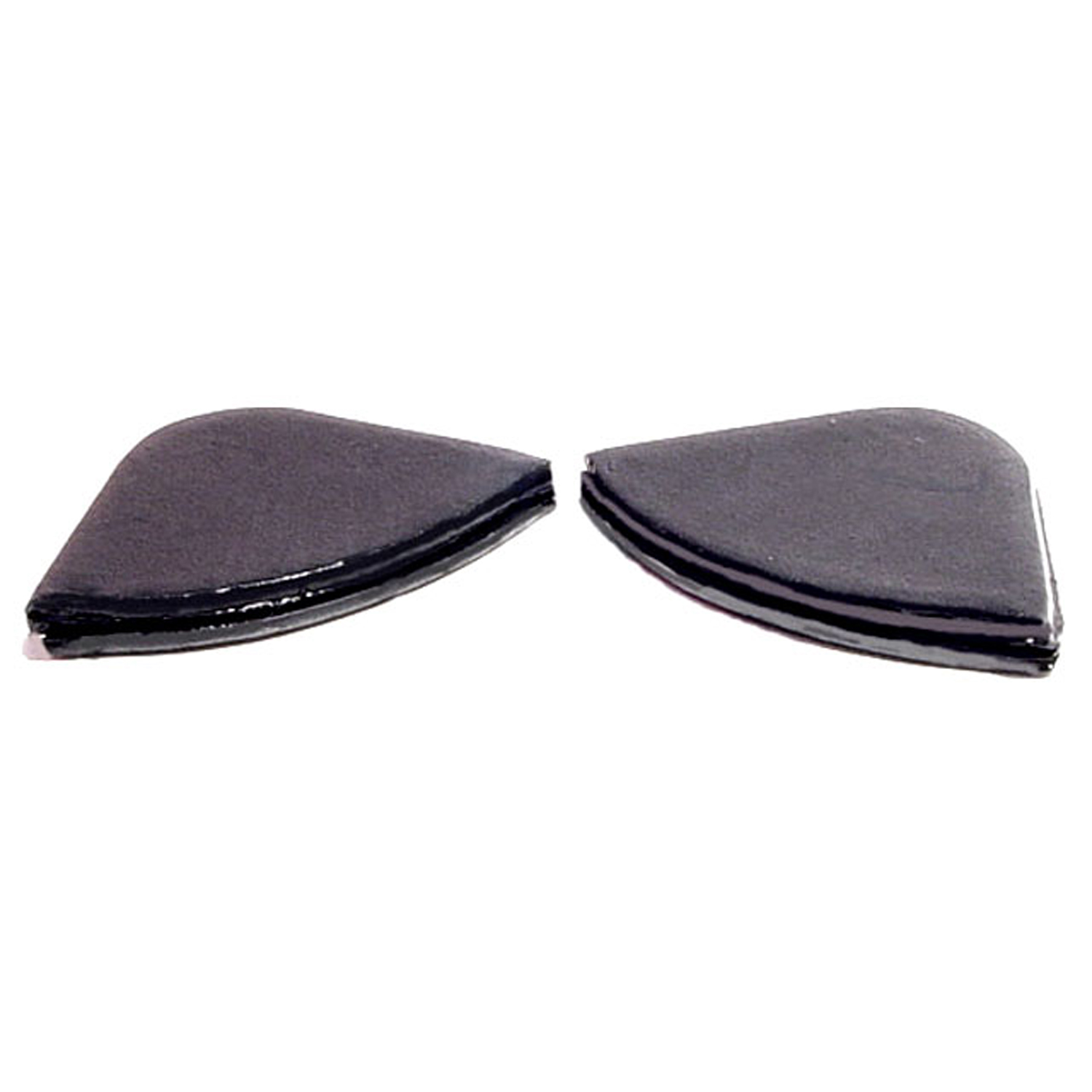 1936 Plymouth P2 Deluxe Hood Corners. Fits flat corners-HC 19Hood Corners. Fits flat corners. 80° angle, 1/4" to 3/8" corner radius. 1-3/8" wide. Pair
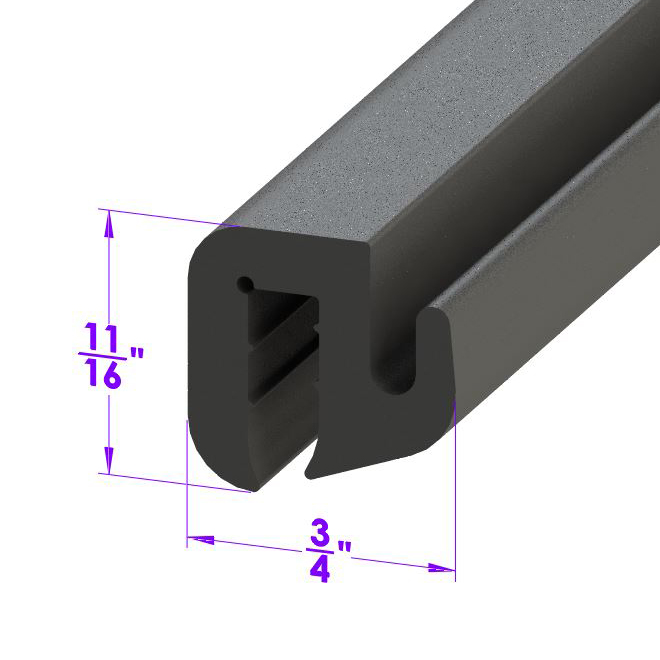 1936 Plymouth P2 Deluxe Windshield and Rear Window Seal. Sold by the foot-LP 30-AWindshield and Rear Window Seal. Sold by the foot
 1936 Plymouth P2 Deluxe Headlight Base to Body Pads. 4-1/8" wide X 9" long. Pair-MP 931-BHeadlight Base to Body Pads. 4-1/8" wide X 9" long. Pair
 1936 Plymouth P2 Deluxe Door Handle Pads. 1-1/2" wide X 2-1/2" long. Pair-MP 932-CDoor Handle Pads. 1-1/2" wide X 2-1/2" long. Pair
 1936 Plymouth P2 Deluxe Tail-light Pads. 2-3/4" wide X 5-3/8" long. Pair-MP 941-ATail-light Pads. 2-3/4" wide X 5-3/8" long. Pair
 1936 Plymouth P2 Deluxe Tail-light Pads. 2-1/4" wide X 5" long. Pair-MP 941-CTail-light Pads. 2-1/4" wide X 5" long. Pair
 1936 Plymouth P2 Deluxe Trunk Handle Pads. 1-1/2" wide X 2-1/4" long. Pair-MP 950-CTrunk Handle Pads. 1-1/2" wide X 2-1/4" long. Pair
 1936 Plymouth P2 Deluxe Cowl Vent Seal. Made of molded sponge-RP 100-LCowl Vent Seal. Made of molded sponge. 3-3/4" wide at side X 15-1/3" long X 3/8" thick. Each
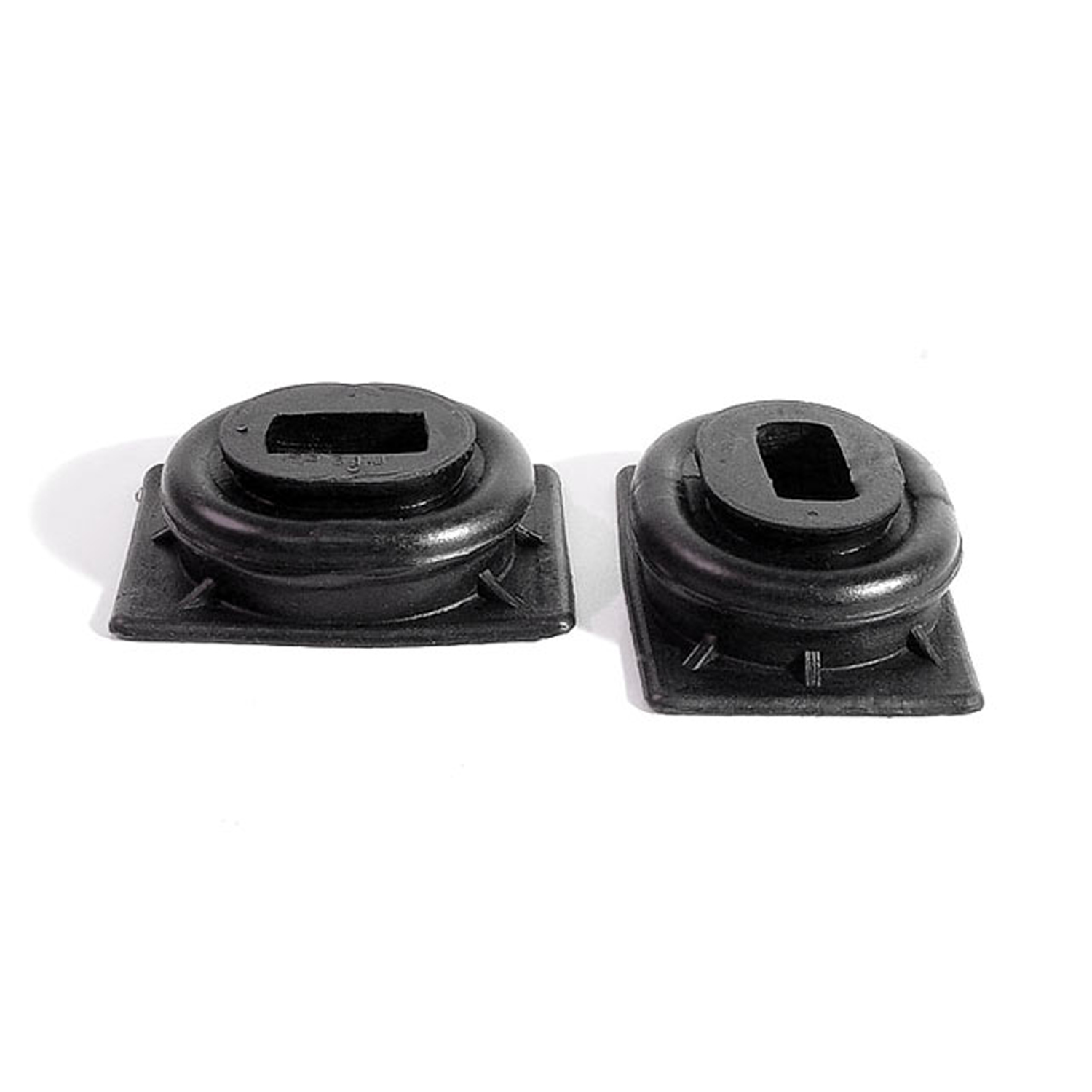 1936 Plymouth P2 Deluxe Clutch and Brake Seals. Replaces OEM #889473. Pair-RP 31-JClutch and Brake Seals. Replaces OEM #889473. Pair
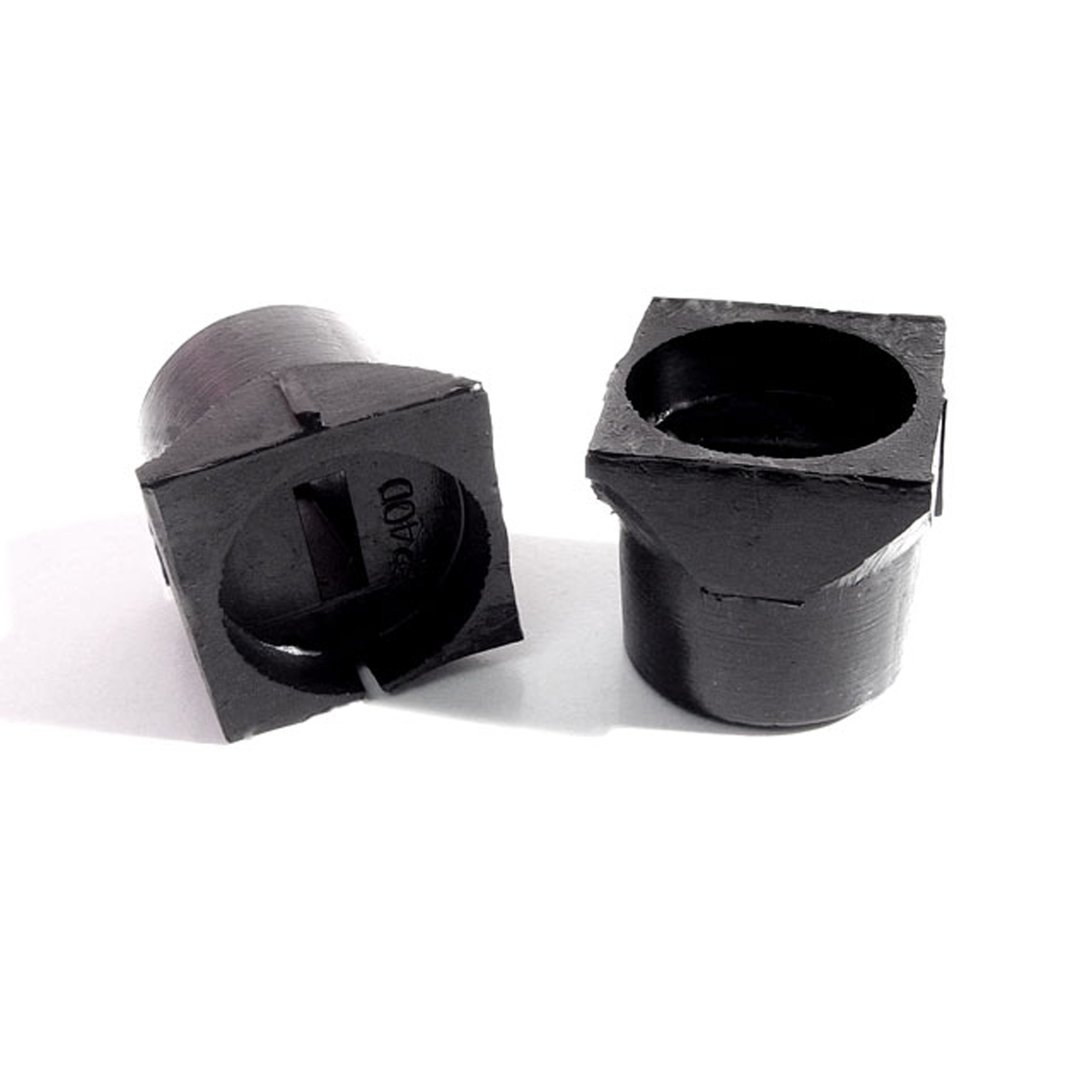 1936 Plymouth P2 Deluxe Door Check Rubber Cushion. Each-RP 40-DDoor Check Rubber Cushion. Each
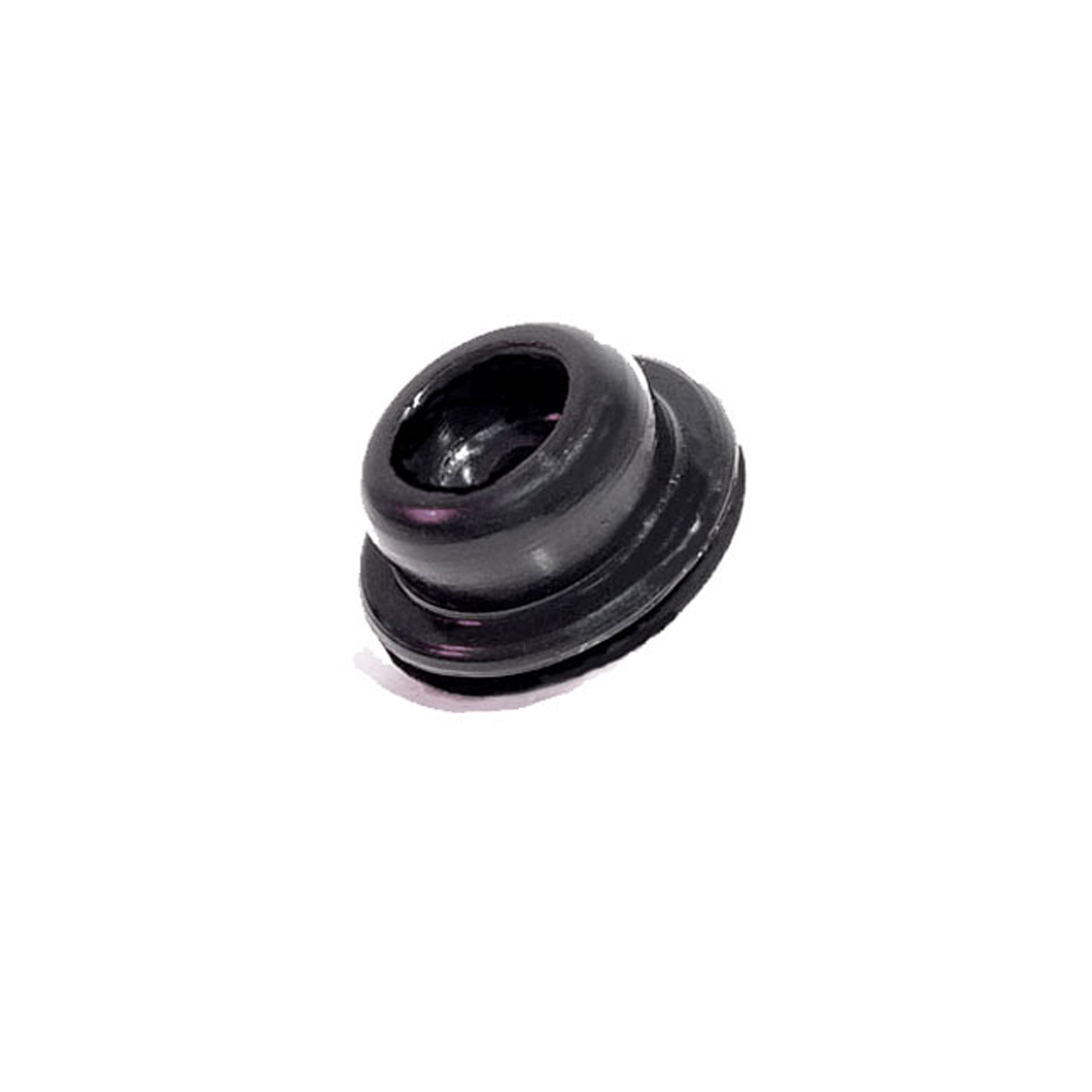 1936 Plymouth P2 Deluxe Accelerator Rod Grommet-SM 43-BAccelerator Rod Grommet. For accelerator rod through floorboard. Each
Why Choose Metro?
For over 100 years, Metro Moulded Parts has been the pinnacle of quality in classic car restoration parts. Our commitment to precision and authenticity in every component ensures a perfect fit and an OEM-level appearance.
- Expert Craftsmanship & Quality: Each part is a testament to our dedication to reliability and perfection, crafted from original designs and thoroughly tested.
- Advanced Technology: We use cutting-edge techniques to create flawless, long-lasting parts that surpass others in performance.
- SuperSoft Sponge – The Ultimate Door Seal: Not only are our door seals 30% softer than competitors', but they're also guaranteed to never leak. They effectively reduce wind and road noise, enhancing your classic car's comfort and driving experience.
- Proudly American: Our parts are a product of American craftsmanship, made in the USA with a spirit of excellence and heritage.
- Unrivaled Warranty: We back our products with a 30-year industry-leading warranty, a testament to our confidence in their quality.
Join us in preserving the legacy of classic cars with parts that are crafted for perfection, not just made.