

Image of 1937 Plymouth Business, Note: These illustrations use artistic license and may differ from actual historical models.
Performance Metrics
Fundamental Metrics
Emotional Appeal
MMP Rating
| Engine Specifications | |
|---|---|
| Engine: | Inline 6 |
| Displacement: | 201 cu in (3.3 L) |
| Horsepower: | 82 hp |
| Torque: | Estimated 130 lb-ft |
| Compression Ratio: | 6.7:1 |
| Ignition System: | Distributor and coil |
| Cooling System: | Liquid-cooled |
| Performance Specifications | |
| 0-60 Time: | Estimated 20 seconds |
| 1/4 Mile Time: | Not available |
| Top Speed: | 75 mph |
| Transmission and Drive | |
| Drive Type: | Rear-wheel drive |
| Transmission Type: | 3-speed manual |
| Fuel and Efficiency | |
| Fuel System Type: | Carburetor |
| MPG: | Estimated 15-20 mpg |
| Dimensions and Brakes | |
| Brakes: | Drum brakes |
| Wheelbase: | 113.0 in |
| Weight: | 2,785 lbs |
Note: Specifications for classic cars are given to the best of our ability, considering the limited and variant data available.
1937 Plymouth Business Coupe: The Salesman’s Streamlined Workhorse
The 1937 Plymouth Business Coupe turned a traveling salesman’s office into a tidy, steel-bodied car with real style. Built by the Chrysler Corporation’s Plymouth division, it paired an affordable price with a smooth six-cylinder engine and a useful, seat-free luggage area behind the front seats.
Plymouth had been created in 1928 as Chrysler’s answer to the growing market for dependable, lower-priced cars. By 1937, the make was a major player in that competitive field. The Business Coupe served a practical purpose: it gave sales representatives, tradespeople, and small-business owners room for sample cases and tools without the cost or bulk of a larger sedan.
One detail that still sets the model apart is that its businesslike layout was part of the appeal, not a stripped-down afterthought. The space behind the front seat could swallow the daily cargo of a working salesman, while the car remained comfortable and smart-looking enough for family use after hours.
Art Deco Lines and a Purposeful Cabin
Plymouth’s 1937 styling blended rounded prewar forms with the streamlined confidence of the late 1930s. The upright grille gave the front end a strong focal point, while flowing fenders, rounded body contours, and headlamps integrated with the front fenders softened the car’s profile. Bright trim added polish without making the coupe look overly ornate.
Inside, the Business Coupe favored durability and straightforward function. Upholstery materials and trim varied by series and specification, but cloth or broadcloth finishes were common in this class. The broad front bench seat, simple dashboard, and easy-to-read instruments kept the cabin welcoming and uncomplicated. The rear area was cargo space rather than a conventional passenger seat, making it particularly useful for business travel.
For its time, the car offered a practical mix of equipment and engineering. It used a six-cylinder engine, a conventional three-speed manual transmission, and hydraulic brakes. Features such as a heater, radio, clock, or upgraded trim could be ordered or fitted as accessories, depending on the car’s original specification. These conveniences were not universal, so surviving examples can differ considerably.
Factory paint choices varied by series and production details. Period colors included dark and lighter shades such as blue, green, maroon, gray, and black, although exact names and availability differed. Dark colors suit the coupe’s formal lines, while brighter hues show off its rounded fenders and chrome particularly well.
The Business Coupe was part of a broader Plymouth range that included two-door and four-door sedans, other coupe configurations, and convertible models. The precise body-style menu depended on series and market. The Business Coupe’s most recognizable feature was its two-door body and generous enclosed storage area behind the front seat, a layout designed around work rather than rear-seat passengers.
What Made the 1937 Plymouth Matter
The Business Coupe was not a radical experimental car, and that was precisely its strength. Plymouth made modern-looking, reasonably priced transportation for buyers who needed dependable service without stepping up to a more expensive Chrysler product. Its steel body, hydraulic brakes, and six-cylinder power reflected the steady progress of mainstream American engineering.
Its larger significance lies in how it represented the growing importance of specialized body styles. Automakers were tailoring cars to particular buyers and jobs, not simply offering one basic sedan in several trim levels. The Business Coupe gave commercial users a dedicated tool, while still delivering the comfort and appearance of a passenger car.
Plymouth’s broader success also helped Chrysler compete against Ford and Chevrolet in the high-volume market. The 1937 model year belonged to an era of intense competition, when styling, value, and practical features all mattered. The Business Coupe made that contest visible in a particularly focused form: a car built to earn its keep.
Six-Cylinder Pace and Prewar Road Manners
Most 1937 Plymouth Business Coupes used a 201-cubic-inch L-head inline-six, rated at about 82 horsepower, paired with a three-speed manual gearbox. Exact specifications can vary by series and source, but that engine gave the coupe enough power for ordinary highway travel and a full load of business luggage.
Performance figures should be treated as period-style estimates rather than modern test results. A sound, correctly tuned example may reach roughly 70 to 80 mph, while a 0-to-60-mph run is likely to take around 20 to 25 seconds. The car was built for steady progress, not quick acceleration. Its gearing, weight, and modest horsepower make it feel most at home when driven smoothly.
On a straight road, the Plymouth settles into an easy rhythm. The engine gives off a low, even six-cylinder note, and the manual gearbox asks the driver to make deliberate, unhurried shifts. Ride quality is compliant by the standards of its day, though rough pavement still makes its age clear. On winding roads, narrow tires, period steering, and substantial body movement call for anticipation rather than aggressive cornering.
In crosswinds, the tall body can be nudged around more than a modern car, and braking distances are longer than drivers are used to today. The best driving experience comes from leaving generous space, keeping speeds sensible, and treating the Plymouth as a vintage touring car rather than a modern commuter.
Living With a 1937 Plymouth
In its own time, the Business Coupe was a work vehicle, a personal car, and sometimes both. Today, owners most often use surviving examples for club tours, local shows, parades, and occasional fair-weather drives. Some are restored to factory-style condition, while others retain a lightly worn, working-car character that suits the model’s history.
The mechanical layout is relatively straightforward compared with a modern automobile. A knowledgeable owner or classic-car mechanic can service the engine, clutch, brakes, and electrical system without specialized diagnostic equipment. Parts availability is generally reasonable through vintage-car suppliers and enthusiast networks, though correct trim pieces, body panels, and rare accessories may take patience to find.
Age is the bigger challenge than complexity. Buyers should inspect the frame and body for rust, check the condition of the cooling system and wiring, and verify that the hydraulic brakes work properly. A car that has sat for years may need fuel-system attention, new hoses, tires, and a careful recommissioning before it is roadworthy. Regular maintenance and sensible use are key to reliability.
Small Details and Common Myths
The Business Coupe’s cargo area is its signature feature. With no normal rear seat, it could carry sample cases and work supplies out of sight, giving traveling salespeople a more secure and weatherproof alternative to piling goods into an open luggage rack.
There is no widely recognized production speed record or major racing achievement associated specifically with the 1937 Business Coupe. Its reputation was built on everyday usefulness and Plymouth’s mass-market reach, not competition. The model is also not generally known for a defining celebrity connection or a single famous historical appearance.
Production figures for the Business Coupe alone are difficult to pin down because published totals are often grouped by series or body style. Plymouth’s total production for 1937 is commonly reported at roughly 566,000 cars across its lineup. A reasonable, explicitly unofficial estimate for Business Coupe production is in the low tens of thousands, perhaps around 10,000 to 25,000. That estimate should not be mistaken for a factory-confirmed figure.
The most common criticisms are familiar to anyone who drives a prewar car: modest acceleration, heavy controls by modern standards, limited safety equipment, and a cabin that can become warm or noisy on long trips. Those are real limitations, but they are also part of the car’s period character. The Plymouth rewards a relaxed driving style and regular mechanical attention.
Collector Values and Availability
Values depend heavily on condition, originality, documentation, and the quality of any restoration. As a broad 2026 market guide, a project car might sell for about $5,000 to $12,000. A usable driver could fall around $12,000 to $25,000, while a very good or professionally restored example may bring roughly $25,000 to $40,000. Exceptional cars, especially those with high-quality restoration and strong provenance, can exceed that range.
These are estimates rather than a guaranteed appraisal. Regional demand, rust, mechanical condition, and whether the car retains correct parts can shift the price substantially. Business Coupes appear less often than common four-door sedans, but they are not so scarce that a determined buyer can never find one. Online listings and Plymouth clubs are useful places to watch, though the best examples may change hands privately.
Over the long term, well-presented prewar cars have generally held collector interest, but the market is selective. A sound, correctly restored coupe is more likely to remain desirable than a costly restoration with incorrect parts or hidden structural problems. Treat appreciation as a possible bonus, not the main reason to buy one.
A Working Car With Lasting Style
The 1937 Plymouth Business Coupe combined a useful cargo layout, approachable six-cylinder power, and handsome prewar styling in a package made for people who put their cars to work. It was not a performance machine or a technological showpiece. Its achievement was more practical: bringing comfort, durability, and purpose-built utility to a broad market.
More than eight decades later, its rounded fenders and salesman-ready interior tell a vivid story about American business on the road. The 1937 Plymouth Business Coupe is a reminder that a working car can become a classic when function and character arrive in the same package.
1937 Plymouth Business Catalog of Parts
 1937 Plymouth BUSINESS Front and Rear Bumper Arm Grommets-BG 57Front and Rear Bumper Arm Grommets. 5" wide X 3-5/8" long, with 1-3/16" long inner slot. Pair
 1937 Plymouth BUSINESS Front Bumper Arm Grommets. Hollow construction-BG 94Front Bumper Arm Grommets. Hollow construction. 2-3/4" wide X 4-1/4" long, with 1-7/8" long inner slot. Pair
 1937 Plymouth BUSINESS Rear Bumper Arm Grommets. Hollow construction-BG 95Rear Bumper Arm Grommets. Hollow construction. Perfect reproduction. 4-1/4" wide X 4-1/2" long, with 1/2" wide inner slot. Pair
 1937 Plymouth BUSINESS Cowl Seals. 2 pieces - 11" long, 2 pieces 6-3/4" long-CS 18Cowl Seals. 2 pieces - 11" long, 2 pieces 6-3/4" long. 4-Piece Set
 1937 Plymouth BUSINESS Door Jamb Bumper. Perfect reproduction-DB 36Door Jamb Bumper. Perfect reproduction. 1-1/16" high X 1-1/4" wide X 7/16" thick. Each
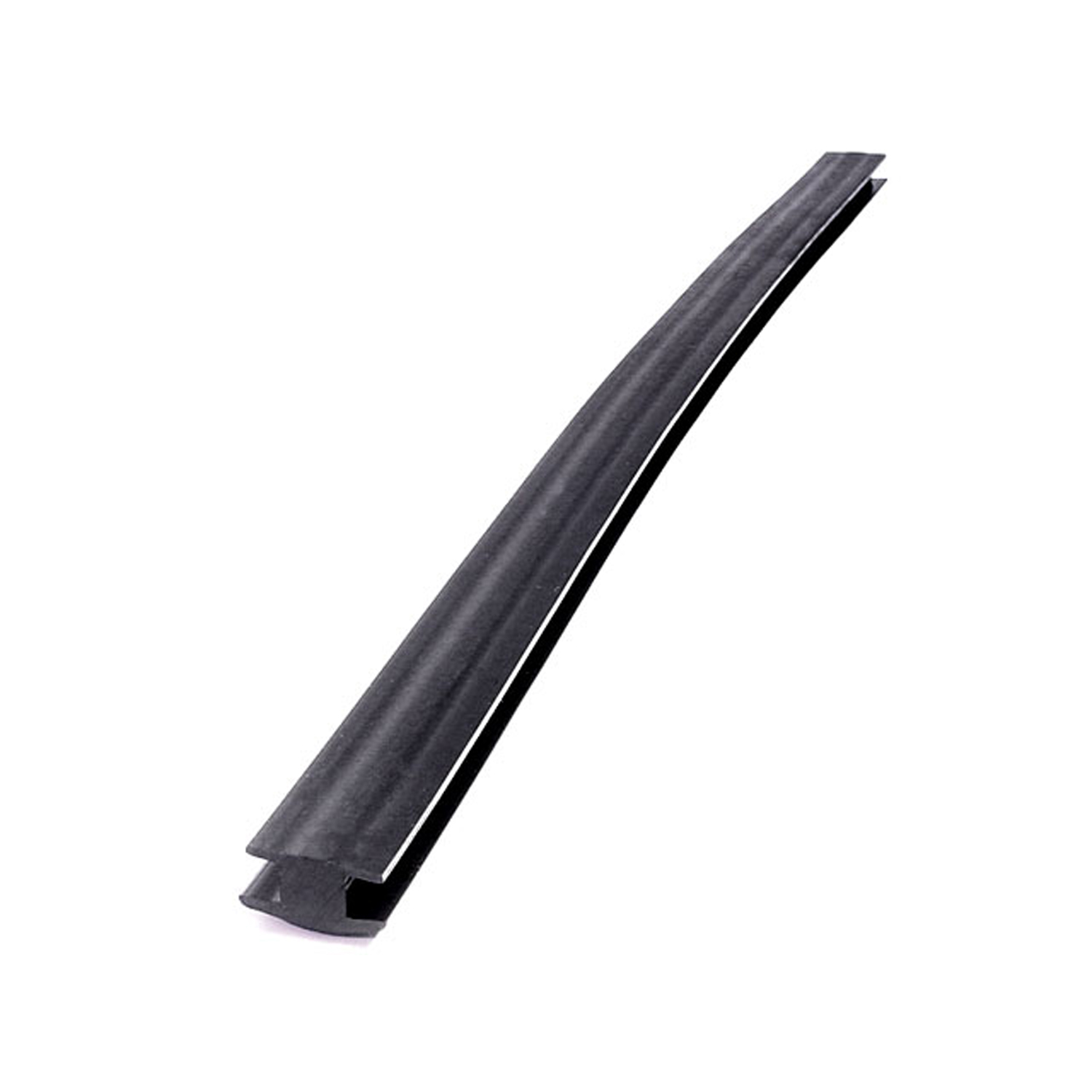 1937 Plymouth BUSINESS Windshield Center Bar Gasket. 20" long. Each-DP 12Windshield Center Bar Gasket. 20" long. Each
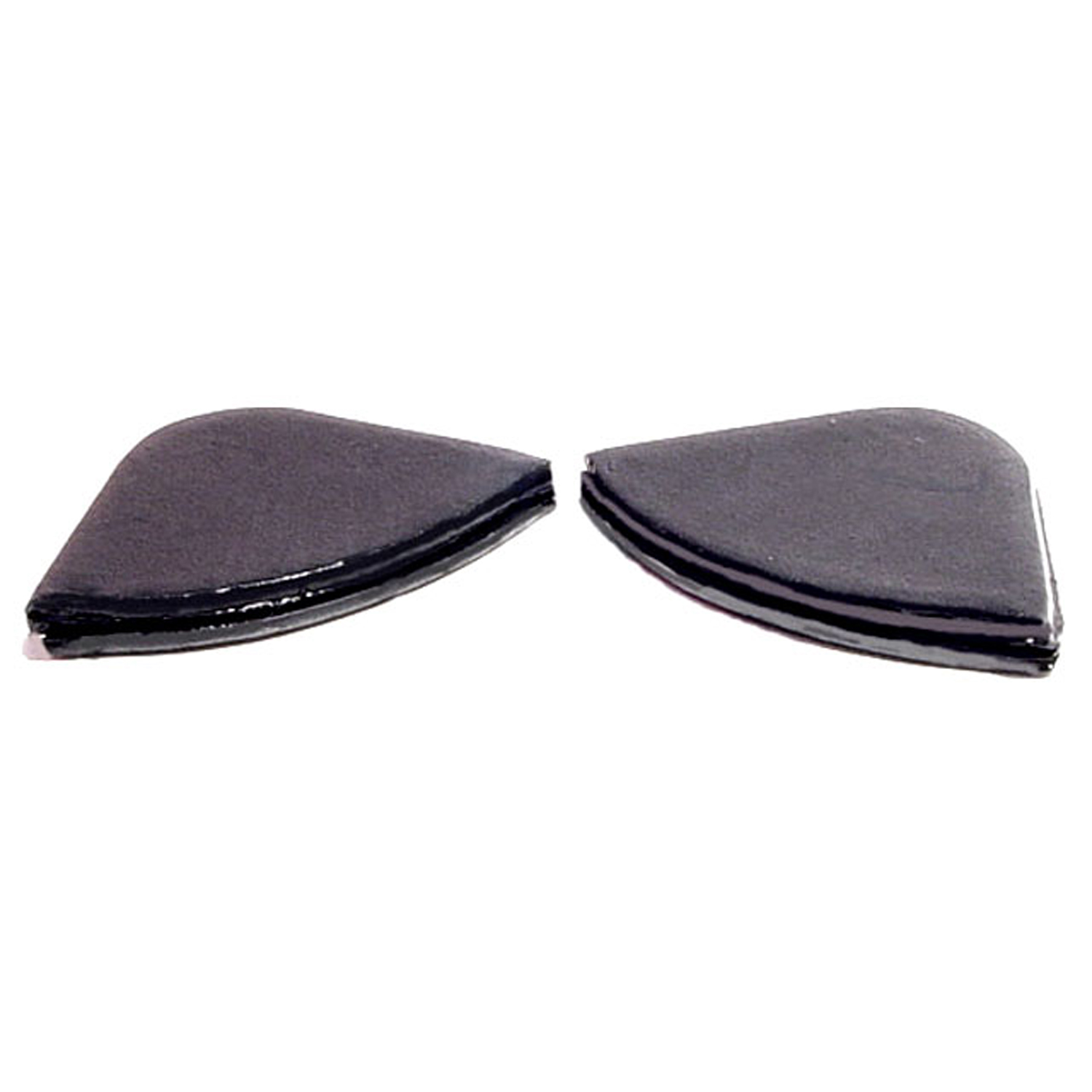 1937 Plymouth BUSINESS Hood Corners. Fits flat corners-HC 19Hood Corners. Fits flat corners. 80° angle, 1/4" to 3/8" corner radius. 1-3/8" wide. Pair
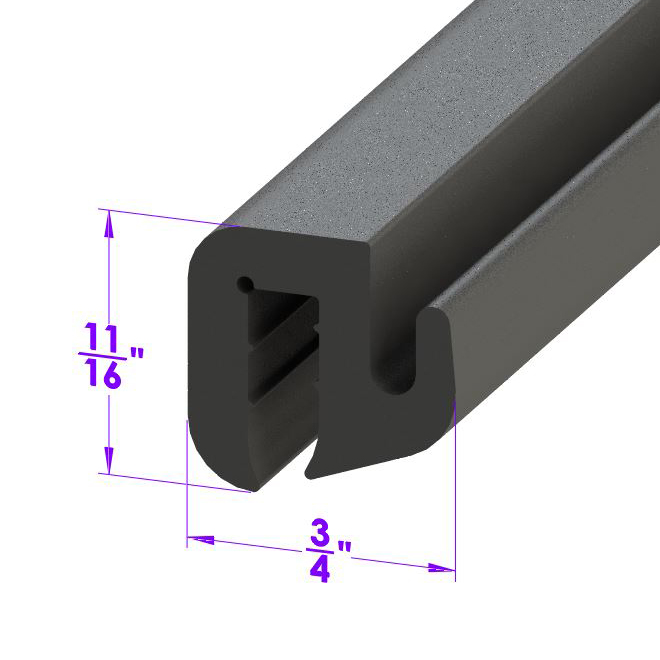 1937 Plymouth BUSINESS Windshield and Rear Window Seal. Sold by the foot-LP 30-AWindshield and Rear Window Seal. Sold by the foot
 1937 Plymouth BUSINESS Trunk Lock Pad. 2-3/8" wide X 5-3/4" long. Each-MP 940-ATrunk Lock Pad. 2-3/8" wide X 5-3/4" long. Each
 1937 Plymouth BUSINESS Tail-light Pads. 2-1/8" wide X 4-3/8" long. Pair-MP 943Tail-light Pads. 2-1/8" wide X 4-3/8" long. Pair
 1937 Plymouth BUSINESS License Pad. 5-1/2" wide X 4-1/8" long. Each-MP 944License Pad. 5-1/2" wide X 4-1/8" long. Each
 1937 Plymouth BUSINESS License Bracket Pad. 5-3/8" wide X 5-3/8" long. Each-MP 945License Bracket Pad. 5-3/8" wide X 5-3/8" long. Each
 1937 Plymouth BUSINESS Headlight Cowl Pads. 4" wide X 11-1/2" long. Pair-MP 946Headlight Cowl Pads. 4" wide X 11-1/2" long. Pair
 1937 Plymouth BUSINESS Headlight pads. Thick base. 3-5/8 in. wide x 5-1/2 in. long-MP 946-BHeadlight pads. Thick base. 3-5/8 in. wide x 5-1/2 in. long. Pair. R&L.
 1937 Plymouth BUSINESS Emblem Pad. 7-1/2" wide X 2-7/8" long. Each-MP 946-CEmblem Pad. 7-1/2" wide X 2-7/8" long. Each
 1937 Plymouth BUSINESS Door Handle Pads. 1-1/4" wide X 2-7/8" long. Pair-MP 946-DDoor Handle Pads. 1-1/4" wide X 2-7/8" long. Pair
 1937 Plymouth BUSINESS Rumble Seat Step-Plate Bracket Pad-MP 948-ARumble Seat Step-Plate Bracket Pad. 2-3/8" wide X 4-1/2" long. Each
 1937 Plymouth BUSINESS Side Wing Window Pads. 5-3/4" X 4-1/2". Pair-MP 948-BSide Wing Window Pads. 5-3/4" X 4-1/2". Pair
 1937 Plymouth BUSINESS Trunk Hinge Pads. 1-1/2" wide X 8-1/2" long. Set of 4-MP 957Trunk Hinge Pads. 1-1/2" wide X 8-1/2" long. Set of 4
 1937 Plymouth BUSINESS Headlight Cowl Pads. 3-3/4" wide X 10-5/8" long. Pair R&L-MP 958Headlight Cowl Pads. 3-3/4" wide X 10-5/8" long. Pair R&L
 1937 Plymouth BUSINESS License Bracket Pad. 5-3/8" wide X 4-7/8" long. Each-MP 959License Bracket Pad. 5-3/8" wide X 4-7/8" long. Each
 1937 Plymouth BUSINESS Cowl Vent Seal. Made of molded sponge-RP 100-LCowl Vent Seal. Made of molded sponge. 3-3/4" wide at side X 15-1/3" long X 3/8" thick. Each
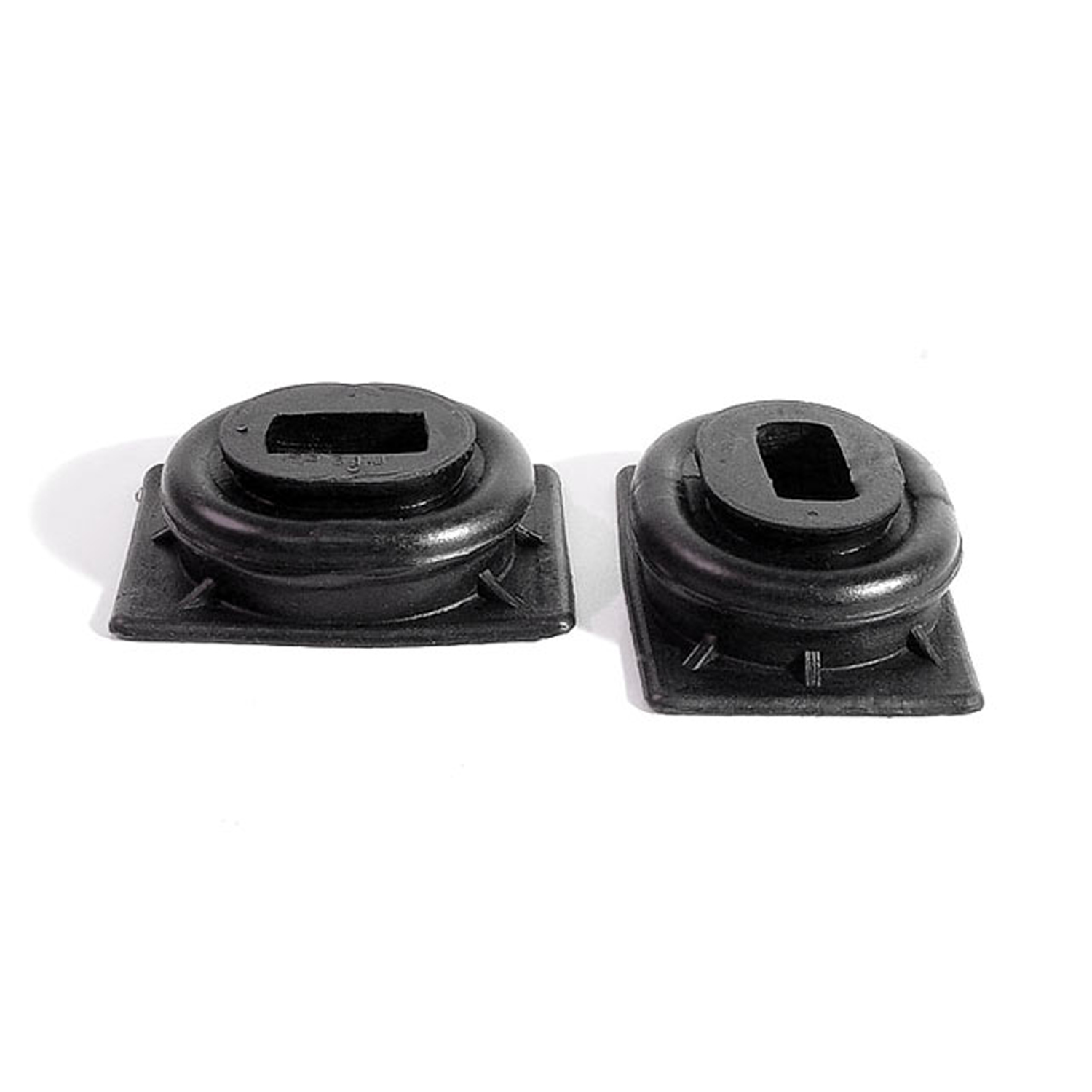 1937 Plymouth BUSINESS Clutch and Brake Seals. Replaces OEM #889473. Pair-RP 31-JClutch and Brake Seals. Replaces OEM #889473. Pair
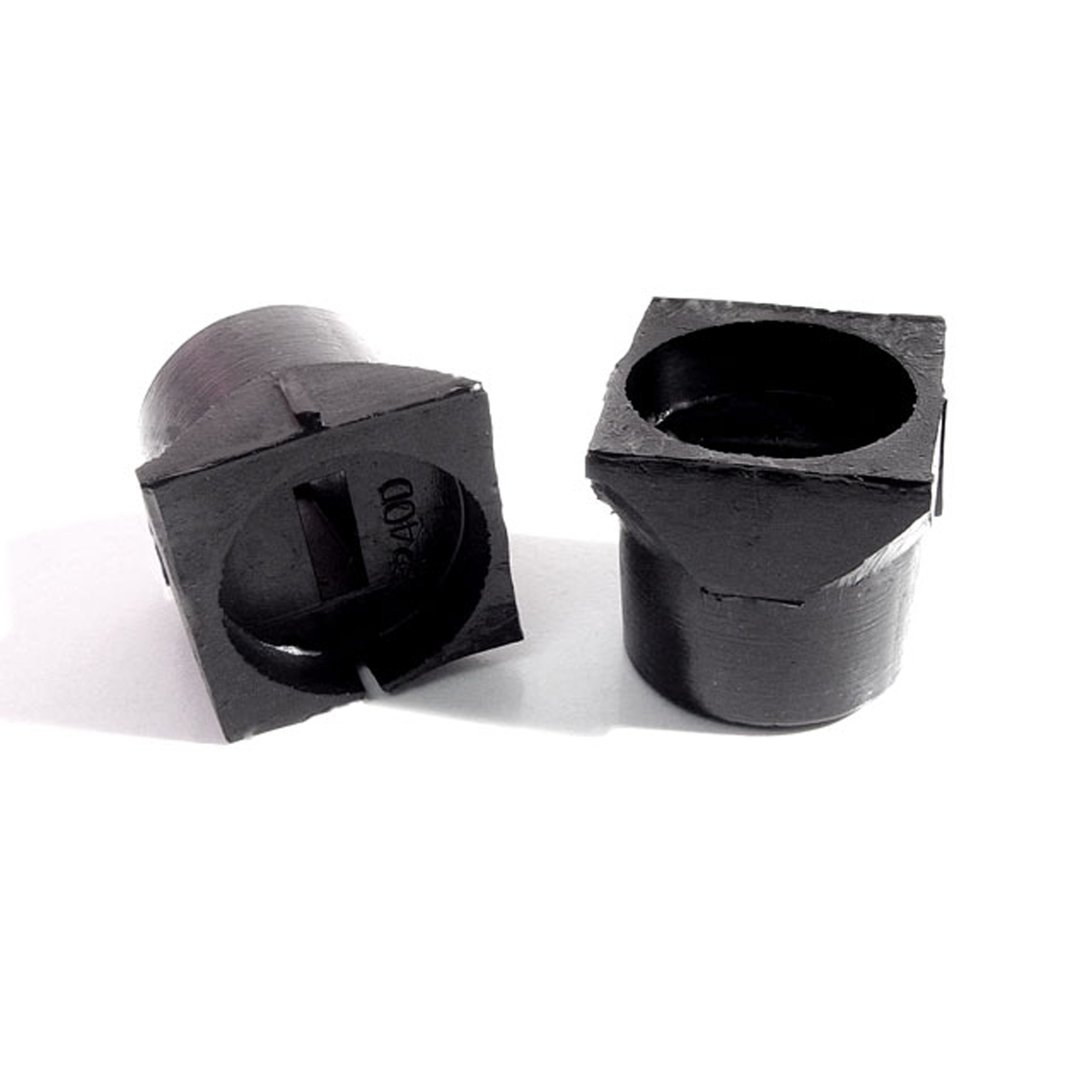 1937 Plymouth BUSINESS Door Check Rubber Cushion. Each-RP 40-DDoor Check Rubber Cushion. Each
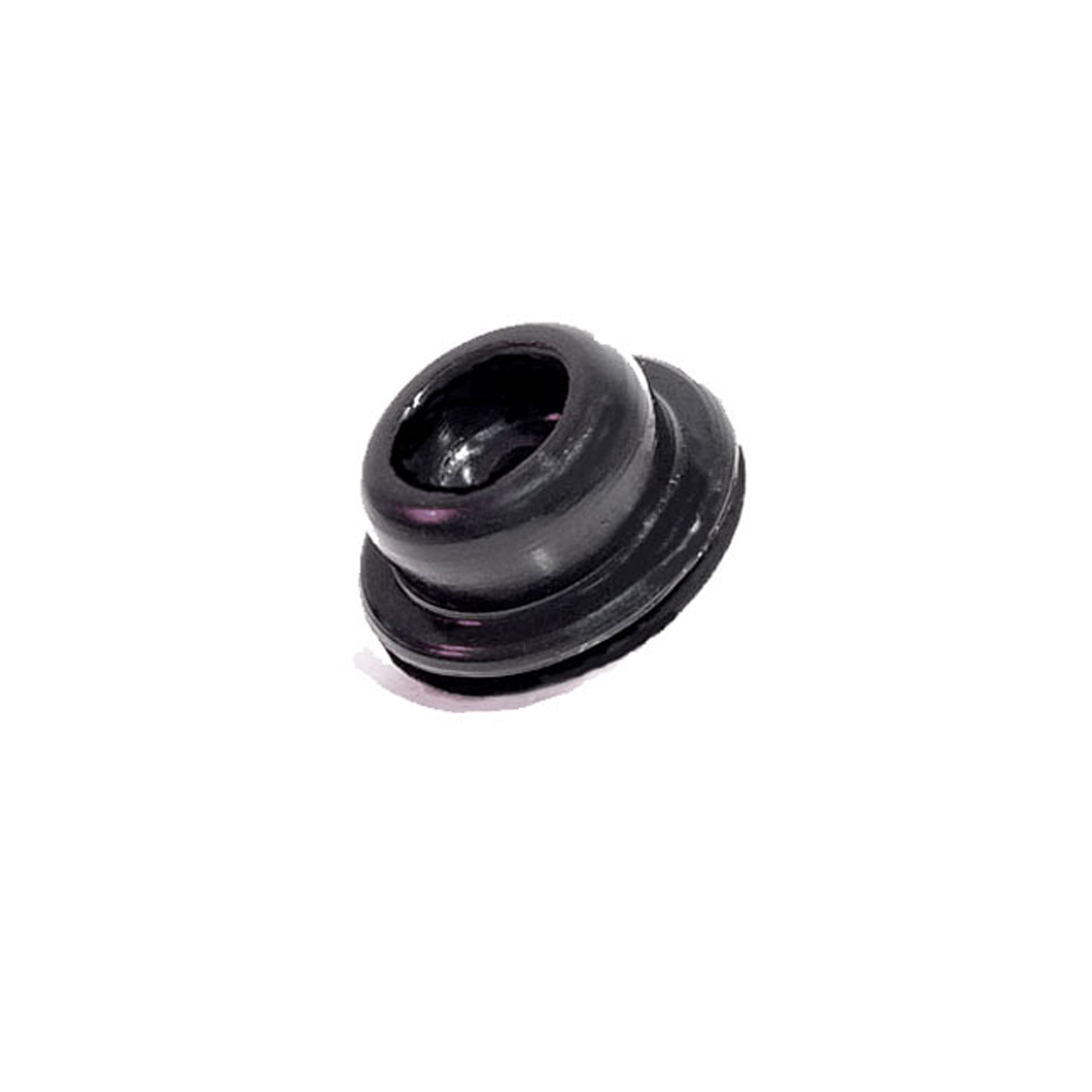 1937 Plymouth BUSINESS Accelerator Rod Grommet-SM 43-BAccelerator Rod Grommet. For accelerator rod through floorboard. Each
 1937 Plymouth BUSINESS Vent Window Seal. Pair-WR 2300Vent Window Seal. Pair
 1937 Plymouth BUSINESS Rear Vent Window Seals, for Sedans-WR 2300-RRear Vent Window Seals, for Sedans. Slight modification required for some models. Overall length is 44". Some models use longer seal, for these use extension piece WREX 2300-R. Pair R&L
 1937 Plymouth BUSINESS Rear Vent Window Seals Extension Piece, for Sedans-WREX 2300-RRear Vent Window Seals Extension Piece, for Sedans. Butting of parts is required. 24" long. Replaces OEM #744128-9, 790216-7 & 847090-1. Pair
Why Choose Metro?
For over 100 years, Metro Moulded Parts has been the pinnacle of quality in classic car restoration parts. Our commitment to precision and authenticity in every component ensures a perfect fit and an OEM-level appearance.
- Expert Craftsmanship & Quality: Each part is a testament to our dedication to reliability and perfection, crafted from original designs and thoroughly tested.
- Advanced Technology: We use cutting-edge techniques to create flawless, long-lasting parts that surpass others in performance.
- SuperSoft Sponge – The Ultimate Door Seal: Not only are our door seals 30% softer than competitors', but they're also guaranteed to never leak. They effectively reduce wind and road noise, enhancing your classic car's comfort and driving experience.
- Proudly American: Our parts are a product of American craftsmanship, made in the USA with a spirit of excellence and heritage.
- Unrivaled Warranty: We back our products with a 30-year industry-leading warranty, a testament to our confidence in their quality.
Join us in preserving the legacy of classic cars with parts that are crafted for perfection, not just made.