

Image of 1937 Plymouth Deluxe, Note: These illustrations use artistic license and may differ from actual historical models.
Performance Metrics
Fundamental Metrics
Emotional Appeal
MMP Rating
| Engine Specifications | |
|---|---|
| Engine: | Inline 6 |
| Displacement: | 201 cu in (3.3 L) |
| Horsepower: | Estimated 82 hp |
| Torque: | Not available |
| Compression Ratio: | Not available |
| Ignition System: | Battery and coil |
| Cooling System: | Liquid-cooled |
| Performance Specifications | |
| 0-60 Time: | Not available |
| 1/4 Mile Time: | Not available |
| Top Speed: | 75 mph |
| Transmission and Drive | |
| Drive Type: | Rear-wheel drive |
| Transmission Type: | 3-speed manual |
| Fuel and Efficiency | |
| Fuel System Type: | Carburetor |
| MPG: | Not available |
| Dimensions and Brakes | |
| Brakes: | Drum brakes |
| Wheelbase: | 113 in (2,870 mm) |
| Weight: | 2,785 lbs |
Note: Specifications for classic cars are given to the best of our ability, considering the limited and variant data available.
1937 Plymouth Deluxe: A Big-Car Feel at a Sensible Price
The 1937 Plymouth Deluxe brought generous space, handsome styling, and practical engineering to buyers who wanted more than the bare essentials without paying luxury-car prices. Built by the Chrysler Corporation, it belonged to Plymouth’s popular mid-priced lineup and helped establish the marque as a serious rival to Ford and Chevrolet during the years when American families were beginning to return to the car market after the Great Depression.
One appealing detail is that the Deluxe was not simply a stripped-down economy car. It offered comfort and equipment that made it suitable for family travel, while its sturdy construction and straightforward mechanicals made it a sensible choice for owners who expected to keep a car for years. Plymouth’s broader success in 1937 was notable too: the brand produced roughly 566,000 cars that year, although an exact production breakdown for Deluxe models and individual body styles is difficult to pin down.
Streamlined Style and a Welcoming Cabin
The 1937 Plymouth Deluxe wore a more rounded, streamlined look than the upright cars of the early 1930s. Its tall, gently tapered grille gave the nose a confident face, while sweeping front fenders flowed around the headlamps and into the body. Chrome accents added sparkle without overwhelming the design. From the side, the gently curved roofline and flowing fender contours gave the car a sense of motion even when it was parked.
Inside, the Deluxe emphasized space and practicality. A broad bench seat, upright seating position, and large windows made it comfortable and easy to see out of. Upholstery and trim varied with body style and equipment, but buyers could expect durable cloth materials, a painted or finished metal dashboard, and a simple, legible instrument layout. This was not a hand-built luxury interior, but it was thoughtfully arranged for everyday use.
Period paint choices varied by model year and body style. Buyers could choose from a selection of solid finishes, often in dark, restrained shades such as black, blue, green, maroon, or gray, with some brighter colors also available. The exact palette depended on factory ordering and market, but deep blues and greens suit the car’s rounded lines particularly well today.
Body Styles and Period Equipment
The Deluxe range was offered in several body styles, including two-door coupes and four-door sedans. Convertible and station-wagon versions were also available in the wider Plymouth range, though they were far less common than the closed cars. The four-door sedan is the most familiar and practical choice, while a coupe has a sportier profile and open cars are especially desirable among collectors.
Under the skin, Plymouth’s formula was modern for a mass-market car. The Deluxe used hydraulic brakes, a three-speed manual transmission, and an inline flathead six-cylinder engine. Its all-steel body construction reflected the industry’s move away from wood-framed body structures. The result was a car with a solid, reassuring feel and fewer structural concerns than earlier mixed-material designs.
Why the 1937 Deluxe Mattered
The Deluxe’s significance lies in how effectively it brought comfort and contemporary engineering to the mainstream. Plymouth competed in a fiercely contested market, and its combination of roominess, equipment, and sensible pricing helped distinguish it from basic transportation. Rather than relying on a single radical invention, the car demonstrated the value of steady improvements: better body construction, hydraulic braking, useful cabin space, and styling that looked current without being extravagant.
That approach became a lasting part of Plymouth’s identity. The 1937 Deluxe was not a groundbreaking sports car or a luxury flagship, but it helped make dependable, well-equipped motoring accessible to a broad audience. Its conservatism is part of its appeal: the design feels like a confident expression of late-1930s American carmaking rather than an experiment that quickly dated.
Flathead Six Performance and Road Manners
Power came from a 201-cubic-inch flathead inline-six, rated at approximately 82 horsepower, paired with a three-speed manual gearbox. Exact specifications can vary by configuration and reference source. A healthy, correctly tuned example was capable of roughly 70 to 75 mph, with some cars reaching higher speeds under favorable conditions. Acceleration was leisurely by modern standards: a 0-to-60-mph run likely took around 25 to 30 seconds, depending on condition, gearing, load, and road surface.
The Plymouth’s character is relaxed rather than quick. The six-cylinder engine produces a steady, low-pitched hum, and the driver works a conventional floor-mounted gear lever to make the most of its modest power. Steering is unassisted, so parking takes muscle, while the car’s long wheelbase and period suspension favor comfort over sharp cornering. It can feel composed on ordinary roads, but narrow tires, a high center of gravity, and vintage suspension call for measured speeds on winding routes.
On rough pavement, the suspension softens smaller bumps, though large potholes and broken surfaces make the car’s age apparent. In crosswinds, its upright body and light steering require attention. The driving experience is best enjoyed at a calm touring pace, with room to anticipate stops and turns. Hydraulic brakes were a significant convenience for the era, but a present-day owner should never assume that decades-old brake components are safe without inspection and service.
Living With a 1937 Plymouth
Today, the Deluxe is most often used as a show car, weekend cruiser, parade vehicle, or vintage-tour participant. A well-maintained car can cover local roads comfortably, but it is not an ideal modern daily driver. It lacks contemporary crash protection, climate control, high-speed stability, and the ability to keep pace with present-day traffic in every situation.
Mechanical repairs are generally approachable for an experienced home mechanic. The flathead six is relatively straightforward, and many routine jobs do not require specialized electronic diagnostic equipment. Parts support is available through classic-car suppliers and enthusiast networks, though some trim pieces, body parts, and model-specific components can take time to locate. Before buying, inspect the frame and body for rust, check the cooling system and engine condition, and give particular attention to the brakes, tires, fuel system, and electrical wiring.
1937 Plymouth Trivia and Common Criticisms
The Deluxe’s appeal comes from its everyday-car roots rather than a famous racing victory or a single celebrity owner. Plymouth sold cars in substantial numbers in 1937, but production figures for each Deluxe body style are not consistently available. A reasonable estimate is that hundreds of thousands of Plymouths were built across the year’s lineup, with sedans making up a significant share. That does not mean well-preserved examples are common today: decades of use, weather, and scrapping took a heavy toll.
There is no widely recognized speed or endurance record that defines the 1937 Deluxe. Its historical story is more representative than spectacular. Cars like it served families, businesses, and communities through the late 1930s and into the wartime years. Common criticisms are its modest acceleration, heavy manual steering, basic cabin amenities, and the effort required to keep an aging example reliable. Those limitations are part of the period experience, but they matter when choosing a car for regular use.
Collector Values and Availability
Values depend heavily on body style, originality, mechanical condition, and the quality of restoration. As a broad U.S. market guide, a project or incomplete sedan might sell for roughly $5,000 to $12,000. A usable driver or presentable older restoration commonly falls around $12,000 to $25,000, while a high-quality restored sedan may reach approximately $25,000 to $35,000. Convertibles and rare wagon configurations can command substantially more, sometimes reaching $40,000 to $70,000 or beyond when condition and documentation are exceptional. These are estimates, not guaranteed sale prices, and local markets vary.
Four-door sedans are usually the easiest versions to find. Convertibles, wagons, and especially well-preserved or correctly restored examples appear less often and attract a narrower but enthusiastic group of buyers. Prices for sound, desirable cars have generally held up better than those for rough projects, though the market is selective. Clean, documented examples are more likely to appreciate gradually than cars needing major body or mechanical work. A careful inspection and comparison with recent sales are essential before making an offer.
The Enduring Appeal of the 1937 Plymouth Deluxe
The 1937 Plymouth Deluxe combines streamlined prewar styling, practical engineering, and an easygoing six-cylinder character in a package built for ordinary American life. It is not fast or lavish, but it offers a vivid connection to an era when manufacturers were refining the modern family car one thoughtful improvement at a time. For collectors who value usability and history over sheer horsepower, the Deluxe remains a handsome reminder that an everyday car can become a classic.
1937 Plymouth Deluxe Catalog of Parts
 1937 Plymouth Deluxe Front and Rear Bumper Arm Grommets-BG 57Front and Rear Bumper Arm Grommets. 5" wide X 3-5/8" long, with 1-3/16" long inner slot. Pair
 1937 Plymouth Deluxe Front Bumper Arm Grommets. Hollow construction-BG 94Front Bumper Arm Grommets. Hollow construction. 2-3/4" wide X 4-1/4" long, with 1-7/8" long inner slot. Pair
 1937 Plymouth Deluxe Rear Bumper Arm Grommets. Hollow construction-BG 95Rear Bumper Arm Grommets. Hollow construction. Perfect reproduction. 4-1/4" wide X 4-1/2" long, with 1/2" wide inner slot. Pair
 1937 Plymouth Deluxe Cowl Seals. 2 pieces - 11" long, 2 pieces 6-3/4" long-CS 18Cowl Seals. 2 pieces - 11" long, 2 pieces 6-3/4" long. 4-Piece Set
 1937 Plymouth Deluxe Door Jamb Bumper. Perfect reproduction-DB 36Door Jamb Bumper. Perfect reproduction. 1-1/16" high X 1-1/4" wide X 7/16" thick. Each
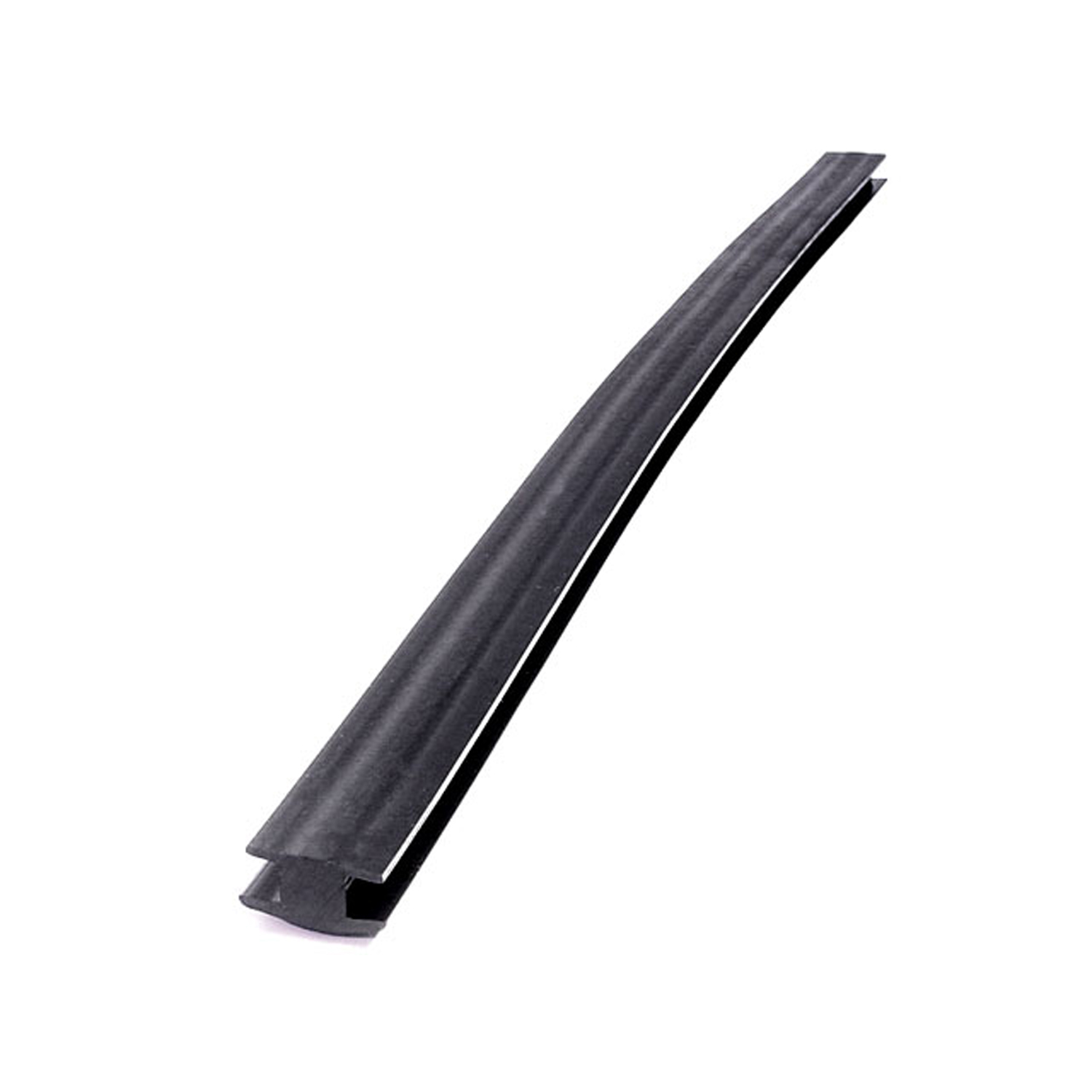 1937 Plymouth Deluxe Windshield Center Bar Gasket. 20" long. Each-DP 12Windshield Center Bar Gasket. 20" long. Each
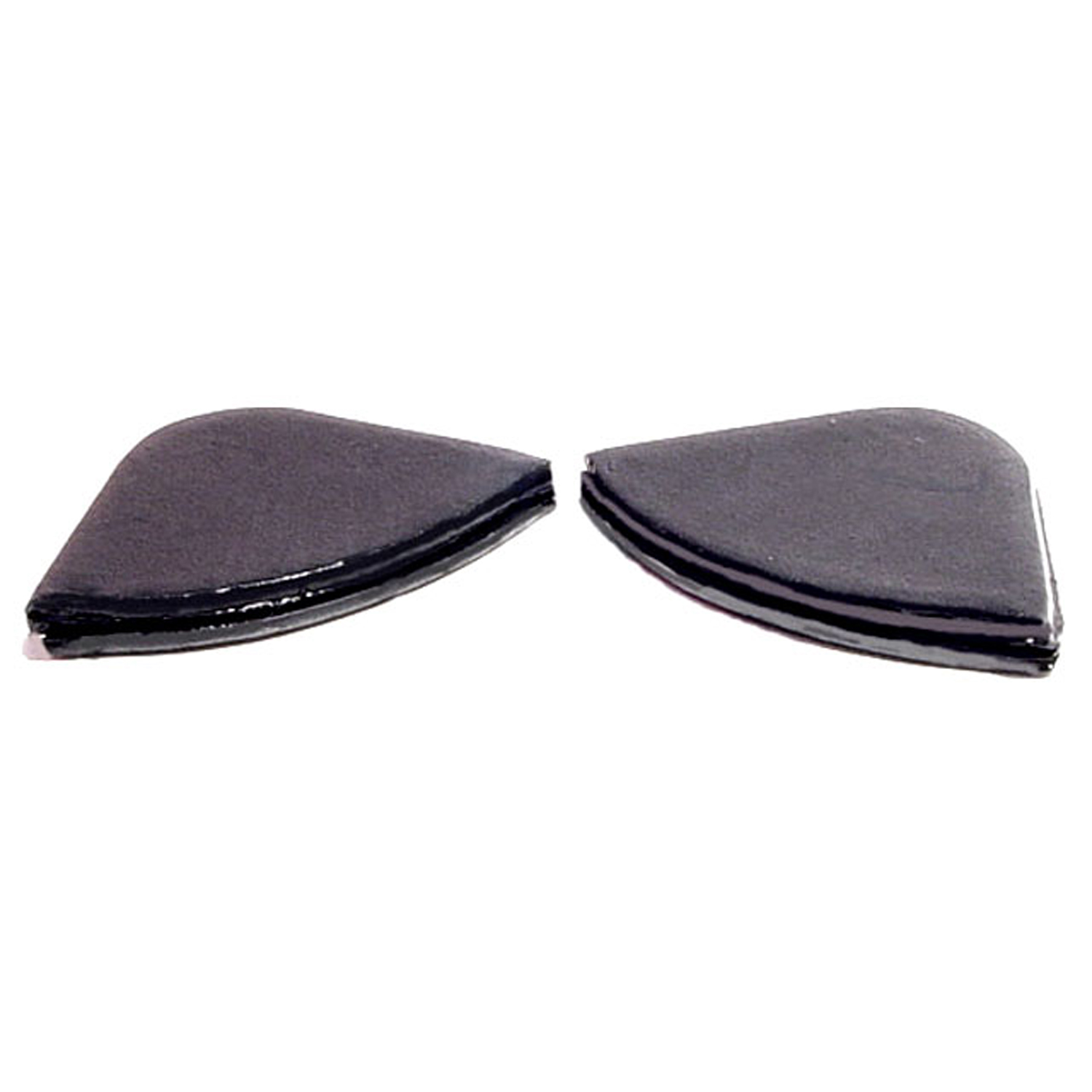 1937 Plymouth Deluxe Hood Corners. Fits flat corners-HC 19Hood Corners. Fits flat corners. 80° angle, 1/4" to 3/8" corner radius. 1-3/8" wide. Pair
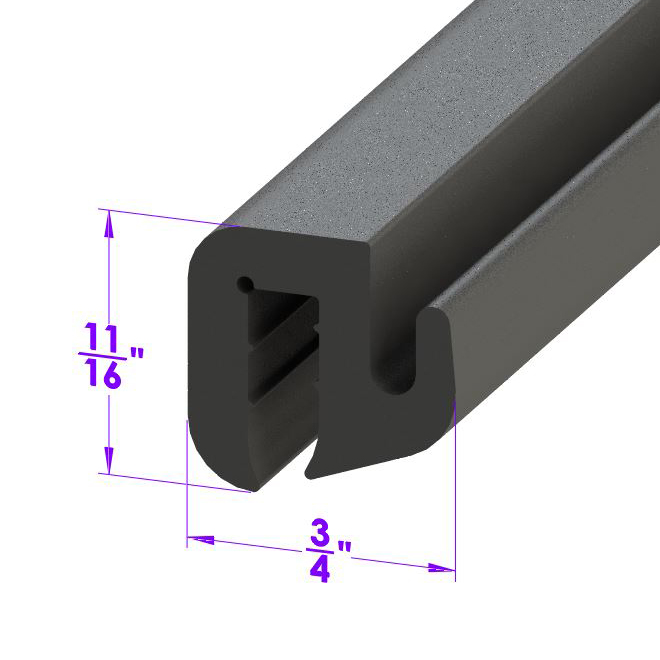 1937 Plymouth Deluxe Windshield and Rear Window Seal. Sold by the foot-LP 30-AWindshield and Rear Window Seal. Sold by the foot
 1937 Plymouth Deluxe Trunk Lock Pad. 2-3/8" wide X 5-3/4" long. Each-MP 940-ATrunk Lock Pad. 2-3/8" wide X 5-3/4" long. Each
 1937 Plymouth Deluxe Tail-light Pads. 2-1/8" wide X 4-3/8" long. Pair-MP 943Tail-light Pads. 2-1/8" wide X 4-3/8" long. Pair
 1937 Plymouth Deluxe License Pad. 5-1/2" wide X 4-1/8" long. Each-MP 944License Pad. 5-1/2" wide X 4-1/8" long. Each
 1937 Plymouth Deluxe License Bracket Pad. 5-3/8" wide X 5-3/8" long. Each-MP 945License Bracket Pad. 5-3/8" wide X 5-3/8" long. Each
 1937 Plymouth Deluxe Headlight Cowl Pads. 4" wide X 11-1/2" long. Pair-MP 946Headlight Cowl Pads. 4" wide X 11-1/2" long. Pair
 1937 Plymouth Deluxe Headlight pads. Thick base. 3-5/8 in. wide x 5-1/2 in. long-MP 946-BHeadlight pads. Thick base. 3-5/8 in. wide x 5-1/2 in. long. Pair. R&L.
 1937 Plymouth Deluxe Emblem Pad. 7-1/2" wide X 2-7/8" long. Each-MP 946-CEmblem Pad. 7-1/2" wide X 2-7/8" long. Each
 1937 Plymouth Deluxe Door Handle Pads. 1-1/4" wide X 2-7/8" long. Pair-MP 946-DDoor Handle Pads. 1-1/4" wide X 2-7/8" long. Pair
 1937 Plymouth Deluxe Rumble Seat Step-Plate Bracket Pad-MP 948-ARumble Seat Step-Plate Bracket Pad. 2-3/8" wide X 4-1/2" long. Each
 1937 Plymouth Deluxe Side Wing Window Pads. 5-3/4" X 4-1/2". Pair-MP 948-BSide Wing Window Pads. 5-3/4" X 4-1/2". Pair
 1937 Plymouth Deluxe Trunk Hinge Pads. 1-1/2" wide X 8-1/2" long. Set of 4-MP 957Trunk Hinge Pads. 1-1/2" wide X 8-1/2" long. Set of 4
 1937 Plymouth Deluxe Headlight Cowl Pads. 3-3/4" wide X 10-5/8" long. Pair R&L-MP 958Headlight Cowl Pads. 3-3/4" wide X 10-5/8" long. Pair R&L
 1937 Plymouth Deluxe License Bracket Pad. 5-3/8" wide X 4-7/8" long. Each-MP 959License Bracket Pad. 5-3/8" wide X 4-7/8" long. Each
 1937 Plymouth Deluxe Cowl Vent Seal. Made of molded sponge-RP 100-LCowl Vent Seal. Made of molded sponge. 3-3/4" wide at side X 15-1/3" long X 3/8" thick. Each
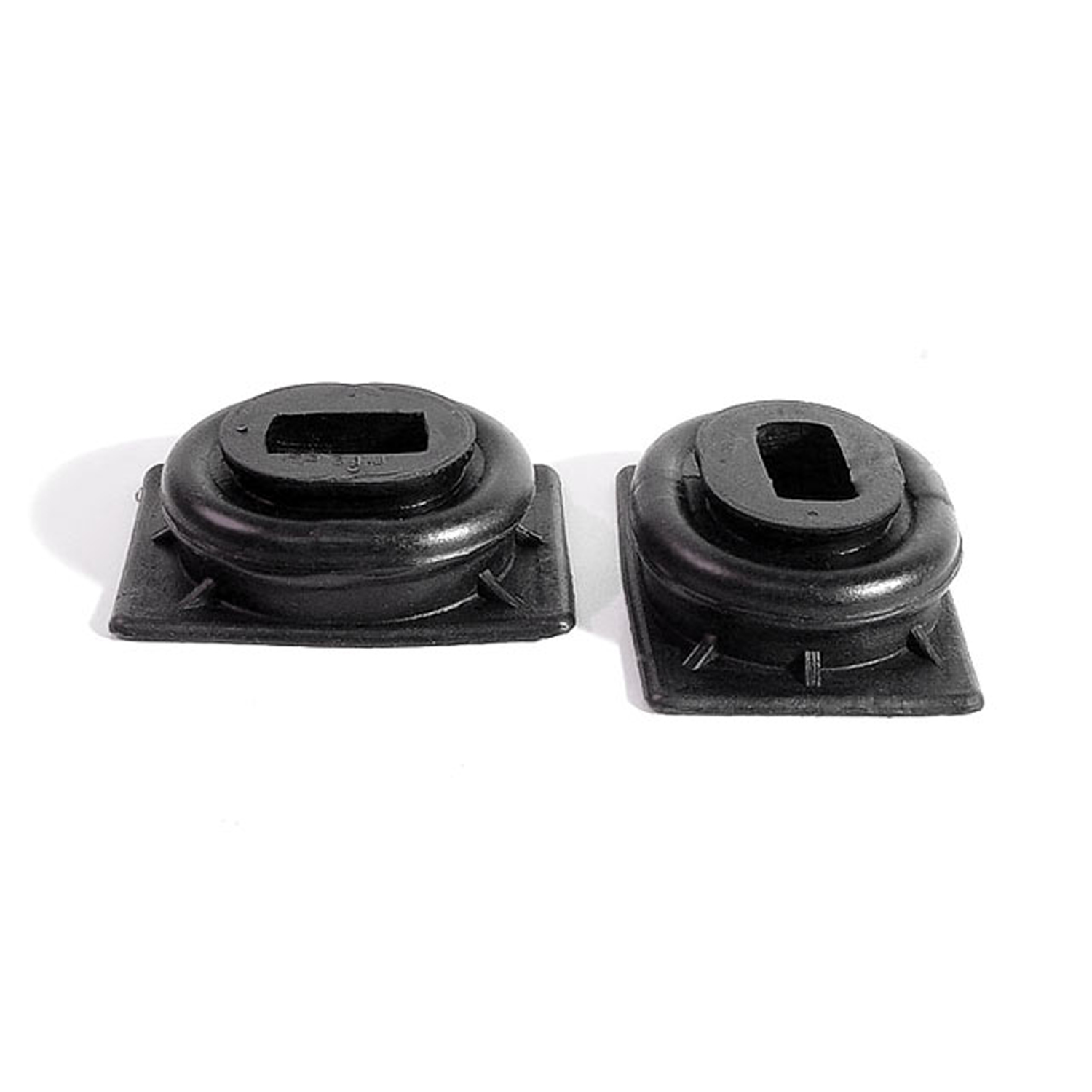 1937 Plymouth Deluxe Clutch and Brake Seals. Replaces OEM #889473. Pair-RP 31-JClutch and Brake Seals. Replaces OEM #889473. Pair
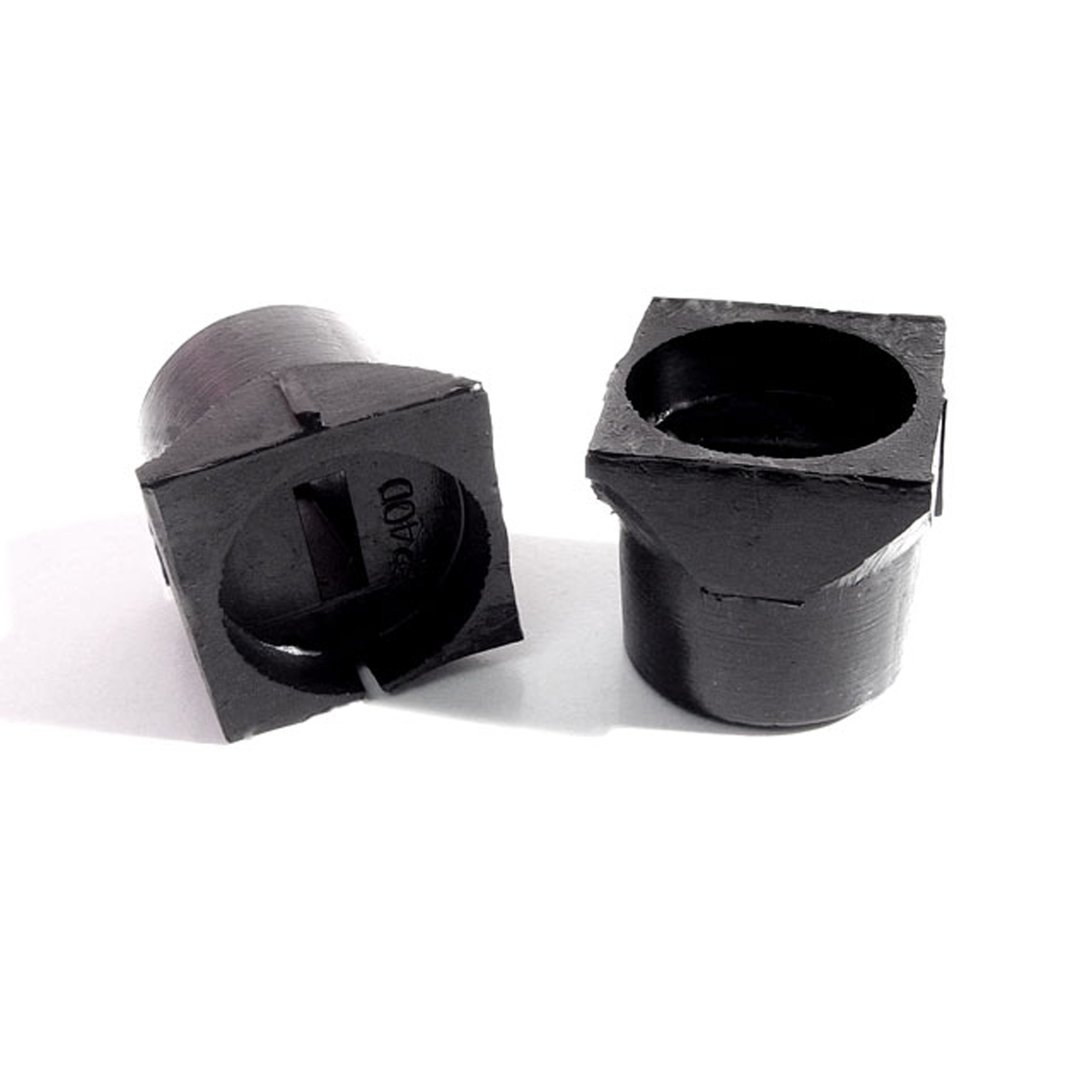 1937 Plymouth Deluxe Door Check Rubber Cushion. Each-RP 40-DDoor Check Rubber Cushion. Each
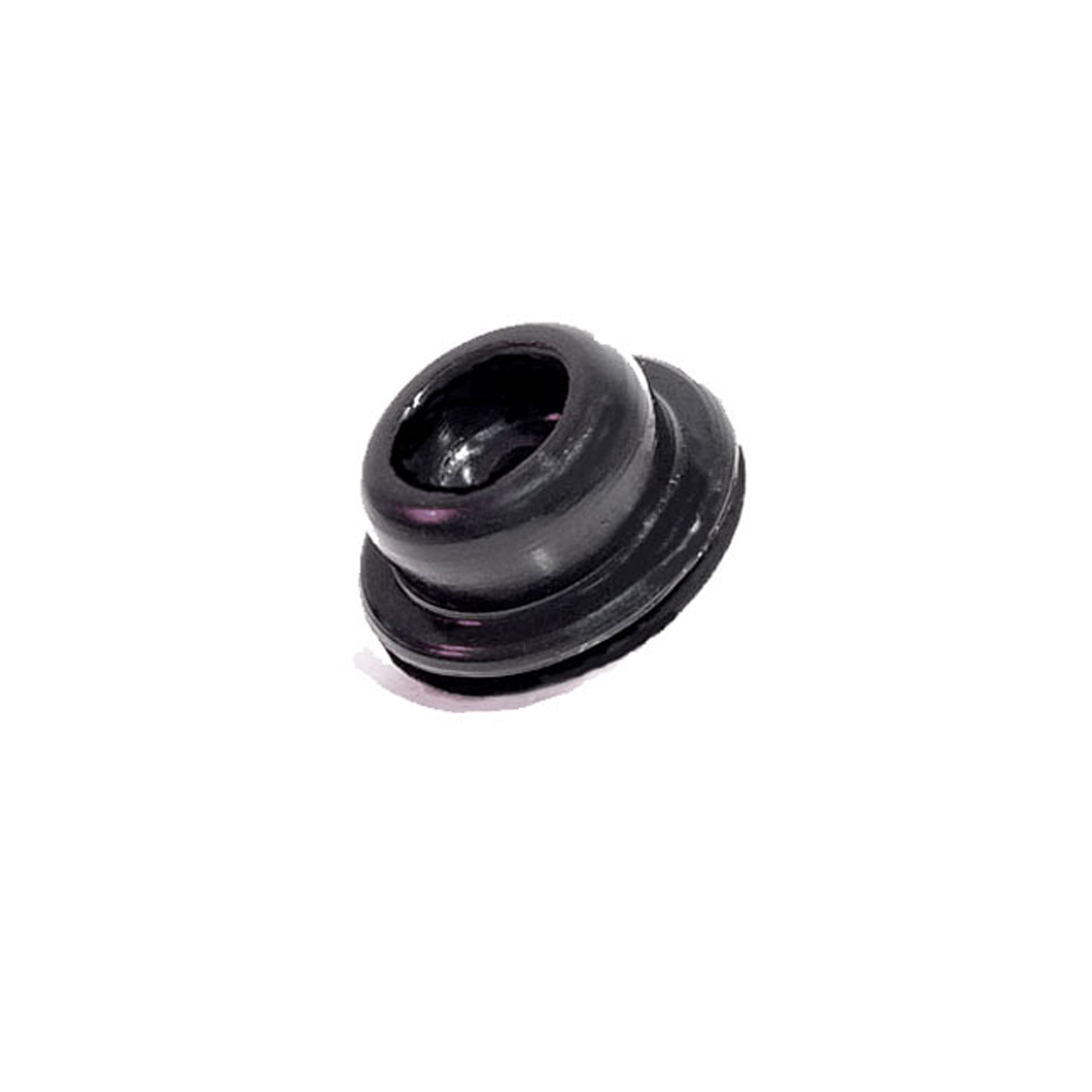 1937 Plymouth Deluxe Accelerator Rod Grommet-SM 43-BAccelerator Rod Grommet. For accelerator rod through floorboard. Each
 1937 Plymouth Deluxe Vent Window Seal. Pair-WR 2300Vent Window Seal. Pair
 1937 Plymouth Deluxe Rear Vent Window Seals, for Sedans-WR 2300-RRear Vent Window Seals, for Sedans. Slight modification required for some models. Overall length is 44". Some models use longer seal, for these use extension piece WREX 2300-R. Pair R&L
 1937 Plymouth Deluxe Rear Vent Window Seals Extension Piece, for Sedans-WREX 2300-RRear Vent Window Seals Extension Piece, for Sedans. Butting of parts is required. 24" long. Replaces OEM #744128-9, 790216-7 & 847090-1. Pair
Why Choose Metro?
For over 100 years, Metro Moulded Parts has been the pinnacle of quality in classic car restoration parts. Our commitment to precision and authenticity in every component ensures a perfect fit and an OEM-level appearance.
- Expert Craftsmanship & Quality: Each part is a testament to our dedication to reliability and perfection, crafted from original designs and thoroughly tested.
- Advanced Technology: We use cutting-edge techniques to create flawless, long-lasting parts that surpass others in performance.
- SuperSoft Sponge – The Ultimate Door Seal: Not only are our door seals 30% softer than competitors', but they're also guaranteed to never leak. They effectively reduce wind and road noise, enhancing your classic car's comfort and driving experience.
- Proudly American: Our parts are a product of American craftsmanship, made in the USA with a spirit of excellence and heritage.
- Unrivaled Warranty: We back our products with a 30-year industry-leading warranty, a testament to our confidence in their quality.
Join us in preserving the legacy of classic cars with parts that are crafted for perfection, not just made.