

Image of 1938 Plymouth Deluxe, Note: These illustrations use artistic license and may differ from actual historical models.
Performance Metrics
Fundamental Metrics
Emotional Appeal
MMP Rating
| Engine Specifications | |
|---|---|
| Engine: | Inline 6 |
| Displacement: | 201-230 cubic inches |
| Horsepower: | 82-87 hp |
| Torque: | Estimated 130-140 lb-ft |
| Compression Ratio: | 6.7:1 |
| Ignition System: | Distributor and coil |
| Cooling System: | Liquid-cooled |
| Performance Specifications | |
| 0-60 Time: | Estimated 20-25 seconds |
| 1/4 Mile Time: | Not available |
| Top Speed: | 75-80 mph |
| Transmission and Drive | |
| Drive Type: | Rear-wheel drive |
| Transmission Type: | 3-speed manual |
| Fuel and Efficiency | |
| Fuel System Type: | Carburetor |
| MPG: | Estimated 15-20 mpg |
| Dimensions and Brakes | |
| Brakes: | Drum brakes |
| Wheelbase: | 114 inches |
| Weight: | Estimated 2,900-3,100 lbs |
Note: Specifications for classic cars are given to the best of our ability, considering the limited and variant data available.
1938 Plymouth Deluxe: A Prewar Classic With Everyday Charm
The 1938 Plymouth Deluxe was built for people who wanted dependable, comfortable transportation without paying luxury-car prices. Its upright grille, sweeping fenders, roomy cabin, and smooth-running six-cylinder engine gave it the presence of a much more expensive automobile, while Plymouth’s position as a major American value brand kept it within reach of ordinary buyers.
Built by the Chrysler Corporation, the Deluxe was part of Plymouth’s P6 series for the 1938 model year. It sat above the more basic Roadking in Plymouth’s lineup and combined traditional styling with practical engineering. The car arrived during the Great Depression, when affordability and reliability mattered enormously. Plymouth’s success in that market helped establish the brand as a serious competitor to Ford and Chevrolet.
One point of historical interest is that the Deluxe represents a confident return to familiar, conventional styling after Chrysler’s more radical Airflow experiment earlier in the decade. The 1938 Plymouth did not try to look futuristic. Instead, it refined the classic American formula, and that restraint helped make it appealing to a broad audience.
1938 Plymouth Deluxe Design
The Deluxe’s exterior has the unmistakable proportions of a late-1930s American car: a tall hood, a broad upright grille, rounded front fenders, and a passenger cabin set well back from the nose. Vertical grille bars give the front end a formal, almost architectural look. The headlights sit prominently on the fenders, while the long hood and flowing body lines make the car look substantial without appearing excessively ornate.
Chrome trim was used as an accent rather than a substitute for design. Bright details around the grille, bumpers, window surrounds, and lamps provided just enough sparkle. Depending on the body style and equipment, the result could look either neatly practical or surprisingly elegant. The car’s separate fenders and running boards also make its prewar construction easy to recognize, especially beside the smoother, more integrated shapes that became common after World War II.
Inside, the Deluxe offered a generous bench seat and a straightforward dashboard with clear, easy-to-read instruments. Upholstery materials and trim varied by body style and specification, but cloth was common in closed cars. The interior was designed for durability and comfort, not hand-finished luxury. A broad steering wheel, simple controls, and a column-mounted gear lever made the cabin familiar to drivers of the period.
Factory paint choices varied by body style, production details, and market. Period colors included conservative dark shades as well as lighter greens, blues, grays, and maroons. Black remained a popular, practical choice, while richer colors could make a Deluxe look especially smart. Two-tone treatments were available on some configurations or through period dealer and owner customization, but the exact combinations depended on the car.
Body Styles and Cabin Choices
The 1938 Plymouth Deluxe range included several body styles, with exact availability depending on the market and production specification. Buyers could find two-door and four-door sedans, coupe variants, and a convertible coupe. Business coupes prioritized useful space behind the front seat for commercial users, while passenger coupes offered a more conventional private-car layout. A wood-bodied station wagon was also part of the broader Plymouth offering, though wagons are much less commonly encountered today.
The four-door sedan is among the most recognizable and practical versions. It suited families and everyday use, and its enclosed cabin made it a sensible choice in bad weather. Coupes have a sportier profile, while the convertible coupe is generally the most eye-catching body style. Open cars are particularly desirable with collectors, although their value depends heavily on originality, condition, and restoration quality.
Engineering and Historical Significance
The Deluxe was not a radical engineering showcase, but it brought useful technology to a price-conscious buyer. Power came from a front-mounted, side-valve inline-six, and the car used a three-speed manual transmission. Four-wheel hydraulic drum brakes offered more consistent braking than older mechanical systems. Chrysler’s Floating Power engine-mounting system, introduced earlier in the decade, helped reduce engine vibration transmitted into the body.
Those features mattered in a market where many drivers were moving from older cars to newer, more comfortable transportation. The Plymouth combined a conventional layout with engineering that made daily driving easier. Its steel body, hydraulic brakes, and dependable six-cylinder engine reflected the industry’s steady progress toward safer, more convenient family cars.
What set the 1938 Deluxe apart from many contemporaries was the balance of price, room, and equipment. It did not have the prestige of a large Chrysler or the sporting reputation of a high-performance marque, but it delivered useful passenger space and a substantial feel for a mass-market car. Plymouth’s broader influence came from making that sort of practical engineering accessible to a large number of buyers.
Engine, Speed, and Road Manners
The Deluxe’s flathead inline-six displaced about 201 cubic inches and produced roughly 82 horsepower, depending on the rating and specification quoted. It sent power to the rear wheels through a three-speed manual gearbox. First gear was generally unsynchronized, so a careful driver needed to pause or double-clutch when shifting down into it. That technique is easy to learn, but it is part of the authentic driving experience.
Period performance was modest by modern standards. A well-maintained example may reach approximately 70 to 75 mph, with some cars capable of a little more under favorable conditions. Acceleration from 0 to 60 mph is commonly estimated in the range of about 20 to 25 seconds. These are approximate figures, not guarantees: engine condition, gearing, body style, tire choice, and the accuracy of a modern test all affect the result.
On the road, the Plymouth feels steady and unhurried. Its suspension is tuned for comfort, so it takes ordinary bumps with a soft, noticeable movement rather than the tight control expected from a modern car. On winding roads, the driver feels the car’s weight and tall body, and the steering requires more effort at low speeds than a contemporary power-assisted system. It rewards smooth inputs and sensible cornering rather than quick direction changes.
The engine produces a mellow mechanical rumble, accompanied by the sounds of the fan, tires, and manual gearbox. The high seating position and large steering wheel give the driver a commanding view, while the long hood makes the car feel substantial from behind the wheel. The Deluxe is best enjoyed at a relaxed pace, where its comfortable ride and period character can take center stage.
Ownership, Maintenance, and Reliability
In its own time, the Plymouth Deluxe was an everyday car. Today, most surviving examples are used for weekend drives, club events, local parades, and classic-car shows. A sound sedan can still be driven regularly, but many owners preserve their cars as hobby vehicles rather than relying on them for modern commuting.
The flathead six is mechanically straightforward, and an experienced home mechanic can handle many routine jobs. Oil changes, ignition service, cooling-system maintenance, brake work, and basic carburetor adjustments are familiar tasks for vintage-car specialists. Parts support remains reasonable for common mechanical components, though original trim, body panels, glass, and model-specific details can take more searching.
Age is the main reliability issue. Buyers should check for rust in the floor, rocker panels, lower doors, fenders, and trunk area. Cooling-system condition, brake hydraulics, wiring, fuel lines, and tire age also deserve close attention. A car that starts easily is not necessarily roadworthy, so a careful inspection and a proper shakedown are wise before regular use. The lack of modern safety equipment, including seat belts as originally supplied, is another reason to drive defensively and maintain generous stopping distances.
1938 Plymouth Deluxe Facts
The 1938 Deluxe was part of Plymouth’s P6 series, while the more basic Roadking belonged to a separate model series. That distinction matters when identifying cars, checking parts, or researching original equipment. A car’s trim and serial details can help confirm what it was when new, since decades of repairs and restorations often lead to parts being swapped between models.
There is no widely recognized production or speed record associated specifically with the 1938 Deluxe. Its achievement was more practical: it helped Plymouth compete in the high-volume, affordable-car market during a difficult economic period. The model’s straightforward construction also made it useful to owners who needed transportation they could maintain locally.
Common criticisms are easy to understand from a modern perspective. The car is slow by current traffic standards, its drum brakes require more planning than modern discs, and the steering and shifting can feel heavy or deliberate. It also lacks modern crash protection and climate control. Those limitations are part of the reason the Deluxe is now appreciated as a period driving experience rather than a substitute for a modern daily driver.
Collector Values and Rarity
Exact production totals for individual 1938 Deluxe body styles are not consistently reported in commonly available references. A reasonable broad estimate for total Plymouth production during the 1938 model year is roughly 250,000 to 300,000 cars, with the Deluxe accounting for a substantial share. That is an estimate for the model year and range, not a verified count of surviving Deluxe examples. Sedans were produced in much greater numbers than some specialty body styles, and survival rates vary considerably.
As a general U.S. market guide, a project car may sell for about $5,000 to $10,000, while a usable driver commonly falls around $10,000 to $20,000. A well-restored sedan may reach roughly $20,000 to $35,000. Exceptional cars, especially desirable convertibles or rare and well-documented wagon examples, can sell for more. These ranges are broad estimates, and regional demand, originality, restoration quality, and mechanical condition can move the price substantially.
Values have generally been steady to gradually appreciating for attractive, usable examples, but the market is selective. A correct restoration with good documentation tends to attract more attention than a car with extensive modifications or uncertain history. The cost of a full restoration can also exceed the finished car’s sale value, so buyers should compare the price of a completed example with the likely expense of bringing a project back to life.
Why the 1938 Plymouth Deluxe Still Matters
The 1938 Plymouth Deluxe captures an important moment in American motoring: a period when automakers were refining the family car into a more comfortable, dependable, and accessible machine. Its handsome prewar styling, practical body choices, hydraulic brakes, and smooth flathead six made it a well-rounded car for its time. Today, it offers collectors a welcoming entry into prewar motoring, with the character of an older automobile and the straightforward mechanical layout of a mass-market Plymouth.
It may not win a race away from a stoplight, but the Deluxe has a more enduring strength: it tells the story of how American families traveled before the war, one steady mile and one unmistakable six-cylinder rumble at a time.
1938 Plymouth Deluxe Catalog of Parts
 1938 Plymouth Deluxe Front Bumper Arm Grommets. Hollow construction-BG 94Front Bumper Arm Grommets. Hollow construction. 2-3/4" wide X 4-1/4" long, with 1-7/8" long inner slot. Pair
 1938 Plymouth Deluxe Rear Bumper Arm Grommets. Hollow construction-BG 95Rear Bumper Arm Grommets. Hollow construction. Perfect reproduction. 4-1/4" wide X 4-1/2" long, with 1/2" wide inner slot. Pair
 1938 Plymouth Deluxe Cowl Seals. 2 pieces - 11" long, 2 pieces 6-3/4" long-CS 18Cowl Seals. 2 pieces - 11" long, 2 pieces 6-3/4" long. 4-Piece Set
 1938 Plymouth Deluxe Door Jamb Bumper. Perfect reproduction-DB 36Door Jamb Bumper. Perfect reproduction. 1-1/16" high X 1-1/4" wide X 7/16" thick. Each
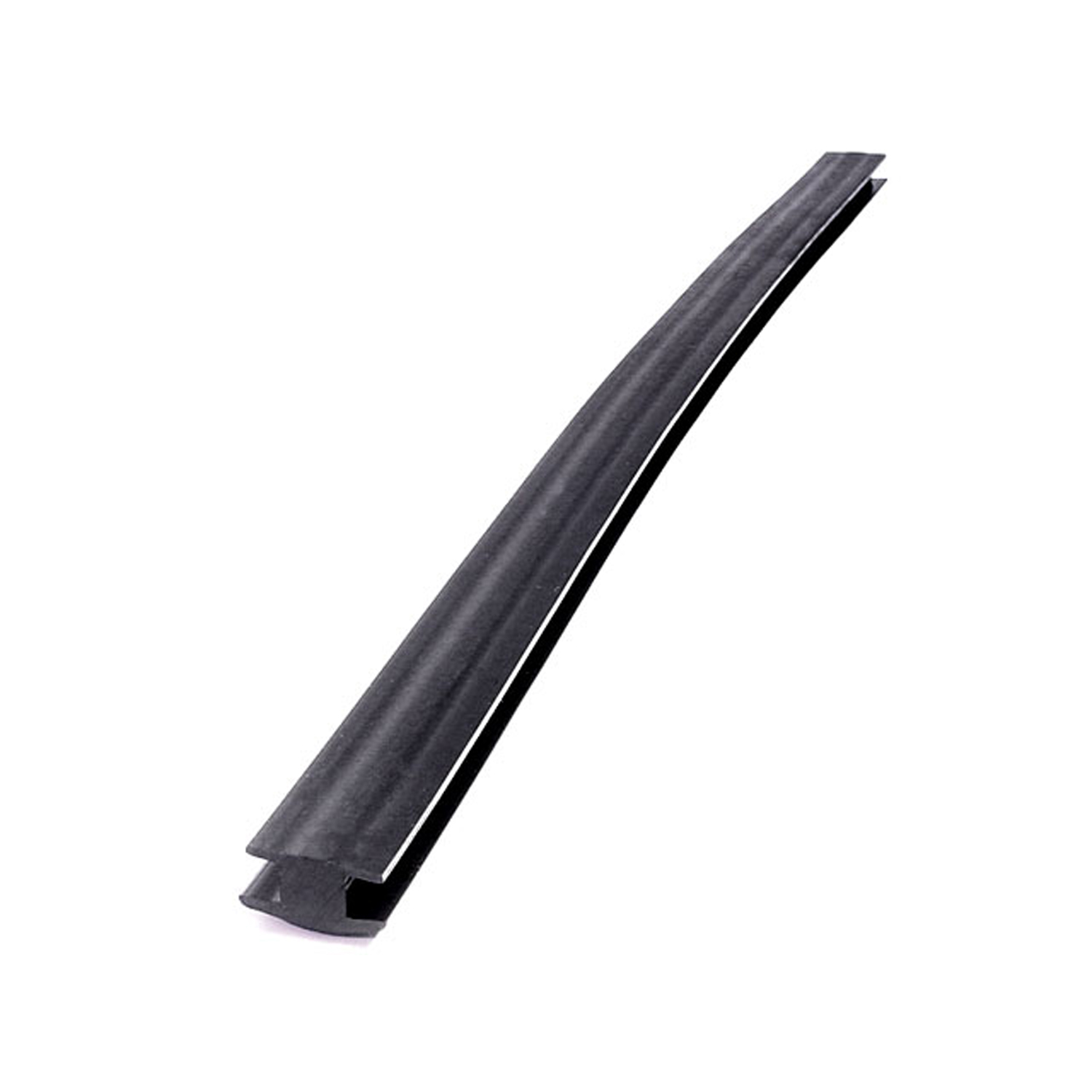 1938 Plymouth Deluxe Windshield Center Bar Gasket. 20" long. Each-DP 12Windshield Center Bar Gasket. 20" long. Each
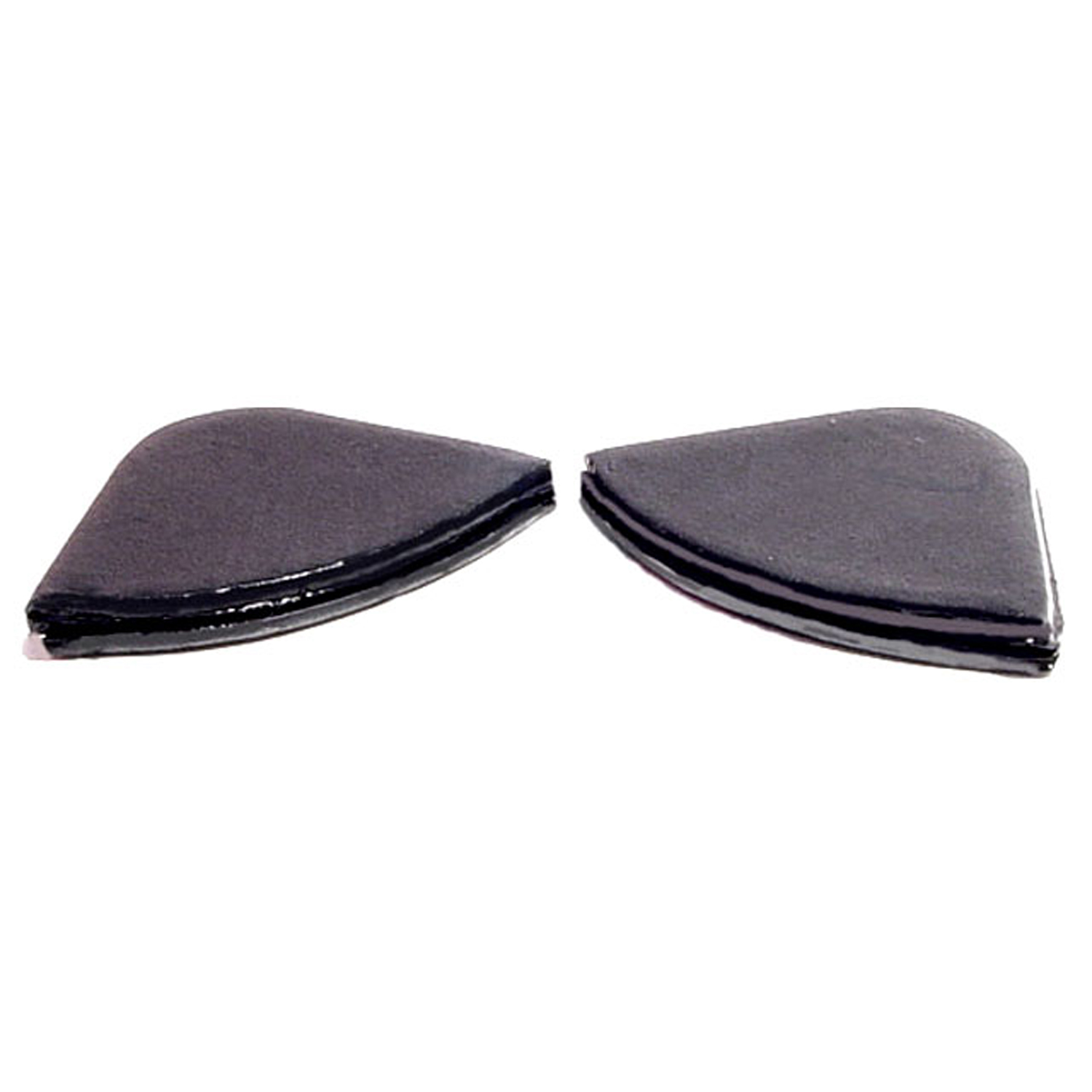 1938 Plymouth Deluxe Hood Corners. Fits flat corners-HC 19Hood Corners. Fits flat corners. 80° angle, 1/4" to 3/8" corner radius. 1-3/8" wide. Pair
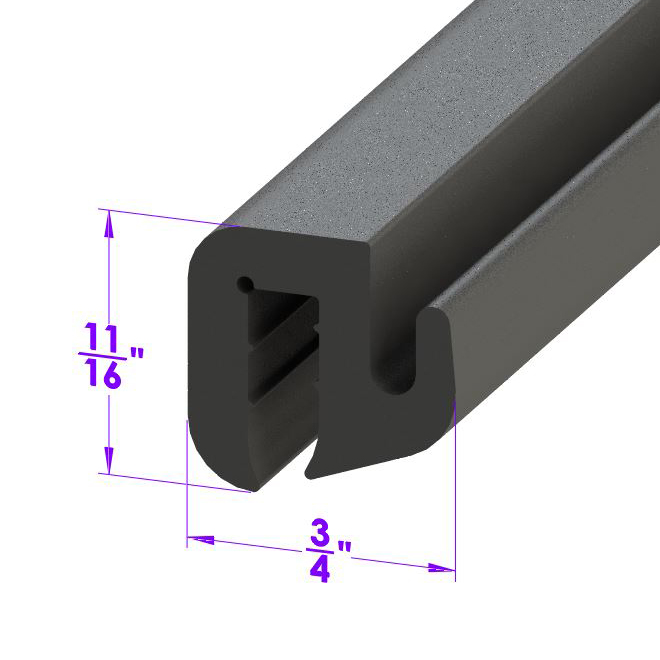 1938 Plymouth Deluxe Windshield and Rear Window Seal. Sold by the foot-LP 30-AWindshield and Rear Window Seal. Sold by the foot
 1938 Plymouth Deluxe Trunk Lock Pad. 2-3/8" wide X 5-3/4" long. Each-MP 940-ATrunk Lock Pad. 2-3/8" wide X 5-3/4" long. Each
 1938 Plymouth Deluxe Tail-light Pads. 2-1/8" wide X 4-3/8" long. Pair-MP 943Tail-light Pads. 2-1/8" wide X 4-3/8" long. Pair
 1938 Plymouth Deluxe License Pad. 5-1/2" wide X 4-1/8" long. Each-MP 944License Pad. 5-1/2" wide X 4-1/8" long. Each
 1938 Plymouth Deluxe License Bracket Pad. 5-3/8" wide X 5-3/8" long. Each-MP 945License Bracket Pad. 5-3/8" wide X 5-3/8" long. Each
 1938 Plymouth Deluxe Rumble Seat Step-Plate Pad. 3-5/8" wide X 6-1/4" long-MP 945-BRumble Seat Step-Plate Pad. 3-5/8" wide X 6-1/4" long. Each
 1938 Plymouth Deluxe Door Handle Pads. 1-1/4" wide X 2-7/8" long. Pair-MP 946-DDoor Handle Pads. 1-1/4" wide X 2-7/8" long. Pair
 1938 Plymouth Deluxe Rumble Seat Step-Plate Bracket Pad-MP 948-ARumble Seat Step-Plate Bracket Pad. 2-3/8" wide X 4-1/2" long. Each
 1938 Plymouth Deluxe Side Wing Window Pads. 5-3/4" X 4-1/2". Pair-MP 948-BSide Wing Window Pads. 5-3/4" X 4-1/2". Pair
 1938 Plymouth Deluxe Trunk Hinge Pads. 1-1/2" wide X 8-1/2" long. Set of 4-MP 957Trunk Hinge Pads. 1-1/2" wide X 8-1/2" long. Set of 4
 1938 Plymouth Deluxe Headlight Cowl Pads. 5-3/8" wide X 9-7/8" long. Pair R&L-MP 958-BHeadlight Cowl Pads. 5-3/8" wide X 9-7/8" long. Pair R&L
 1938 Plymouth Deluxe License Bracket Pad. 5-3/8" wide X 4-7/8" long. Each-MP 959License Bracket Pad. 5-3/8" wide X 4-7/8" long. Each
 1938 Plymouth Deluxe Cowl Vent Seal. Made of molded sponge-RP 100-LCowl Vent Seal. Made of molded sponge. 3-3/4" wide at side X 15-1/3" long X 3/8" thick. Each
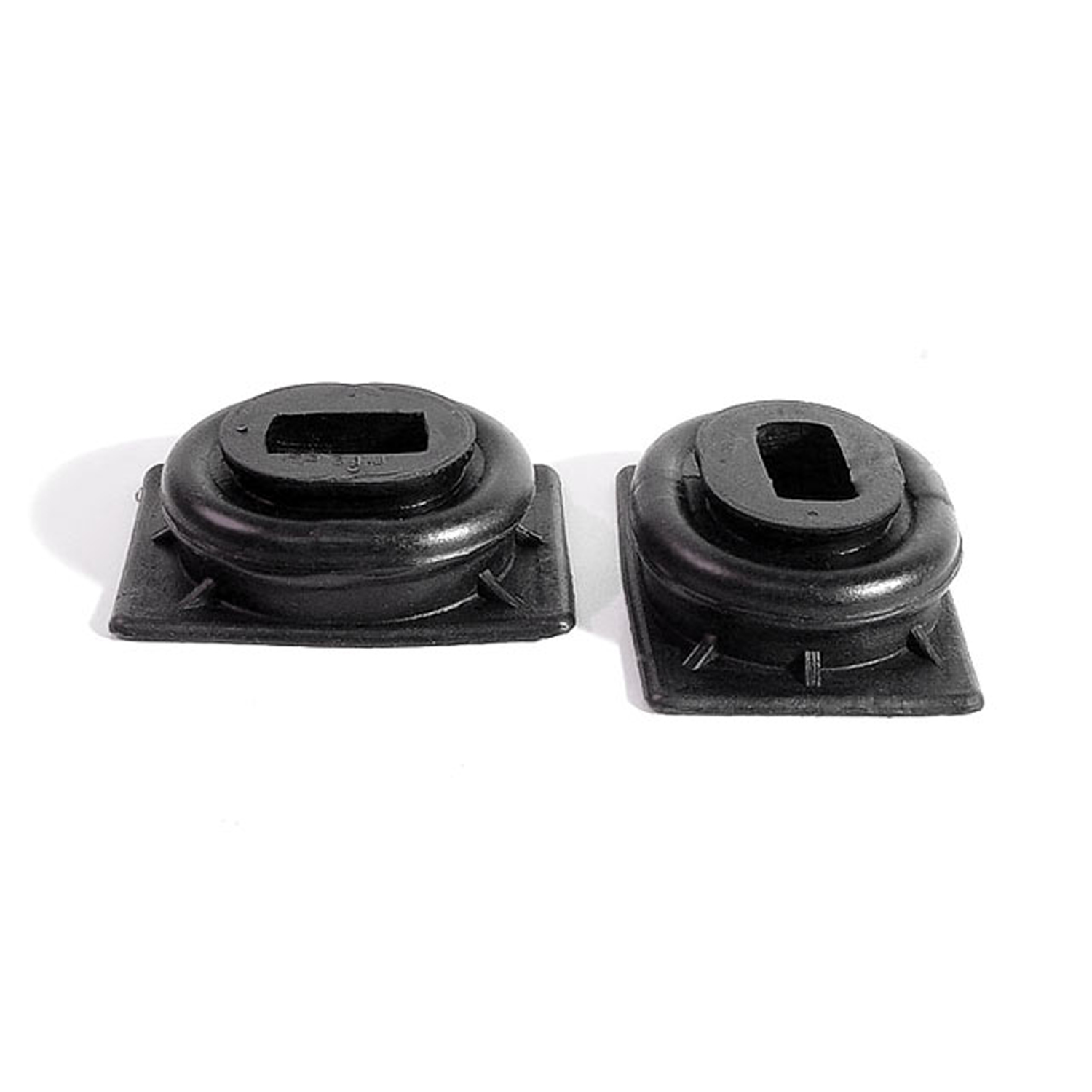 1938 Plymouth Deluxe Clutch and Brake Seals. Replaces OEM #889473. Pair-RP 31-JClutch and Brake Seals. Replaces OEM #889473. Pair
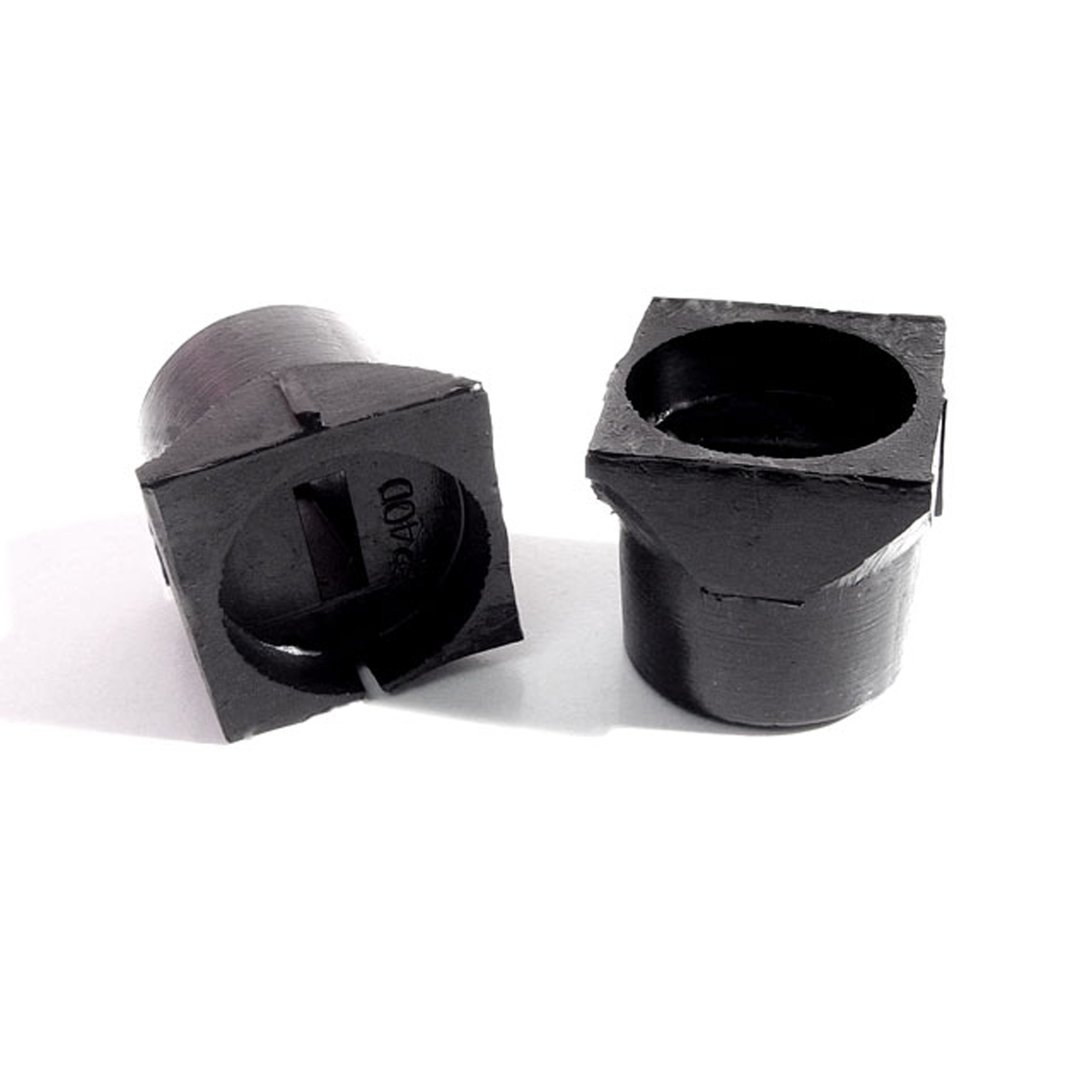 1938 Plymouth Deluxe Door Check Rubber Cushion. Each-RP 40-DDoor Check Rubber Cushion. Each
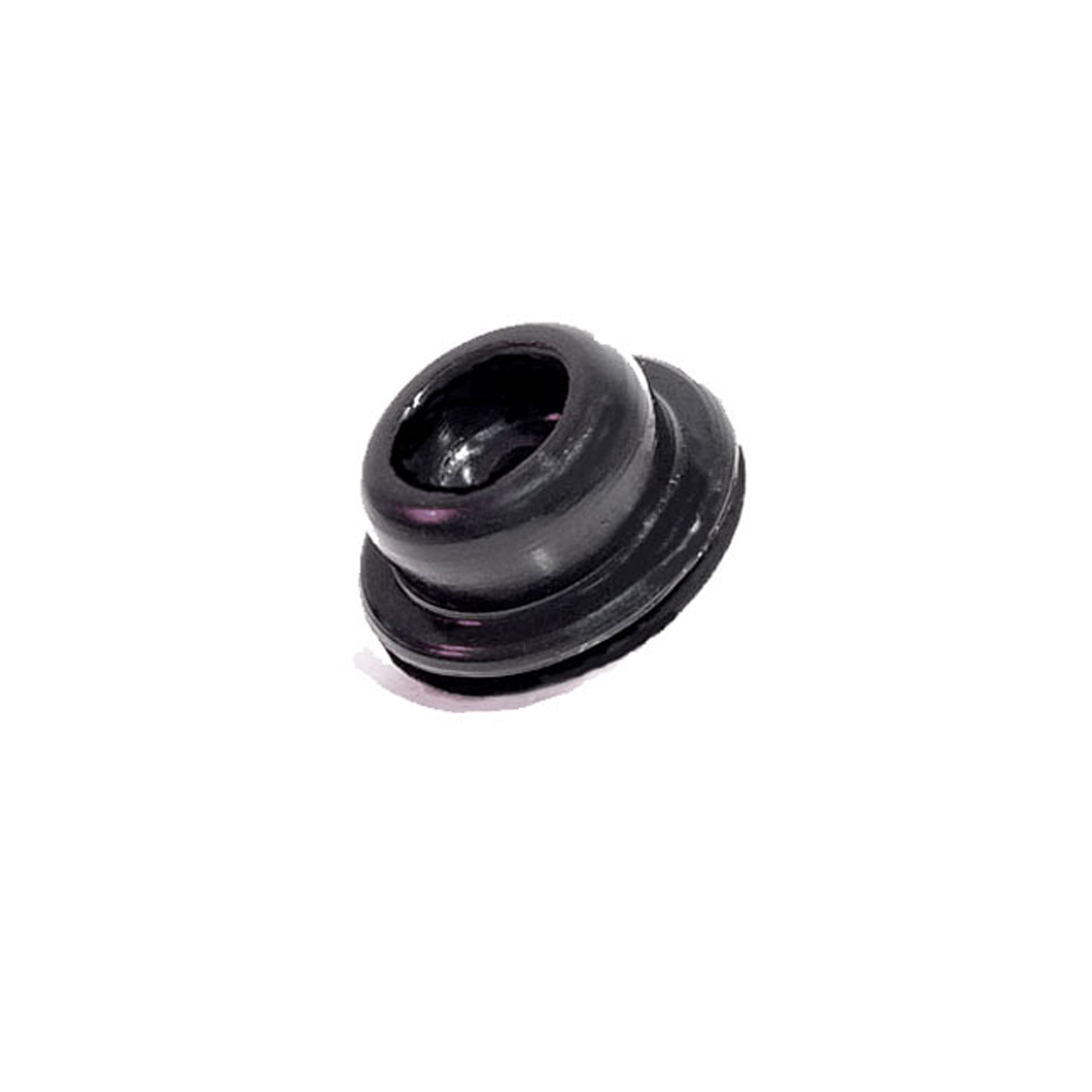 1938 Plymouth Deluxe Accelerator Rod Grommet-SM 43-BAccelerator Rod Grommet. For accelerator rod through floorboard. Each
 1938 Plymouth Deluxe Vent Window Seal. Pair-WR 2300Vent Window Seal. Pair
 1938 Plymouth Deluxe Rear Vent Window Seals, for Sedans-WR 2300-RRear Vent Window Seals, for Sedans. Slight modification required for some models. Overall length is 44". Some models use longer seal, for these use extension piece WREX 2300-R. Pair R&L
 1938 Plymouth Deluxe Rear Vent Window Seals Extension Piece, for Sedans-WREX 2300-RRear Vent Window Seals Extension Piece, for Sedans. Butting of parts is required. 24" long. Replaces OEM #744128-9, 790216-7 & 847090-1. Pair
Why Choose Metro?
For over 100 years, Metro Moulded Parts has been the pinnacle of quality in classic car restoration parts. Our commitment to precision and authenticity in every component ensures a perfect fit and an OEM-level appearance.
- Expert Craftsmanship & Quality: Each part is a testament to our dedication to reliability and perfection, crafted from original designs and thoroughly tested.
- Advanced Technology: We use cutting-edge techniques to create flawless, long-lasting parts that surpass others in performance.
- SuperSoft Sponge – The Ultimate Door Seal: Not only are our door seals 30% softer than competitors', but they're also guaranteed to never leak. They effectively reduce wind and road noise, enhancing your classic car's comfort and driving experience.
- Proudly American: Our parts are a product of American craftsmanship, made in the USA with a spirit of excellence and heritage.
- Unrivaled Warranty: We back our products with a 30-year industry-leading warranty, a testament to our confidence in their quality.
Join us in preserving the legacy of classic cars with parts that are crafted for perfection, not just made.