

Image of 1938 Plymouth Pt-57, Note: These illustrations use artistic license and may differ from actual historical models.
Performance Metrics
Fundamental Metrics
Emotional Appeal
MMP Rating
| Engine Specifications | |
|---|---|
| Engine: | Inline 6 |
| Displacement: | 201 cubic inches |
| Horsepower: | Estimated 70-85 hp |
| Torque: | Not available |
| Compression Ratio: | 6.7:1 |
| Ignition System: | Distributor and coil |
| Cooling System: | Liquid-cooled |
| Performance Specifications | |
| 0-60 Time: | Not available |
| 1/4 Mile Time: | Not available |
| Top Speed: | 70-75 mph |
| Transmission and Drive | |
| Drive Type: | Rear-wheel drive |
| Transmission Type: | 3-speed manual |
| Fuel and Efficiency | |
| Fuel System Type: | Carburetor |
| MPG: | Not available |
| Dimensions and Brakes | |
| Brakes: | Hydraulic drum brakes |
| Wheelbase: | 112 inches |
| Weight: | 2,700 lbs |
Note: Specifications for classic cars are given to the best of our ability, considering the limited and variant data available.
1938 Plymouth PT-57: A Rare Plymouth Pickup With Working-Class Roots
The 1938 Plymouth PT-57 is proof that a classic truck does not need a giant engine or a famous racing pedigree to earn a place in automotive history. Compact, practical, and now uncommon, this half-ton pickup carried Plymouth’s affordable-car reputation into the commercial market.
Plymouth was a division of the Chrysler Corporation, and its trucks drew on the company’s broader engineering and manufacturing resources. The PT-57 belonged to Plymouth’s late-1930s commercial lineup, when American buyers wanted useful vehicles for farms, shops, deliveries, and small businesses. It offered truck practicality with styling and mechanical ideas familiar from Plymouth passenger cars.
One intriguing detail is how short-lived the Plymouth truck nameplate was. Plymouth-badged trucks appeared for only a handful of model years, from the late 1930s into the early 1940s. That brief run helps explain why the PT-57 is much less familiar today than a contemporary Ford or Chevrolet pickup.
PT-57 Styling and Cabin Details
The PT-57 wears the confident, upright look of a prewar American truck. Its tall grille, rounded front fenders, separate headlamps, and gently curved hood give it a softer, more streamlined appearance than the boxy work trucks that came before it. The cab sits high, with a broad windshield and simple, upright proportions. From the side, the long hood and open cargo bed create a balanced profile that feels unmistakably late 1930s.
Inside, the cabin is straightforward and work-focused. The driver faces a simple instrument panel with clear, functional gauges rather than decorative trim or elaborate controls. Materials were selected for durability and cost, not luxury. Depending on equipment and restoration, you may find painted metal surfaces, a broad bench seat with basic upholstery, and hard-wearing floor coverings. The cabin is part of the truck’s appeal: it feels like a tool built for a day’s work, not a lounge on wheels.
Color choices could vary by market, body type, and buyer order, and surviving trucks do not always retain their original paint. Dark blue, black, and other practical commercial colors are often seen on restored examples, while brighter shades can give a pickup a more eye-catching show-truck look. Anyone planning a historically accurate restoration should check period paint references and the truck’s original finish rather than relying on a modern color chart.
The best-known PT-57 configuration is the pickup, with its open cargo bed and half-ton working capacity. Plymouth also offered commercial body styles in its truck range, including delivery-oriented models, though availability depended on the specific model and market. The pickup remains the most recognizable version today, especially when restored with its original proportions and a simple, period-correct bed.
What Made the 1938 Plymouth Truck Different?
The PT-57 was not a radical engineering breakthrough, but it represented an important kind of automotive progress: bringing more modern passenger-car thinking to an affordable commercial vehicle. Its styling was more composed than that of many earlier work trucks, and its engineering benefited from Chrysler’s experience building mass-market cars and trucks.
That connection mattered. Buyers could get a practical pickup from a manufacturer with an established dealer network and familiar mechanical components. Plymouth’s commercial models gave small businesses and rural owners another choice in a market dominated by bigger truck names. The PT-57 did not transform truck design, but it helped make the pickup a more accessible, everyday vehicle rather than a specialized piece of heavy equipment.
Its lasting significance is tied to rarity as much as innovation. Plymouth trucks are a distinctive side branch of the company’s history, and the PT-57 represents a period when automakers were experimenting with brand identity across passenger cars and commercial vehicles. Today, that makes it a conversation starter at shows where more common prewar pickups are expected.
Flathead-Six Performance and Road Manners
Power comes from a front-mounted, inline flathead six-cylinder engine of about 201 cubic inches, paired with a three-speed manual transmission. Period specifications commonly put output at around 70 horsepower, though ratings can vary by source and configuration. That was enough for a half-ton truck doing the jobs it was designed for, but the PT-57 was never intended to keep pace with modern traffic or haul heavy loads at highway speed.
There is no single dependable factory figure for the PT-57’s top speed or 0-to-60 mph time. Based on its engine, gearing, and period truck performance, a healthy example might reach roughly 60 to 65 mph under favorable conditions. Acceleration to 60 mph would be leisurely, likely taking well over 20 seconds and potentially closer to 30 seconds or more depending on the truck’s condition, load, and gearing. These are estimates, not guaranteed test results.
On the road, the driver works a conventional manual gearbox and listens for the engine’s steady, unhurried rhythm. The flathead six produces a low mechanical burble rather than a sharp, high-revving note. Steering and braking feel much more hands-on than in a modern pickup, and the tall cab, narrow tires, and work-truck suspension remind you to drive at a measured pace.
On rough pavement, the PT-57 behaves like a light commercial vehicle of its era: bumps and road joints are part of the experience, especially when the bed is empty. A load can settle the rear suspension and improve the ride, though it also changes braking and handling. On winding roads, its upright stance and period steering call for smooth inputs. It is best enjoyed on scenic back roads, at modest speeds, and with plenty of room to stop.
Living With a PT-57
Most PT-57s today serve as show vehicles, occasional weekend drivers, or carefully maintained vintage haulers. Some owners use them for local errands and parades, but regular modern commuting is a tougher proposition. The truck’s age, modest performance, and limited safety equipment make it a poor match for fast highways and dense traffic.
The mechanical layout is relatively simple by modern standards. A mechanically minded owner can understand the engine, transmission, brakes, and electrical system without specialized diagnostic equipment. Parts availability is more challenging than it is for common Ford and Chevrolet pickups, but shared Chrysler components and enthusiast networks can help. Body panels, trim, glass, and model-specific details may take more searching, so check completeness before buying a project.
Reliability depends heavily on condition and the quality of previous repairs. Before a long drive, inspect the cooling system, fuel lines, tires, steering, and brakes. A truck that has been restored correctly can be dependable for local use, but age-related issues such as deteriorated wiring, worn suspension parts, and leaks should be expected. For an average owner, routine service is manageable; sourcing unusual parts is often the bigger challenge.
PT-57 Trivia, Rarity, and Common Complaints
The most notable piece of PT-57 trivia is also its strongest selling point: it carries the Plymouth name on a genuine commercial truck. That combination is unusual enough to attract attention from enthusiasts who already know Plymouth passenger cars but have never seen one of the marque’s pickups.
No widely documented speed, endurance, or sales record is associated specifically with the PT-57, and there is no well-established celebrity ownership story that defines the model. Its significance is quieter. It represents ordinary prewar American commerce, from farm and shop work to local deliveries, rather than a headline-making competition or dramatic historical event.
Common criticisms are practical ones. The truck is slow by modern standards, its cabin is basic, and it lacks contemporary safety features such as modern crash protection and advanced braking systems. Restoration can also be difficult because Plymouth-specific parts are less common than components for high-volume rivals. For many enthusiasts, those drawbacks are balanced by its distinctive styling and rarity.
Collector Values and Market Outlook
There is no widely accepted production total for the 1938 PT-57 pickup alone. Plymouth truck production was small compared with passenger-car output, and surviving model-by-model records can be difficult to pin down. A reasonable working estimate is that production was in the low thousands, perhaps around 4,000 to 8,000 pickups, but that is an informed estimate rather than a confirmed factory figure. The number of surviving, roadworthy examples is considerably smaller.
As a broad 2026 market guide, a project truck may sell for roughly $5,000 to $12,000, depending on completeness and rust. A usable driver or older restoration might fall around $12,000 to $30,000. A well-executed, highly presentable restoration could bring approximately $30,000 to $50,000 or more, with condition, originality, and documentation having a major effect on the final price. These are general ranges, not formal appraisals, and local market demand can shift them substantially.
The PT-57 has a niche collector following, so its values tend to be less predictable than those of more familiar pickup trucks. Interest in unusual prewar vehicles supports its appeal, but restoration costs can exceed the value of an average example. Prices are best described as condition-sensitive, with the strongest trucks holding or gradually gaining value while incomplete projects remain limited by the cost and difficulty of finishing them.
Why the 1938 Plymouth PT-57 Still Matters
The 1938 Plymouth PT-57 combines approachable prewar styling, straightforward mechanicals, and a rare place in Plymouth history. It was a practical half-ton pickup, not a performance machine, and its flathead six delivered steady work rather than speed. Its simple cabin and measured road manners are reminders of how different everyday driving used to be.
For collectors, the PT-57 offers something beyond rarity: a glimpse of Plymouth’s brief commercial-truck story and the small businesses and working owners those vehicles served. It may not be the fastest or most famous classic pickup, but it is exactly the kind of uncommon, honest machine that makes automotive history feel tangible.
1938 Plymouth Pt-57 Catalog of Parts
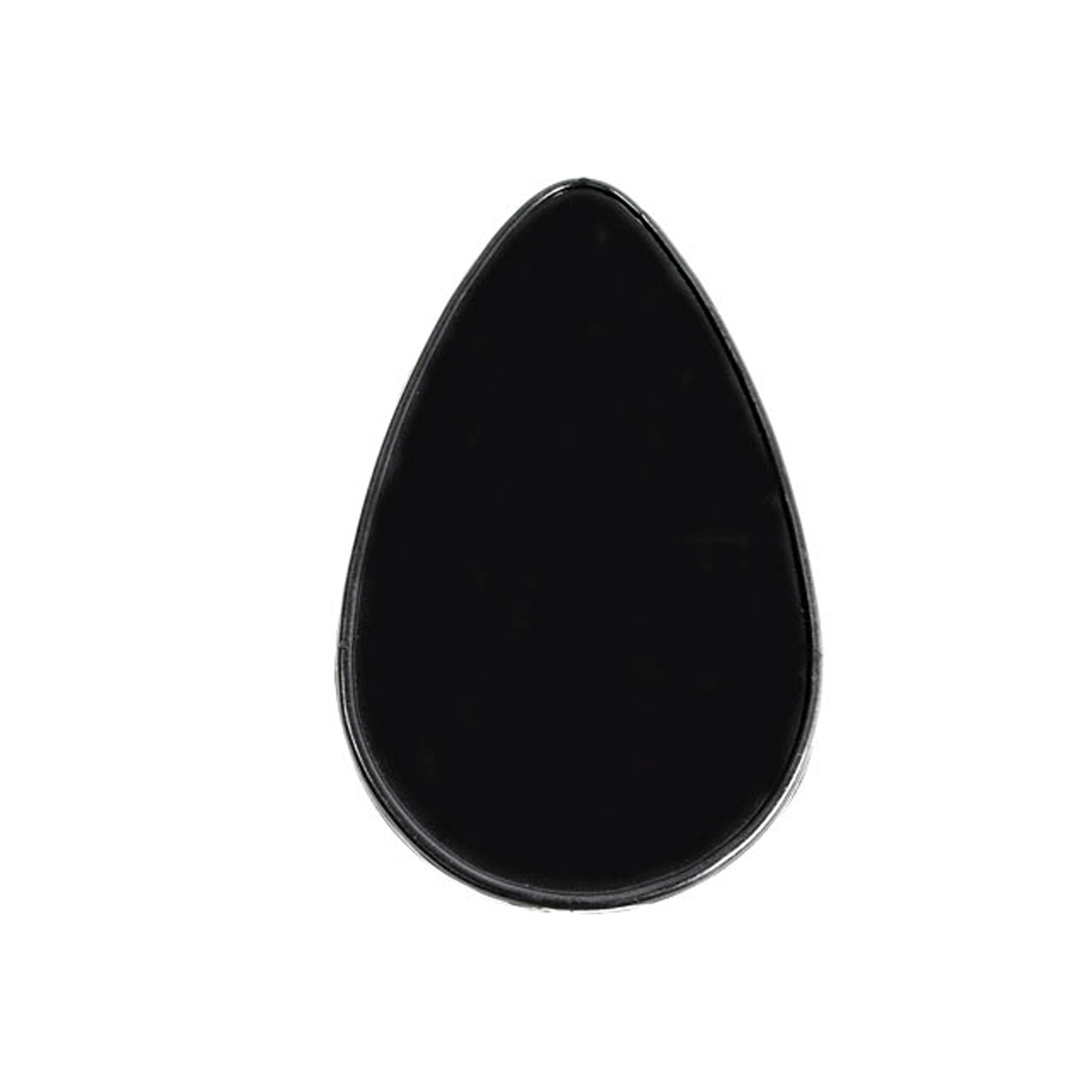 1938 Plymouth PT-57 Rumble Seat Step-Plate Pad. 3-5/8" wide X 6-1/4" long-MP 945-BRumble Seat Step-Plate Pad. 3-5/8" wide X 6-1/4" long. Each
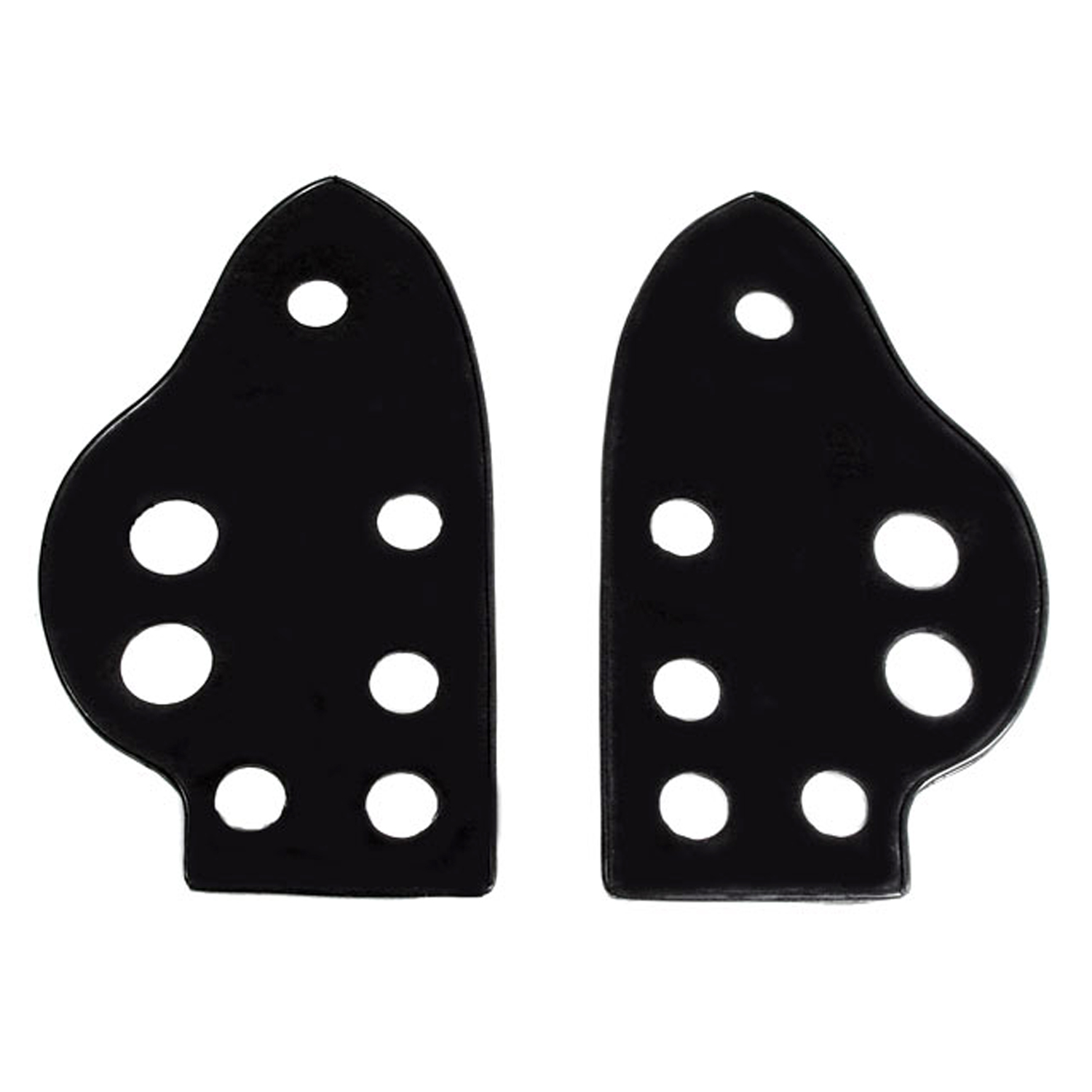 1938 Plymouth PT-57 Headlight Cowl Pads. 5-3/8" wide X 9-7/8" long. Pair R&L-MP 958-BHeadlight Cowl Pads. 5-3/8" wide X 9-7/8" long. Pair R&L
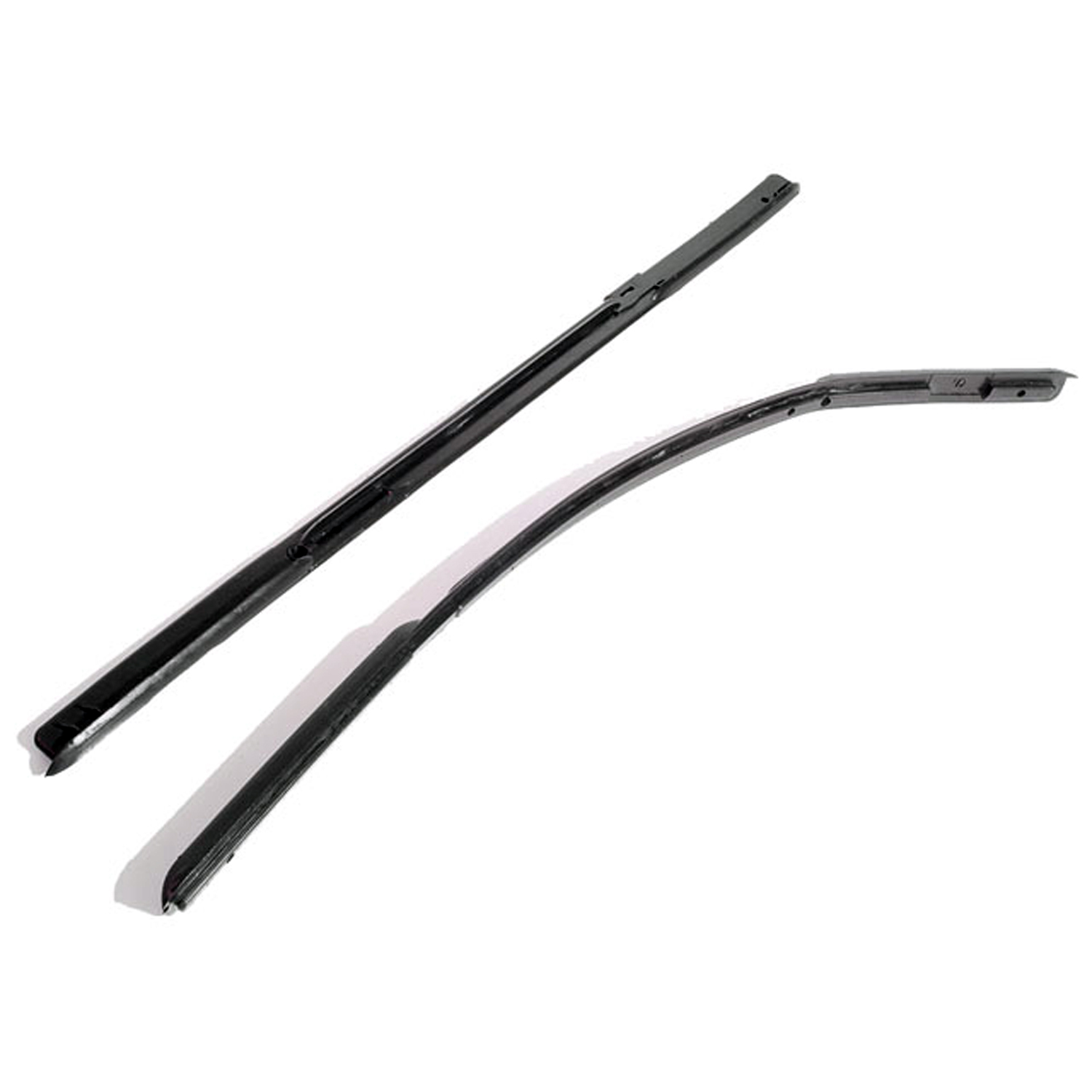 1938 Plymouth PT-57 Vent Window Seal. Pair-WR 2300Vent Window Seal. Pair
Why Choose Metro?
For over 100 years, Metro Moulded Parts has been the pinnacle of quality in classic car restoration parts. Our commitment to precision and authenticity in every component ensures a perfect fit and an OEM-level appearance.
- Expert Craftsmanship & Quality: Each part is a testament to our dedication to reliability and perfection, crafted from original designs and thoroughly tested.
- Advanced Technology: We use cutting-edge techniques to create flawless, long-lasting parts that surpass others in performance.
- SuperSoft Sponge – The Ultimate Door Seal: Not only are our door seals 30% softer than competitors', but they're also guaranteed to never leak. They effectively reduce wind and road noise, enhancing your classic car's comfort and driving experience.
- Proudly American: Our parts are a product of American craftsmanship, made in the USA with a spirit of excellence and heritage.
- Unrivaled Warranty: We back our products with a 30-year industry-leading warranty, a testament to our confidence in their quality.
Join us in preserving the legacy of classic cars with parts that are crafted for perfection, not just made.