

Image of 1939 Plymouth Deluxe, Note: These illustrations use artistic license and may differ from actual historical models.
Performance Metrics
Fundamental Metrics
Emotional Appeal
MMP Rating
| Engine Specifications | |
|---|---|
| Engine: | Inline 6 |
| Displacement: | 201.3 cu in (3.3 L) |
| Horsepower: | 82 hp |
| Torque: | Estimated 130 lb-ft |
| Compression Ratio: | 6.7:1 |
| Ignition System: | Battery and coil |
| Cooling System: | Water-cooled |
| Performance Specifications | |
| 0-60 Time: | Information not available |
| 1/4 Mile Time: | Information not available |
| Top Speed: | 75 mph |
| Transmission and Drive | |
| Drive Type: | Rear-wheel drive |
| Transmission Type: | 3-speed manual |
| Fuel and Efficiency | |
| Fuel System Type: | Carburetor |
| MPG: | Estimated 15-20 mpg |
| Dimensions and Brakes | |
| Brakes: | Hydraulic drum brakes |
| Wheelbase: | 114 inches |
| Weight: | 2,900 lbs |
Note: Specifications for classic cars are given to the best of our ability, considering the limited and variant data available.
1939 Plymouth Deluxe: A Practical Classic with Big-Car Style
The 1939 Plymouth Deluxe brought streamlined looks, six-cylinder power, and everyday practicality to one of America’s most competitive price classes. Built by the Chrysler Corporation, it was the better-appointed choice in Plymouth’s range, aimed at drivers who wanted a comfortable, substantial car without paying for a more expensive Chrysler or DeSoto.
Plymouth had earned a strong reputation as a value-conscious brand during the 1930s. The 1939 Deluxe carried that reputation forward with a roomy cabin, a smooth flathead engine, and a more modern appearance than many earlier cars. It also arrived during a pivotal period for the industry: carmakers were refining all-steel construction, improving ride comfort, and making family cars feel less like basic transportation and more like modern machines.
A noteworthy detail is that the Deluxe belonged to a high-volume model line at a time when Plymouth was one of the country’s leading mass-market makes. That popularity helped establish the model as a familiar sight on American roads, while surviving examples today offer a tangible link to the years just before civilian automobile production was interrupted by World War II.
Streamlined Style and Deluxe Comfort
The 1939 Plymouth Deluxe had the rounded, flowing shape that defined late-1930s design. Its upright nose carried a prominent grille, flanked by headlamps integrated into the front fenders. The hood swept back toward a tall passenger compartment, while gently crowned fenders softened the car’s outline. Chrome trim added brightness without overwhelming the body, and the overall effect was handsome and substantial rather than flashy.
Inside, the Deluxe offered a broad bench seat, a simple instrument panel, and practical controls laid out for the driver. Upholstery materials and trim varied by body style and specification, but cloth was common in closed cars, with more decorative appointments available on better-equipped versions. The cabin was designed for comfort and durability, not modern luxury: expect straightforward gauges, a large steering wheel, and a period-correct upright driving position.
For its time, the car’s technology was reassuringly conventional. Power came from a front-mounted inline six-cylinder engine, driving the rear wheels through a three-speed manual transmission. Hydraulic brakes provided controlled stopping, and the suspension used familiar leaf springs at the rear with independent front suspension. The result was a car that offered modern convenience for its era without relying on complicated systems that would be difficult to service.
Paint colors varied with the body and factory offerings. Buyers could choose from subdued shades such as black, gray, blue, green, and maroon, with exact names and availability depending on the model and market. Dark colors were popular, while deep blue and maroon finishes give many restored Deluxes a particularly striking period look.
Body styles in the Plymouth range included two- and four-door sedans, coupes, and a convertible coupe. Some configurations offered a rumble seat, and wood-bodied station wagons were also part of Plymouth’s broader 1939 catalog. The four-door sedan is one of the most recognizable and practical versions today, while the convertible coupe is generally the most attention-grabbing and desirable.
Why the 1939 Deluxe Matters
The 1939 Plymouth Deluxe was not a radical engineering experiment. Its significance lies in how effectively it combined proven technology with the styling and comfort buyers increasingly expected. It represented the industry’s move toward cars that felt more integrated and modern, with smoother body lines, improved passenger comfort, and equipment suited to regular family use.
Plymouth’s position in Chrysler’s lineup also mattered. It gave buyers access to a well-developed car from a major manufacturer at a price aimed squarely at the mass market. The Deluxe helped reinforce Plymouth’s image as a sensible alternative to Ford and Chevrolet, with a reputation for solid construction and comfortable road manners.
Its lasting appeal comes from that balance. The car has enough 1930s character to stand out at a show, but its mechanical layout is familiar to anyone who works on traditional American cars. It is an example of how careful evolution, rather than a headline-grabbing invention, helped shape the cars most Americans actually drove.
Flathead Six Performance and Road Manners
The Deluxe was powered by a 201.3-cubic-inch flathead inline six, commonly rated at about 82 horsepower. A three-speed manual transmission sent power to the rear wheels. These figures were respectable for a family car of the period, though the engine’s strength was its steady, low-speed pull rather than quick acceleration.
Performance figures should be treated as approximate because results depend on body style, condition, gearing, and test methods. A healthy example may reach roughly 70 to 80 mph, while a run from 0 to 60 mph can take around 20 to 25 seconds. That is leisurely by modern standards, but it suited the car’s intended role: comfortable cruising and dependable everyday travel, not fast starts or high-speed driving.
On rough pavement, the Plymouth feels soft and compliant compared with a modern car. Its suspension absorbs bumps well, although the body can move noticeably over larger undulations. On winding roads, the steering is direct but requires more effort and planning than power-assisted steering. The car’s weight and period tires reward smooth inputs, especially in corners.
From behind the wheel, the experience is defined by the steady hum of the flathead six, the long movement of the gear lever, and the broad sweep of the steering wheel. The engine sounds subdued rather than sporty. At cruising speed, the car feels relaxed and spacious, though drivers need to leave generous room for braking and remember that visibility, lighting, and safety equipment are from another era.
Living with a 1939 Plymouth
Today, most 1939 Plymouth Deluxes are used as show cars, weekend cruisers, or touring vehicles for local events. Some owners drive them regularly, but modern traffic, higher speeds, and the scarcity of certain body-specific parts make a well-maintained car better suited to relaxed use than to daily commuting.
The mechanical design is a major ownership advantage. The flathead six is relatively accessible, and many routine jobs, such as ignition service, brake work, and carburetor adjustment, are familiar to experienced vintage-car mechanics. Parts support for common service items is generally better than for many low-volume prewar cars, though trim, glass, interior pieces, and components unique to a particular body style can take longer to locate.
Reliability depends heavily on condition. A car that has been stored for years may need a full brake overhaul, fuel-system cleaning, cooling-system attention, and careful inspection of its wiring and tires before road use. The original electrical system is six-volt, so keeping connections clean and the charging system in good order is important. A pre-purchase inspection by a mechanic familiar with prewar vehicles is money well spent.
Little-Known Details and Common Criticisms
The Deluxe’s most compelling trivia is its everyday character. It was not built as a special racing edition or a limited-production novelty. It was a mainstream American car, and its broad range of body styles reflected how manufacturers served families, business users, and drivers seeking an open-air car from a single model line.
There is no widely recognized speed or endurance record associated specifically with the 1939 Deluxe. Its achievement was more practical: Plymouth built cars in substantial numbers and helped put comfortable, six-cylinder transportation within reach of ordinary buyers. Exact production figures for individual Deluxe body styles are not consistently available, so claims about a specific subtype’s total should be treated cautiously.
Common criticisms are predictable for a car of its age. Acceleration is slow, braking distances are long by modern standards, and the cabin lacks contemporary safety features. The manual transmission and unassisted steering also require more driver involvement. Those traits are part of the period experience, but they are important considerations for anyone planning to use one on today’s roads.
Collector Values and Availability
The 1939 Plymouth Deluxe is collectible without being exceptionally scarce. Plymouth produced cars in large numbers, and the complete 1939 Plymouth line is generally estimated to have accounted for roughly 400,000 cars. The exact number of Deluxe models, and especially of each body style, is harder to pin down. A reasonable broad estimate is that the Deluxe represented several hundred thousand cars, but surviving examples are far fewer and are unevenly distributed among body styles.
As a general 2026 market guide, a project car may sell for about $4,000 to $10,000, depending on completeness and rust. A running, presentable driver might fall around $10,000 to $20,000, while a well-restored sedan can reach roughly $20,000 to $35,000. Exceptional restorations, rare configurations, and especially attractive convertibles may bring more, sometimes into the $40,000 to $60,000 range or beyond. Condition, originality, restoration quality, and documentation matter more than any single asking-price estimate.
Values have tended to be steady rather than explosive. Well-restored cars remain desirable, but sedans usually have a smaller buyer pool than convertibles and other unusual body styles. As with most classics, careful maintenance and a documented restoration help protect value, while an ambitious restoration can cost more than the finished car is worth.
A Prewar Plymouth with Lasting Appeal
The 1939 Plymouth Deluxe combines graceful prewar styling with straightforward, serviceable engineering. Its flathead six, comfortable ride, generous body choices, and high-volume roots make it both approachable for classic-car enthusiasts and historically representative of its era. It is not fast or effortless by modern standards, but it rewards drivers who appreciate mechanical character and unhurried motoring.
More than a handsome old sedan, the Deluxe is a reminder of how American automakers made comfort and modern design accessible to a broad public. Its appeal is simple and enduring: a well-kept 1939 Plymouth turns an ordinary drive into a vivid encounter with the past.
1939 Plymouth Deluxe Catalog of Parts
 1939 Plymouth Deluxe Door Jamb Bumper. Perfect reproduction-DB 36Door Jamb Bumper. Perfect reproduction. 1-1/16" high X 1-1/4" wide X 7/16" thick. Each
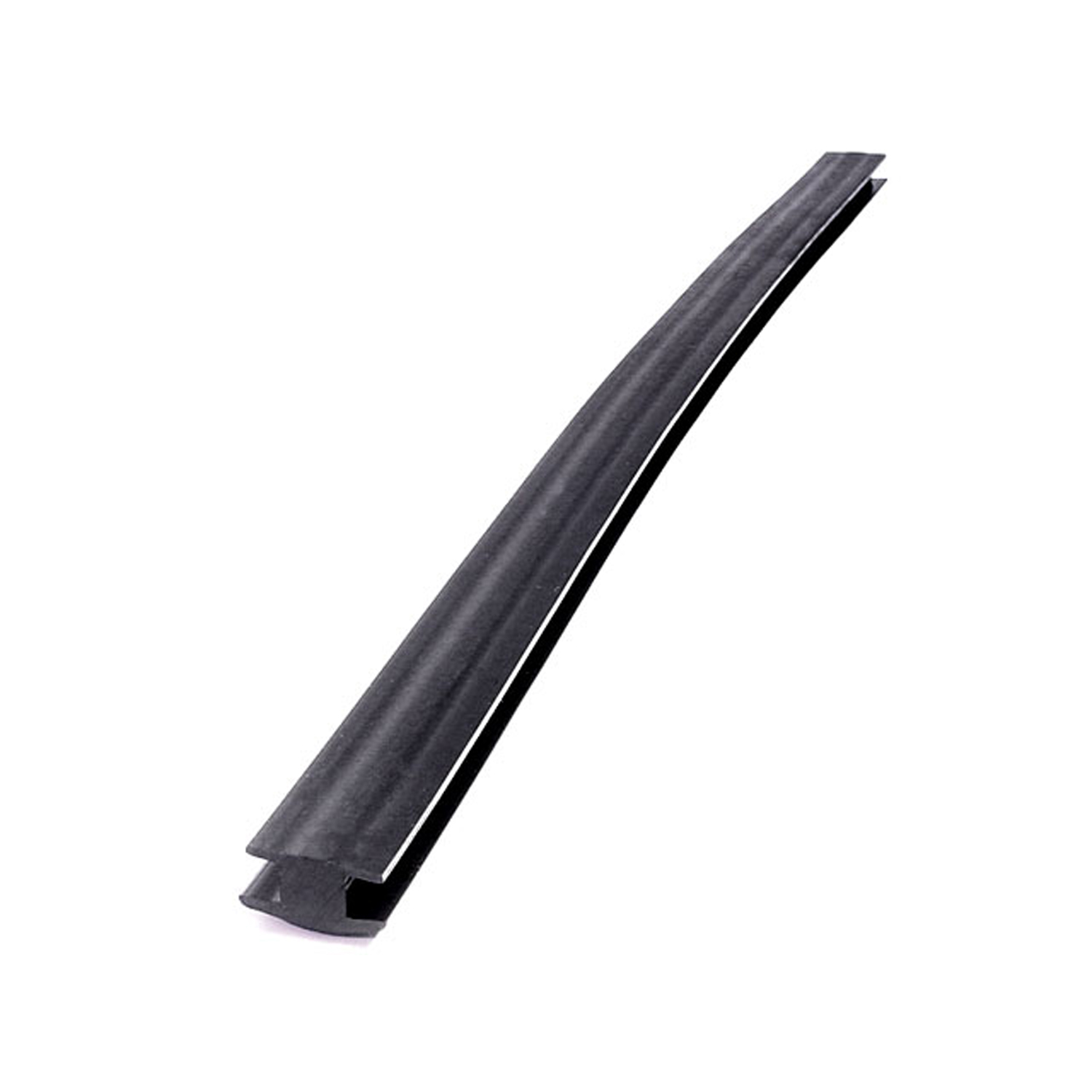 1939 Plymouth Deluxe Windshield Center Bar Gasket. 20" long. Each-DP 12Windshield Center Bar Gasket. 20" long. Each
 1939 Plymouth Deluxe Hood Corners. Fits flat corners-HC 19Hood Corners. Fits flat corners. 80° angle, 1/4" to 3/8" corner radius. 1-3/8" wide. Pair
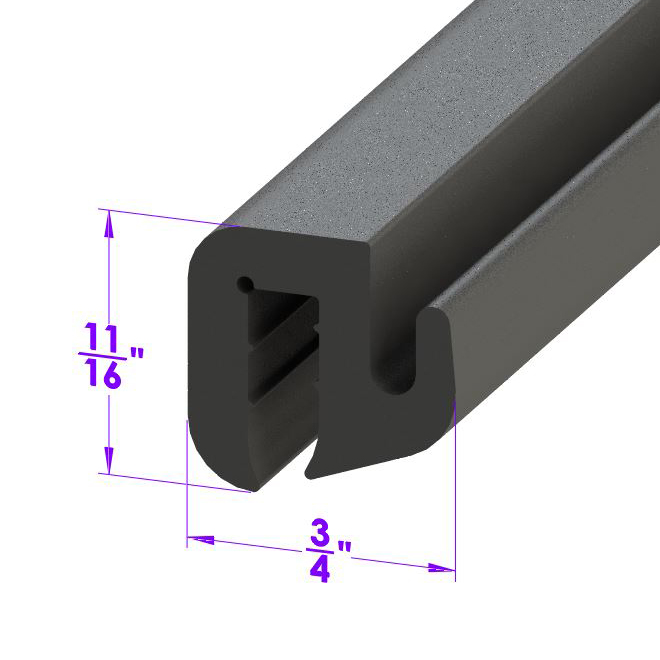 1939 Plymouth Deluxe Windshield and Rear Window Seal. Sold by the foot-LP 30-AWindshield and Rear Window Seal. Sold by the foot
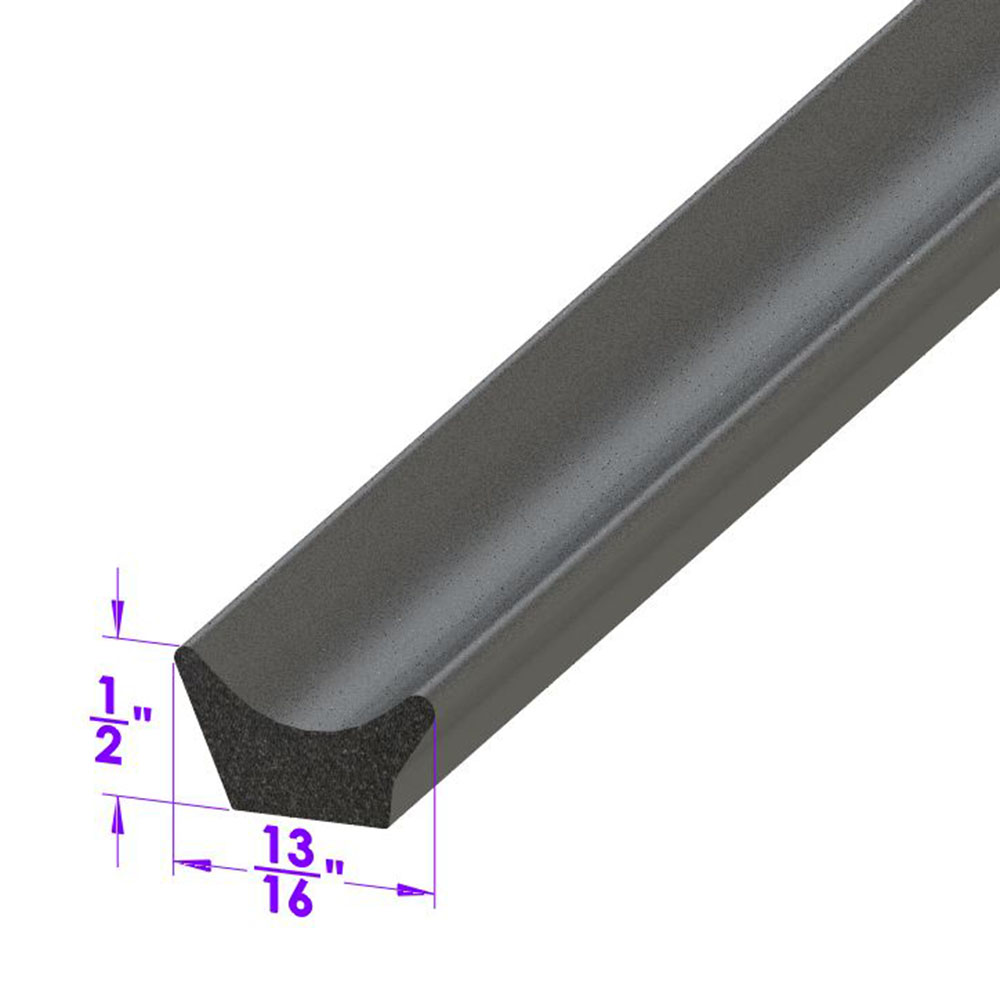 1939 Plymouth Deluxe Door side seal. Same as LP 40, but for a lighter seal-LP 40-ADoor side seal. Same as LP 40, but for a lighter seal. Fits many domestic passenger cars and trucks. Universal seal for street rods and customs. Used in Cobra kit cars as door weatherstrip. Per foot.
 1939 Plymouth Deluxe Tail-light Pads. 3-1/4" wide X 6" long. Pair.-MP 948Tail-light Pads. 3-1/4" wide X 6" long. Pair.
 1939 Plymouth Deluxe Trunk Hinge Pads, for Coupe. 1-1/2" wide X 12-1/4" long-MP 949-ETrunk Hinge Pads, for Coupe. 1-1/2" wide X 12-1/4" long. Set
 1939 Plymouth Deluxe Door Handle Pads. 1-5/8" wide X 2-3/4" long. Pair-MP 950-BDoor Handle Pads. 1-5/8" wide X 2-3/4" long. Pair
 1939 Plymouth Deluxe Trunk Hinge Pads. 1-1/2" wide X 8-1/2" long. Set of 4-MP 957Trunk Hinge Pads. 1-1/2" wide X 8-1/2" long. Set of 4
 1939 Plymouth Deluxe Cowl Vent Seal. Made of molded sponge-RP 100-LCowl Vent Seal. Made of molded sponge. 3-3/4" wide at side X 15-1/3" long X 3/8" thick. Each
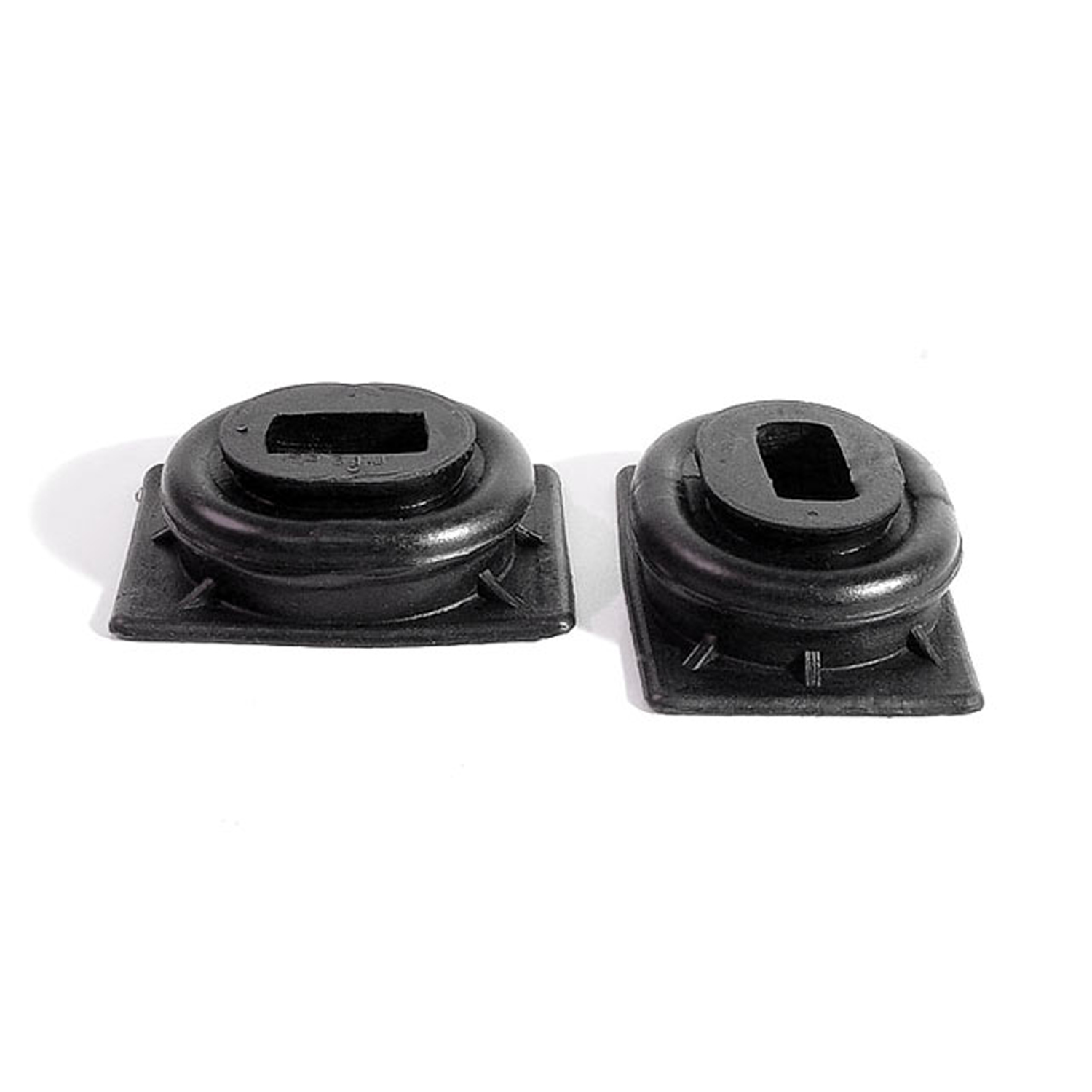 1939 Plymouth Deluxe Clutch and Brake Seals. Replaces OEM #889473. Pair-RP 31-JClutch and Brake Seals. Replaces OEM #889473. Pair
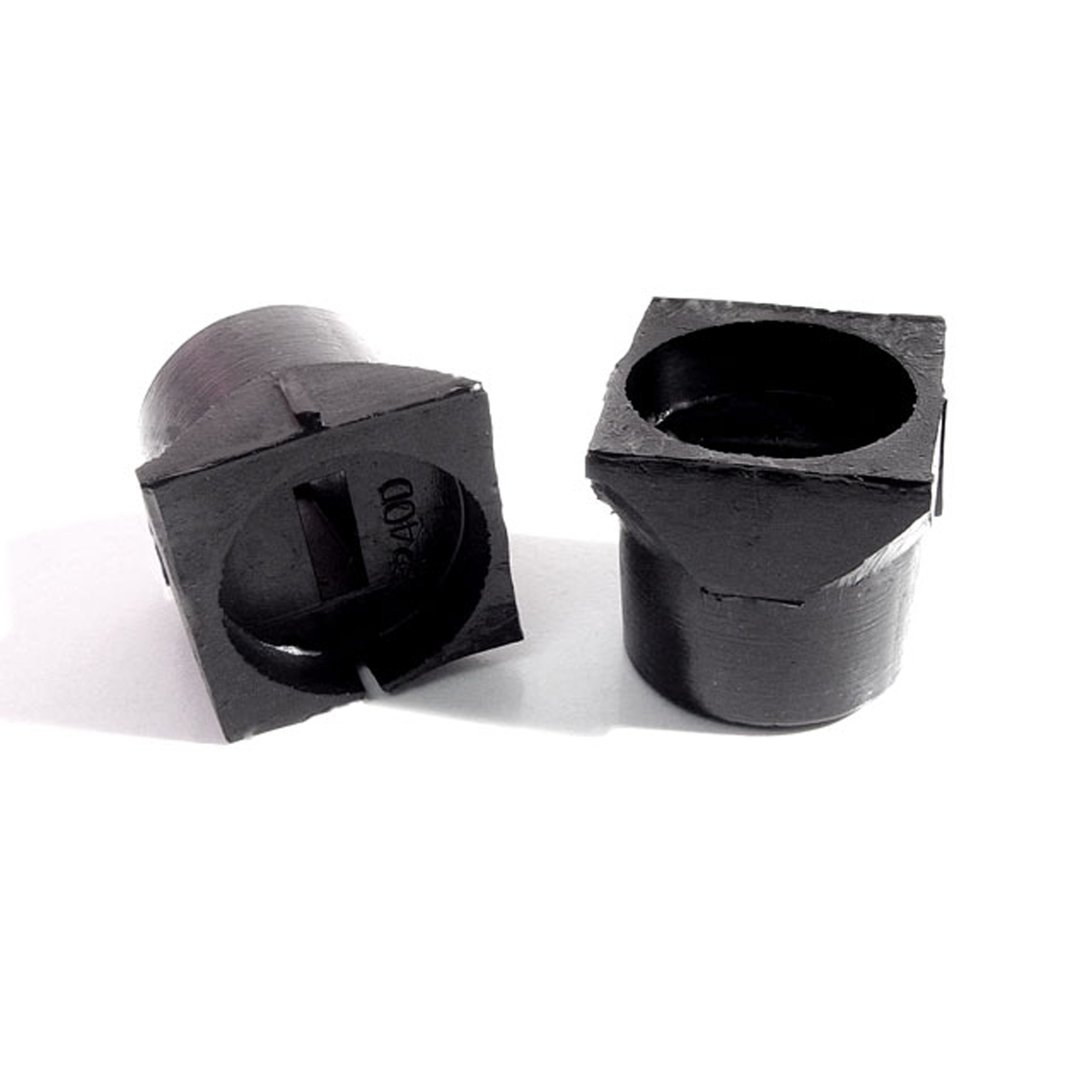 1939 Plymouth Deluxe Door Check Rubber Cushion. Each-RP 40-DDoor Check Rubber Cushion. Each
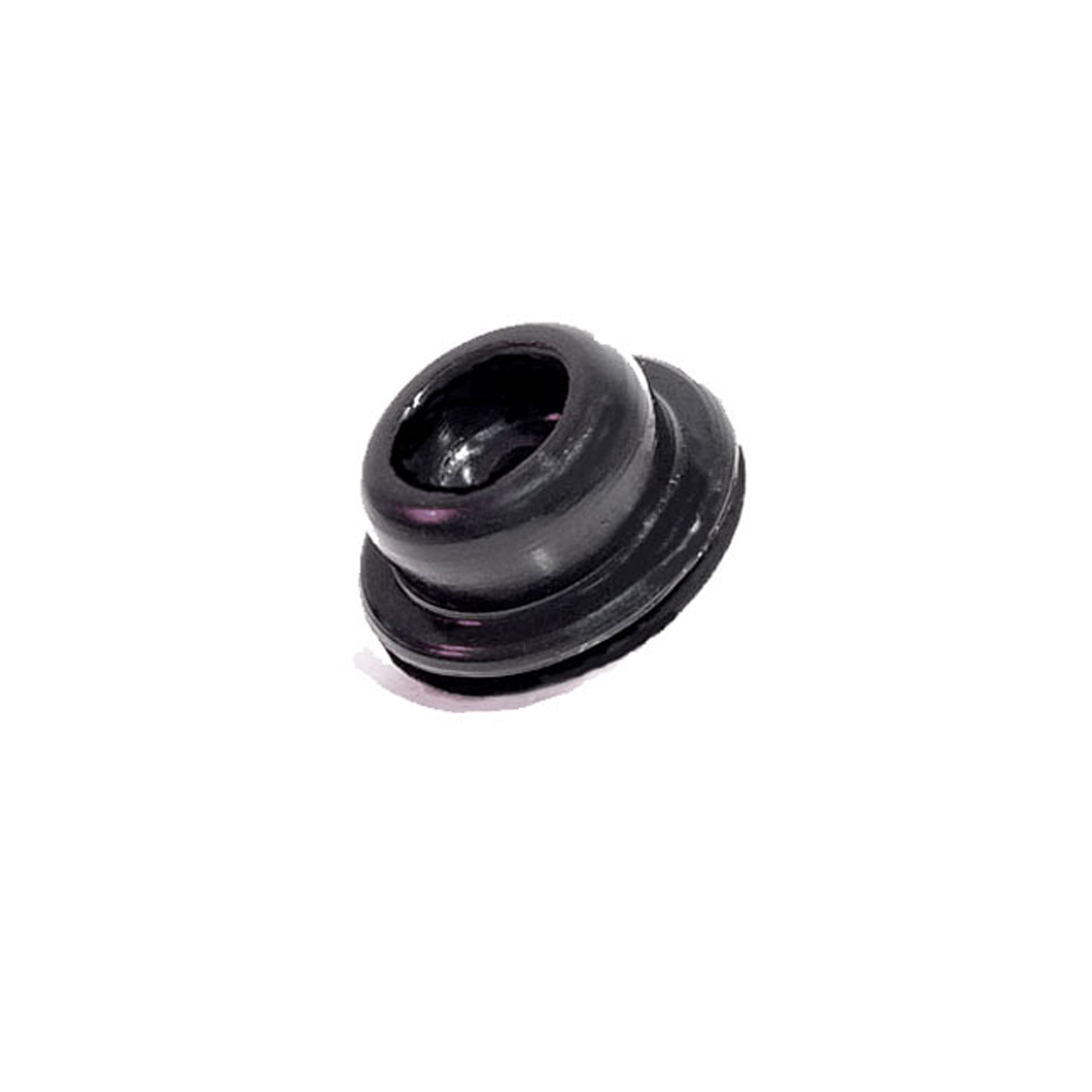 1939 Plymouth Deluxe Accelerator Rod Grommet-SM 43-BAccelerator Rod Grommet. For accelerator rod through floorboard. Each
 1939 Plymouth Deluxe Rear Vent Window Seals, for Sedans-WR 2300-RRear Vent Window Seals, for Sedans. Slight modification required for some models. Overall length is 44". Some models use longer seal, for these use extension piece WREX 2300-R. Pair R&L
 1939 Plymouth Deluxe Rear Vent Window Seals Extension Piece, for Sedans-WREX 2300-RRear Vent Window Seals Extension Piece, for Sedans. Butting of parts is required. 24" long. Replaces OEM #744128-9, 790216-7 & 847090-1. Pair
Why Choose Metro?
For over 100 years, Metro Moulded Parts has been the pinnacle of quality in classic car restoration parts. Our commitment to precision and authenticity in every component ensures a perfect fit and an OEM-level appearance.
- Expert Craftsmanship & Quality: Each part is a testament to our dedication to reliability and perfection, crafted from original designs and thoroughly tested.
- Advanced Technology: We use cutting-edge techniques to create flawless, long-lasting parts that surpass others in performance.
- SuperSoft Sponge – The Ultimate Door Seal: Not only are our door seals 30% softer than competitors', but they're also guaranteed to never leak. They effectively reduce wind and road noise, enhancing your classic car's comfort and driving experience.
- Proudly American: Our parts are a product of American craftsmanship, made in the USA with a spirit of excellence and heritage.
- Unrivaled Warranty: We back our products with a 30-year industry-leading warranty, a testament to our confidence in their quality.
Join us in preserving the legacy of classic cars with parts that are crafted for perfection, not just made.