

Image of 1939 Plymouth P7 Roadking, Note: These illustrations use artistic license and may differ from actual historical models.
Performance Metrics
Fundamental Metrics
Emotional Appeal
MMP Rating
| Engine Specifications | |
|---|---|
| Engine: | Inline 6 |
| Displacement: | 201.3 cu in (3.3 L) |
| Horsepower: | Estimated 82 hp |
| Torque: | Information not available |
| Compression Ratio: | Information not available |
| Ignition System: | Distributor and coil |
| Cooling System: | Liquid-cooled |
| Performance Specifications | |
| 0-60 Time: | Information not available |
| 1/4 Mile Time: | Information not available |
| Top Speed: | Estimated 75 mph |
| Transmission and Drive | |
| Drive Type: | Rear-wheel drive |
| Transmission Type: | 3-speed manual |
| Fuel and Efficiency | |
| Fuel System Type: | Carburetor |
| MPG: | Information not available |
| Dimensions and Brakes | |
| Brakes: | Drum brakes |
| Wheelbase: | 114 in (2,896 mm) |
| Weight: | Estimated 2,900 lbs |
Note: Specifications for classic cars are given to the best of our ability, considering the limited and variant data available.
1939 Plymouth P7 Roadking: An Affordable Classic with Real Road Presence
The 1939 Plymouth P7 Roadking brought practical six-cylinder motoring to American families at a moment when the automobile was becoming an everyday necessity rather than a luxury. Built by the Chrysler Corporation, the Roadking was Plymouth’s value-focused model, combining straightforward engineering with the confident, carefully styled look of a full-size car.
The P7 designation identifies the 1939 Roadking series, positioned below the better-equipped Plymouth Deluxe. One intriguing detail is that this modestly priced car benefited from engineering ideas Chrysler had spent years developing, including rubber-mounted “Floating Power” engine mounts designed to reduce vibration. The Roadking was an entry-level Plymouth, but it was not a bare-bones throwback.
Streamlined Style and a Practical Cabin
The P7’s exterior has the upright confidence of a prewar American car, softened by flowing fenders and rounded body contours. Its tall hood leads into a prominent grille with closely spaced horizontal bars, while the headlights sit neatly in the front-fender forms. The result is less ornate than some luxury cars of the period, but distinctly more modern than the boxy designs of the early 1930s. Broad running boards, bright trim, and rounded rooflines complete the look.
Inside, the Roadking emphasized durability and function. The bench seats were broad and upright, with cloth upholstery rather than the more elaborate trim found in higher-priced cars. Painted metal surfaces, simple door panels, and clear, straightforward gauges kept the cabin unfussy. Materials and trim could vary with body style and factory equipment, but the Roadking’s interior was intended to handle regular family or work use, not imitate a luxury parlor.
Factory paint choices varied by body style and production details. Period Plymouth palettes included restrained shades such as dark blue, maroon, green, gray, and black, with combinations of body color and contrasting trim available on some versions. Dark, conservative colors suit the car’s formal lines particularly well, while richer blues and maroons bring out the curves of the fenders.
Roadking body styles centered on two- and four-door sedans, with coupe and business-coupe configurations also represented in period listings. Exact availability could vary by market and catalog. The four-door sedan was the natural family choice, while the business coupe, with its compact passenger compartment and useful luggage space, appealed to traveling salespeople and small-business owners.
Chrysler Engineering for the Mainstream
The Roadking’s significance lies less in a single headline-grabbing invention than in how it made solid engineering accessible. Plymouth had adopted hydraulic brakes years before many competitors, and the 1939 P7 used a conventional, serviceable hydraulic braking system. Its independent front suspension helped improve ride and steering over rough roads compared with older solid-axle arrangements.
Chrysler’s “Floating Power” mounting system was another useful refinement. Rubber mounts isolated much of the engine’s vibration from the frame and passenger compartment, helping the inline six feel smoother at ordinary speeds. The Roadking also benefited from the broader industry move toward all-steel, enclosed bodies, which offered a more durable and weather-resistant alternative to earlier construction methods.
Against contemporaries such as the Ford Standard and Chevrolet Master, the Plymouth was a practical middle ground: a mass-market car with a comfortable ride, a roomy cabin, and engineering that felt reassuringly mature. Its influence was part of a larger shift toward cars that were safer, smoother, and easier to live with, even when purchased at a modest price.
Flathead Six Performance and Road Manners
Power came from a 201.3-cubic-inch L-head inline-six, commonly rated at about 82 horsepower, paired with a three-speed manual transmission. The engine used a cast-iron block and a simple, low-stress design that prioritized durability and tractability over high-revving performance. Most examples were fitted with a floor-mounted gearshift, though equipment and details can differ between cars.
A healthy, correctly tuned Roadking could reach roughly 70 to 75 mph under favorable conditions. A 0-to-60-mph run generally took in the neighborhood of 25 to 30 seconds, depending on gearing, vehicle condition, load, and test method. Those figures are estimates rather than modern standardized test results. The Plymouth was built for steady transportation, not quick acceleration.
On a typical road, the P7 feels substantial and relaxed. Its suspension takes the sting out of ordinary bumps, though large potholes and broken pavement still remind the driver that this is a body-on-frame car with prewar suspension geometry. On a winding road, the steering is slower and less precise than a modern car’s, and the tall body leans through corners. Smooth inputs suit it best.
From behind the wheel, the flathead six makes a subdued, even mechanical murmur rather than a sharp, high-pitched note. The manual gearbox calls for deliberate shifts, and the driver does more of the work than in a modern automatic. That involvement is part of the appeal: the Roadking asks you to pay attention, then rewards you with an unhurried, mechanical kind of motoring.
Living with a 1939 Roadking
In its own day, the Roadking was a daily driver for families and a working tool for businesses. Today, most surviving examples are used for local touring, vintage-car events, parades, and shows. A well-maintained car can still cover shorter trips comfortably, but many owners treat one as a weekend classic rather than dependable year-round transportation.
The mechanical layout is comparatively simple. The flathead six, carburetor, generator, ignition points, and three-speed transmission are familiar territory for a mechanic experienced with prewar cars. Many routine jobs can be handled by a capable owner with basic tools, a workshop manual, and patience. Parts support remains available through specialist suppliers and the wider vintage Chrysler community, although trim, sheet metal, and body-specific pieces may take more searching.
Reliability depends heavily on condition and maintenance. Before regular driving, inspect the cooling system, fuel lines, wiring, tires, steering, and especially the hydraulic brakes. The original electrical system is 6-volt, so healthy cables, grounds, and battery connections matter. A car that has been sitting for years should be recommissioned carefully rather than driven hard straight away.
Roadking Facts, Rarities, and Common Complaints
The 1939 Roadking was part of Plymouth’s high-volume, affordable-car story, not a limited-edition model. Plymouth produced roughly 417,000 cars across its 1939 line, though exact Roadking production totals are not consistently reported in commonly available summaries. A reasonable working estimate for the Roadking portion is somewhere in the low-to-mid six figures, perhaps around 140,000 to 180,000 cars, but that should be treated as an estimate rather than a confirmed factory figure.
There is no widely recognized Roadking speed or endurance record, and the model is not chiefly remembered for celebrity ownership or a single famous historical appearance. Its more notable distinction is its everyday role: it represents the kind of sturdy, mass-produced car that carried American families and workers through the late Depression era and into the changing world of the 1940s.
Common criticisms are familiar to anyone who drives a prewar car. The Roadking is slow by modern standards, its brakes and steering require more effort, and its cabin lacks contemporary safety equipment and climate control. Compared with more upscale Plymouths, its interior trim is plain. For collectors, though, that simplicity is part of the car’s honest character.
1939 Plymouth Roadking Value and Availability
Values depend on body style, originality, mechanical condition, and the quality of restoration. As a broad current-market estimate, a project or incomplete car might bring about $4,000 to $9,000. A sound driver could fall around $10,000 to $20,000, while a very good restored example may reach roughly $20,000 to $35,000. Exceptional restorations, rare body configurations, and especially well-documented cars can exceed that range, but condition and buyer interest make a substantial difference.
Roadkings are less common on the market than familiar postwar classics, though they are not generally considered rare in the limited-production sense. Sedans tend to be the more attainable finds; coupes and cars retaining their original details can attract added interest. Values for prewar American cars have been uneven, with the strongest demand favoring excellent, usable examples. A sound, correctly restored Roadking is likely to hold its appeal better than a costly restoration that has outpaced the car’s market value.
A Dependable Piece of Plymouth History
The 1939 Plymouth P7 Roadking pairs flowing prewar styling with practical Chrysler engineering: an 82-horsepower flathead six, a comfortable ride, hydraulic brakes, and a cabin built for everyday use. It was not designed to be the fastest or most luxurious car on the road. Its achievement was making durable, sensible transportation feel polished and modern for its time.
More than eight decades later, the Roadking remains a rewarding classic for drivers who value mechanical simplicity and period character. It is a reminder that automotive history is not made only by exotic machines and record setters. Sometimes it is made by the dependable car that simply kept America moving.
1939 Plymouth P7 Roadking Catalog of Parts
 1939 Plymouth P7 Roadking Door Jamb Bumper. Perfect reproduction-DB 36Door Jamb Bumper. Perfect reproduction. 1-1/16" high X 1-1/4" wide X 7/16" thick. Each
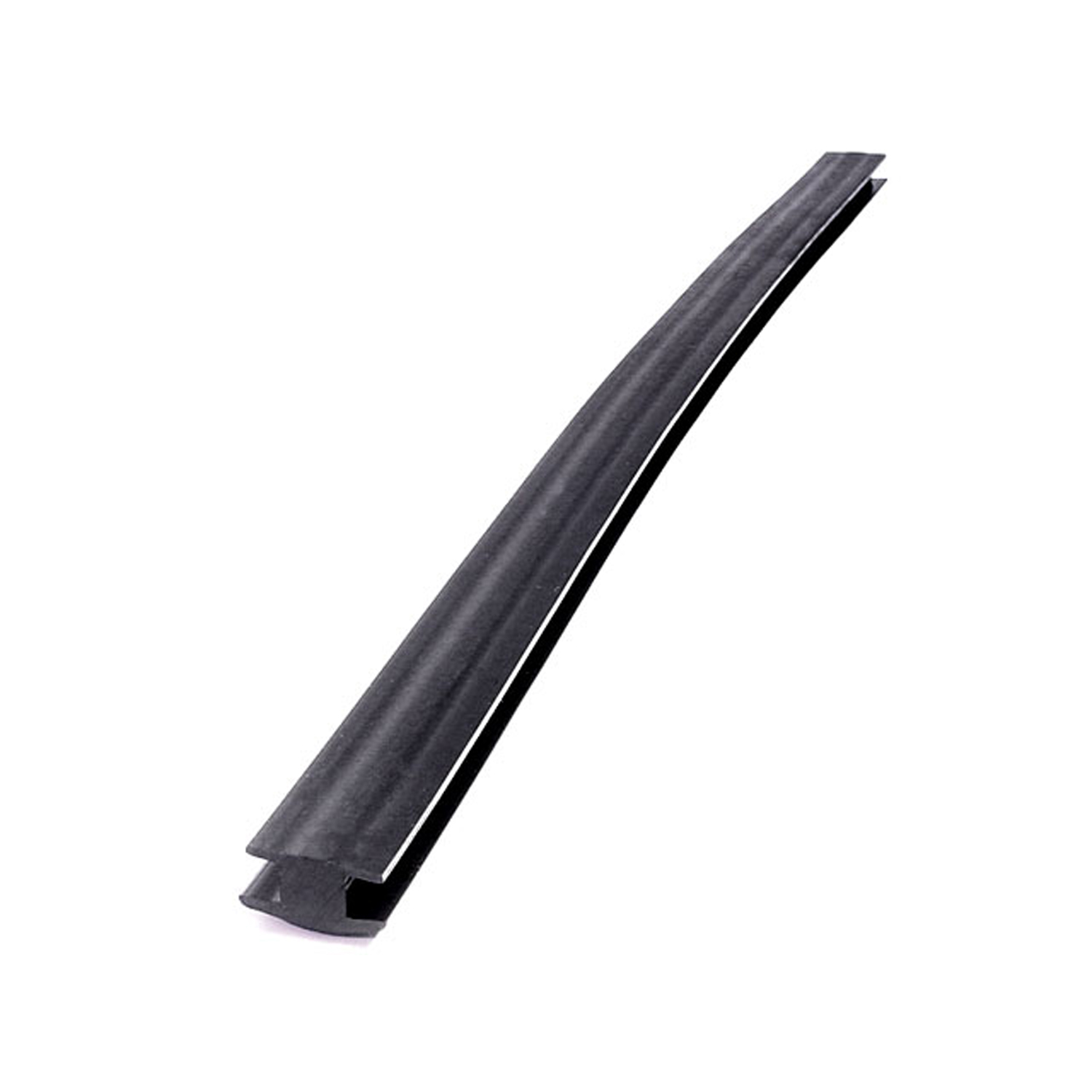 1939 Plymouth P7 Roadking Windshield Center Bar Gasket. 20" long. Each-DP 12Windshield Center Bar Gasket. 20" long. Each
 1939 Plymouth P7 Roadking Hood Corners. Fits flat corners-HC 19Hood Corners. Fits flat corners. 80° angle, 1/4" to 3/8" corner radius. 1-3/8" wide. Pair
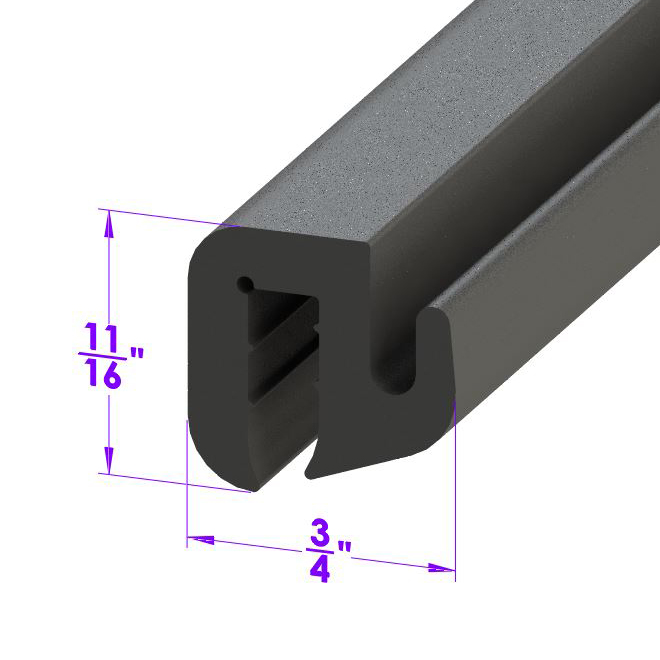 1939 Plymouth P7 Roadking Windshield and Rear Window Seal. Sold by the foot-LP 30-AWindshield and Rear Window Seal. Sold by the foot
 1939 Plymouth P7 Roadking Door side seal. Same as LP 40, but for a lighter seal-LP 40-ADoor side seal. Same as LP 40, but for a lighter seal. Fits many domestic passenger cars and trucks. Universal seal for street rods and customs. Used in Cobra kit cars as door weatherstrip. Per foot.
 1939 Plymouth P7 Roadking Tail-light Pads. 3-1/4" wide X 6" long. Pair.-MP 948Tail-light Pads. 3-1/4" wide X 6" long. Pair.
 1939 Plymouth P7 Roadking Trunk Hinge Pads, for Coupe. 1-1/2" wide X 12-1/4" long-MP 949-ETrunk Hinge Pads, for Coupe. 1-1/2" wide X 12-1/4" long. Set
 1939 Plymouth P7 Roadking Door Handle Pads. 1-5/8" wide X 2-3/4" long. Pair-MP 950-BDoor Handle Pads. 1-5/8" wide X 2-3/4" long. Pair
 1939 Plymouth P7 Roadking Trunk Hinge Pads. 1-1/2" wide X 8-1/2" long. Set of 4-MP 957Trunk Hinge Pads. 1-1/2" wide X 8-1/2" long. Set of 4
 1939 Plymouth P7 Roadking Cowl Vent Seal. Made of molded sponge-RP 100-LCowl Vent Seal. Made of molded sponge. 3-3/4" wide at side X 15-1/3" long X 3/8" thick. Each
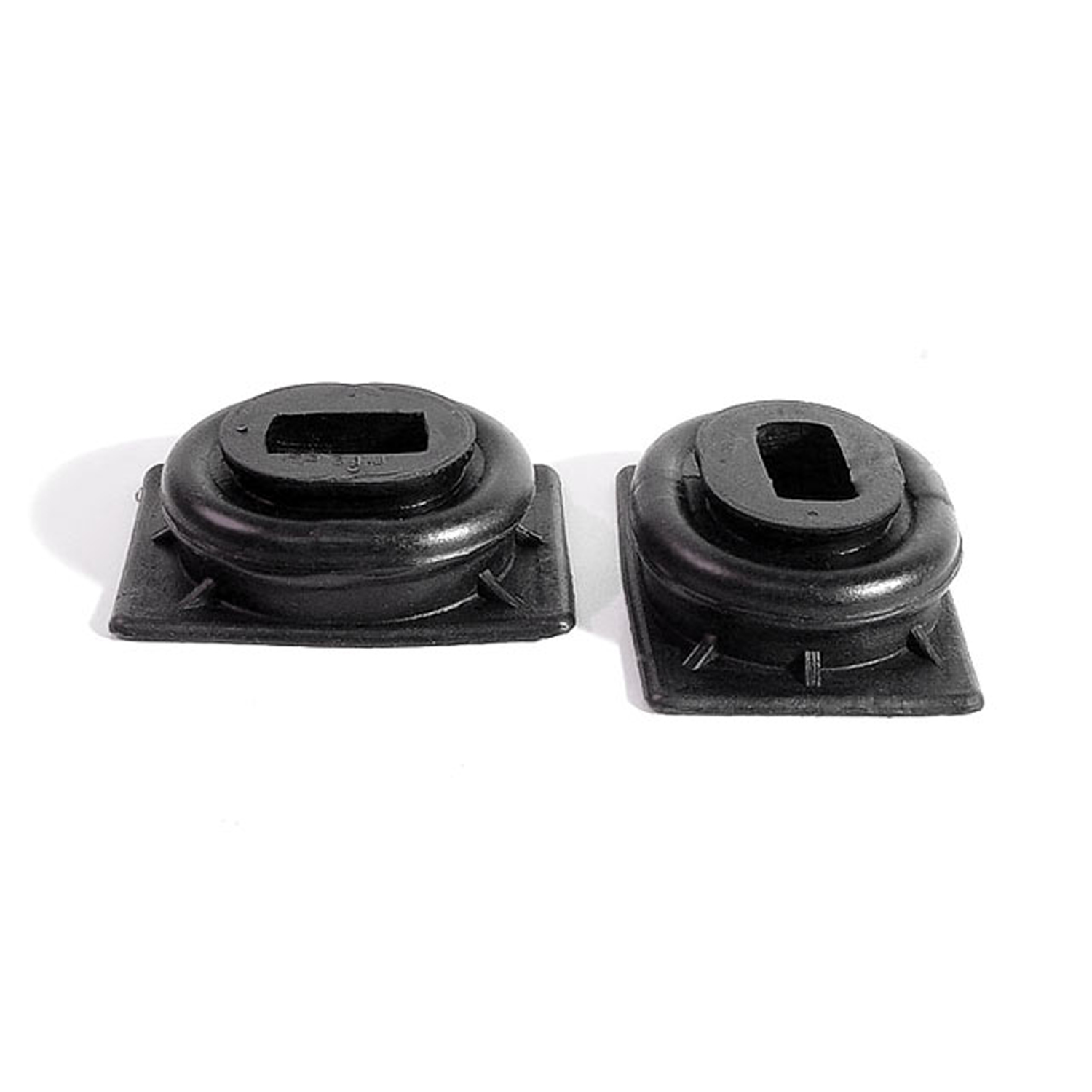 1939 Plymouth P7 Roadking Clutch and Brake Seals. Replaces OEM #889473. Pair-RP 31-JClutch and Brake Seals. Replaces OEM #889473. Pair
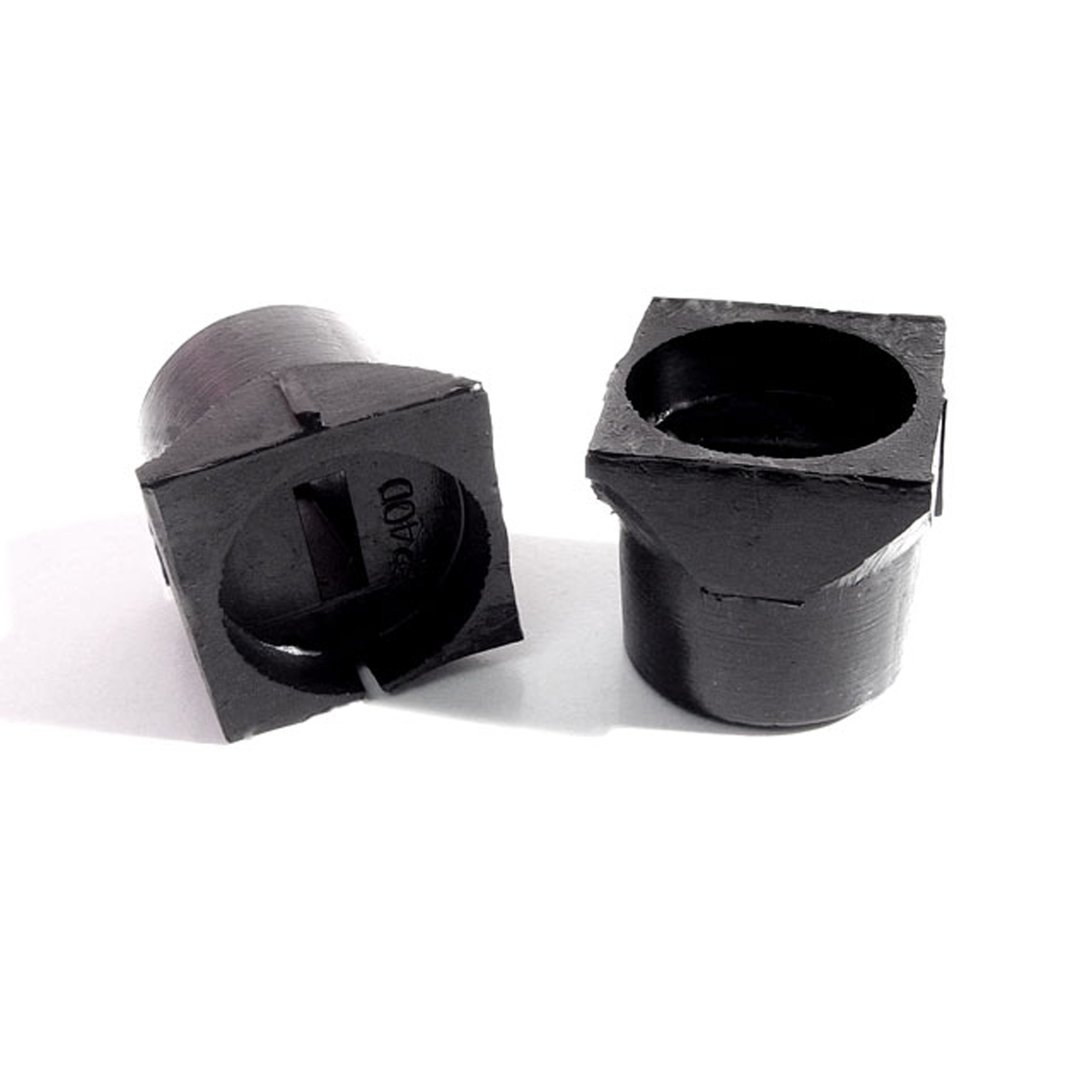 1939 Plymouth P7 Roadking Door Check Rubber Cushion. Each-RP 40-DDoor Check Rubber Cushion. Each
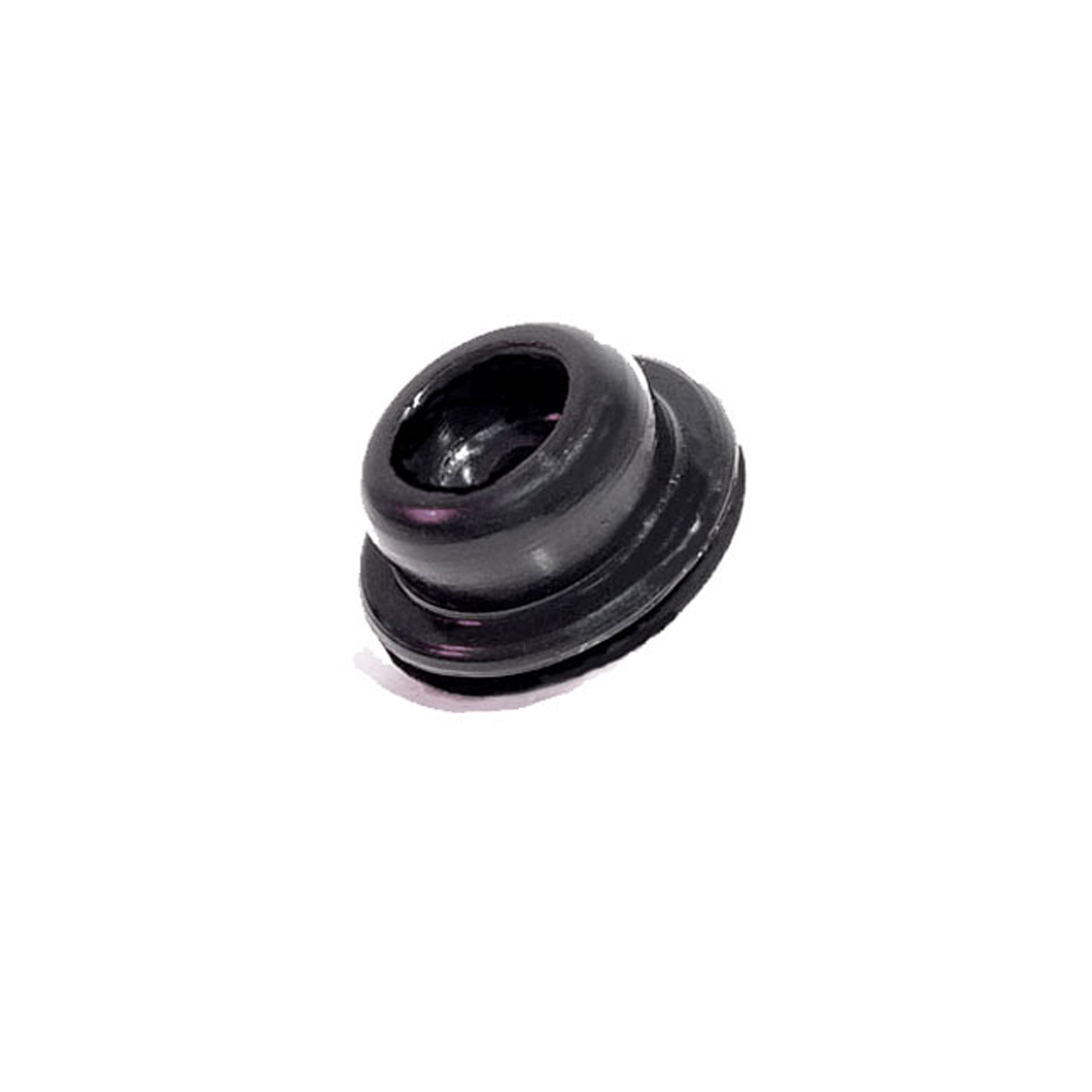 1939 Plymouth P7 Roadking Accelerator Rod Grommet-SM 43-BAccelerator Rod Grommet. For accelerator rod through floorboard. Each
 1939 Plymouth P7 Roadking Rear Vent Window Seals, for Sedans-WR 2300-RRear Vent Window Seals, for Sedans. Slight modification required for some models. Overall length is 44". Some models use longer seal, for these use extension piece WREX 2300-R. Pair R&L
 1939 Plymouth P7 Roadking Rear Vent Window Seals Extension Piece, for Sedans-WREX 2300-RRear Vent Window Seals Extension Piece, for Sedans. Butting of parts is required. 24" long. Replaces OEM #744128-9, 790216-7 & 847090-1. Pair
Why Choose Metro?
For over 100 years, Metro Moulded Parts has been the pinnacle of quality in classic car restoration parts. Our commitment to precision and authenticity in every component ensures a perfect fit and an OEM-level appearance.
- Expert Craftsmanship & Quality: Each part is a testament to our dedication to reliability and perfection, crafted from original designs and thoroughly tested.
- Advanced Technology: We use cutting-edge techniques to create flawless, long-lasting parts that surpass others in performance.
- SuperSoft Sponge – The Ultimate Door Seal: Not only are our door seals 30% softer than competitors', but they're also guaranteed to never leak. They effectively reduce wind and road noise, enhancing your classic car's comfort and driving experience.
- Proudly American: Our parts are a product of American craftsmanship, made in the USA with a spirit of excellence and heritage.
- Unrivaled Warranty: We back our products with a 30-year industry-leading warranty, a testament to our confidence in their quality.
Join us in preserving the legacy of classic cars with parts that are crafted for perfection, not just made.