

Image of 1939 Plymouth Pt-81, Note: These illustrations use artistic license and may differ from actual historical models.
Performance Metrics
Fundamental Metrics
Emotional Appeal
MMP Rating
| Engine Specifications | |
|---|---|
| Engine: | Inline 6 |
| Displacement: | 201 cubic inches |
| Horsepower: | Estimated 70-85 hp |
| Torque: | Not available |
| Compression Ratio: | 6.7:1 |
| Ignition System: | Distributor and coil |
| Cooling System: | Liquid-cooled |
| Performance Specifications | |
| 0-60 Time: | Not available |
| 1/4 Mile Time: | Not available |
| Top Speed: | 70-75 mph |
| Transmission and Drive | |
| Drive Type: | Rear-wheel drive |
| Transmission Type: | 3-speed manual |
| Fuel and Efficiency | |
| Fuel System Type: | Carburetor |
| MPG: | Not available |
| Dimensions and Brakes | |
| Brakes: | Hydraulic drum brakes |
| Wheelbase: | 116 inches |
| Weight: | 2,900 lbs |
Note: Specifications for classic cars are given to the best of our ability, considering the limited and variant data available.
1939 Plymouth PT-81: A Workhorse with Art Deco Style
The 1939 Plymouth PT-81 brought carmaker polish to the working pickup, pairing a sturdy six-cylinder drivetrain with the rounded, streamlined styling of the late 1930s. Built by the Chrysler Corporation under its Plymouth brand, the PT-81 is now a less familiar alternative to period Ford and Chevrolet trucks, but its combination of practical engineering and distinctive design makes it a compelling classic.
The PT-81 belonged to Plymouth’s prewar commercial-vehicle range, when automakers were adapting passenger-car ideas for business use. Its 1939 designation places it in a brief chapter of Plymouth truck history: Plymouth offered commercial vehicles for several years, but did not become a long-term truck brand. One intriguing detail is that the PT-81’s model name can be more recognizable to enthusiasts than the truck itself. It is a factory designation, not a nickname, and helps distinguish this Plymouth from later Dodge trucks that shared parts and corporate engineering.
Art Deco Lines and a Practical Cab
The PT-81 has the upright stance of a working truck, softened by flowing late-1930s contours. Its rounded hood leads into a bold front grille, while separate fenders sweep around the wheels and blend into the running boards. The headlights sit prominently at the front, and the cab’s curved roof and gently sloping windshield give the truck a more finished appearance than a strictly utilitarian design. From the side, the long hood and compact cab create a balanced profile that looks at home in a period farmyard or a restored downtown storefront.
The cab was built for work rather than luxury. Expect a simple instrument panel, straightforward controls, a bench seat, and durable trim. Painted metal surfaces and practical upholstery were typical of the period, though exact materials and details could vary with equipment, supplier, and later repairs. The driving position is upright, with a large steering wheel and a relatively open view over the hood. Modern conveniences such as air conditioning, power steering, and a factory radio were not part of the PT-81’s basic working-truck experience.
Period color choices depended on the truck’s configuration and original order. Commercial buyers often favored practical, darker finishes, while surviving trucks today appear in a wider range of restored colors. Black, deep blue, and dark red are appealing period-style choices, but anyone restoring a particular truck should look for traces of its original paint rather than assume a single standard palette.
The pickup is the PT-81’s most recognizable body style, but Plymouth’s commercial range also included delivery-oriented bodies such as panel and sedan deliveries, along with work-truck configurations that could be supplied as chassis or chassis-cab vehicles. Availability depended on the specific model and body supplier. The pickup remains the best-known version among collectors because it displays the truck’s full cab-and-bed proportions.
What Made the PT-81 Different?
The PT-81 was not a revolutionary truck, and its significance is best understood as part of a broader shift in American vehicle design. By the late 1930s, buyers increasingly expected a commercial vehicle to be dependable and useful without looking crude. Plymouth answered with a truck that carried the brand’s passenger-car styling language into a working vehicle, while using familiar, serviceable mechanical components.
Its inline six-cylinder engine and conventional rear-wheel-drive layout made the PT-81 approachable for mechanics and owners accustomed to American cars and trucks of the era. The truck also reflects Chrysler’s wider emphasis on practical engineering. Plymouth had introduced independent front suspension on its passenger cars earlier in the decade, and the company’s approach to ride and handling helped distinguish its products from more basic designs. Exact suspension specifications should be checked against the individual truck and its build information, especially since decades of repairs and substitutions are common.
The PT-81 did not define the pickup market or create a major new technology. Its lasting appeal is more subtle: it shows how a manufacturer with strong passenger-car styling ambitions applied those ideas to commercial vehicles. Today, that blend of familiar mechanical simplicity and period character sets it apart from more numerous Fords and Chevrolets.
Flathead Six Performance and Road Manners
Power came from a 201-cubic-inch L-head, or flathead, inline-six, generally listed at about 70 horsepower. A three-speed manual transmission sent power to the rear wheels. The engine’s priorities were steady pulling power and straightforward service, not high-speed performance. Its broad torque delivery suited local deliveries, farm chores, and light hauling, particularly when the truck was not overloaded.
Period factory performance figures are difficult to pin down, and a modern test of a surviving PT-81 can be affected by engine condition, gearing, tire size, and restoration choices. As a practical estimate, a healthy, lightly loaded example might reach roughly 60 to 70 mph. Acceleration from 0 to 60 mph would be leisurely, likely in the range of about 25 to 35 seconds, and could take longer with a load or tired mechanicals. These are estimates, not guaranteed factory test results.
On the road, the PT-81 feels unmistakably vintage. The flathead six makes a steady, low-pitched mechanical murmur, while the manual gearbox asks the driver to make deliberate shifts. The steering is unassisted and requires more effort at low speeds than a modern truck. On bumps, the chassis and tires transmit more movement into the cab, especially when the bed is empty. A load can settle the rear suspension, but it also changes braking and cornering behavior, so sensible speeds matter.
On a winding road, expect measured responses rather than sports-car precision. The truck’s tall stance, solid rear axle, and period tires reward smooth steering and early braking. In crosswinds, an empty pickup can feel more vulnerable than a modern vehicle, particularly at highway speeds. The PT-81 is most enjoyable on scenic back roads and at a relaxed pace, where its engine note, long hood, and direct mechanical feel become part of the attraction.
Living with a 1939 Plymouth Truck
Most PT-81s today serve as show vehicles, weekend cruisers, parade trucks, or carefully maintained vintage haulers. They are not ideal modern daily drivers unless substantially updated and driven with an understanding of their limitations. Braking distances, lighting, crash protection, and highway performance fall far short of current standards.
The basic flathead-six layout is relatively accessible, and many routine jobs can be handled by a capable home mechanic with period-vehicle experience. Ignition, carburetor, cooling, and brake work are familiar tasks to classic-car specialists. Parts availability is more challenging than for a popular Chevrolet or Ford pickup, however. Some mechanical pieces may be shared with other Chrysler products, but body panels, trim, glass, and model-specific details can take patience to find. Before buying, inspect the frame, cab corners, floor, bed, and fenders for rust, and check whether the engine, transmission, and major components are original or later replacements.
Reliability depends heavily on condition and maintenance. A well-sorted PT-81 can be dependable for local use, but age-related issues such as dried seals, worn wiring, cooling-system problems, and brake deterioration deserve attention. Regular checks of fluids, ignition components, tires, and brakes are essential. Treating it like a modern truck and expecting effortless long-distance travel is a recipe for frustration.
PT-81 Trivia and Common Criticisms
The PT-81’s strongest claim to distinction is its place in Plymouth’s relatively short-lived commercial-vehicle story. It is a rarer sight than the Ford and Chevrolet pickups that dominated the era, giving it an appealing “not another one” quality at shows. There is no widely recognized speed or endurance record associated specifically with the PT-81, and it is not known for a famous racing career or a defining appearance in a major historical event.
Its rarity is also a source of common criticism. Owners may find that trim and body-specific parts are harder to locate than parts for more popular makes, and restoration can take longer when original components are missing. The truck’s modest power, slow acceleration, unassisted steering, and limited highway comfort are further drawbacks by modern standards. For collectors, though, those traits are part of its honest prewar character rather than defects to be disguised.
Collector Values and Availability
PT-81 production totals are not consistently reported in readily available model-by-model records. A cautious estimate is that Plymouth built several thousand PT-81 trucks, possibly in the range of roughly 5,000 to 10,000 across the relevant configurations. This is an informed estimate, not a confirmed factory total. The number of surviving examples is much smaller, and complete, well-documented pickups are uncommon on the open market.
As a broad U.S. market guide for 2026, a project or incomplete truck might sell for around $5,000 to $15,000. A usable driver-quality example could fall in the $15,000 to $30,000 range, while a high-quality restoration may bring roughly $30,000 to $50,000 or more. These figures can shift considerably with originality, rust, restoration quality, documentation, body style, and regional demand. A rare delivery body or an especially authentic example may attract a different buyer than a restored pickup.
Values for unusual prewar trucks tend to be less predictable than those of high-volume collector vehicles. The PT-81 has gained attention as enthusiasts look beyond the usual Ford and Chevrolet choices, but its market is relatively small. Well-preserved, correctly restored examples are likely to hold interest, while heavily modified or poorly documented trucks may be harder to sell. Condition and authenticity matter more than simply spending heavily on restoration.
Why the Plymouth PT-81 Still Matters
The 1939 Plymouth PT-81 combines a useful flathead-six drivetrain, straightforward mechanicals, and flowing prewar styling in a truck that is far less common than its better-known rivals. It was not the fastest or most technologically radical pickup of its day, but it represents an important moment when commercial vehicles began to borrow more of the comfort and visual polish associated with passenger cars.
For collectors, the PT-81 offers something increasingly valuable: a genuine piece of American truck history that still feels distinctive in a row of familiar pickups. Take it at its own pace, keep its vintage limitations in mind, and the old Plymouth rewards you with the sound, shape, and mechanical character of a working truck from another era.
1939 Plymouth Pt-81 Catalog of Parts
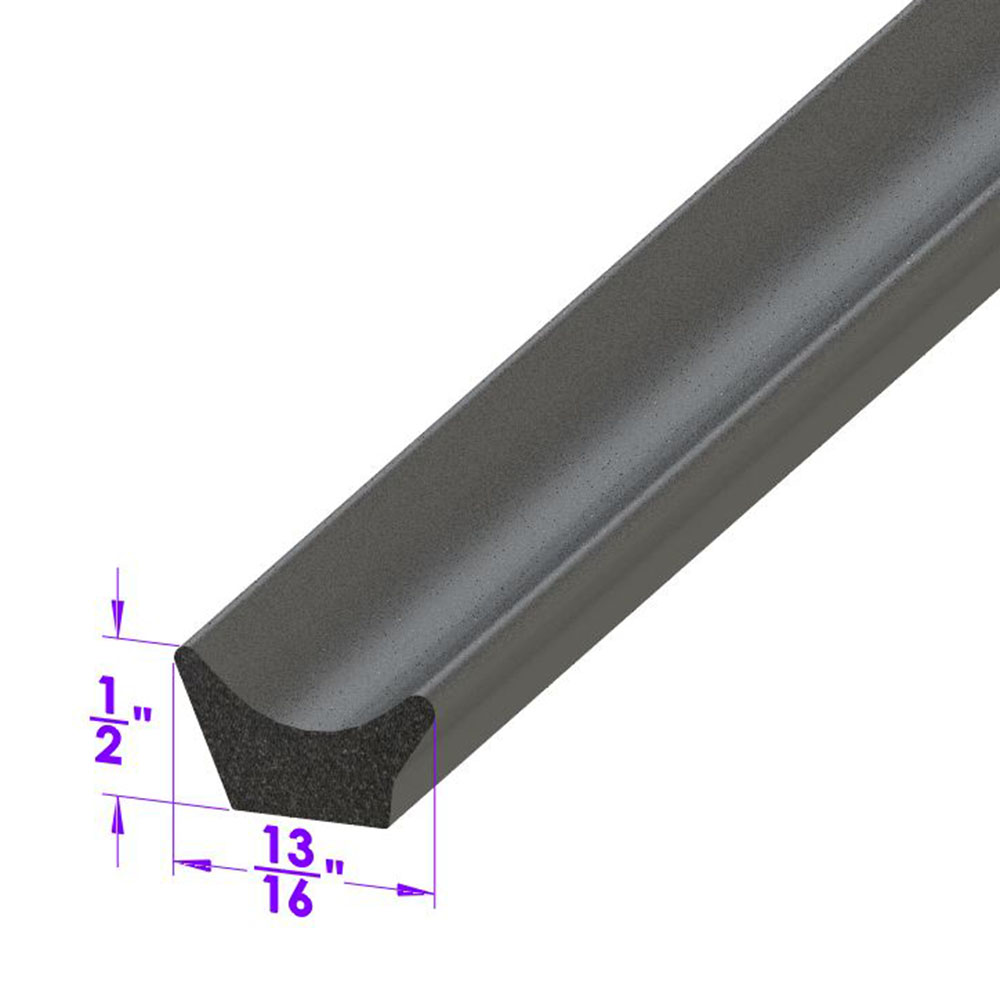 1939 Plymouth PT-81 Door side seal. Same as LP 40, but for a lighter seal-LP 40-ADoor side seal. Same as LP 40, but for a lighter seal. Fits many domestic passenger cars and trucks. Universal seal for street rods and customs. Used in Cobra kit cars as door weatherstrip. Per foot.
 1939 Plymouth PT-81 Tail-light Pads. 3-1/4" wide X 6" long. Pair.-MP 948Tail-light Pads. 3-1/4" wide X 6" long. Pair.
 1939 Plymouth PT-81 Trunk Hinge Pads, for Coupe. 1-1/2" wide X 12-1/4" long-MP 949-ETrunk Hinge Pads, for Coupe. 1-1/2" wide X 12-1/4" long. Set
 1939 Plymouth PT-81 Door Handle Pads. 1-5/8" wide X 2-3/4" long. Pair-MP 950-BDoor Handle Pads. 1-5/8" wide X 2-3/4" long. Pair
Why Choose Metro?
For over 100 years, Metro Moulded Parts has been the pinnacle of quality in classic car restoration parts. Our commitment to precision and authenticity in every component ensures a perfect fit and an OEM-level appearance.
- Expert Craftsmanship & Quality: Each part is a testament to our dedication to reliability and perfection, crafted from original designs and thoroughly tested.
- Advanced Technology: We use cutting-edge techniques to create flawless, long-lasting parts that surpass others in performance.
- SuperSoft Sponge – The Ultimate Door Seal: Not only are our door seals 30% softer than competitors', but they're also guaranteed to never leak. They effectively reduce wind and road noise, enhancing your classic car's comfort and driving experience.
- Proudly American: Our parts are a product of American craftsmanship, made in the USA with a spirit of excellence and heritage.
- Unrivaled Warranty: We back our products with a 30-year industry-leading warranty, a testament to our confidence in their quality.
Join us in preserving the legacy of classic cars with parts that are crafted for perfection, not just made.