

Image of 1940 Plymouth P10 Deluxe, Note: These illustrations use artistic license and may differ from actual historical models.
Performance Metrics
Fundamental Metrics
Emotional Appeal
MMP Rating
| Engine Specifications | |
|---|---|
| Engine Options: | Inline 6 |
| Displacement Range: | 201.3 cu in (3.3 L) |
| Horsepower Range: | Estimated 84 hp |
| Torque: | 155 lb-ft |
| Compression Ratio: | Estimated 6.7:1 |
| Ignition System: | Distributor and coil |
| Cooling System: | Liquid-cooled |
| Performance Specifications | |
| 0-60 Time: | Information not available |
| 1/4 Mile Time: | Information not available |
| Top Speed: | 75 mph |
| Transmission and Drive | |
| Drive Type: | Rear-wheel drive |
| Transmission Type: | 3-speed manual |
| Fuel and Efficiency | |
| Fuel System Type: | Carburetor |
| MPG: | Information not available |
| Dimensions and Brakes | |
| Brakes: | Drum brakes |
| Wheelbase: | 117 in |
| Weight: | 2,900 lbs |
Note: Specifications for classic cars are given to the best of our ability, considering the limited and variant data available.
1940 Plymouth P10 Deluxe: A Prewar American Classic
With its upright grille, rounded fenders, and steady six-cylinder heartbeat, the 1940 Plymouth P10 Deluxe brought prewar style within reach of ordinary American families. Built by the Chrysler Corporation, the P10 sat above the more basic Roadking in Plymouth’s lineup, offering extra trim and comfort without stepping into luxury-car prices.
The P10 arrived as the United States was emerging from the Great Depression and entering a decade that would soon be reshaped by World War II. Plymouth had become one of America’s major automotive brands by combining practical engineering with competitive pricing. A memorable detail of the 1940 model year is its place among the last full years of civilian car production before wartime restrictions redirected American factories toward military work.
One naming detail can trip up new enthusiasts: the P10 is the 1940 Plymouth Deluxe. It is distinct from the Roadking and from Plymouth’s higher-trim offerings, whose names and model codes changed over the years. When shopping, check the vehicle’s year and model identification rather than relying on a seller’s description alone.
Exterior Design and Interior Comfort
The P10 wears the confident, rounded proportions typical of late-1930s and early-1940s American cars. Its long hood flows into gently arched front fenders, while the tall, upright grille gives the nose a formal, almost architectural look. Separate headlamps sit prominently at the front, and the smooth, rounded bodywork leads back to a tapered rear. The result is substantial without being as imposing as a full-size luxury car.
Bright trim, wheel covers, and grille details varied with body style and equipment. The Deluxe’s added appointments helped distinguish it from Plymouth’s entry-level models, though exact trim can differ between cars and may have been changed during restoration. The shape looks especially handsome in profile on the two-door coupe and four-door sedan, where the flowing roofline and sweeping fenders are easy to appreciate.
Inside, the P10 was designed for comfortable everyday travel rather than sporting drama. Buyers could expect a broad bench seat, a large steering wheel, clear analog instruments, and a straightforward dashboard. Upholstery materials and patterns depended on body style and factory specifications, with cloth commonly used in closed cars and different trim treatments available across the range. Materials were durable and respectable for the price class, though modern restorations may use replacement fabrics that do not exactly match the original.
Factory paint choices varied by body style and production details. Period colors included subdued shades such as dark blue, green, gray, and maroon, along with more restrained neutral tones. Black remains a familiar choice on restored examples, but a well-finished period color can make a P10 stand out at a show. Buyers researching an authentic restoration should consult paint charts and trim references for the particular body and build date.
Plymouth offered the Deluxe in several body styles, including two- and four-door sedans and coupe variants. Convertible and utility-style body offerings can also appear in 1940 Plymouth discussions, but availability and model identification should be verified against factory literature because catalogs and model designations varied. The four-door sedan is among the most recognizable and practical versions, while coupes and open cars tend to attract extra attention from collectors.
Engineering That Put Practicality First
Under the hood is a 201-cubic-inch flathead inline-six, also called an L-head engine because its valves sit beside the cylinders in the block. Output is commonly listed at about 82 horsepower, delivered through a three-speed manual transmission. It is not a high-revving engine. Instead, it makes its power in a relaxed, steady fashion suited to the car’s family-oriented mission.
The P10’s engineering reflected Chrysler’s emphasis on dependable, usable transportation. Hydraulic brakes provided more consistent braking than the older mechanical systems still found in some earlier cars. Independent front suspension helped improve comfort and control over uneven pavement, while the rear used a conventional live axle and leaf springs. The formula was familiar, serviceable, and well suited to the roads of the day.
What set the P10 apart was not a single headline-grabbing invention. Its strength was the combination of useful engineering, roomy accommodation, and attainable pricing. Plymouth helped make features such as hydraulic brakes and modern suspension feel like sensible expectations in a mainstream car rather than costly luxuries. That practical approach influenced the brand’s identity for decades.
How the P10 Drives
Period performance figures are not perfectly uniform, since gearing, body style, engine condition, and testing methods all affect results. A healthy P10 is generally described as a car capable of roughly 70 to 75 mph, with some sources and conditions suggesting a little more. Reaching 60 mph from a standstill takes around 20 to 25 seconds. Those figures make it a relaxed cruiser, not a quick modern traffic companion.
The flathead six produces a subdued, rhythmic exhaust note and a gentle mechanical hum. The three-speed manual asks the driver to work deliberately, especially when shifting at low speeds. Steering is unassisted, so it takes more effort while parking than a modern car, but it becomes easier once the vehicle is moving. The brakes also require a different touch from contemporary power-assisted systems, and a properly maintained brake setup is essential.
On rough pavement, the long-wheelbase chassis and soft suspension absorb bumps in a manner that feels pleasantly old-fashioned. The car leans through bends more than a modern sedan, and narrow tires do not offer contemporary levels of grip. On a winding road, smooth inputs and a moderate pace suit it best. In crosswinds, its tall body can move around more than a modern vehicle, so attentive steering matters, particularly at highway speeds.
The driving experience is part of the appeal: a wide view over the hood, a large steering wheel in hand, and the engine working steadily beneath you. The P10 rewards a calm driver who enjoys the mechanics and the scenery rather than rushing from one destination to another.
Living With a 1940 Plymouth
Today, most P10s are used as show cars, weekend cruisers, or participants in local historic tours. Some owners drive them regularly, but modern traffic can be demanding, and the car’s speed, braking, lighting, and safety equipment call for a thoughtful approach. A P10 is best enjoyed on quieter roads and at a pace that respects its age.
The mechanical layout is relatively straightforward by classic-car standards. The flathead six, manual transmission, and conventional chassis are understandable to a capable home mechanic, and many routine repairs do not require specialized electronics or diagnostic equipment. That does not mean every job is easy: parts availability varies, and decades-old wiring, fuel systems, brakes, and cooling components deserve careful inspection.
Reliability depends heavily on condition and maintenance. Before regular driving, check the brake hydraulics, tires, steering, wheel bearings, fuel lines, cooling system, and electrical wiring. Old cars can suffer from deteriorated rubber and seals even when they look attractive in photographs. Parts suppliers and owner clubs can be valuable resources, but rare trim pieces and body-specific components may take time to locate.
Trivia, Reputation, and Common Criticisms
The P10 belongs to Plymouth’s prewar generation, a period when American manufacturers were refining the closed-body family sedan and making motoring more accessible. Plymouth was a major volume brand, and its sales success helped establish the company as a serious contender against Ford and Chevrolet. The P10’s significance is therefore less about a single record and more about representing a popular, practical kind of American car just before wartime production changed the industry.
There is no widely recognized speed or endurance record associated specifically with the P10 Deluxe. Its claim to interest is its place in everyday automotive history: a well-equipped family car built in the final years before civilian manufacturing was interrupted by war. Claims about exact production totals or special editions should be treated carefully unless supported by factory documentation.
Common criticisms are straightforward. The car is slow by modern standards, fuel economy is modest compared with contemporary vehicles, and drum brakes and unassisted steering demand more attention and effort. Visibility and comfort can be charming on a short cruise but less convenient on a long modern highway journey. For collectors, the challenge is often finding a sound, complete example rather than discovering an exotic engineering feature.
Collector Values and Availability
Prices vary substantially with body style, originality, condition, and the quality of restoration. As a broad 2026 guide in U.S. dollars, a project or driver-quality P10 may fall around $6,000 to $15,000. A clean, well-maintained sedan or coupe can bring roughly $15,000 to $30,000, while an exceptional restoration or particularly desirable open or rare body style may reach $35,000 to $60,000 or more. These are broad estimates, not guaranteed sale prices; local markets and the car’s documentation can shift the result considerably.
Exact production totals for the P10 alone are not consistently reported in commonly available summaries. A reasonable working estimate is roughly 150,000 to 250,000 P10s across the model’s body styles, but that should be treated as an informed approximation rather than a confirmed factory figure. The original production number was far larger than the number of surviving, roadworthy cars today. Sedans appear with some regularity, while complete, high-quality examples and less common body styles are harder to find.
Values for mainstream prewar cars tend to be condition-sensitive rather than uniformly rising. Good restorations and unusual body styles can hold their appeal, but expensive work does not always translate into an equal increase in resale value. Over the longer term, the P10 is best viewed as a collectible with steady enthusiast interest, not a guaranteed investment. Buy the best-maintained example your budget allows, and factor in the cost of transport, recommissioning, and parts.
Why the 1940 Plymouth P10 Still Matters
The 1940 Plymouth P10 Deluxe combines graceful prewar styling, practical six-cylinder engineering, and the comfortable proportions of a car built for everyday American life. It was not designed to set speed records, but it helped make dependable, well-equipped motoring accessible to a broad audience.
For today’s enthusiast, the P10 offers a hands-on connection to a pivotal moment in automotive history. Its rounded fenders and steady flathead six tell the story better than any spec sheet: this is a classic made for the open road, the family outing, and the patient pleasure of driving something from another era.
1940 Plymouth P10 Deluxe Catalog of Parts
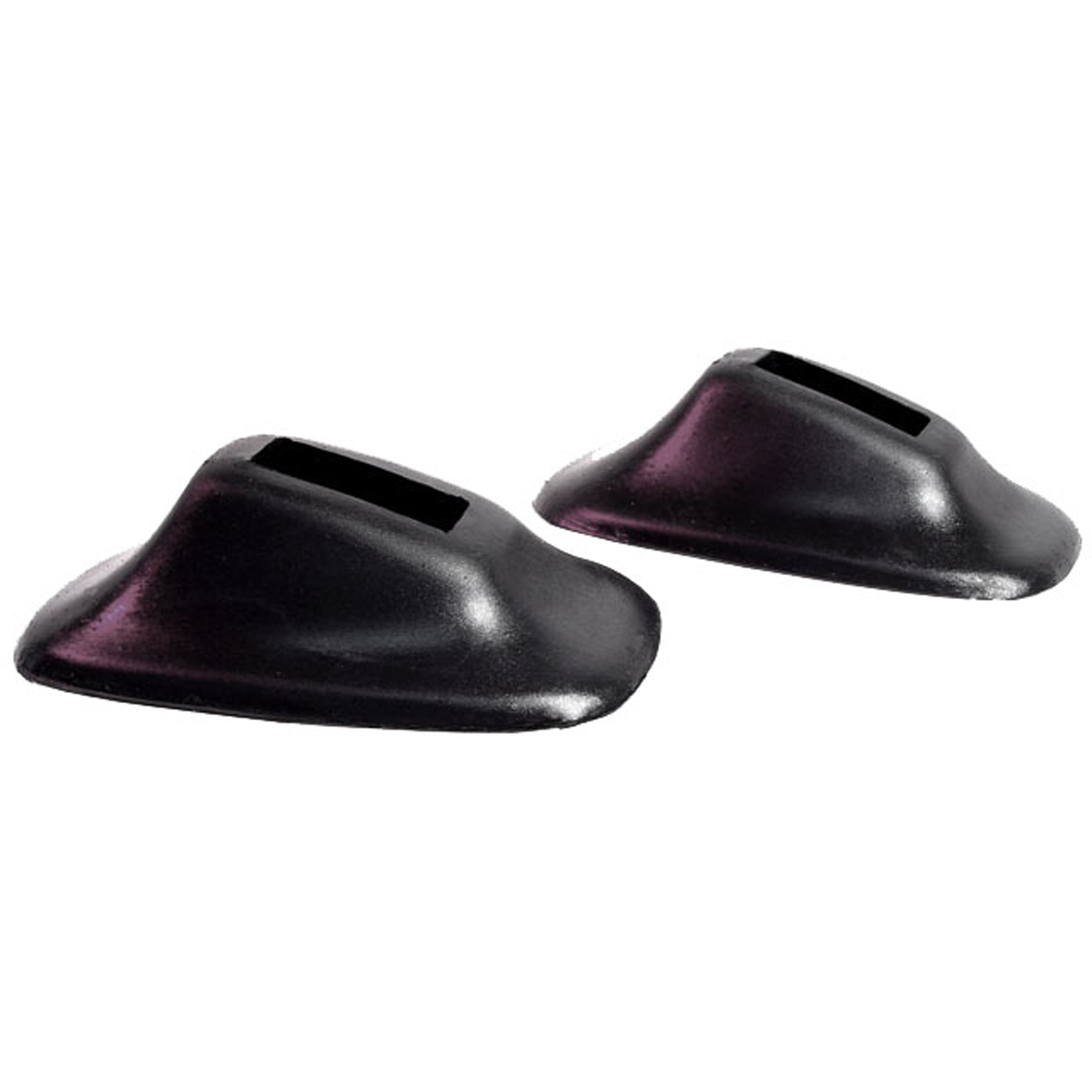 1940 Plymouth P10 Deluxe Front and Rear Bumper Arm Grommets-BG 51Front and Rear Bumper Arm Grommets. 2-1/2" wide X 4-7/8" long, with 1-1/2" long inner slot. Pair
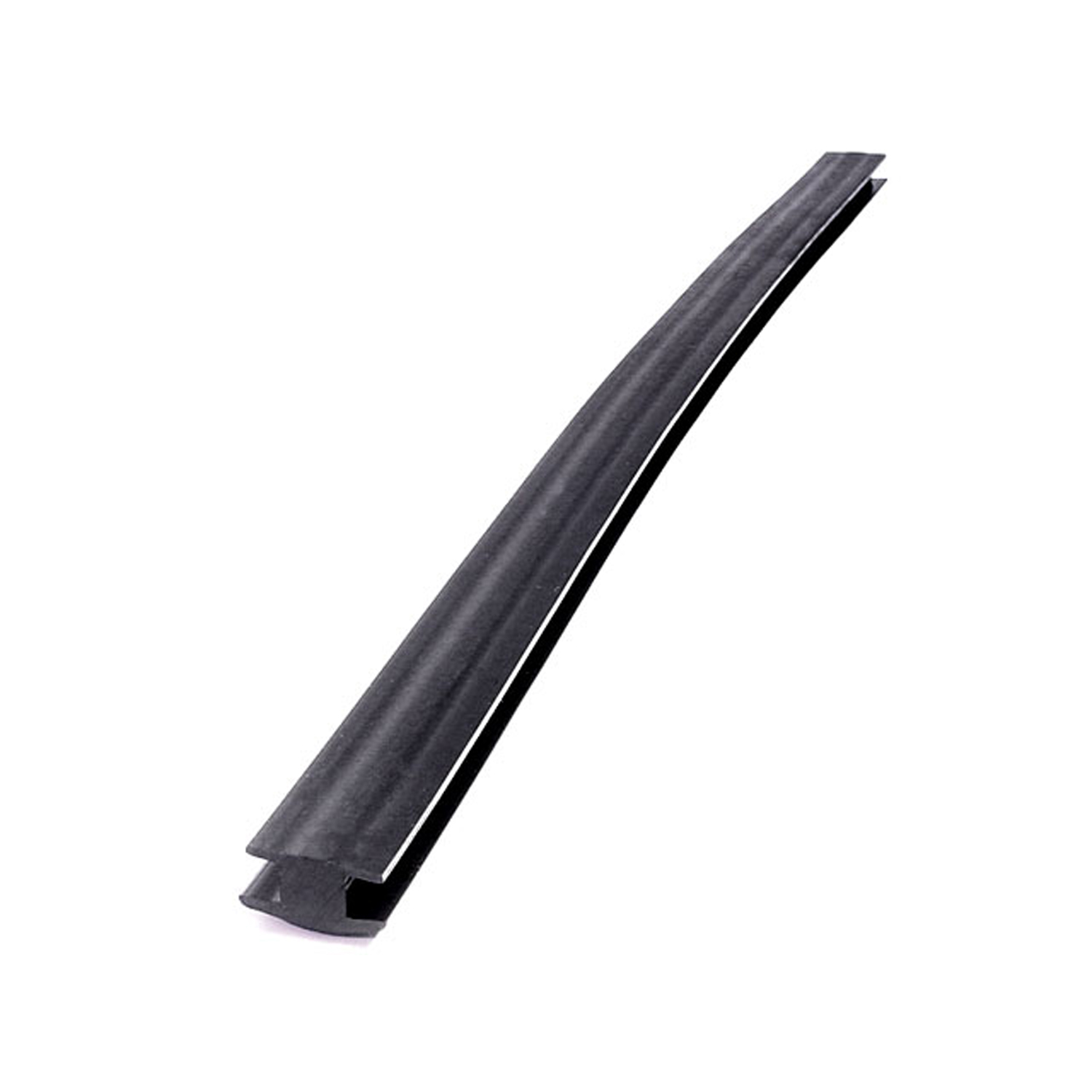 1940 Plymouth P10 Deluxe Windshield Center Bar Gasket. 20" long. Each-DP 12Windshield Center Bar Gasket. 20" long. Each
 1940 Plymouth P10 Deluxe Hood Corners. Fits flat corners-HC 19Hood Corners. Fits flat corners. 80° angle, 1/4" to 3/8" corner radius. 1-3/8" wide. Pair
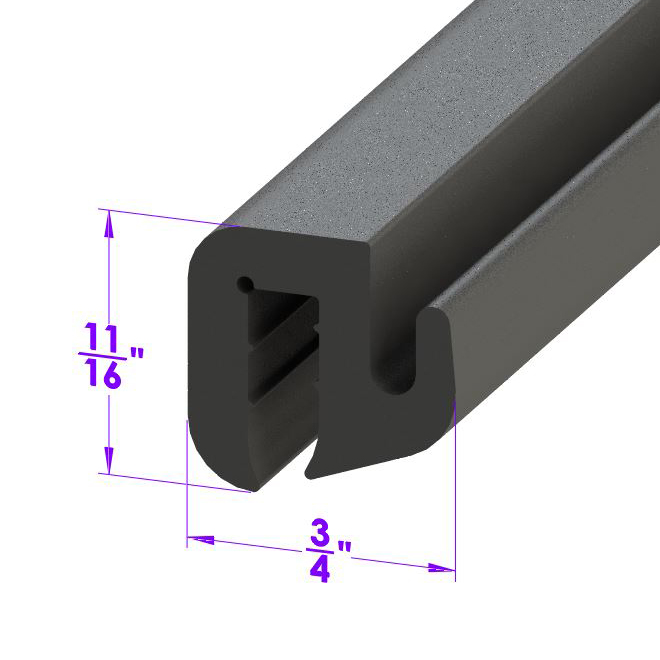 1940 Plymouth P10 Deluxe Windshield and Rear Window Seal. Sold by the foot-LP 30-AWindshield and Rear Window Seal. Sold by the foot
 1940 Plymouth P10 Deluxe Door side seal. Same as LP 40, but for a lighter seal-LP 40-ADoor side seal. Same as LP 40, but for a lighter seal. Fits many domestic passenger cars and trucks. Universal seal for street rods and customs. Used in Cobra kit cars as door weatherstrip. Per foot.
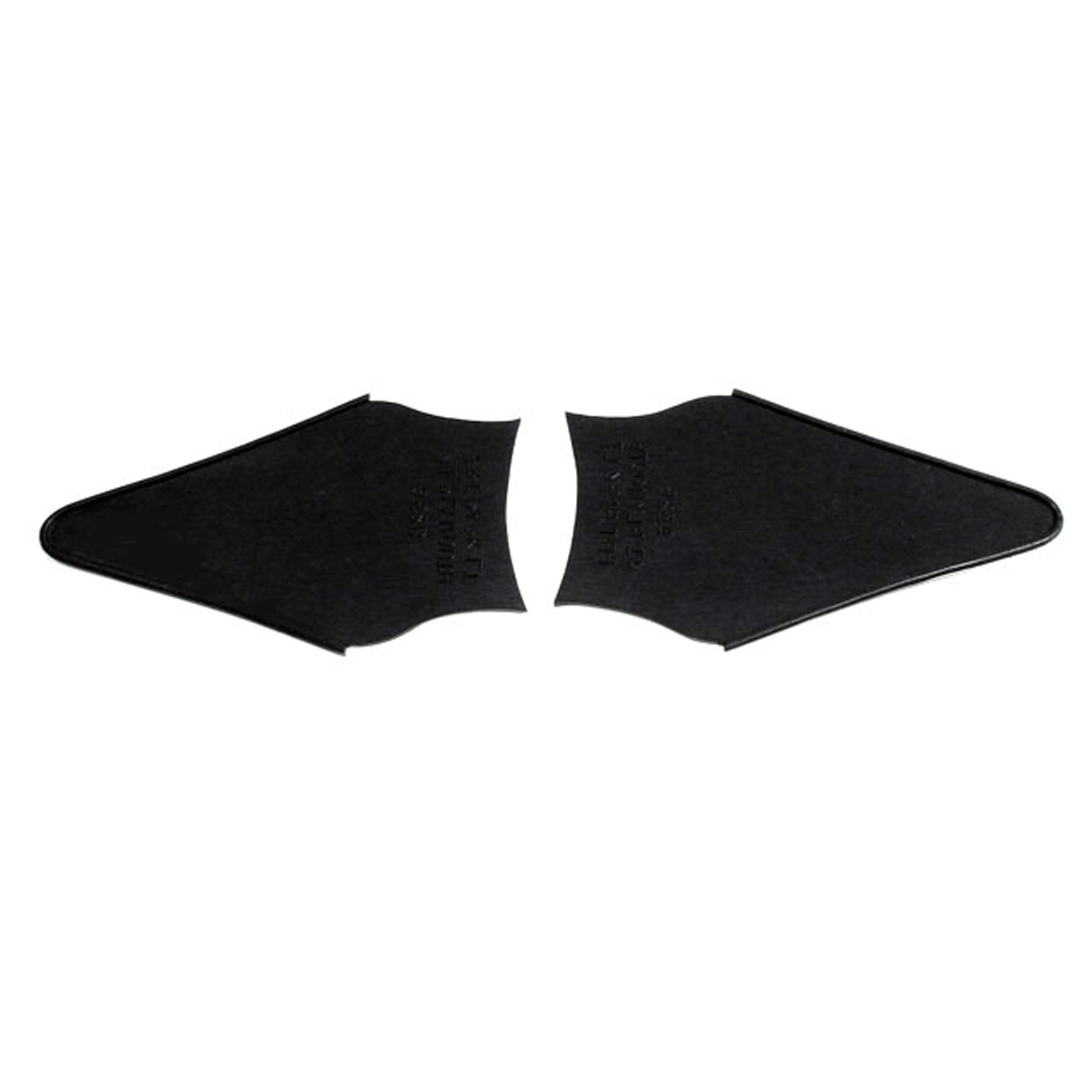 1940 Plymouth P10 Deluxe Front Park Light Pads. 4" wide X 6-3/8" long. Pair-MP 952-BFront Park Light Pads. 4" wide X 6-3/8" long. Pair
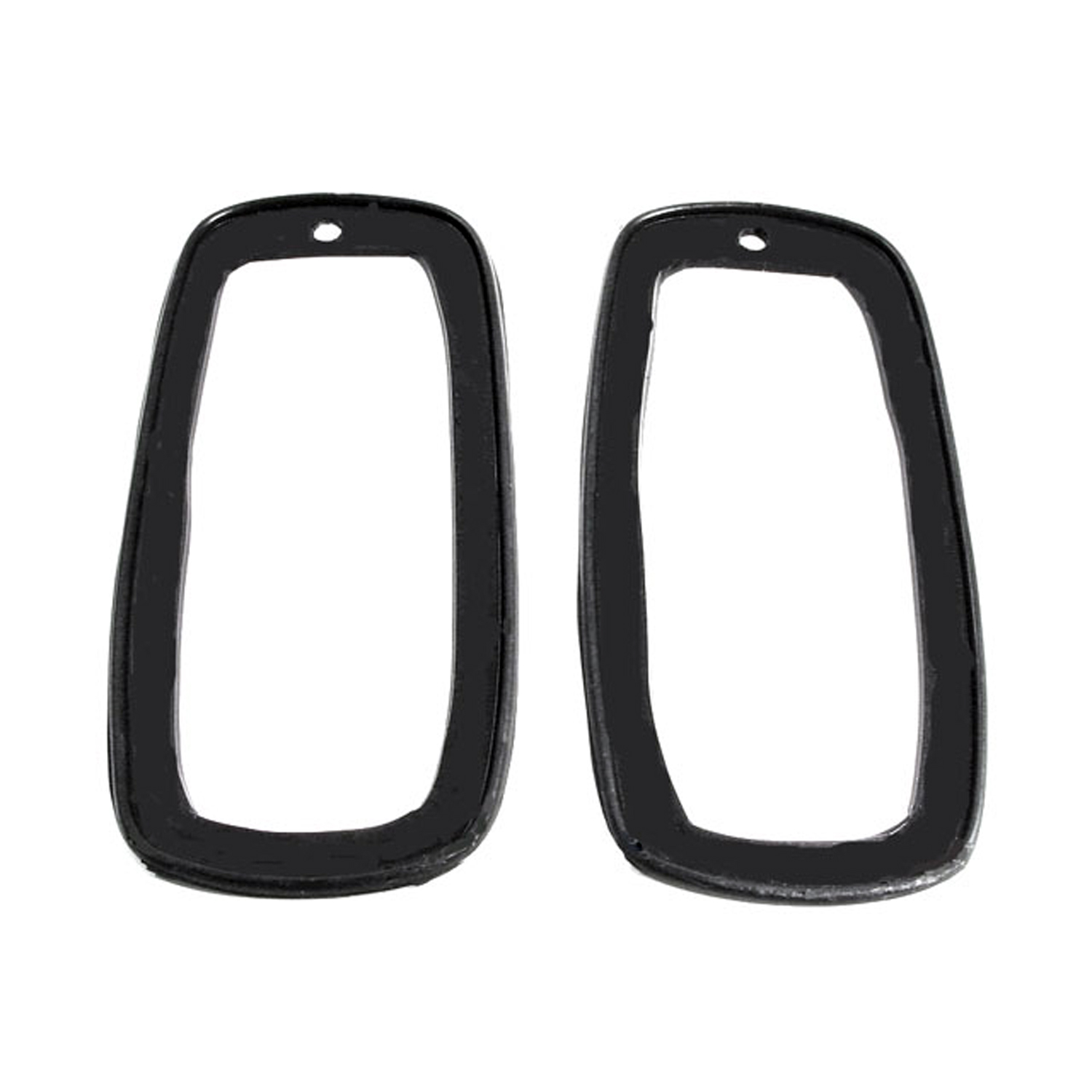 1940 Plymouth P10 Deluxe Tail-light Pads. 3-1/8" wide X 6-3/8" long. Pair-MP 952-CTail-light Pads. 3-1/8" wide X 6-3/8" long. Pair
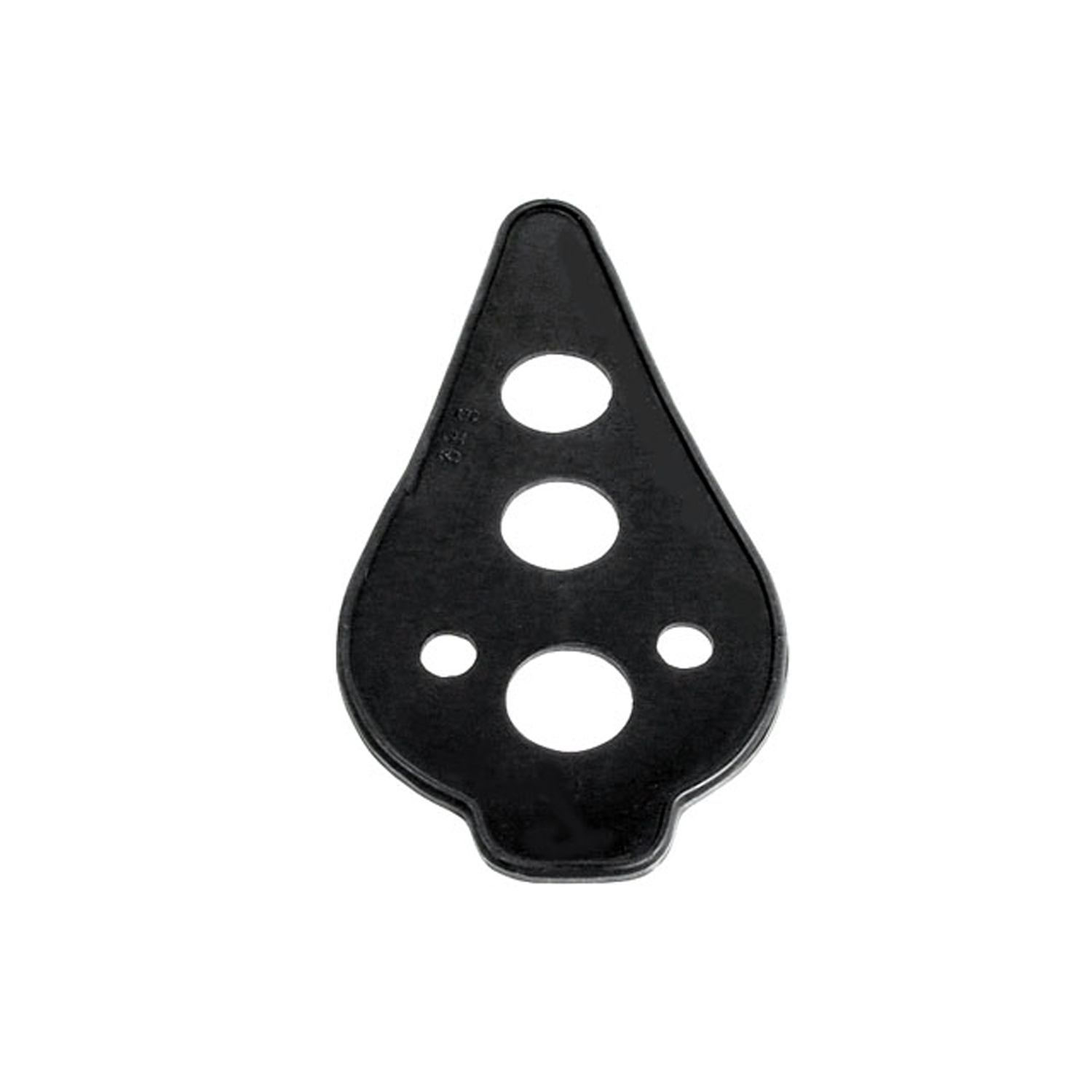 1940 Plymouth P10 Deluxe Trunk Light Pad. 3-3/4" long X 7-5/8" wide. Each-MP 953Trunk Light Pad. 3-3/4" long X 7-5/8" wide. Each
 1940 Plymouth P10 Deluxe Trunk Handle Pad. 2-1/4" wide X 6-1/8" long. Each-MP 954-ATrunk Handle Pad. 2-1/4" wide X 6-1/8" long. Each
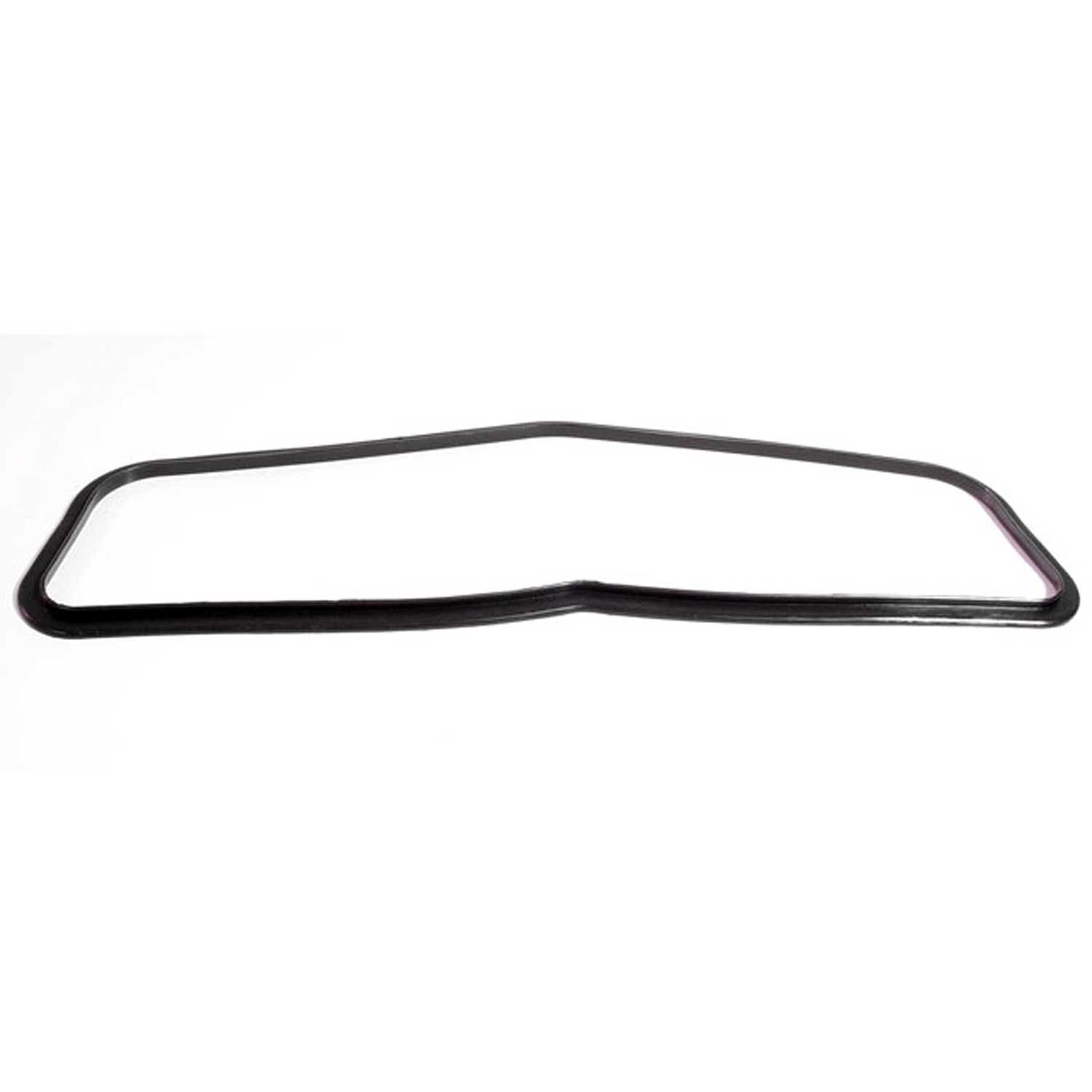 1940 Plymouth P10 Deluxe Cowl Vent Seal. 4" wide X 18" long. Each-RP 100-QCowl Vent Seal. 4" wide X 18" long. Each
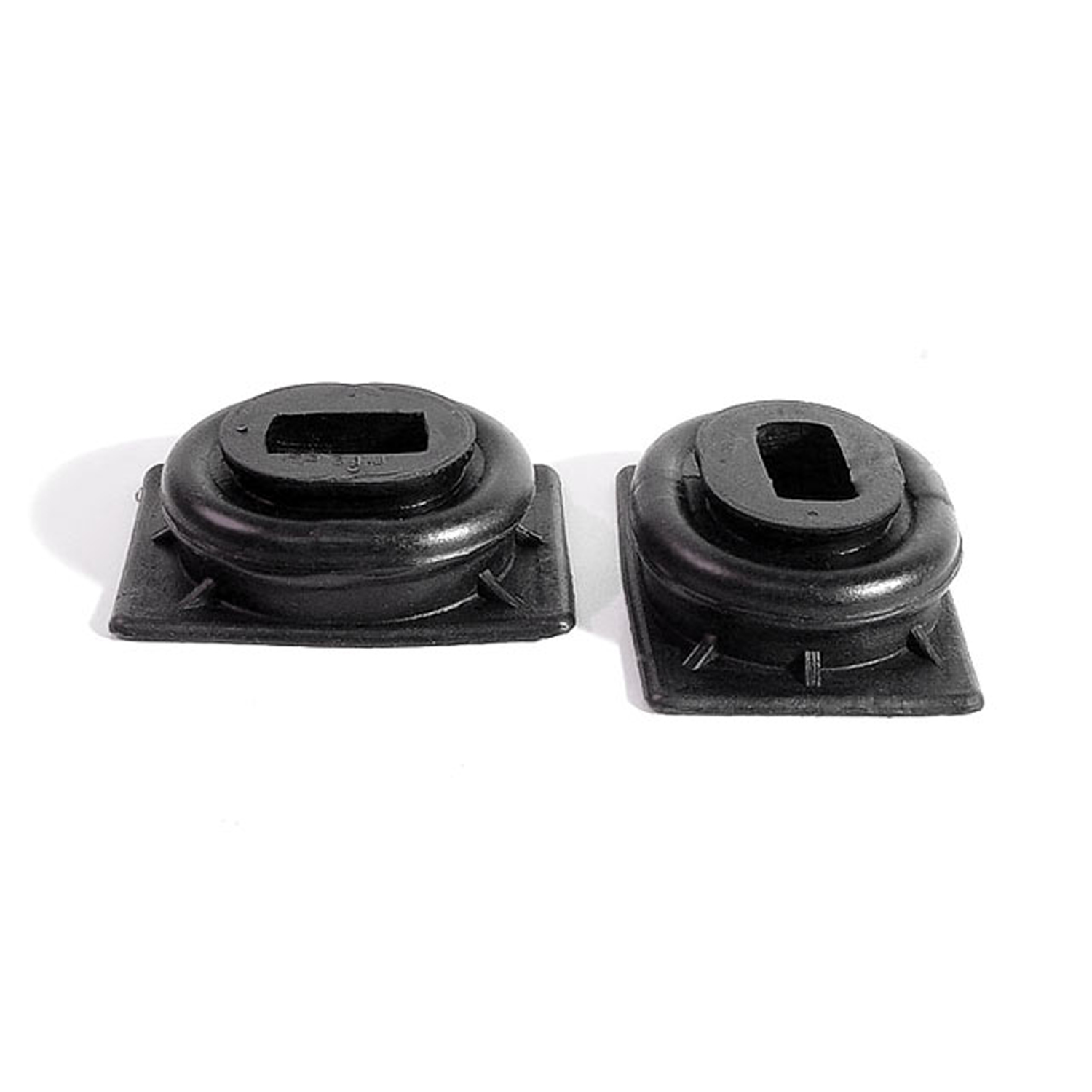 1940 Plymouth P10 Deluxe Clutch and Brake Seals. Replaces OEM #889473. Pair-RP 31-JClutch and Brake Seals. Replaces OEM #889473. Pair
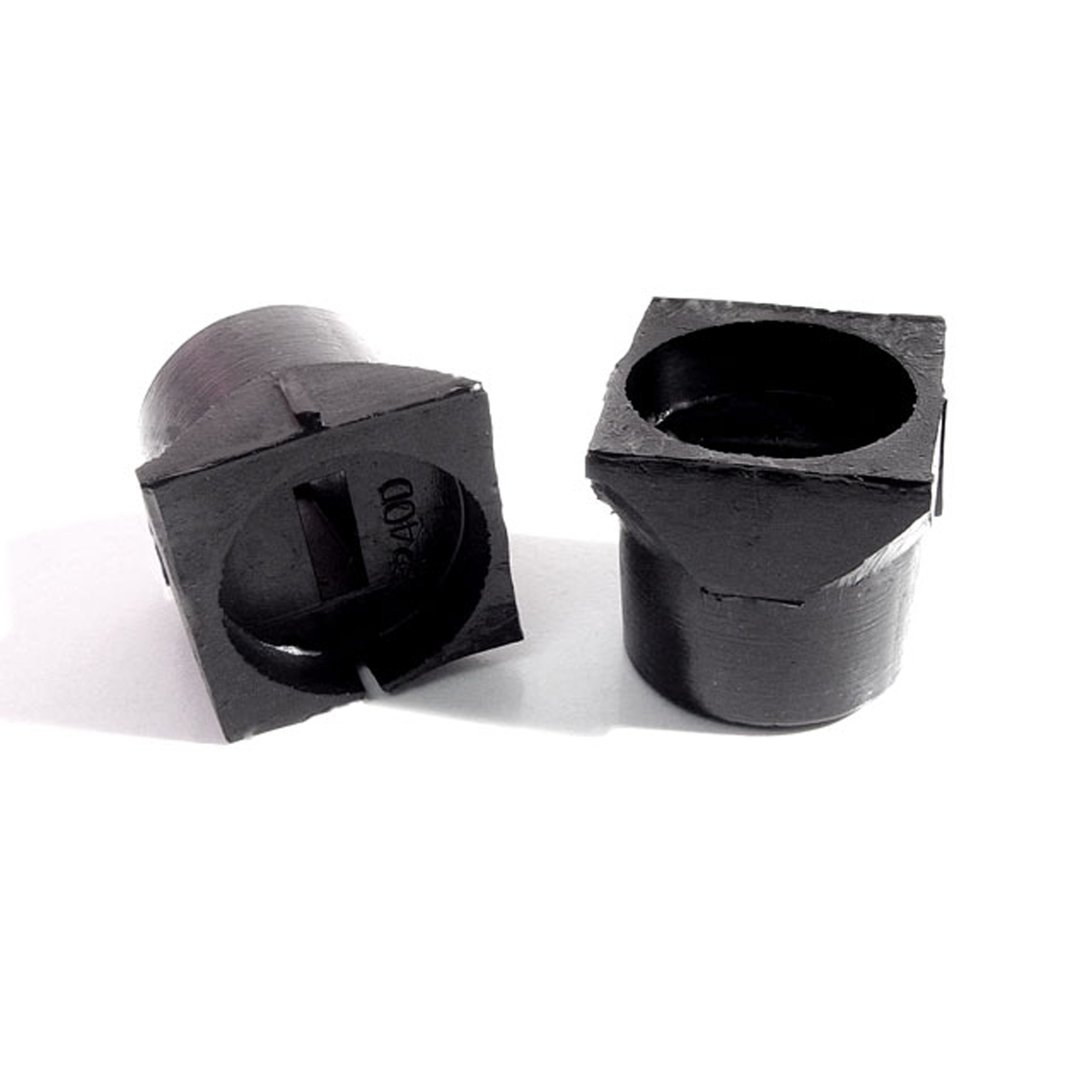 1940 Plymouth P10 Deluxe Door Check Rubber Cushion. Each-RP 40-DDoor Check Rubber Cushion. Each
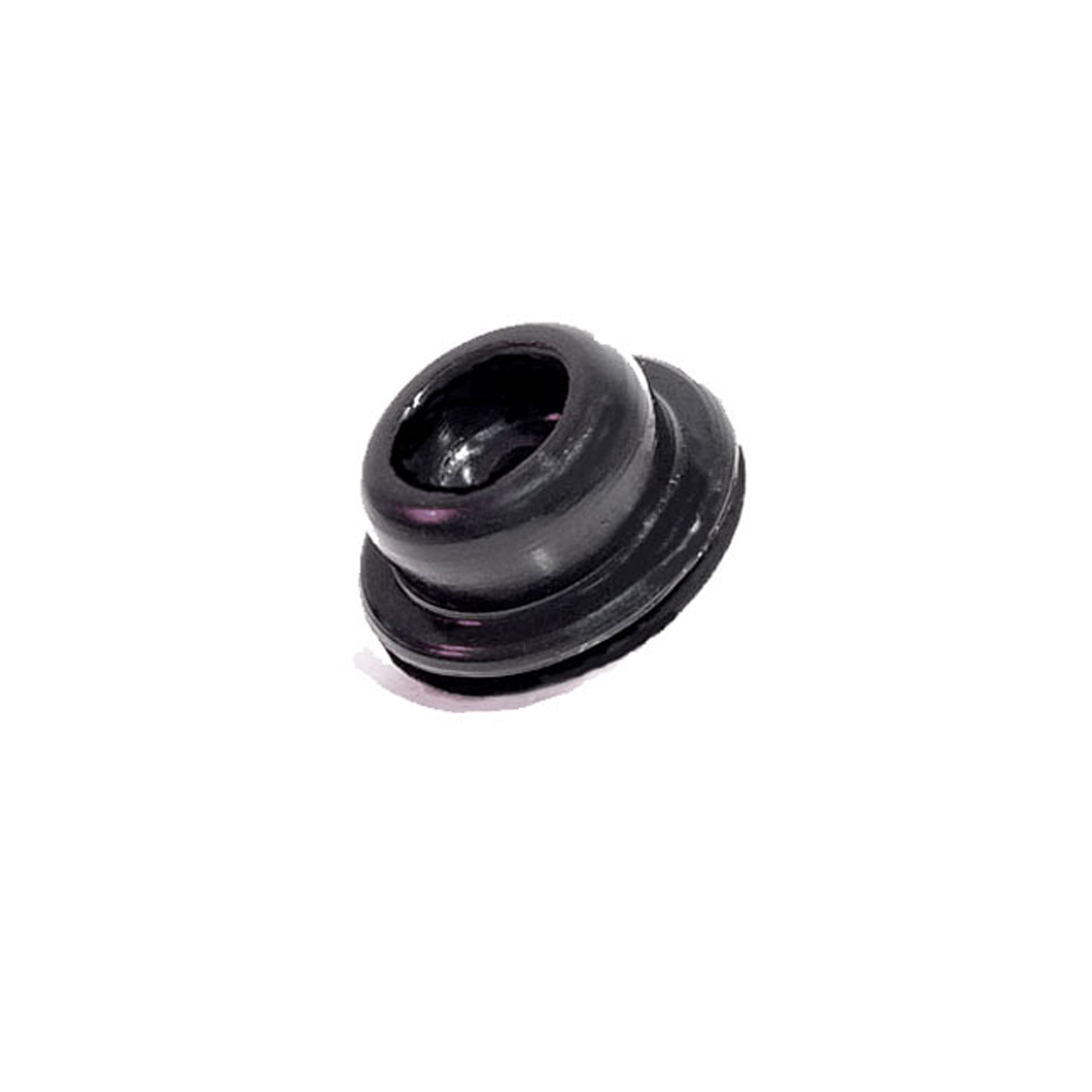 1940 Plymouth P10 Deluxe Accelerator Rod Grommet-SM 43-BAccelerator Rod Grommet. For accelerator rod through floorboard. Each
 1940 Plymouth P10 Deluxe Front Vent Window Seals. Replaces OEM #761708-9. Pair R&L-WR 2301Front Vent Window Seals. Replaces OEM #761708-9. Pair R&L
 1940 Plymouth P10 Deluxe Rear vent window seals-WR 2301-RRear vent window seals. Fits listed 4-door sedans and limousines with swing-out rear vent windows. May fit some GM models. Replaces OEM# #849153/4. Pair. R&L.
Why Choose Metro?
For over 100 years, Metro Moulded Parts has been the pinnacle of quality in classic car restoration parts. Our commitment to precision and authenticity in every component ensures a perfect fit and an OEM-level appearance.
- Expert Craftsmanship & Quality: Each part is a testament to our dedication to reliability and perfection, crafted from original designs and thoroughly tested.
- Advanced Technology: We use cutting-edge techniques to create flawless, long-lasting parts that surpass others in performance.
- SuperSoft Sponge – The Ultimate Door Seal: Not only are our door seals 30% softer than competitors', but they're also guaranteed to never leak. They effectively reduce wind and road noise, enhancing your classic car's comfort and driving experience.
- Proudly American: Our parts are a product of American craftsmanship, made in the USA with a spirit of excellence and heritage.
- Unrivaled Warranty: We back our products with a 30-year industry-leading warranty, a testament to our confidence in their quality.
Join us in preserving the legacy of classic cars with parts that are crafted for perfection, not just made.