

Image of 1940 Plymouth P9 Roadking, Note: These illustrations use artistic license and may differ from actual historical models.
Performance Metrics
Fundamental Metrics
Emotional Appeal
MMP Rating
| Engine Specifications | |
|---|---|
| Engine: | Inline 6 |
| Displacement: | 201.3 cu in (3.3 L) |
| Horsepower: | Estimated 84-87 hp |
| Torque: | Not available |
| Compression Ratio: | Not available |
| Ignition System: | Battery and coil |
| Cooling System: | Liquid-cooled |
| Performance Specifications | |
| 0-60 Time: | Not available |
| 1/4 Mile Time: | Not available |
| Top Speed: | 75-80 mph |
| Transmission and Drive | |
| Drive Type: | Rear-wheel drive |
| Transmission Type: | 3-speed manual |
| Fuel and Efficiency | |
| Fuel System Type: | Carburetor |
| MPG: | Not available |
| Dimensions and Brakes | |
| Brakes: | Hydraulic drum brakes |
| Wheelbase: | 117 in (2,972 mm) |
| Weight: | 3,125 lbs |
Note: Specifications for classic cars are given to the best of our ability, considering the limited and variant data available.
1940 Plymouth P9 Roadking: An Affordable American Classic
The 1940 Plymouth P9 Roadking made sensible transportation look surprisingly handsome. Built by the Chrysler Corporation, it was Plymouth’s entry-level passenger car, designed for buyers who wanted a roomy, dependable American six-cylinder without paying for luxury-car frills. Its blend of practical engineering and smart late-1930s styling helped Plymouth hold its place as one of the country’s most important carmakers.
The P9 designation identifies the Roadking series for the 1940 model year. Plymouth’s value-focused approach was especially significant in an era when many families still judged a car by how reliably it could handle work, errands, and long-distance travel. One intriguing detail is that “Roadking” was not a performance badge: it identified the least expensive Plymouth line, even though the car shared the basic mechanical virtues that made the brand popular.
Streamlined Styling and a Practical Cabin
The P9’s body has the rounded, integrated look that marked the transition from upright prewar cars to more streamlined postwar designs. Its front fenders flow into the body, with the headlamps set into the fenders rather than perched separately beside the grille. A bright, upright grille, substantial bumpers, and restrained chrome trim give the front end a confident appearance without making the Roadking seem flashy.
Viewed from the side, the gently curved roofline and flowing fenders give the car a sense of motion even when parked. The styling is distinctive, but it remains purposeful. Plymouth’s designers had to accommodate a full-size passenger compartment, a separate trunk, and the tall proportions common to cars of the period. The result is a classic prewar silhouette with a cleaner, more integrated look than earlier boxier sedans.
Inside, the Roadking favored durable materials and straightforward controls over luxury appointments. Depending on body style and original equipment, the cabin featured cloth upholstery, a broad bench seat, painted or modestly finished metal trim, and clear, easy-to-read instruments. The emphasis was on room and usability. The front bench offered generous space, while the upright seating position gave the driver a commanding view of the road.
Factory paint choices varied by market and production details, but period Plymouth palettes included understated shades such as black, blue, green, gray, and maroon. Darker colors suit the Roadking’s formal sedan shape particularly well, while lighter or brighter shades can bring out the contours of its fenders and grille. Today, black and deep maroon examples have a suitably traditional look, though an authentic original color is usually the best choice for a restoration.
P9 Roadking Body Styles
The 1940 Roadking was offered in practical closed-body styles, including two-door and four-door sedans and a business coupe. The sedan was the natural choice for families, while the business coupe appealed to owners who wanted a simpler car with useful space for samples or luggage. Exact body-style availability could differ by market, and surviving cars are often modified or misidentified, so a car’s serial and body information are worth checking during a purchase.
The four-door sedan is arguably the most recognizable Roadking configuration. It shows off the long, flowing profile and offers easy access to both seating rows. The business coupe is more unusual and gives the series a distinctly period-correct commercial character. Buyers seeking an open-top car generally looked higher in the Plymouth range, rather than to the basic Roadking line.
Engineering That Put Reliability First
Power came from Plymouth’s 201.3-cubic-inch L-head, or flathead, inline-six. Period specifications commonly list output at about 82 horsepower, delivered through a three-speed manual transmission. The engine’s design was not exotic, but its straightforward construction was a major part of the car’s appeal. A sturdy iron block, accessible components, and familiar mechanical systems made the Plymouth approachable for mechanics and owners alike.
The Roadking also benefited from independent front suspension with coil springs, paired with a conventional leaf-spring rear axle. Four-wheel hydraulic drum brakes provided stopping power, while the standard six-volt electrical system reflected the technology of the day. The steering and controls were entirely mechanical by modern standards, with no power steering or power brakes to soften the driver’s workload.
Some period Plymouth equipment and transmission arrangements varied by model and option package. Chrysler’s Fluid Drive system was part of the company’s push toward easier driving, but it should not be confused with a modern automatic transmission. It used a fluid coupling with a conventional gearbox, and availability depended on the specific car and equipment. A Roadking’s original build information is the best guide to what it left the factory with.
Why the Roadking Mattered
The P9 was not a technological revolution, and that was precisely the point. Plymouth’s success came from putting useful engineering into a car ordinary buyers could afford. Independent front suspension improved ride and control, hydraulic brakes were established equipment, and the flathead six delivered dependable power without requiring specialist attention. The Roadking packaged those qualities in a full-sized car at the accessible end of the market.
It also represented an important stage in Plymouth’s evolution. During the 1930s, the brand grew into one of America’s leading volume manufacturers by offering more than the bare minimum for the money. The 1940 Roadking carried that strategy into a period of rapid change. The United States was moving toward wartime production, and civilian automobile manufacturing would soon be interrupted. The P9 therefore belongs to the final prewar generation of familiar American family cars, built just before the industry’s priorities shifted dramatically.
Performance and Road Manners
With roughly 82 horsepower moving a substantial steel-bodied car, the Roadking was built for steady travel rather than quick acceleration. A reasonable period-style estimate is a 0-to-60-mph time in the neighborhood of 25 to 30 seconds, with a top speed around 70 to 75 mph in good condition. Actual results depend on gearing, tire size, engine health, and whether the car has been correctly restored. Those figures are estimates, not guarantees for every P9.
On the road, the flathead six produces a soft mechanical hum that becomes more pronounced as engine speed rises. Gear changes are deliberate, and the driver must plan overtaking rather than expect a quick burst of acceleration. The car feels most at home cruising at moderate speeds on open roads. Its broad bench seat, upright driving position, and long wheelbase create an easygoing touring character.
The independent front suspension helps the Roadking absorb ordinary road imperfections, while the rear leaf springs can feel firmer over sharp bumps, especially when the car is lightly loaded. On winding roads, its period-correct steering requires more effort and more movement than a modern car’s. Body lean is noticeable, and the drum brakes call for measured, anticipatory driving. In crosswinds, the tall body and large cabin can also demand attention. The experience is engaging because the driver is involved in every part of the car’s movement.
Owning and Maintaining a P9
Today, most Roadkings are used as show cars, weekend cruisers, and parade vehicles rather than everyday transportation. A well-sorted example can manage local trips and relaxed touring, but modern traffic speeds, limited braking performance, and six-volt electrical systems make careful route planning sensible. Upgrading safety-related components may help usability, though collectors often prefer cars that retain their original equipment.
Routine maintenance is refreshingly straightforward for an experienced home mechanic. The engine bay is accessible, the mechanical systems are relatively simple, and many service procedures are familiar to specialists who work on prewar Mopars. Owners should pay particular attention to the cooling system, ignition, fuel delivery, brake hydraulics, and the condition of rubber parts. Age and long periods of storage can cause more trouble than the design itself.
Parts support is generally workable, with mechanical components often easier to source than body-specific trim or sound original sheet metal. Restoration costs can climb quickly if a car needs extensive bodywork, upholstery, or rare details. Before buying, inspect the frame and lower body for corrosion, verify that the brakes operate correctly, and check whether the engine has been rebuilt or simply made to run.
Roadking Facts and Common Criticisms
The Roadking name promised dependable road travel, not racing credentials. The P9 was never intended to set speed records or compete with performance models, and no widely recognized top-speed or endurance record defines its legacy. Its achievement was more everyday: it helped Plymouth deliver full-sized transportation to a broad audience.
A common criticism today is that the Roadking can feel slow and heavy beside later cars. Its manual steering, drum brakes, and modest acceleration also require adjustment for drivers accustomed to modern vehicles. Some collectors find its entry-level trim less glamorous than a convertible or high-spec model. On the other hand, those same qualities give the car an honest, unpretentious character. It is a useful reminder that most prewar cars were bought to serve their owners, not to become trophies.
The P9 also benefits from the historical appeal of its timing. It represents civilian American motoring just before wartime manufacturing reshaped the industry. That context gives even a plain sedan more interest than its simple specification sheet might suggest.
Collector Values and Availability
Reliable production figures broken down specifically for the 1940 P9 Roadking are difficult to establish, so any model-specific total should be treated as an estimate. A reasonable broad estimate is roughly 100,000 to 150,000 Roadkings produced, across the series and its body styles. That makes the model far from a one-off rarity, but surviving cars in sound, original condition are much less common than the production figure might imply.
As a general 2026 market guide, a project car may sell for about $5,000 to $12,000, depending on completeness and rust. A usable driver in fair-to-good condition might bring roughly $12,000 to $25,000. A well-restored sedan could reach approximately $25,000 to $40,000, with exceptional, highly original, or especially attractive examples sometimes asking more. These are broad estimates, not formal appraisals; location, provenance, body style, restoration quality, and market timing can all move the price substantially.
The Roadking has tended to occupy a more affordable corner of the prewar collector market than high-profile luxury cars and open-top classics. Values can rise for exceptionally restored cars, but condition and originality matter more than speculation. In inflation-adjusted terms, asking prices have not always kept pace with the cost of restoration, so a buyer should choose a car for its history and enjoyment rather than assume a quick financial return.
A Straightforward Classic with Lasting Character
The 1940 Plymouth P9 Roadking offers a handsome prewar shape, a durable flathead six, practical body styles, and uncomplicated engineering. It was not built to be the fastest or most luxurious car on the road. Its importance lies in how well it delivered useful transportation to ordinary buyers at a pivotal moment in American automotive history.
For collectors who value approachable mechanics and period-correct design over speed and prestige, the Roadking has a quiet appeal. It is a reminder that an influential car does not need to be exotic: sometimes a dependable six-cylinder sedan, built for everyday life on the eve of a changing world, is a classic worth keeping on the road.
1940 Plymouth P9 Roadking Catalog of Parts
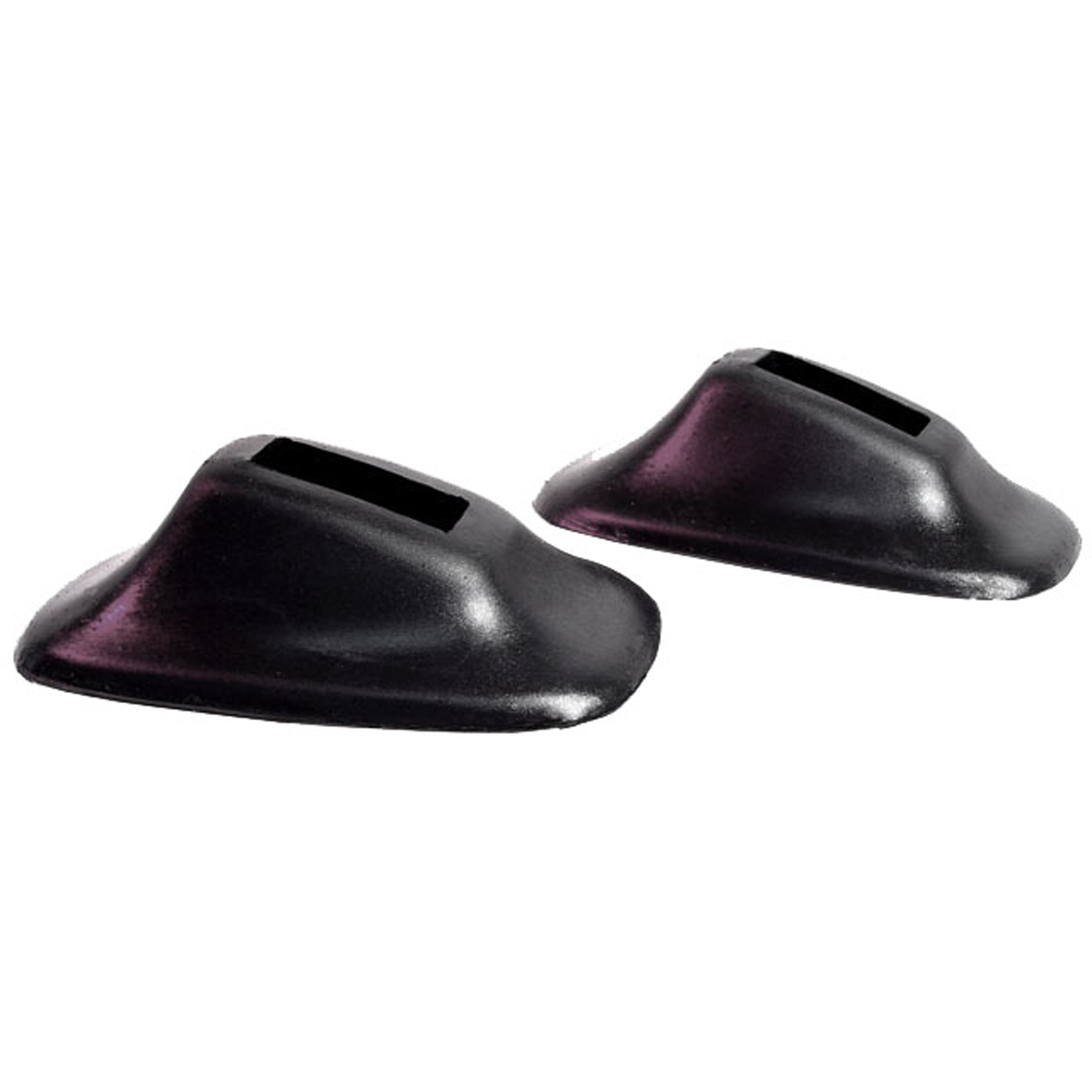 1940 Plymouth P9 Roadking Front and Rear Bumper Arm Grommets-BG 51Front and Rear Bumper Arm Grommets. 2-1/2" wide X 4-7/8" long, with 1-1/2" long inner slot. Pair
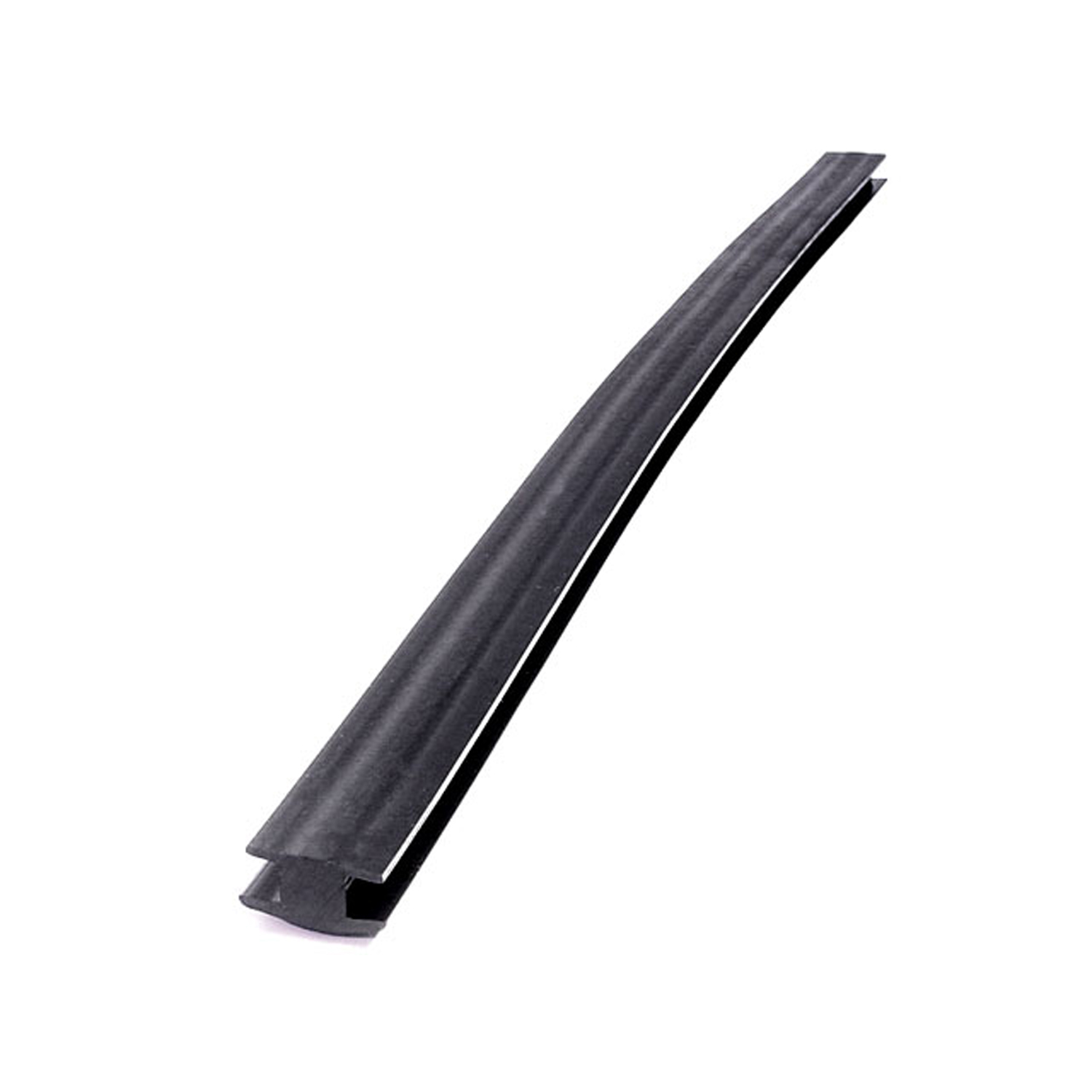 1940 Plymouth P9 Roadking Windshield Center Bar Gasket. 20" long. Each-DP 12Windshield Center Bar Gasket. 20" long. Each
 1940 Plymouth P9 Roadking Hood Corners. Fits flat corners-HC 19Hood Corners. Fits flat corners. 80° angle, 1/4" to 3/8" corner radius. 1-3/8" wide. Pair
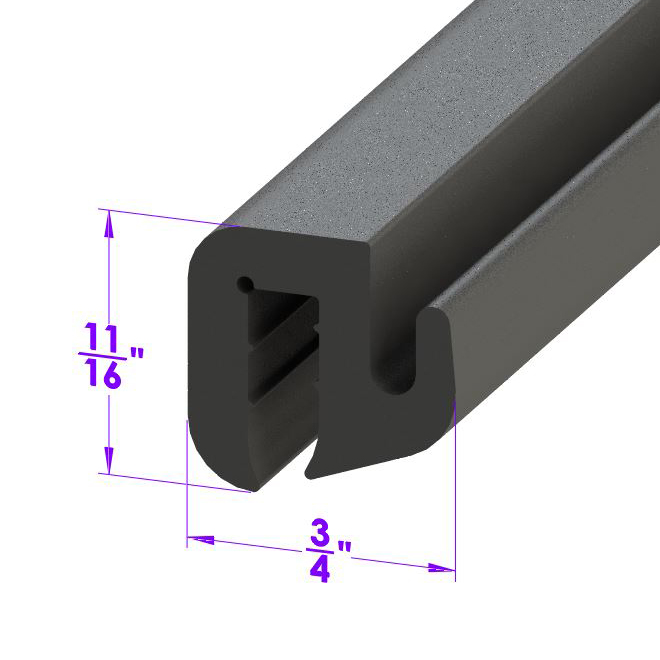 1940 Plymouth P9 Roadking Windshield and Rear Window Seal. Sold by the foot-LP 30-AWindshield and Rear Window Seal. Sold by the foot
 1940 Plymouth P9 Roadking Door side seal. Same as LP 40, but for a lighter seal-LP 40-ADoor side seal. Same as LP 40, but for a lighter seal. Fits many domestic passenger cars and trucks. Universal seal for street rods and customs. Used in Cobra kit cars as door weatherstrip. Per foot.
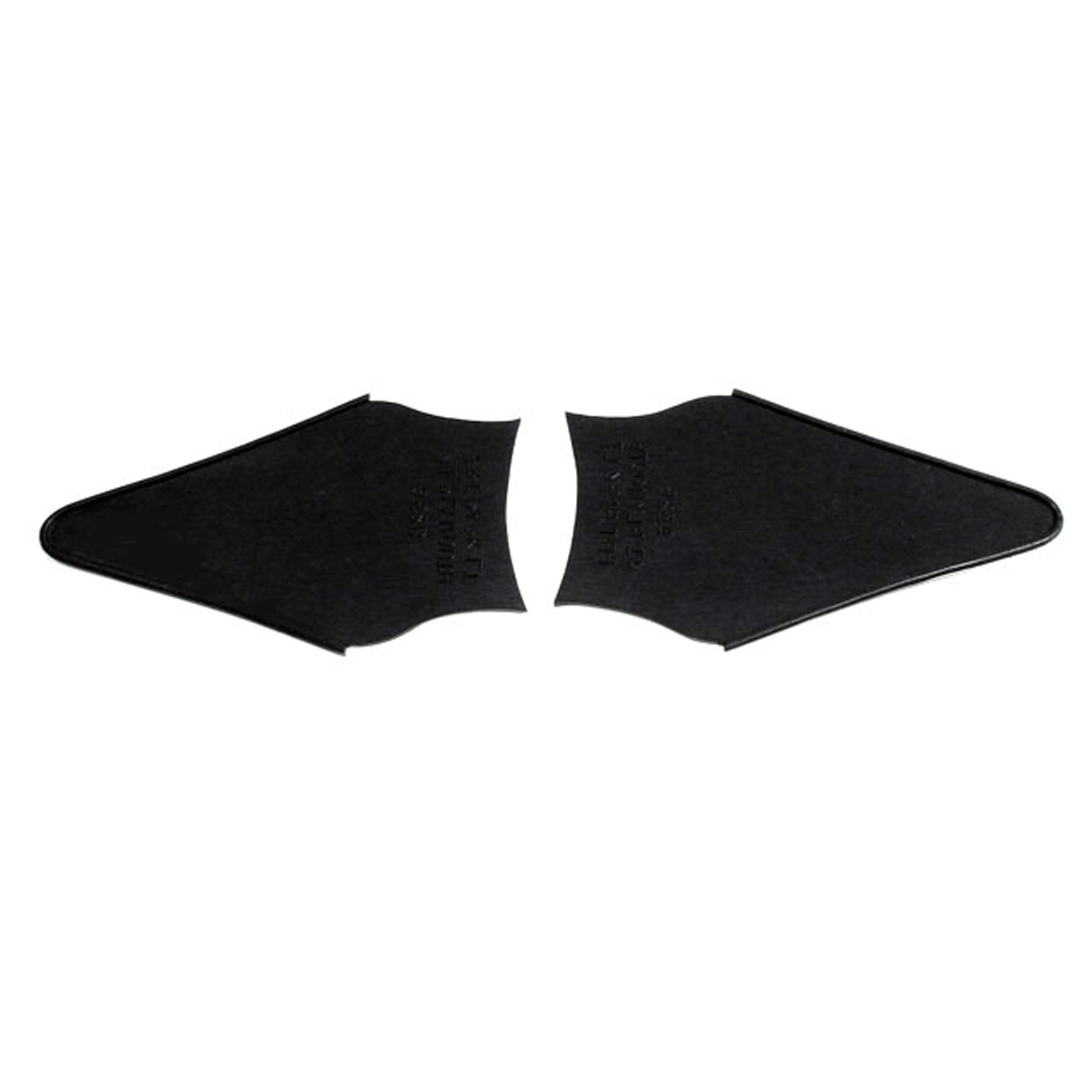 1940 Plymouth P9 Roadking Front Park Light Pads. 4" wide X 6-3/8" long. Pair-MP 952-BFront Park Light Pads. 4" wide X 6-3/8" long. Pair
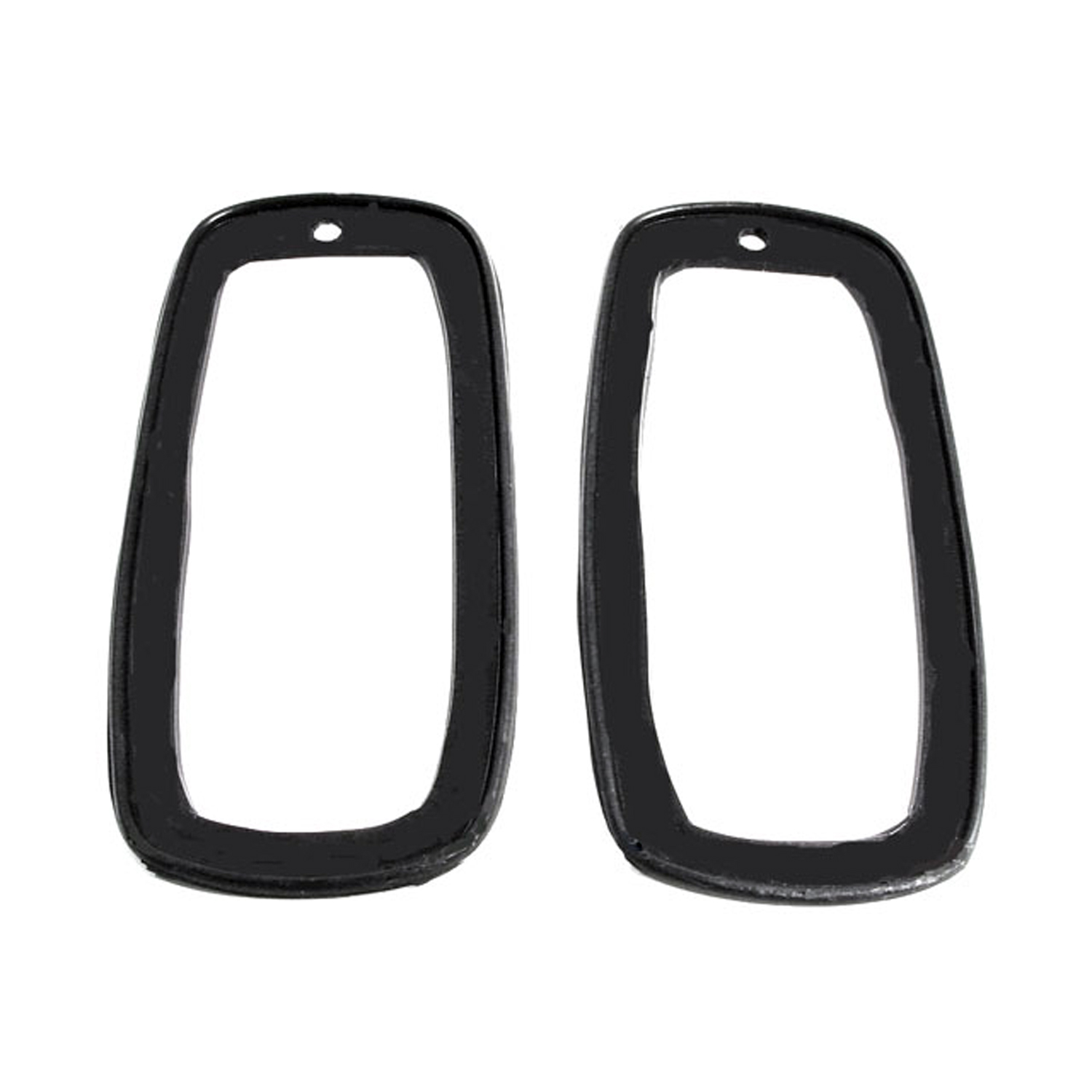 1940 Plymouth P9 Roadking Tail-light Pads. 3-1/8" wide X 6-3/8" long. Pair-MP 952-CTail-light Pads. 3-1/8" wide X 6-3/8" long. Pair
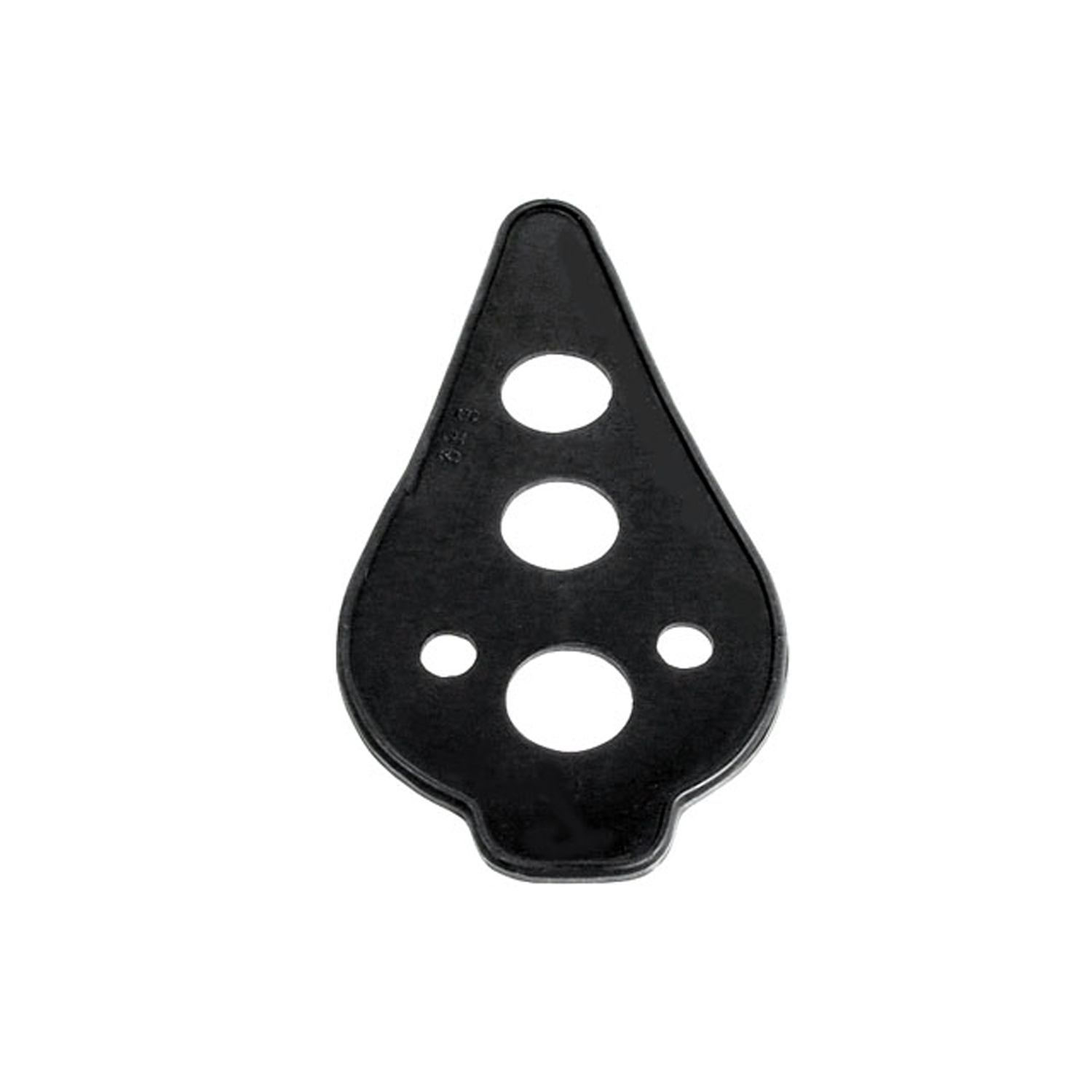 1940 Plymouth P9 Roadking Trunk Light Pad. 3-3/4" long X 7-5/8" wide. Each-MP 953Trunk Light Pad. 3-3/4" long X 7-5/8" wide. Each
 1940 Plymouth P9 Roadking Trunk Handle Pad. 2-1/4" wide X 6-1/8" long. Each-MP 954-ATrunk Handle Pad. 2-1/4" wide X 6-1/8" long. Each
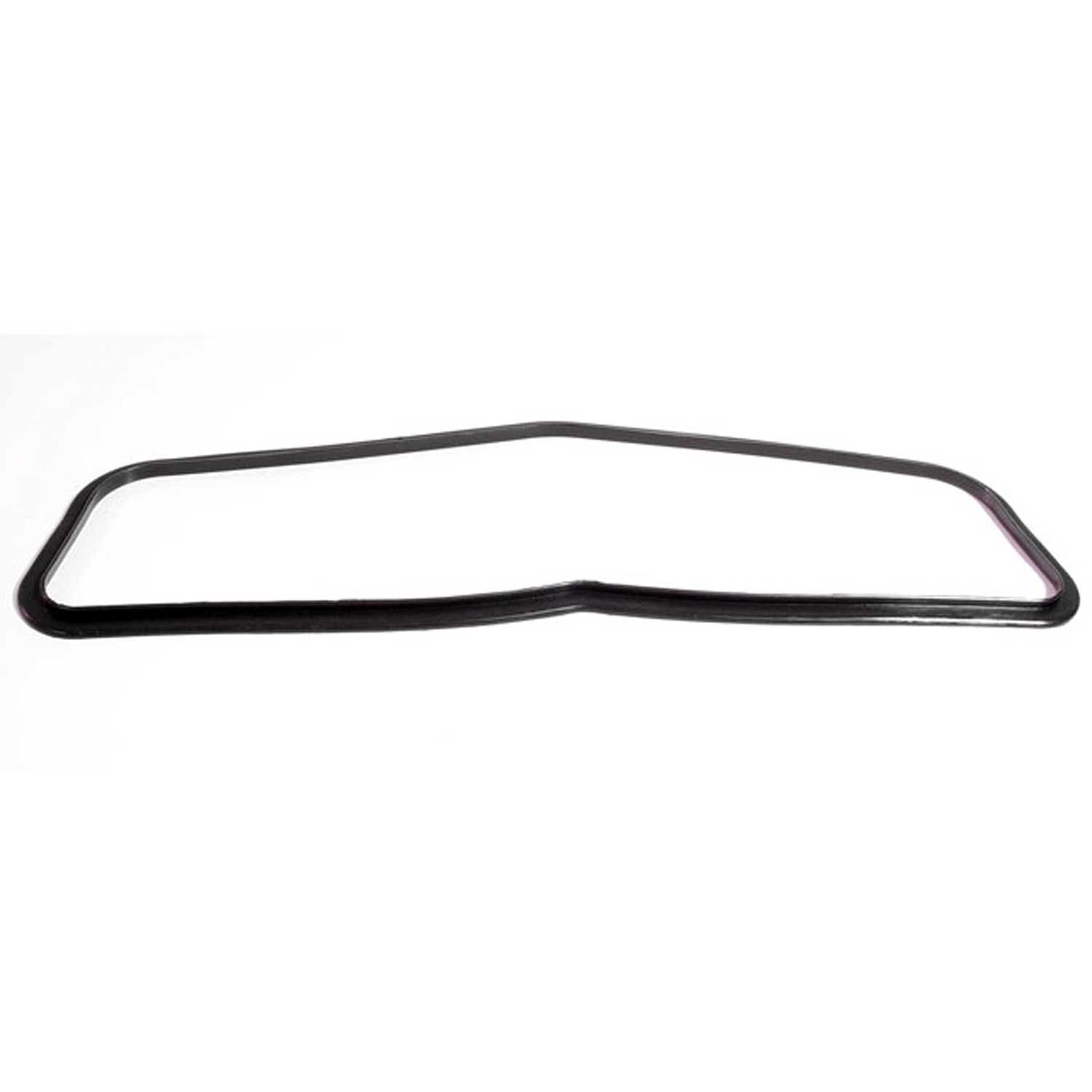 1940 Plymouth P9 Roadking Cowl Vent Seal. 4" wide X 18" long. Each-RP 100-QCowl Vent Seal. 4" wide X 18" long. Each
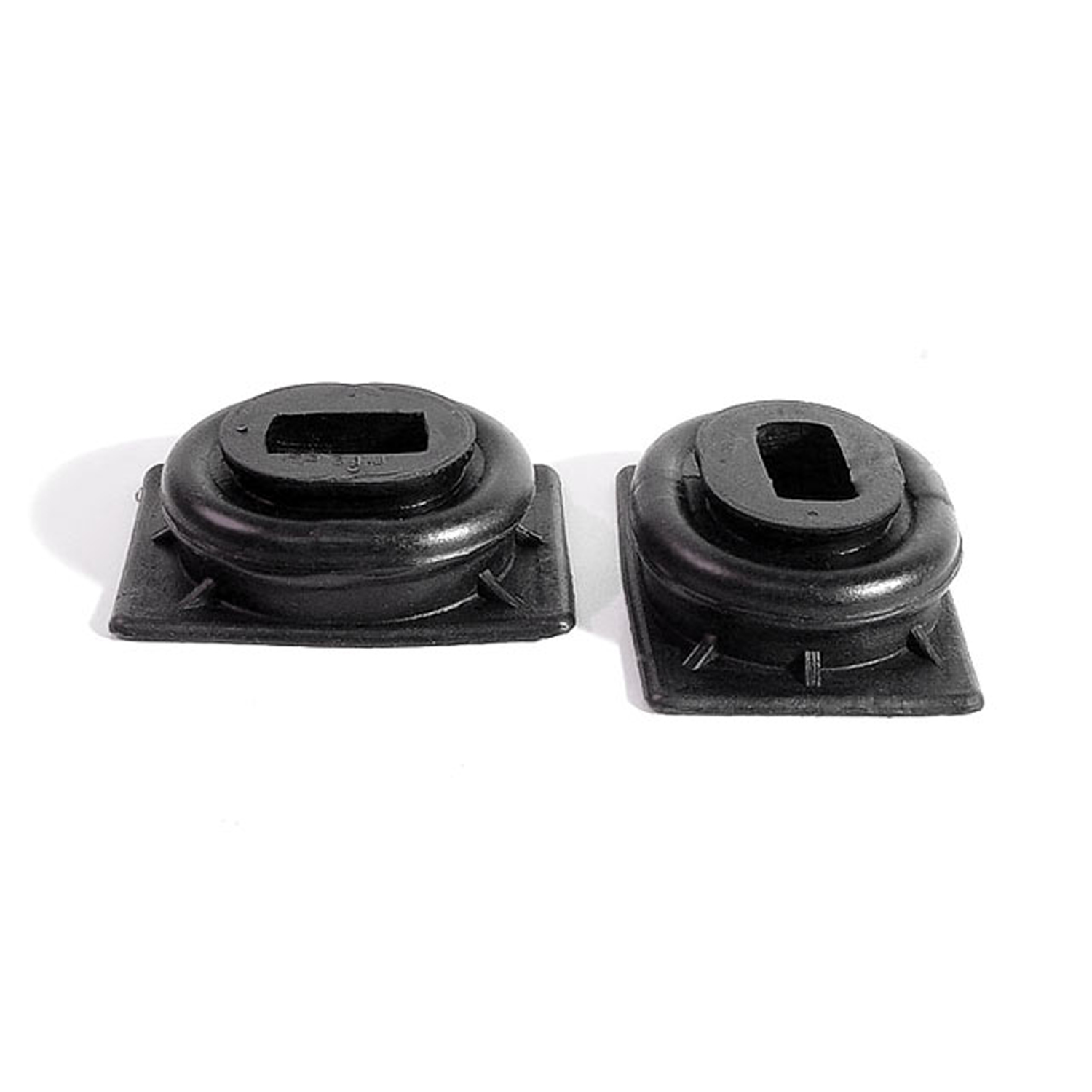 1940 Plymouth P9 Roadking Clutch and Brake Seals. Replaces OEM #889473. Pair-RP 31-JClutch and Brake Seals. Replaces OEM #889473. Pair
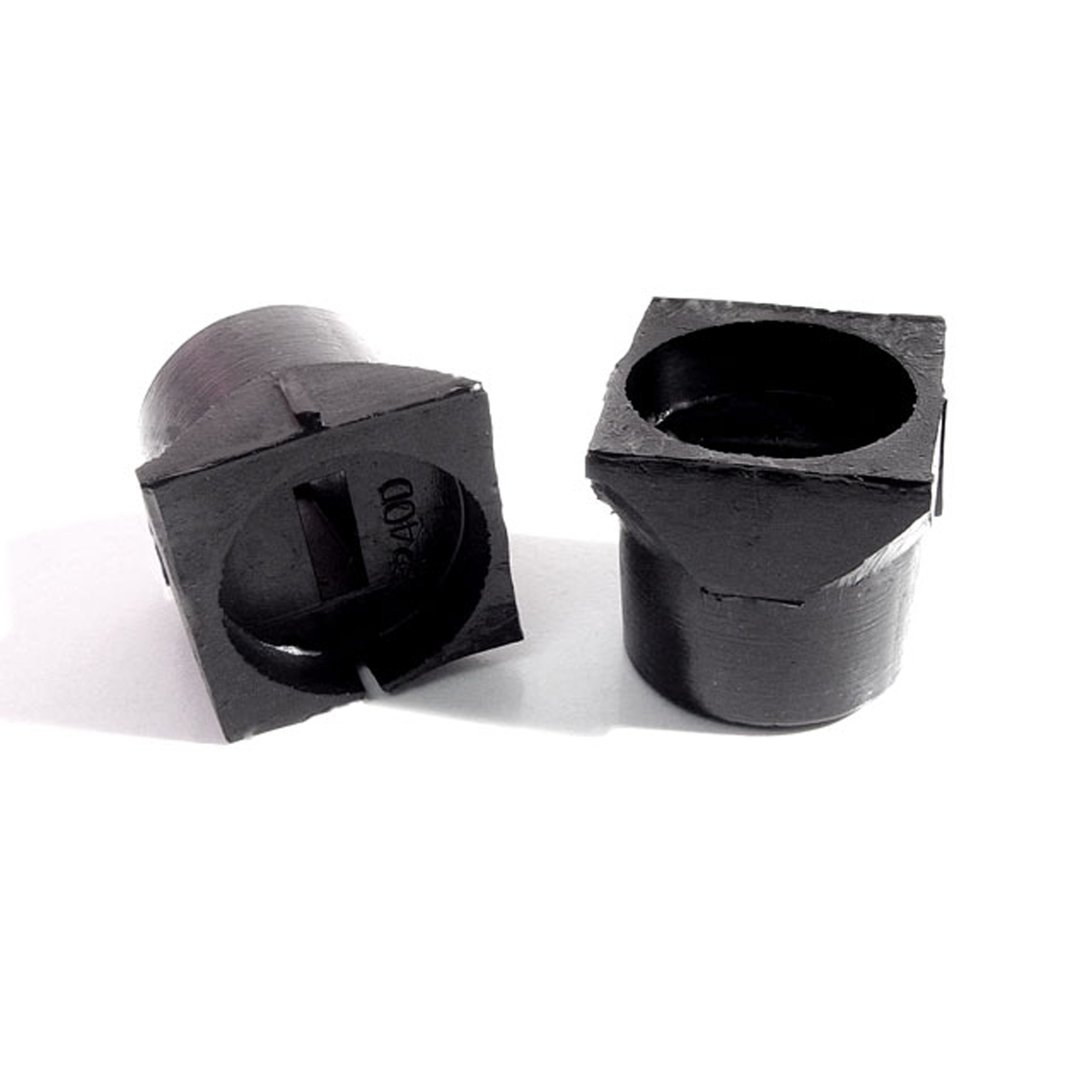 1940 Plymouth P9 Roadking Door Check Rubber Cushion. Each-RP 40-DDoor Check Rubber Cushion. Each
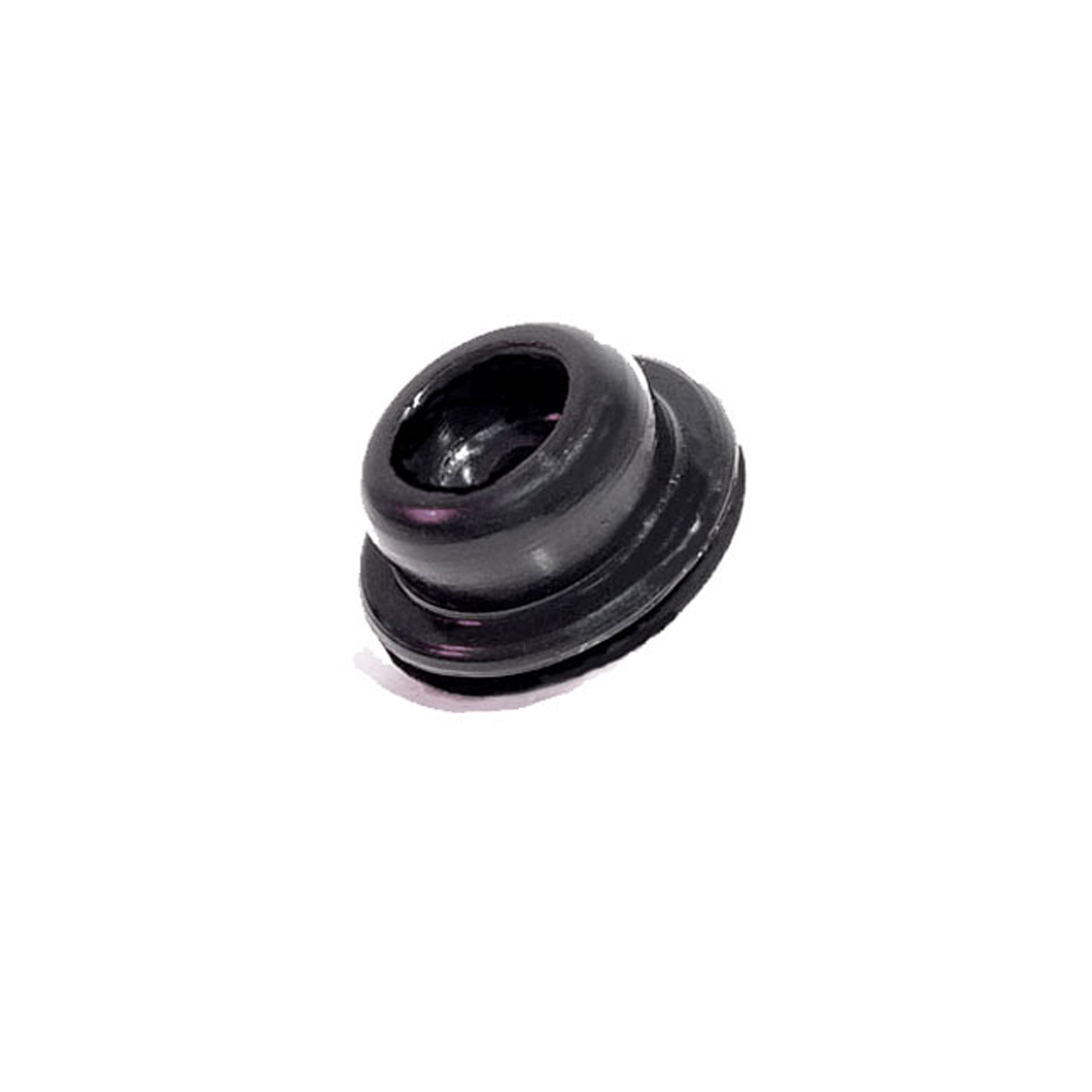 1940 Plymouth P9 Roadking Accelerator Rod Grommet-SM 43-BAccelerator Rod Grommet. For accelerator rod through floorboard. Each
 1940 Plymouth P9 Roadking Front Vent Window Seals. Replaces OEM #761708-9. Pair R&L-WR 2301Front Vent Window Seals. Replaces OEM #761708-9. Pair R&L
 1940 Plymouth P9 Roadking Rear vent window seals-WR 2301-RRear vent window seals. Fits listed 4-door sedans and limousines with swing-out rear vent windows. May fit some GM models. Replaces OEM# #849153/4. Pair. R&L.
Why Choose Metro?
For over 100 years, Metro Moulded Parts has been the pinnacle of quality in classic car restoration parts. Our commitment to precision and authenticity in every component ensures a perfect fit and an OEM-level appearance.
- Expert Craftsmanship & Quality: Each part is a testament to our dedication to reliability and perfection, crafted from original designs and thoroughly tested.
- Advanced Technology: We use cutting-edge techniques to create flawless, long-lasting parts that surpass others in performance.
- SuperSoft Sponge – The Ultimate Door Seal: Not only are our door seals 30% softer than competitors', but they're also guaranteed to never leak. They effectively reduce wind and road noise, enhancing your classic car's comfort and driving experience.
- Proudly American: Our parts are a product of American craftsmanship, made in the USA with a spirit of excellence and heritage.
- Unrivaled Warranty: We back our products with a 30-year industry-leading warranty, a testament to our confidence in their quality.
Join us in preserving the legacy of classic cars with parts that are crafted for perfection, not just made.