

Image of 1940 Plymouth Pt-105, Note: These illustrations use artistic license and may differ from actual historical models.
Performance Metrics
Fundamental Metrics
Emotional Appeal
MMP Rating
| Engine Specifications | |
|---|---|
| Engine Options: | Inline 6 |
| Displacement Range: | 201 cu in (3.3 L) |
| Horsepower Range: | 79-84 hp |
| Torque: | Estimated 130-140 lb-ft |
| Compression Ratio: | Estimated 6.7:1 |
| Ignition System: | Distributor and coil |
| Cooling System: | Liquid-cooled |
| Performance Specifications | |
| 0-60 Time: | Information not available |
| 1/4 Mile Time: | Information not available |
| Top Speed: | 70-75 mph |
| Transmission and Drive | |
| Drive Type: | Rear-wheel drive |
| Transmission Type: | 3-speed manual |
| Fuel and Efficiency | |
| Fuel System Type: | Carburetor |
| MPG: | Estimated 15-20 mpg |
| Dimensions and Brakes | |
| Brakes: | Drum brakes |
| Wheelbase: | 116 in (2,946 mm) |
| Weight: | 2,900-3,000 lbs |
Note: Specifications for classic cars are given to the best of our ability, considering the limited and variant data available.
1940 Plymouth PT-105: A Rare Prewar Pickup
The 1940 Plymouth PT-105 is a half-ton pickup with the face of a prewar Plymouth and the practical bones of a working truck. Built by the Chrysler Corporation, it combined Plymouth’s passenger-car styling and engineering with a sturdy chassis intended for farms, small businesses, and everyday hauling. Today, it stands out as an uncommon alternative to the better-known Ford, Chevrolet, and Dodge pickups of its era.
The PT-105 belongs to Plymouth’s brief commercial-truck chapter, which ended after the 1941 model year as the country shifted toward wartime production. That short run gives the truck added appeal: it represents one of the final chances to buy a new Plymouth-badged pickup before civilian truck production was overtaken by the demands of World War II.
One point worth keeping in mind is that surviving records and specifications can vary by source, especially for individual truck configurations. The PT-105 is generally identified as a half-ton model with a 116-inch wheelbase, powered by Plymouth’s 201-cubic-inch flathead six.
Art Deco Looks, Work-Truck Purpose
The PT-105 has the handsome, rounded proportions typical of late-1930s and early-1940s American design. Its upright cab, flowing front fenders, rounded hood, and prominent grille give it a distinctly prewar look. The cab sits high above the chassis, while the long hood and separate front fenders make the truck feel substantial without appearing oversized.
Inside, the cabin is straightforward and built for use rather than luxury. Expect a broad bench seat, a painted metal dashboard, simple round gauges, and practical controls. Materials were appropriate to a working vehicle of the time, with durable trim and upholstery rather than the plush finishes associated with a high-end passenger car. A restored example may have replacement upholstery, so original interior details can differ from truck to truck.
There is little in the way of modern convenience equipment. The driver does the work: steering, shifting, and braking are all hands-on tasks, and visibility is shaped by the truck’s upright windshield and narrow pillars. For 1940, however, the PT-105 benefited from useful contemporary features such as hydraulic brakes and a conventional three-speed manual transmission. Plymouth’s flathead six was also known for straightforward construction, an advantage for owners who needed a vehicle that could be maintained without specialized tools.
Factory paint choices depended on body and market, and exact color lists can be difficult to confirm for every truck configuration. Period examples were often finished in practical, subdued shades, while black and dark colors were natural choices for commercial fleets. Today, restorers also choose brighter colors to show off the body lines, but a carefully researched original color can make a truck especially appealing to marque enthusiasts.
PT-105 Body Styles and Configurations
The pickup is the PT-105’s signature form: an enclosed cab paired with an open cargo bed. Plymouth’s commercial range also included delivery-oriented bodies and chassis configurations, with some specialized bodies supplied or adapted for particular jobs. Availability depended on the model, region, and dealer or body builder, so not every configuration was equally common.
For most collectors, the half-ton pickup is the most recognizable and desirable version. Its proportions are just right for a vintage truck: compact enough to look nimble, but with a useful bed and a full-size presence at a show or on the road.
Why the Plymouth Truck Matters
The PT-105 was not a radical engineering breakthrough, but its significance lies in how it brought passenger-car design and established Chrysler engineering into the light-truck market. In an era when many trucks were visibly utilitarian, Plymouth offered a pickup with smooth, coordinated styling and a comfortable, enclosed cab, while still keeping the mechanical layout simple enough for commercial use.
That balance helped define what buyers increasingly expected from a light truck: not just a load carrier, but a vehicle that could also serve as everyday transportation. The PT-105’s combination of car-like appearance and practical hardware connects it to the broader evolution of pickups from basic work equipment into multi-purpose vehicles.
It also occupies a brief place in Plymouth history. The brand’s commercial trucks disappeared after 1941, leaving the PT-105 as part of a small family of Plymouth pickups that never became as numerous or as familiar as Ford and Chevrolet competitors. Its relative rarity today is a direct consequence of that short-lived program.
Flathead Six Performance and Road Manners
The PT-105’s 201-cubic-inch L-head, or flathead, inline-six is generally rated at about 82 horsepower. It sends power through a three-speed manual transmission to the rear wheels. Those figures sound modest by modern standards, but they were appropriate for a half-ton truck designed to carry useful loads rather than win a drag race.
Period test data for a specific PT-105 is scarce, so performance figures should be treated as estimates. A well-tuned, lightly loaded truck might reach roughly 60 to 65 mph, with some examples potentially going faster under favorable conditions. A 0-to-60-mph run would likely take around 25 to 35 seconds, depending on condition, gearing, load, and road surface. With a full payload, acceleration would be slower, and cruising at high speed would not be the truck’s strong suit.
On the road, the experience is mechanical and unfiltered. The flathead six makes a steady, low-pitched working sound, while the manual gearbox asks the driver to choose gears thoughtfully. Steering is heavier at parking speeds than in a modern vehicle, and the truck’s tall stance and simple suspension make rough pavement noticeable. Bumps can produce a firm, busy ride, especially when the bed is empty. With cargo aboard, the rear suspension settles and the ride can feel more composed.
On winding roads, the PT-105 rewards a measured pace. Its vintage tires, high center of gravity, and period braking performance call for more planning than a modern pickup requires. It is best enjoyed at country-road speeds, where its engine note, upright seating position, and view over the long hood become part of the charm.
Living With a 1940 Plymouth Pickup
Most PT-105s today are used as show vehicles, weekend cruisers, or occasional parade and event trucks. A sound, well-maintained example can be driven, but it is not an effortless modern daily driver. It lacks contemporary safety equipment, climate control, and the relaxed highway manners of a current pickup.
The mechanical design is comparatively accessible. The flathead engine is familiar to many vintage-car and truck mechanics, and routine work such as ignition service, carburetor adjustment, brake maintenance, and basic engine repairs is manageable for an experienced home mechanic. Parts availability is more limited than it is for a Ford or Chevrolet of the same period, however. Some service parts can be sourced through vintage-truck suppliers, while body panels, trim, and model-specific pieces may require patience, fabrication, or help from a specialist.
As with any prewar truck, condition matters more than the odometer reading. Check the frame, cab corners, floor, bed, and front sheet metal for rust or old repairs. Inspect the brakes, cooling system, electrical wiring, and engine carefully before driving. A truck that has sat for years may need significant recommissioning even if it looks presentable.
PT-105 Trivia and Common Criticisms
The PT-105’s most notable historical distinction is its place in Plymouth’s final generation of commercial trucks before the brand’s truck line ended after 1941. There is no widely recognized speed, endurance, or sales record associated specifically with the PT-105, and celebrity ownership stories are not a defining part of its history. Its appeal is more grounded: it is a relatively uncommon example of a major automaker’s prewar pickup design.
Common criticisms are easy to understand. The truck is slow by modern standards, its brakes and steering require more effort, and its cab offers little in the way of comfort or sound insulation. Model-specific parts can also take longer to find than components for more popular vintage pickups. For enthusiasts, those shortcomings are balanced by the truck’s distinctive styling, approachable mechanical layout, and rarity.
Collector Value and Availability
There is no dependable public production total for the 1940 PT-105 alone. As a rough estimate, a few thousand examples may have been built, perhaps in the range of 2,000 to 6,000, but that should be treated as an informed guess rather than a factory-confirmed figure. The surviving population is considerably smaller, and trucks offered for sale can be sporadic.
Values depend heavily on originality, rust, mechanical condition, and the quality of any restoration. As a broad 2026 U.S. market estimate, a project truck might sell for about $5,000 to $12,000. A usable driver could bring roughly $15,000 to $28,000, while a well-restored example may fall in the $30,000 to $55,000 range. Exceptional restorations or unusually original trucks can exceed those figures, but buyer interest is narrower than it is for the most famous Ford and Chevrolet pickups.
Vintage pickups have generally gained attention as collector vehicles, and the PT-105 benefits from that wider interest. Its rarity can support strong prices for a high-quality example, though it does not guarantee rapid appreciation. The market is small, and restoration costs can easily outrun resale value. Buyers tend to pay a premium for a complete, well-documented truck rather than a poorly finished project.
A Small-Run Truck With Big Character
The 1940 Plymouth PT-105 pairs prewar styling with honest, practical engineering. Its flathead six, manual transmission, and half-ton capacity made it a useful working vehicle in its day, while its short production history has made it an uncommon sight today. It may not be fast or effortless, but that is part of its appeal: the PT-105 offers a direct connection to the era when a pickup was still a simple tool, shaped with the style and character of the automobile it shared the road with.
1940 Plymouth Pt-105 Catalog of Parts
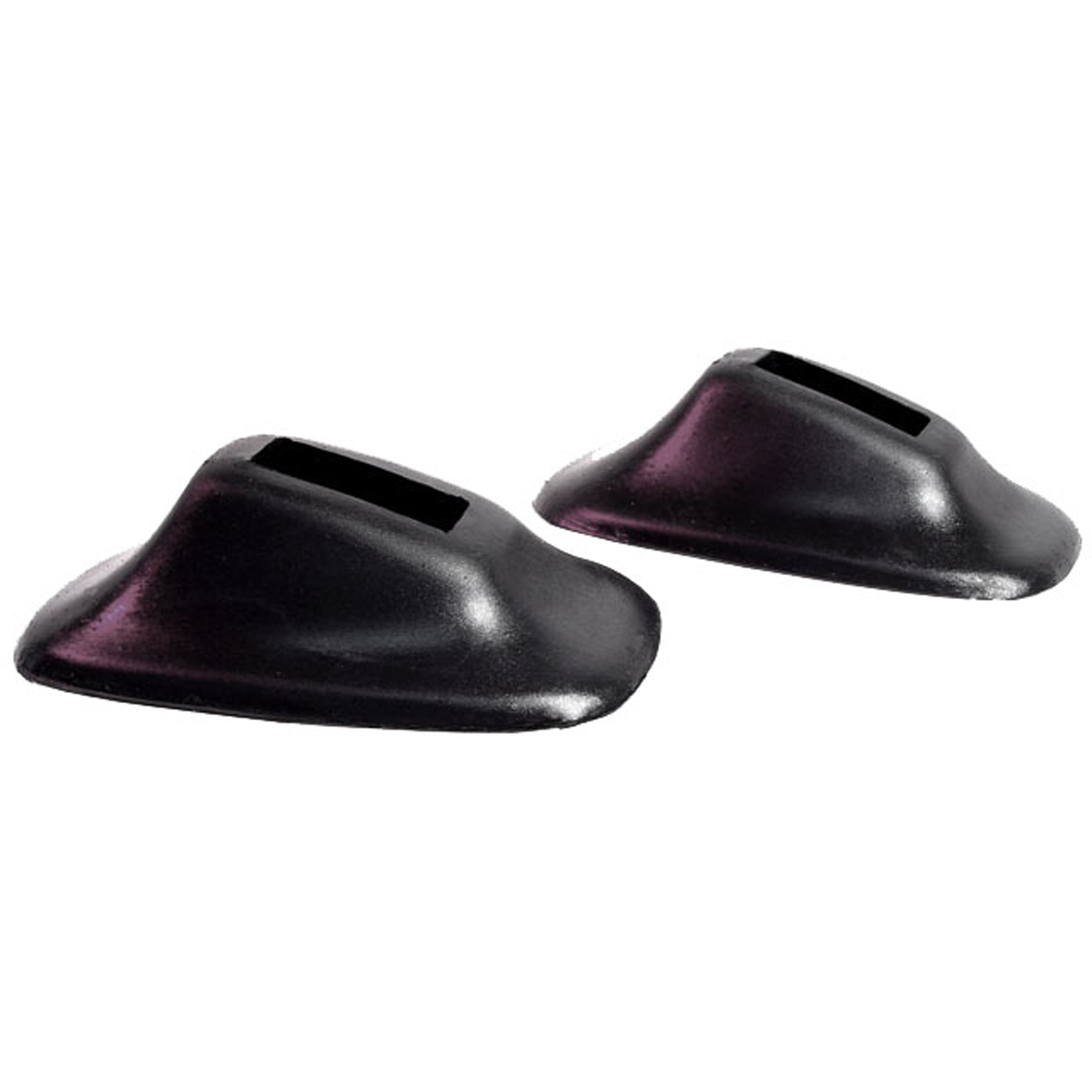 1940 Plymouth PT-105 Front and Rear Bumper Arm Grommets-BG 51Front and Rear Bumper Arm Grommets. 2-1/2" wide X 4-7/8" long, with 1-1/2" long inner slot. Pair
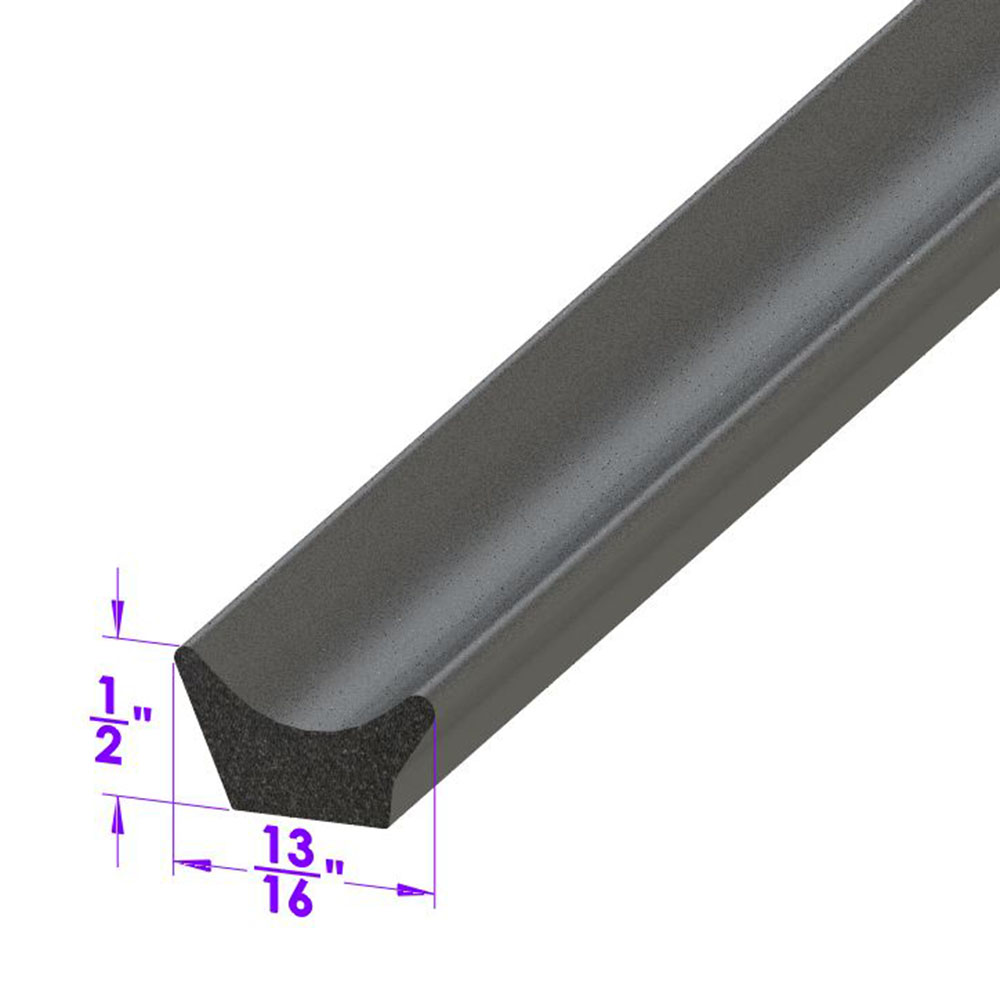 1940 Plymouth PT-105 Door side seal. Same as LP 40, but for a lighter seal-LP 40-ADoor side seal. Same as LP 40, but for a lighter seal. Fits many domestic passenger cars and trucks. Universal seal for street rods and customs. Used in Cobra kit cars as door weatherstrip. Per foot.
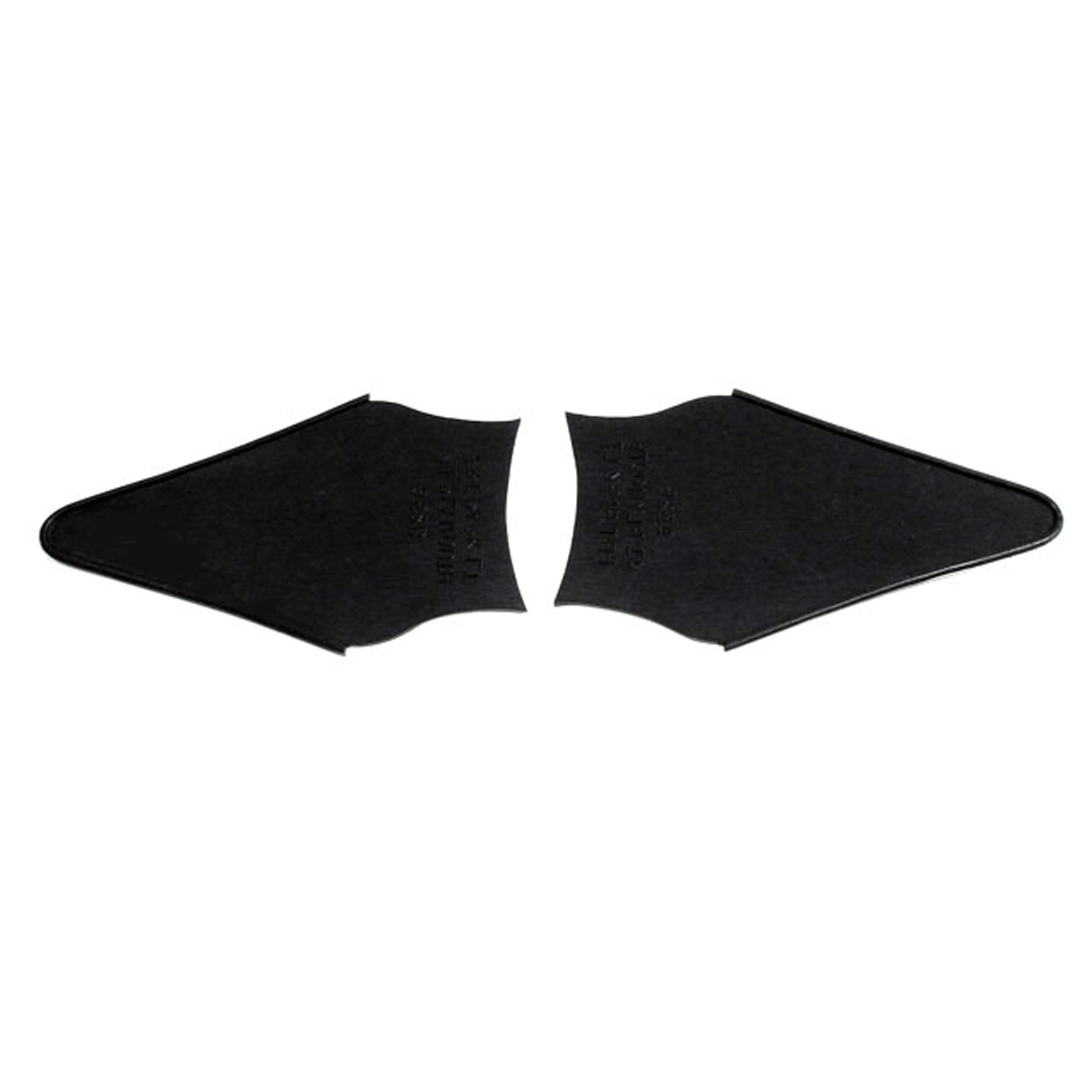 1940 Plymouth PT-105 Front Park Light Pads. 4" wide X 6-3/8" long. Pair-MP 952-BFront Park Light Pads. 4" wide X 6-3/8" long. Pair
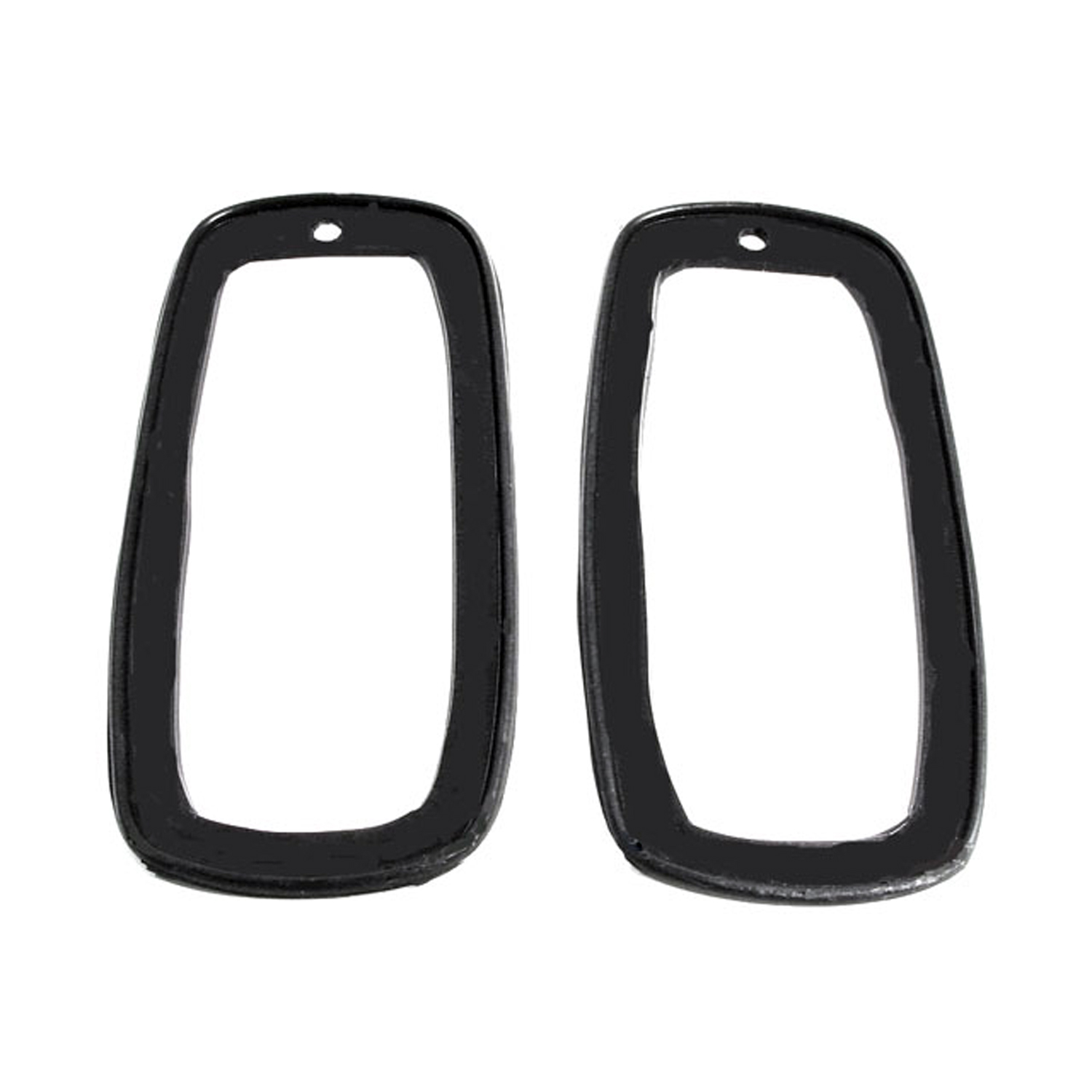 1940 Plymouth PT-105 Tail-light Pads. 3-1/8" wide X 6-3/8" long. Pair-MP 952-CTail-light Pads. 3-1/8" wide X 6-3/8" long. Pair
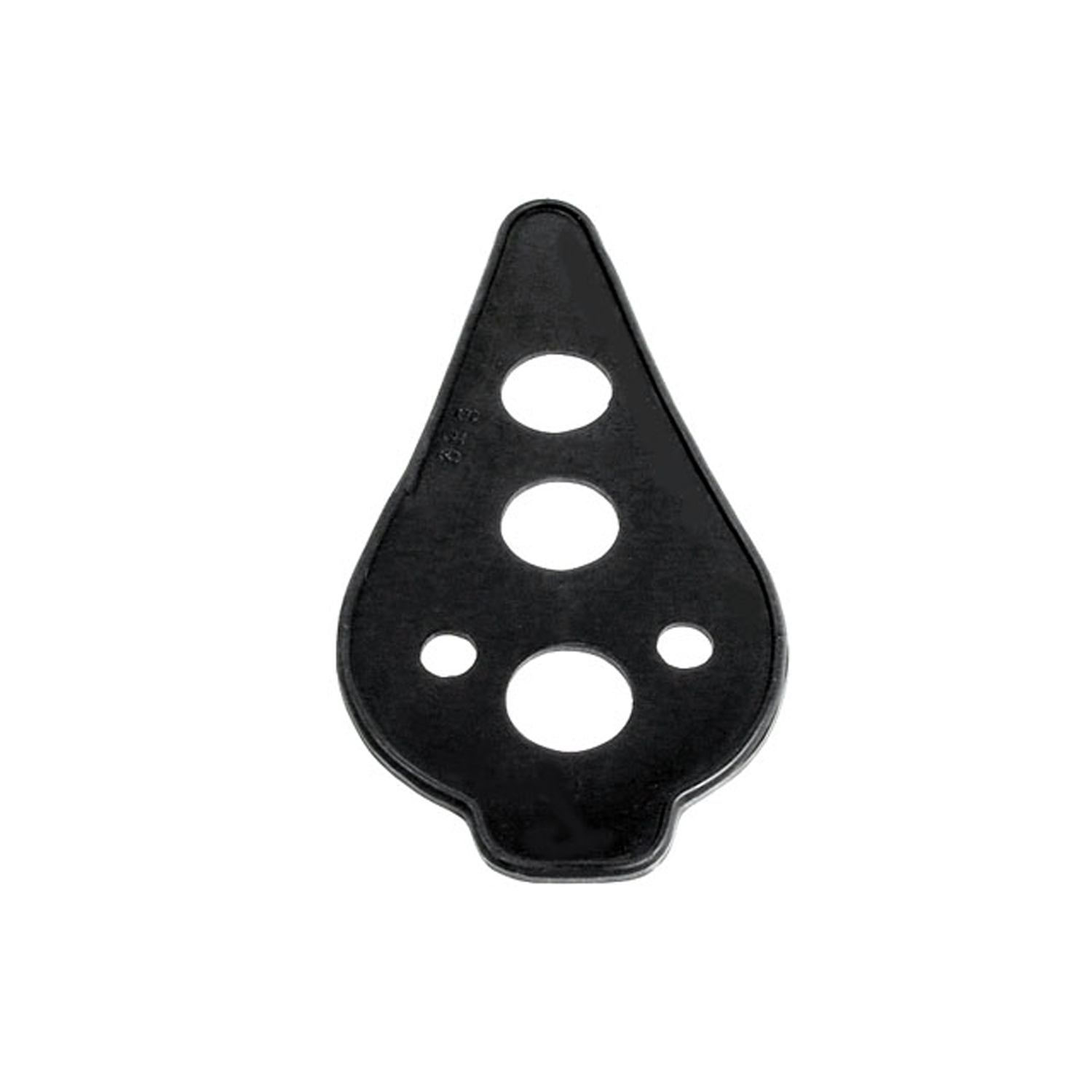 1940 Plymouth PT-105 Trunk Light Pad. 3-3/4" long X 7-5/8" wide. Each-MP 953Trunk Light Pad. 3-3/4" long X 7-5/8" wide. Each
 1940 Plymouth PT-105 Trunk Handle Pad. 2-1/4" wide X 6-1/8" long. Each-MP 954-ATrunk Handle Pad. 2-1/4" wide X 6-1/8" long. Each
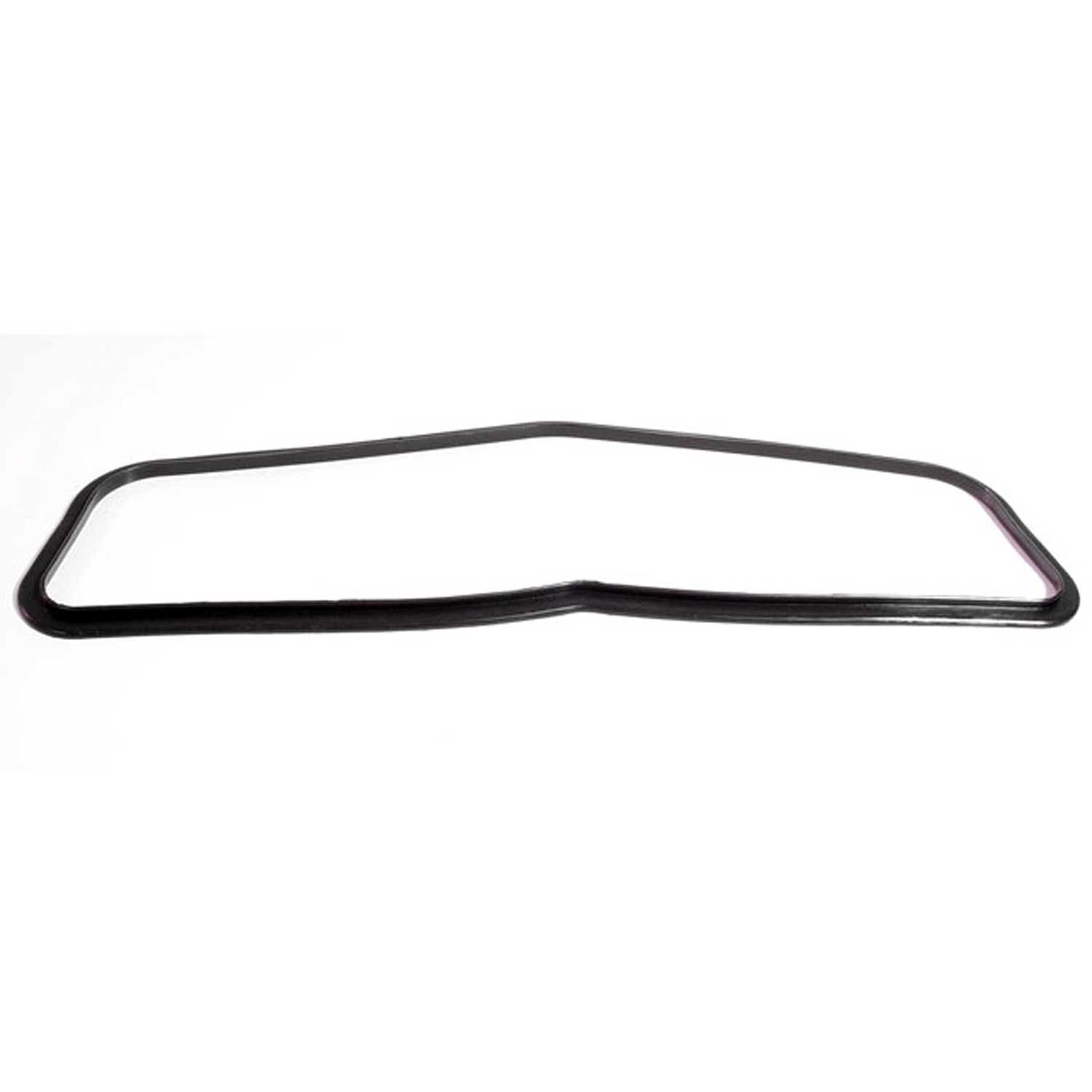 1940 Plymouth PT-105 Cowl Vent Seal. 4" wide X 18" long. Each-RP 100-QCowl Vent Seal. 4" wide X 18" long. Each
 1940 Plymouth PT-105 Front Vent Window Seals. Replaces OEM #761708-9. Pair R&L-WR 2301Front Vent Window Seals. Replaces OEM #761708-9. Pair R&L
 1940 Plymouth PT-105 Rear vent window seals-WR 2301-RRear vent window seals. Fits listed 4-door sedans and limousines with swing-out rear vent windows. May fit some GM models. Replaces OEM# #849153/4. Pair. R&L.
Why Choose Metro?
For over 100 years, Metro Moulded Parts has been the pinnacle of quality in classic car restoration parts. Our commitment to precision and authenticity in every component ensures a perfect fit and an OEM-level appearance.
- Expert Craftsmanship & Quality: Each part is a testament to our dedication to reliability and perfection, crafted from original designs and thoroughly tested.
- Advanced Technology: We use cutting-edge techniques to create flawless, long-lasting parts that surpass others in performance.
- SuperSoft Sponge – The Ultimate Door Seal: Not only are our door seals 30% softer than competitors', but they're also guaranteed to never leak. They effectively reduce wind and road noise, enhancing your classic car's comfort and driving experience.
- Proudly American: Our parts are a product of American craftsmanship, made in the USA with a spirit of excellence and heritage.
- Unrivaled Warranty: We back our products with a 30-year industry-leading warranty, a testament to our confidence in their quality.
Join us in preserving the legacy of classic cars with parts that are crafted for perfection, not just made.