
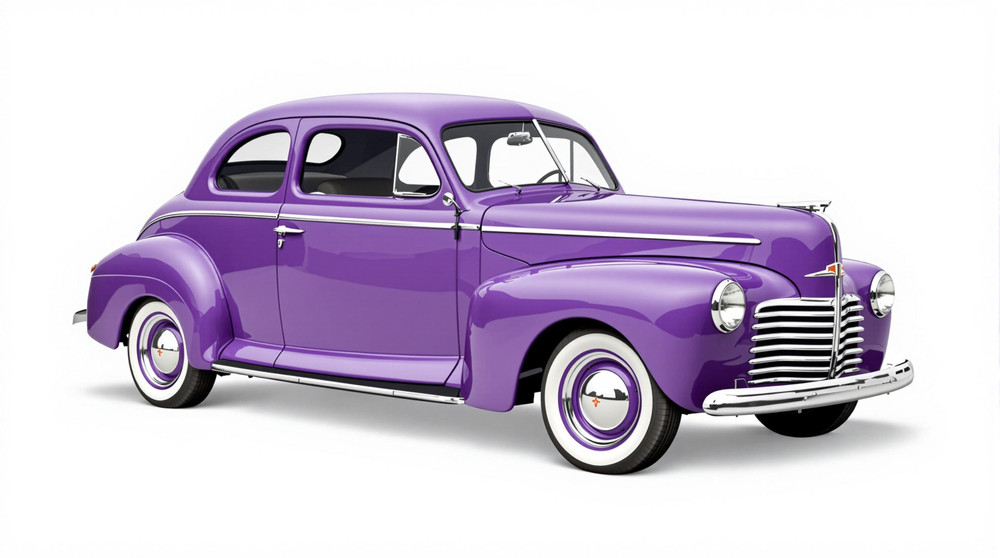
Image of 1941 Plymouth P11 Standard, Note: These illustrations use artistic license and may differ from actual historical models.
Performance Metrics
Fundamental Metrics
Emotional Appeal
MMP Rating
| Engine Specifications | |
|---|---|
| Engine: | Inline 6 |
| Displacement: | 201.3 cu in (3.3 L) |
| Horsepower: | 87 hp |
| Torque: | Estimated 130 lb-ft |
| Compression Ratio: | 6.7:1 |
| Ignition System: | Battery and coil |
| Cooling System: | Liquid-cooled |
| Performance Specifications | |
| 0-60 Time: | Estimated 20 seconds |
| 1/4 Mile Time: | Not available |
| Top Speed: | 75 mph |
| Transmission and Drive | |
| Drive Type: | Rear-wheel drive |
| Transmission Type: | 3-speed manual |
| Fuel and Efficiency | |
| Fuel System Type: | Carburetor |
| MPG: | Estimated 15-20 mpg |
| Dimensions and Brakes | |
| Brakes: | Hydraulic drum brakes |
| Wheelbase: | 117 in (2,972 mm) |
| Weight: | 2,900 lbs |
Note: Specifications for classic cars are given to the best of our ability, considering the limited and variant data available.
1941 Plymouth P11 Standard: A Prewar Classic With Everyday Charm
The 1941 Plymouth P11 brought smart, modern-looking American design within reach of ordinary families, just as the country stood on the edge of a world-changing conflict. Built by the Chrysler Corporation’s Plymouth division, the P11 was the more modestly trimmed member of Plymouth’s 1941 passenger-car range. It is often catalogued as the Deluxe, while “Standard” is also used to describe its place beneath the better-equipped P12 Special Deluxe.
Under its fresh-looking bodywork, the P11 remained a practical six-cylinder car: roomy, straightforward to maintain, and designed for real roads rather than racetracks. Its timing gives it a special place in automotive history. The 1941 model belonged to the final wave of civilian Plymouths before wartime production curtailed the supply of new cars in 1942.
Streamlined 1941 Plymouth Styling
The P11 wore the confident, rounded shape that defined American cars at the start of the 1940s. Its front fenders flowed into the body, while the headlights sat neatly within the fender lines rather than appearing as separate pods. A broad horizontal grille gave the nose a substantial look, and the hood’s side detailing added visual length without making the car seem fussy. Compared with the upright cars of an earlier decade, the Plymouth looked smoother and more integrated.
Inside, the P11 emphasized space and straightforward comfort. A wide front bench seat, generous headroom, and a simple, legible dashboard made it well suited to family travel. Upholstery was generally durable cloth, with trim and finish varying by body style and equipment. The P11 did not have the richer presentation of the Special Deluxe, but its cabin was thoughtfully laid out and reflected the period’s growing interest in convenience and comfort.
Factory paint choices varied with body style and production details. Buyers could find subdued colors such as black, gray, dark blue, green, and maroon, along with lighter shades offered in the period palette. Dark colors give surviving P11s a particularly formal, classic appearance, while brighter or lighter finishes show off the flowing fenders and rounded body lines.
Body Styles and Equipment
Plymouth’s 1941 range included several practical body types, with availability depending on series and market. P11 examples are commonly encountered as two-door and four-door sedans, along with coupe forms. Convertible and station-wagon versions were also part of Plymouth’s broader 1941 offering, though they are much less frequently seen today. The four-door sedan is the most familiar family-car shape; coupes have a more compact, sporting profile, while wagons and convertibles are especially appealing to collectors because of their relative scarcity.
Equipment was conventional but well suited to the time. The P11 used a three-speed manual gearbox and hydraulic brakes, with a six-volt electrical system. Plymouth also offered Fluid Drive-related equipment on some cars, sometimes paired with its Vacamatic transmission arrangement. These systems aimed to make stop-and-go driving less demanding, though they were more involved than a basic manual setup and should be inspected carefully on a surviving car.
Why the P11 Matters
The P11 was not a radical engineering experiment, and that was part of its appeal. Plymouth built its reputation on offering solid value, useful interior room, and modern styling at a price aimed below many larger or more luxurious cars. In a market led by intense competition among Plymouth, Ford, and Chevrolet, a well-balanced car mattered more than a single headline-grabbing feature.
Its design reflects a broader shift toward integrated fenders, cleaner body shapes, and more comfortable interiors. Plymouth had already adopted independent front suspension in the 1930s, and by 1941 the P11 combined that approach with hydraulic brakes and a refined six-cylinder layout. The result was a car that felt contemporary without relying on complicated technology. Its influence is best understood as part of the steady improvement of affordable American family cars, rather than as a one-model revolution.
The car’s historical significance also comes from its moment in time. The United States entered World War II in December 1941, and civilian automobile production was halted in 1942 as factories shifted to wartime manufacturing. The P11 therefore represents one of the last prewar Plymouth generations before civilian car development paused and resumed after the war.
Flathead Six Performance
Power came from Plymouth’s 201.3-cubic-inch L-head, or flathead, inline-six. Period specifications generally list output at about 87 horsepower, delivered through a three-speed manual transmission. That was enough for steady everyday driving, but it did not make the P11 a fast car by modern standards. Depending on body style, condition, gearing, and test method, a healthy example might reach roughly 75 to 80 mph. A 0-to-60-mph run is likely to take around 20 to 25 seconds.
Those figures are estimates rather than guarantees. A car with tired ignition components, worn engine internals, or incorrect carburetor settings can feel considerably slower. The P11’s natural rhythm is relaxed: it gathers speed at an unhurried pace and is happiest cruising at moderate highway speeds rather than being pushed hard.
On a bumpy road, the suspension and substantial tires give the car the soft, compliant ride associated with the era. The body is tall by present-day standards, so sharp corners and windy roads call for smooth steering and sensible speeds. The steering is not as precise as a modern rack-and-pinion system, and the driver should expect more body roll than in a current sedan. In return, the Plymouth has an easy-going character that suits scenic drives and local trips.
Behind the wheel, the flathead six produces a subdued mechanical hum rather than a sharp, high-revving sound. The manual gearbox asks for deliberate shifts, and the large steering wheel provides useful leverage. It feels like a machine from a time when drivers actively managed the car’s pace, listened to the engine, and planned their moves well ahead.
Living With a P11 Today
Most surviving P11s are enjoyed as weekend drivers, parade cars, or entries at local shows. They can be used for occasional errands and relaxed touring, but modern traffic is a demanding environment for a car with modest acceleration, older braking technology, and no contemporary crash protection. A well-maintained P11 is generally more comfortable on quiet roads than in fast, crowded traffic.
Basic mechanical work is approachable for an owner with ordinary tools and a good shop manual. The flathead six is mechanically simple, and routine tasks such as tune-ups, lubrication, and brake servicing do not require specialized electronic equipment. The bigger challenge is often finding sound replacement body panels, brightwork, correct interior materials, or parts for unusual options. Electrical systems are six-volt, so clean connections, suitable bulbs, and a correctly functioning charging system matter.
Reliability depends heavily on the individual car’s history. Cooling-system condition, fuel delivery, ignition, and brake hydraulics deserve close attention, especially if the car has been stored for years. Before buying, inspect the frame and body for corrosion, check for overheating, and verify that the brakes operate evenly. A tidy, regularly driven car is usually a better starting point than a shiny restoration hiding neglected mechanical work.
P11 Facts, Rarities, and Criticisms
The most memorable fact about the 1941 P11 is its position on the eve of the wartime production shutdown. It was part of a large, mainstream model range, not a limited-run performance car, and Plymouth produced cars in substantial numbers. Exact production totals for the P11 alone are difficult to pin down across body styles and records. A reasonable broad estimate is roughly 350,000 to 400,000 P11-series passenger cars, but that should be treated as an informed approximation rather than a definitive factory figure.
There is no widely recognized P11 speed or endurance record that defines the model. Its appeal is more down-to-earth: it represents the everyday American car of its period. The sedan is the most attainable shape, while a genuine wagon or convertible is a more unusual find. As with any old car, verify body style, serial information, and documentation rather than relying solely on a seller’s description.
Common criticisms are familiar to anyone driving a prewar car today. The six-cylinder engine is not powerful, the steering and brakes feel dated, and the cabin lacks modern safety equipment and climate-control convenience. Some drivers also find the original electrical system less forgiving of poor wiring or weak connections. These are limitations of the era, not unusual defects in the P11 specifically.
1941 Plymouth P11 Values and Availability
Prices vary widely with body style, rust, originality, restoration quality, and mechanical condition. As a broad 2026 estimate in the U.S. market, a project car might sell for about $5,000 to $12,000. A usable driver or older restoration commonly falls around $15,000 to $28,000, while a high-quality restored sedan may bring approximately $30,000 to $45,000. Rare body styles, particularly well-presented wagons or convertibles, can exceed those figures, sometimes substantially.
P11 sedans are not impossible to find, but good, complete examples are less common than the model’s original production volume might suggest. A reasonable assessment is that the car is uncommon rather than truly rare. Values have generally been steady, with well-restored cars holding the strongest demand. The P11 is not usually a speculative investment; its market rewards condition, authenticity, and desirable body styles more than simply owning the model.
A Plymouth With Prewar Purpose
The 1941 Plymouth P11 Standard, often identified as the P11 Deluxe, combines graceful prewar styling with simple, usable engineering. Its flathead six, roomy cabin, smooth ride, and accessible mechanical layout made it a practical family car when new. Today, those same qualities make it an inviting classic for owners who value character over speed.
More than eighty years on, the P11 remains a tangible link to the last chapter of ordinary American motoring before wartime production changed the industry. It may not be the fastest or rarest Plymouth, but it captures an important moment with an honest, unpretentious charm.
1941 Plymouth P11 Standard Catalog of Parts
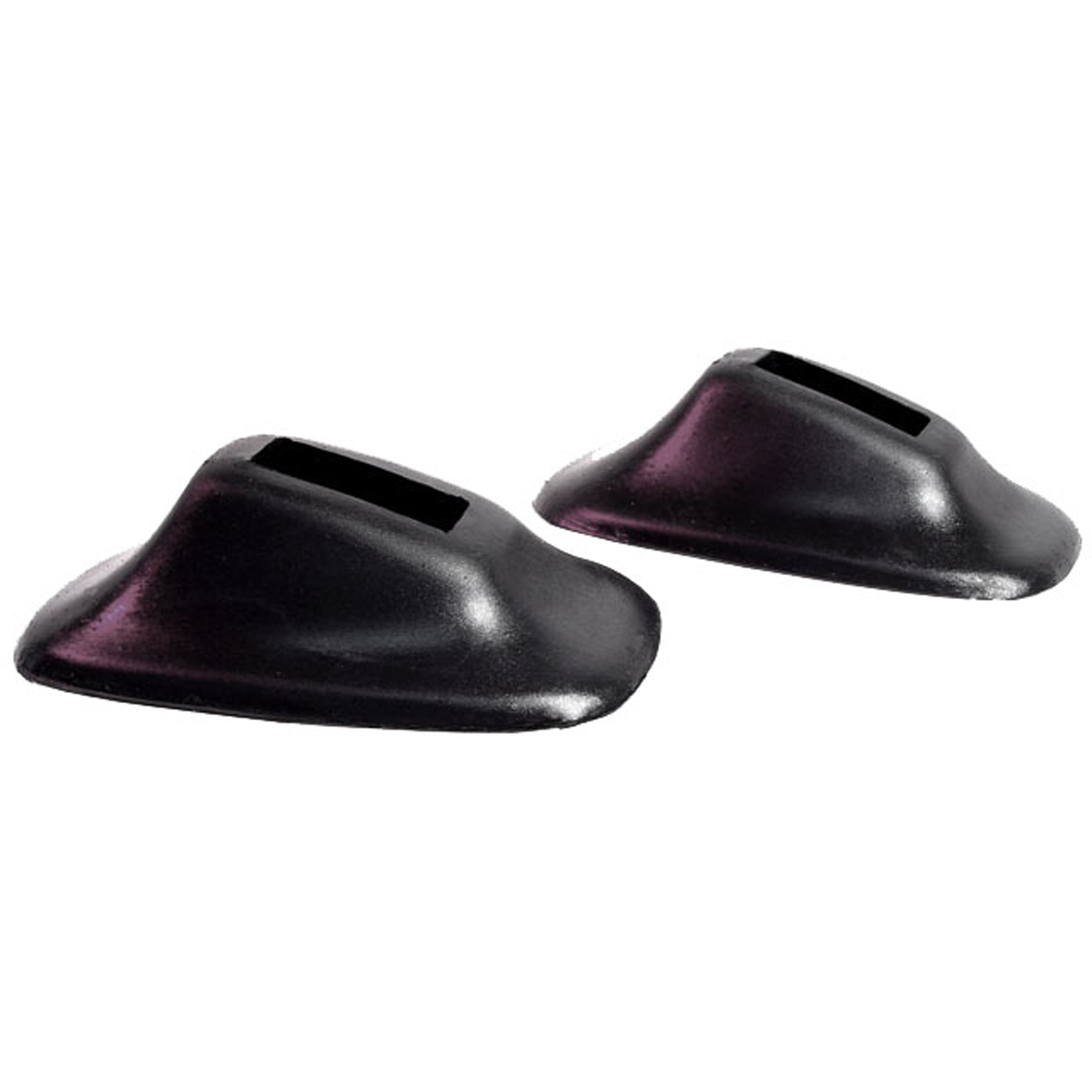 1941 Plymouth P11 Standard Front and Rear Bumper Arm Grommets-BG 51Front and Rear Bumper Arm Grommets. 2-1/2" wide X 4-7/8" long, with 1-1/2" long inner slot. Pair
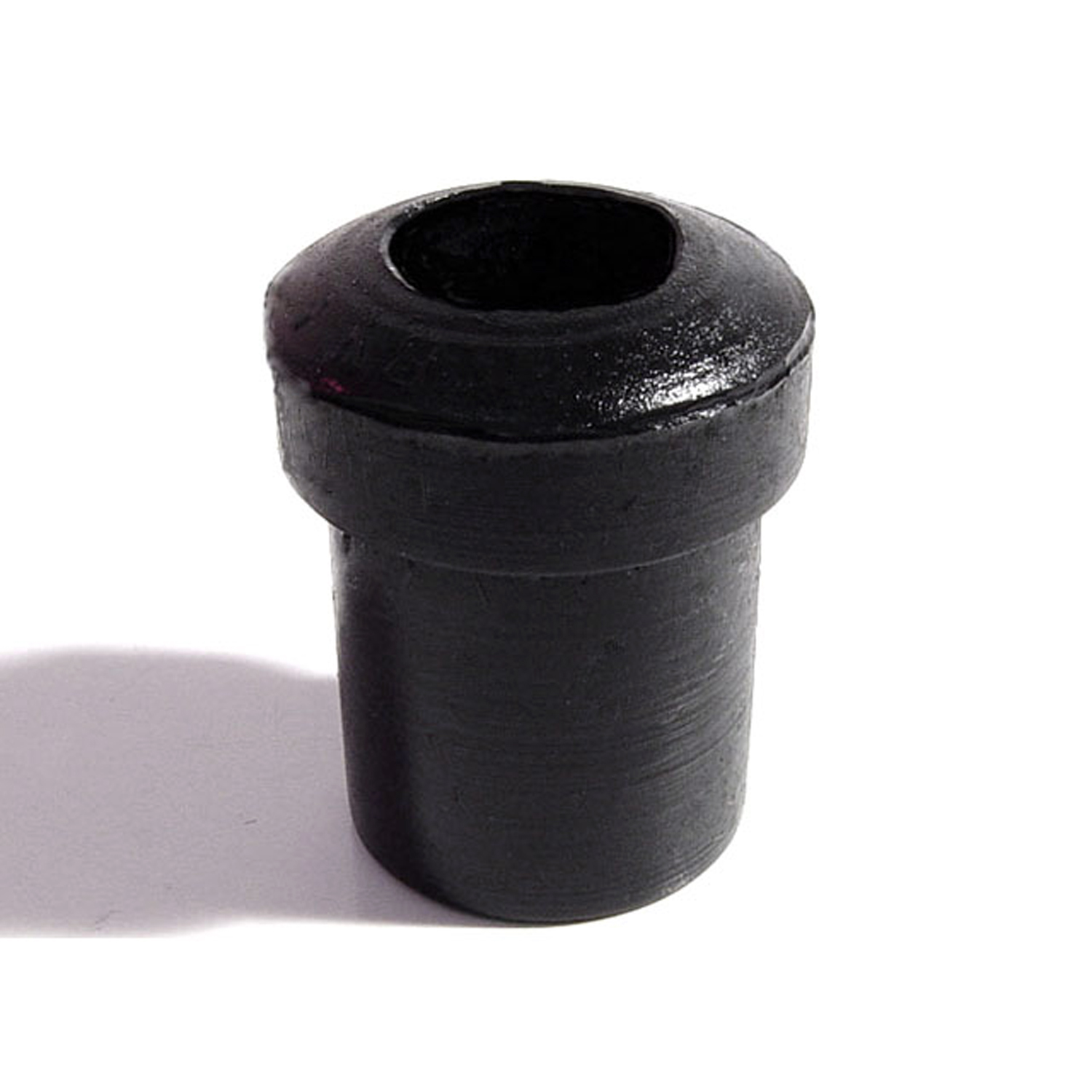 1941 Plymouth P11 Standard Spring and Shackle Bushing. 7/8" bottom O.D-BN 16Spring and Shackle Bushing. 7/8" bottom O.D. X 1-1/8" high, with 1/2" I.D. Each
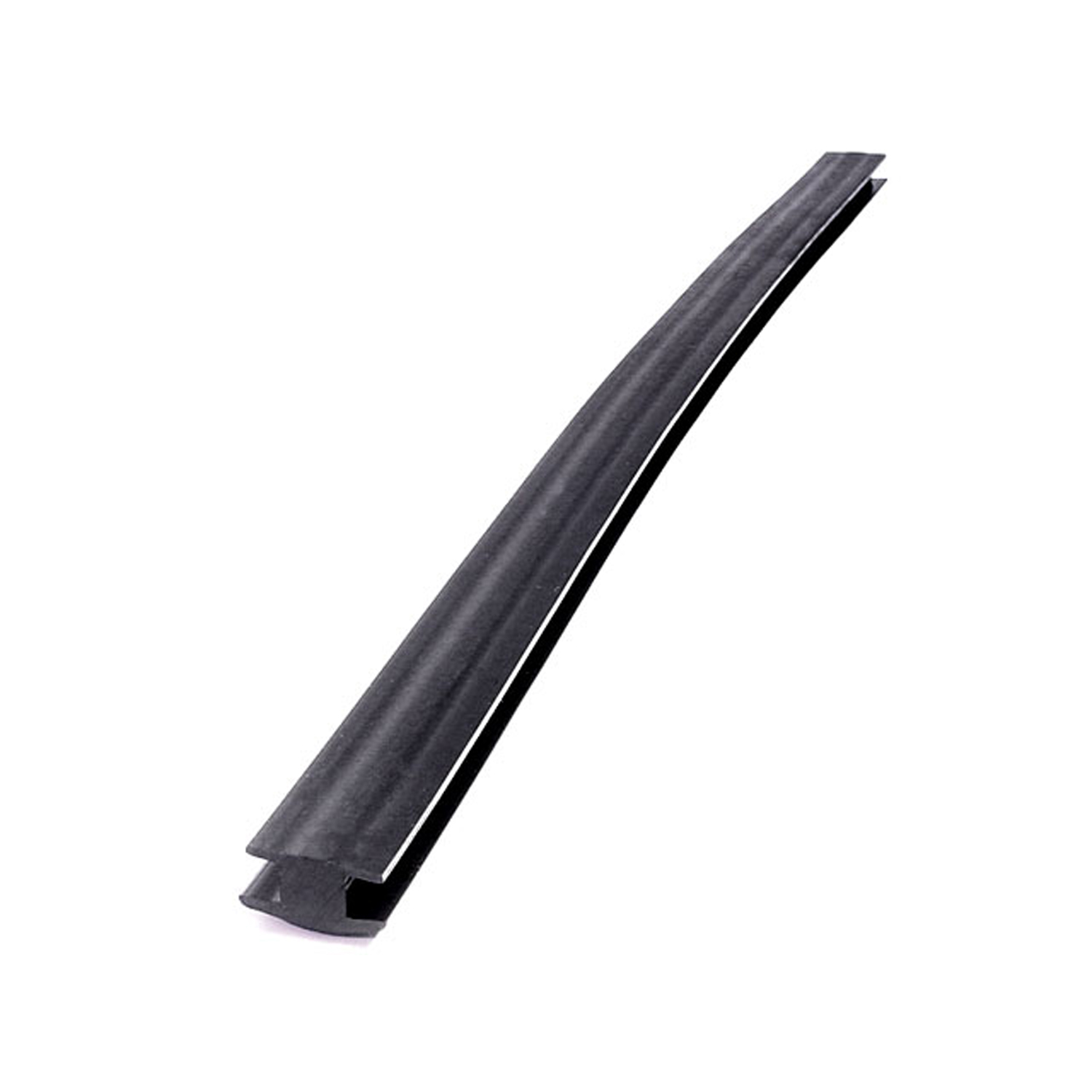 1941 Plymouth P11 Standard Windshield Center Bar Gasket. 20" long. Each-DP 12Windshield Center Bar Gasket. 20" long. Each
 1941 Plymouth P11 Standard Hood Corners. Fits flat corners-HC 19Hood Corners. Fits flat corners. 80° angle, 1/4" to 3/8" corner radius. 1-3/8" wide. Pair
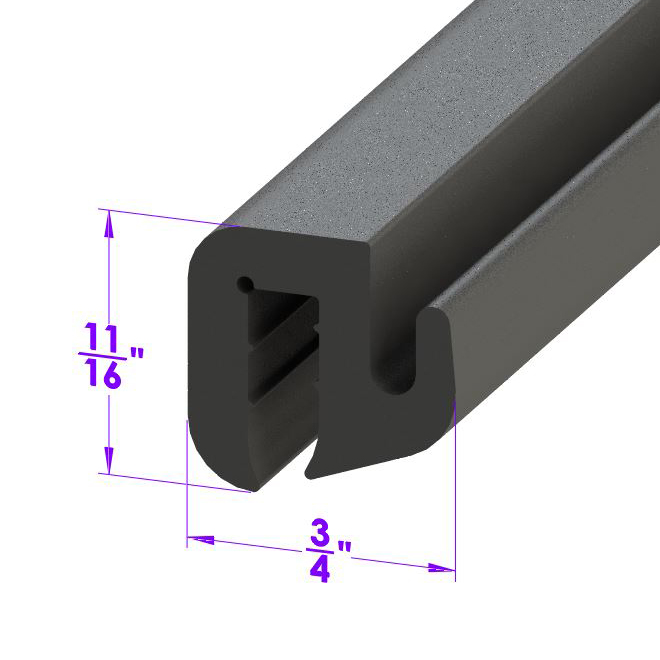 1941 Plymouth P11 Standard Windshield and Rear Window Seal. Sold by the foot-LP 30-AWindshield and Rear Window Seal. Sold by the foot
 1941 Plymouth P11 Standard Door side seal. Same as LP 40, but for a lighter seal-LP 40-ADoor side seal. Same as LP 40, but for a lighter seal. Fits many domestic passenger cars and trucks. Universal seal for street rods and customs. Used in Cobra kit cars as door weatherstrip. Per foot.
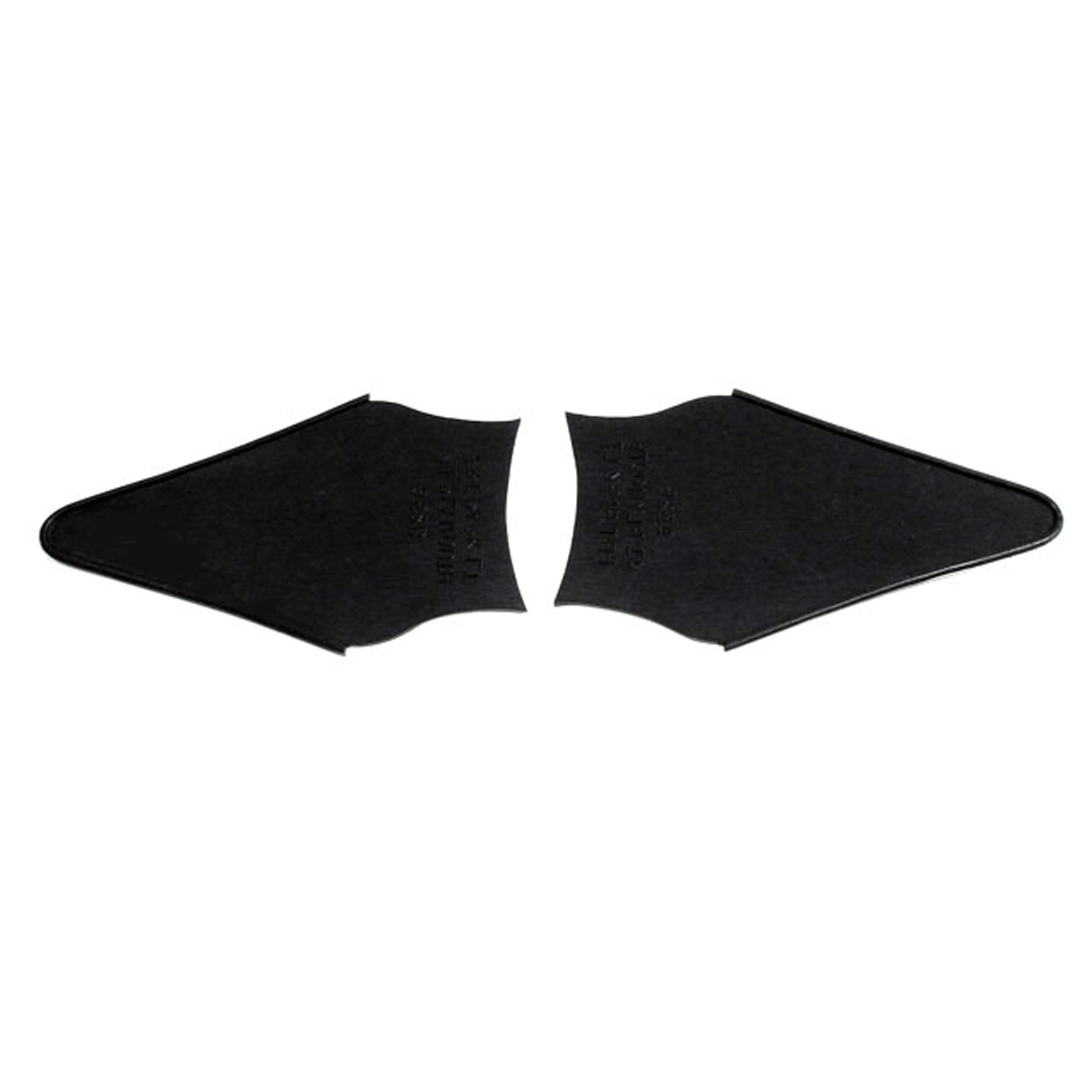 1941 Plymouth P11 Standard Front Park Light Pads. 4" wide X 6-3/8" long. Pair-MP 952-BFront Park Light Pads. 4" wide X 6-3/8" long. Pair
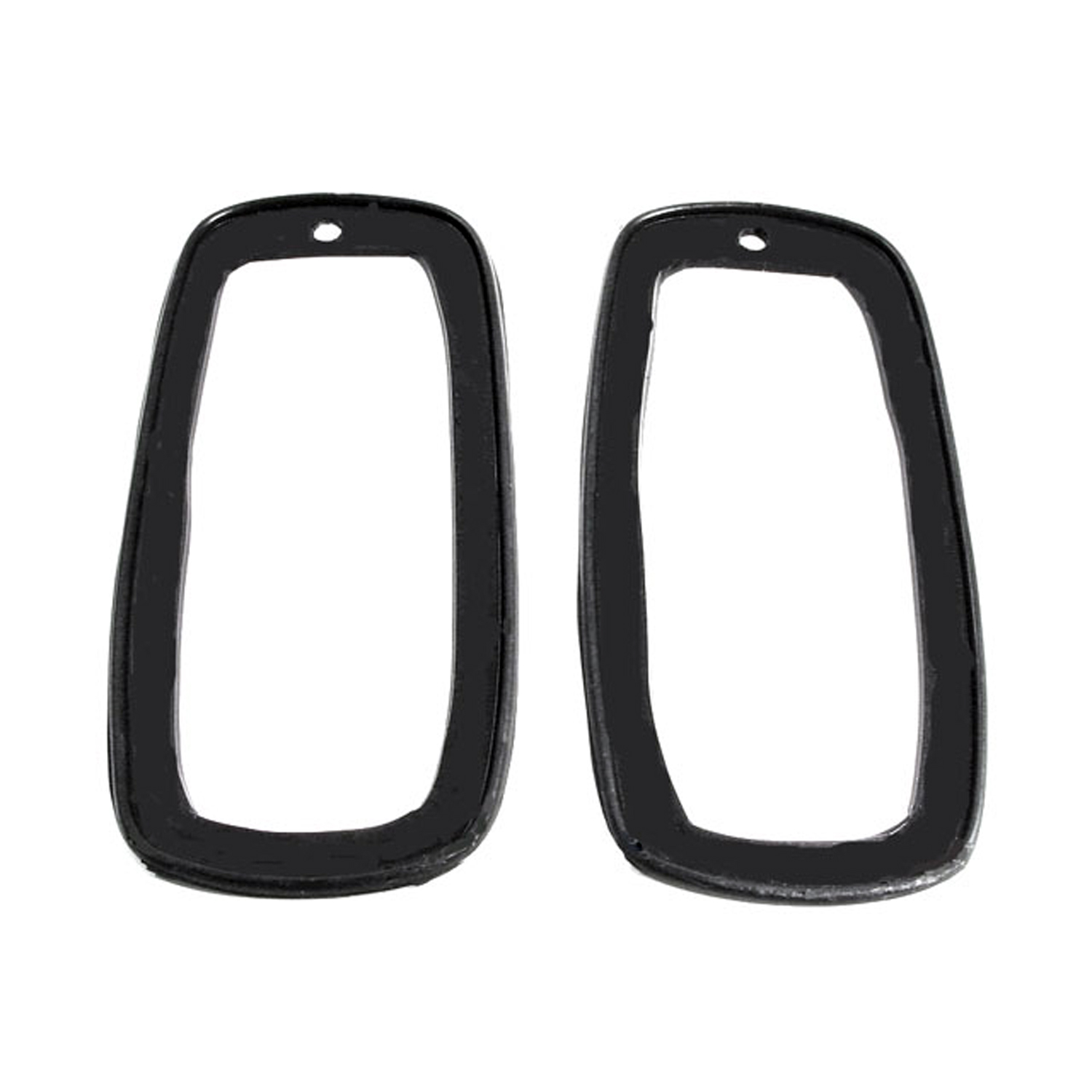 1941 Plymouth P11 Standard Tail-light Pads. 3-1/8" wide X 6-3/8" long. Pair-MP 952-CTail-light Pads. 3-1/8" wide X 6-3/8" long. Pair
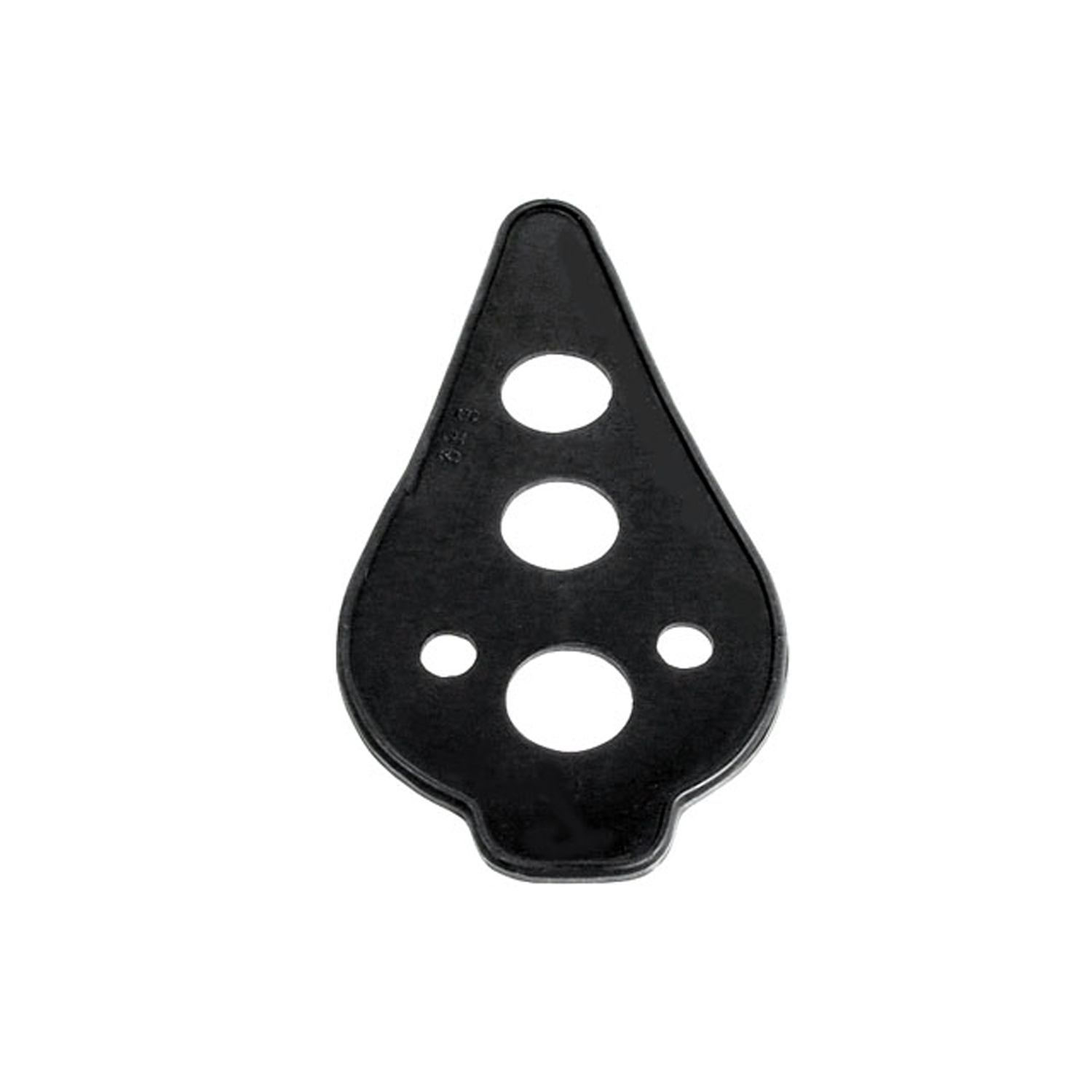 1941 Plymouth P11 Standard Trunk Light Pad. 3-3/4" long X 7-5/8" wide. Each-MP 953Trunk Light Pad. 3-3/4" long X 7-5/8" wide. Each
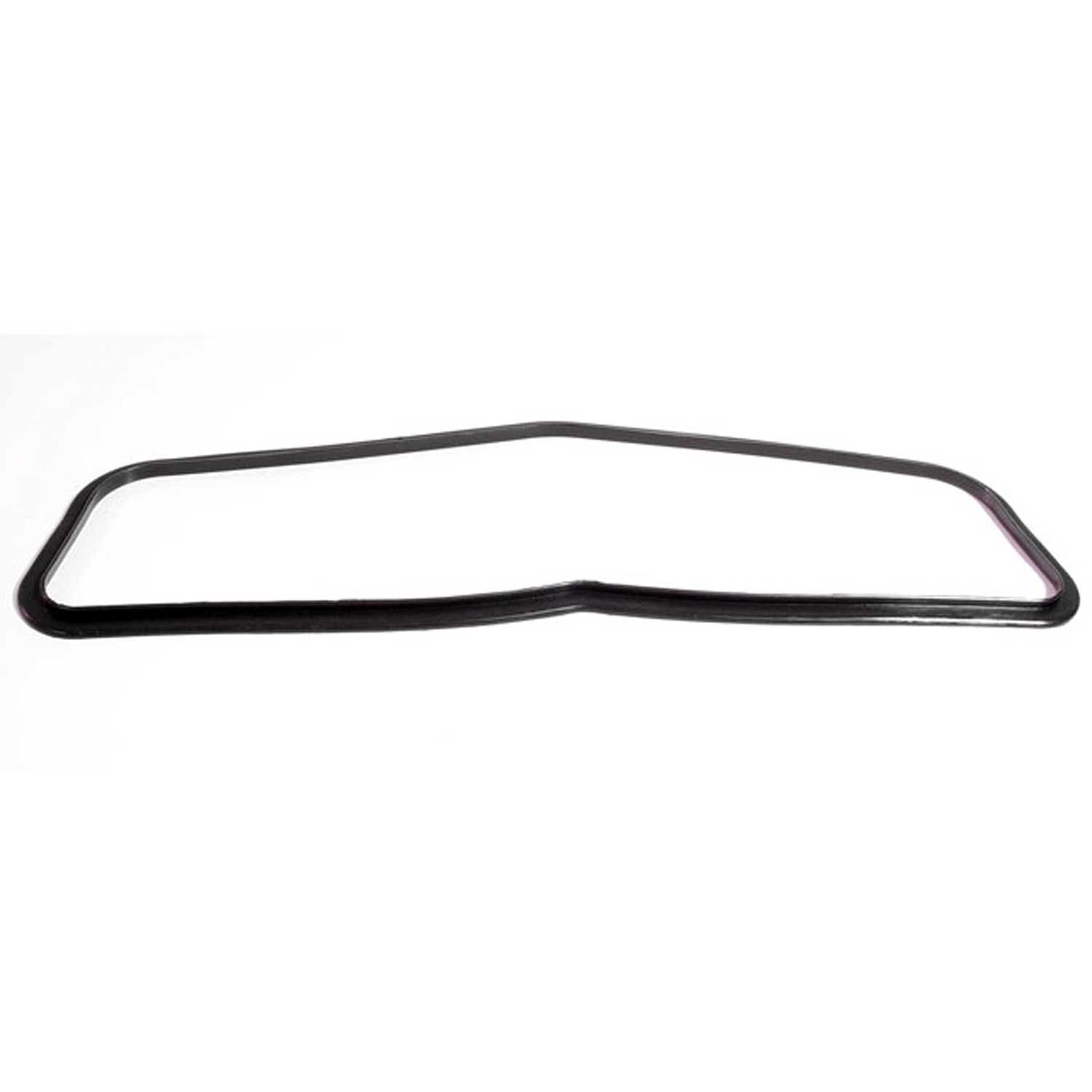 1941 Plymouth P11 Standard Cowl Vent Seal. 4" wide X 18" long. Each-RP 100-QCowl Vent Seal. 4" wide X 18" long. Each
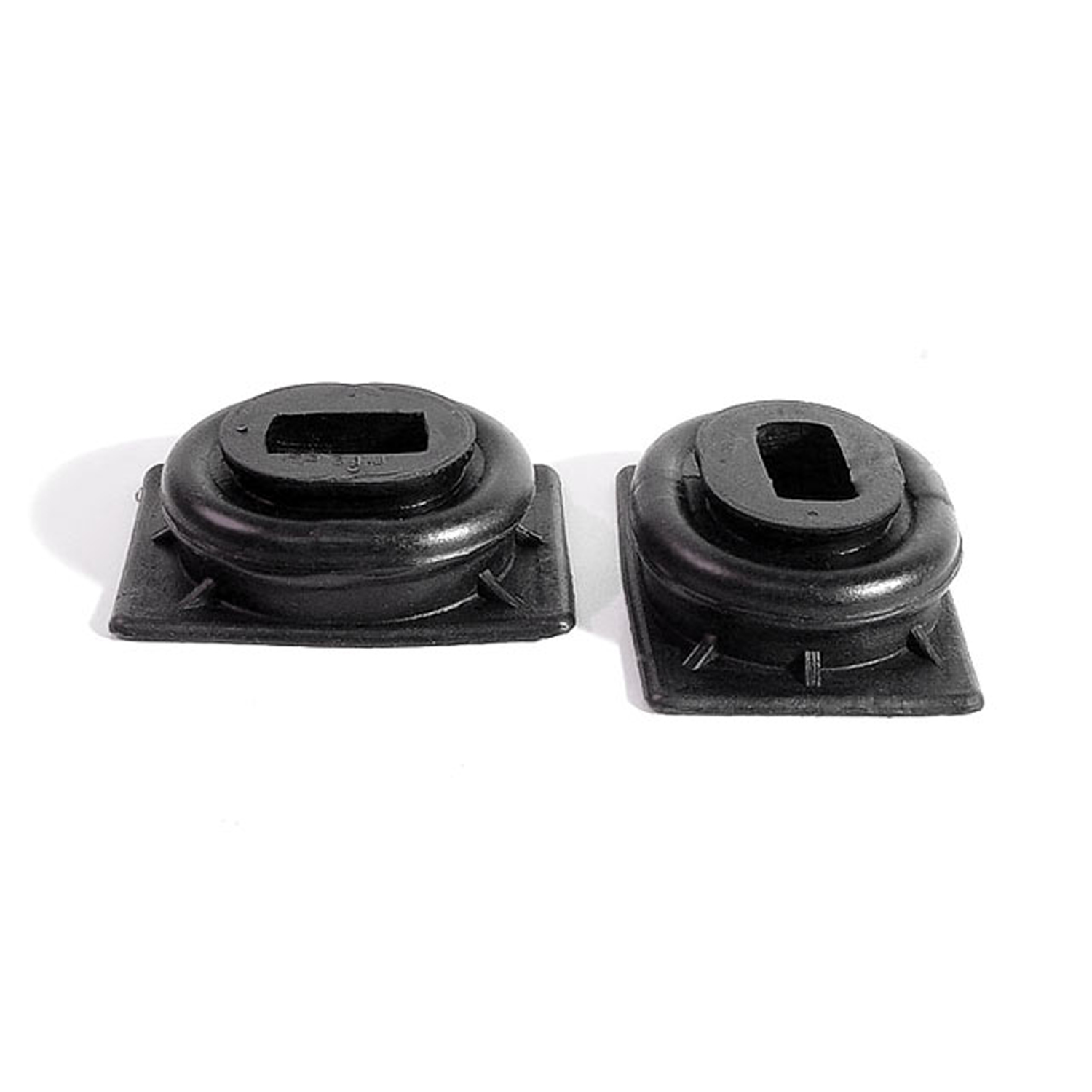 1941 Plymouth P11 Standard Clutch and Brake Seals. Replaces OEM #889473. Pair-RP 31-JClutch and Brake Seals. Replaces OEM #889473. Pair
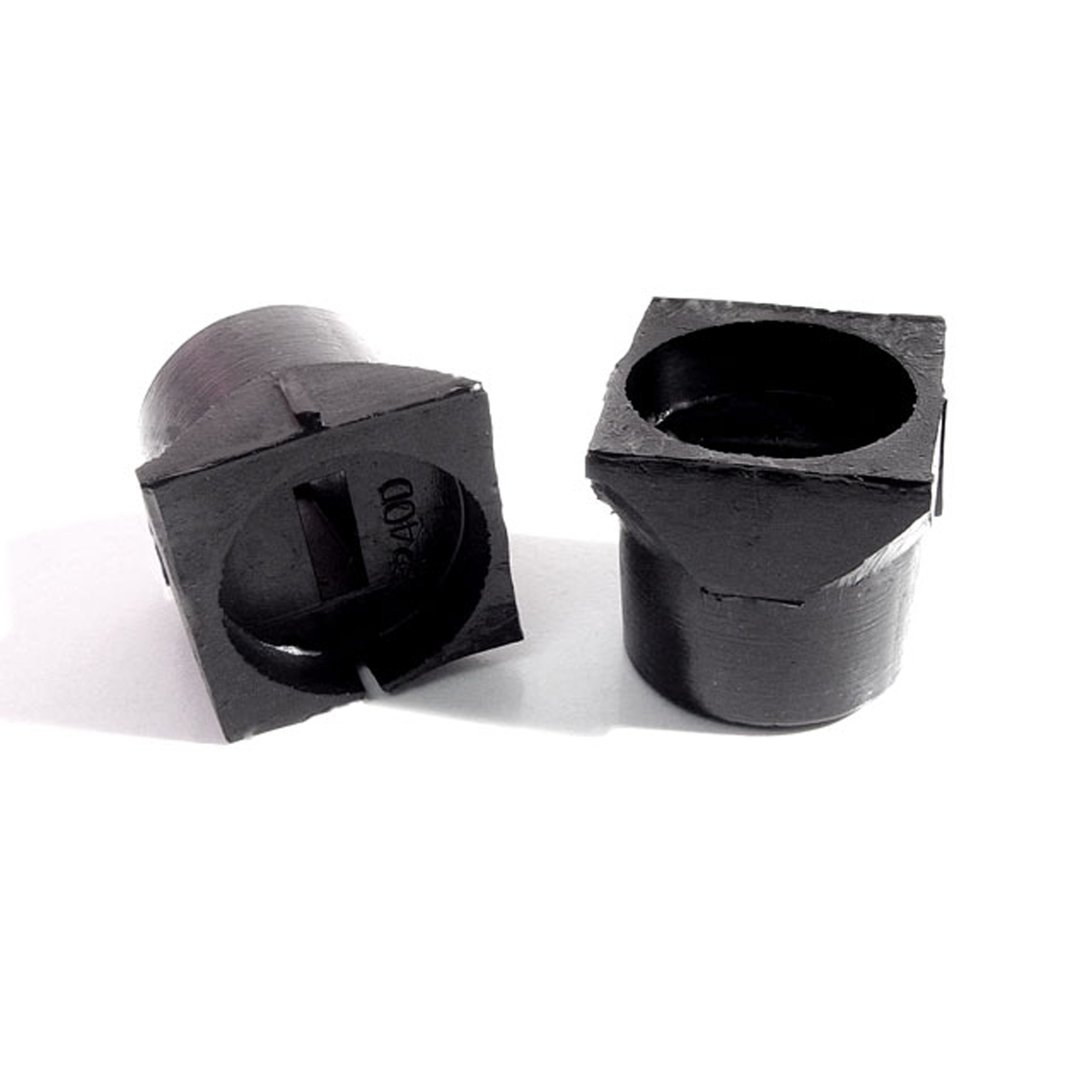 1941 Plymouth P11 Standard Door Check Rubber Cushion. Each-RP 40-DDoor Check Rubber Cushion. Each
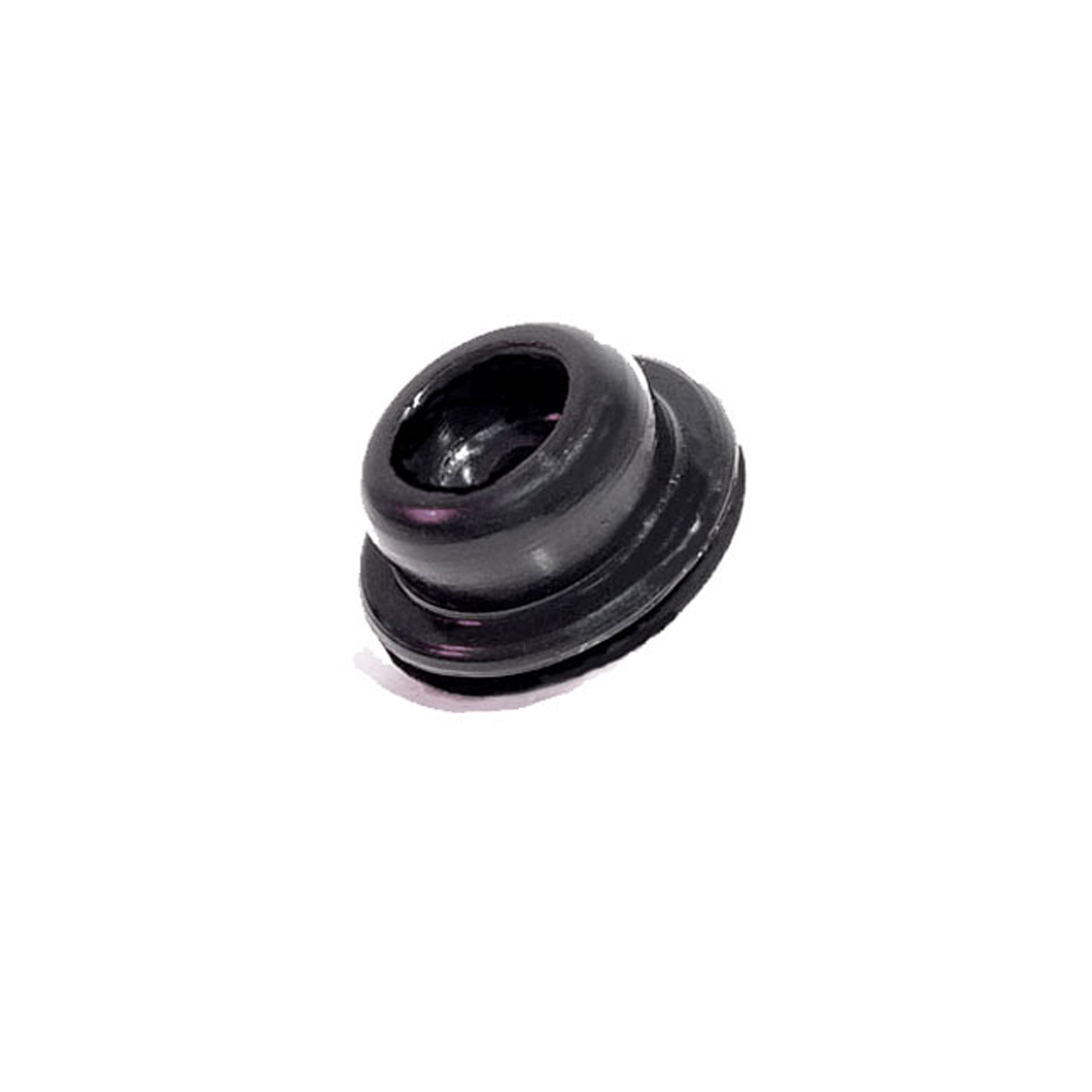 1941 Plymouth P11 Standard Accelerator Rod Grommet-SM 43-BAccelerator Rod Grommet. For accelerator rod through floorboard. Each
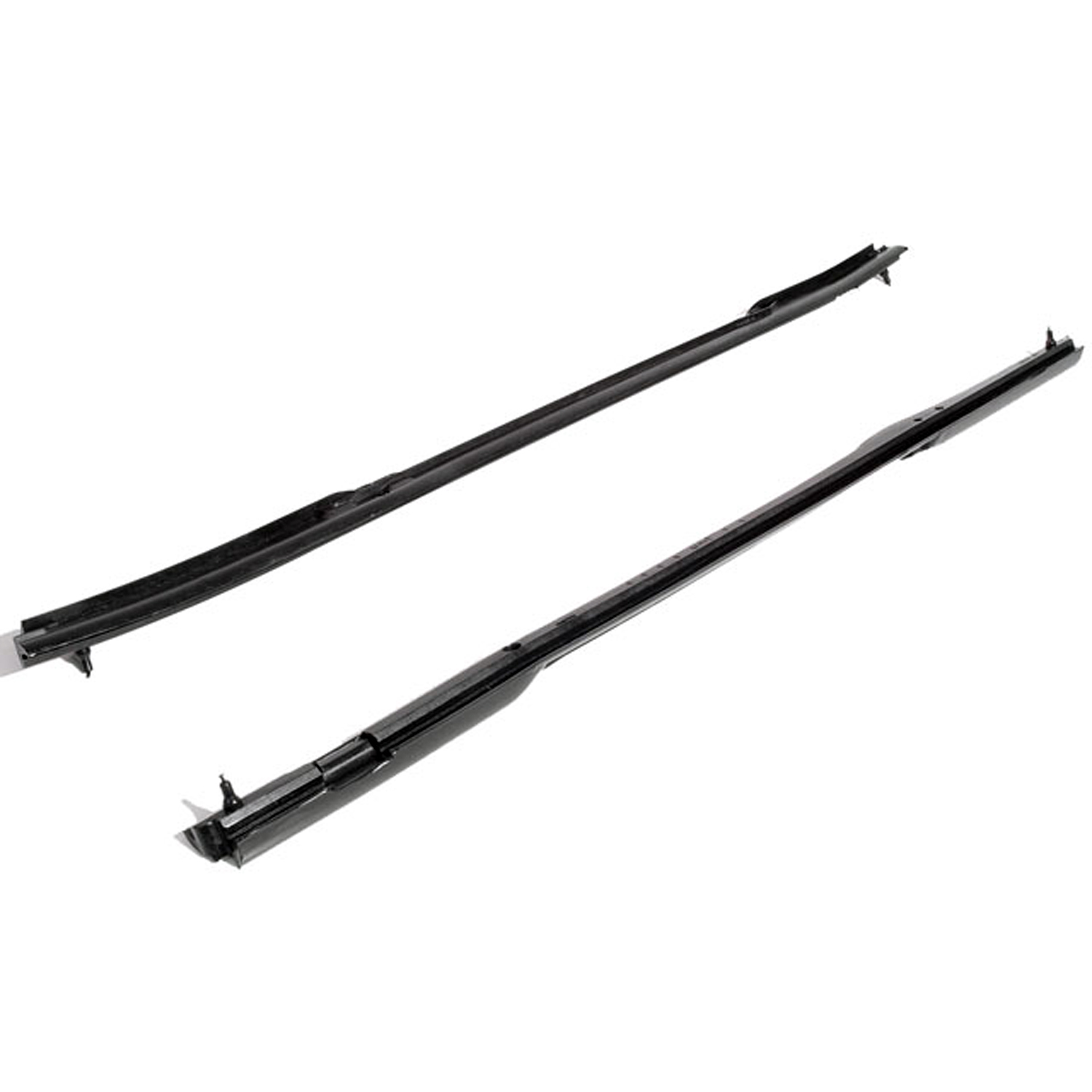 1941 Plymouth P11 Standard Front Vent Window Seals. For many closed models only-WR 2703Front Vent Window Seals. For many closed models only. Replaces OEM #977232-3. Pair R&L
Why Choose Metro?
For over 100 years, Metro Moulded Parts has been the pinnacle of quality in classic car restoration parts. Our commitment to precision and authenticity in every component ensures a perfect fit and an OEM-level appearance.
- Expert Craftsmanship & Quality: Each part is a testament to our dedication to reliability and perfection, crafted from original designs and thoroughly tested.
- Advanced Technology: We use cutting-edge techniques to create flawless, long-lasting parts that surpass others in performance.
- SuperSoft Sponge – The Ultimate Door Seal: Not only are our door seals 30% softer than competitors', but they're also guaranteed to never leak. They effectively reduce wind and road noise, enhancing your classic car's comfort and driving experience.
- Proudly American: Our parts are a product of American craftsmanship, made in the USA with a spirit of excellence and heritage.
- Unrivaled Warranty: We back our products with a 30-year industry-leading warranty, a testament to our confidence in their quality.
Join us in preserving the legacy of classic cars with parts that are crafted for perfection, not just made.