

Image of 1941 Plymouth P12 Special Deluxe, Note: These illustrations use artistic license and may differ from actual historical models.
Performance Metrics
Fundamental Metrics
Emotional Appeal
MMP Rating
| Engine Specifications | |
|---|---|
| Engine Options: | Inline 6 |
| Displacement Range: | 201.3 cu in (3.3 L) |
| Horsepower Range: | 87 hp |
| Torque: | Estimated 130 lb-ft |
| Compression Ratio: | 6.7:1 |
| Ignition System: | Battery and coil |
| Cooling System: | Liquid-cooled |
| Performance Specifications | |
| 0-60 Time: | Information not available |
| 1/4 Mile Time: | Information not available |
| Top Speed: | 75 mph |
| Transmission and Drive | |
| Drive Type: | Rear-wheel drive |
| Transmission Type: | 3-speed manual |
| Fuel and Efficiency | |
| Fuel System Type: | Carburetor |
| MPG: | Estimated 15-20 mpg |
| Dimensions and Brakes | |
| Brakes: | Hydraulic drum brakes |
| Wheelbase: | 117 in |
| Weight: | 3,125 lbs |
Note: Specifications for classic cars are given to the best of our ability, considering the limited and variant data available.
1941 Plymouth P12 Special Deluxe: A Prewar Favorite
The 1941 Plymouth P12 Special Deluxe brought big-car comfort and polished styling to buyers who still cared about value. Built by the Chrysler Corporation, it sat near the top of Plymouth’s range and combined a smooth six-cylinder engine, a roomy cabin, and a newly modernized look. It also belongs to a compelling moment in American motoring: 1941 was the last full model year before wartime restrictions transformed civilian car production.
One detail gives the P12 extra historical interest: while it was designed for ordinary family and business use, the car arrived just as the United States was moving toward wartime mobilization. Plymouth would soon shift much of its manufacturing effort to military needs, making the 1941 Special Deluxe a representative of the final wave of prewar American family cars.
Streamlined Styling and Comfortable Cabin
The P12 wore a rounded, carefully integrated body that looked more modern than the upright cars of the previous decade. Its broad front end featured a prominent vertical grille, with the headlamps set into the flowing front fenders. The fenders continued into the body rather than appearing as separate, bolt-on shapes, giving the car a unified profile. Bright exterior trim added a touch of upscale polish without overwhelming the design.
Inside, the Special Deluxe aimed for comfort rather than flash. The cabin offered generous seating, a broad dashboard, and practical controls arranged for the driver. Upholstery was generally durable cloth or broadcloth in closed cars, while open models could have different trim treatments. Materials and finish varied by body style and equipment, but the Special Deluxe was intended to feel a step above a basic transportation car.
Buyers could choose from several period paint colors, with dark blue, maroon, green, gray, and black among the kinds of shades found on cars of the era. Exact colors depended on the body style and production choices. Dark, rich colors suit the P12’s substantial shape particularly well, though lighter shades can bring out its rounded fenders and brightwork.
The range included two- and four-door sedans, business and club coupes, a convertible coupe, and a wood-bodied station wagon. The four-door sedan was the practical family choice and one of the most recognizable P12s. The convertible and wagon are especially appealing to collectors today, in part because they were less common and offered a more distinctive take on the Special Deluxe formula.
Engineering for Everyday Driving
Power came from Plymouth’s 201.3-cubic-inch flathead inline-six, rated at about 87 horsepower. It was paired with a three-speed manual transmission, typically operated through a column-mounted shifter. The engine’s design favored steady, dependable service over high-revving performance, and its relatively simple layout made routine mechanical work approachable for a capable owner or local mechanic.
Plymouth also offered Fluid Drive on some configurations. Rather than using a modern automatic transmission, Fluid Drive used a fluid coupling to soften the connection between the engine and transmission. Depending on the equipment fitted, it could be paired with a semi-automatic arrangement. It reduced the need for conventional clutch work in certain driving situations, but it should not be confused with a fully automatic gearbox.
The P12’s independent front suspension and hydraulic brakes were important parts of its comfort and control package. These features helped it feel more composed than older cars with less sophisticated suspension designs. Equipment and specifications could vary, so buyers restoring a particular car should verify details against its original documentation and components.
Why the P12 Mattered
The 1941 Special Deluxe was not a radical engineering experiment. Its significance was more practical: it brought contemporary styling, a comfortable ride, and useful mechanical features to a mass-market car. Plymouth had built its reputation on offering solid value, and the P12 continued that approach in a period when American manufacturers were making cars larger, smoother, and more refined.
Its integrated fenders and rounded body reflected the broader shift toward streamlined design, while its independent front suspension showed how comfort-focused engineering was filtering into mainstream cars. The P12 did not invent these ideas, but it helped make them familiar to everyday motorists. Its balanced combination of style, space, and usability remains central to its appeal.
Six-Cylinder Performance and Road Manners
With around 87 horsepower moving a car weighing roughly 3,000 pounds, the P12 was built for measured progress rather than quick acceleration. Period performance estimates vary with body style, condition, gearing, and test method, but a healthy example might reach 60 mph in roughly 20 to 25 seconds. Top speed is commonly estimated in the neighborhood of 75 to 80 mph. Those figures are best treated as period-car estimates, not guarantees for a decades-old vehicle.
On the road, the flathead six delivers a gentle, low-pitched rumble and feels most comfortable at moderate speeds. The steering is not as light or precise as a modern car’s, and the driver needs to plan overtakes well in advance. The suspension is tuned for comfort, soaking up ordinary road imperfections with the soft, slightly floating character expected of a prewar American sedan. On winding roads, the P12 rewards smooth inputs and sensible speed rather than aggressive cornering.
Driving one is a hands-on experience. The driver listens to the engine, works the gears deliberately, and leaves extra room for the drum brakes. There is a pleasing sense of mechanical connection, along with the relaxed pace of a car designed for open roads and everyday errands rather than hurried commuting.
Living With a 1941 Plymouth
Today, most P12s are used as show cars, weekend cruisers, parade vehicles, or touring cars. A sound sedan can also handle occasional local driving, provided its brakes, tires, cooling system, and electrical components are in good order. Regular modern highway use is less suitable: traffic moves faster than the car was designed to travel, and its braking and safety equipment cannot match contemporary standards.
The flathead six is relatively straightforward to service, and many basic repairs are within reach of an experienced home mechanic. Parts availability is generally manageable through specialist suppliers, clubs, and the vintage-car market, though trim pieces, body panels, and model-specific details can take time to locate. As with any prewar car, condition matters more than a seller’s description. Check for rust, past collision repairs, worn suspension components, brake problems, and signs of overheating.
Owners should also remember that a car this old needs regular attention even when it is driven sparingly. Fuel, oil, rubber, wiring, and cooling-system components all age. A careful inspection and preventive maintenance are usually more rewarding than waiting for a small problem to become a roadside breakdown.
Useful Facts and Common Misconceptions
The P12’s timing is one of its most notable facts. Civilian automobile production was curtailed as the United States entered World War II, and 1941 stands as the last complete prewar model year for cars such as the Plymouth Special Deluxe. It was not a high-speed record holder or a racing icon; its achievement was bringing dependable, comfortable motoring to a broad market.
There is no single reliable production figure widely used for every P12 body style. Plymouth’s total 1941 output was around half a million cars, and the Special Deluxe accounted for a substantial share. A reasonable broad estimate is that P12 production ran into the hundreds of thousands, perhaps around 250,000 to 350,000 across the range, but that should be treated as an informed estimate rather than a verified model-by-model count. Individual body styles, especially wagons and convertibles, are much scarcer than sedans.
A common criticism is that the P12 can feel slow and heavy by modern standards. That is fair, but it misses the car’s purpose. The Special Deluxe was engineered for comfortable transportation, accessible maintenance, and a stable ride, not rapid acceleration or sharp handling. Its charm is in the way those priorities come together.
Collector Values and Availability
As a general U.S. market estimate for 2026, a project-quality P12 might sell for about $5,000 to $10,000. A usable driver could fall around $12,000 to $25,000, while a well-restored sedan may bring roughly $30,000 to $45,000. Exceptional convertibles and wood-bodied wagons can command considerably more, with top examples potentially reaching $50,000 to $80,000 or beyond. These are broad ranges, not appraisals; originality, restoration quality, body style, and regional demand have a major effect on price.
Sedans are the most practical and commonly encountered versions. Desirable open and wagon models are harder to find and generally attract more attention. Values have tended to be steady to modestly appreciating for well-presented examples, while rough cars can remain difficult to sell because restoration costs quickly exceed the value of an ordinary sedan. Buyers should compare condition and documentation rather than assuming that every prewar Plymouth is automatically a high-value collectible.
A Prewar Plymouth With Lasting Appeal
The 1941 Plymouth P12 Special Deluxe captures a pivotal moment in American automotive history. Its streamlined body, comfortable interior, practical six-cylinder power, and approachable engineering made it a strong everyday car in its own time. Today, it offers a rewarding window into prewar motoring, especially for collectors who value usability as much as rarity.
It may not be the fastest or most exotic classic on the road, but the P12 tells its story with quiet confidence: a well-made family car from the final full season before the world changed.
1941 Plymouth P12 Special Deluxe Catalog of Parts
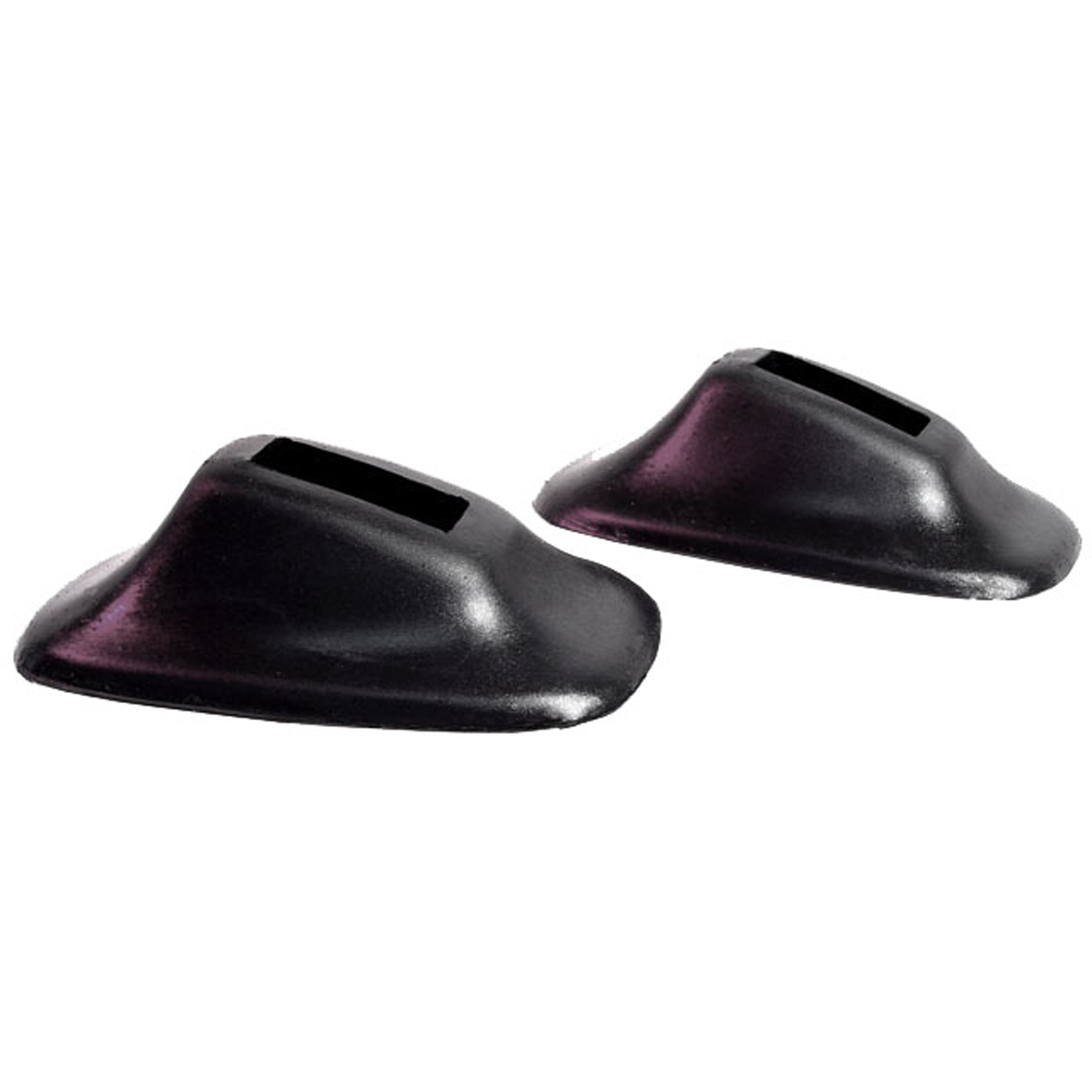 1941 Plymouth P12 Special Deluxe Front and Rear Bumper Arm Grommets-BG 51Front and Rear Bumper Arm Grommets. 2-1/2" wide X 4-7/8" long, with 1-1/2" long inner slot. Pair
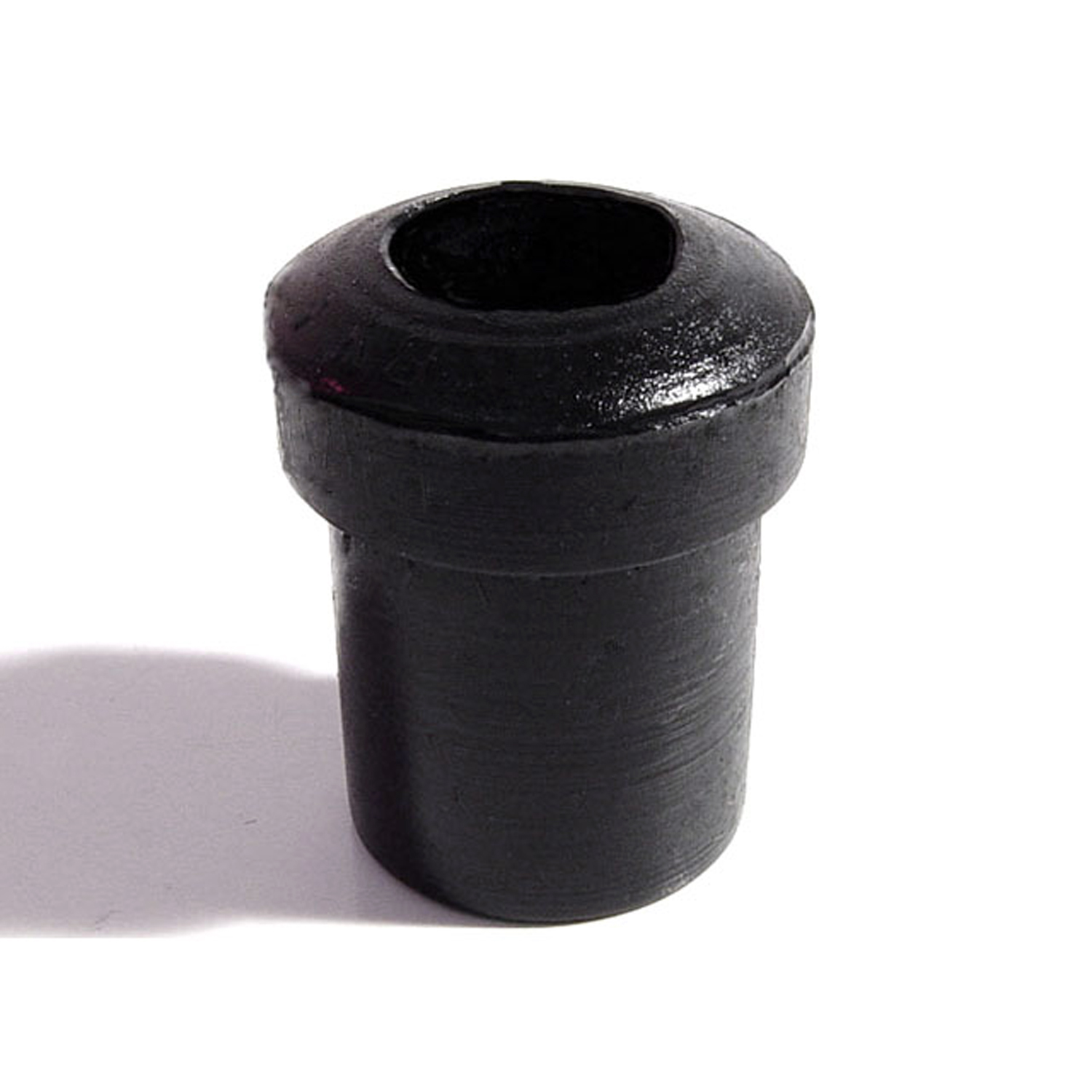 1941 Plymouth P12 Special Deluxe Spring and Shackle Bushing. 7/8" bottom O.D-BN 16Spring and Shackle Bushing. 7/8" bottom O.D. X 1-1/8" high, with 1/2" I.D. Each
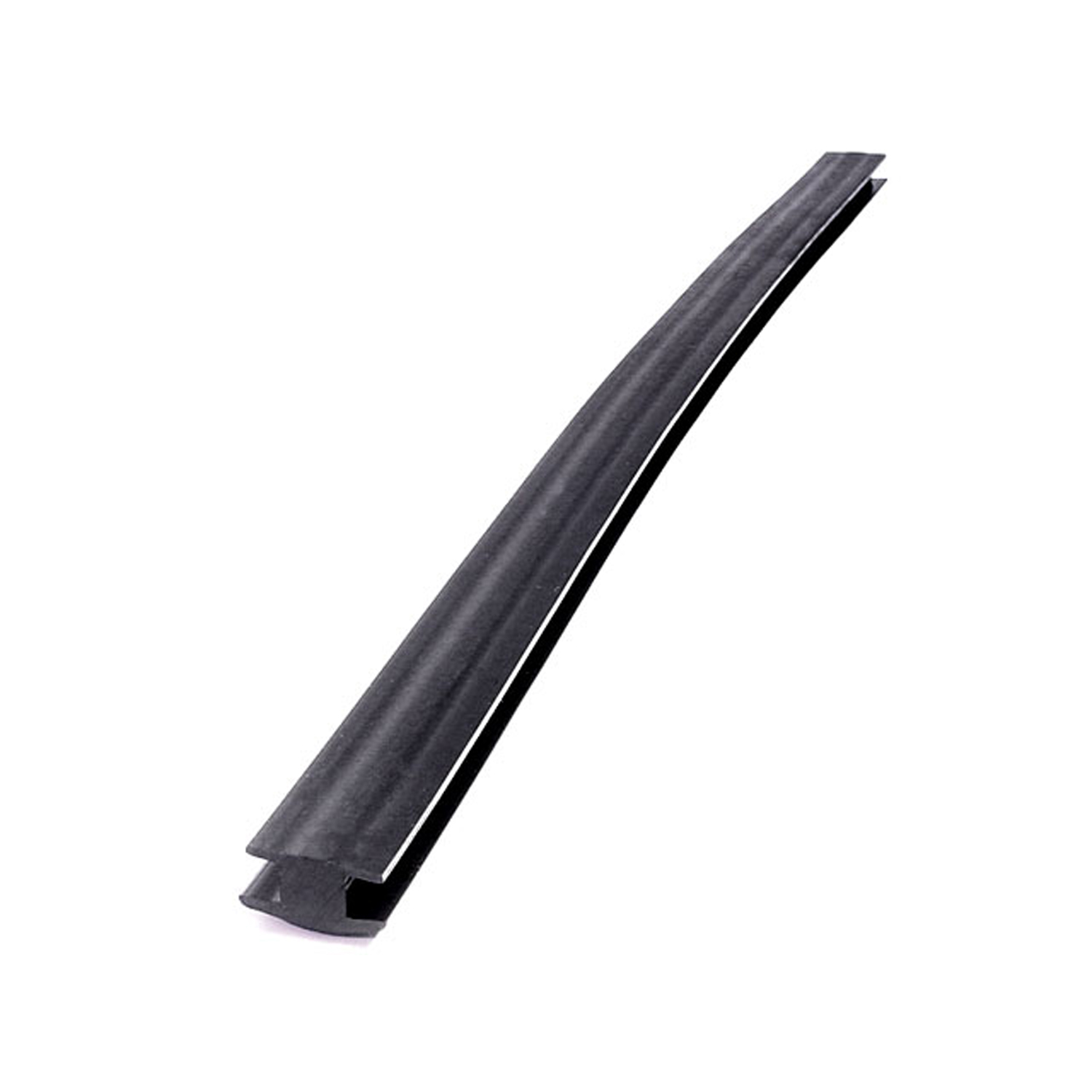 1941 Plymouth P12 Special Deluxe Windshield Center Bar Gasket. 20" long. Each-DP 12Windshield Center Bar Gasket. 20" long. Each
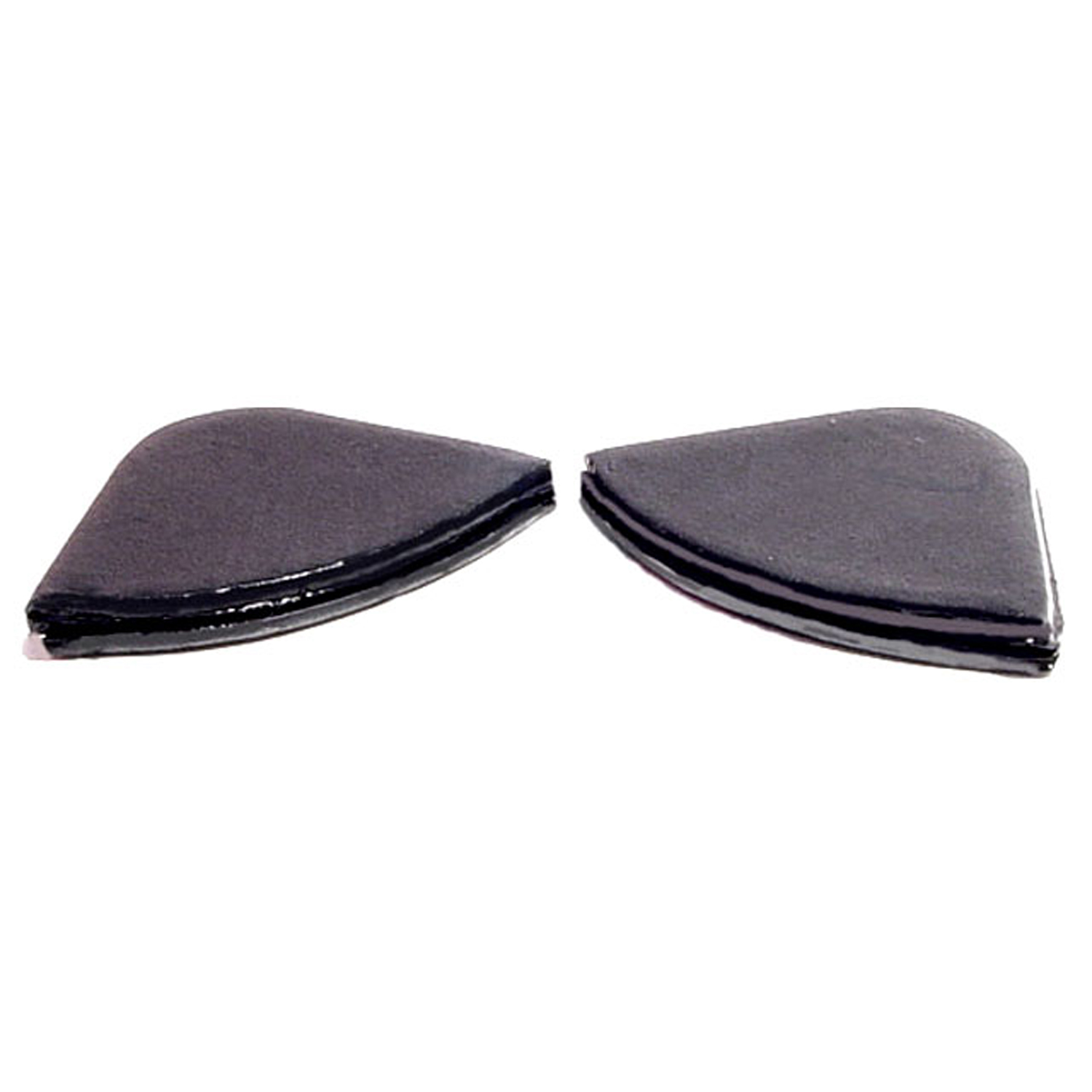 1941 Plymouth P12 Special Deluxe Hood Corners. Fits flat corners-HC 19Hood Corners. Fits flat corners. 80° angle, 1/4" to 3/8" corner radius. 1-3/8" wide. Pair
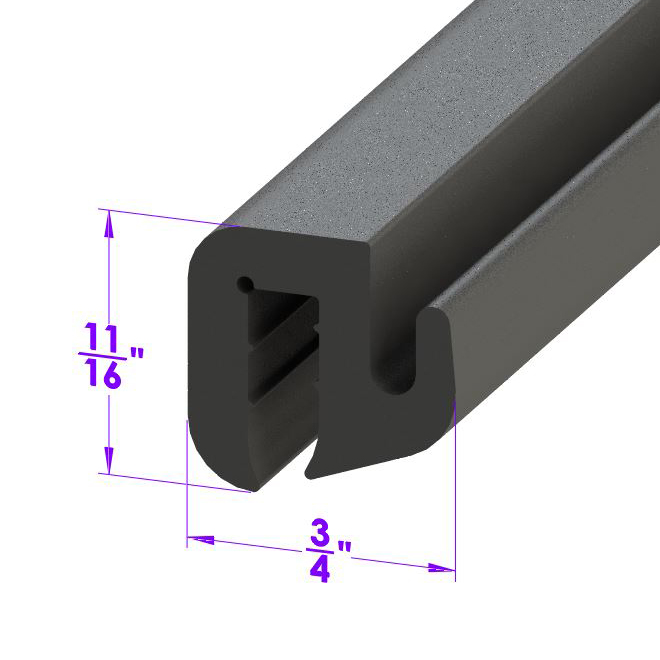 1941 Plymouth P12 Special Deluxe Windshield and Rear Window Seal. Sold by the foot-LP 30-AWindshield and Rear Window Seal. Sold by the foot
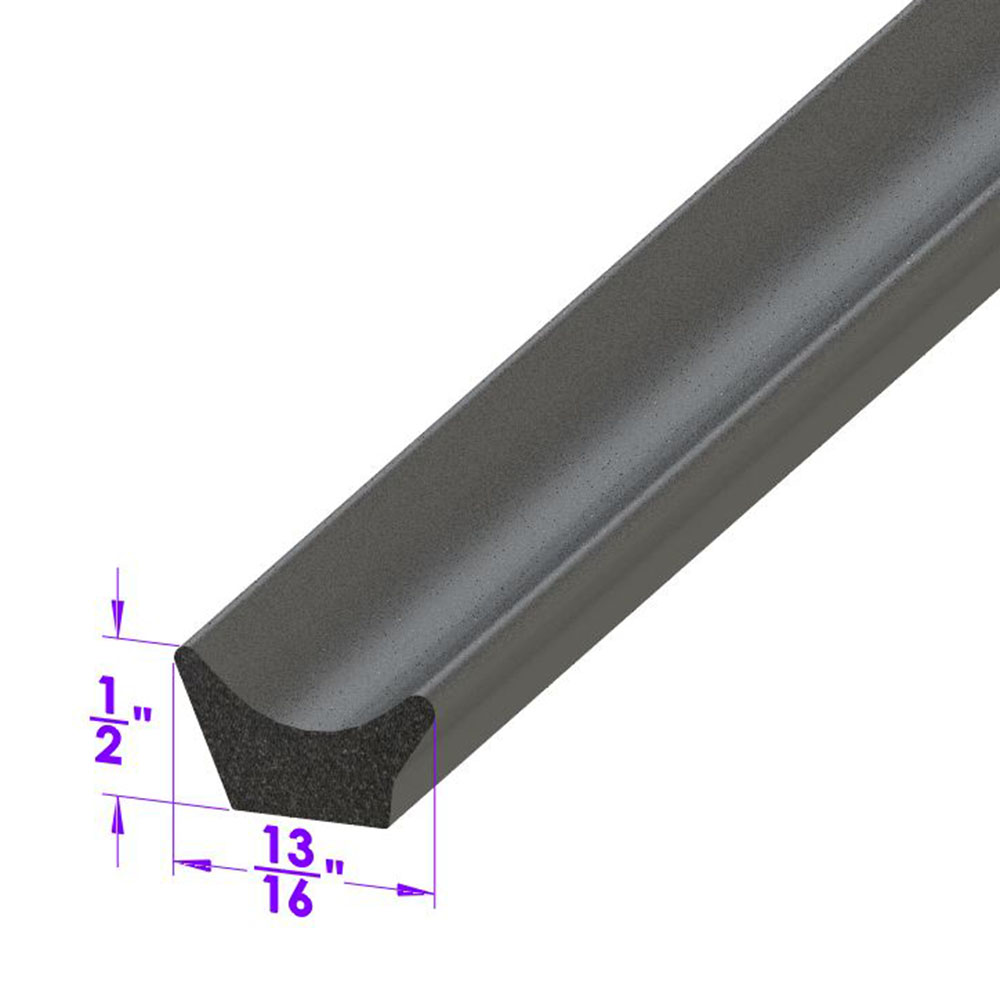 1941 Plymouth P12 Special Deluxe Door side seal. Same as LP 40, but for a lighter seal-LP 40-ADoor side seal. Same as LP 40, but for a lighter seal. Fits many domestic passenger cars and trucks. Universal seal for street rods and customs. Used in Cobra kit cars as door weatherstrip. Per foot.
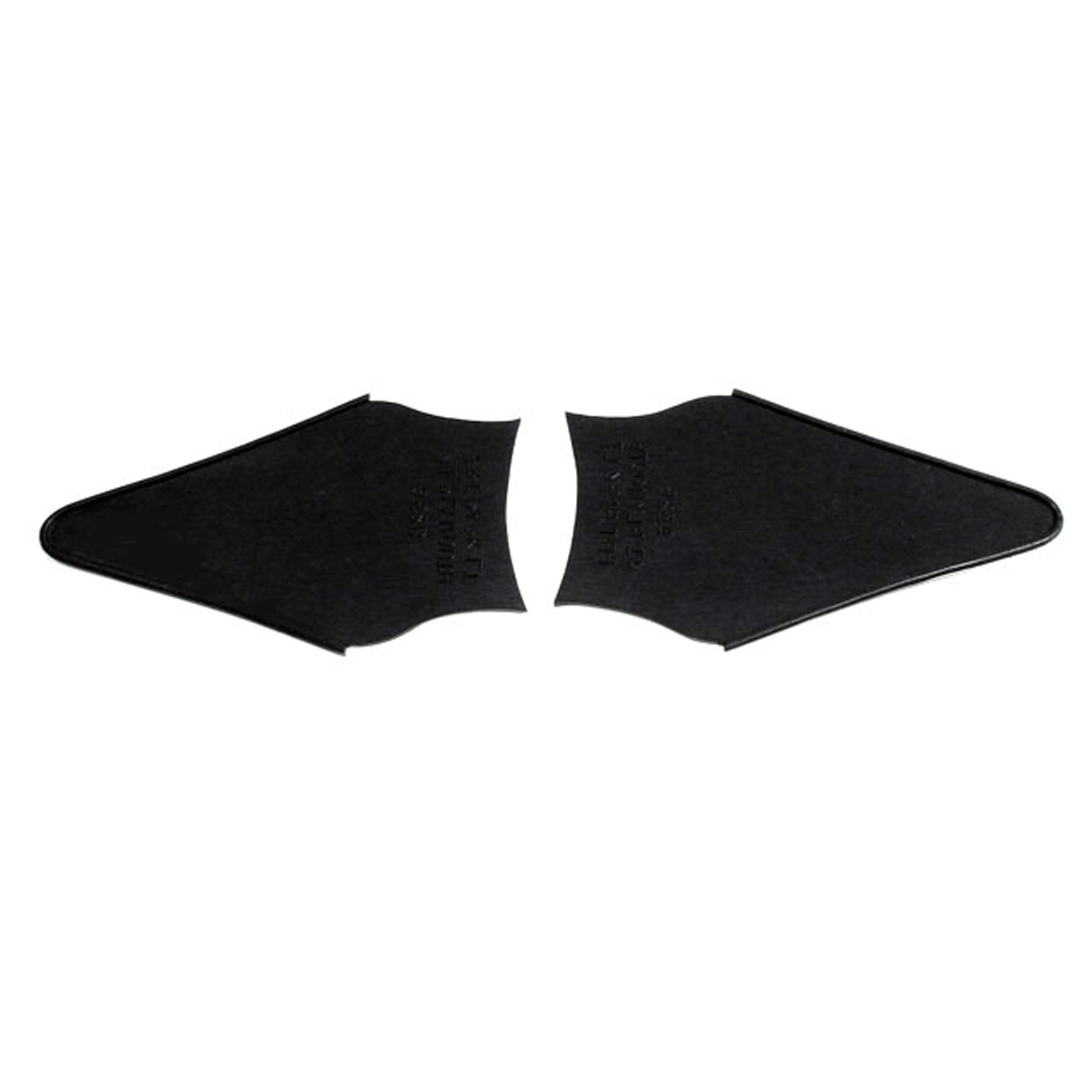 1941 Plymouth P12 Special Deluxe Front Park Light Pads. 4" wide X 6-3/8" long. Pair-MP 952-BFront Park Light Pads. 4" wide X 6-3/8" long. Pair
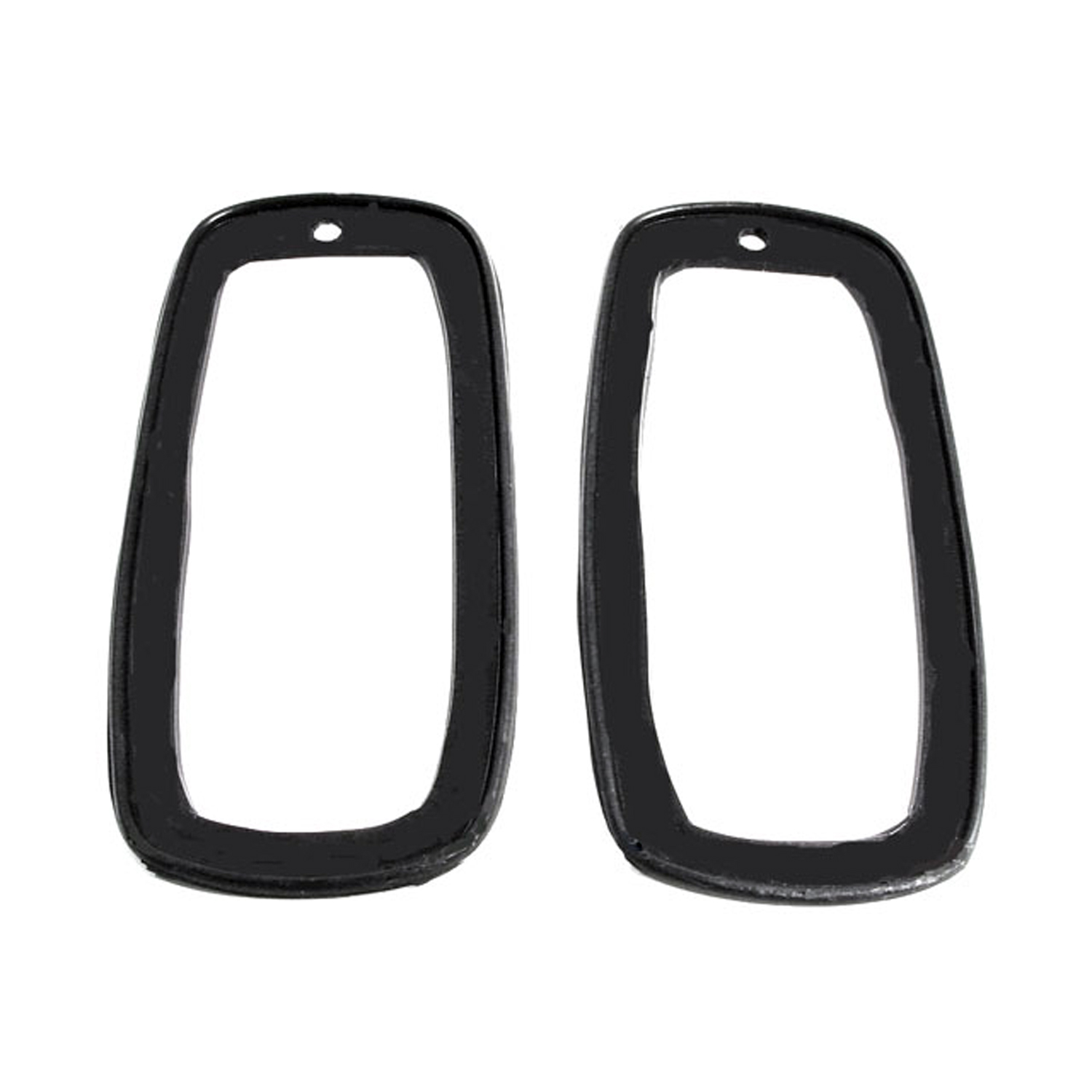 1941 Plymouth P12 Special Deluxe Tail-light Pads. 3-1/8" wide X 6-3/8" long. Pair-MP 952-CTail-light Pads. 3-1/8" wide X 6-3/8" long. Pair
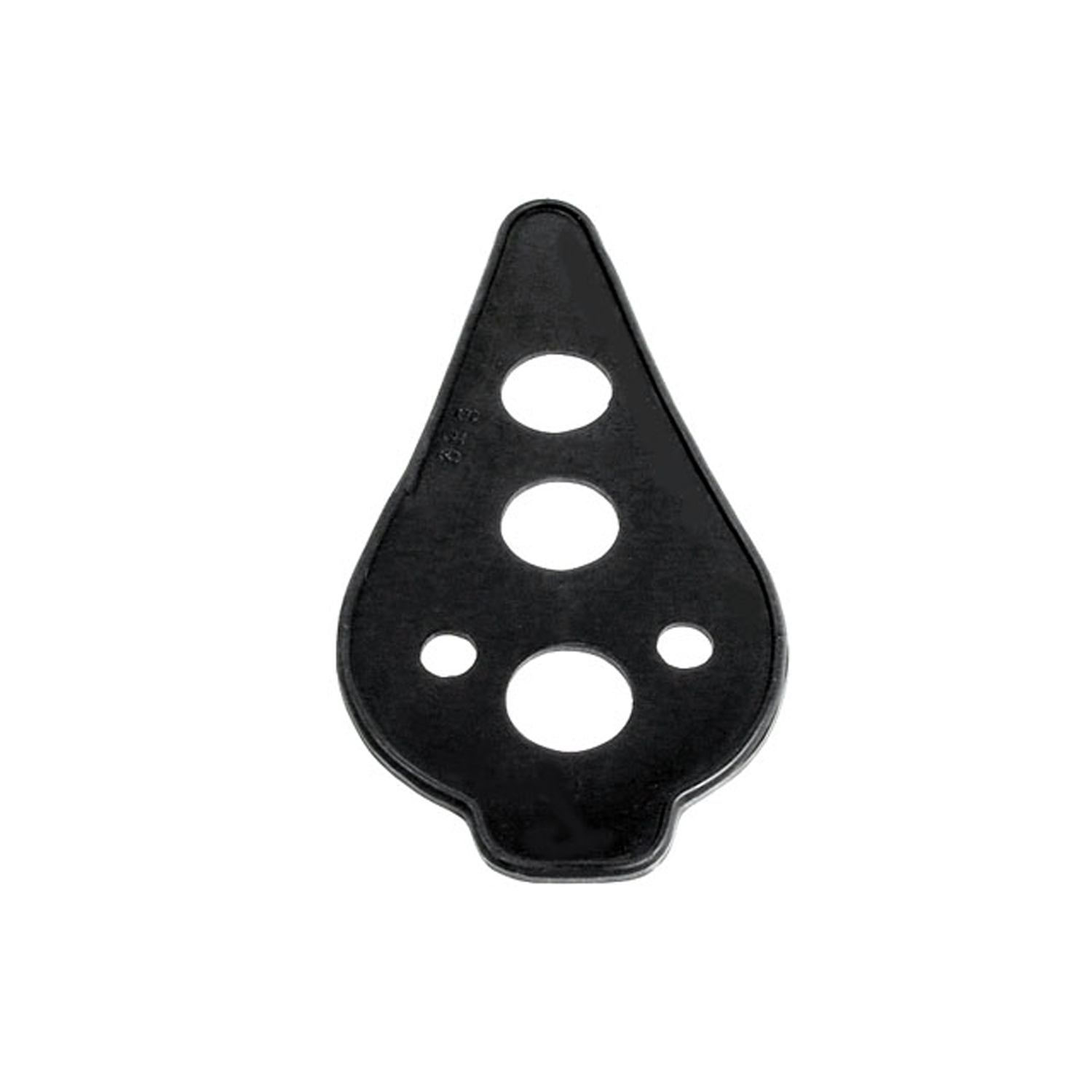 1941 Plymouth P12 Special Deluxe Trunk Light Pad. 3-3/4" long X 7-5/8" wide. Each-MP 953Trunk Light Pad. 3-3/4" long X 7-5/8" wide. Each
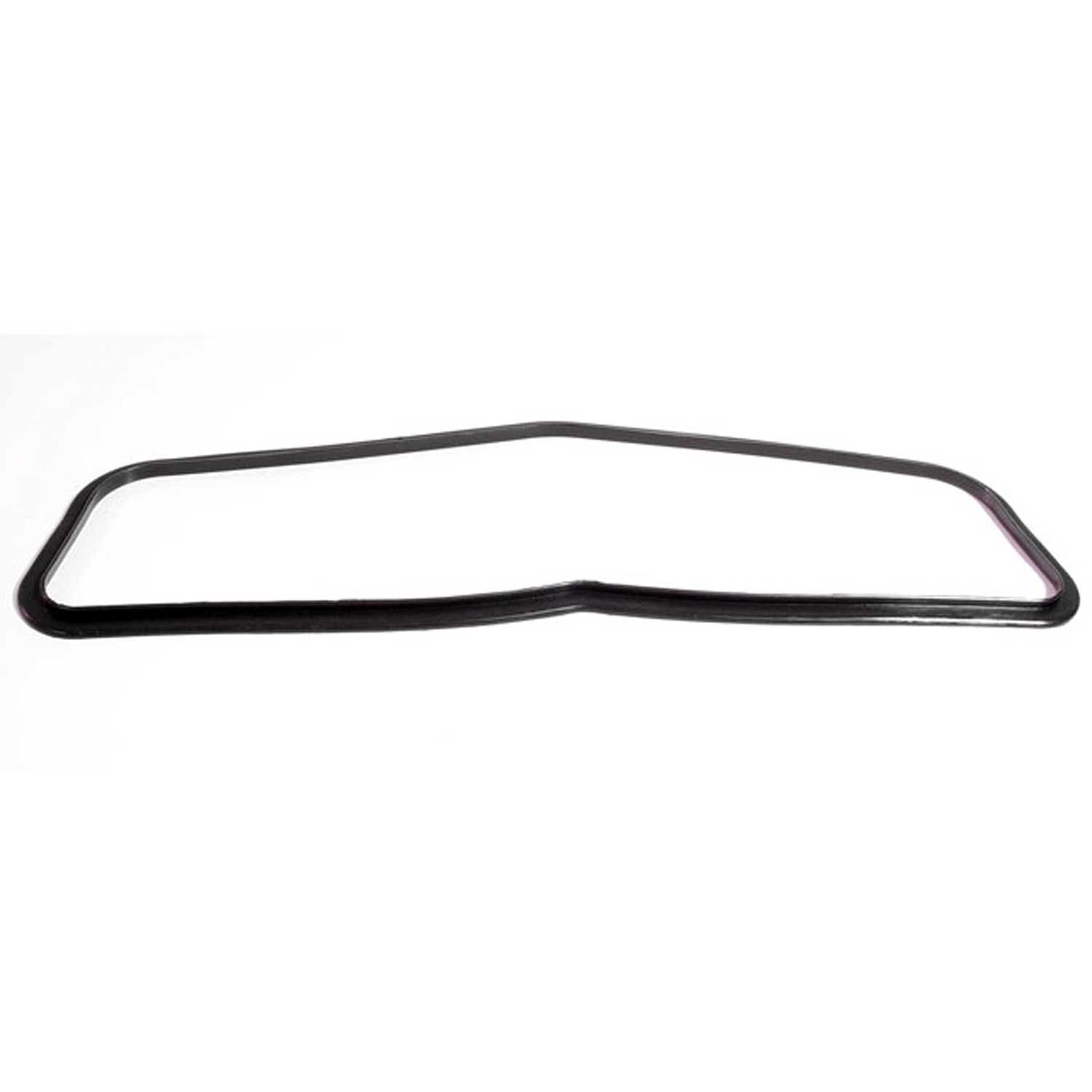 1941 Plymouth P12 Special Deluxe Cowl Vent Seal. 4" wide X 18" long. Each-RP 100-QCowl Vent Seal. 4" wide X 18" long. Each
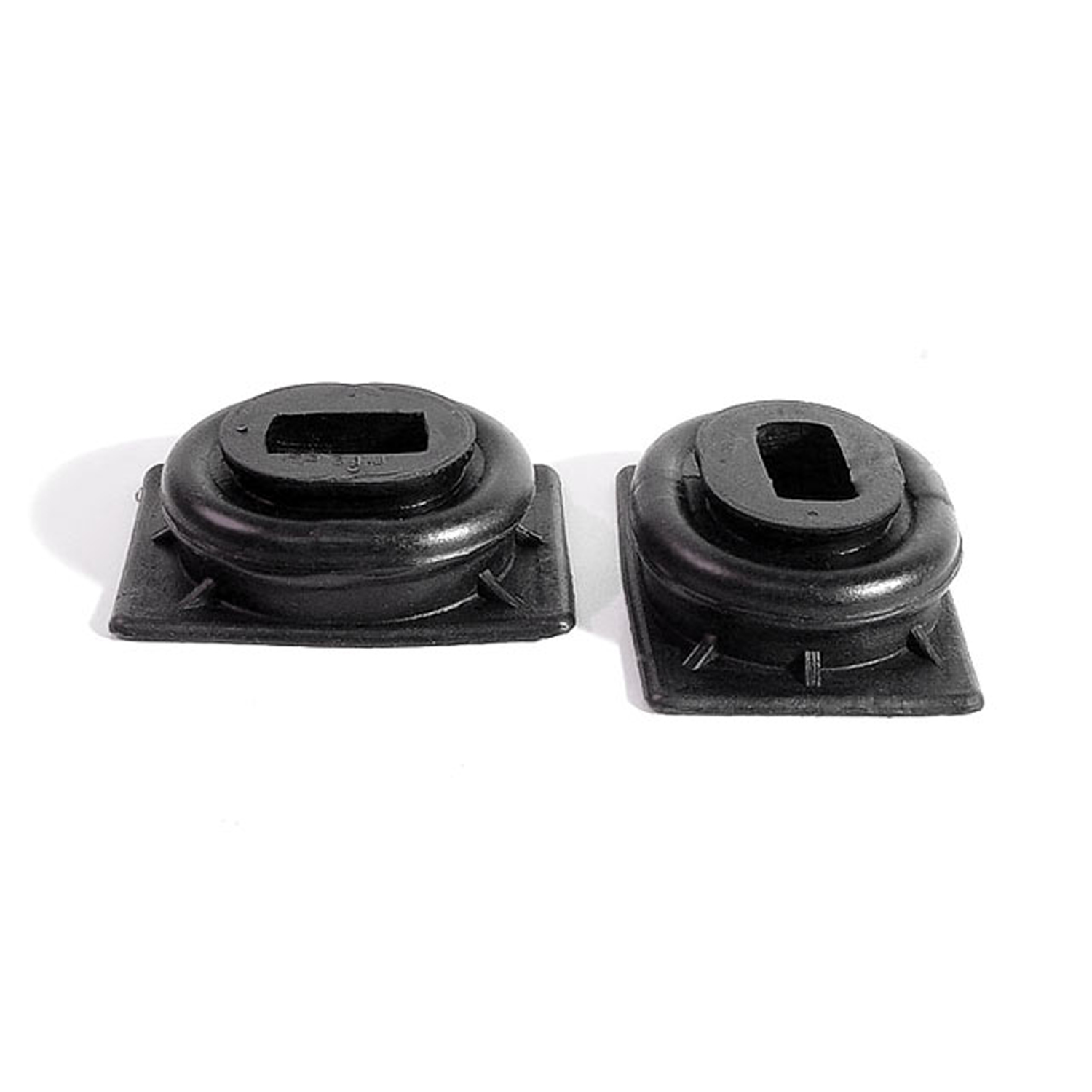 1941 Plymouth P12 Special Deluxe Clutch and Brake Seals. Replaces OEM #889473. Pair-RP 31-JClutch and Brake Seals. Replaces OEM #889473. Pair
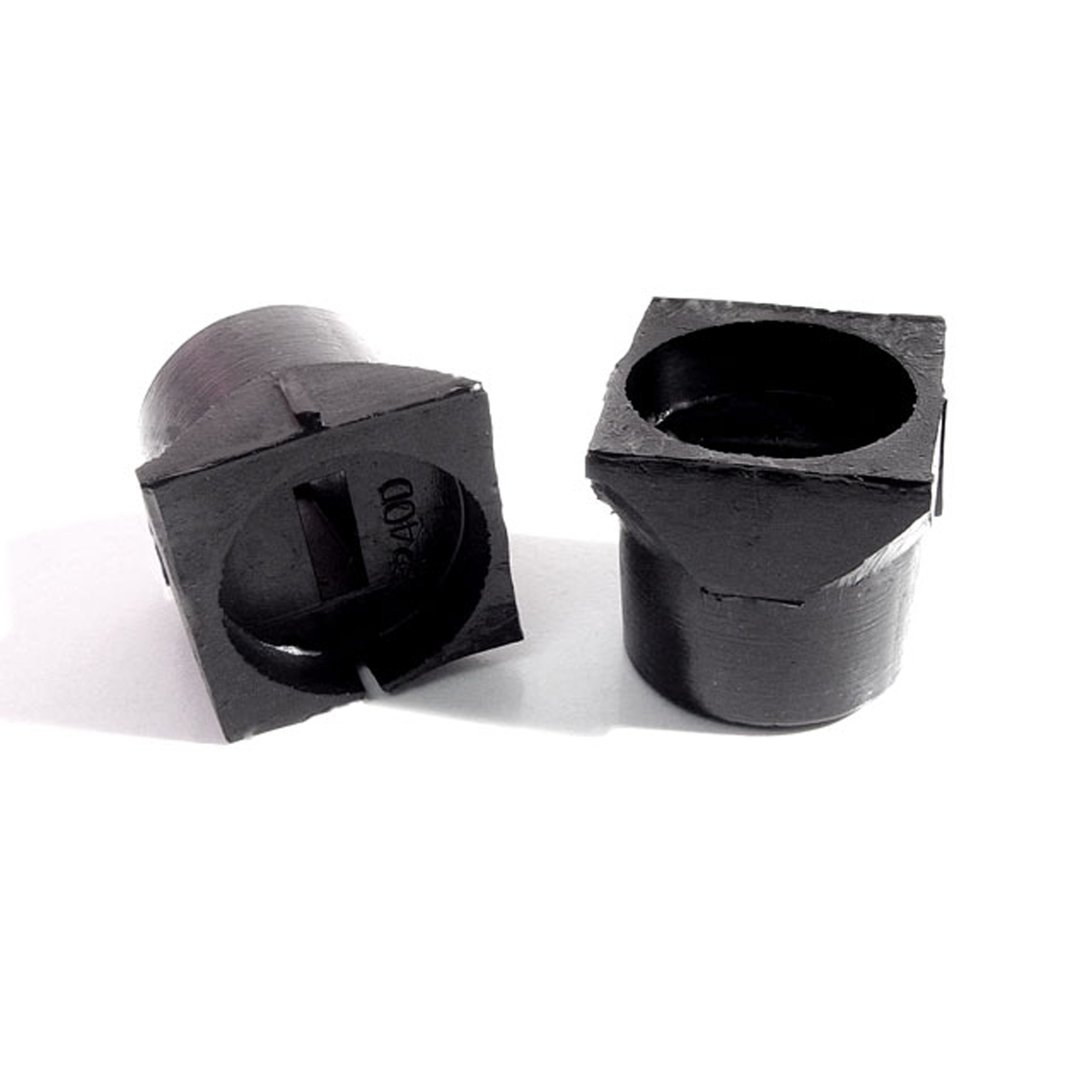 1941 Plymouth P12 Special Deluxe Door Check Rubber Cushion. Each-RP 40-DDoor Check Rubber Cushion. Each
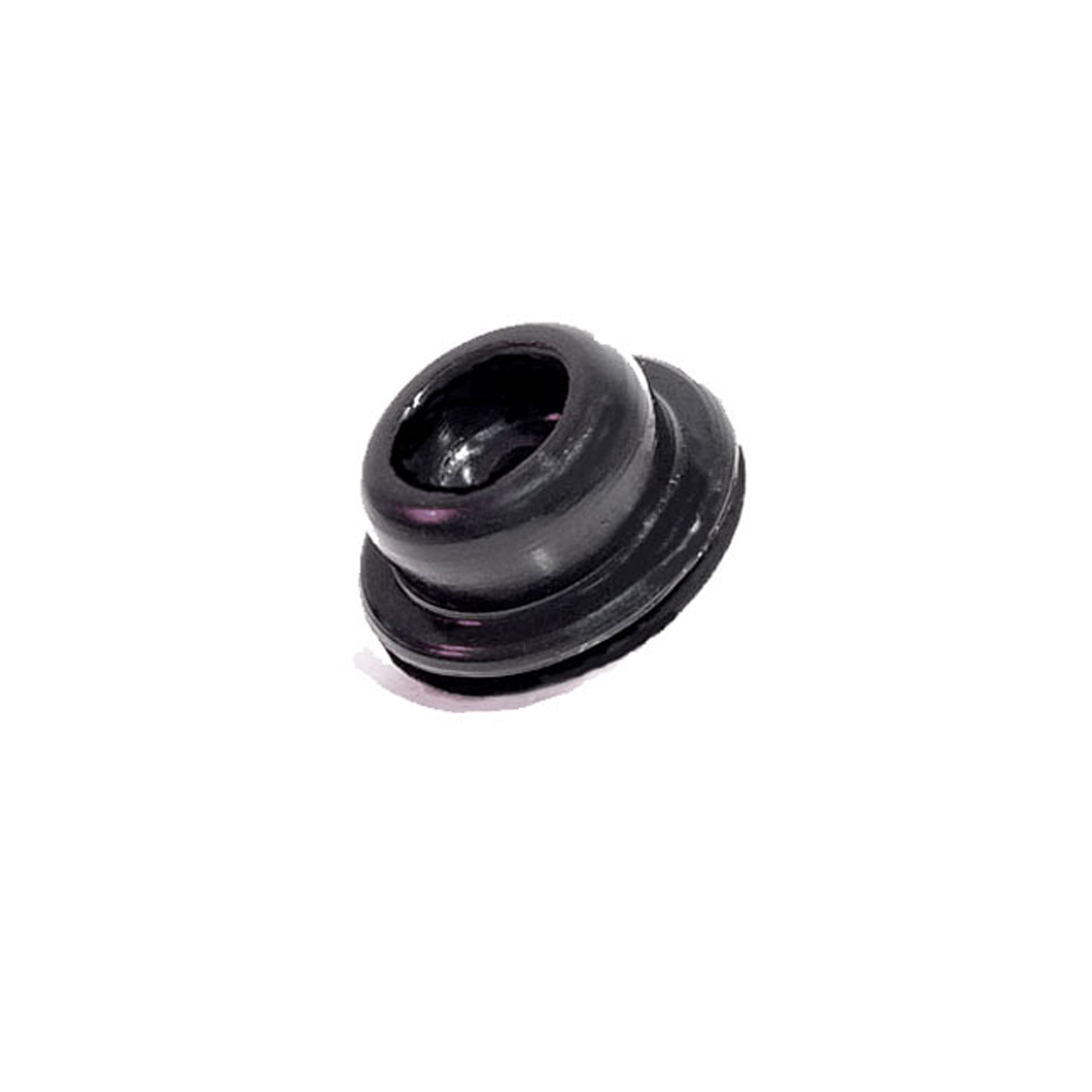 1941 Plymouth P12 Special Deluxe Accelerator Rod Grommet-SM 43-BAccelerator Rod Grommet. For accelerator rod through floorboard. Each
 1941 Plymouth P12 Special Deluxe Rear vent window seals-WR 2301-RRear vent window seals. Fits listed 4-door sedans and limousines with swing-out rear vent windows. May fit some GM models. Replaces OEM# #849153/4. Pair. R&L.
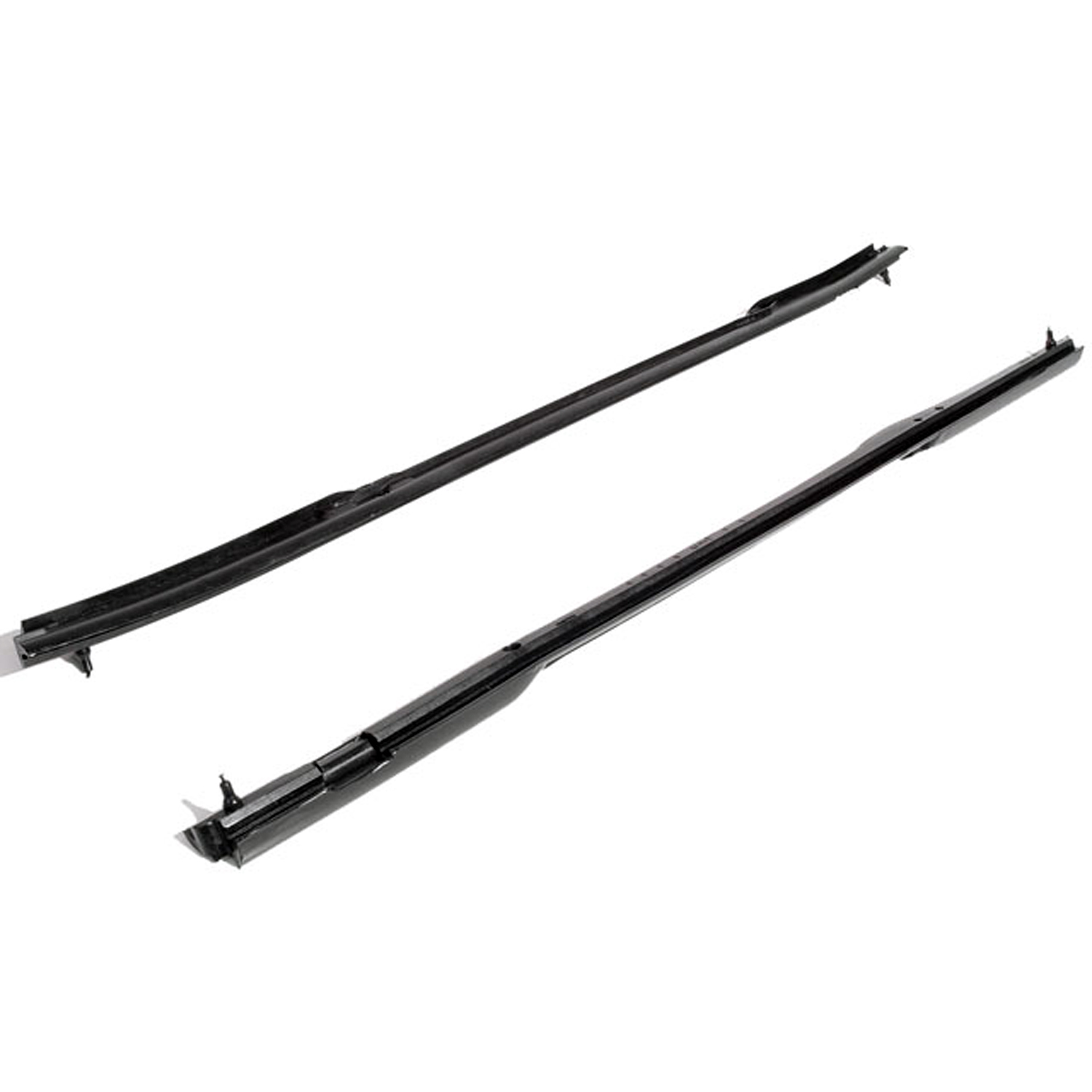 1941 Plymouth P12 Special Deluxe Front Vent Window Seals. For many closed models only-WR 2703Front Vent Window Seals. For many closed models only. Replaces OEM #977232-3. Pair R&L
Why Choose Metro?
For over 100 years, Metro Moulded Parts has been the pinnacle of quality in classic car restoration parts. Our commitment to precision and authenticity in every component ensures a perfect fit and an OEM-level appearance.
- Expert Craftsmanship & Quality: Each part is a testament to our dedication to reliability and perfection, crafted from original designs and thoroughly tested.
- Advanced Technology: We use cutting-edge techniques to create flawless, long-lasting parts that surpass others in performance.
- SuperSoft Sponge – The Ultimate Door Seal: Not only are our door seals 30% softer than competitors', but they're also guaranteed to never leak. They effectively reduce wind and road noise, enhancing your classic car's comfort and driving experience.
- Proudly American: Our parts are a product of American craftsmanship, made in the USA with a spirit of excellence and heritage.
- Unrivaled Warranty: We back our products with a 30-year industry-leading warranty, a testament to our confidence in their quality.
Join us in preserving the legacy of classic cars with parts that are crafted for perfection, not just made.