

Image of 1941 Plymouth Pt-125, Note: These illustrations use artistic license and may differ from actual historical models.
Performance Metrics
Fundamental Metrics
Emotional Appeal
MMP Rating
| Engine Specifications | |
|---|---|
| Engine: | Inline 6 |
| Displacement: | 201 cu in (3.3 L) |
| Horsepower: | 70-85 hp |
| Torque: | Estimated 130-150 lb-ft |
| Compression Ratio: | 6.7:1 |
| Ignition System: | Battery and coil |
| Cooling System: | Liquid-cooled |
| Performance Specifications | |
| 0-60 Time: | Information not available |
| 1/4 Mile Time: | Information not available |
| Top Speed: | 70-75 mph |
| Transmission and Drive | |
| Drive Type: | Rear-wheel drive |
| Transmission Type: | 3-speed manual |
| Fuel and Efficiency | |
| Fuel System Type: | Carburetor |
| MPG: | Estimated 15-20 mpg |
| Dimensions and Brakes | |
| Brakes: | Hydraulic drum brakes |
| Wheelbase: | 116 in (2,946 mm) |
| Weight: | 2,900-3,100 lbs |
Note: Specifications for classic cars are given to the best of our ability, considering the limited and variant data available.
1941 Plymouth PT-125: The Last Plymouth Pickup
The 1941 Plymouth PT-125 is a compact, work-ready pickup from the final chapter of Plymouth’s truck-making story. Built by the Chrysler Corporation, it paired familiar Plymouth styling with straightforward commercial-vehicle engineering. Today, its rarity and car-like character make it a distinctive alternative to better-known pickups from Ford, Chevrolet, and Dodge.
The PT-125 belongs to Plymouth’s short-lived truck line, which began in the late 1930s and ended after the 1941 model year. As the United States moved toward wartime production, civilian vehicle manufacturing was about to change dramatically. The PT-125 therefore has a useful historical distinction: it represents the last model year of Plymouth-badged trucks before the company’s commercial-vehicle offerings disappeared.
Art Deco Looks, Built for Work
The PT-125 wears the upright, rounded styling typical of an early-1940s American truck. Its tall front end, broad fenders, gently curved hood, and upright cab give it a sturdy but less industrial appearance than many heavier trucks. The grille and front sheet metal provide the face, while the separate fenders and running boards emphasize its prewar design. It looks at home on a farm lane, in a small-town shop yard, or parked beside a period garage.
Inside, the cabin is practical rather than luxurious. The driver faces a painted-metal dashboard with simple, legible gauges and straightforward controls. A wide bench seat, basic door trim, and a rubber floor covering suit a vehicle expected to carry people, tools, and dirt. Materials and trim could vary with equipment and market, but the overall priority was durability and easy cleaning, not plush comfort.
Most PT-125s are associated with the conventional pickup body, with an open cargo bed behind the cab. Commercial chassis and body configurations could vary across Plymouth’s truck range, so surviving examples may differ in bed details and equipment. The pickup is the most recognizable form today. Original paint choices depended on factory availability, dealer orders, and fleet buyers; period trucks commonly appeared in restrained solid colors, while commercial customers often chose practical shades or company colors. A single color should not be assumed original without supporting paint evidence.
Simple Technology, Solid Fundamentals
Power comes from a Chrysler flathead inline-six, generally listed at about 201 cubic inches and 87 horsepower for this application. It is paired with a three-speed manual transmission. The engine’s side-valve layout favors uncomplicated construction and steady low-speed pulling over high-revving performance. Like many vehicles of its era, the truck uses a six-volt electrical system and hydraulic brakes.
There is no modern convenience equipment hiding beneath the vintage dashboard. The driver does the work: steering is unassisted, gear changes are manual, and the instruments provide basic information rather than a stream of warnings. That mechanical simplicity is part of the PT-125’s appeal, although it also means the truck demands more attention than a modern pickup.
Why the PT-125 Matters
The PT-125 was not a revolutionary truck, and that is precisely what makes it an interesting snapshot of its time. It brought Plymouth’s passenger-car identity into the light-duty truck market, offering buyers a familiar brand in a practical work vehicle. Its proportions and trim gave it a more composed, automobile-like presence than some commercial rivals, while its chassis and powertrain remained conventional enough for everyday service.
Its lasting importance is less about a single breakthrough than about its place in Chrysler history. The 1941 model marked the end of Plymouth’s truck line, making it the final expression of a brief experiment in selling trucks under the Plymouth name. The PT-125 also reminds collectors that prewar American truck design was not one-size-fits-all: manufacturers used shared engineering and parts while giving their vehicles distinct styling and brand character.
Road Manners and Performance
With roughly 87 horsepower, the PT-125 is built for useful, measured progress rather than quick acceleration. Period performance figures are not consistently documented, and condition, gearing, tire size, and load all make a difference. As a practical estimate, a healthy, lightly loaded example may reach around 55 to 65 mph. A 0-to-60-mph run is likely to take well over 25 seconds, and some trucks may not comfortably reach 60 at all.
The flathead six delivers its power with a muted mechanical growl and a steady, unhurried rhythm. The three-speed gearbox rewards deliberate shifts, while the large steering wheel provides leverage for maneuvering at low speed. Expect more body movement and road feedback than in a modern truck. On rough pavement, the suspension feels firm and the cab passes along bumps; on a winding road, the tall body and old-fashioned steering call for a relaxed pace. It is most enjoyable when driven as a vintage work truck, not asked to behave like a contemporary commuter.
Living With a Plymouth Pickup
Today, PT-125s are most often used as weekend drivers, show vehicles, parade entries, or carefully maintained farm and property trucks. Some owners put them to light practical use, but hauling heavy loads or driving long distances at modern highway speeds is hard on an old vehicle. Its slow pace and limited safety equipment also deserve consideration in today’s traffic.
The basic mechanical layout is approachable for an owner with ordinary repair skills. The flathead six is relatively straightforward to understand, and routine work such as ignition service, lubrication, and brake maintenance follows familiar vintage-car principles. The bigger challenge is often parts sourcing. Mechanical components may be shared with other Chrysler products of the period, but Plymouth-specific sheet metal, trim, glass, and bed details can take patience to find. Before buying, inspect the frame, cab corners, floor, fenders, and bed for rust or old repairs, and check that the brakes and cooling system are in good condition.
PT-125 Facts and Myths
The most notable fact is also the easiest to overlook: 1941 was the final model year for Plymouth-badged trucks. The PT-125 is not known for a major speed record or a famous endurance achievement, and no widely documented celebrity ownership defines its reputation. Its claim to attention is its rarity and its place at the end of Plymouth’s truck-making run.
It is also easy to mistake a restored or modified truck for a fully original example. Period-style paint, replacement beds, updated electrical systems, and later mechanical parts are common subjects of debate among owners. None automatically makes a truck less enjoyable, but buyers should distinguish a sympathetic restoration from a documented factory-original vehicle.
Collector Value and Availability
Exact PT-125 production figures are not readily established in widely available model records. As a cautious estimate rather than a factory figure, production may have been in the low thousands, perhaps roughly 1,000 to 3,000 pickups. The surviving population is smaller, and trucks with solid original sheet metal, correct identifying details, and well-documented restoration history are especially appealing.
Values vary considerably with completeness, rust, mechanical condition, and the quality of any restoration. As a broad 2026 market estimate, a project truck might sell for about $5,000 to $12,000. A usable driver could fall around $12,000 to $25,000, while a high-quality restored example may bring roughly $25,000 to $45,000 or more. These are guide ranges, not guaranteed appraisals; location and the truck’s originality can shift the price substantially.
The PT-125 is a niche collector vehicle, so it may take longer to find the right buyer than a more common Ford or Chevrolet pickup. Interest in unusual prewar trucks has helped support values, especially for well-presented examples, but restoration costs can outpace resale prices. In other words, it is best bought because you want to own and drive one, not as a quick investment.
A Rare Finish to Plymouth’s Truck Story
The 1941 Plymouth PT-125 combines upright prewar styling, simple flathead-six engineering, and an uncommon place in Chrysler history. It is not fast or lavish, and it asks its driver to work with the machinery. In return, it offers a distinctive road presence and a direct connection to the final year of Plymouth trucks. For collectors who value character over horsepower, the PT-125 is a memorable way to bring a nearly forgotten chapter of American motoring back to life.
1941 Plymouth Pt-125 Catalog of Parts
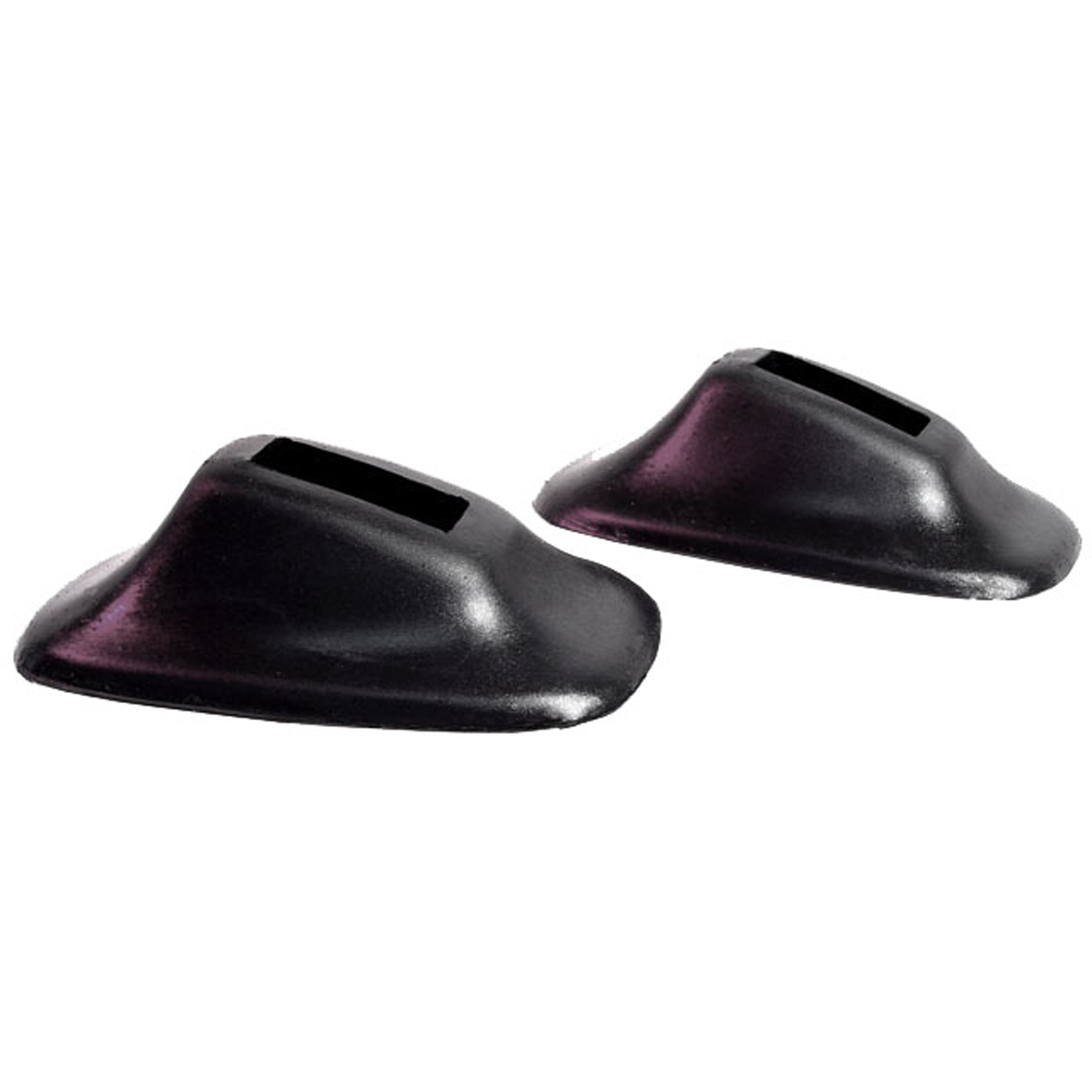 1941 Plymouth PT-125 Front and Rear Bumper Arm Grommets-BG 51Front and Rear Bumper Arm Grommets. 2-1/2" wide X 4-7/8" long, with 1-1/2" long inner slot. Pair
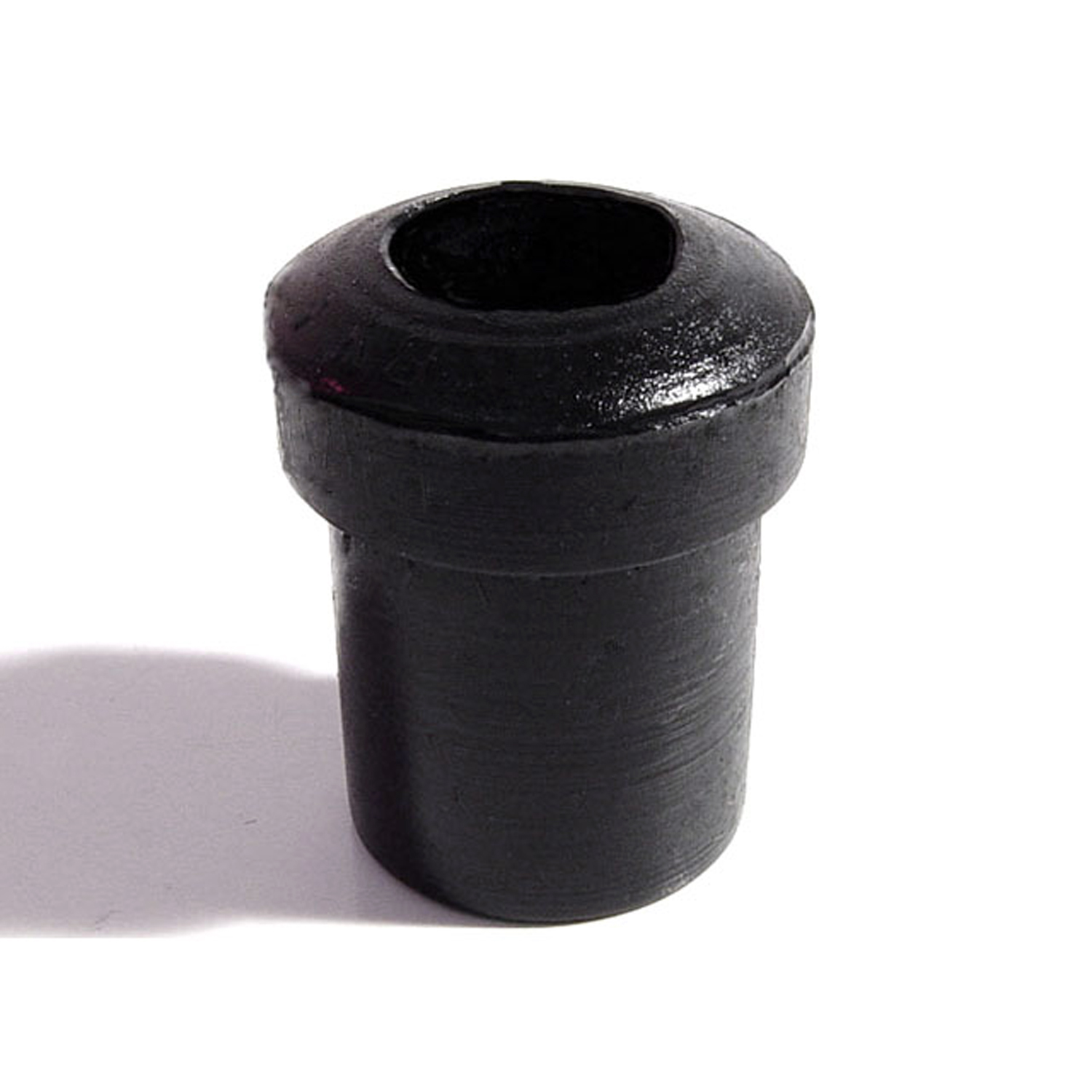 1941 Plymouth PT-125 Spring and Shackle Bushing. 7/8" bottom O.D-BN 16Spring and Shackle Bushing. 7/8" bottom O.D. X 1-1/8" high, with 1/2" I.D. Each
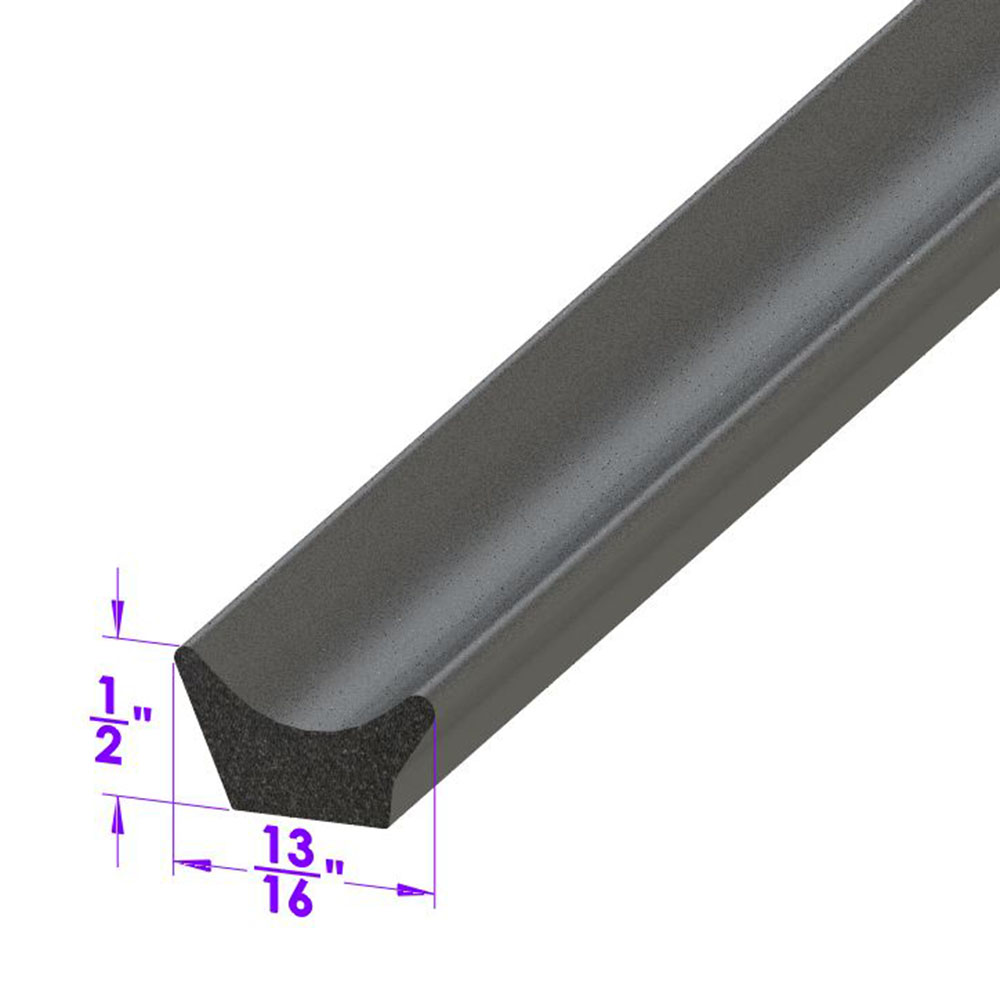 1941 Plymouth PT-125 Door side seal. Same as LP 40, but for a lighter seal-LP 40-ADoor side seal. Same as LP 40, but for a lighter seal. Fits many domestic passenger cars and trucks. Universal seal for street rods and customs. Used in Cobra kit cars as door weatherstrip. Per foot.
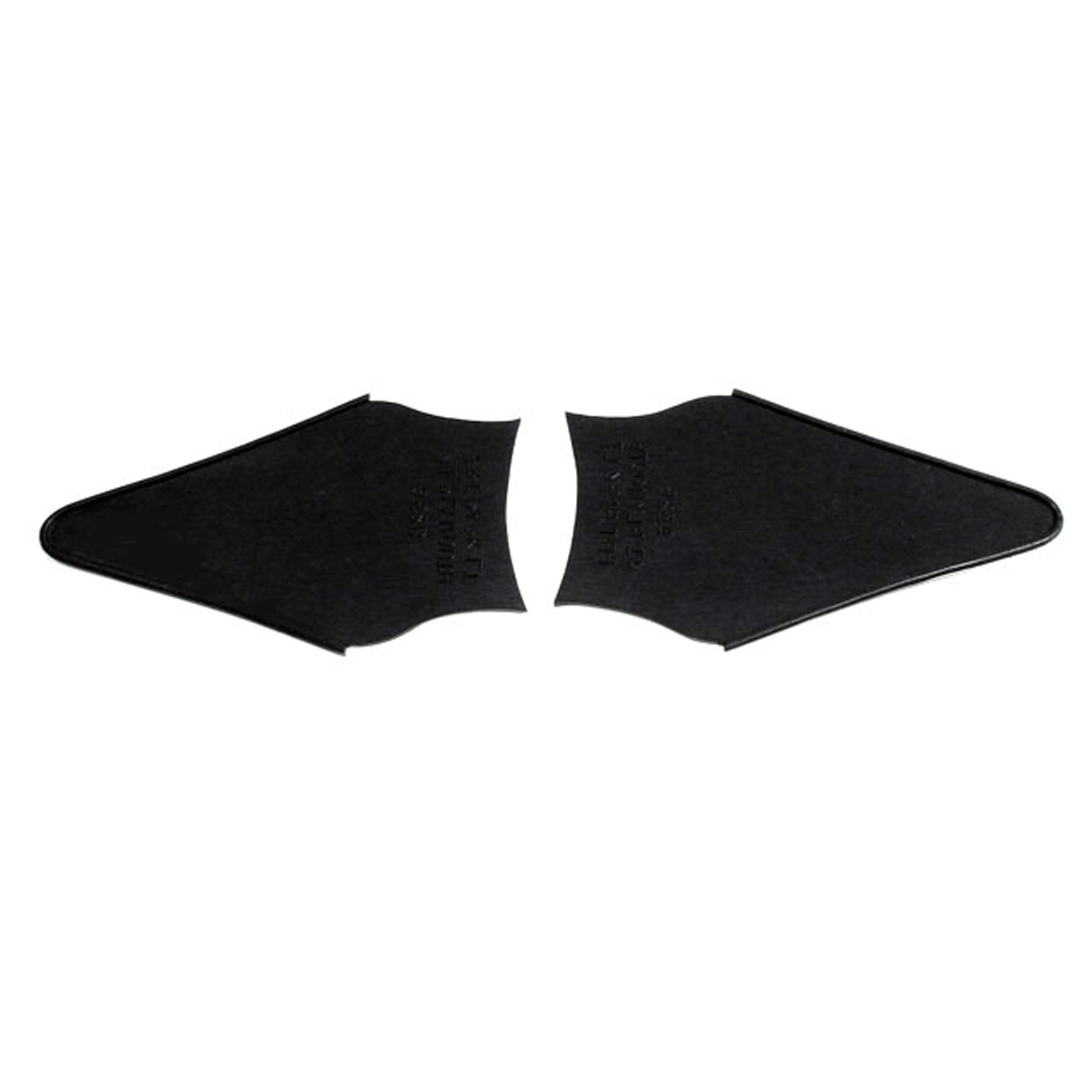 1941 Plymouth PT-125 Front Park Light Pads. 4" wide X 6-3/8" long. Pair-MP 952-BFront Park Light Pads. 4" wide X 6-3/8" long. Pair
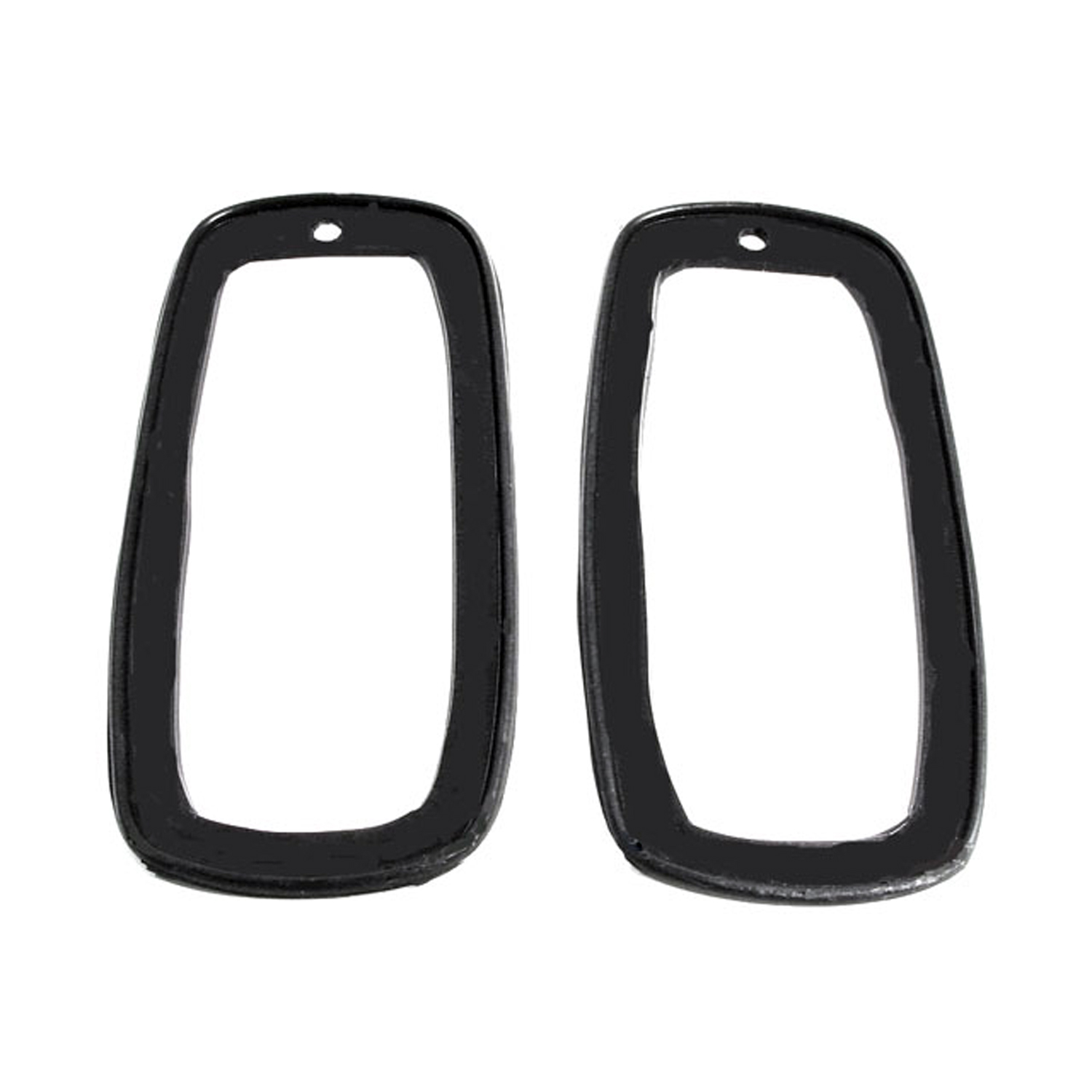 1941 Plymouth PT-125 Tail-light Pads. 3-1/8" wide X 6-3/8" long. Pair-MP 952-CTail-light Pads. 3-1/8" wide X 6-3/8" long. Pair
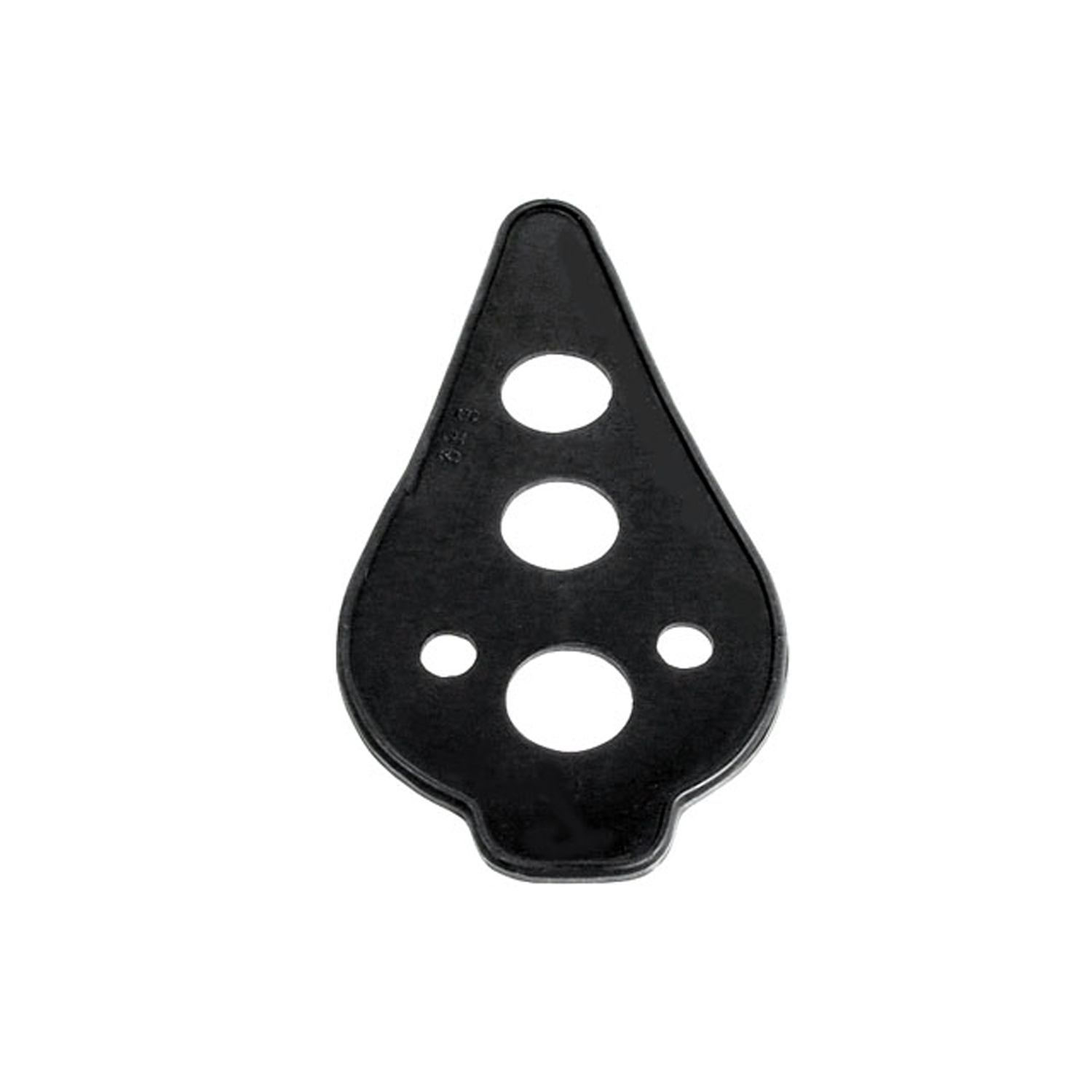 1941 Plymouth PT-125 Trunk Light Pad. 3-3/4" long X 7-5/8" wide. Each-MP 953Trunk Light Pad. 3-3/4" long X 7-5/8" wide. Each
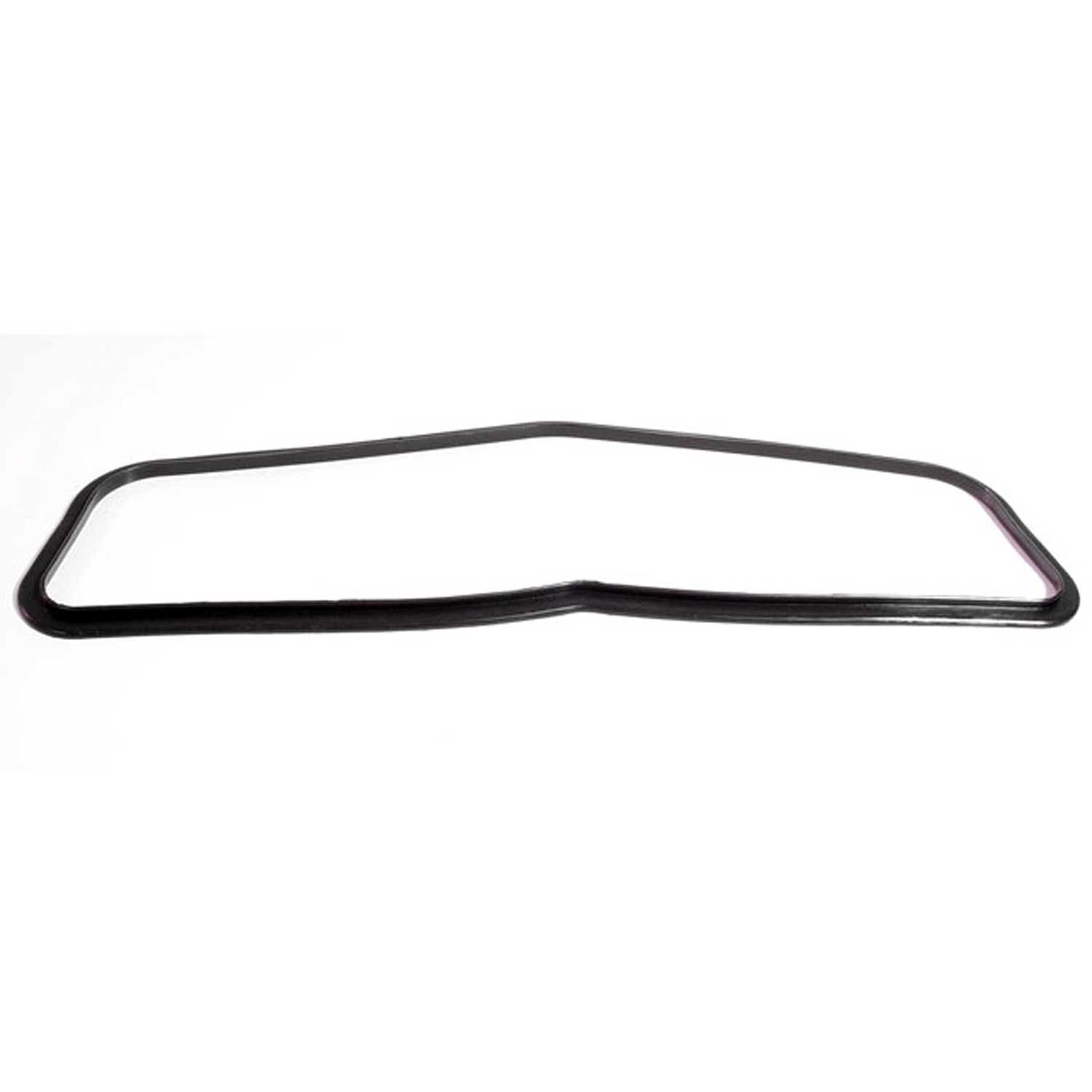 1941 Plymouth PT-125 Cowl Vent Seal. 4" wide X 18" long. Each-RP 100-QCowl Vent Seal. 4" wide X 18" long. Each
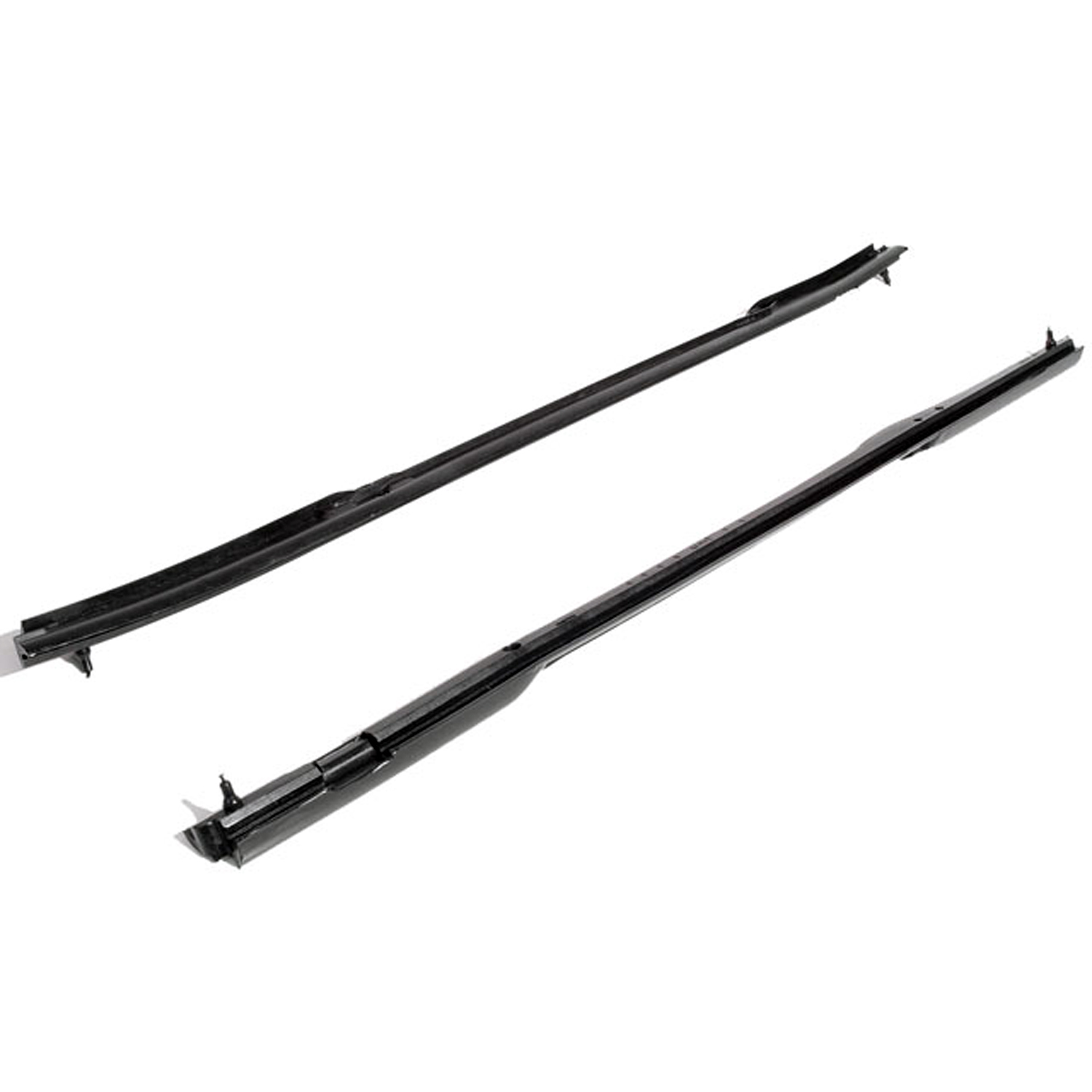 1941 Plymouth PT-125 Front Vent Window Seals. For many closed models only-WR 2703Front Vent Window Seals. For many closed models only. Replaces OEM #977232-3. Pair R&L
Why Choose Metro?
For over 100 years, Metro Moulded Parts has been the pinnacle of quality in classic car restoration parts. Our commitment to precision and authenticity in every component ensures a perfect fit and an OEM-level appearance.
- Expert Craftsmanship & Quality: Each part is a testament to our dedication to reliability and perfection, crafted from original designs and thoroughly tested.
- Advanced Technology: We use cutting-edge techniques to create flawless, long-lasting parts that surpass others in performance.
- SuperSoft Sponge – The Ultimate Door Seal: Not only are our door seals 30% softer than competitors', but they're also guaranteed to never leak. They effectively reduce wind and road noise, enhancing your classic car's comfort and driving experience.
- Proudly American: Our parts are a product of American craftsmanship, made in the USA with a spirit of excellence and heritage.
- Unrivaled Warranty: We back our products with a 30-year industry-leading warranty, a testament to our confidence in their quality.
Join us in preserving the legacy of classic cars with parts that are crafted for perfection, not just made.