

Image of 1942 Plymouth P14c Special Deluxe, Note: These illustrations use artistic license and may differ from actual historical models.
Performance Metrics
Fundamental Metrics
Emotional Appeal
MMP Rating
| Engine Specifications | |
|---|---|
| Engine: | Inline 6 |
| Displacement: | 201.3 cu in (3.3 L) |
| Horsepower: | Estimated 87-95 hp |
| Torque: | 160 lb-ft |
| Compression Ratio: | Estimated 6.7:1 |
| Ignition System: | Battery and coil |
| Cooling System: | Liquid-cooled |
| Performance Specifications | |
| 0-60 Time: | Information not available |
| 1/4 Mile Time: | Information not available |
| Top Speed: | 75 mph |
| Transmission and Drive | |
| Drive Type: | Rear-wheel drive |
| Transmission Type: | 3-speed manual |
| Fuel and Efficiency | |
| Fuel System Type: | Carburetor |
| MPG: | Information not available |
| Dimensions and Brakes | |
| Brakes: | Hydraulic drum brakes |
| Wheelbase: | 117 inches |
| Weight: | 3,125 lbs |
Note: Specifications for classic cars are given to the best of our ability, considering the limited and variant data available.
1942 Plymouth P14C Special Deluxe: A Lasting Prewar Classic
The 1942 Plymouth P14C Special Deluxe arrived just as America’s automobile industry was about to change course completely. Built by the Chrysler Corporation, it was a roomy, well-equipped family car from Plymouth’s final model year before civilian automobile production was halted for World War II. Its smooth six-cylinder power, practical engineering, and restrained good looks made it a strong everyday car, while its short production window gives it a special place in Plymouth history.
The P14C was part of Plymouth’s 1942 lineup, which included Deluxe and Special Deluxe versions. Model-code descriptions can vary among period records and modern references, so a car’s serial number, body tag, and factory documentation are useful when confirming its exact configuration. One striking fact is that 1942 production ended early: as the United States redirected factories toward wartime manufacturing, new civilian cars gave way to tanks, aircraft parts, trucks, and other military equipment.
Streamlined Plymouth Styling and Cabin Comfort
The Special Deluxe wore the rounded, integrated styling that defined Plymouth’s late-prewar cars. Its broad front end, horizontal grille bars, sculpted fenders, and flowing hood gave it a substantial look without the excess ornamentation of some contemporary cars. The headlamps sat neatly in the front fenders, while bright trim and hubcaps added polish. From the side, the tall roofline and generous glass area emphasized comfort and visibility, practical virtues for a family car.
Inside, the Special Deluxe was designed to feel a step above basic transportation. Depending on body style and equipment, buyers could find patterned cloth upholstery, a broad bench seat, a full-width dashboard, and tasteful bright trim. Materials and trim patterns varied, but the overall character was durable and welcoming rather than sporty. The column-mounted gear lever kept the front floor relatively clear, and the large windows made the cabin feel airy by the standards of the era.
Factory color choices varied by body style and production details. Period Plymouths were offered in a selection of solid and two-tone finishes, with colors in shades such as black, maroon, blue, green, gray, and tan appearing across the range. Dark colors suited the Special Deluxe’s formal lines, while brighter or two-tone combinations brought out its rounded fenders. Exact paint names and availability should be checked against the car’s year-specific paint documentation.
The 1942 Plymouth range included several body styles, with availability depending on series and configuration. Buyers could choose from sedan and coupe styles, and Plymouth also offered more specialized body types in its broader lineup, including convertibles and station wagons. The four-door sedan was a particularly practical and popular choice, while the club coupe had a sportier profile and remains an appealing option for collectors. A car’s body tag is the best guide to its original factory configuration.
Six-Cylinder Engineering for Everyday Use
Power came from Plymouth’s 217.8-cubic-inch L-head, or flathead, inline-six. In typical 1942 Special Deluxe specifications, it produced about 95 horsepower. The engine was paired with a three-speed manual transmission, commonly operated by a column shifter. Some cars were equipped with Chrysler’s Fluid Drive system, which used a fluid coupling to soften the connection between engine and drivetrain. Depending on the exact equipment, a semi-automatic transmission arrangement could also reduce the need for frequent clutch work, though it did not operate like a modern automatic.
Other useful engineering included independent front suspension with coil springs and hydraulic brakes. These features helped give the Plymouth a more composed ride than a simple, rigidly sprung car. Sealed-beam headlamps, introduced on U.S. cars shortly before this model year, were another contemporary improvement. The P14C was not a radical technological leap, but it brought practical, modern-for-the-time equipment together in an accessible package.
What the P14C Meant to Plymouth History
The 1942 Special Deluxe is significant less for introducing a single landmark innovation than for representing the end of an era. It carried forward Plymouth’s reputation for value and dependable family transportation at the moment the civilian car industry was interrupted by wartime production. When automobile manufacturing resumed after the war, buyers returned to a market shaped by years of limited civilian production and rapidly changing expectations.
Against contemporaries, the Plymouth’s strengths were straightforward: a proven six-cylinder engine, comfortable seating, useful interior space, and engineering aimed at uncomplicated ownership. It lacked the prestige and power of larger, more expensive cars, but that was part of its appeal. Plymouth offered a sensible alternative for drivers who wanted a substantial car without paying luxury-car prices. Its influence was not a dramatic styling revolution; it was the continuation of the affordable, usable American family car.
Road Manners, Speed, and the Driving Experience
With roughly 95 horsepower moving a full-size car, the Special Deluxe was built for steady travel rather than quick acceleration. Period performance varied with body style, gearing, condition, and transmission. A reasonable modern estimate for a healthy example is a top speed in the neighborhood of 70 to 75 mph, with 0-to-60 mph taking roughly 20 to 25 seconds. These are approximate figures, not guaranteed factory test results, and a seventy-plus-year-old car may perform very differently depending on its mechanical state.
On the road, the flathead six delivers its power smoothly and with a relaxed, low-revving character. The engine’s muted mechanical hum, the click of the column shifter, and the sound of narrow tires on pavement are part of the period experience. The suspension is more comfortable over ordinary bumps than its age might suggest, although the car’s weight and soft setup encourage a measured pace on winding roads. Steering requires more effort at low speeds than a modern power-assisted system, and the driver needs to plan ahead when braking or passing.
In crosswinds and tight corners, the P14C feels like a substantial 1940s sedan, not a modern sports car. It responds best to smooth inputs and a little patience. Owners should also remember that original drum brakes, tires, and steering components are not equivalent to modern equipment, so a careful inspection and conservative driving are essential.
Owning and Maintaining a 1942 Plymouth
Most surviving Special Deluxes are now used as show cars, weekend cruisers, or carefully maintained touring vehicles. A solid, properly sorted example can be enjoyable on local roads and at classic-car events, but regular high-speed commuting is not its natural role. Cars equipped with Fluid Drive or semi-automatic components can be pleasant to operate, though those systems require an owner or mechanic familiar with their adjustment and repair.
The flathead six is mechanically straightforward, and many routine jobs are accessible to an experienced home mechanic. Parts support remains reasonable for common service items, but trim, interior pieces, body panels, and model-specific hardware can take more searching. As with any prewar car, inspect the frame and body for rust, check the cooling system and fuel lines, and evaluate the brakes, tires, wiring, and charging system before driving regularly. A car that has sat for years should be recommissioned methodically rather than simply started and driven.
Rare Details, Wartime Context, and Common Criticisms
The most memorable “special edition” aspect of the 1942 Plymouth is the year itself. Civilian production was curtailed early in 1942 as automakers shifted to war work, making these cars a brief final chapter in prewar Plymouth production. Total 1942 Plymouth production is generally estimated at roughly 80,000 cars across the line, but a dependable production figure for the P14C Special Deluxe alone is harder to establish. Survivors are much scarcer than the original total suggests, particularly in sound, unrestored condition.
The P14C is not known for a major speed record or a famous endurance achievement, and there is no single celebrity ownership story that defines the model. Its historical association is broader: it is a tangible reminder of the sudden transition from civilian motoring to wartime manufacturing. Common criticisms include modest acceleration, dated drum-brake performance, and the challenge of sourcing certain trim and restoration parts. Those are typical trade-offs for a prewar family car, rather than unusual flaws in the Plymouth.
Collector Values and Availability
As a broad U.S. market estimate, a project-quality 1942 Special Deluxe may sell for around $5,000 to $10,000, while a usable driver could fall in the $12,000 to $22,000 range. A well-restored sedan may bring approximately $25,000 to $40,000, with especially attractive or rare body styles potentially exceeding that range. These are general estimates, not a formal appraisal. Condition, originality, body style, restoration quality, documentation, and local demand can move the price substantially.
The P14C is uncommon in today’s market, but it is not generally treated as an ultra-rare, high-dollar collectible. Sedans are more likely to appear than unusual body styles, and complete, rust-free cars are increasingly prized because restoration can cost more than the finished car’s market value. Values have tended to favor well-presented, usable examples over projects. Over the long term, the car’s limited 1942 production and wartime connection support its historical appeal, while its modest performance and niche prewar styling keep prices below those of many better-known muscle cars and luxury classics.
A Plymouth at the Edge of Two Eras
The 1942 Plymouth P14C Special Deluxe combines practical engineering, comfortable prewar styling, and a place in one of the most dramatic turning points in American automotive history. It is not fast by modern standards, nor was it built to be. Its appeal lies in the way it brings the last days of civilian prewar motoring to life, one smooth six-cylinder mile at a time. For collectors and enthusiasts who value character over speed, the Special Deluxe remains a distinctly rewarding piece of Plymouth history.
1942 Plymouth P14c Special Deluxe Catalog of Parts
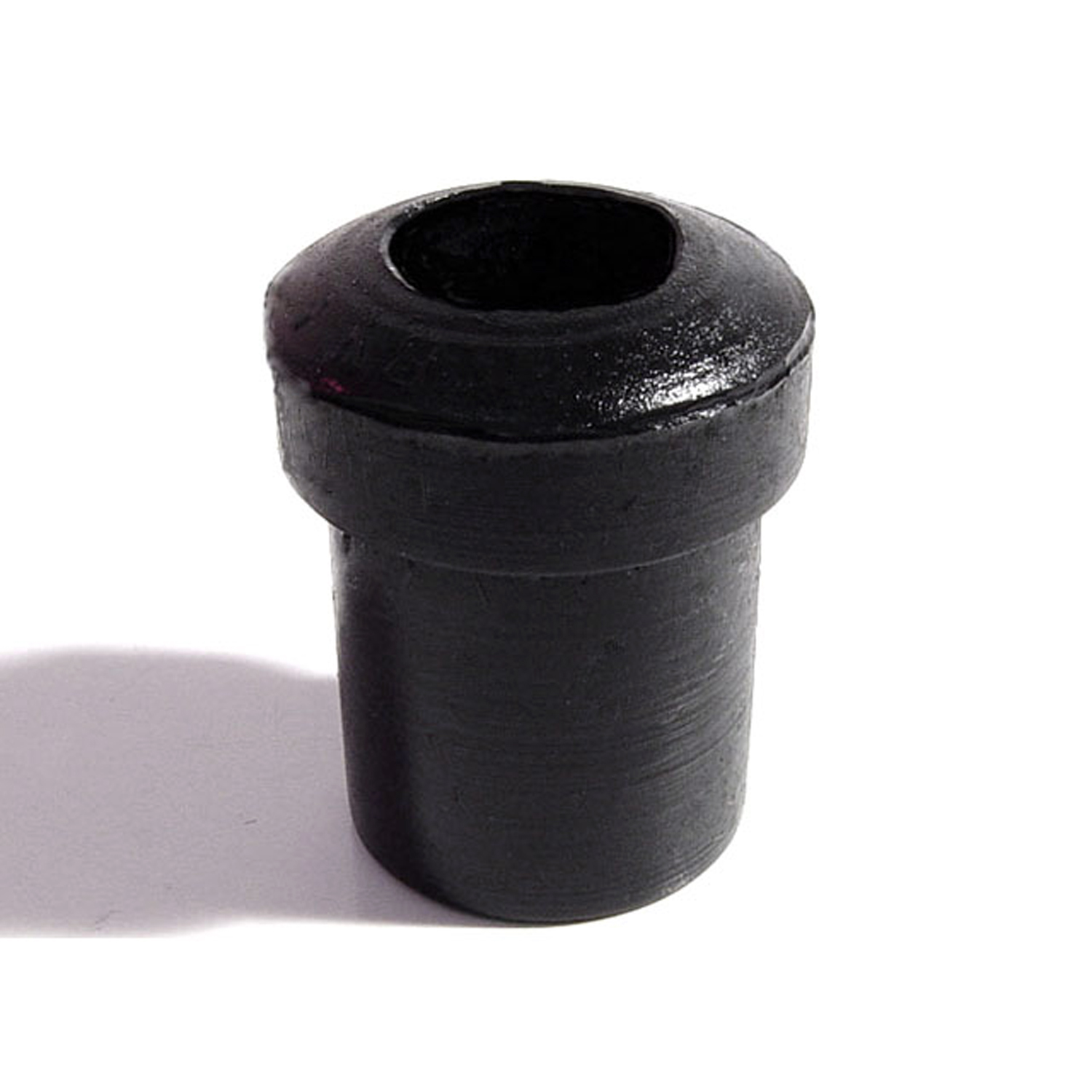 1942 Plymouth P14C Special Deluxe Spring and Shackle Bushing. 7/8" bottom O.D-BN 16Spring and Shackle Bushing. 7/8" bottom O.D. X 1-1/8" high, with 1/2" I.D. Each
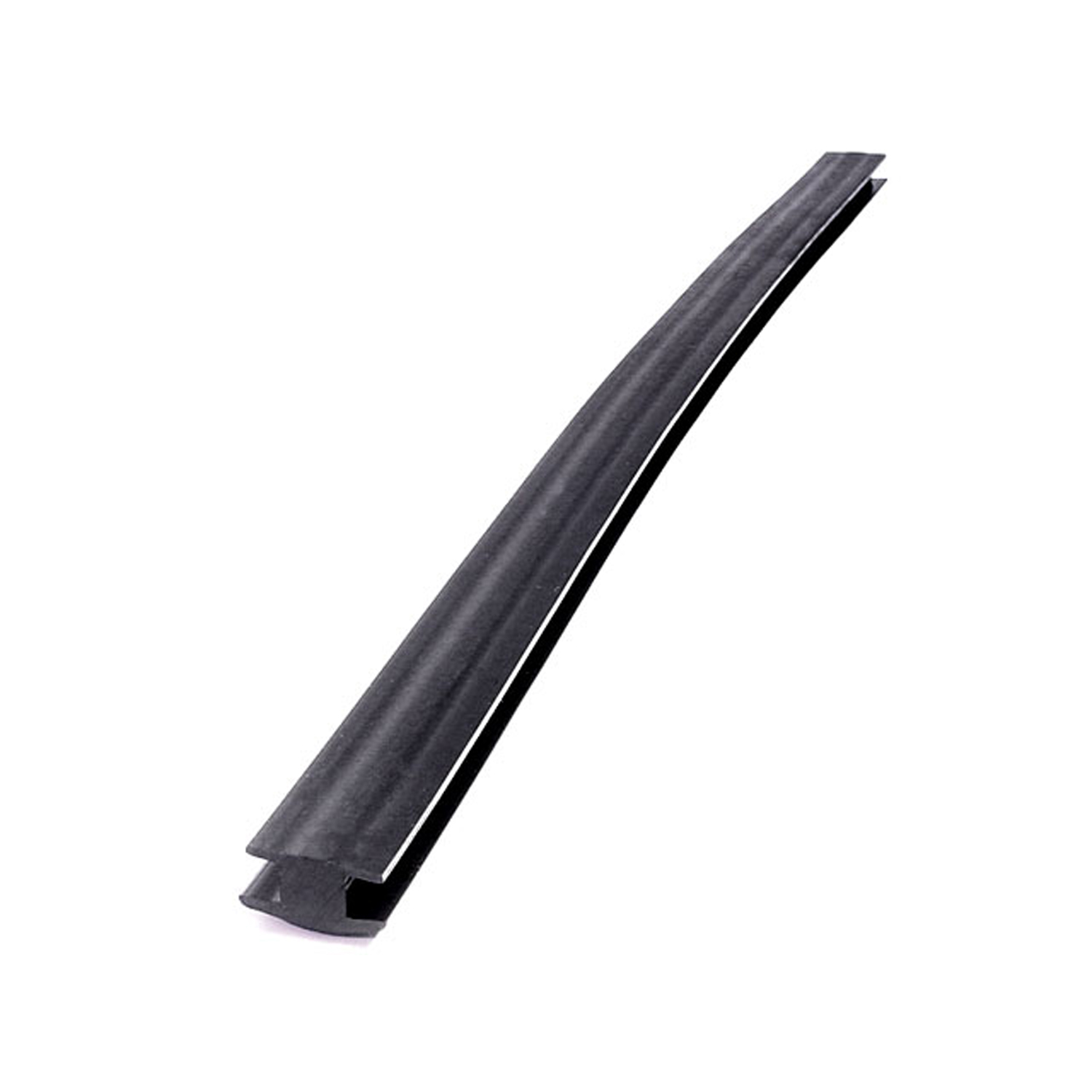 1942 Plymouth P14C Special Deluxe Windshield Center Bar Gasket. 20" long. Each-DP 12Windshield Center Bar Gasket. 20" long. Each
 1942 Plymouth P14C Special Deluxe Hood Corners. Fits flat corners-HC 19Hood Corners. Fits flat corners. 80° angle, 1/4" to 3/8" corner radius. 1-3/8" wide. Pair
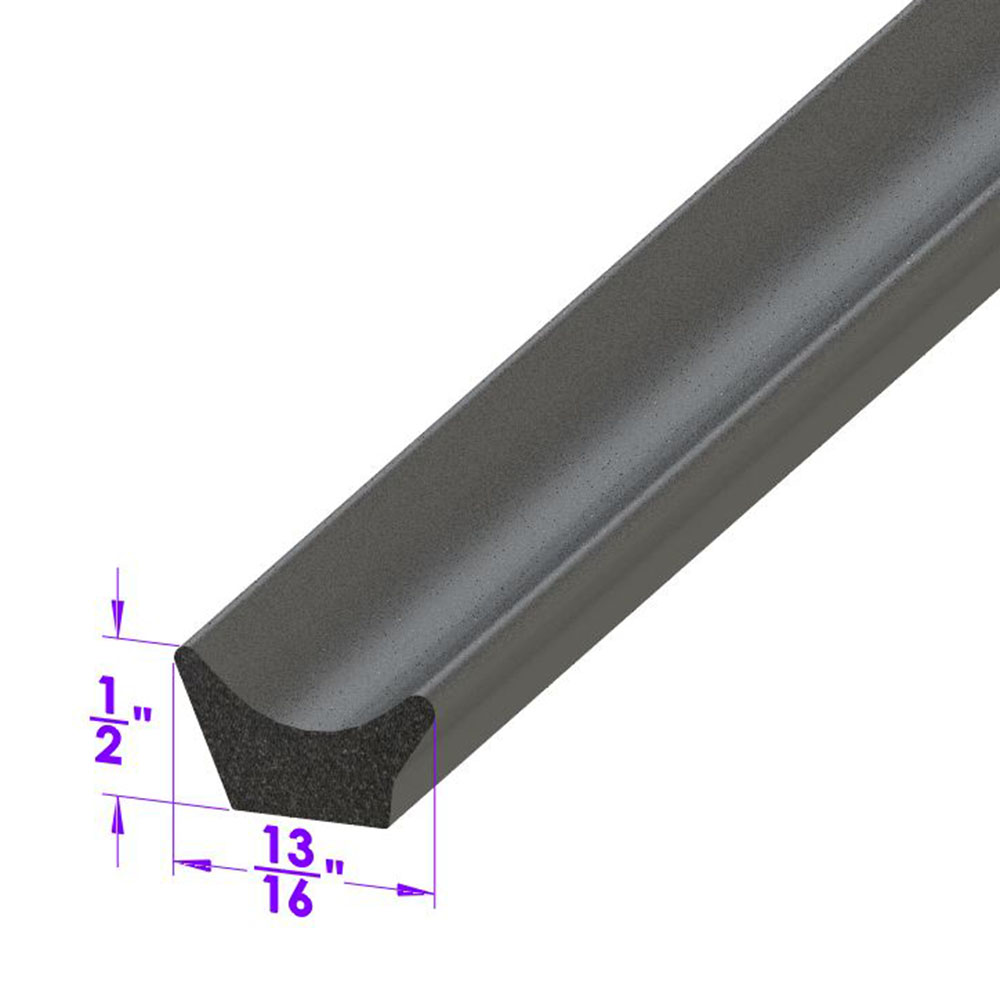 1942 Plymouth P14C Special Deluxe Door side seal. Same as LP 40, but for a lighter seal-LP 40-ADoor side seal. Same as LP 40, but for a lighter seal. Fits many domestic passenger cars and trucks. Universal seal for street rods and customs. Used in Cobra kit cars as door weatherstrip. Per foot.
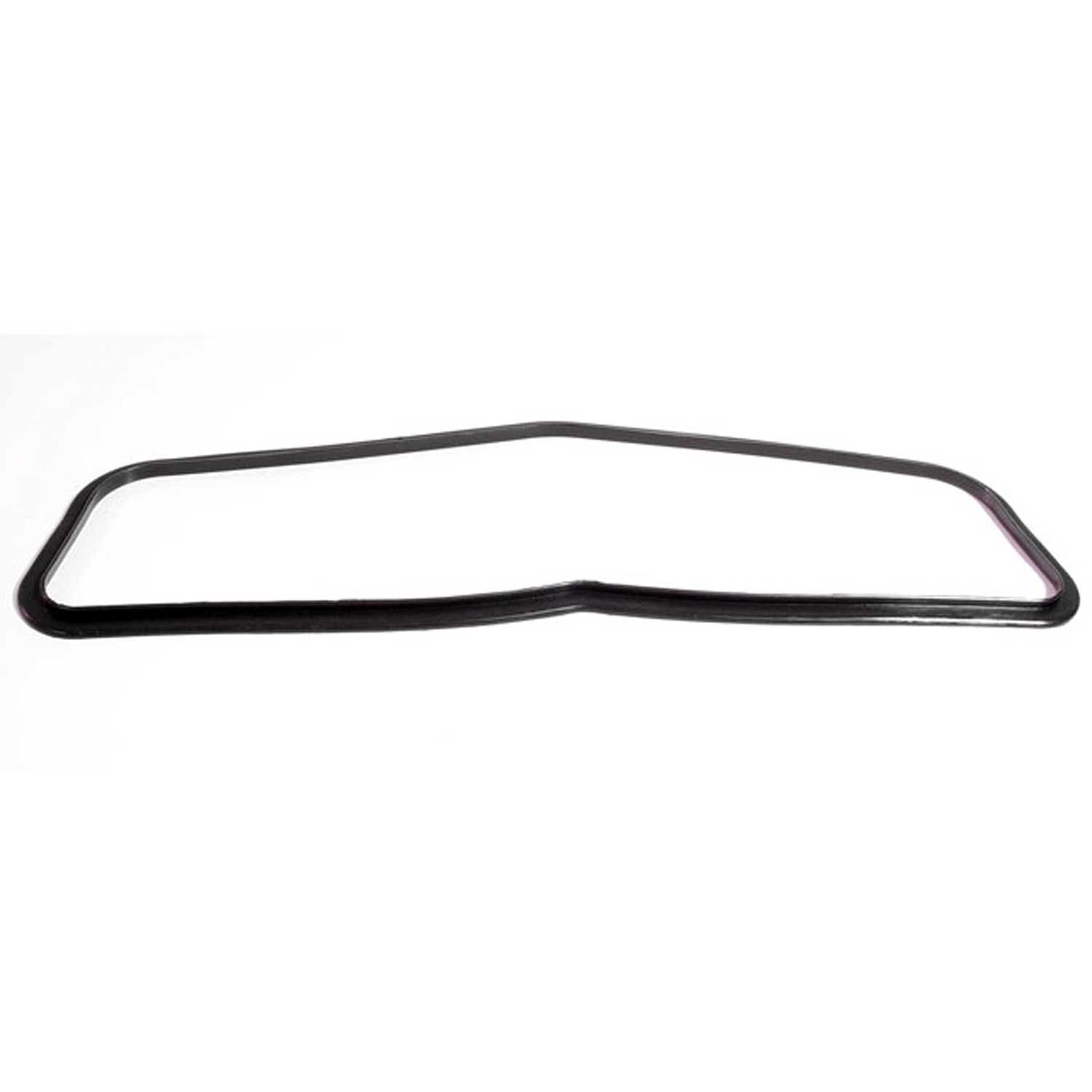 1942 Plymouth P14C Special Deluxe Cowl Vent Seal. 4" wide X 18" long. Each-RP 100-QCowl Vent Seal. 4" wide X 18" long. Each
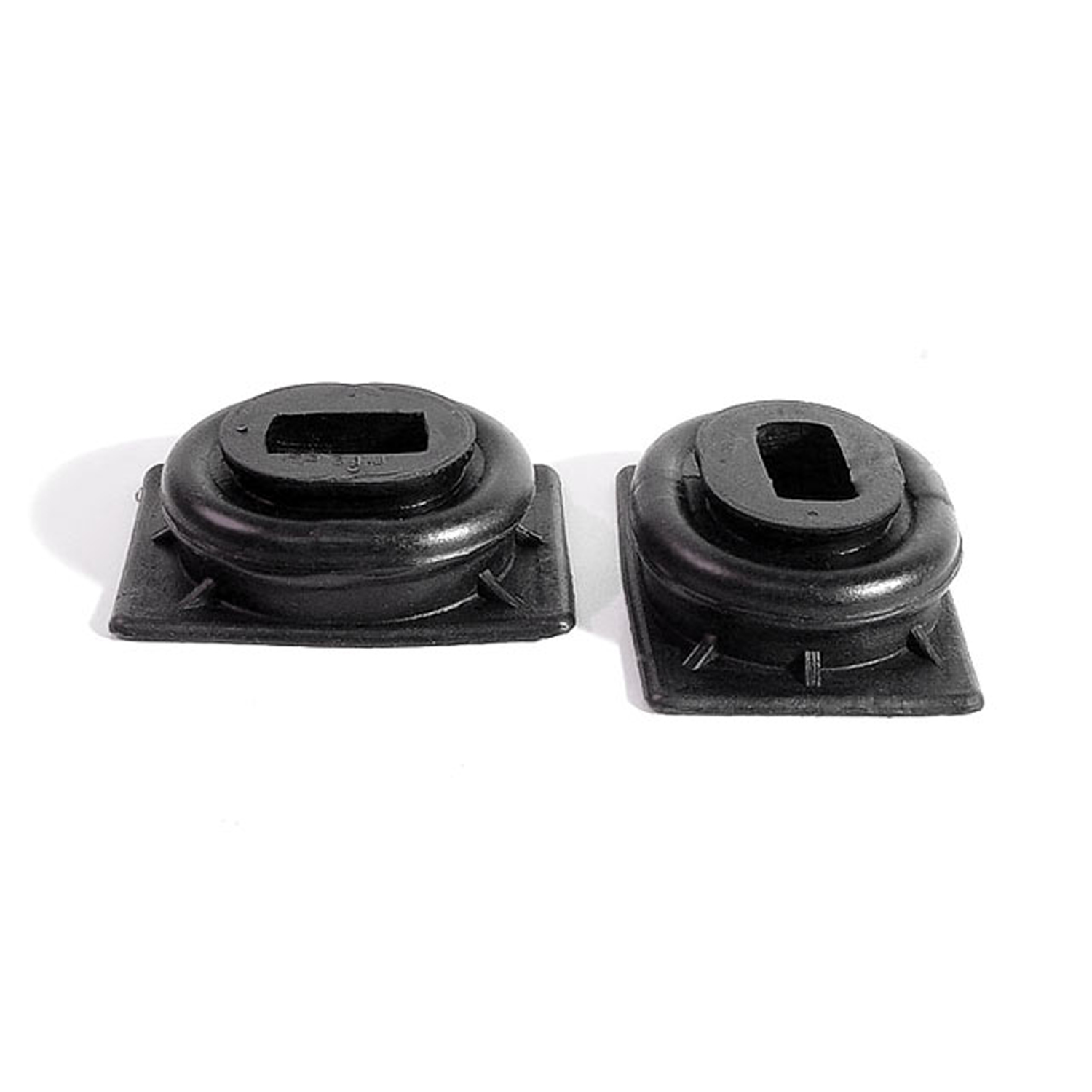 1942 Plymouth P14C Special Deluxe Clutch and Brake Seals. Replaces OEM #889473. Pair-RP 31-JClutch and Brake Seals. Replaces OEM #889473. Pair
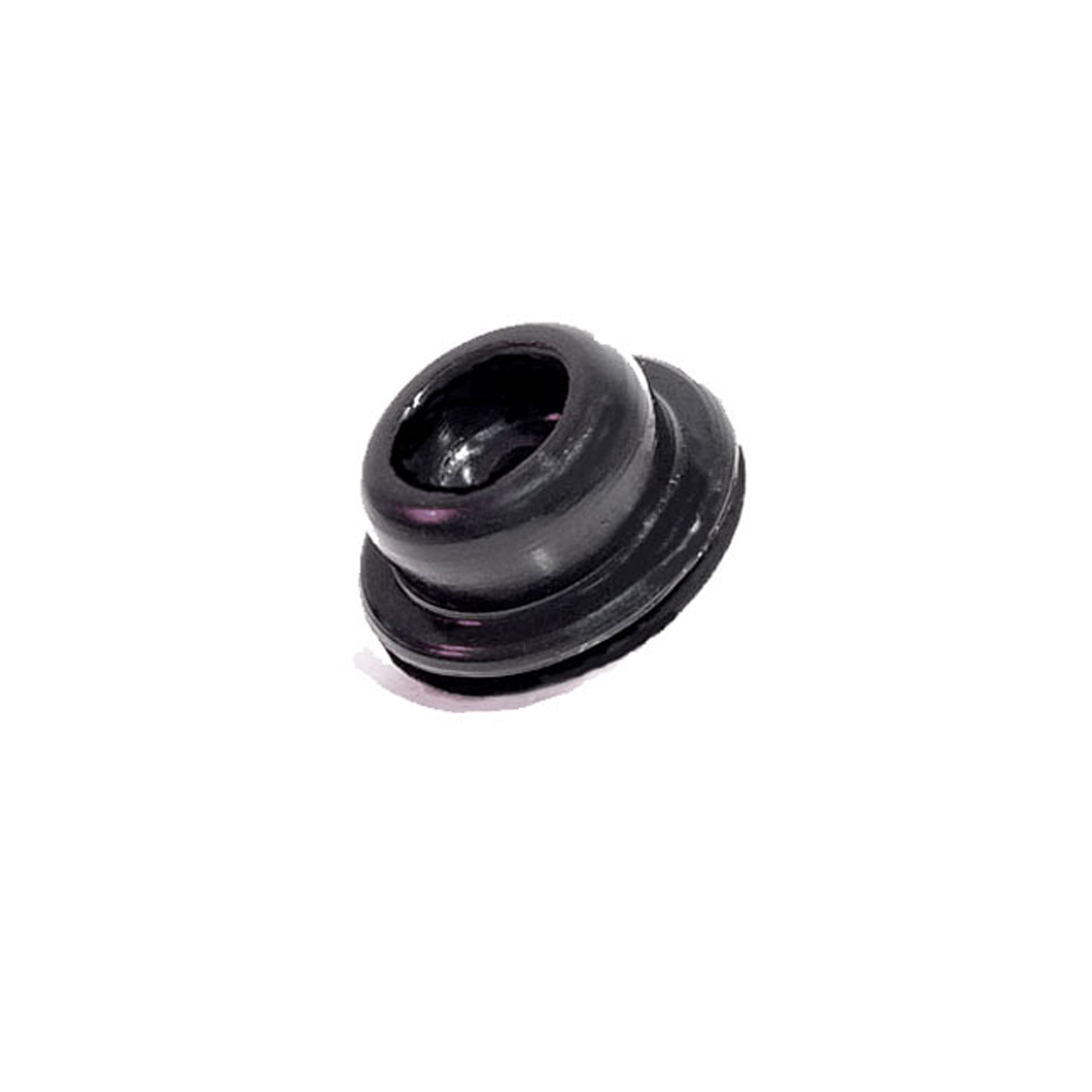 1942 Plymouth P14C Special Deluxe Accelerator Rod Grommet-SM 43-BAccelerator Rod Grommet. For accelerator rod through floorboard. Each
 1942 Plymouth P14C Special Deluxe Rear vent window seals-WR 2301-RRear vent window seals. Fits listed 4-door sedans and limousines with swing-out rear vent windows. May fit some GM models. Replaces OEM# #849153/4. Pair. R&L.
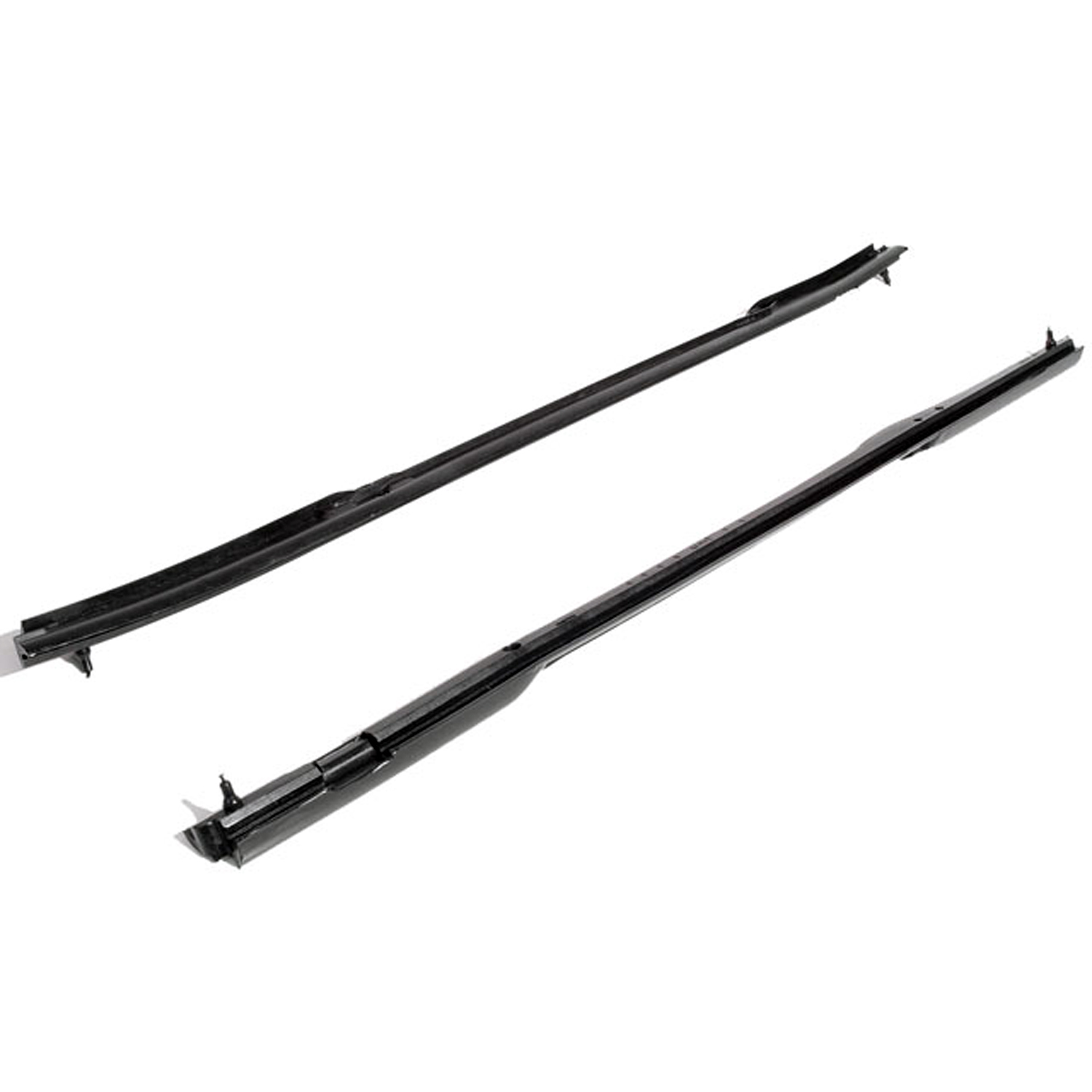 1942 Plymouth P14C Special Deluxe Front Vent Window Seals. For many closed models only-WR 2703Front Vent Window Seals. For many closed models only. Replaces OEM #977232-3. Pair R&L
Why Choose Metro?
For over 100 years, Metro Moulded Parts has been the pinnacle of quality in classic car restoration parts. Our commitment to precision and authenticity in every component ensures a perfect fit and an OEM-level appearance.
- Expert Craftsmanship & Quality: Each part is a testament to our dedication to reliability and perfection, crafted from original designs and thoroughly tested.
- Advanced Technology: We use cutting-edge techniques to create flawless, long-lasting parts that surpass others in performance.
- SuperSoft Sponge – The Ultimate Door Seal: Not only are our door seals 30% softer than competitors', but they're also guaranteed to never leak. They effectively reduce wind and road noise, enhancing your classic car's comfort and driving experience.
- Proudly American: Our parts are a product of American craftsmanship, made in the USA with a spirit of excellence and heritage.
- Unrivaled Warranty: We back our products with a 30-year industry-leading warranty, a testament to our confidence in their quality.
Join us in preserving the legacy of classic cars with parts that are crafted for perfection, not just made.