

Image of 1942 Plymouth P14s Deluxe, Note: These illustrations use artistic license and may differ from actual historical models.
Performance Metrics
Fundamental Metrics
Emotional Appeal
MMP Rating
| Engine Specifications | |
|---|---|
| Engine: | Inline 6 |
| Displacement: | 201.3 cu in (3.3 L) |
| Horsepower: | Estimated 87 hp |
| Torque: | Not available |
| Compression Ratio: | Not available |
| Ignition System: | Battery and coil |
| Cooling System: | Liquid-cooled |
| Performance Specifications | |
| 0-60 Time: | Not available |
| 1/4 Mile Time: | Not available |
| Top Speed: | Estimated 75 mph |
| Transmission and Drive | |
| Drive Type: | Rear-wheel drive |
| Transmission Type: | 3-speed manual |
| Fuel and Efficiency | |
| Fuel System Type: | Carburetor |
| MPG: | Not available |
| Dimensions and Brakes | |
| Brakes: | Hydraulic drum brakes |
| Wheelbase: | 117 in (2,972 mm) |
| Weight: | Estimated 3,125 lbs |
Note: Specifications for classic cars are given to the best of our ability, considering the limited and variant data available.
1942 Plymouth P14S Deluxe: A Classic Caught at a Turning Point
The 1942 Plymouth P14S Deluxe was built just as America’s automobile industry was about to change course from civilian motoring to wartime production. Made by the Chrysler Corporation, it brought practical six-cylinder power, roomy comfort, and rounded prewar styling to a market facing an abrupt shutdown. Its most intriguing distinction is built into its model year: civilian production ended early in 1942, making the P14S one of the last Plymouths produced before factories turned to wartime work.
The P14S Deluxe sat in Plymouth’s mid-priced range, offering useful space and straightforward engineering without the cost of a luxury car. It was designed for families and everyday motorists, but its short production window now links it closely to the end of the prewar American automobile era.
Streamlined Fenders and a Practical Cabin
The P14S wears the substantial, rounded look typical of early-1940s American cars. Its long hood flows into sculpted front fenders, while a broad, upright grille gives the nose a confident appearance. Chrome trim brightens the front end and sides, though the overall design is more restrained than the elaborate styling that would return after the war. Its flowing fenders and smooth body lines make it look substantial without appearing overly ornate.
Inside, the Deluxe emphasized comfort and usability. The cabin offered broad seating, generous window area, and a simple, legible dashboard. Upholstery and trim varied with body style and factory specification, but cloth was common, with durable finishes chosen for regular use rather than show. The steering wheel, large instruments, and physical controls gave the driver a direct, uncomplicated workspace.
Available paint colors varied by year, market, and factory supply. Period colors included subdued shades such as black, gray, blue, green, and maroon. Darker colors suit the car’s formal lines particularly well, while surviving examples in brighter shades can make the rounded bodywork stand out at shows.
P14S body styles were centered on practical coupes and sedans, with availability depending on the exact model configuration. Two-door and four-door sedans offered family-friendly seating, while coupe versions provided a sportier profile or a business-focused layout. The four-door sedan is among the most recognizable choices today, thanks to its balanced proportions and everyday usefulness. Buyers should check the body tag and period documentation when identifying an individual car, since Plymouth’s trim and body offerings differed across series.
Engineering Built for Everyday Motoring
Power came from Plymouth’s L-head, or flathead, inline-six engine, displacing about 201 cubic inches. Period specifications are commonly listed at roughly 95 horsepower, paired with a three-speed manual transmission. The engine used a straightforward design that favored smooth, dependable operation and ease of service over high-revving performance.
The P14S also benefited from equipment that made it a capable family car for its time, including hydraulic brakes and independent front suspension. These features were not exclusive to Plymouth, but they helped deliver predictable stopping and a more composed ride than older cars with simpler layouts. The car’s conventional mechanical design was part of its appeal: it did not demand specialist knowledge for routine servicing.
A Prewar Plymouth With Wartime Significance
The P14S matters less as a radical technological breakthrough than as a snapshot of American car design at a major historical hinge. In early 1942, automakers curtailed civilian vehicle production as the United States mobilized for World War II. Chrysler and other manufacturers shifted factory capacity toward military equipment, and new civilian cars became scarce.
That change gave the 1942 Plymouth a distinctive place in the marque’s history. It represented the end of a familiar rhythm of annual model updates and mass-market car buying. When civilian production resumed after the war, styling, materials, and consumer expectations had changed. The P14S therefore preserves a recognizable prewar formula: a sturdy body, conventional controls, a smooth six-cylinder engine, and an emphasis on value.
Compared with many contemporaries, Plymouth’s strength was sensible engineering at an accessible price. Its lasting appeal comes from that honest character. The car was designed to be driven and maintained, not treated as a fragile luxury object.
Road Manners and Six-Cylinder Character
With its modest power and three-speed gearbox, the P14S is best understood as a relaxed cruiser. Depending on engine condition, gearing, tires, and load, a healthy example may reach roughly 75 to 80 mph. Period acceleration figures are not consistently documented, but a realistic estimate for 0 to 60 mph is around 20 to 25 seconds. Those figures are estimates, not modern instrumented test results, and performance varies considerably between surviving cars.
On ordinary roads, the Plymouth feels steady and substantial. Its suspension takes the edge off bumps, while the long wheelbase helps it settle into a smooth highway rhythm. On winding roads, the car rewards measured steering rather than quick direction changes. Its size, older suspension geometry, and period tires mean it does not corner like a modern sedan.
Behind the wheel, the flathead six produces a muted, even rumble. The manual transmission asks the driver to work through the gears deliberately, and the steering and brakes require more attention than their modern equivalents. That interaction is part of the pleasure: the P14S makes its driver an active participant rather than isolating them from the machinery.
Living With a 1942 Plymouth
Today, most P14S Deluxes are used as show cars, weekend cruisers, or carefully maintained touring vehicles. A well-sorted example can handle local drives and vintage events, but many owners avoid regular modern highway traffic. It is wise to plan routes around the car’s braking distance, cruising speed, and the availability of parts.
Routine maintenance is generally approachable for an owner comfortable with older cars. The flathead six is mechanically simple, and many service tasks can be handled with basic tools and a workshop manual. However, age brings predictable challenges: worn wiring, tired rubber components, fuel-system problems, brake wear, and corrosion in structural areas. Parts availability is reasonable for common mechanical items, but trim, body panels, and model-specific details can take more time to locate.
Reliability depends less on the badge than on the quality of previous repairs. Before buying, inspect the frame and body for rust, verify the condition of the cooling and braking systems, and confirm that the engine has good oil pressure and does not overheat. A car that has been maintained consistently is a far better prospect than a shiny restoration with neglected mechanicals.
Wartime Trivia and Common Criticisms
The P14S’s most notable historical fact is its timing. Civilian automobile production in the United States was halted in early 1942 as manufacturers shifted toward war work. That makes an original 1942 Plymouth a tangible reminder of how quickly ordinary life and industry changed during the war years.
Exact production totals for individual P14S body styles are not consistently reported in commonly available references. A reasonable broad estimate is that production reached the tens of thousands, perhaps around 50,000 to 100,000 P14S cars across configurations, though this should be treated as an estimate rather than a verified factory count. The wider Plymouth 1942 production picture includes other series and body styles, so totals for the entire make should not be mistaken for P14S numbers.
There is no widely recognized speed or endurance record associated specifically with the P14S Deluxe. Its reputation rests instead on affordability, practical engineering, and its connection to the wartime production shift. Common criticisms are familiar to anyone considering a prewar car: modest acceleration, heavy controls by modern standards, limited crash protection, and a need for more frequent maintenance than a contemporary vehicle.
Collector Values and Buying Advice
The P14S is uncommon compared with postwar classics, but it is not generally regarded as an exceptionally rare or high-dollar collector car. Its early-1940s date, wartime connection, and understated styling give it a dedicated following. Availability varies by body style and condition, and complete, unmodified cars can take patience to find.
As a broad current-market estimate in U.S. dollars, a project car may sell for about $3,000 to $8,000. A usable driver in sound condition might fall around $10,000 to $20,000, while a well-restored example could bring roughly $25,000 to $40,000. Exceptional restorations, rare configurations, and cars with strong documentation may exceed that range. Actual prices depend heavily on rust, originality, mechanical condition, and the quality of the restoration.
Values have generally been steady to gradually appreciating for good, well-preserved examples, rather than rising sharply across the board. The market rewards condition and authenticity more than ambitious asking prices. Since restoration costs can exceed the value of the finished car, buyers should prioritize a solid body, complete trim, and sound mechanicals over a low purchase price.
Why the P14S Still Deserves a Place in the Garage
The 1942 Plymouth P14S Deluxe combines straightforward engineering, generous prewar proportions, and an unusually significant moment in American history. It was not built to set speed records or introduce a revolutionary new technology. It was built to serve ordinary drivers, and its simple six-cylinder character still makes sense to owners who value mechanical access and period charm.
As one of the last civilian Plymouths before wartime production transformed the industry, the P14S is more than a handsome old sedan. It is a rolling marker of the moment America’s car factories changed direction, and a reminder that even a practical family car can carry a remarkable story.
1942 Plymouth P14s Deluxe Catalog of Parts
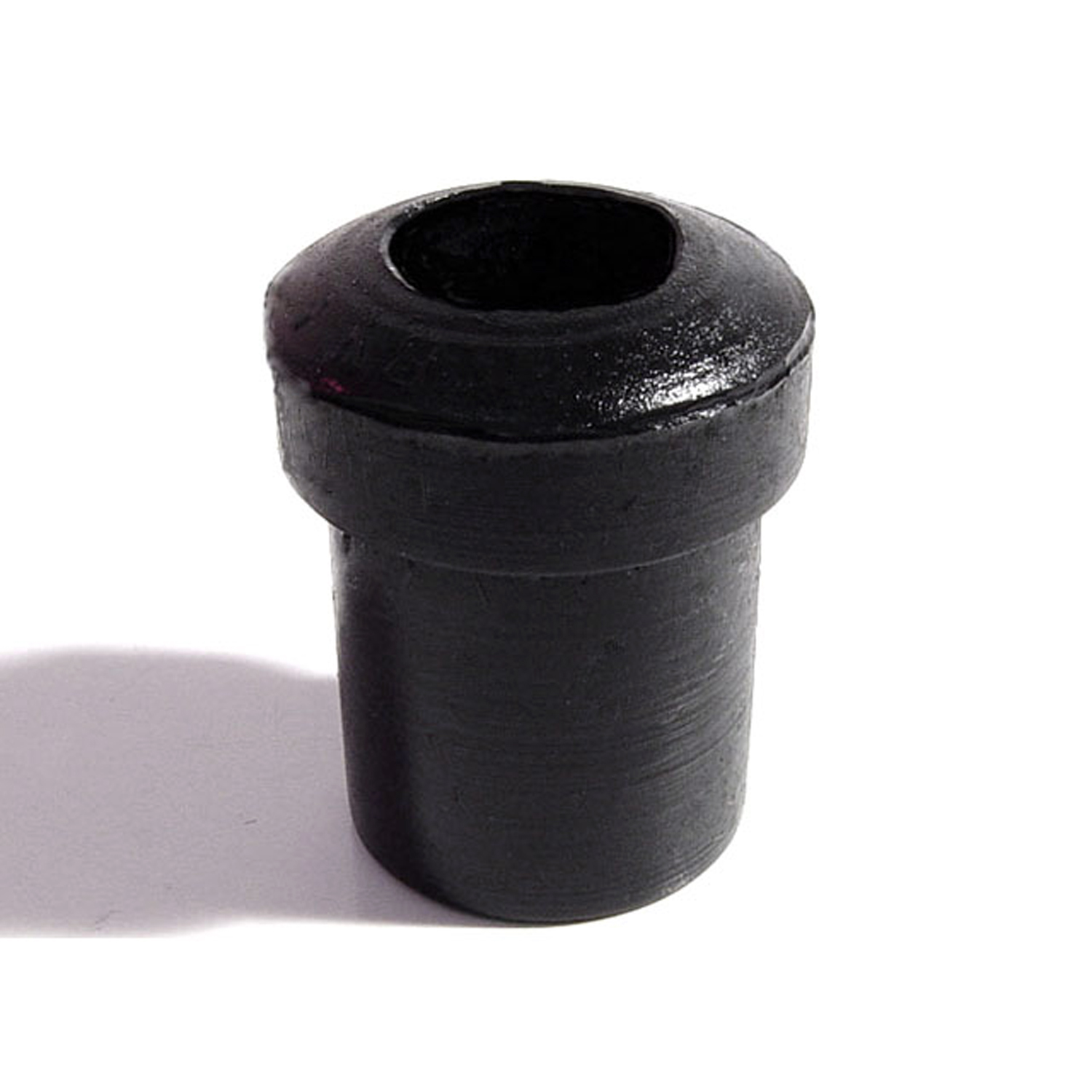 1942 Plymouth P14S Deluxe Spring and Shackle Bushing. 7/8" bottom O.D-BN 16Spring and Shackle Bushing. 7/8" bottom O.D. X 1-1/8" high, with 1/2" I.D. Each
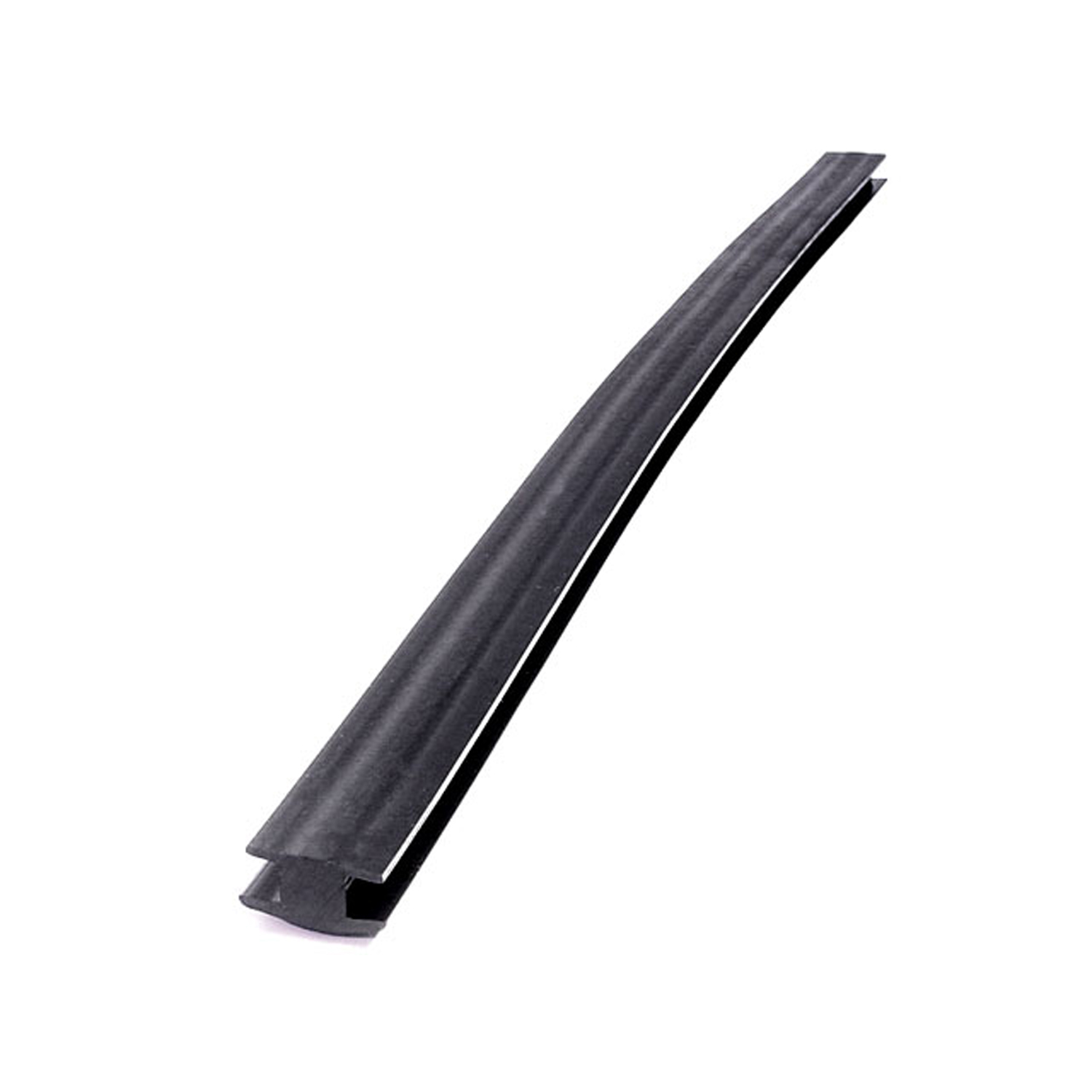 1942 Plymouth P14S Deluxe Windshield Center Bar Gasket. 20" long. Each-DP 12Windshield Center Bar Gasket. 20" long. Each
 1942 Plymouth P14S Deluxe Hood Corners. Fits flat corners-HC 19Hood Corners. Fits flat corners. 80° angle, 1/4" to 3/8" corner radius. 1-3/8" wide. Pair
 1942 Plymouth P14S Deluxe Door side seal. Same as LP 40, but for a lighter seal-LP 40-ADoor side seal. Same as LP 40, but for a lighter seal. Fits many domestic passenger cars and trucks. Universal seal for street rods and customs. Used in Cobra kit cars as door weatherstrip. Per foot.
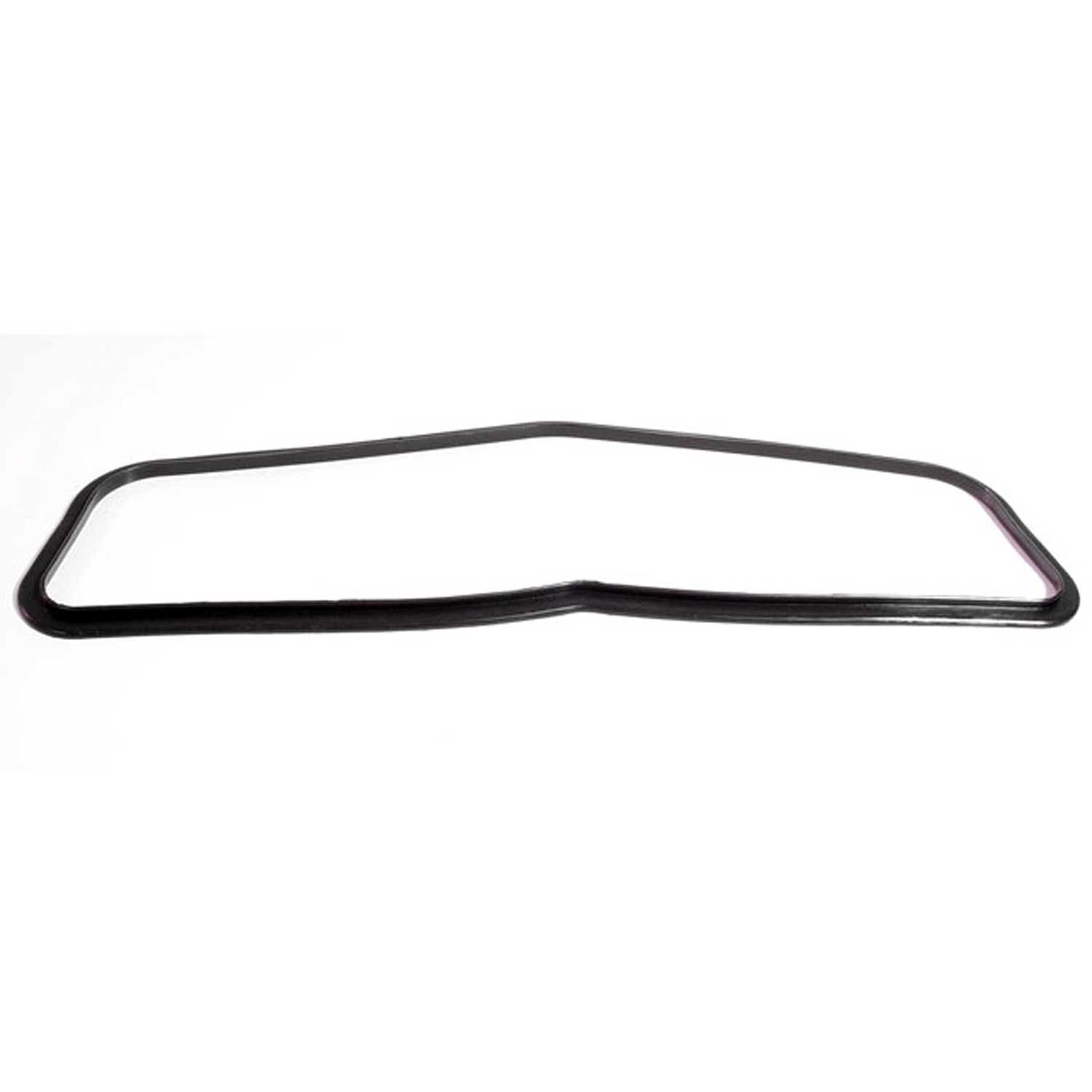 1942 Plymouth P14S Deluxe Cowl Vent Seal. 4" wide X 18" long. Each-RP 100-QCowl Vent Seal. 4" wide X 18" long. Each
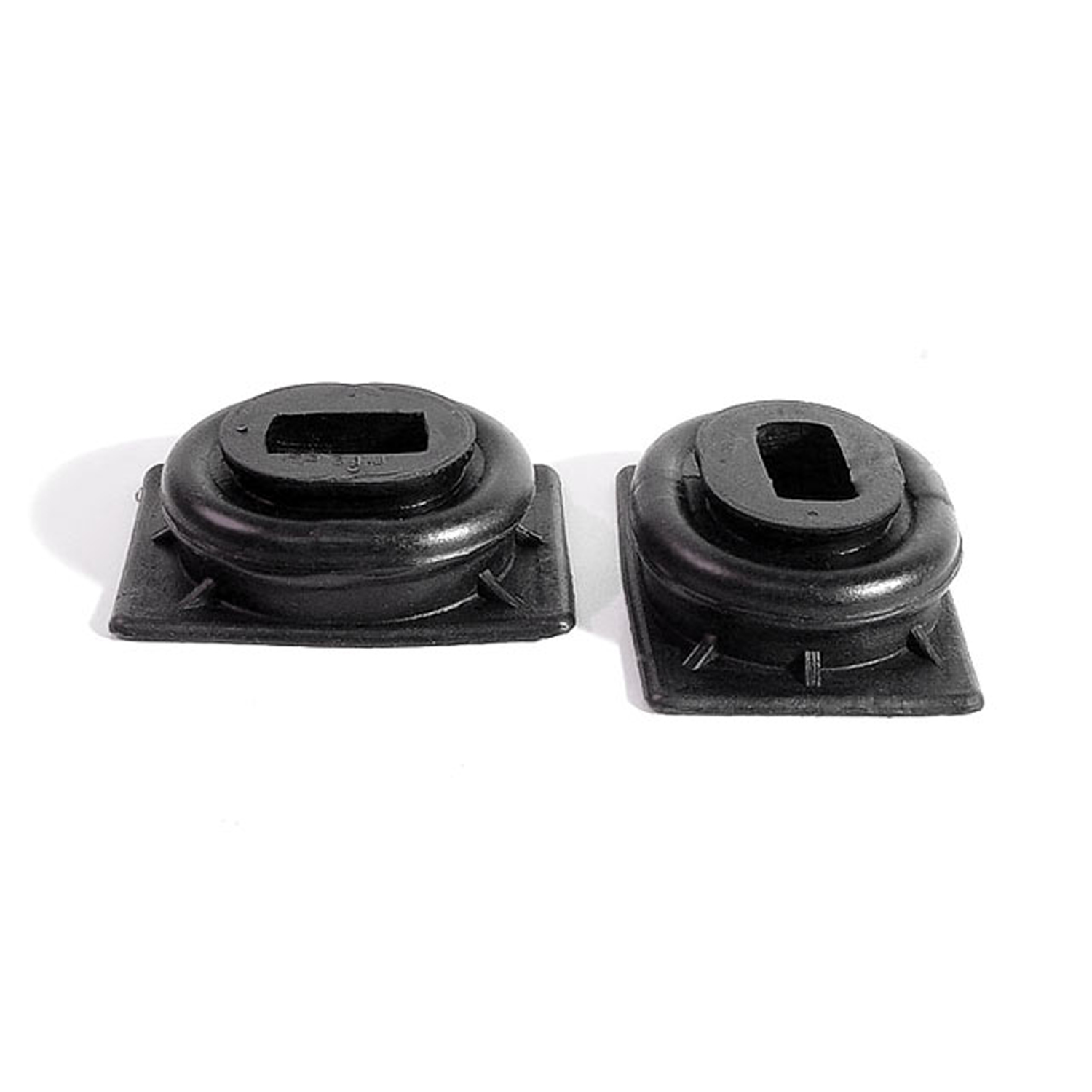 1942 Plymouth P14S Deluxe Clutch and Brake Seals. Replaces OEM #889473. Pair-RP 31-JClutch and Brake Seals. Replaces OEM #889473. Pair
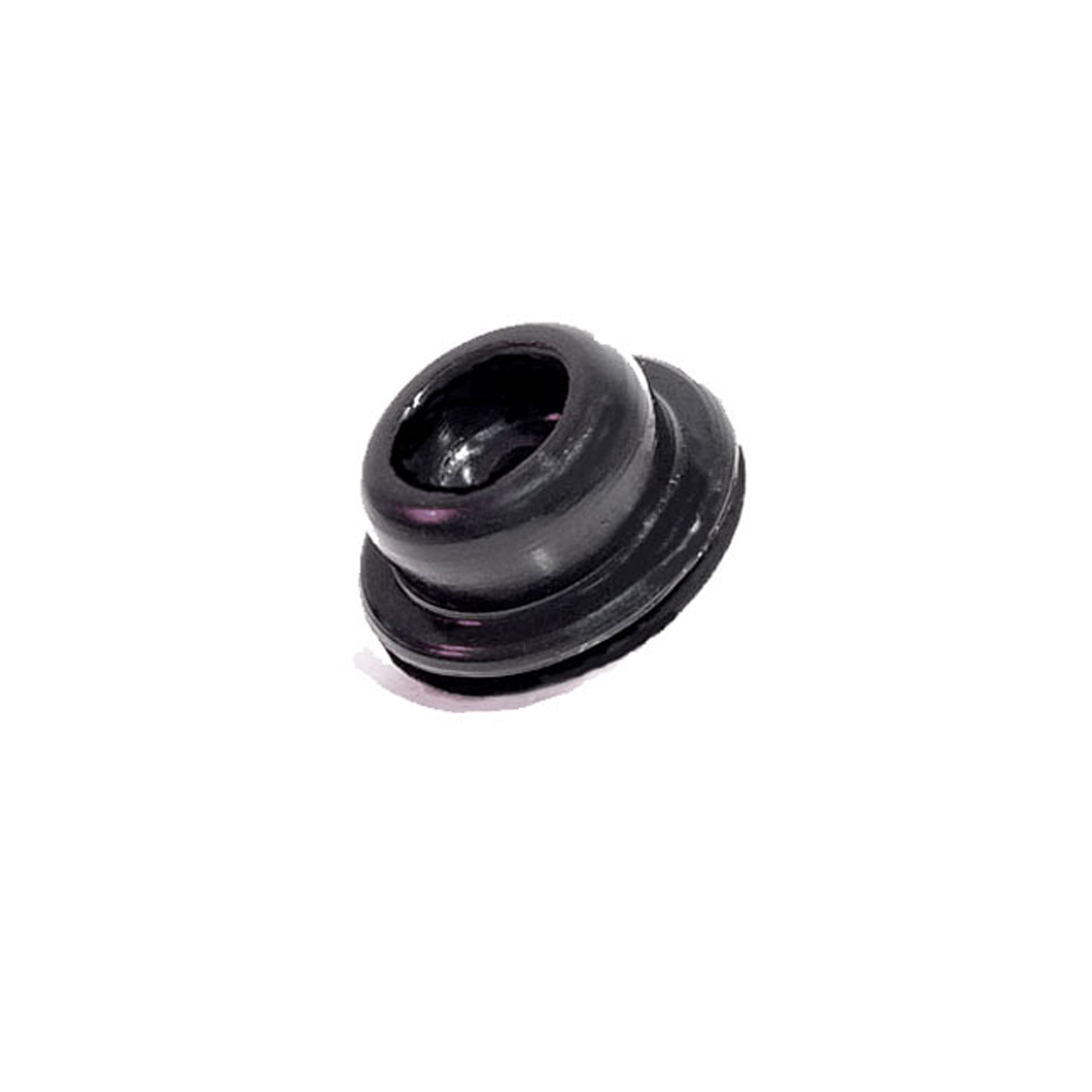 1942 Plymouth P14S Deluxe Accelerator Rod Grommet-SM 43-BAccelerator Rod Grommet. For accelerator rod through floorboard. Each
 1942 Plymouth P14S Deluxe Rear vent window seals-WR 2301-RRear vent window seals. Fits listed 4-door sedans and limousines with swing-out rear vent windows. May fit some GM models. Replaces OEM# #849153/4. Pair. R&L.
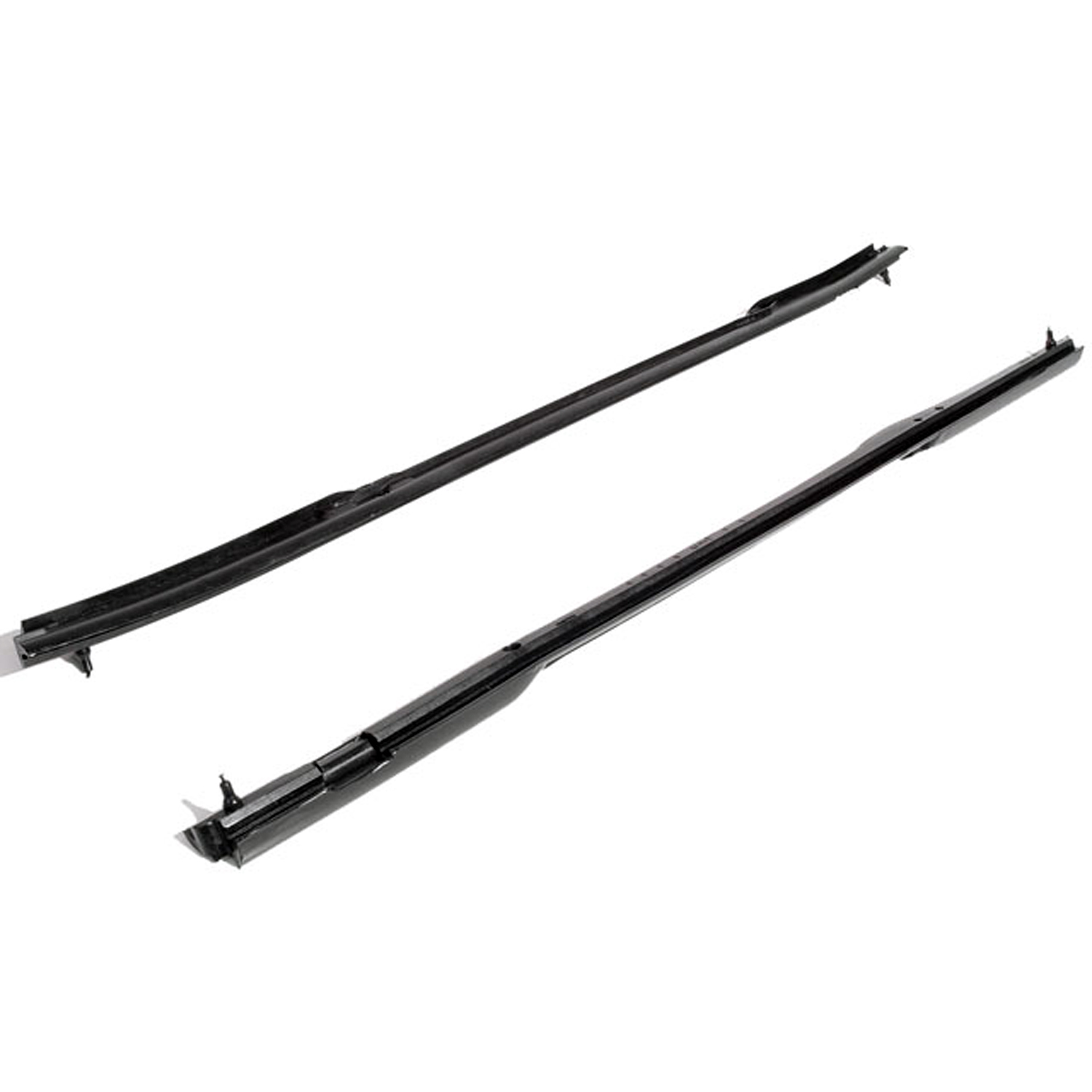 1942 Plymouth P14S Deluxe Front Vent Window Seals. For many closed models only-WR 2703Front Vent Window Seals. For many closed models only. Replaces OEM #977232-3. Pair R&L
Why Choose Metro?
For over 100 years, Metro Moulded Parts has been the pinnacle of quality in classic car restoration parts. Our commitment to precision and authenticity in every component ensures a perfect fit and an OEM-level appearance.
- Expert Craftsmanship & Quality: Each part is a testament to our dedication to reliability and perfection, crafted from original designs and thoroughly tested.
- Advanced Technology: We use cutting-edge techniques to create flawless, long-lasting parts that surpass others in performance.
- SuperSoft Sponge – The Ultimate Door Seal: Not only are our door seals 30% softer than competitors', but they're also guaranteed to never leak. They effectively reduce wind and road noise, enhancing your classic car's comfort and driving experience.
- Proudly American: Our parts are a product of American craftsmanship, made in the USA with a spirit of excellence and heritage.
- Unrivaled Warranty: We back our products with a 30-year industry-leading warranty, a testament to our confidence in their quality.
Join us in preserving the legacy of classic cars with parts that are crafted for perfection, not just made.