

Image of 1946 Plymouth P15 Special Deluxe, Note: These illustrations use artistic license and may differ from actual historical models.
Performance Metrics
Fundamental Metrics
Emotional Appeal
MMP Rating
| Engine Specifications | |
|---|---|
| Engine: | Inline 6 |
| Displacement: | 217.8 cu in (3.6 L) |
| Horsepower: | 95 hp |
| Torque: | 172 lb-ft |
| Compression Ratio: | 6.6:1 |
| Ignition System: | 6-volt electrical system |
| Cooling System: | Liquid-cooled |
| Performance Specifications | |
| 0-60 Time: | Estimated 20 seconds |
| 1/4 Mile Time: | Not available |
| Top Speed: | 75 mph |
| Transmission and Drive | |
| Drive Type: | Rear-wheel drive |
| Transmission Type: | 3-speed manual |
| Fuel and Efficiency | |
| Fuel System Type: | Carburetor |
| MPG: | Estimated 15-20 mpg |
| Dimensions and Brakes | |
| Brakes: | Hydraulic drum brakes |
| Wheelbase: | 117 inches |
| Weight: | 3,125 lbs |
Note: Specifications for classic cars are given to the best of our ability, considering the limited and variant data available.
1946 Plymouth P15 Special Deluxe: A Postwar Classic
The 1946 Plymouth P15 Special Deluxe brought welcome motion back to American roads after years of wartime production limits. Built by the Chrysler Corporation, it was a well-equipped, six-cylinder family car from Plymouth, Chrysler’s value-focused brand. Its smooth, rounded styling looked fresh to buyers eager for a new car, even though much of the design and engineering carried over from before the war.
That carryover is part of the P15’s story. Civilian car production had largely stopped during World War II, and automakers needed to get cars into showrooms quickly once the conflict ended. The 1946 Plymouth was therefore not an all-new postwar design. It was a carefully updated prewar car, and its popularity showed just how strong pent-up demand had become. The P15 designation covered Plymouth models from 1946 through 1948, including both Deluxe and Special Deluxe trim.
Rounded Styling and Special Deluxe Trim
The P15 has the gentle, substantial look of a late-1940s American car. Its rounded hood flows toward a broad upright grille, while the headlights sit neatly in the front fenders. The fenders blend into the body rather than appearing as separate, bulbous forms, and bright trim adds definition without overwhelming the design. It is handsome and confident, with a more integrated appearance than many earlier cars.
The Special Deluxe sat above the regular Deluxe in Plymouth’s lineup. Its additional brightwork and upgraded cabin appointments gave it a more polished feel. Inside, occupants found a wide bench seat, a large steering wheel, and a straightforward instrument panel with clear, easy-to-read gauges. Depending on body style and equipment, upholstery could include patterned cloth or broadcloth, with vinyl or leatherette details. Painted metal trim, sometimes finished to resemble wood, added warmth to the dashboard.
Factory paint choices varied by model year and body style. Black, dark blue, maroon, gray, and green shades are among the colors associated with period Plymouths. Black and deep, subdued colors remain popular with restorers because they suit the car’s formal lines, though an original color is often the most appealing choice for a historically minded restoration.
Plymouth offered several P15 body styles across the range, including two-door and four-door sedans, coupes, a convertible, and a wood-bodied station wagon. Availability depended on trim and market, and not every body style was a Special Deluxe. The convertible is a standout for collectors, while the station wagon’s genuine wood construction makes it one of the most distinctive versions.
Useful Technology, Not Flashy Innovation
The P15’s appeal was practical rather than experimental. Its familiar mechanical layout made it easy to understand and service, and features such as hydraulic brakes, independent front suspension, and a modern-for-its-day enclosed body helped make it a comfortable everyday car. A heater, radio, clock, and other convenience items could be ordered, depending on the car’s original equipment.
Some Plymouths could be fitted with Chrysler’s Fluid Drive coupling. It softened the connection between the engine and transmission, but it was not a modern automatic: the driver still had to shift gears. That distinction is worth knowing when looking at a car advertised as having “automatic” transmission. The P15’s conventional three-speed manual gearbox remained the familiar choice for many owners.
A Bridge Between Two Automotive Eras
The 1946 Special Deluxe did not introduce a revolutionary new shape or a landmark powertrain. Its historical importance lies in what it represented: the return of civilian motoring and the industry’s transition from prewar designs toward a new generation of postwar cars. Plymouth offered buyers a dependable, relatively affordable way to get back on the road at a time when new vehicles were scarce and demand was intense.
That transitional role sets the P15 apart from its contemporaries. It combined a prewar mechanical foundation with styling that still felt current to a postwar buyer. The basic design continued through 1948, before Plymouth moved to its next major redesign for 1949. The P15 did not single-handedly change automotive design, but it helped preserve Plymouth’s reputation for sturdy, sensible transportation during an unusually important period in American motoring.
Flathead Six Performance and Road Manners
Power comes from Plymouth’s 217.8-cubic-inch, or 3.6-liter, inline flathead six. Period specifications commonly list output at about 95 horsepower. It is a low-revving engine designed for steady, dependable service rather than rapid acceleration. Most cars used a three-speed manual transmission, with the gear lever mounted on the steering column.
Performance figures vary with body style, gearing, mechanical condition, and test method. A sound, stock P15 is generally estimated to reach 0-60 mph in roughly 22 to 25 seconds, with a top speed in the neighborhood of 80 to 85 mph. Those are approximate figures, not modern instrumented test results. The car is happiest at moderate cruising speeds, where the engine’s unhurried character feels entirely appropriate.
On the road, the P15 feels substantial and relaxed. Its independent front suspension and leaf-sprung rear axle absorb ordinary bumps well, while the long wheelbase helps it track steadily on open roads. On winding roads, the car’s size, period steering, and narrow tires call for smooth inputs rather than quick changes of direction. The driver sits behind a large wheel and works through the gears, listening to the mellow mechanical note of the flathead six. It is a hands-on experience, but not a demanding one when the car is properly maintained.
Living With a P15 Today
Today, the Special Deluxe is best suited to weekend drives, vintage-car tours, and local shows. A well-sorted example can also be used regularly in fair weather, though modern traffic moves faster and braking distances are longer than those of a contemporary car. Original drum brakes, period tires, and the absence of modern safety equipment deserve respect. A P15 is not designed for racing, and its relaxed power delivery is a poor match for high-speed competition.
Maintenance is a major part of the car’s appeal. The flathead six is mechanically straightforward, and routine work such as ignition service, lubrication, and carburetor adjustment is accessible to an owner with basic tools and a repair manual. Specialist knowledge may be needed for a full engine rebuild, body restoration, or work on the wood structure of a station wagon. Parts support is generally good for common service items, though trim pieces, correct interior materials, and body-specific components can take more searching.
As with any prewar-based classic, condition matters more than the model’s reputation for durability. Check for rust in the floors, rocker areas, lower fenders, and trunk, and inspect the brakes, cooling system, wiring, and steering carefully. On a station wagon, examine the timber closely. Poor wood can turn a seemingly attractive purchase into an expensive structural restoration.
P15 Facts, Appeal, and Criticisms
The P15’s most intriguing fact is also its defining context: it arrived after a long interruption in civilian car production, yet its roots reached back to a prewar Plymouth design. Buyers were not choosing it for cutting-edge engineering. They wanted a new car they could use, and the Special Deluxe offered a more comfortable, better-trimmed version of that practical formula.
There is no widely recognized speed or endurance record associated with the P15. Its achievement was volume and accessibility rather than motorsport fame. The model was part of Plymouth’s high-volume postwar lineup, but exact production totals for the Special Deluxe alone are difficult to summarize because published figures often combine trim levels or body styles. A reasonable broad estimate is around 900,000 to 1.1 million P15-series Plymouths across the 1946-1948 model years. That is an estimate for the series, not a confirmed Special Deluxe count.
Common criticisms are easy to understand from a modern perspective. The car is slow by today’s standards, its steering and braking feel less precise than those of newer vehicles, and its cabin lacks modern conveniences and crash protection. Some enthusiasts also find the design conservative compared with later postwar cars. In return, owners get graceful period styling, simple mechanicals, and a driving experience that feels unmistakably tied to its era.
Collector Values and Availability
The 1946 Plymouth Special Deluxe is not exceptionally rare in sedan form, but a sound, original car can take patience to find. Convertibles and wood-bodied wagons are much less common and tend to attract more collector interest. As a general 2026 market guide, a rough project might sell for about $3,000 to $8,000, while a usable driver often falls around $10,000 to $20,000. A well-restored sedan may bring roughly $25,000 to $40,000, with exceptional convertibles or wagons potentially reaching $45,000 to $75,000 or more.
These are broad estimates, not guaranteed sale prices. Region, originality, restoration quality, documentation, and the condition of the body and woodwork can shift a car’s value considerably. Like many accessible prewar and early postwar classics, the P15 has generally seen steady interest rather than dramatic, across-the-board appreciation. The best examples hold their appeal, but buyers should choose one for its condition and enjoyment, not on the assumption that it will quickly increase in value.
Why the 1946 Plymouth Still Matters
The 1946 Plymouth P15 Special Deluxe is a handsome, practical survivor from the moment Americans returned to civilian motoring. Its rounded styling, comfortable cabin, simple flathead-six power, and manageable maintenance make it an inviting introduction to early postwar classics. It is not a performance car or a technical showpiece. Its significance is quieter and more lasting: the P15 helped put a generation of drivers back on the road, one dependable mile at a time.
1946 Plymouth P15 Special Deluxe Catalog of Parts
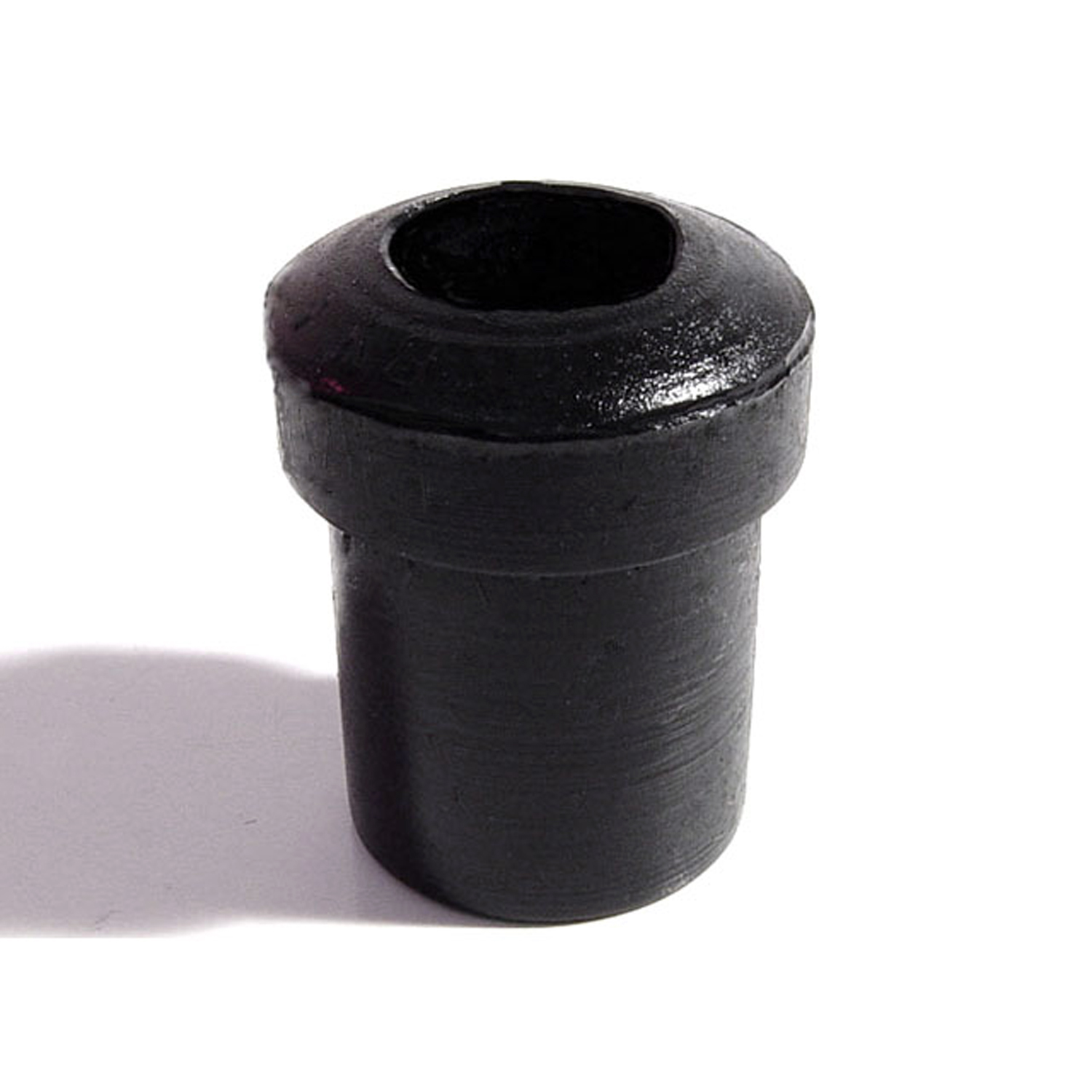 1946 Plymouth P15 Special Deluxe Spring and Shackle Bushing. 7/8" bottom O.D-BN 16Spring and Shackle Bushing. 7/8" bottom O.D. X 1-1/8" high, with 1/2" I.D. Each
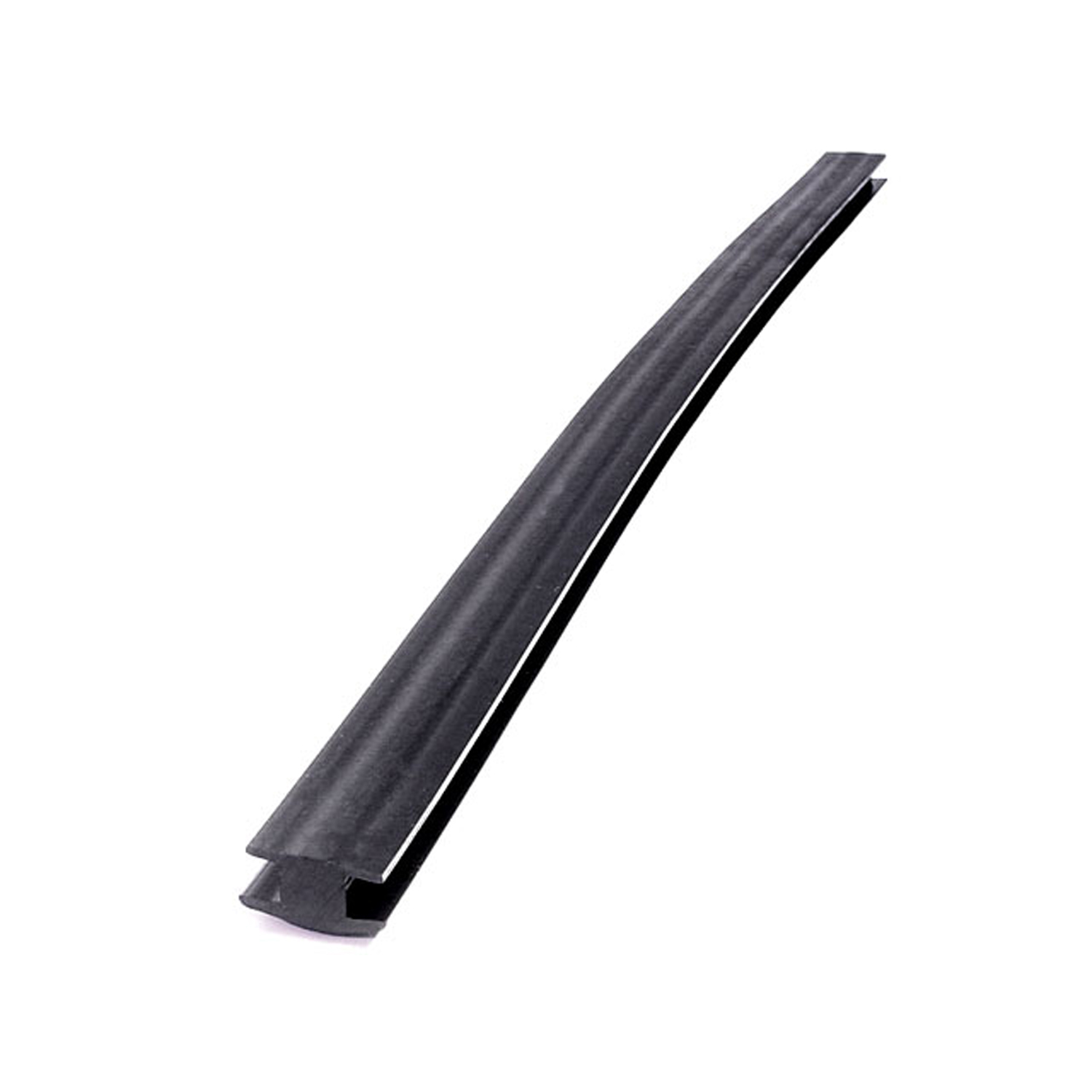 1946 Plymouth P15 Special Deluxe Windshield Center Bar Gasket. 20" long. Each-DP 12Windshield Center Bar Gasket. 20" long. Each
 1946 Plymouth P15 Special Deluxe Hood Corners. Fits flat corners-HC 19Hood Corners. Fits flat corners. 80° angle, 1/4" to 3/8" corner radius. 1-3/8" wide. Pair
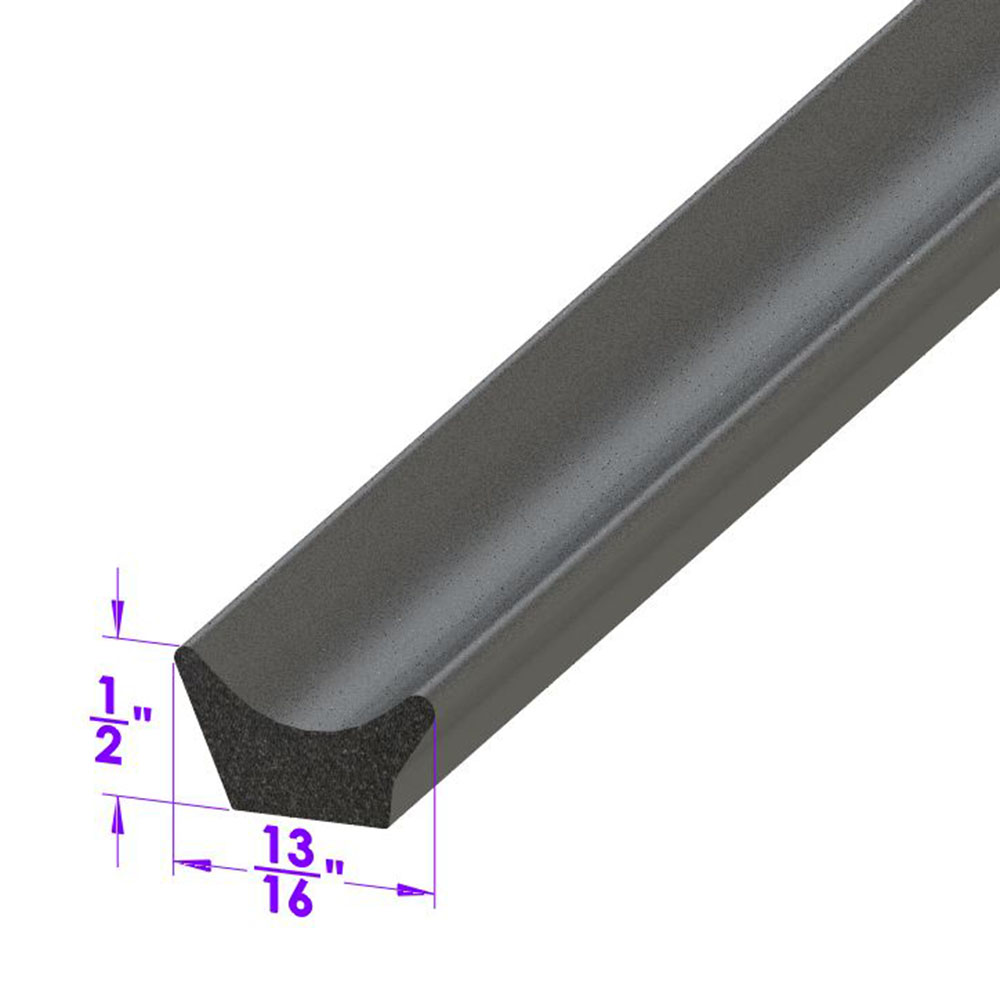 1946 Plymouth P15 Special Deluxe Door side seal. Same as LP 40, but for a lighter seal-LP 40-ADoor side seal. Same as LP 40, but for a lighter seal. Fits many domestic passenger cars and trucks. Universal seal for street rods and customs. Used in Cobra kit cars as door weatherstrip. Per foot.
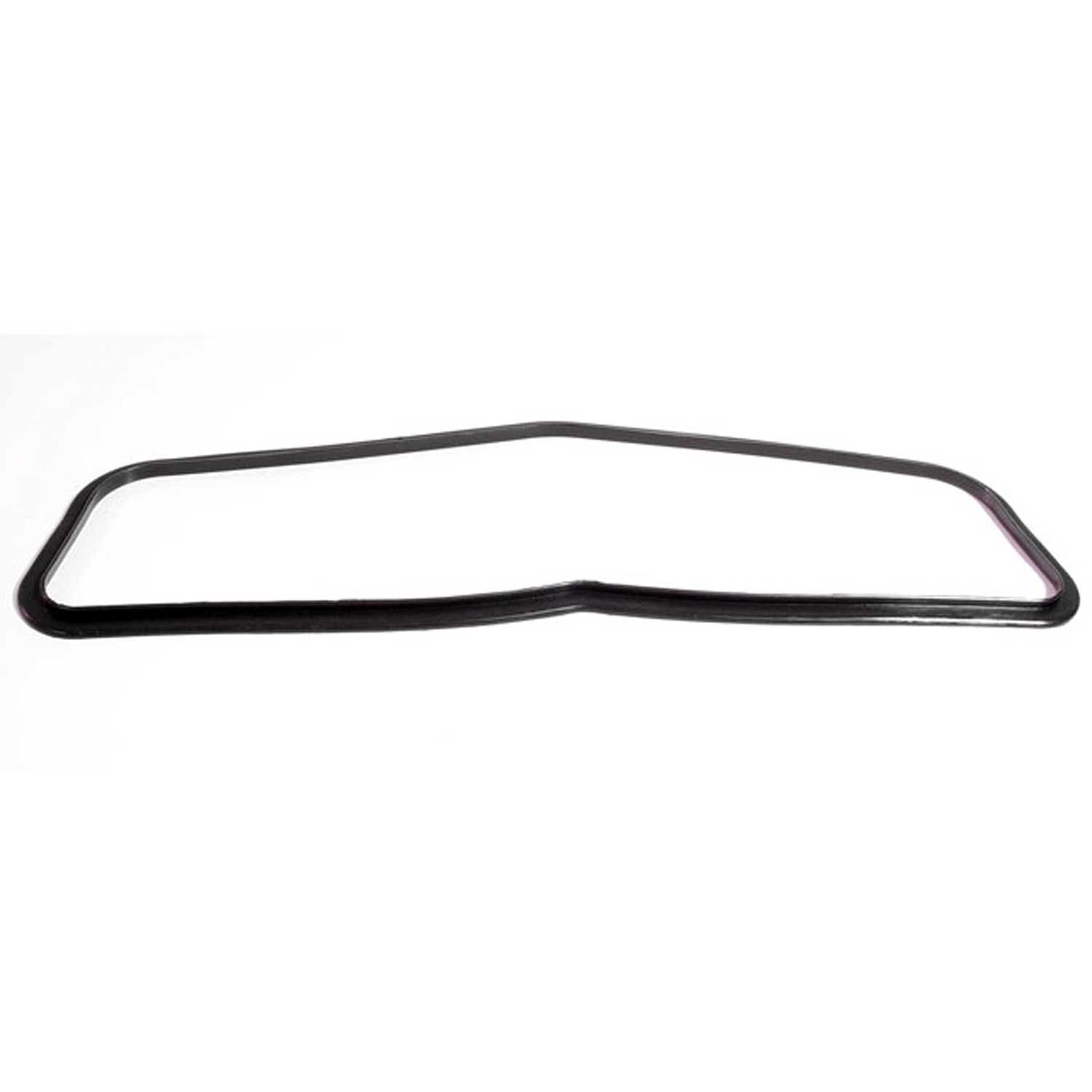 1946 Plymouth P15 Special Deluxe Cowl Vent Seal. 4" wide X 18" long. Each-RP 100-QCowl Vent Seal. 4" wide X 18" long. Each
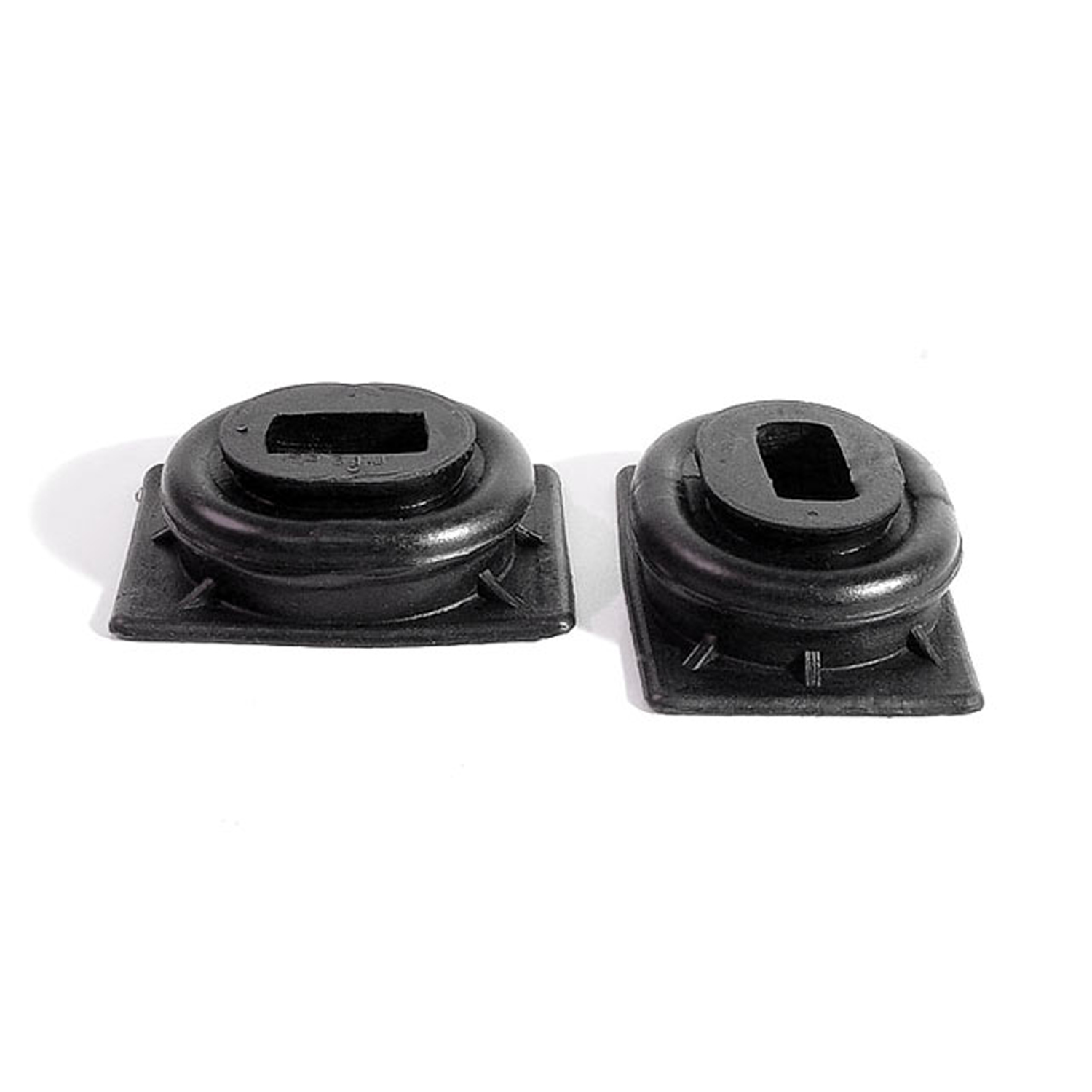 1946 Plymouth P15 Special Deluxe Clutch and Brake Seals. Replaces OEM #889473. Pair-RP 31-JClutch and Brake Seals. Replaces OEM #889473. Pair
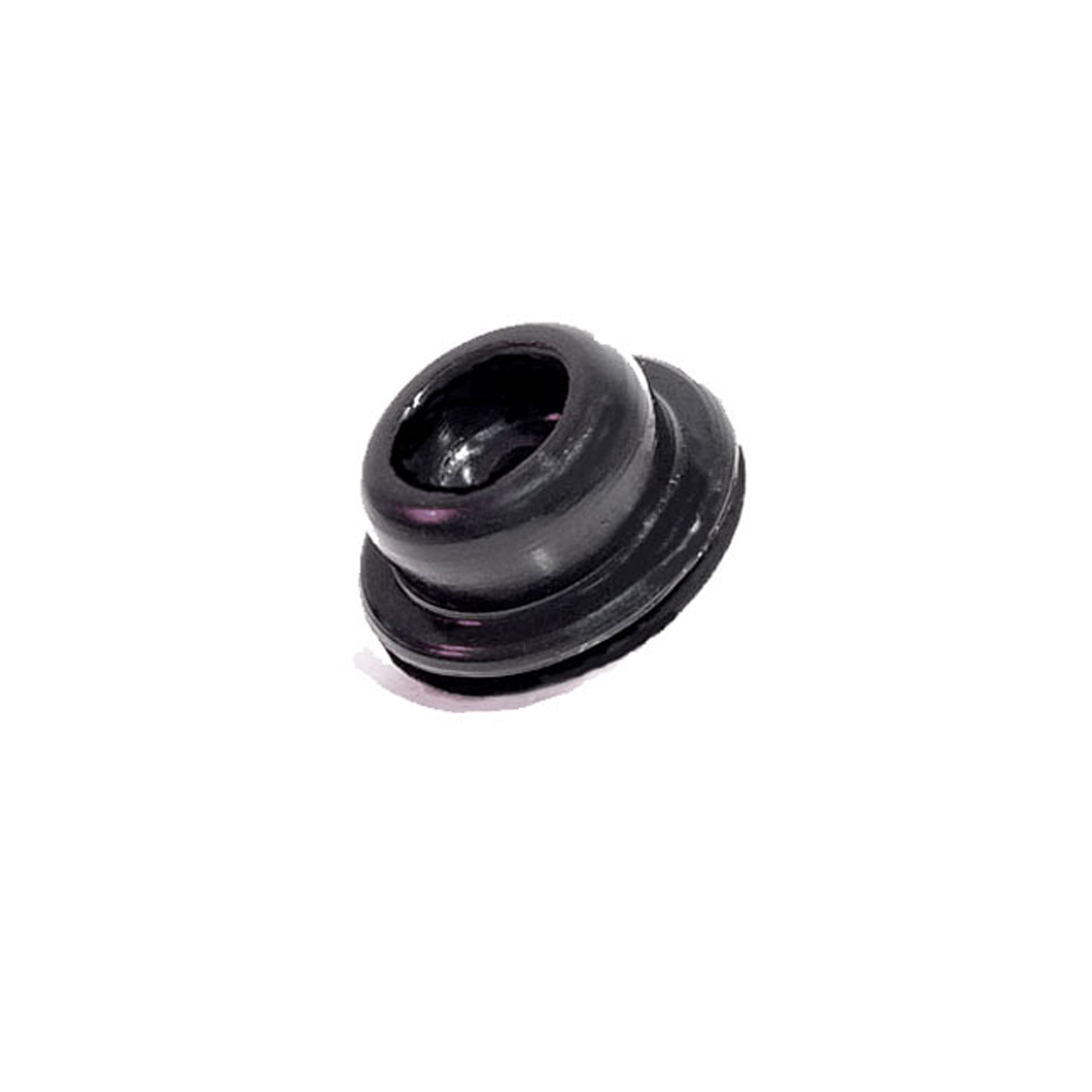 1946 Plymouth P15 Special Deluxe Accelerator Rod Grommet-SM 43-BAccelerator Rod Grommet. For accelerator rod through floorboard. Each
 1946 Plymouth P15 Special Deluxe Rear vent window seals-WR 2301-RRear vent window seals. Fits listed 4-door sedans and limousines with swing-out rear vent windows. May fit some GM models. Replaces OEM# #849153/4. Pair. R&L.
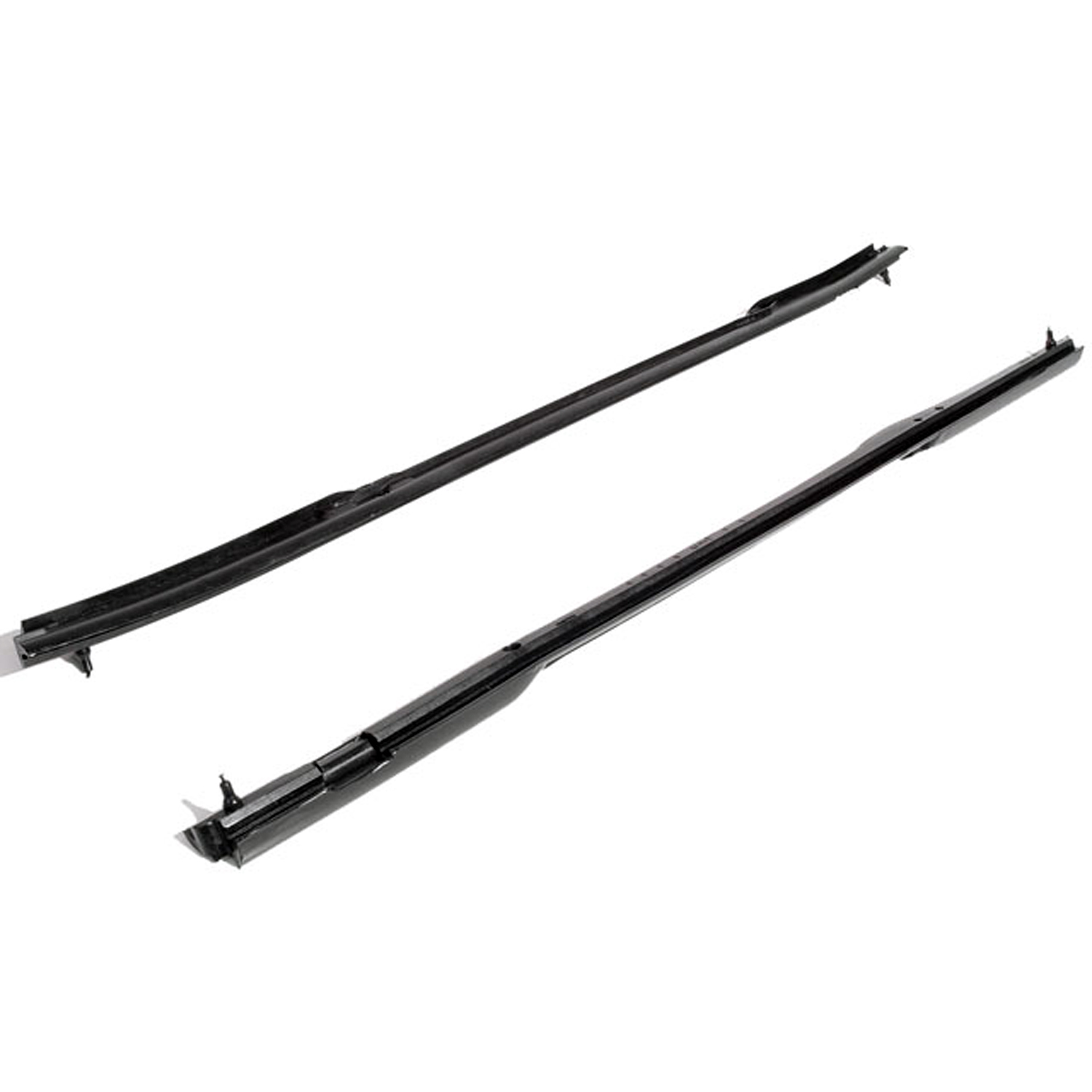 1946 Plymouth P15 Special Deluxe Front Vent Window Seals. For many closed models only-WR 2703Front Vent Window Seals. For many closed models only. Replaces OEM #977232-3. Pair R&L
Why Choose Metro?
For over 100 years, Metro Moulded Parts has been the pinnacle of quality in classic car restoration parts. Our commitment to precision and authenticity in every component ensures a perfect fit and an OEM-level appearance.
- Expert Craftsmanship & Quality: Each part is a testament to our dedication to reliability and perfection, crafted from original designs and thoroughly tested.
- Advanced Technology: We use cutting-edge techniques to create flawless, long-lasting parts that surpass others in performance.
- SuperSoft Sponge – The Ultimate Door Seal: Not only are our door seals 30% softer than competitors', but they're also guaranteed to never leak. They effectively reduce wind and road noise, enhancing your classic car's comfort and driving experience.
- Proudly American: Our parts are a product of American craftsmanship, made in the USA with a spirit of excellence and heritage.
- Unrivaled Warranty: We back our products with a 30-year industry-leading warranty, a testament to our confidence in their quality.
Join us in preserving the legacy of classic cars with parts that are crafted for perfection, not just made.