

Image of 1947 Plymouth P15 Deluxe, Note: These illustrations use artistic license and may differ from actual historical models.
Performance Metrics
Fundamental Metrics
Emotional Appeal
MMP Rating
| Engine Specifications | |
|---|---|
| Engine Options: | Inline 6 |
| Displacement Range: | 217.8 cu in (3.6 L) |
| Horsepower Range: | 95 hp |
| Torque: | Estimated 172 lb-ft |
| Compression Ratio: | 6.6:1 |
| Ignition System: | 6-volt electrical system |
| Cooling System: | Liquid-cooled |
| Performance Specifications | |
| 0-60 Time: | Estimated 20 seconds |
| 1/4 Mile Time: | Not available |
| Top Speed: | 75 mph |
| Transmission and Drive | |
| Drive Type: | Rear-wheel drive |
| Transmission Type: | 3-speed manual |
| Fuel and Efficiency | |
| Fuel System Type: | Carburetor |
| MPG: | Estimated 15-20 mpg |
| Dimensions and Brakes | |
| Brakes: | Hydraulic drum brakes |
| Wheelbase: | 117.0 in |
| Weight: | 3,125 lbs |
Note: Specifications for classic cars are given to the best of our ability, considering the limited and variant data available.
1947 Plymouth P15 Deluxe: A Postwar Classic
The 1947 Plymouth P15 Deluxe was built for a country eager to get back on the road. Its rounded fenders, upright grille, and dependable six-cylinder engine belonged to a familiar prewar design, but the car arrived in a new era of fast-growing suburbs and renewed civilian production. Built by the Chrysler Corporation, the P15 was part of Plymouth’s popular postwar lineup and offered practical transportation with a touch of style.
Its timing is part of its story. Wartime restrictions had halted civilian car production, and when factories reopened, automakers initially returned to designs developed before the war. Plymouth’s P15 carried that proven formula through the 1946 to 1948 model years. The result was not a clean-sheet modern car, but a welcome, well-equipped new car at a time when buyers had been waiting years to replace aging vehicles.
A detail that helps explain the P15’s character is its three-speed manual transmission. Buyers could also specify Plymouth’s Fluid Drive, a fluid coupling that softened engagement and reduced the need to operate the clutch in some situations. It was a step toward easier motoring, but it was not a fully automatic transmission.
P15 Styling and Cabin
The P15 Deluxe wears the unmistakable proportions of a late-1930s American sedan: a tall body, a long hood, separate-looking fenders, and a rounded roofline. At the front, a broad, upright grille gives the car a friendly but substantial expression. Chrome trim around the grille, headlamps, and bumpers adds sparkle without overwhelming the conservative shape. The rear fenders flow into the bodywork, while the tall side panels and generous glass give the car a sturdy, formal profile.
Inside, the emphasis is on comfort and durability rather than modern luxury. The wide bench seats were typically upholstered in cloth or a cloth-and-vinyl combination, with trim and patterns varying by body style and original specification. A painted metal dashboard, clear round gauges, a broad steering wheel, and simple controls make the cabin feel welcoming and easy to understand. Today, original upholstery and trim can vary considerably because many cars have been reupholstered over the decades.
Technology was straightforward for the period. The P15 used a 6-volt electrical system, hydraulic drum brakes, and a conventional front-engine, rear-wheel-drive layout. Independent front suspension helped improve comfort over rough roads, while a solid rear axle and leaf springs carried passengers and luggage. It was not an electronics-rich car, but its basic systems were familiar to mechanics and owners alike.
Factory paint choices changed across the model years and could include subdued shades such as black, gray, blue, green, and maroon. Dark colors look especially at home on the P15’s formal body, though lighter colors can make its rounded fenders and grille stand out. Buyers should check a car’s paint code or period documentation before assuming a current color is original.
P15 Deluxe body styles included sedan and coupe variations, with availability depending on the precise trim and market. The two-door and four-door sedans are among the most commonly encountered today. Plymouth’s broader postwar range also included more highly trimmed Special Deluxe models and other body styles, so it is worth checking the model identification rather than treating every 1947 Plymouth as a Deluxe.
Why the Plymouth P15 Matters
The P15’s significance lies in its role as a dependable bridge between eras. It gave postwar buyers a fresh car without asking Plymouth to gamble on an entirely new design while materials, factory capacity, and consumer demand were still returning to normal. Its styling was conservative, but that conservatism suited the moment: buyers wanted a usable family car, and Plymouth delivered one with room, comfort, and familiar mechanicals.
Compared with more expensive cars, the Deluxe offered sensible value. It did not rely on a powerful engine or elaborate gadgets to make its case. Instead, it combined a roomy cabin, a smooth-running inline six, and straightforward service requirements. That practical approach helped Plymouth remain a major player in the American market and made the P15 a representative example of the first wave of postwar family cars.
The P15 did not introduce a revolutionary technology that transformed the industry. Its lasting appeal is more grounded: it demonstrates how manufacturers adapted proven engineering to meet a huge pent-up demand for transportation. The next major styling shift arrived with Plymouth’s 1949 models, making the P15 one of the final expressions of the marque’s prewar design language.
Engine, Speed, and Road Manners
Power comes from Plymouth’s 217.8-cubic-inch (3.6-liter) flathead inline-six, commonly rated at about 95 horsepower in this period. It sends power to the rear wheels through a three-speed manual gearbox. The engine is tuned for steady, useful pulling power rather than high-revving performance, which suits the car’s role as a family sedan.
Period specifications and present-day test results vary, but a sound, stock P15 can generally reach roughly 75 to 80 mph under favorable conditions. Acceleration is leisurely by modern standards, with a 0-to-60-mph time commonly estimated in the low-to-mid 20-second range. Those figures depend on engine condition, gearing, tires, and load. The car feels happiest cruising at moderate speeds, not sprinting away from traffic lights.
On a rough road, the P15’s suspension absorbs bumps with the soft, gently floating motion expected of a late-1940s American car. The independent front suspension helps take the edge off broken pavement, while the rear leaf springs are sturdy but can feel busy when the car is unladen. On winding roads, the tall body leans and the steering takes more effort and movement than a modern driver may expect. Smooth inputs and a sensible pace bring out its best manners.
From behind the wheel, the flathead six delivers a quiet, even rumble that grows more audible under acceleration. The large steering wheel gives useful leverage, and the high seating position offers a clear view over the hood. Braking, steering, and shifting all require more deliberate effort than in a contemporary car. Driving a P15 is less about speed than enjoying its measured pace and mechanical character.
Living With a 1947 Plymouth
Most P15s today are used as weekend drivers, touring cars, and show vehicles. Their roomy interiors and relaxed cruising style make them suitable for local events and back-road trips, provided the car has been properly maintained. They are not common choices for racing, and their age, drum brakes, and modest power make modern highways and heavy traffic less comfortable than they are in a newer vehicle.
Routine maintenance is relatively approachable for an owner with basic mechanical experience. The flathead six has a simple layout, and many service tasks can be handled with ordinary tools. Parts support remains available through specialist suppliers and the large vintage-Mopar community, although trim pieces, correct interior materials, and body-specific parts can take more searching. A pre-purchase inspection should include the cooling system, engine compression, clutch and gearbox, brake hydraulics, steering wear, and the condition of the body and frame.
Reliability depends less on the car’s reputation than on its present condition. A well-maintained P15 can be dependable for regular local use, but neglected fuel, electrical, cooling, and brake systems are common sources of trouble in any car approaching 80 years old. Before driving one far, inspect the tires and all brake components, and consider upgrading discreetly where safety and intended use require it. Original 6-volt systems can work well when clean and correctly maintained.
P15 Facts and Common Myths
The 1947 Plymouth was part of a broader postwar production boom. Demand for new cars was exceptionally strong after years of wartime restrictions, and Plymouth’s established reputation for practical value helped attract buyers. The P15 itself is not known for a major speed record or a defining celebrity association. Its historical interest comes from representing the everyday American car of the immediate postwar years.
Exact production totals for the P15 Deluxe alone are not consistently reported in commonly available model summaries. Plymouth built hundreds of thousands of cars across its postwar model range, so the P15 is not rare in the same way as a limited-production luxury car. Individual body styles, especially cars with unusual original equipment or exceptionally well-preserved trim, can be much harder to find than the model name suggests.
The most frequent criticism is also part of the car’s appeal: the design and driving experience are old-fashioned. The P15 is slow, has drum brakes, and asks its driver to work the steering and transmission. It also lacks modern crash protection and convenience features. For collectors seeking a comfortable, easygoing period car, those qualities are part of the experience; for drivers expecting modern performance, they can be a drawback.
Collector Values and Availability
As a broad U.S. market estimate, a project-quality 1947 Plymouth P15 Deluxe may sell for around $2,000 to $8,000, depending on completeness and rust. A usable driver often falls in the $8,000 to $18,000 range, while a well-restored or particularly attractive example may reach roughly $20,000 to $35,000. Exceptional cars can exceed that range, while condition, originality, body style, and documentation have a major effect on price. These are general estimates, not a formal appraisal.
P15s are available often enough that patient buyers can usually find a sedan, but the best-preserved examples are increasingly scarce. Model-specific production figures are difficult to pin down, so any estimate for the Deluxe alone should be treated cautiously. The model was produced in substantial numbers as part of Plymouth’s mass-market range, and surviving cars are far more common than their age might suggest.
Values tend to reward condition and originality rather than dramatic year-to-year appreciation. A clean, correctly restored car can command a healthy premium, but restoration costs may exceed the finished car’s market value. Over the long term, well-kept examples are likely to remain desirable among Mopar enthusiasts and fans of postwar Americana, while rough projects may be slow to appreciate.
The Appeal of the 1947 Plymouth Deluxe
The 1947 Plymouth P15 Deluxe is a practical piece of postwar history: a roomy, sturdy car shaped by familiar engineering and renewed civilian demand. Its flathead six, simple cabin, and rounded styling capture an era when comfort and dependable transportation mattered more than outright speed.
It may not be the rarest or fastest classic on the road, but the P15 has something more quietly compelling: it lets you experience the optimistic return to normal life after the war, one unhurried mile at a time.
1947 Plymouth P15 Deluxe Catalog of Parts
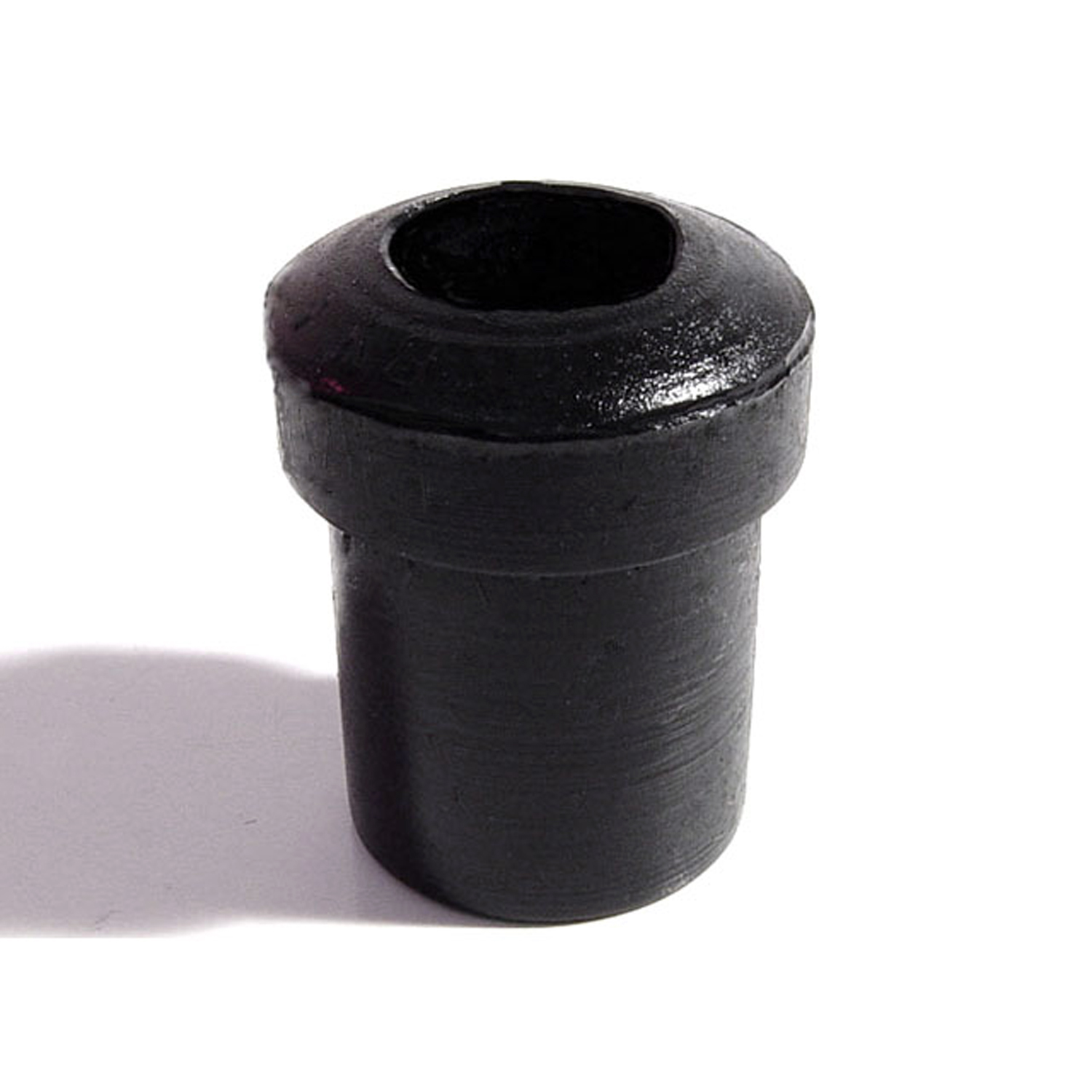 1947 Plymouth P15 Deluxe Spring and Shackle Bushing. 7/8" bottom O.D-BN 16Spring and Shackle Bushing. 7/8" bottom O.D. X 1-1/8" high, with 1/2" I.D. Each
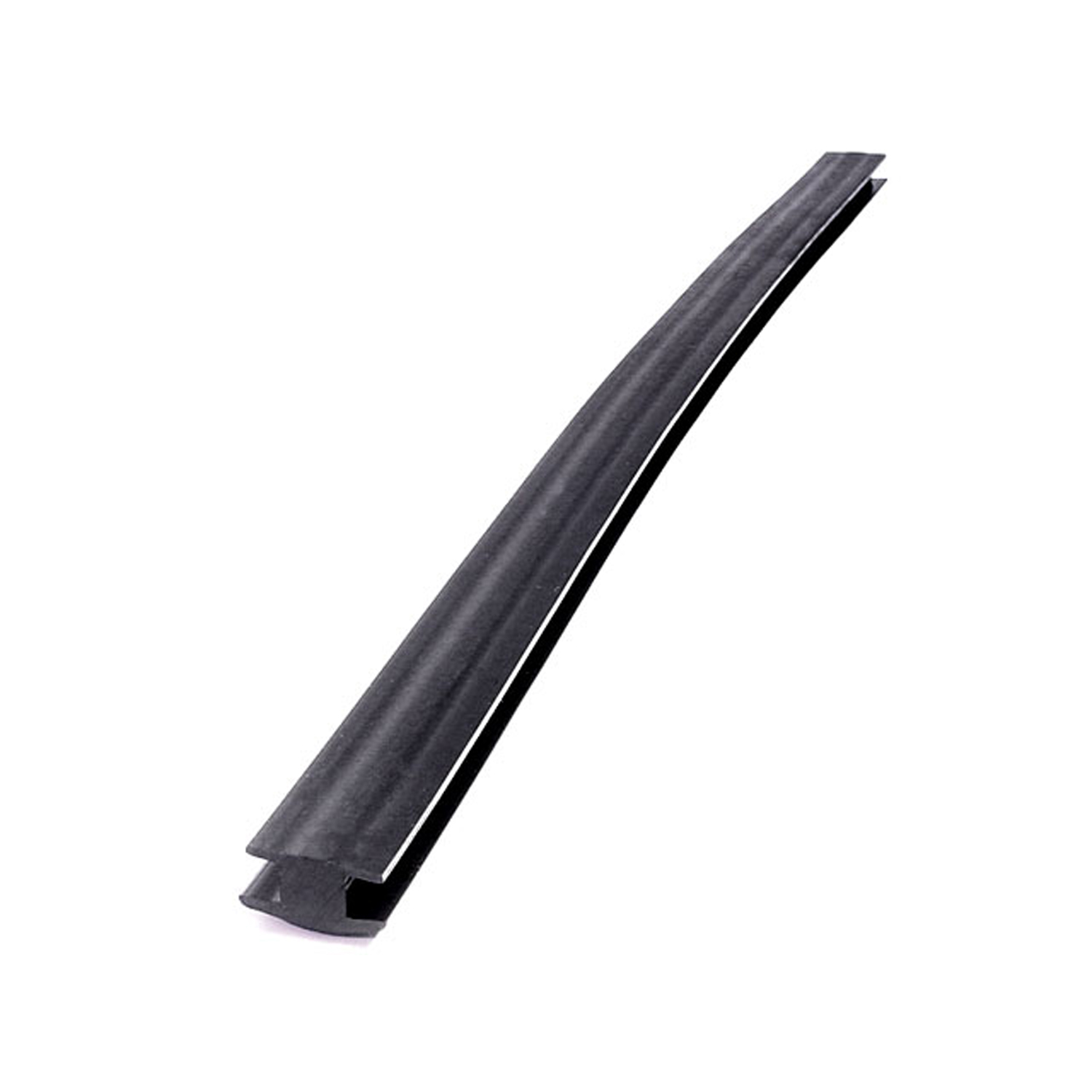 1947 Plymouth P15 Deluxe Windshield Center Bar Gasket. 20" long. Each-DP 12Windshield Center Bar Gasket. 20" long. Each
 1947 Plymouth P15 Deluxe Hood Corners. Fits flat corners-HC 19Hood Corners. Fits flat corners. 80° angle, 1/4" to 3/8" corner radius. 1-3/8" wide. Pair
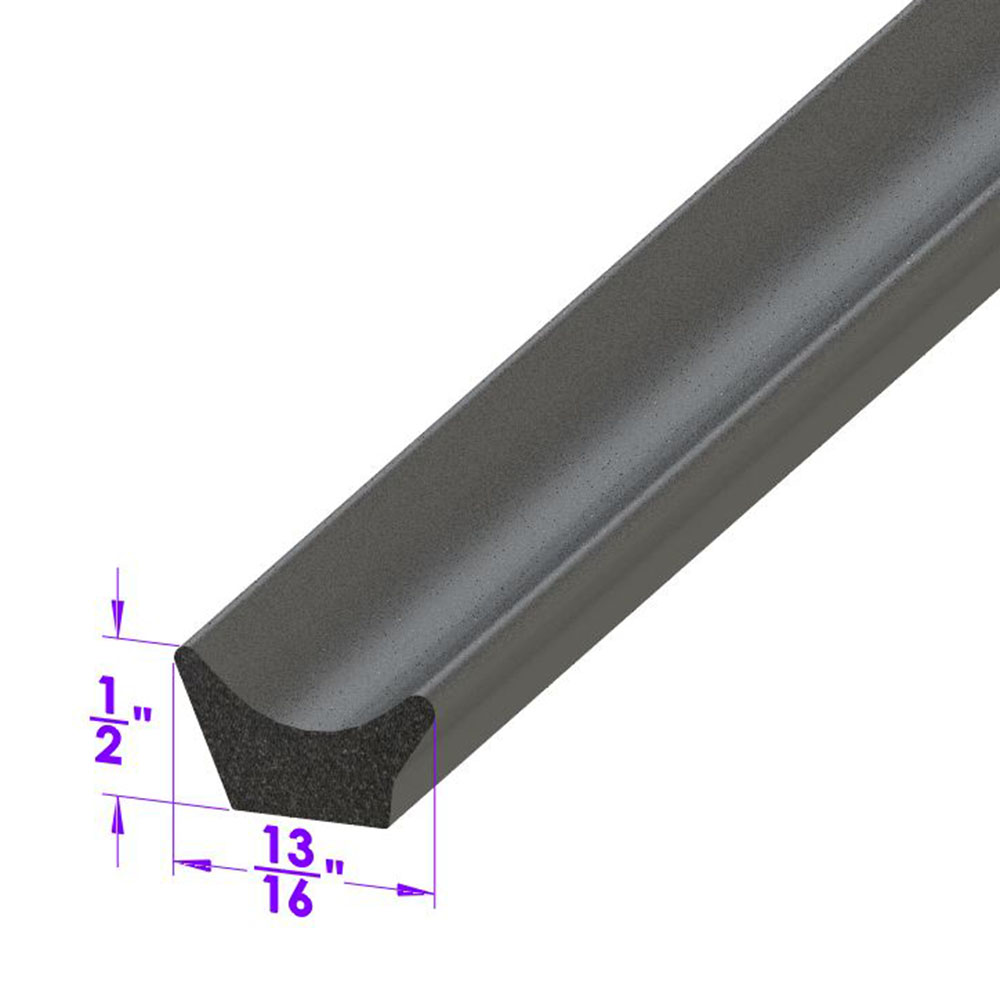 1947 Plymouth P15 Deluxe Door side seal. Same as LP 40, but for a lighter seal-LP 40-ADoor side seal. Same as LP 40, but for a lighter seal. Fits many domestic passenger cars and trucks. Universal seal for street rods and customs. Used in Cobra kit cars as door weatherstrip. Per foot.
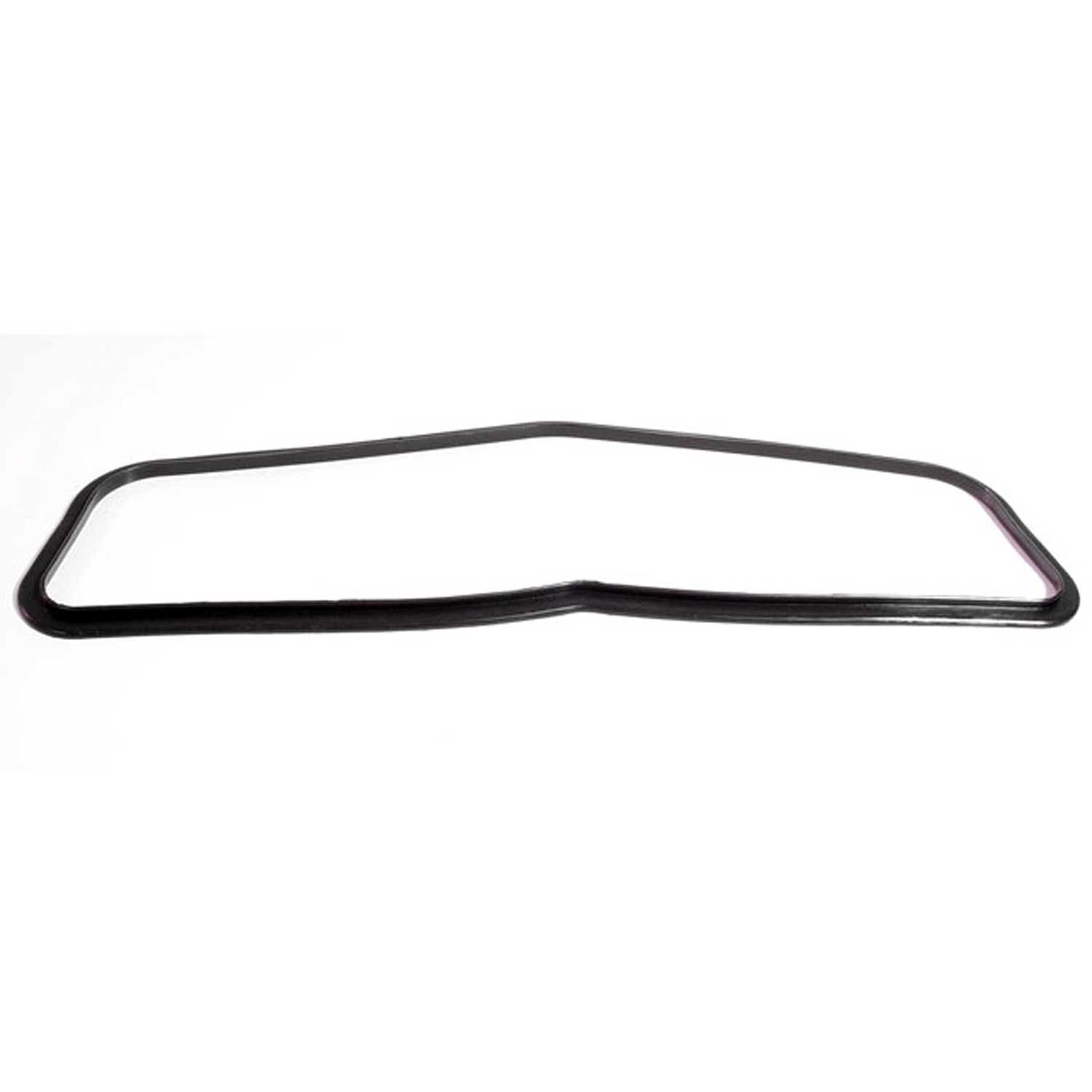 1947 Plymouth P15 Deluxe Cowl Vent Seal. 4" wide X 18" long. Each-RP 100-QCowl Vent Seal. 4" wide X 18" long. Each
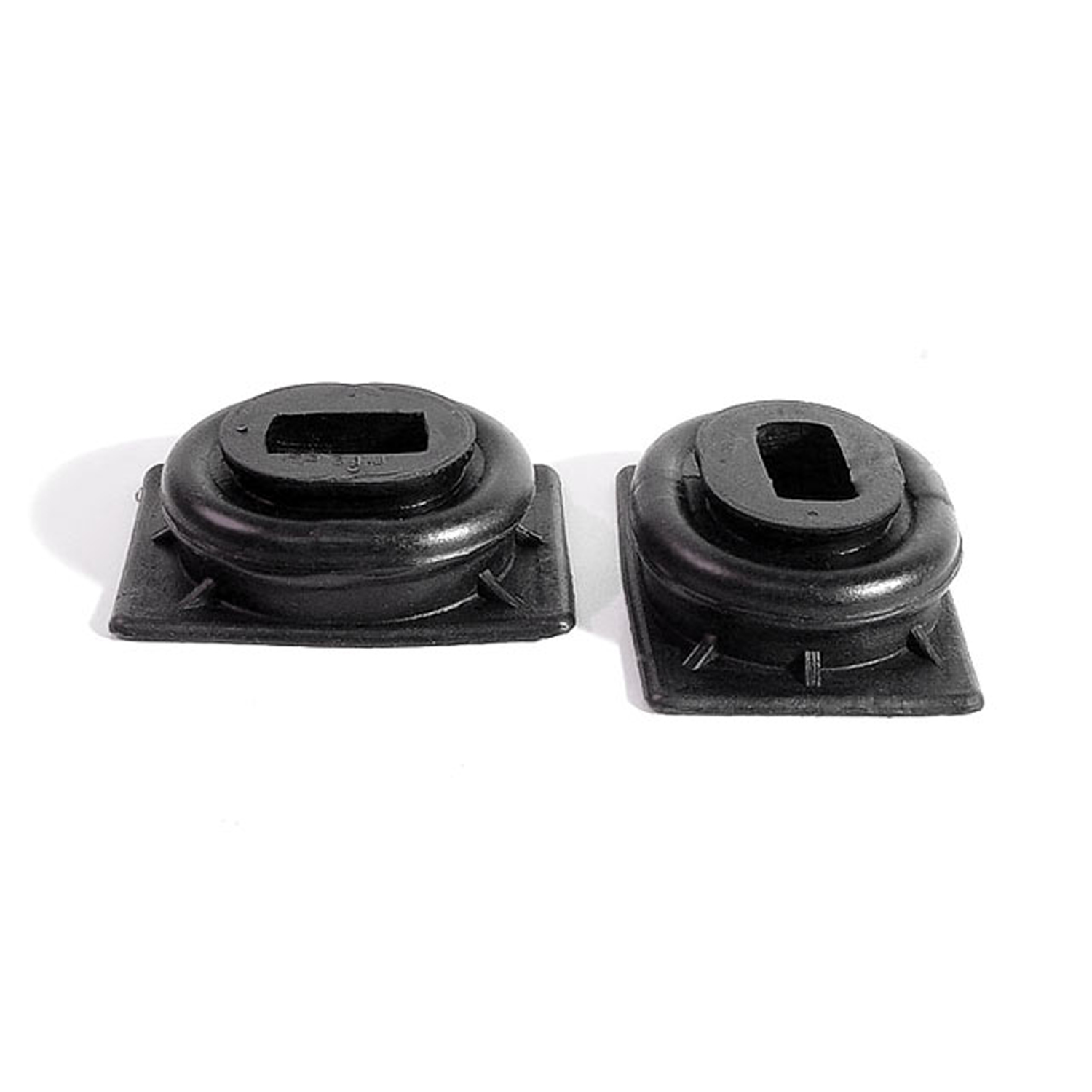 1947 Plymouth P15 Deluxe Clutch and Brake Seals. Replaces OEM #889473. Pair-RP 31-JClutch and Brake Seals. Replaces OEM #889473. Pair
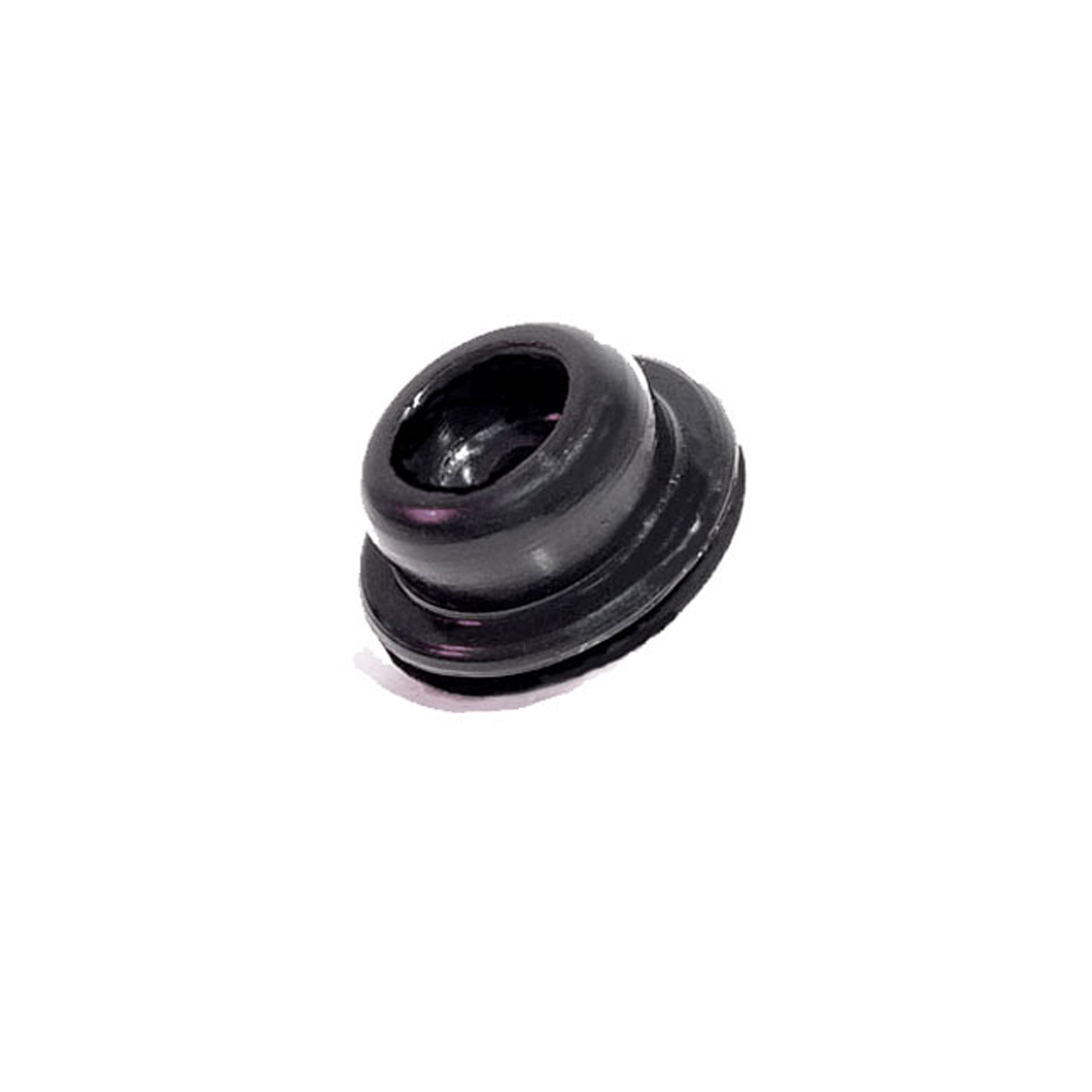 1947 Plymouth P15 Deluxe Accelerator Rod Grommet-SM 43-BAccelerator Rod Grommet. For accelerator rod through floorboard. Each
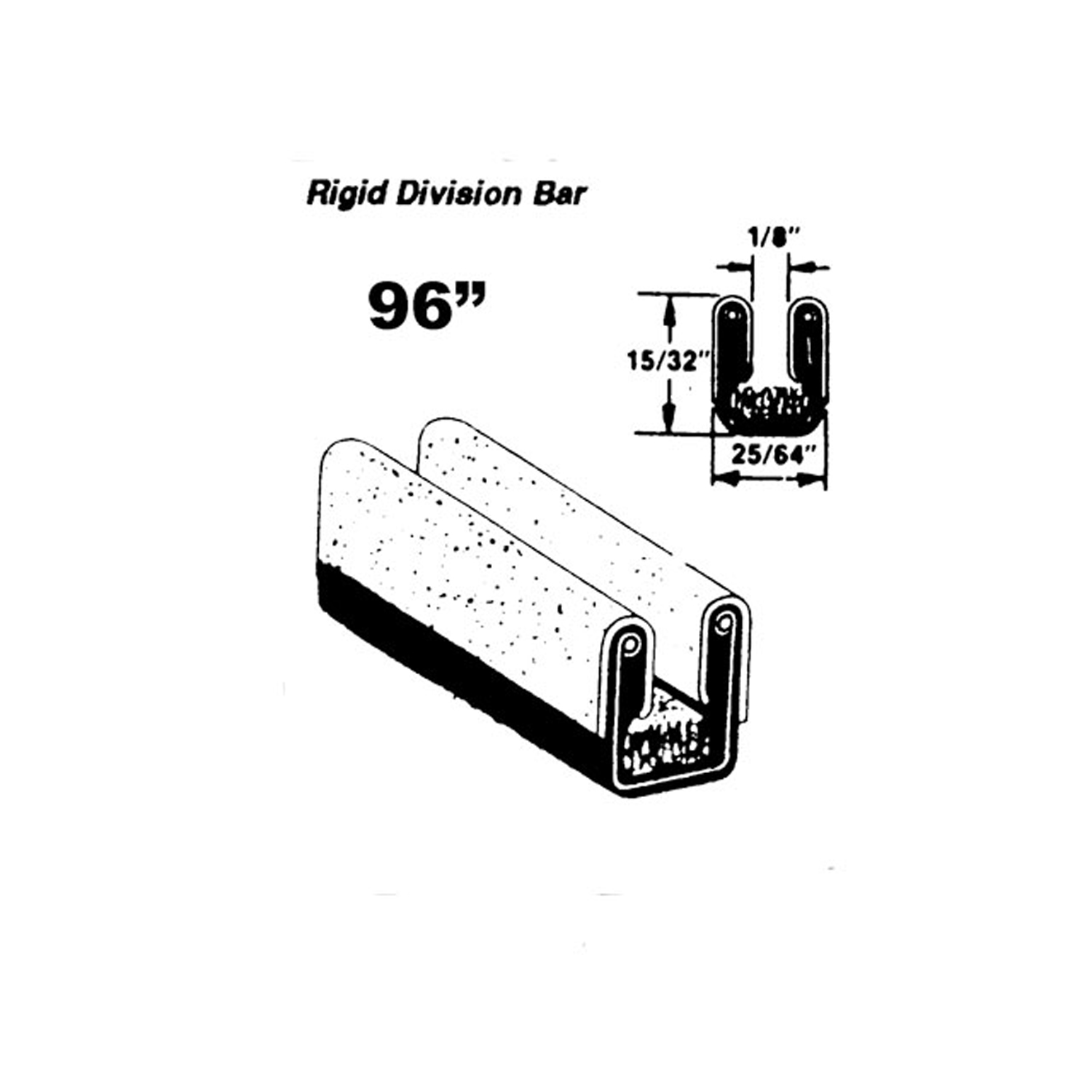 1947 Plymouth P15 Deluxe Rigid division-bar run channel-WC 31-96Rigid division-bar run channel. Made with very soft felt lining. Used on front and rear door side windows. 96 in. long. Each. NOTE: $20 special shipping charge applies for domestic orders. Call or email for overseas shipping costs. Part can be sectioned in two or three equal lengths to reduce overseas shipping costs.
 1947 Plymouth P15 Deluxe Rear vent window seals-WR 2301-RRear vent window seals. Fits listed 4-door sedans and limousines with swing-out rear vent windows. May fit some GM models. Replaces OEM# #849153/4. Pair. R&L.
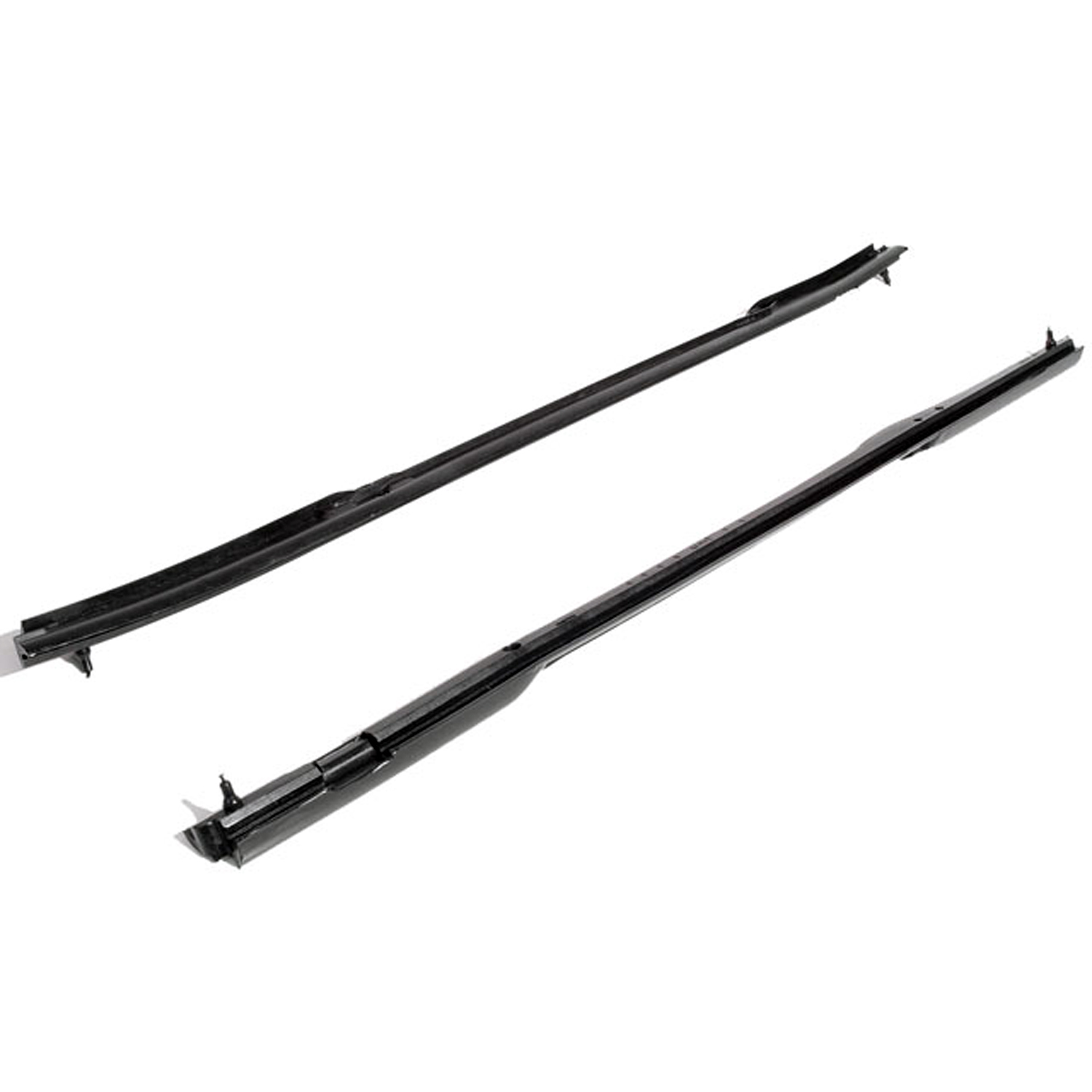 1947 Plymouth P15 Deluxe Front Vent Window Seals. For many closed models only-WR 2703Front Vent Window Seals. For many closed models only. Replaces OEM #977232-3. Pair R&L
Why Choose Metro?
For over 100 years, Metro Moulded Parts has been the pinnacle of quality in classic car restoration parts. Our commitment to precision and authenticity in every component ensures a perfect fit and an OEM-level appearance.
- Expert Craftsmanship & Quality: Each part is a testament to our dedication to reliability and perfection, crafted from original designs and thoroughly tested.
- Advanced Technology: We use cutting-edge techniques to create flawless, long-lasting parts that surpass others in performance.
- SuperSoft Sponge – The Ultimate Door Seal: Not only are our door seals 30% softer than competitors', but they're also guaranteed to never leak. They effectively reduce wind and road noise, enhancing your classic car's comfort and driving experience.
- Proudly American: Our parts are a product of American craftsmanship, made in the USA with a spirit of excellence and heritage.
- Unrivaled Warranty: We back our products with a 30-year industry-leading warranty, a testament to our confidence in their quality.
Join us in preserving the legacy of classic cars with parts that are crafted for perfection, not just made.