

Image of 1948 Plymouth P15 Deluxe, Note: These illustrations use artistic license and may differ from actual historical models.
Performance Metrics
Fundamental Metrics
Emotional Appeal
MMP Rating
| Engine Specifications | |
|---|---|
| Engine: | Inline 6 |
| Displacement: | 217.8 cu in (3.6 L) |
| Horsepower: | 95 hp |
| Torque: | Estimated 175 lb-ft |
| Compression Ratio: | 6.6:1 |
| Ignition System: | 6-volt electrical system |
| Cooling System: | Liquid-cooled |
| Performance Specifications | |
| 0-60 Time: | Estimated 20 seconds |
| 1/4 Mile Time: | Not available |
| Top Speed: | 75 mph |
| Transmission and Drive | |
| Drive Type: | Rear-wheel drive |
| Transmission Type: | 3-speed manual |
| Fuel and Efficiency | |
| Fuel System Type: | Carburetor |
| MPG: | Estimated 15-20 mpg |
| Dimensions and Brakes | |
| Brakes: | Hydraulic drum brakes |
| Wheelbase: | 117.0 in |
| Weight: | 3,125 lbs |
Note: Specifications for classic cars are given to the best of our ability, considering the limited and variant data available.
1948 Plymouth P15 Deluxe: A Postwar American Classic
The 1948 Plymouth P15 Deluxe brought dependable, no-nonsense motoring to a country eager to get back on the road after World War II. Built by the Chrysler Corporation, the P15 continued a familiar prewar formula: a roomy steel body, a sturdy flathead six-cylinder engine, and practical engineering aimed at everyday drivers rather than speed seekers.
The P15 designation covered Plymouth’s 1946 to 1948 cars, with Deluxe and better-equipped Special Deluxe versions. The 1948 model was part of the last wave of Plymouths based on the marque’s prewar design. A fully redesigned generation followed for 1949, making the P15 a snapshot of the transition from wartime production to the modern postwar car market.
One appealing detail is that this was not a rare, exotic machine when new. Plymouth built cars in large numbers, and the P15’s purpose was to serve ordinary families. Its significance comes from that everyday role: it helped put reliable transportation within reach during a period of booming demand and limited supplies of new cars.
P15 Styling and Cabin Design
The P15 has the rounded, substantial look of a late-1940s American car. Its upright front end is framed by rounded fenders, with a broad grille of horizontal bars and a prominent hood ornament. The headlamps sit neatly in the front fenders, while the flowing body sides and gently curved roof give the car a softer profile than the sharp-edged designs that would become common later in the 1950s.
Inside, the P15 is straightforward and welcoming. A wide front bench seat, generous windows, and simple instrument layout make the cabin feel open. Upholstery was typically cloth, with trim and materials varying by body style and equipment. The dashboard combines painted metal with bright trim and easy-to-read gauges. It is not lavish by modern luxury standards, but the durable materials and uncluttered layout suit the car’s practical character.
Exterior paint choices varied by model year, market, and production availability. Buyers could find sober shades such as black, gray, and dark blue, as well as richer colors including maroon and green. Dark, conservative colors remain especially familiar on surviving cars, although a well-preserved example in a period-appropriate brighter shade can be a standout at a show.
Plymouth offered the P15 range in several body styles, including two-door and four-door sedans, a business coupe, and a club coupe. Availability and trim depended on the specific Deluxe or Special Deluxe configuration. The four-door sedan is among the most recognizable and practical versions today, while the coupe’s shorter, more personal profile gives it extra curb appeal. Convertible and station wagon models were associated with the broader Plymouth range, generally in higher trim, and should not automatically be assumed to be P15 Deluxe models.
Simple Technology, Built to Last
The P15 was evolutionary rather than revolutionary, but it had features that made sense for its time. Its 217.8-cubic-inch L-head, or flathead, inline-six used a simple design with the valves located in the block. For 1948, output was about 95 horsepower. A three-speed manual transmission was standard, and some cars could be equipped with Chrysler’s Fluid Drive coupling. Fluid Drive softened the connection between engine and gearbox, but it was not a modern automatic transmission: the driver still had gears to select.
Other practical hardware included independent front suspension with coil springs, a leaf-sprung rear axle, and hydraulic drum brakes. The car’s conventional mechanical layout made it familiar to service stations and home mechanics. Its 6-volt electrical system and vacuum-operated windshield wipers also reflect the era, and are reminders that maintaining a vintage car involves more than simply changing the oil.
Why the 1948 Plymouth Matters
The P15 did not introduce a headline-making styling trend or a breakthrough powertrain. Its importance lies in how well it delivered the essentials. Plymouth offered a spacious, comfortable car with sound engineering at a price below many of its larger competitors. That combination helped the brand appeal to buyers who wanted more room and presence than a small car, without paying for an upscale make.
The P15 also represents the cautious first years of postwar car production. Automakers initially returned to familiar designs while factories, suppliers, and customers adjusted to peacetime production. Plymouth’s 1949 redesign marked a cleaner break with the prewar past. As a result, the 1948 car is both a product of continuity and a final chapter before a new styling era.
Performance and Road Manners
The P15’s flathead six was designed for steady, dependable progress, not quick acceleration. Period gearing and the engine’s modest output mean a 0-to-60 mph run generally takes roughly 22 to 25 seconds, depending on condition, gearing, load, and how the test is conducted. A healthy car may reach approximately 75 to 80 mph, though sustained high-speed driving is not where this Plymouth feels most at home.
On ordinary roads, the car rewards a relaxed pace. The suspension absorbs many bumps with a soft, gently floating motion, and the long wheelbase helps it feel settled on the highway. Narrow tires and manual steering require more effort than a modern car, particularly at parking speeds. On winding roads, the P15 is best driven smoothly rather than pushed hard. Its body leans through corners, and its drum brakes need more anticipation than contemporary disc systems.
From behind the wheel, the experience is tactile and mechanical. The driver works the clutch and gear lever, listens to the engine’s even six-cylinder burble, and feels the road through a tall, broad steering wheel. The cabin is not isolated from the world: wind noise, tire sounds, and engine vibration are part of the vintage-car soundtrack. The P15 feels most enjoyable when driven at a calm, unhurried pace.
Owning and Maintaining a P15
Today, a 1948 Plymouth can serve as a weekend cruiser, a local show car, or a family-friendly classic for parades and club events. A well-sorted example can handle occasional longer trips, but it is not ideal for modern commuting in fast, dense traffic. Its limited braking performance, slower acceleration, and lack of current safety equipment call for a defensive driving style.
Routine maintenance is relatively approachable for an owner comfortable with older cars. The flathead engine is mechanically simple, and many repairs can be completed with ordinary tools and a period service manual. Common attention points include the cooling system, ignition points, carburetor, valve clearances, fuel lines, and aging rubber parts. Brake cylinders, hoses, and the master cylinder deserve particular care, as does the condition of the wiring and 6-volt charging system.
Parts support is generally reasonable for common service items, though trim, body panels, and model-specific interior pieces can take more searching. As with any postwar car, condition matters more than the reputation for simplicity. A neglected example can require extensive work on the body, brakes, electrical system, and engine before it is safe and dependable on the road.
P15 Facts and Common Criticisms
The P15 is not known for a special high-performance edition or a major speed record. Its story is more closely tied to the postwar American production boom and Plymouth’s broad appeal than to celebrity ownership or competition history. Plymouth built cars in substantial numbers, which helped establish the model as familiar transportation in its day and gives enthusiasts a better chance of finding one now than many low-volume classics.
Criticisms are predictable but fair: the car is slow by modern standards, its drum brakes require planning, and its styling is more conservative than the flashy designs that followed. Some drivers also find the manual steering heavy at low speeds. Those traits are part of the period experience, but they can be drawbacks for anyone expecting a classic to behave like a newer car.
Collector Values and Availability
There is no dependable single production figure for every 1948 P15 Deluxe body and trim combination. Plymouth’s overall 1948 output was very large, and a reasonable broad estimate is that several hundred thousand P15-series cars were built across the model range. The Deluxe was a volume model, not a limited edition. Survivors are far less common than original production totals suggest, but sedans and coupes still appear on the market from time to time.
As a broad 2026 U.S. market estimate, a project car may sell for about $3,000 to $8,000. A usable driver in sound condition might fall around $10,000 to $20,000, while a very well-restored or unusually well-preserved example could bring roughly $25,000 to $40,000. Exceptional cars, rare body styles, and high-quality restorations can exceed that range, while worn or incomplete cars can sell for less. These are approximate figures, not a substitute for comparing recent sales and inspecting the car in person.
Values tend to depend heavily on condition, originality, body style, and the quality of any restoration. The P15 has a loyal following, but it is not generally among the most aggressively priced American classics. Prices for solid examples have been relatively steady, with the best cars holding their appeal better than average sedans. Buyers should budget for mechanical and bodywork needs rather than relying on a low asking price alone.
The Last Word on the 1948 Plymouth
The 1948 Plymouth P15 Deluxe is a practical, personable classic with rounded postwar styling, a durable flathead six, and a cabin built for comfortable everyday travel. It does not offer modern speed or technology, but it delivers a direct connection to the era when simple, dependable family cars were central to American life.
For collectors who value character over horsepower, the P15 makes a compelling case: it is not just a survivor from the postwar boom, but a reminder of how an honest, well-engineered car helped a generation get moving again.
1948 Plymouth P15 Deluxe Catalog of Parts
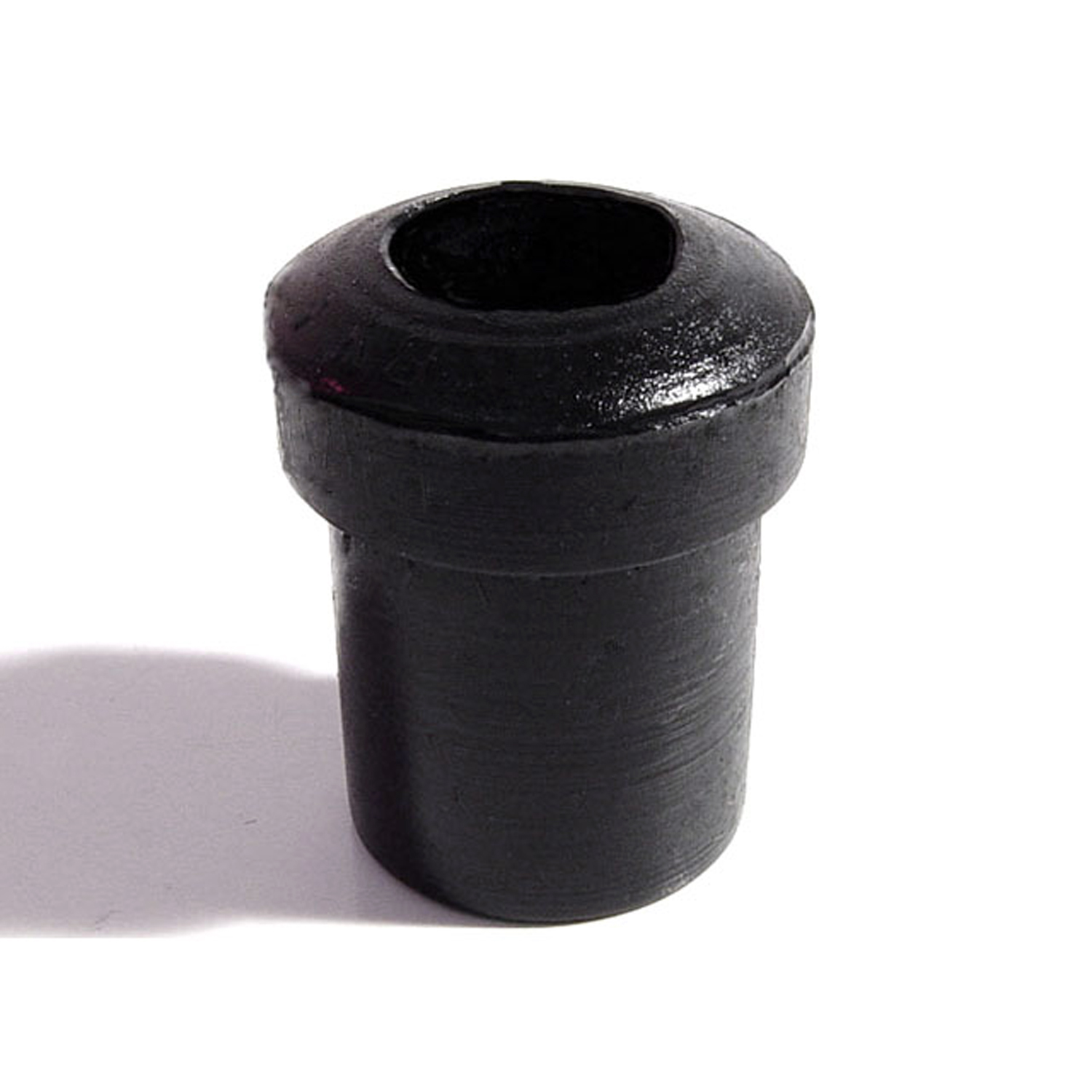 1948 Plymouth P15 Deluxe Spring and Shackle Bushing. 7/8" bottom O.D-BN 16Spring and Shackle Bushing. 7/8" bottom O.D. X 1-1/8" high, with 1/2" I.D. Each
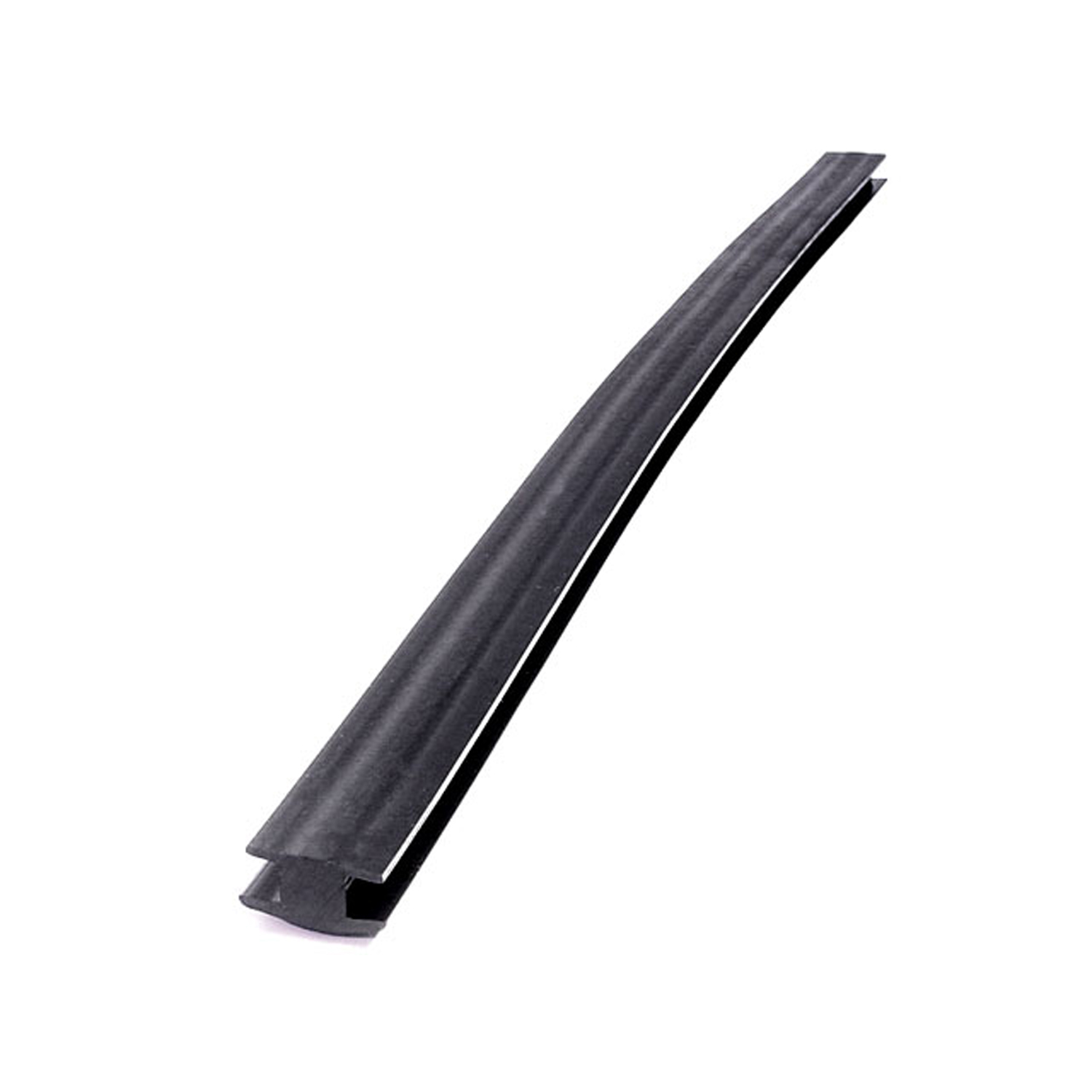 1948 Plymouth P15 Deluxe Windshield Center Bar Gasket. 20" long. Each-DP 12Windshield Center Bar Gasket. 20" long. Each
 1948 Plymouth P15 Deluxe Hood Corners. Fits flat corners-HC 19Hood Corners. Fits flat corners. 80° angle, 1/4" to 3/8" corner radius. 1-3/8" wide. Pair
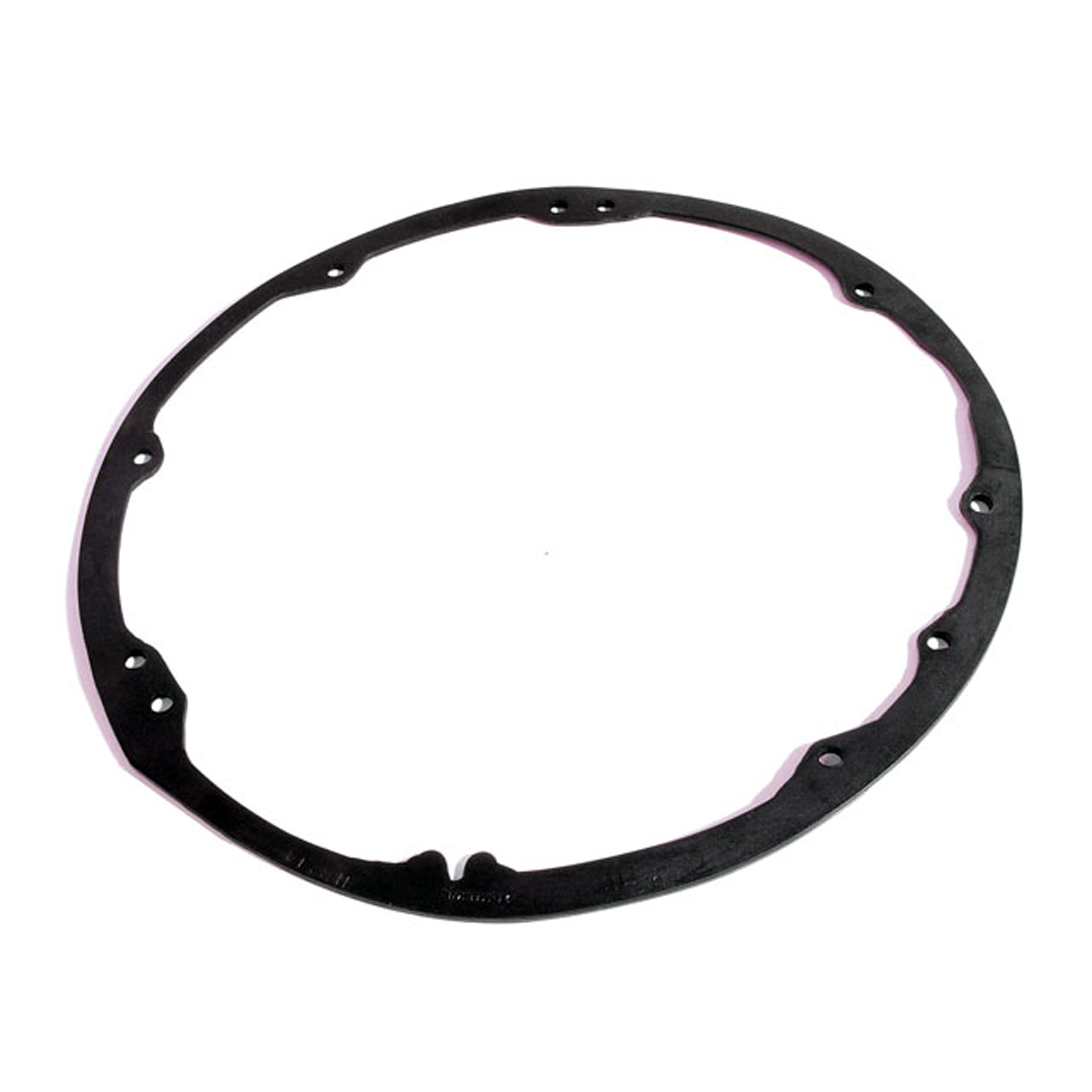 1948 Plymouth P15 Deluxe Headlight Ring Seal. 8-3/8" O.D., 7-3/4" I.D. Pair-HR 14Headlight Ring Seal. 8-3/8" O.D., 7-3/4" I.D. Pair
 1948 Plymouth P15 Deluxe Door side seal. Same as LP 40, but for a lighter seal-LP 40-ADoor side seal. Same as LP 40, but for a lighter seal. Fits many domestic passenger cars and trucks. Universal seal for street rods and customs. Used in Cobra kit cars as door weatherstrip. Per foot.
 1948 Plymouth P15 Deluxe Antenna Pad. 1-5/8" wide X 1-3/4" long. Each-MP 959-AAntenna Pad. 1-5/8" wide X 1-3/4" long. Each
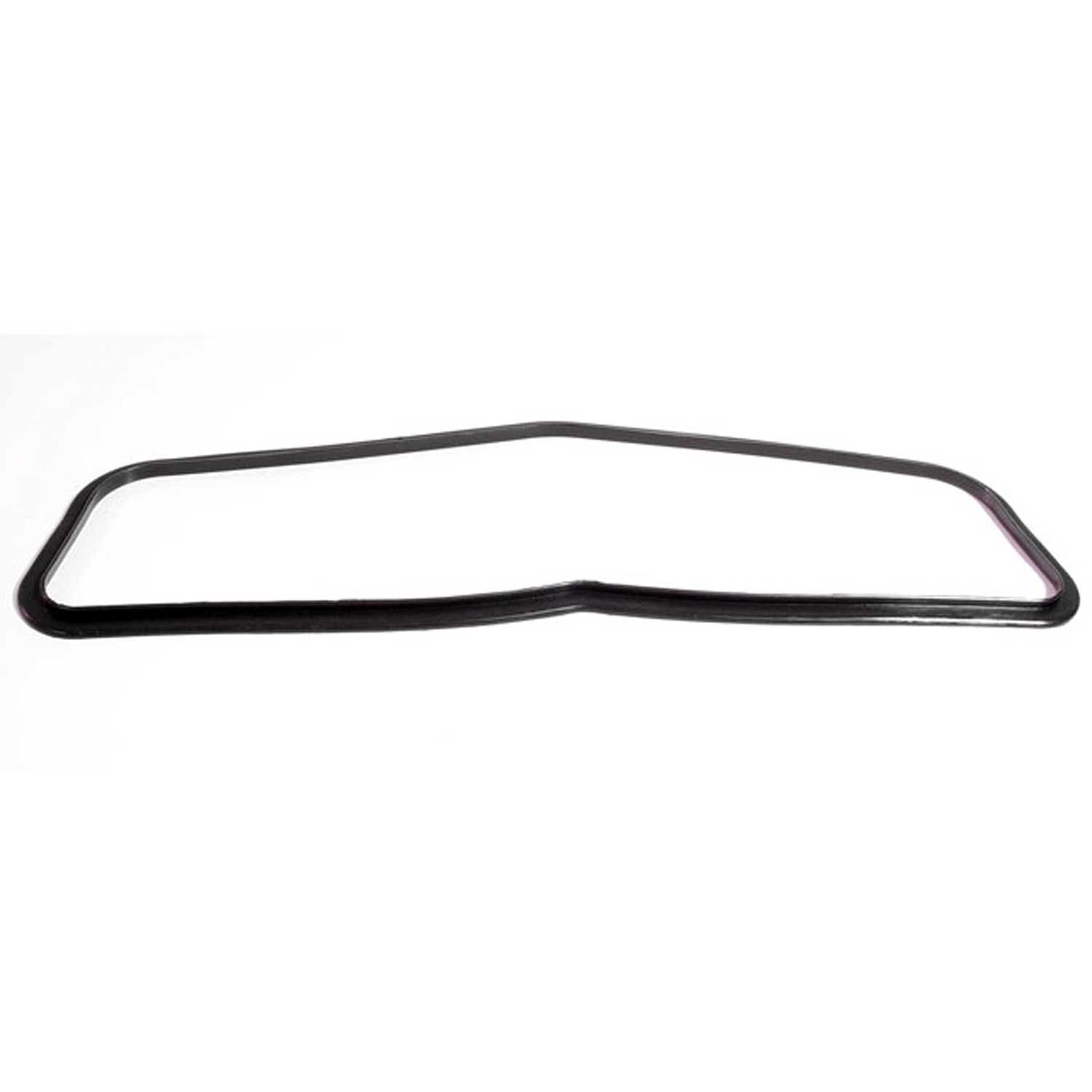 1948 Plymouth P15 Deluxe Cowl Vent Seal. 4" wide X 18" long. Each-RP 100-QCowl Vent Seal. 4" wide X 18" long. Each
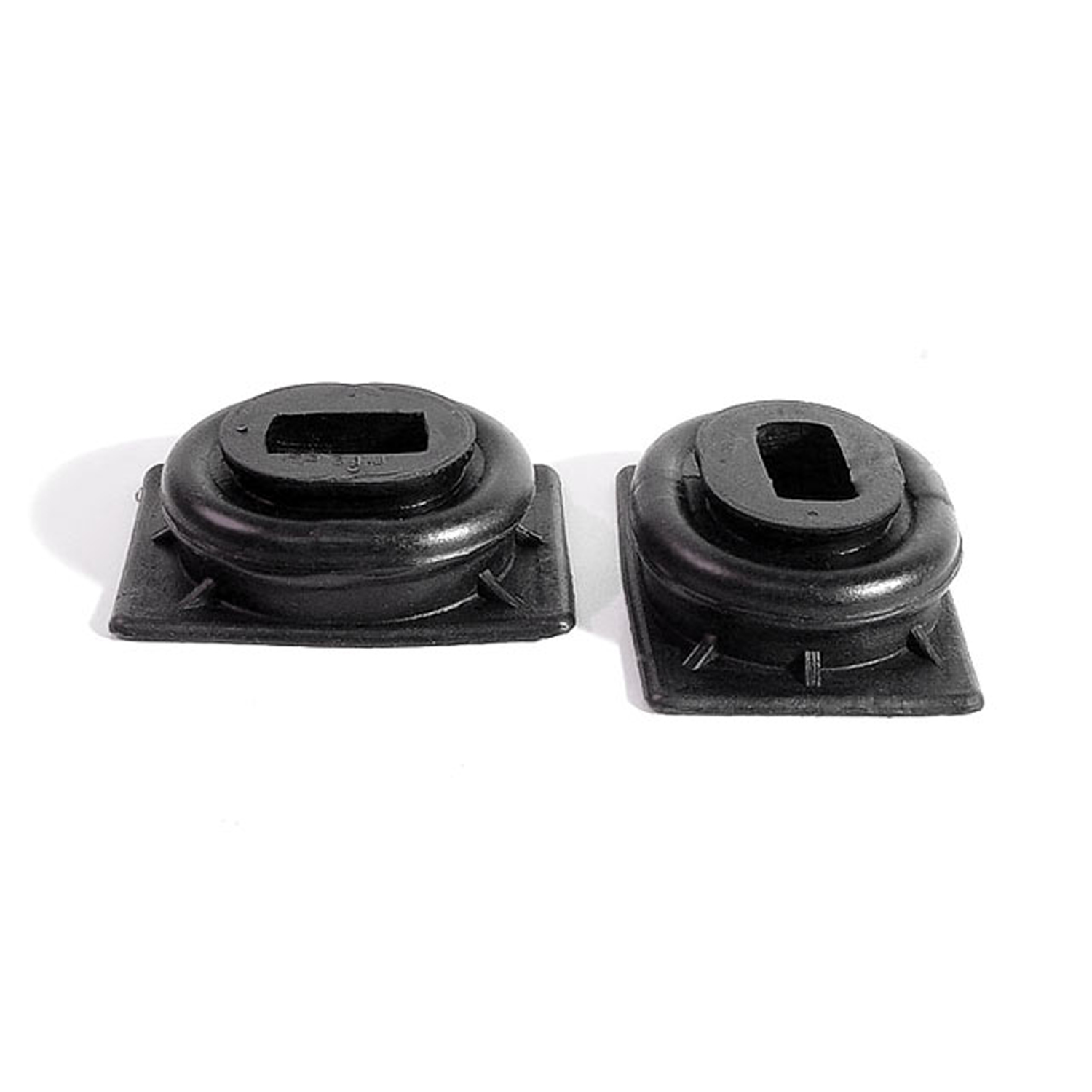 1948 Plymouth P15 Deluxe Clutch and Brake Seals. Replaces OEM #889473. Pair-RP 31-JClutch and Brake Seals. Replaces OEM #889473. Pair
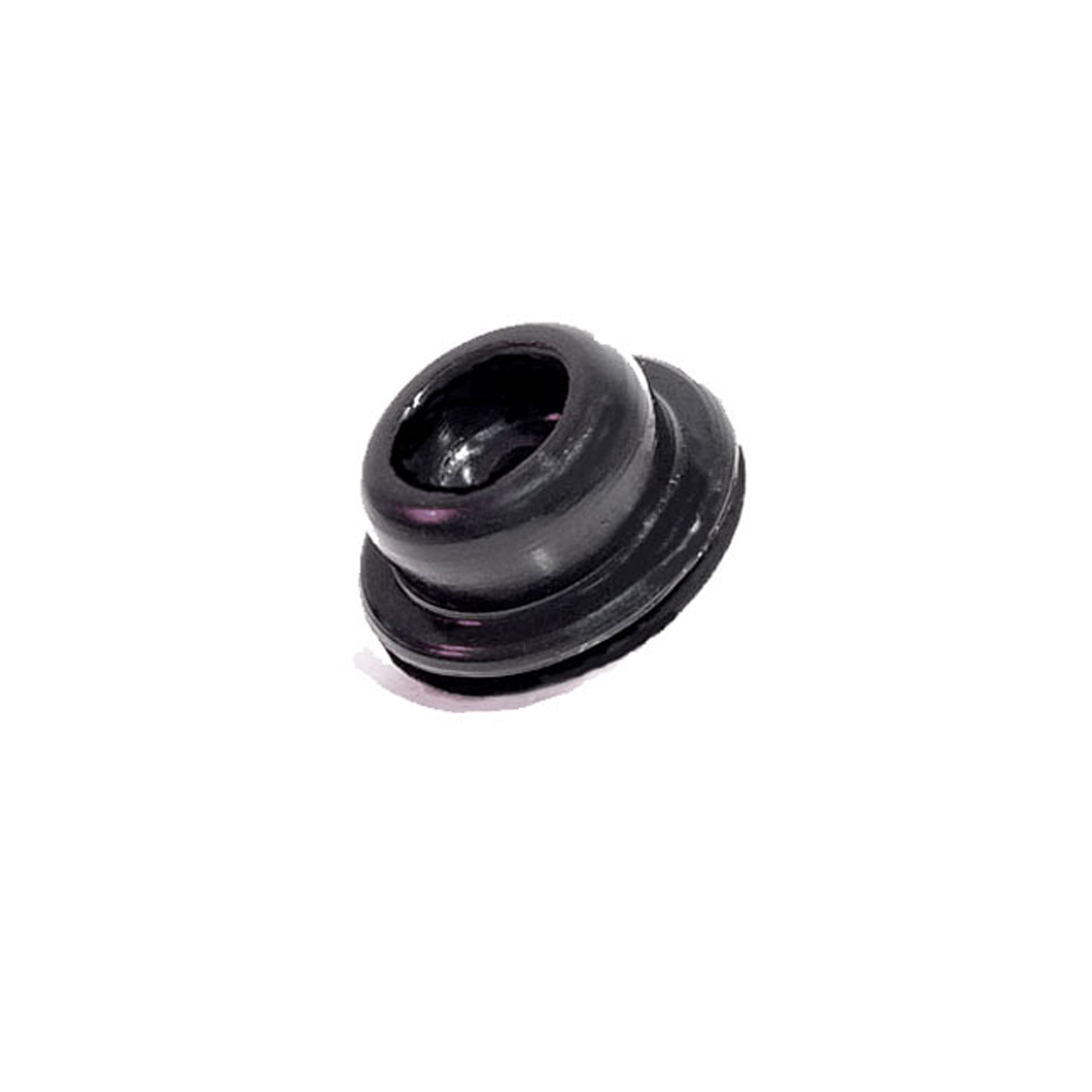 1948 Plymouth P15 Deluxe Accelerator Rod Grommet-SM 43-BAccelerator Rod Grommet. For accelerator rod through floorboard. Each
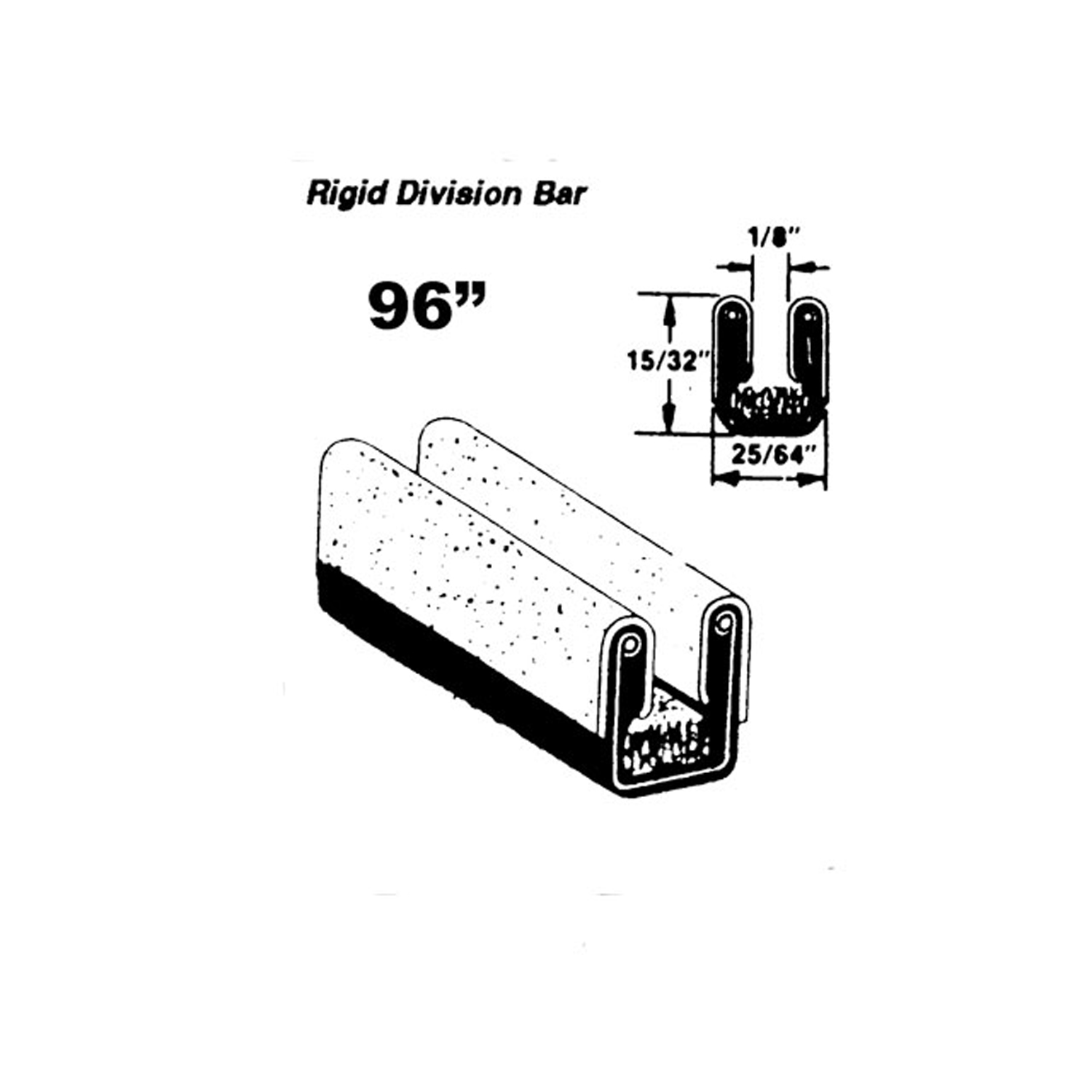 1948 Plymouth P15 Deluxe Rigid division-bar run channel-WC 31-96Rigid division-bar run channel. Made with very soft felt lining. Used on front and rear door side windows. 96 in. long. Each. NOTE: $20 special shipping charge applies for domestic orders. Call or email for overseas shipping costs. Part can be sectioned in two or three equal lengths to reduce overseas shipping costs.
 1948 Plymouth P15 Deluxe Rear vent window seals-WR 2301-RRear vent window seals. Fits listed 4-door sedans and limousines with swing-out rear vent windows. May fit some GM models. Replaces OEM# #849153/4. Pair. R&L.
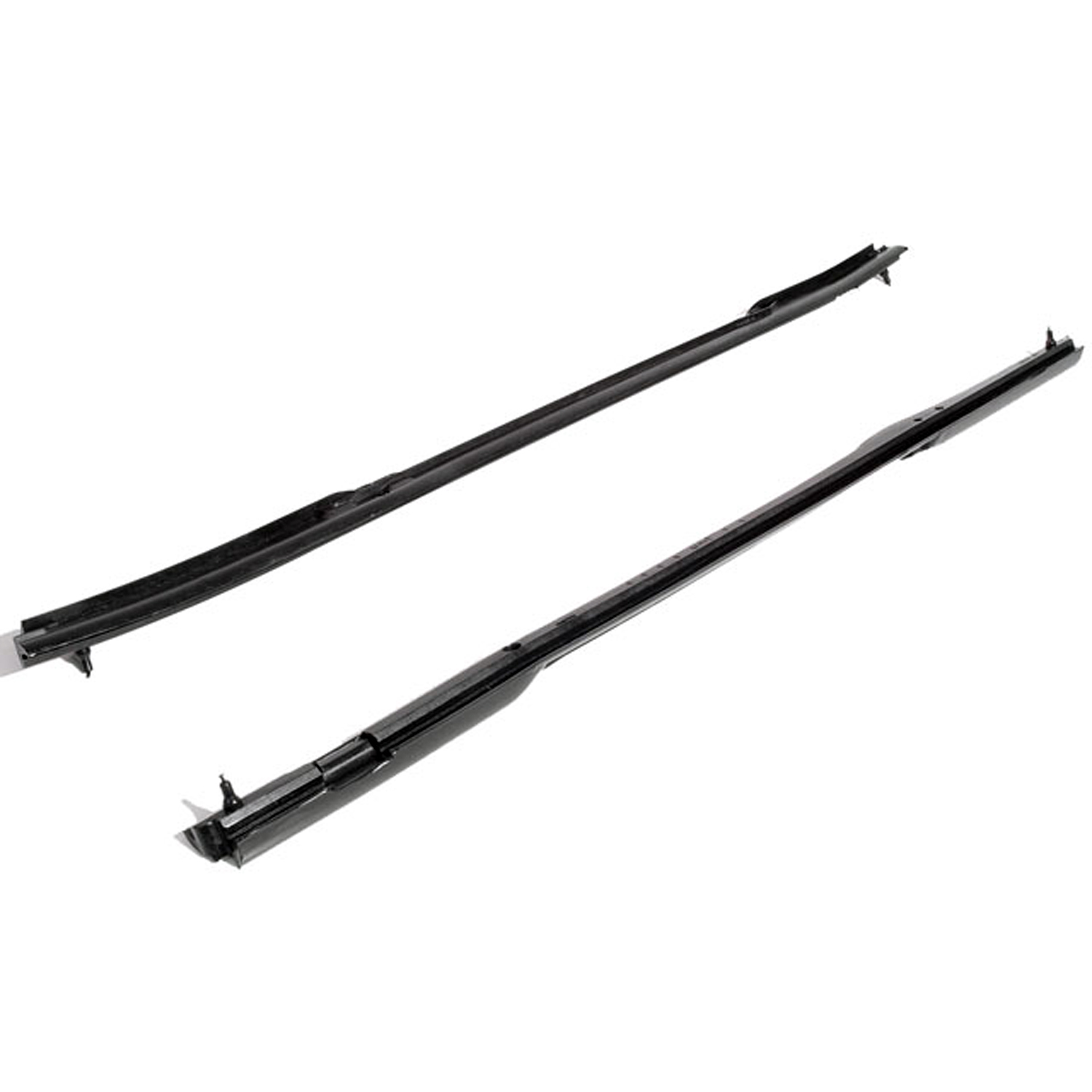 1948 Plymouth P15 Deluxe Front Vent Window Seals. For many closed models only-WR 2703Front Vent Window Seals. For many closed models only. Replaces OEM #977232-3. Pair R&L
Why Choose Metro?
For over 100 years, Metro Moulded Parts has been the pinnacle of quality in classic car restoration parts. Our commitment to precision and authenticity in every component ensures a perfect fit and an OEM-level appearance.
- Expert Craftsmanship & Quality: Each part is a testament to our dedication to reliability and perfection, crafted from original designs and thoroughly tested.
- Advanced Technology: We use cutting-edge techniques to create flawless, long-lasting parts that surpass others in performance.
- SuperSoft Sponge – The Ultimate Door Seal: Not only are our door seals 30% softer than competitors', but they're also guaranteed to never leak. They effectively reduce wind and road noise, enhancing your classic car's comfort and driving experience.
- Proudly American: Our parts are a product of American craftsmanship, made in the USA with a spirit of excellence and heritage.
- Unrivaled Warranty: We back our products with a 30-year industry-leading warranty, a testament to our confidence in their quality.
Join us in preserving the legacy of classic cars with parts that are crafted for perfection, not just made.