

Image of 1949 Plymouth Suburban, Note: These illustrations use artistic license and may differ from actual historical models.
Performance Metrics
Fundamental Metrics
Emotional Appeal
MMP Rating
| Engine Specifications | |
|---|---|
| Engine: | Inline 6 |
| Displacement: | 217.8 cu in (3.6 L) |
| Horsepower: | 97 hp |
| Torque: | 175 lb-ft |
| Compression Ratio: | 7.0:1 |
| Ignition System: | Distributor and coil |
| Cooling System: | Liquid-cooled |
| Performance Specifications | |
| 0-60 Time: | Estimated 20 seconds |
| 1/4 Mile Time: | Not available |
| Top Speed: | 75 mph |
| Transmission and Drive | |
| Drive Type: | Rear-wheel drive |
| Transmission Type: | 3-speed manual |
| Fuel and Efficiency | |
| Fuel System Type: | Carburetor |
| MPG: | Estimated 15-20 mpg |
| Dimensions and Brakes | |
| Brakes: | Drum brakes |
| Wheelbase: | 111.0 in |
| Weight: | 3,200 lbs |
Note: Specifications for classic cars are given to the best of our ability, considering the limited and variant data available.
1949 Plymouth Suburban: The All-Steel Family Wagon
The 1949 Plymouth Suburban traded the charm of a wood-bodied wagon for the practicality of stamped steel, giving American families a durable new way to carry passengers, luggage, and weekend gear. Built by the Plymouth division of Chrysler Corporation, it was a two-door station wagon based on Plymouth’s postwar passenger-car line. Its blend of familiar sedan mechanicals and useful wagon space made it a quietly important step in the evolution of the family car.
The timing mattered. After years of wartime production restrictions, American automakers were refreshing their lineups for a public eager to buy new cars. Plymouth’s Suburban answered a growing demand for a wagon that could handle everyday work without the specialized wood construction, upkeep, and cost associated with traditional “woodies.” It was not the first all-steel station wagon in automotive history, but it helped make the durable, mass-market steel wagon a more familiar sight.
One detail that still draws interest is how thoroughly practical the Suburban was. Its steel body did away with the exposed wood framing that defined many wagons of the era, while retaining the upright shape and wide rear opening that made a station wagon useful in the first place.
Postwar Styling and Wagon Practicality
The 1949 Plymouth wore the rounded, substantial look of a car designed during the transition from prewar styling to the more integrated shapes of the 1950s. Its front fenders flowed into the body rather than standing apart as on older cars. A broad hood, rounded roofline, full wheel openings, and prominent front grille gave it a sturdy, slightly formal presence. Bright trim and carefully shaped details added polish without making the car look overly ornate.
The Suburban’s wagon body made its purpose clear. It had two side doors for the front and rear passengers, plus a rear cargo opening with a tailgate arrangement suited to loading bulky items. A rear bench provided seating for additional passengers, while folding or removable seat components on many wagons allowed the interior to be adapted for cargo. Exact seating and equipment details could vary, so buyers today should check the individual car rather than assume every example was configured identically.
Inside, the Suburban was more functional than luxurious. Expect a broad front bench, a painted metal dashboard, simple controls, and durable period upholstery, often in cloth or vinyl-like materials depending on trim and specification. The finish was respectable for a family car, but the emphasis was on easy-to-use equipment and hard-wearing surfaces rather than plush appointments. Many original interiors have since been replaced, making surviving factory-correct trim especially appealing to restorers.
Factory paint choices varied by model year, production details, and market. Period Plymouth colors included restrained shades such as dark greens, blues, grays, maroons, and lighter neutral tones. Solid colors were typical, though restorations sometimes use two-tone combinations to emphasize the wagon’s long body. There is no single color that defines the 1949 Suburban, but deep green, dark blue, and maroon are especially convincing choices for a period-correct presentation.
The defining body style was the two-door station wagon. Plymouth’s passenger-car range also included other body types, but the Suburban name belonged to the wagon and its practical mission. Its all-steel construction was the standout option in a market where buyers still associated many station wagons with wood-bodied craftsmanship.
Why the Suburban Mattered
The Suburban’s importance was less about introducing a radical new engine or suspension system and more about helping change what a family wagon could be. Traditional wood-bodied wagons demanded specialized construction and could require regular attention to their timber and exterior finish. A steel body offered a more uniform, durable structure that fit the direction of large-scale automobile manufacturing.
That shift helped establish the station wagon as an everyday passenger car rather than a niche vehicle for resort hotels, rural estates, or commercial operators. The Suburban could serve a family during the week, carry supplies for a small business, and take passengers and luggage on a holiday trip. Its practical formula would become central to the American wagon boom that followed.
Compared with a regular Plymouth sedan, the Suburban offered a more adaptable cabin and a larger cargo area. Compared with a wood-bodied wagon, it promised less concern about maintaining exterior woodwork. It was not a high-performance model or a technological showpiece, but its lasting influence came from making useful design more accessible.
Flathead-Six Performance and Road Manners
Power came from Plymouth’s 217.8-cubic-inch L-head, or flathead, inline-six. Period specifications commonly list output at about 97 horsepower, though published ratings can differ slightly by configuration and source. A three-speed manual transmission was the standard arrangement. Fluid Drive and related semi-automatic options were available on some Plymouth configurations, but equipment varied, so a specific car’s original drivetrain should be verified by its serial number and documentation.
Acceleration was modest by modern standards. A healthy, correctly tuned Suburban may take roughly 20 to 25 seconds to reach 60 mph, depending on gearing, transmission, load, and mechanical condition. Top speed is generally in the neighborhood of 75 to 80 mph, but that does not make sustained high-speed cruising its natural job. The six is best appreciated for steady, low-speed pulling rather than quick acceleration.
On the road, the Plymouth feels substantial and relaxed. The flathead six produces a smooth, unhurried hum, and the three-speed manual asks the driver to work through the gears with deliberate shifts. The steering and brakes are fully mechanical in character compared with modern cars. At low speeds, the steering can feel heavy, while the drum brakes require a measured, anticipatory foot rather than a last-second stop.
Its suspension is tuned for comfort, so it generally takes ordinary road imperfections in stride. On rough pavement, the car’s weight and soft ride help absorb bumps, though worn shocks, tired springs, or old tires can make a survivor feel floaty. On winding roads, the Suburban rewards a smooth pace. Its tall body and period suspension are not designed for aggressive cornering, and crosswinds can be noticeable in a broad-bodied wagon.
Driving one is as much about the interaction as the speed. The large steering wheel, bench seat, simple instruments, and engine note create a direct link to postwar motoring. A well-maintained example can be pleasant on local roads, but modern traffic, highway speeds, and stopping distances call for sensible caution.
Living With a 1949 Plymouth
Most Suburbans today are used as show cars, weekend cruisers, or family-history projects rather than daily transportation. Their wagon layout remains genuinely useful, and a sound example can carry picnic supplies, luggage, or vintage-car show equipment with ease. Some owners also use them for period-themed events and community parades.
Mechanical simplicity is one of the car’s ownership advantages. The flathead six is a straightforward engine, and many routine jobs can be handled by an experienced home mechanic with ordinary tools. Parts support is reasonable for common service items, though wagon-specific trim, body panels, and interior pieces can take more searching. As with any nearly eight-decade-old vehicle, condition and previous repairs matter more than the model’s reputation.
Before buying, inspect the frame and body carefully for rust, especially around the floors, lower body panels, wheel arches, and rear cargo area. Check the cooling system, engine compression, clutch, transmission, brakes, and steering play. Original six-volt electrical equipment may work well when properly maintained, but a car converted to 12 volts should have a documented, professionally executed conversion. Rubber seals, wiring, and aged fuel-system parts also deserve attention.
Suburban Facts and Common Complaints
The Suburban’s most memorable distinction is its steel wagon body, a practical departure from the wood-bodied tradition. Its value is in that everyday engineering rather than a racing record or a famous celebrity connection. No widely documented speed or endurance record is associated with the 1949 Plymouth Suburban, and it was not designed as a competition car.
There is also no reliably established celebrity ownership story that defines the model. Its historical significance is more democratic: it represents the kind of useful, attainable family vehicle that helped put the station wagon into ordinary American life. The Suburban name would remain part of Plymouth’s wagon identity in later years, though later vehicles bearing the name were not identical to this 1949 model.
Common criticisms are predictable for a car of its age. The six-cylinder engine is slow by modern standards, the brakes are less capable than modern systems, and the two-door layout means rear passengers need to climb past the front seat. The wagon’s upright shape and period suspension also make it less composed at high speeds than a contemporary car. Buyers seeking effortless highway travel may find those limitations frustrating, while enthusiasts often consider them part of the car’s character.
Collector Values and Rarity
Production figures for individual postwar body styles can be reported differently across reference sources. A reasonable working estimate for 1949 Plymouth Suburban production is around 19,000 cars, but that figure should be treated as an estimate rather than a precise count of surviving or fully documented examples. The Suburban is uncommon today, especially compared with Plymouth sedans, but it is not generally considered a one-of-a-few ultra-rare model.
As a broad 2026 U.S. market estimate, a project car needing substantial work might sell for roughly $5,000 to $12,000. A usable driver with a presentable interior and sound mechanicals could fall around $15,000 to $28,000. A carefully restored, highly original, or exceptionally well-presented example may reach approximately $30,000 to $45,000, with unusual provenance or a top-tier restoration potentially bringing more. Actual prices depend heavily on rust, originality, restoration quality, and regional demand.
Values have generally benefited from renewed interest in vintage wagons, but the Suburban remains a specialist purchase. It is not as broadly sought after as a famous muscle car or a premium wood-bodied wagon. That can make it relatively attainable, while the limited supply of clean, complete examples supports the better cars. Over time, exceptional and original wagons are more likely to appreciate than rough projects, but restoration costs can easily exceed the value of an average example.
A Practical Classic With Lasting Appeal
The 1949 Plymouth Suburban combines a postwar flathead six, straightforward mechanicals, rounded period styling, and a durable all-steel wagon body. It was not built to set speed records or dazzle with advanced technology. Its achievement was more useful: it helped make the family station wagon sturdier, simpler to maintain, and ready for everyday life.
That mix of honest engineering and real utility is why the Suburban still stands out. It is a reminder that automotive history was shaped not only by fast cars and luxury flagships, but also by practical vehicles that carried people and their lives from one place to the next.
1949 Plymouth Suburban Catalog of Parts
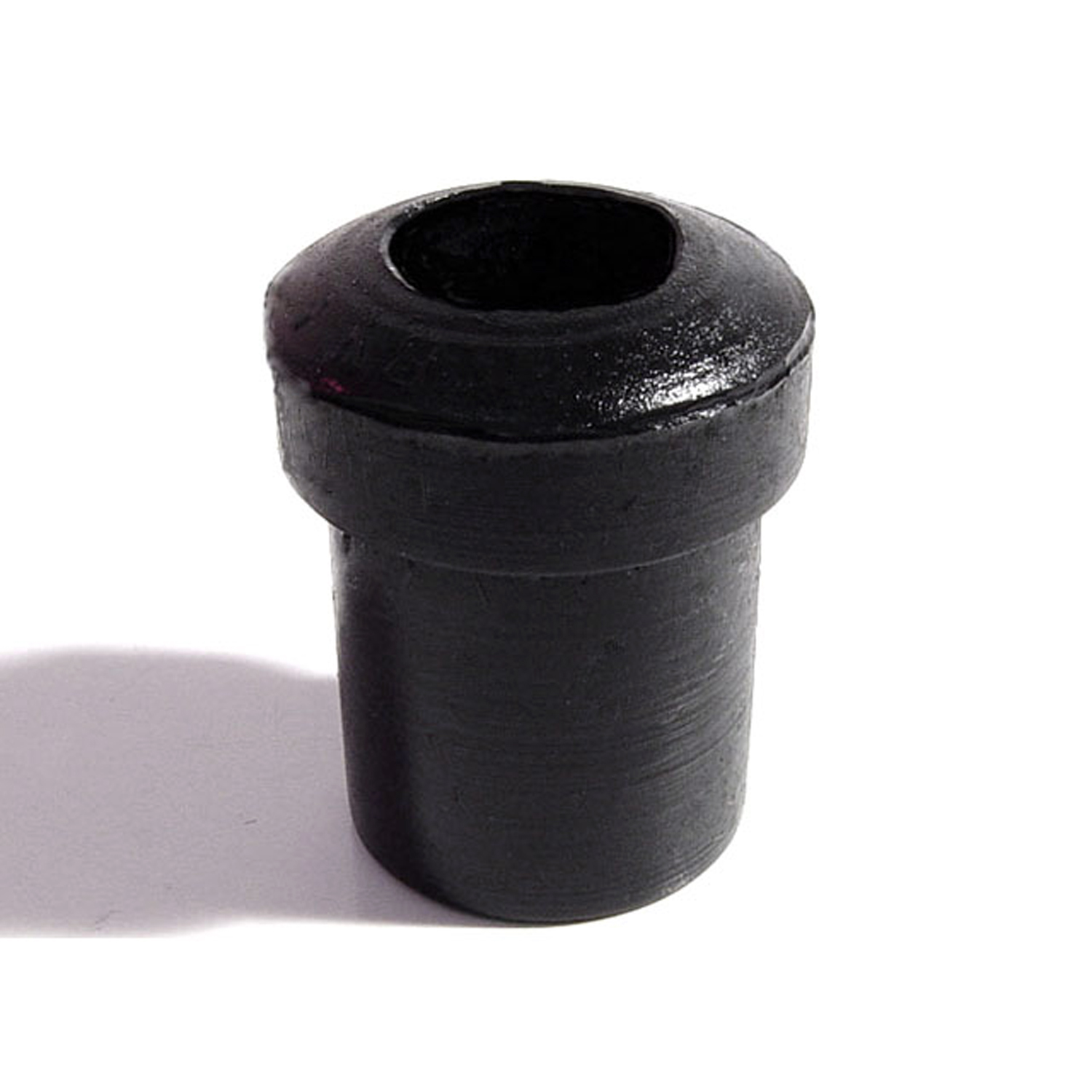 1949 Plymouth Suburban Spring and Shackle Bushing. 7/8" bottom O.D-BN 16Spring and Shackle Bushing. 7/8" bottom O.D. X 1-1/8" high, with 1/2" I.D. Each
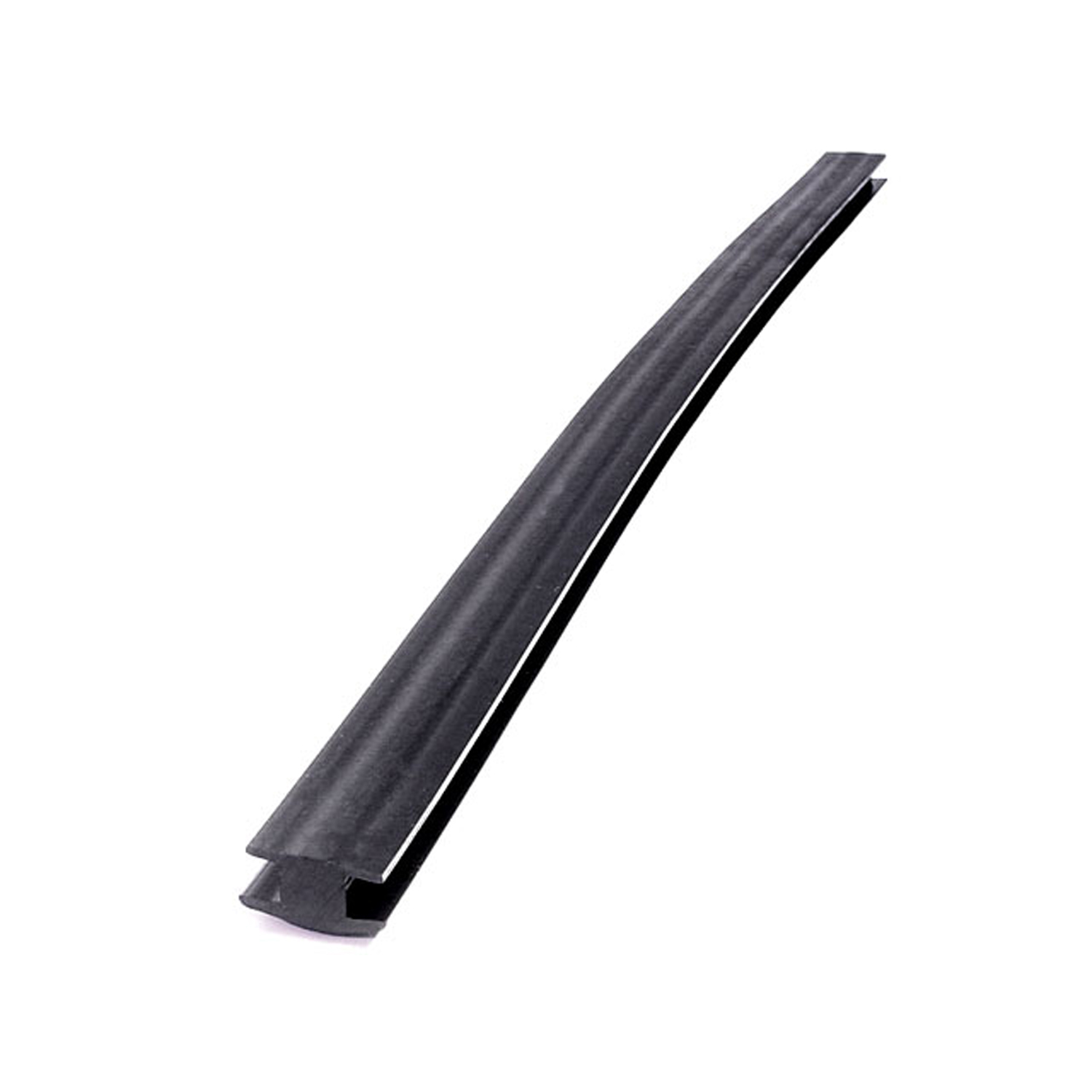 1949 Plymouth Suburban Windshield Center Bar Gasket. 20" long. Each-DP 12Windshield Center Bar Gasket. 20" long. Each
 1949 Plymouth Suburban Hood Corners. Fits flat corners-HC 19Hood Corners. Fits flat corners. 80° angle, 1/4" to 3/8" corner radius. 1-3/8" wide. Pair
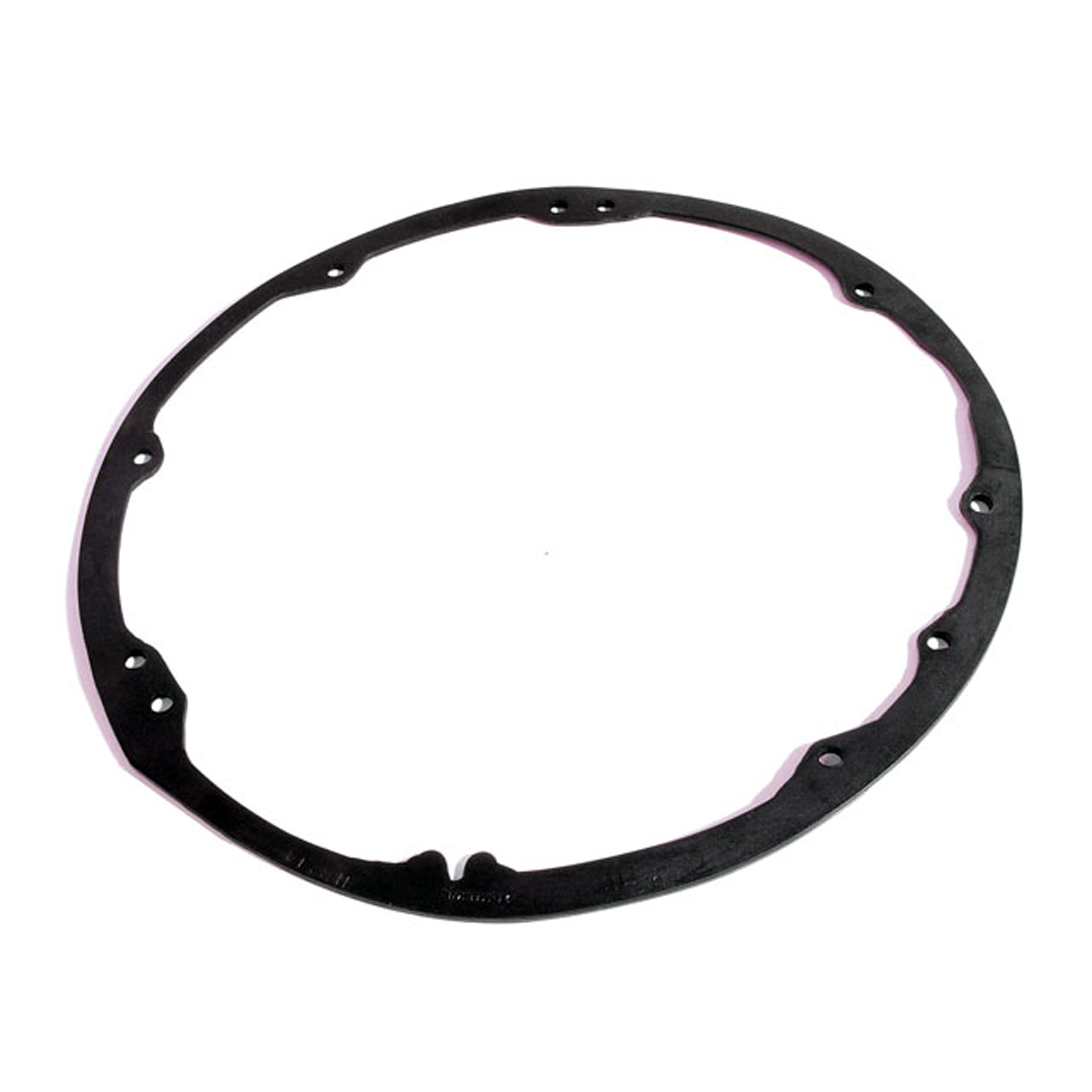 1949 Plymouth Suburban Headlight Ring Seal. 8-3/8" O.D., 7-3/4" I.D. Pair-HR 14Headlight Ring Seal. 8-3/8" O.D., 7-3/4" I.D. Pair
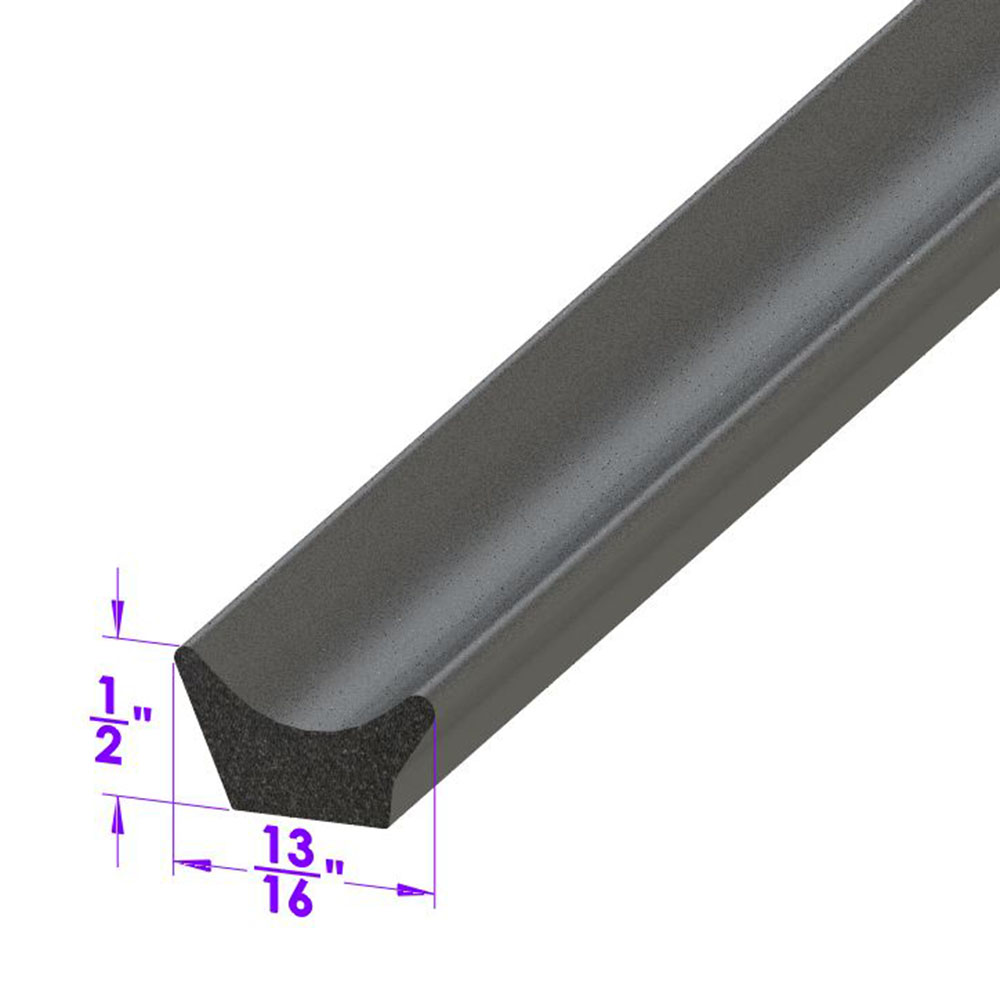 1949 Plymouth Suburban Door side seal. Same as LP 40, but for a lighter seal-LP 40-ADoor side seal. Same as LP 40, but for a lighter seal. Fits many domestic passenger cars and trucks. Universal seal for street rods and customs. Used in Cobra kit cars as door weatherstrip. Per foot.
 1949 Plymouth Suburban Trunk Light Pad. Molded in 2 pieces-MP 941-BTrunk Light Pad. Molded in 2 pieces. 6-7/8" wide X 22-1/8" long. Each
 1949 Plymouth Suburban Cowl Vent Seal. 3-1/2" wide X 17" long. Each-RP 100-PCowl Vent Seal. 3-1/2" wide X 17" long. Each
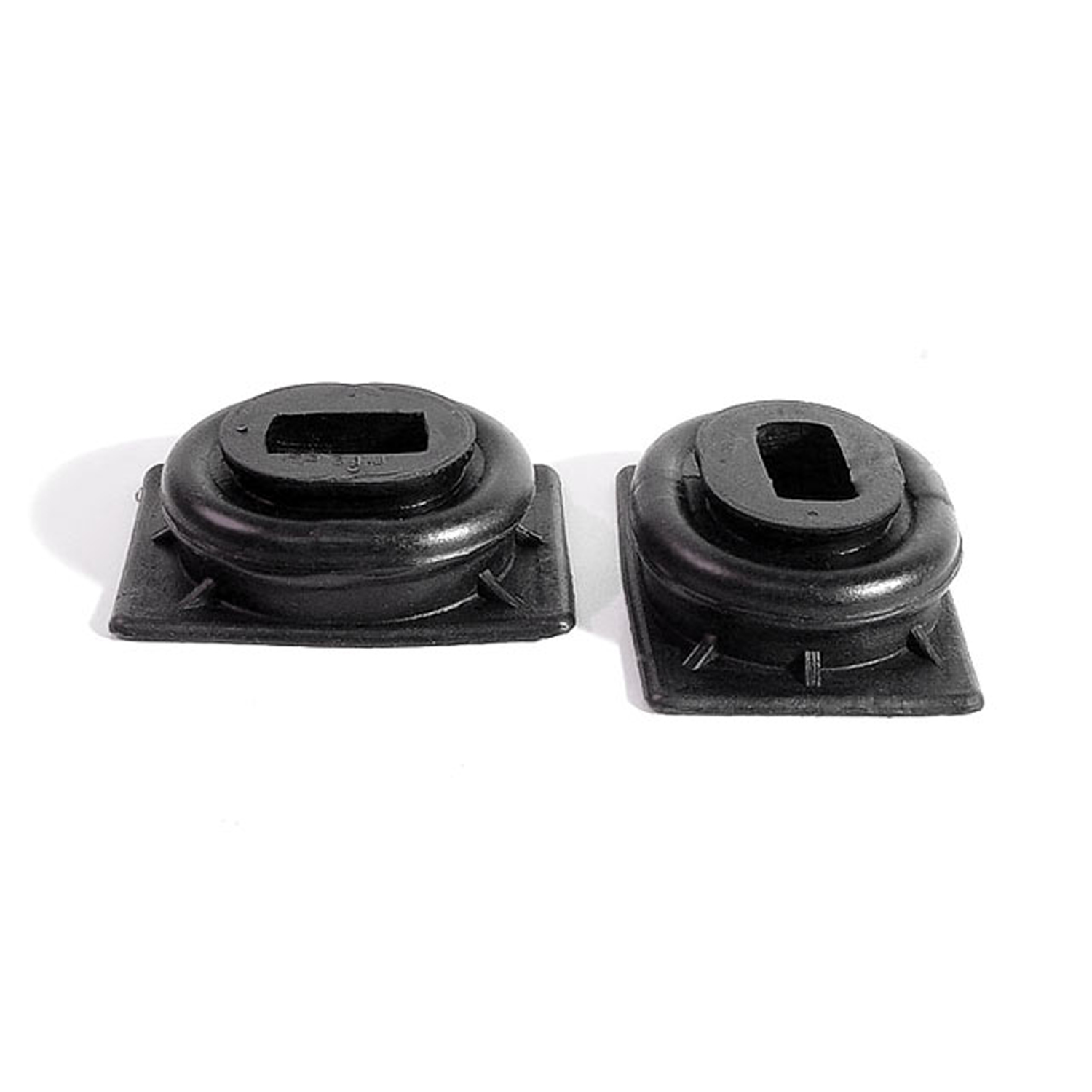 1949 Plymouth Suburban Clutch and Brake Seals. Replaces OEM #889473. Pair-RP 31-JClutch and Brake Seals. Replaces OEM #889473. Pair
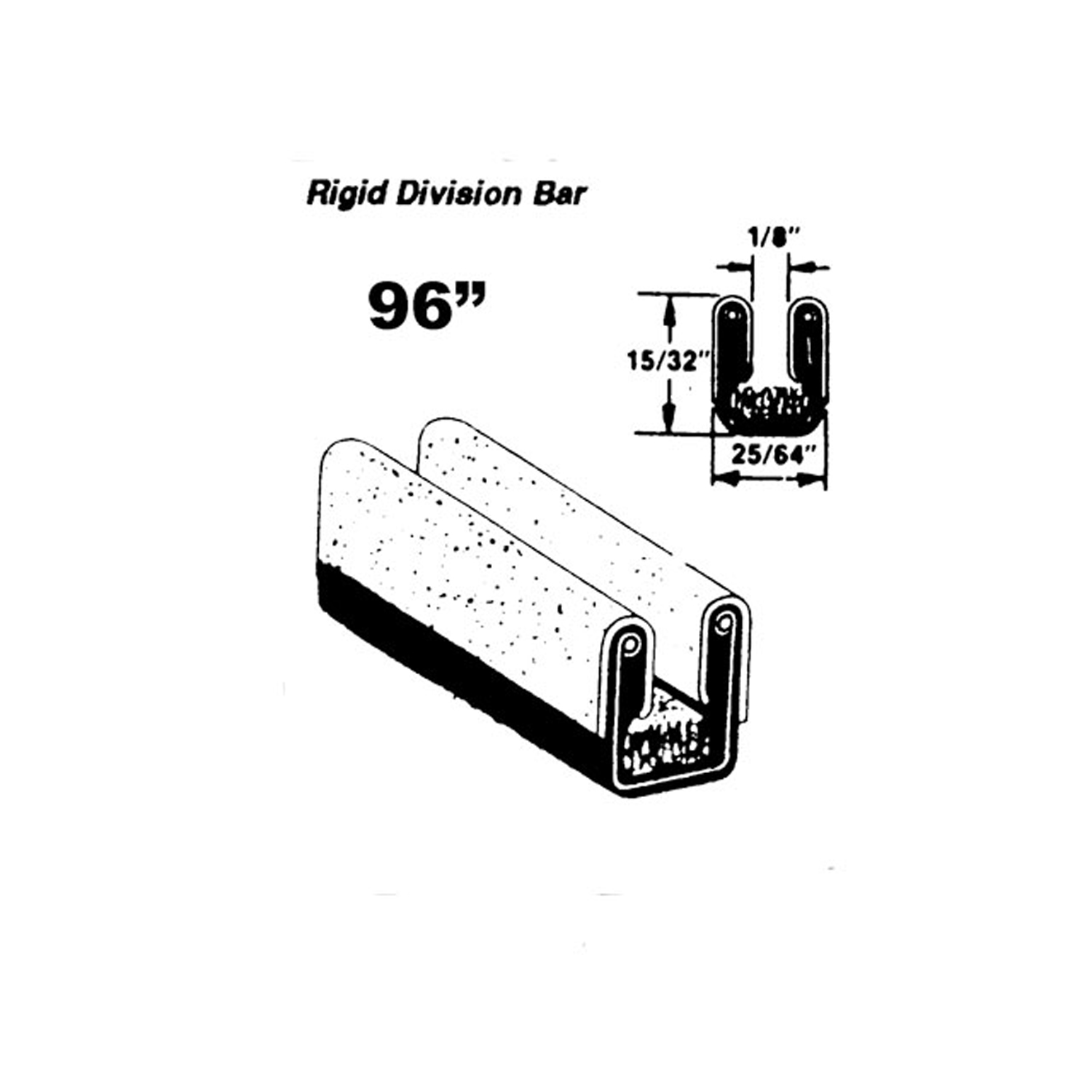 1949 Plymouth Suburban Rigid division-bar run channel-WC 31-96Rigid division-bar run channel. Made with very soft felt lining. Used on front and rear door side windows. 96 in. long. Each. NOTE: $20 special shipping charge applies for domestic orders. Call or email for overseas shipping costs. Part can be sectioned in two or three equal lengths to reduce overseas shipping costs.
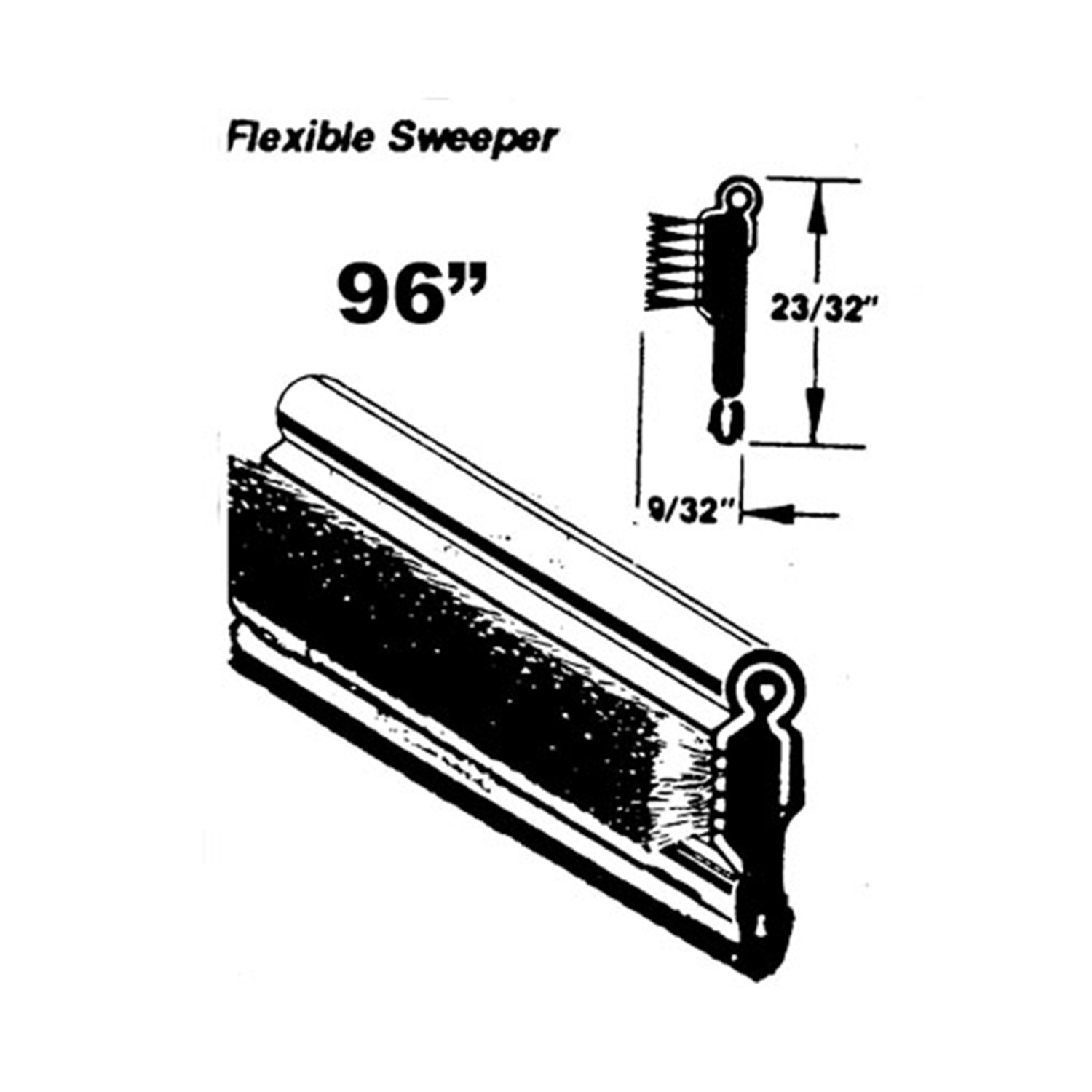 1949 Plymouth Suburban Flexible window sweeper. Made with stainless steel bead-WC 4-96Flexible window sweeper. Made with stainless steel bead. 96 in. long. Each. NOTE: $20 special shipping charge applies for domestic orders. Call or email for overseas shipping costs. Part can be sectioned in two or three equal lengths to reduce overseas shipping costs.
 1949 Plymouth Suburban Front Vent Window Seals. For Coupes and 2-Door Sedans-WR 2708Front Vent Window Seals. For Coupes and 2-Door Sedans. 25-11/16" long. Replaces OEM #B4-5175-R. Pair R&L
Why Choose Metro?
For over 100 years, Metro Moulded Parts has been the pinnacle of quality in classic car restoration parts. Our commitment to precision and authenticity in every component ensures a perfect fit and an OEM-level appearance.
- Expert Craftsmanship & Quality: Each part is a testament to our dedication to reliability and perfection, crafted from original designs and thoroughly tested.
- Advanced Technology: We use cutting-edge techniques to create flawless, long-lasting parts that surpass others in performance.
- SuperSoft Sponge – The Ultimate Door Seal: Not only are our door seals 30% softer than competitors', but they're also guaranteed to never leak. They effectively reduce wind and road noise, enhancing your classic car's comfort and driving experience.
- Proudly American: Our parts are a product of American craftsmanship, made in the USA with a spirit of excellence and heritage.
- Unrivaled Warranty: We back our products with a 30-year industry-leading warranty, a testament to our confidence in their quality.
Join us in preserving the legacy of classic cars with parts that are crafted for perfection, not just made.