

Image of 1956 Plymouth Belvedere, Note: These illustrations use artistic license and may differ from actual historical models.
Performance Metrics
Fundamental Metrics
Emotional Appeal
MMP Rating
| Engine Specifications | |
|---|---|
| Engine: | 230 CID Inline-6, 270 CID V8 |
| Displacement: | 230-270 cubic inches |
| Horsepower: | 125-180 hp |
| Torque: | 210-240 lb-ft |
| Compression Ratio: | 7.6:1 - 8.0:1 |
| Ignition System: | Distributor and coil |
| Cooling System: | Liquid-cooled |
| Performance Specifications | |
| 0-60 Time: | 12-15 seconds |
| 1/4 Mile Time: | 18-20 seconds |
| Top Speed: | 100-110 mph |
| Transmission and Drive | |
| Drive Type: | Rear-wheel drive |
| Transmission Type: | 3-speed manual, 2-speed PowerFlite automatic |
| Fuel and Efficiency | |
| Fuel System Type: | Carburetor |
| MPG: | 10-15 mpg |
| Dimensions and Brakes | |
| Brakes: | Drum brakes |
| Wheelbase: | 115 inches |
| Weight: | 3,200-3,500 lbs |
Note: Specifications for classic cars are given to the best of our ability, considering the limited and variant data available.
1956 Plymouth Belvedere: The Forward Look in Full Flight
The 1956 Plymouth Belvedere looked ready to leave the old-fashioned postwar era behind. With swept-back lines, bright trim, and tailfins rising above its rear fenders, it brought Chrysler’s “Forward Look” styling to American driveways at a moment when buyers were eager for cars that felt modern, powerful, and optimistic.
Built by Plymouth, a division of the Chrysler Corporation, the Belvedere sat near the top of the brand’s regular passenger-car range. It was a stylish step up from the Plaza and Savoy, while the new-for-1956 Plymouth Fury occupied a more specialized performance niche. The Belvedere was available in several body styles and with a choice of six-cylinder or V8 power, making it as practical as it was eye-catching.
One detail that captures the car’s place in automotive history is its optional pushbutton automatic transmission. Instead of a conventional gear selector, the driver chose a range with buttons mounted on the dashboard. It looked futuristic in 1956, and it remains one of the most recognizable features of mid-century Chrysler cars.
Forward Look Styling and Belvedere Trim
The Belvedere’s design was part of Chrysler’s Forward Look, led by design chief Virgil Exner. The 1956 model was a refinement of the boldly restyled 1955 Plymouth, with a lower, longer appearance and details that made the car seem to surge forward even when parked. Its hood sat low between raised fenders, while the grille and bumper gave the nose a broad, confident stance.
At the back, modest but unmistakable fins lifted the rear fenders above slim taillights. The fins were not yet the towering, rocket-inspired features that would arrive later in the decade, but they gave the Belvedere a distinctly modern profile. Chrome side trim, bright wheel covers, and a wide windshield completed the polished look. The result was flamboyant by today’s standards, yet carefully balanced for its time.
Inside, the Belvedere offered a wide bench seat, a large steering wheel, and a broad instrument panel designed to make the cabin feel open. Materials included patterned cloth and vinyl upholstery, with more upscale trim than Plymouth’s entry-level models. Buyers could choose contrasting interior colors to coordinate with the exterior. As with most cars of the era, the cabin was generous in width but had less emphasis on crash protection and modern ergonomic adjustments than a contemporary vehicle.
Paint choices varied by body style and production details, but single-tone and two-tone combinations were both part of the Belvedere’s appeal. Contrasting roof and body colors helped emphasize the car’s long side profile and sweeping trim. Pale hues paired with darker tops, and combinations involving turquoise, red, cream, or black, were especially striking. Exact colors and combinations depended on the factory order and model configuration.
The Belvedere range included two- and four-door sedans, two-door hardtops, convertibles, and station wagons. The hardtop was a natural showcase for the car’s uninterrupted roofline, while the convertible made the most of its open-air, high-style character. Station wagons offered the same Forward Look in a more family-focused package. The best-known Belvedere is often the two-door hardtop, but the convertible is the body style that tends to attract the most attention at a show.
1956 Plymouth Belvedere Specs and Technology
Belvedere buyers could choose an approximately 230-cubic-inch flathead inline-six rated at about 117 horsepower, or a 277-cubic-inch V8 rated around 180 horsepower. A higher-output V8 package was available in some configurations. The 303-cubic-inch V8 associated with the 1956 Plymouth Fury was a separate performance highlight, rather than the standard Belvedere engine.
Transmission choices included a three-speed manual and Chrysler’s PowerFlite two-speed automatic. PowerFlite’s dashboard pushbuttons controlled Park, Reverse, Neutral, Drive, and Low. The system was a memorable styling and convenience feature, though it takes some getting used to for drivers accustomed to a floor shifter or column-mounted lever.
Another important piece of Chrysler engineering was Torsion-Aire front suspension, using torsion bars instead of conventional front coil springs. The design helped deliver a controlled ride and was a key part of the company’s effort to improve handling without sacrificing comfort. At the rear, the Belvedere used a conventional live axle and leaf springs, while drum brakes at all four wheels were typical for the period.
Why the Belvedere Mattered
The 1956 Belvedere helped make the Forward Look more than a styling slogan. Plymouth had traditionally competed by offering practical cars at accessible prices. The Belvedere showed that the brand could also deliver dramatic design, an upscale appearance, and modern engineering in a mainstream American car.
Its significance is best understood alongside Chrysler’s wider product range. The 1955 redesign had already shifted Plymouth toward lower, sleeker proportions, and the 1956 cars carried that visual direction forward. Their influence helped fuel the late-1950s American fascination with fins, long bodies, and futuristic details. The Belvedere did not invent those trends, but it made them available to a far broader audience than a luxury car could.
The torsion-bar front suspension also set the car apart from many rivals that relied on coil springs up front. Combined with the Belvedere’s V8 option and low-slung styling, it gave Plymouth a more performance-minded image. The model was not a purpose-built sports car, but it helped establish the idea that a family-sized car could look sharp and feel composed on the road.
Performance and Road Manners
Performance depended on the engine, transmission, axle ratio, body style, and condition of the individual car. A healthy V8 Belvedere with automatic transmission could generally reach 60 mph in roughly 11 to 13 seconds, with a top speed in the neighborhood of 95 to 105 mph. A six-cylinder car was considerably more relaxed, with period-style estimates often placing 0-to-60 mph in the high teens and top speed around 85 to 90 mph. These are broad estimates, not guaranteed results for every surviving car.
Behind the wheel, the V8 delivers a deep, unhurried rumble rather than the sharp exhaust note of a modern performance car. PowerFlite shifts are smooth and simple once the driver learns the pushbuttons, while the manual transmission gives the car a more hands-on character. Steering is not as light or precise as modern rack-and-pinion systems, and the large wheel requires more effort at low speeds, especially without power steering.
The torsion-bar front suspension helps the Belvedere feel settled over ordinary pavement, but it is still a large 1950s car riding on vintage tires and suspension components. It can absorb bumps with a soft, substantial motion, though worn shocks, tired springs, or deteriorated bushings can make the ride floaty. On winding roads, expect body lean and slower steering responses rather than sports-sedan precision. Crosswinds can also make a broad-bodied car of this era feel less composed than a modern vehicle.
In good condition, a Belvedere is most enjoyable on relaxed drives, scenic routes, and local events. It rewards smooth inputs and a measured pace. Its charm comes from the experience: the wide bench seat, the sweep of the hood, the V8’s low growl, and the satisfying sense of operating a substantial machine from another automotive age.
Living With a Belvedere
Today, most 1956 Belvederes serve as weekend drivers, show cars, or additions to collections of mid-century American vehicles. Some are used for touring and local parades, while others are restored to factory-style condition or modified with discreet upgrades for more dependable road use.
Many mechanical jobs are manageable for an experienced home mechanic. The engines are traditional, and parts support for common service items remains available through specialist suppliers and classic-car networks. That said, age complicates even straightforward repairs. Electrical systems, fuel delivery, brakes, suspension joints, and cooling systems all deserve careful inspection before regular driving.
Rust is a major concern, especially in the floors, lower body panels, trunk, rocker areas, and around the windshield. The pushbutton transmission should be evaluated by someone familiar with PowerFlite, and a buyer should confirm that every button works correctly. Restoration can become expensive when a car needs extensive bodywork, interior pieces, or hard-to-find trim. A well-maintained driver is often a better ownership proposition than a neglected project advertised as an easy restoration.
Belvedere Trivia and Common Misconceptions
The 1956 Belvedere should not be confused with the 1958 Plymouth Fury made famous by the film Christine. The movie car is a later model, and the Fury had its own distinctive equipment and performance identity. The 1956 Fury was also a separate, limited-position model in Plymouth’s lineup, rather than simply a Belvedere with a different badge.
Another famous Plymouth connection is Tulsa’s “buried car,” a 1957 Belvedere placed in a time capsule and unearthed in 2007. It is often mentioned in stories about Plymouth history, but it was a 1957 car, not a 1956 Belvedere. The distinction matters to collectors, especially when checking model-year details and trim.
The Belvedere’s biggest criticisms are typical of cars from its era: drum brakes need more attention and stopping distance than modern disc systems, handling is not especially agile, and fuel economy is modest by current standards. Its dashboard and styling can also be more compelling than its everyday practicality. Still, those trade-offs are part of the character that enthusiasts seek.
Collector Values and Availability
There is no single production figure that captures every 1956 Belvedere body style and engine combination. Plymouth built roughly 571,000 cars across its full 1956 range. A reasonable estimate for Belvedere production is somewhere around 150,000 to 180,000 cars, though the number of surviving examples is far smaller and varies greatly by body style and condition.
As a broad 2026 U.S. market estimate, a project car may sell for about $5,000 to $12,000. A usable driver commonly falls in the $15,000 to $30,000 range, while a high-quality restoration can reach roughly $35,000 to $60,000 or more. Convertibles, unusually original cars, and exceptional restorations can command approximately $50,000 to $100,000 or higher. These are general ranges, not formal appraisals; provenance, originality, rust, engine specification, and restoration quality can change the price substantially.
Belvederes appear on the market often enough that patient buyers can find one, but desirable convertibles and well-preserved hardtops are less common. Prices have generally been steady to gradually stronger for clean, correctly restored cars, while project values can be softer because restoration costs are high. The best examples tend to hold interest because they combine unmistakable 1950s styling with practical parts support and a recognizable place in Plymouth history.
A Plymouth That Still Looks Forward
The 1956 Plymouth Belvedere brought bold Forward Look styling, distinctive pushbutton controls, torsion-bar front suspension, and accessible V8 power together in a car built for everyday American life. It was not the fastest or most sophisticated car of its day, but it helped transform Plymouth’s image and gave the postwar road a memorable new silhouette.
More than seven decades later, the Belvedere still turns a routine drive into a small event. Its fins catch the light, its cabin feels like another era, and its V8 speaks in an unmistakably old-school voice. That combination of style, engineering, and character is why the 1956 Belvedere remains far more than a pretty face in the classic-car crowd.
1956 Plymouth Belvedere Catalog of Parts
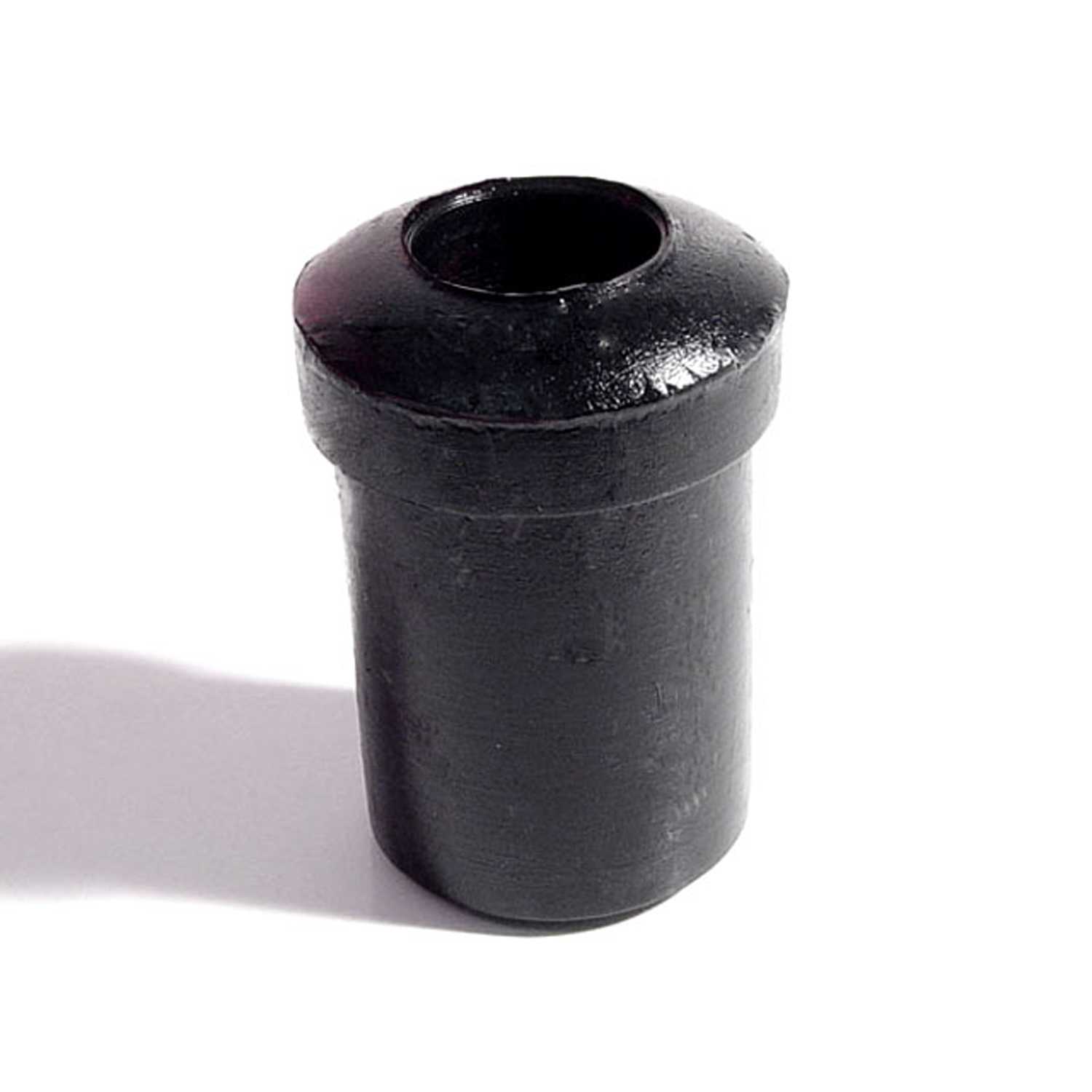 1956 Plymouth Belvedere Spring and Shackle Bushing. 1" bottom O.D-BN 20Spring and Shackle Bushing. 1" bottom O.D. X 1-5/8" high, with 9/16" I.D. Each
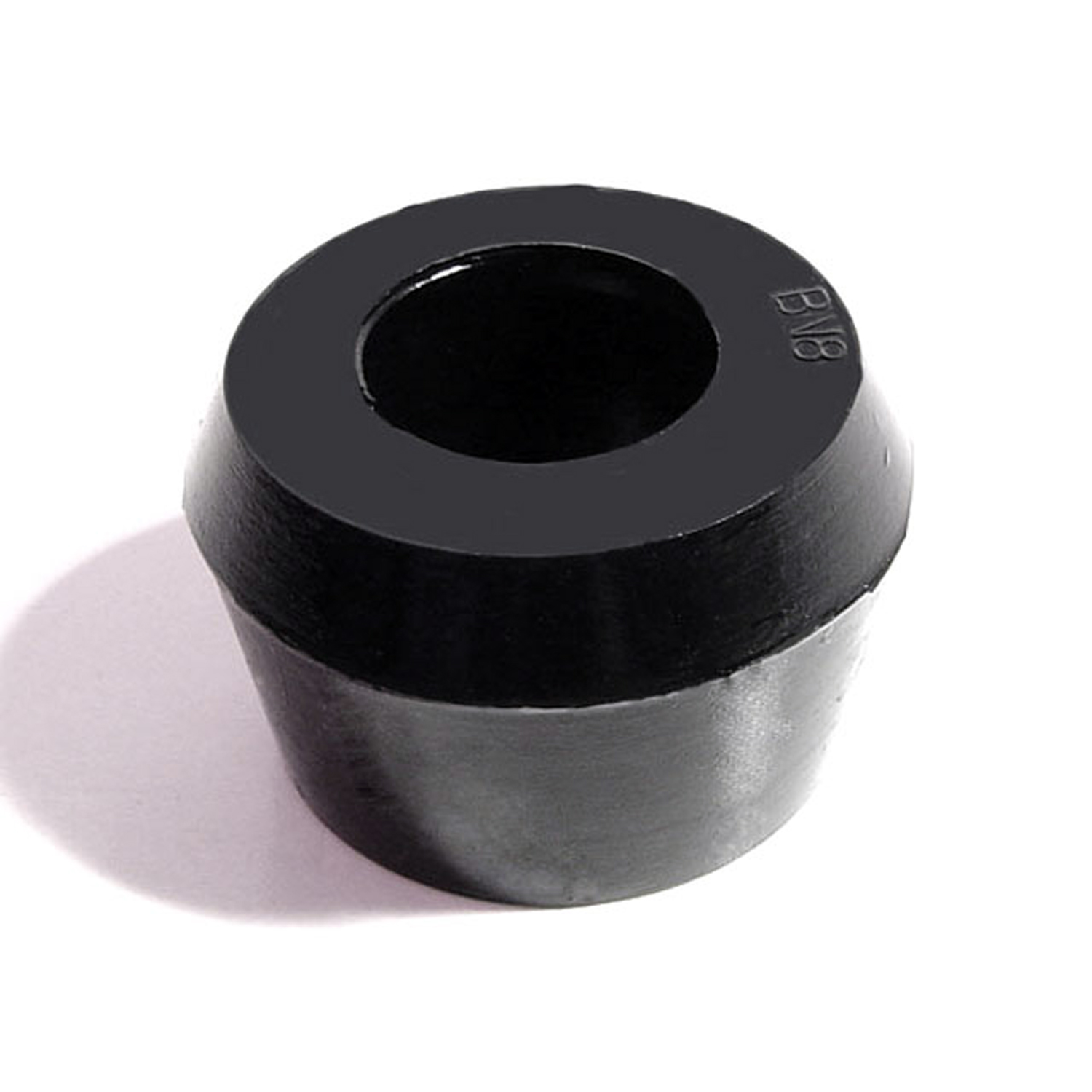 1956 Plymouth Belvedere Shock Absorber Grommet. 1-1/4" bottom O.D-BN 8Shock Absorber Grommet. 1-1/4" bottom O.D., 1" high, with 3/4" I.D. Each
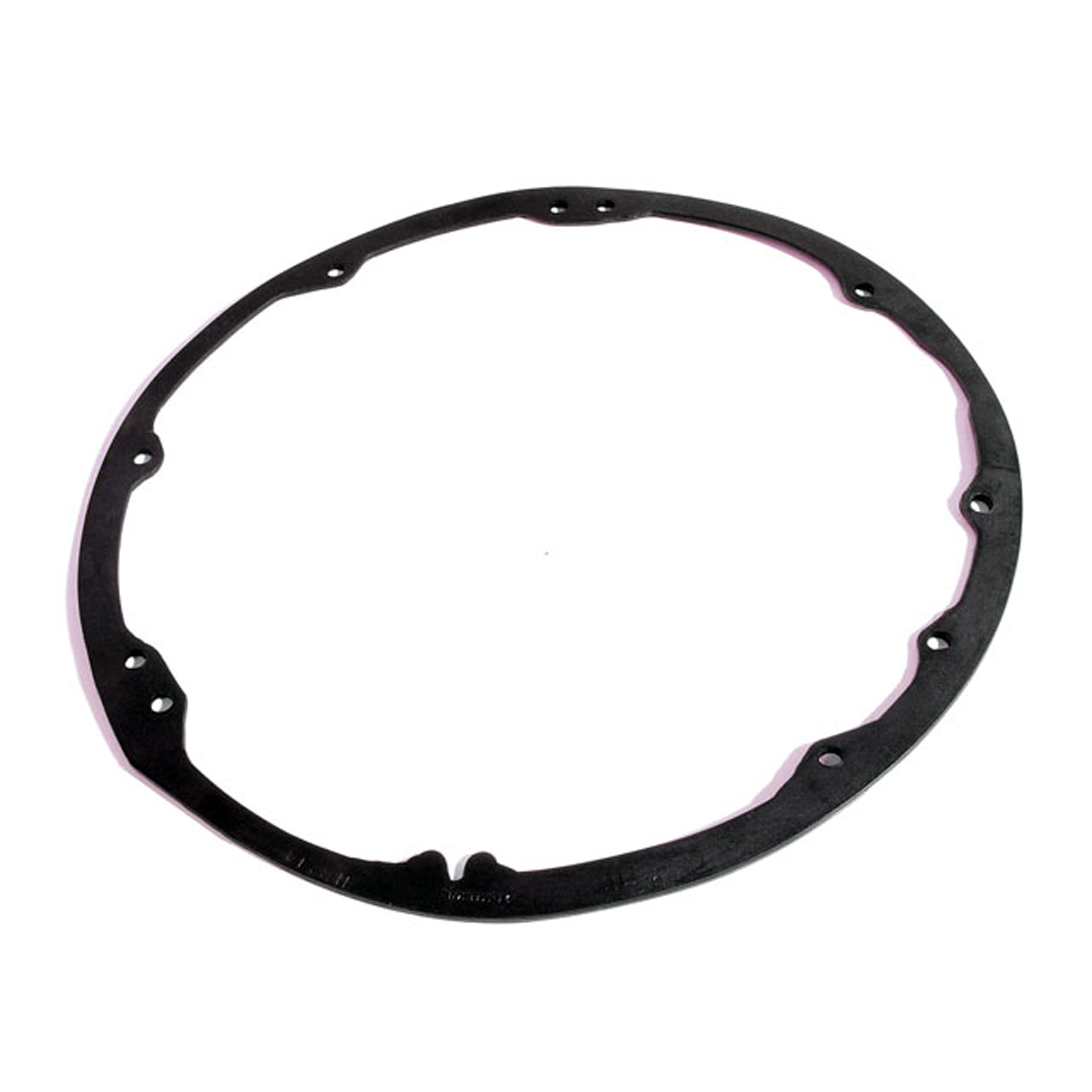 1956 Plymouth Belvedere Headlight Ring Seal. 8-3/8" O.D., 7-3/4" I.D. Pair-HR 14Headlight Ring Seal. 8-3/8" O.D., 7-3/4" I.D. Pair
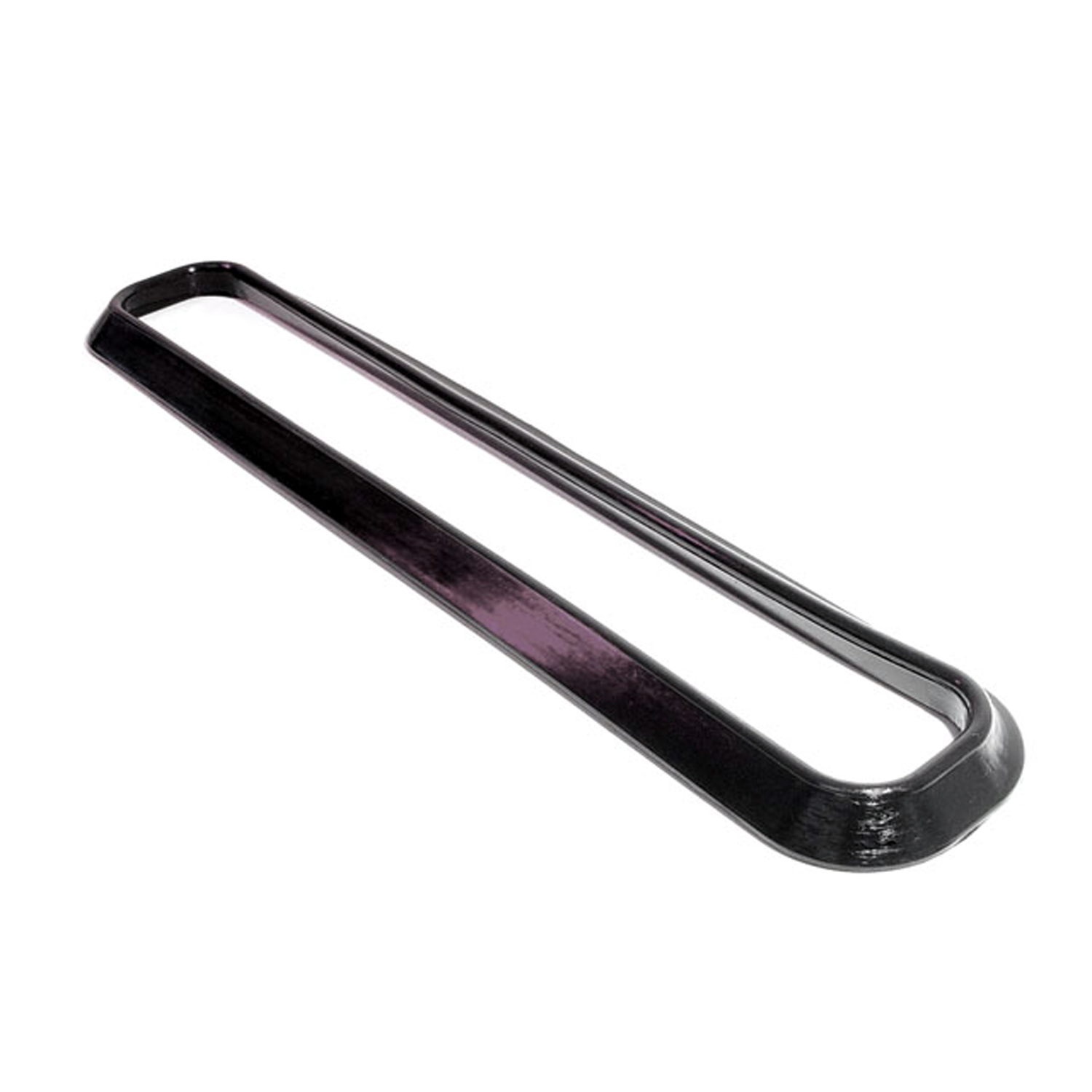 1956 Plymouth Belvedere Cowl Vent Seal. 3-1/4" wide X 16-7/8" long-RP 100-WCowl Vent Seal. 3-1/4" wide X 16-7/8" long. Replaces OEM #1593468. Each
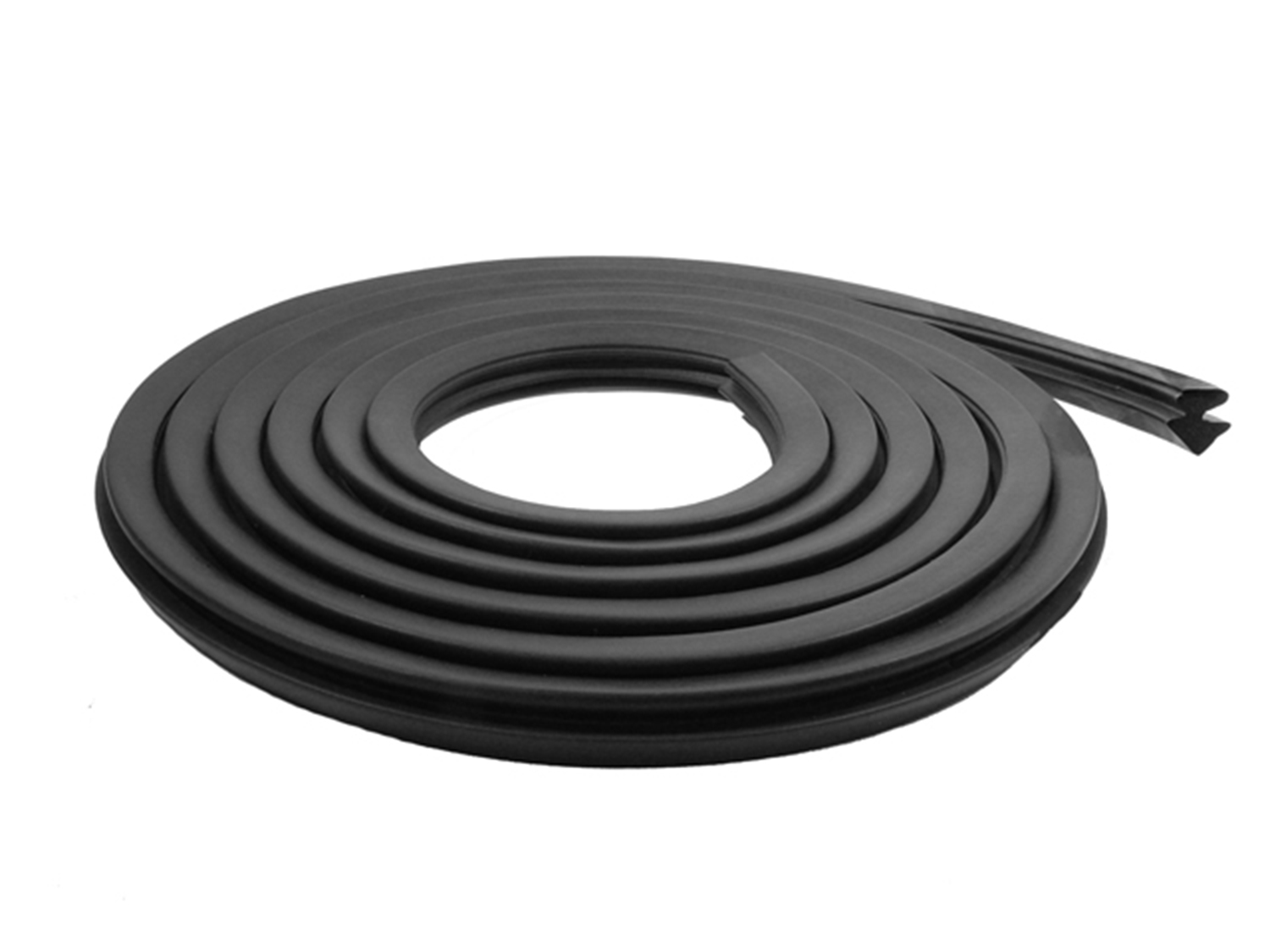 1956 Plymouth Belvedere Trunk Seal. Each-TK 64-16Trunk Seal. Each
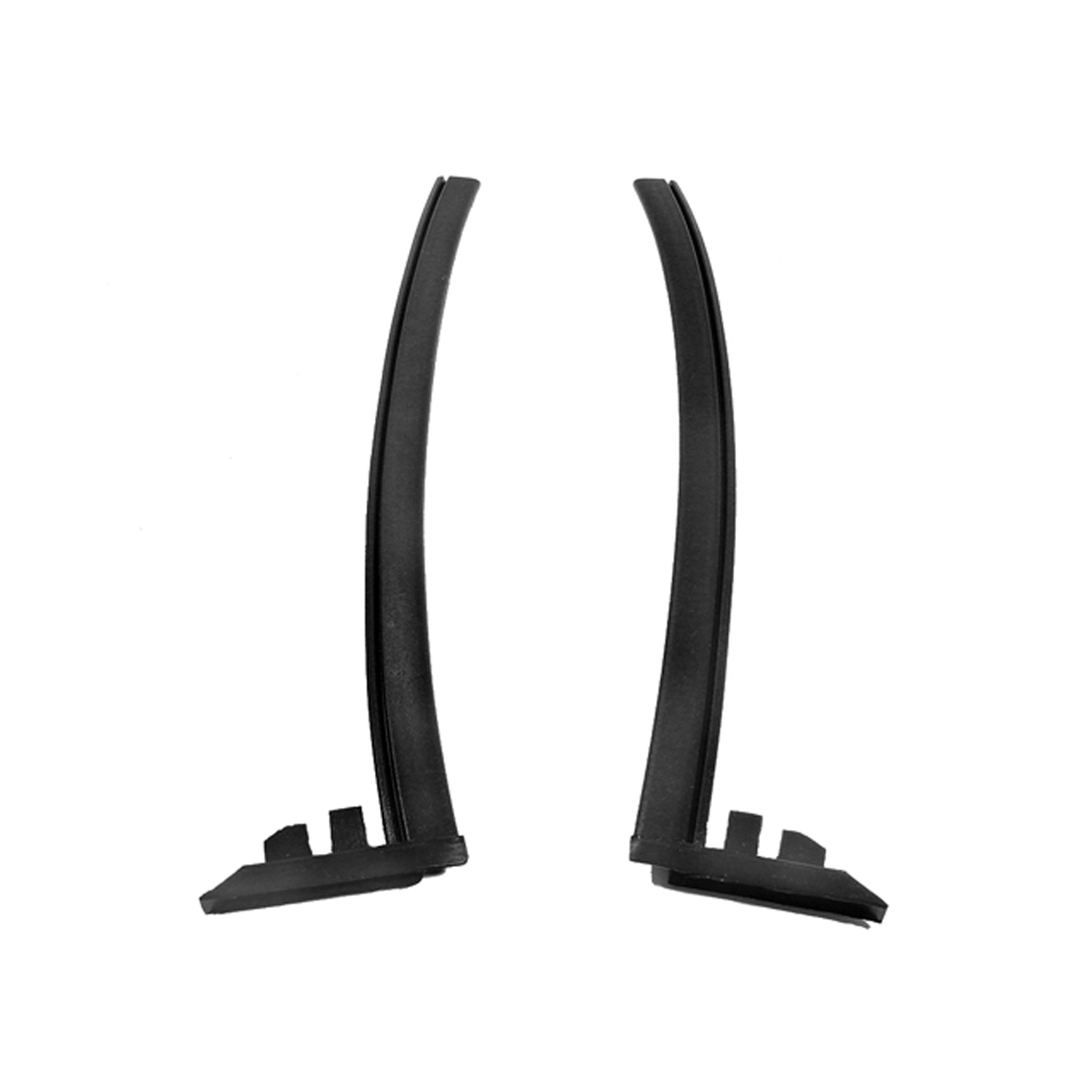 1956 Plymouth Belvedere Rear Roll-Up Side Quarter Window Seals (fits some models)-VS 7-BRear Roll-Up Side Quarter Window Seals (fits some models). Pair R&L
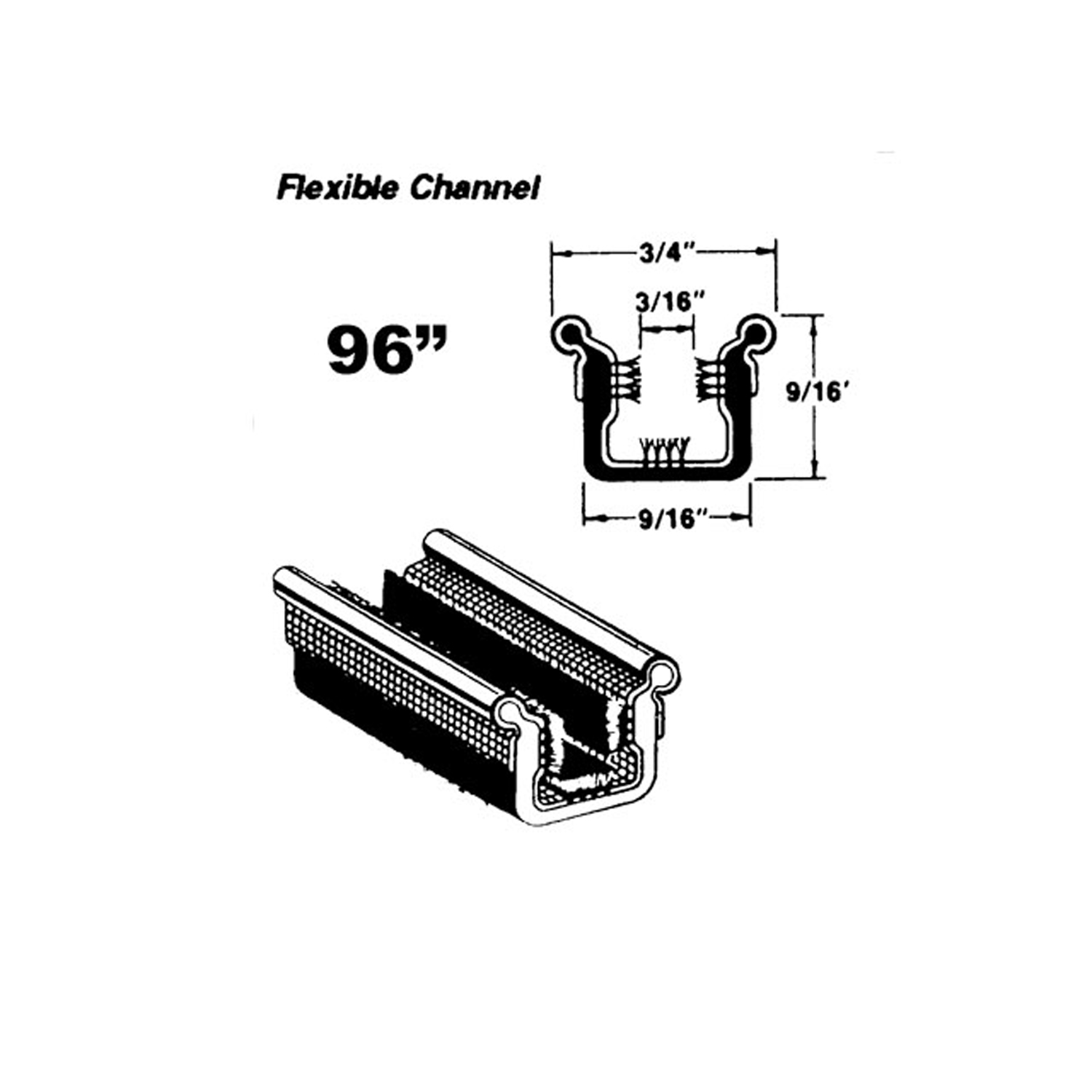 1956 Plymouth Belvedere Flexible window channel-WC 10-96Flexible window channel. Rubber covered with mohair lining and stainless steel bead. 96 in. long. Each. NOTE: $20 special shipping charge applies for domestic orders. Call or email for overseas shipping costs. Part can be sectioned in two or three equal lengths to reduce overseas shipping costs.
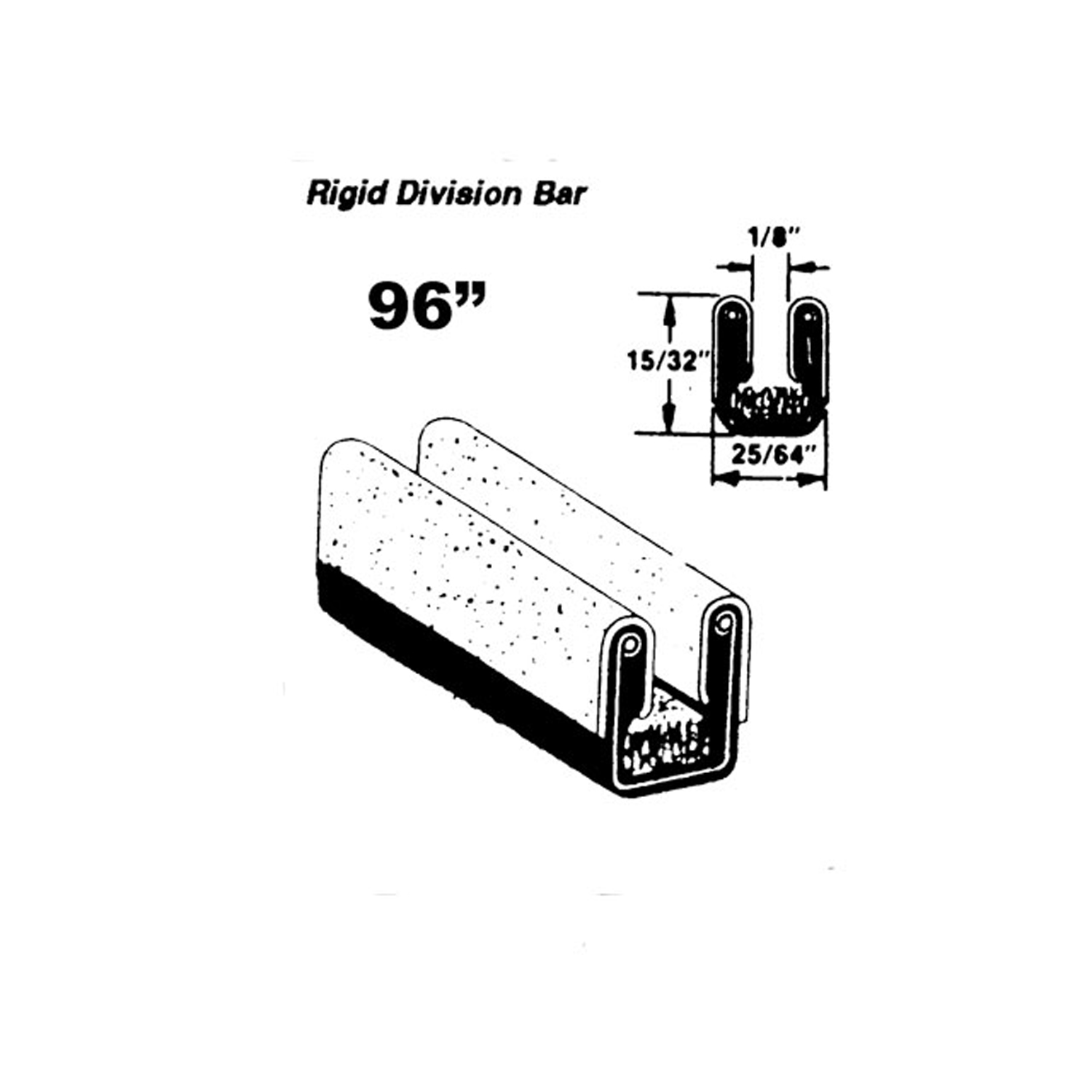 1956 Plymouth Belvedere Rigid division-bar run channel-WC 31-96Rigid division-bar run channel. Made with very soft felt lining. Used on front and rear door side windows. 96 in. long. Each. NOTE: $20 special shipping charge applies for domestic orders. Call or email for overseas shipping costs. Part can be sectioned in two or three equal lengths to reduce overseas shipping costs.
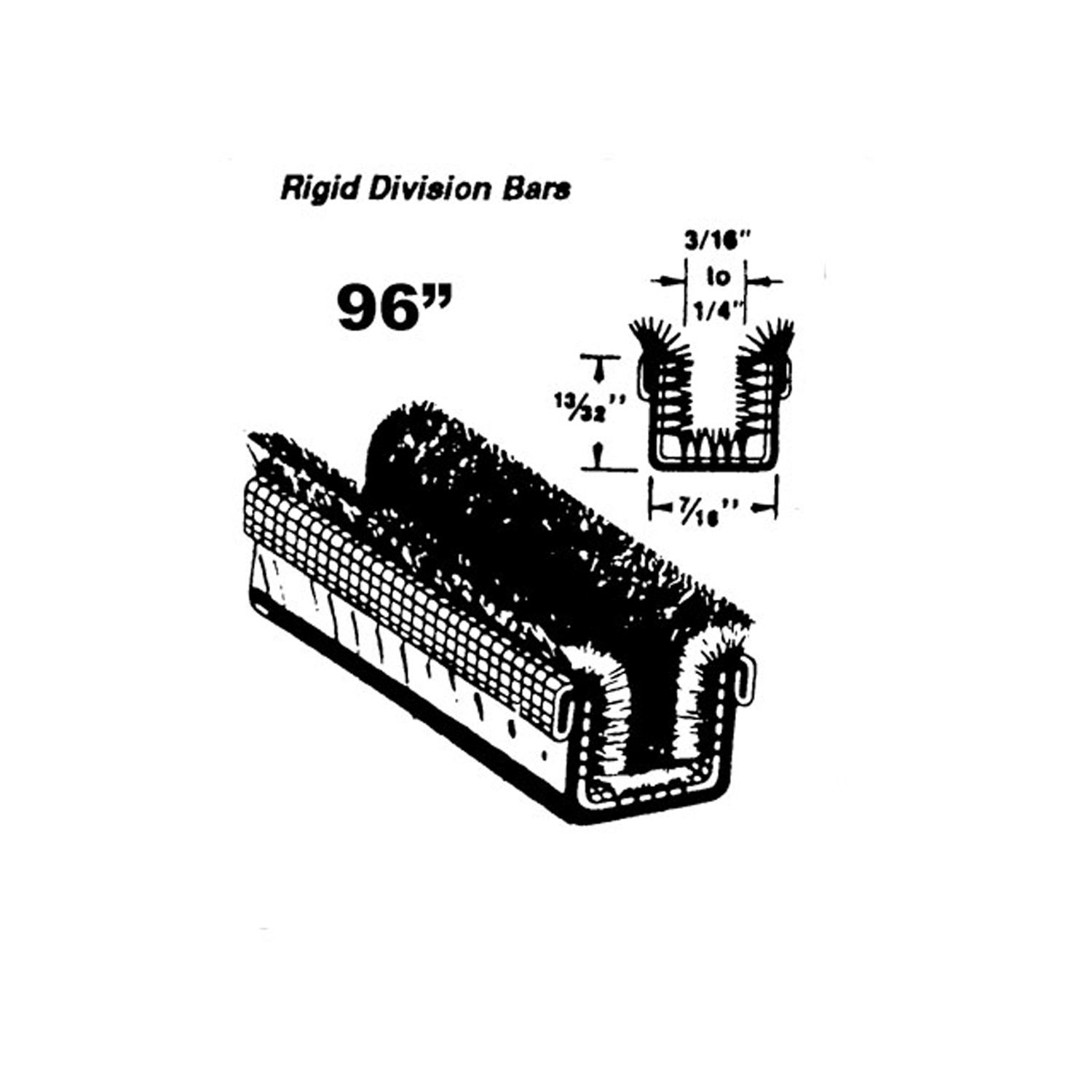 1956 Plymouth Belvedere Rigid division-bar channel. Unbeaded. 96 in. long. Each-WC 41-96Rigid division-bar channel. Unbeaded. 96 in. long. Each. NOTE: $20 special shipping charge applies for domestic orders. Call or email for overseas shipping costs. Part can be sectioned in two or three equal lengths to reduce overseas shipping costs.
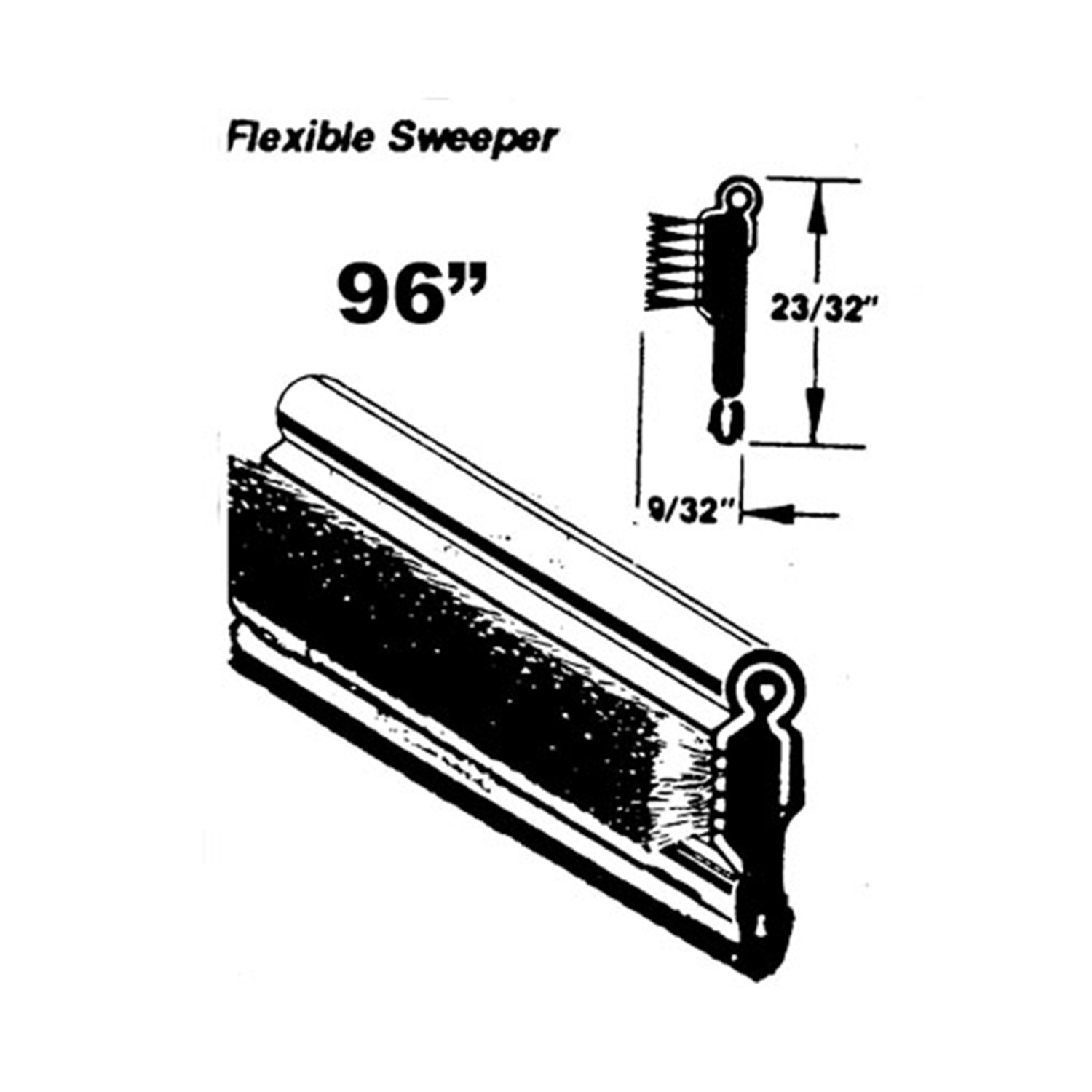 1956 Plymouth Belvedere Flexible window sweeper. Made with stainless steel bead-WC 4-96Flexible window sweeper. Made with stainless steel bead. 96 in. long. Each. NOTE: $20 special shipping charge applies for domestic orders. Call or email for overseas shipping costs. Part can be sectioned in two or three equal lengths to reduce overseas shipping costs.
Why Choose Metro?
For over 100 years, Metro Moulded Parts has been the pinnacle of quality in classic car restoration parts. Our commitment to precision and authenticity in every component ensures a perfect fit and an OEM-level appearance.
- Expert Craftsmanship & Quality: Each part is a testament to our dedication to reliability and perfection, crafted from original designs and thoroughly tested.
- Advanced Technology: We use cutting-edge techniques to create flawless, long-lasting parts that surpass others in performance.
- SuperSoft Sponge – The Ultimate Door Seal: Not only are our door seals 30% softer than competitors', but they're also guaranteed to never leak. They effectively reduce wind and road noise, enhancing your classic car's comfort and driving experience.
- Proudly American: Our parts are a product of American craftsmanship, made in the USA with a spirit of excellence and heritage.
- Unrivaled Warranty: We back our products with a 30-year industry-leading warranty, a testament to our confidence in their quality.
Join us in preserving the legacy of classic cars with parts that are crafted for perfection, not just made.