

Image of 1977 Plymouth Pb300, Note: These illustrations use artistic license and may differ from actual historical models.
Performance Metrics
Fundamental Metrics
Emotional Appeal
MMP Rating
| Engine Specifications | |
|---|---|
| Engine Options: | 318 V8, 360 V8 |
| Displacement Range: | 318-360 cu in. |
| Horsepower Range: | 150-200 hp (estimated) |
| Torque: | 230-280 lb-ft (estimated) |
| Compression Ratio: | 8.5:1 (318 V8), 8.4:1 (360 V8) |
| Ignition System: | Electronic ignition |
| Cooling System: | Liquid-cooled |
| Performance Specifications | |
| 0-60 Time: | Not available |
| 1/4 Mile Time: | Not available |
| Top Speed: | Not available |
| Transmission and Drive | |
| Drive Type: | Rear-wheel drive |
| Transmission Type: | 3-speed automatic |
| Fuel and Efficiency | |
| Fuel System Type: | Carburetor |
| MPG: | 10-12 mpg (estimated) |
| Dimensions and Brakes | |
| Brakes: | Front disc, rear drum |
| Wheelbase: | 127.0 in. |
| Weight: | 4,500 lbs (estimated) |
Note: Specifications for classic cars are given to the best of our ability, considering the limited and variant data available.
The 1977 Plymouth PB300 was built for work first, but its square-sided profile and roomy cabin made it just as tempting to tradespeople, road-trippers, and van-customizing fans. It was Plymouth’s version of Chrysler’s full-size B-series van, closely related to the better-known Dodge Tradesman and sold primarily in Canada. Today, the PB300 is an uncommon slice of the 1970s van boom: practical, mechanically straightforward, and increasingly appealing to collectors who like their classics a little less predictable.
What Was the 1977 Plymouth PB300?
Plymouth’s PB300 belonged to Chrysler’s B-series family of full-size vans. The “300” designation identified the heavy-duty, one-ton class, while the PB prefix marked the Plymouth version of the platform. Its closest mechanical relative was the Dodge B300. The Plymouth badge is a large part of the van’s present-day appeal, since the Dodge versions are much more familiar and Plymouth-badged examples are far less commonly seen.
The PB300 arrived during a period when full-size vans were finding new lives beyond commercial fleets. Trades used them as mobile workshops and delivery vehicles, while families and customizers turned passenger vans into campers and rolling lounges. The 1973 oil crisis had made fuel economy a more pressing concern, but the PB300’s appeal was space and carrying ability, not thrift. It offered a large, adaptable interior and the heavy-duty hardware needed for serious work.
One intriguing detail is that the Plymouth name did not mean a completely different van underneath. The PB300 shared its basic architecture and many components with Chrysler’s Dodge B-series vans. That parts-sharing helps with repairs today, while the Plymouth name gives the vehicle an unusual identity at shows and on the road.
Boxy Styling, Built for Business
The PB300 wore the unmistakable shape of a 1970s American van: a blunt front end, broad windshield, tall roof, and long, nearly vertical body sides. Its styling was practical rather than sleek. The short nose and upright cab gave the driver a commanding view of traffic, while the large side panels provided ample room for company lettering, paintwork, or custom graphics.
Like other B-series vans of the period, the PB300 used a unitized body structure with reinforced sections for the chassis and heavy-duty components. The engine sat beneath a removable doghouse cover between the front seats, a layout that saved space but brought engine heat and noise into the cabin. Accessing the engine was possible from inside, though routine work could feel close-quarters compared with a conventional pickup.
Inside, the PB300 was straightforward and durable. Expect vinyl upholstery, hard-wearing trim, a simple instrument panel, and a rubber floor covering in work-oriented versions. Passenger and custom examples could be more comfortable, but the basic cabin was designed to tolerate muddy boots, tools, and everyday wear rather than deliver luxury-car refinement. Equipment varied with the original order, so a surviving van might have basic seating and minimal trim or a more finished passenger interior.
Factory colors varied by market and configuration. Fleet buyers often chose white, beige, or other practical solid colors, while brighter shades were available in the era’s broader Chrysler palette. Many surviving vans have been repainted, especially those that spent time as campers or custom cruisers, so original paint and trim codes are useful clues when assessing authenticity.
Body Styles and Options
The PB300 was principally a full-size van platform, offered in cargo and passenger-oriented forms depending on the market and order. Seating arrangements, side windows, rear access, and interior trim could vary. Some vans were later converted into campers or custom passenger vehicles, with raised roofs, extra seating, carpeting, cabinets, or elaborate upholstery. Those modifications are part of the van’s cultural history, but they should not automatically be mistaken for factory equipment.
The standard-roof cargo van was the most work-focused and likely the most common configuration. Passenger versions and custom conversions are especially eye-catching today, but their rarity and originality are difficult to judge because so many vans were altered over the decades. A well-documented conversion can be desirable, while an undocumented one may be harder to value as an authentic period build.
Chrysler Engineering in the Van Era
The PB300 was not a landmark in automotive technology, and its significance should not be overstated. Its importance lies in how it served a fast-growing market. Chrysler’s B-series vans gave businesses, families, and conversion companies a flexible platform at a time when the full-size van was becoming a recognizable part of American and Canadian life.
Its conventional mechanical layout was a strength. Buyers could choose familiar Chrysler engines and transmissions, and the van shared many components with related Dodge models. That parts commonality reduced complexity for fleet operators and remains helpful for owners seeking mechanical parts today. The trade-off was that the PB300 offered little of the ride comfort, efficiency, or crash protection expected from a modern van.
The PB300 also represents an era before the modern minivan reshaped family transport. It was much larger and more truck-like than the front-wheel-drive vans Plymouth would later sell. Its legacy is less about a single design breakthrough than about versatility: one basic platform could haul cargo, carry passengers, or become the foundation for a camper or custom van.
Engines, Speed, and Road Manners
Engine availability depended on the original market and configuration. Chrysler’s 1970s B-series vans were offered with familiar engines such as the 225-cubic-inch Slant Six and small-block V8s, including 318- and 360-cubic-inch versions. Exact combinations and output figures can vary by build, emissions equipment, and transmission. A buyer should verify what is actually installed rather than assume every PB300 left the factory with the same drivetrain.
Most were paired with a manual transmission or Chrysler’s TorqueFlite automatic, with the automatic a natural choice for many work and passenger applications. The V8 versions delivered more useful low-speed pulling power, while the six-cylinder was the more economical choice. Neither made the PB300 quick by modern standards, particularly when loaded.
There is no single reliable 0-to-60-mph or top-speed figure for every 1977 PB300. As a practical estimate, a sound V8 van might take roughly 15 to 20 seconds to reach 60 mph, with a six-cylinder or heavily loaded example potentially slower. Depending on gearing, engine condition, and body configuration, a top speed in the neighborhood of 80 to 90 mph is plausible, but sustained highway driving is more comfortable at moderate speeds. These are estimates, not guaranteed factory test results.
On the road, the PB300 feels tall, heavy, and distinctly truck-like. Its upright driving position gives good forward visibility, but the broad body catches crosswinds, and a high roof or camper conversion can make that effect more noticeable. The suspension is built to carry weight, so an empty van may ride firmly and respond sharply to potholes or broken pavement. A loaded example can feel more settled, though heavy loads also demand extra attention to braking and tire condition.
The steering is slower and less precise than that of a modern passenger vehicle, and winding roads call for a measured pace. In a V8 PB300, the engine’s low, familiar rumble and the sound of the transmission working through its gears are part of the experience. The driver sits close to the engine, so noise and heat are more present than in a modern van. It is a vehicle to guide rather than hustle: leave room, look well ahead, and enjoy the view from the high seat.
Living With a PB300
Most PB300s began life as work vehicles, but surviving examples now serve a wider mix of purposes. They appear as vintage delivery vans, camper projects, period custom vans, show vehicles, and occasional local-use classics. A properly maintained example can still be useful, but its size, fuel consumption, and age make it less convenient as a daily driver than a modern van.
Mechanical repairs are generally manageable for an experienced home mechanic. The engines and transmissions are familiar Chrysler units, and parts are often shared with Dodge B-series vans or other Chrysler vehicles of the period. The engine doghouse gives access from inside the cabin, although some jobs remain awkward because of the tight packaging. Body and trim parts specific to Plymouth versions can be much harder to find than common service items.
Rust is one of the most important inspection points. Check the floors, door bottoms, wheel arches, windshield area, structural seams, and the underside around suspension and mounting points. Also inspect the steering, brakes, tires, cooling system, and transmission carefully. A van that has spent years carrying heavy loads or sitting outdoors may need substantial structural and mechanical work. Before a long trip, confirm that the cooling system and brakes are in sound condition and that the tires have the correct load rating.
PB300 Trivia and Common Complaints
The PB300’s most notable rarity is its Plymouth identity. It is closely related to the Dodge B300, but the badge and market history make it much less familiar to many van enthusiasts. That can make it a conversation starter at a show, especially when it retains original Plymouth badging and period details.
There is no widely recognized speed, sales, or endurance record associated specifically with the PB300. Nor is it known for a single defining celebrity owner or major historical event. Its story is more representative than headline-making: thousands of commercial vans across North America quietly served businesses and families, often long after their first owners had moved on.
Common criticisms are easy to understand. The PB300 is thirsty compared with modern vehicles, can be noisy and warm inside, and may feel unstable in strong crosswinds when lightly loaded. Its brakes, steering, and crash protection also reflect 1970s standards. On the other hand, its simple construction, generous interior, and familiar mechanicals are exactly what make it attractive to people who enjoy hands-on ownership.
Collector Value and Rarity
Model-specific production totals for the 1977 Plymouth PB300 are not readily available, so any precise figure should be treated with caution. As a rough, explicitly speculative estimate, 1,000 to 3,000 PB300s may have been built for the 1977 model year. That is a working guess rather than a documented factory total. The number still in roadworthy condition is likely much smaller, particularly for original Plymouth-badged examples.
Values depend heavily on rust, mechanical condition, paperwork, and the quality of any conversion. As a broad U.S.-dollar guide, a project or rough driver might sell for about $2,000 to $6,000. A usable, presentable van could bring roughly $7,000 to $15,000, while an unusually clean, well-restored, or tastefully documented custom example might reach $18,000 to $30,000 or more. These are general estimates, not formal appraisals, and regional demand can make a noticeable difference.
Interest in vintage vans and period conversions has grown, but the PB300 remains a niche collectible. Its values are better described as condition-driven than as part of a guaranteed upward trend. Rust-free bodies, original Plymouth details, complete records, and professional restoration can help a van stand out. Poorly executed modifications or major structural repairs can limit its appeal and value.
A Rare Plymouth With Room to Spare
The 1977 Plymouth PB300 was a practical, heavy-duty van shaped by the work and customization culture of the 1970s. It paired a spacious, boxy body with familiar Chrysler mechanicals, and its shared roots with Dodge make it serviceable while its Plymouth badge makes it unusual. It is not fast, quiet, or especially economical, but it offers a direct, hands-on driving experience and a cabin with space for nearly any period-correct purpose.
For collectors, the PB300’s appeal is its combination of usefulness and scarcity. It is a reminder that automotive history is not made only by glamorous sports cars: sometimes the most memorable classic is the big, square van that carried a business, a family, or an entire custom interior down the road.
1977 Plymouth Pb300 Catalog of Parts
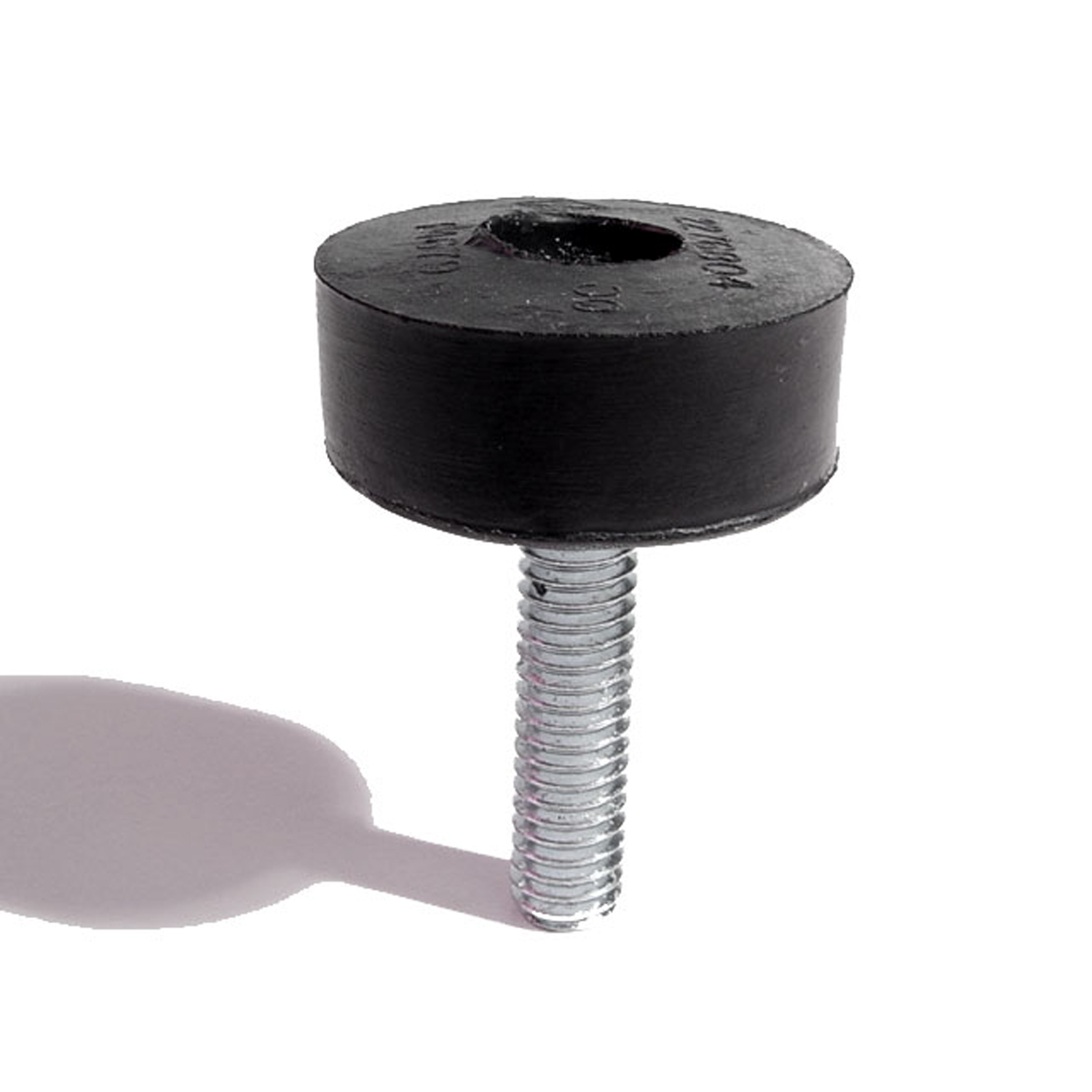 1977 Plymouth PB300 Hood Adjustment Bolt and Bumper-HA 8Hood Adjustment Bolt and Bumper. 1-3/16" diameter rubber head. 5/16" thick X 18 threads/inch X 1-1/4" long bolt. Each
 1977 Plymouth PB300 Rear cargo door seal. Left-hand side-LM 123-VARear cargo door seal. Left-hand side. Fits '71-'77 Dodge B-Series vans (B100/B200/B300) and '74-'77 Plymouth PB-Series vans (PB100/PB200/PB300). [Note: Do not confuse this seal with the SIDE cargo door seals LM 123-VC.] Replaces OEM# 2956359. Each.
 1977 Plymouth PB300 Rear cargo door seal. Right-hand side-LM 123-VBRear cargo door seal. Right-hand side. Fits '71-'77 Dodge B-Series vans (B100/B200/B300) and '74-'77 Plymouth PB-Series vans (PB100/PB200/PB300). Replaces OEM# 2956358. Each.
 1977 Plymouth PB300 Side cargo door seal. Left-hand seal-LM 123-VCSide cargo door seal. Left-hand seal. Fits '71-'77 Dodge B-Series vans (B100/B200/B300) and '74-'77 Plymouth PB-Series vans (PB100/PB200/PB300). [Note: Do not confuse this seal with the REAR cargo door seals LM 123-VA.] Replaces OEM# 2956357. Each.
 1977 Plymouth PB300 Side cargo door seal. Right-hand seal-LM 123-VDSide cargo door seal. Right-hand seal. Fits '71-'77 Dodge B-Series vans (B100/B200/B300) and '74-'77 Plymouth PB-Series vans (PB100/PB200/PB300).
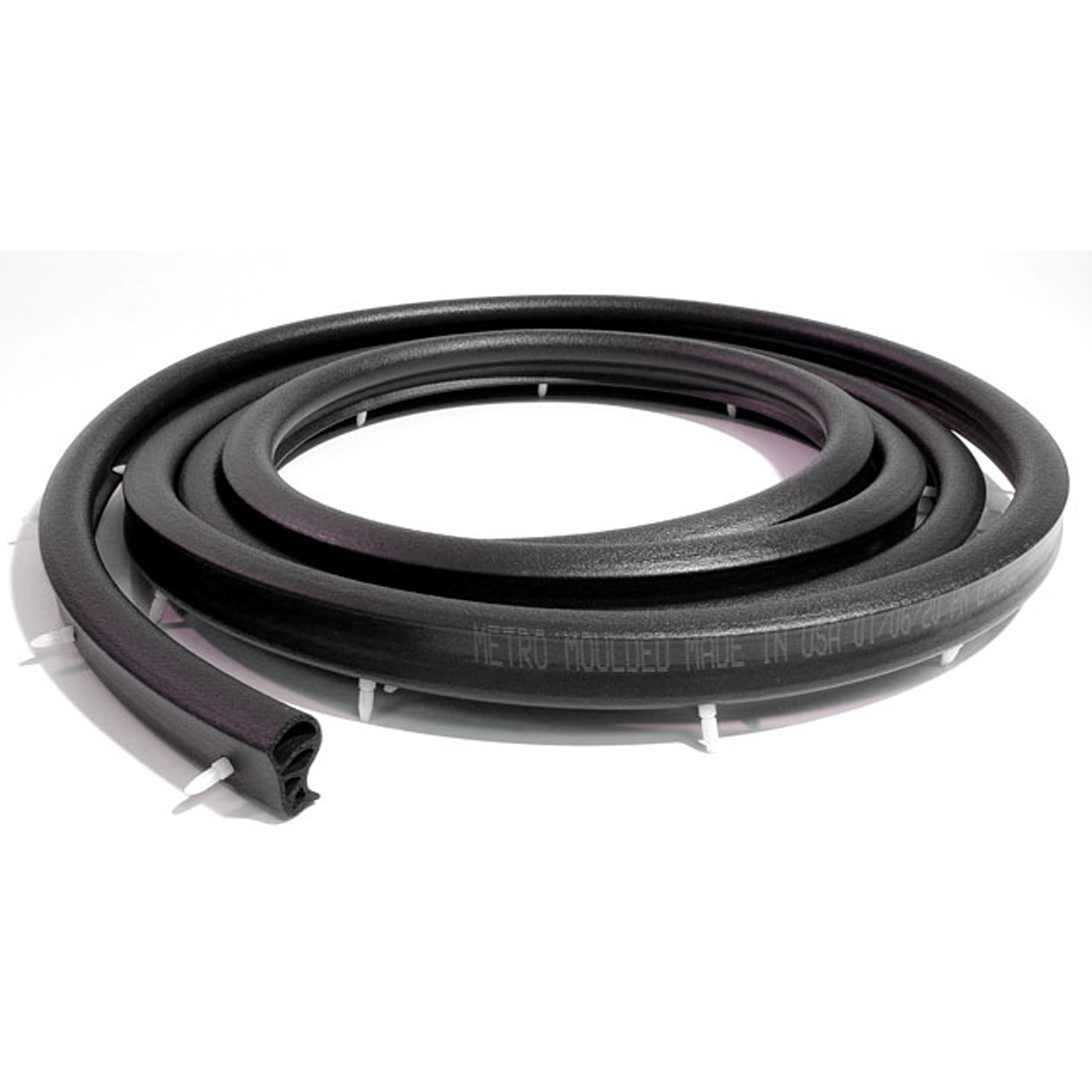 1977 Plymouth PB300 Drivers Side (left) Door Seal. Fits full size vans only-LM 123-VLDrivers Side (left) Door Seal. Fits full size vans only. Each
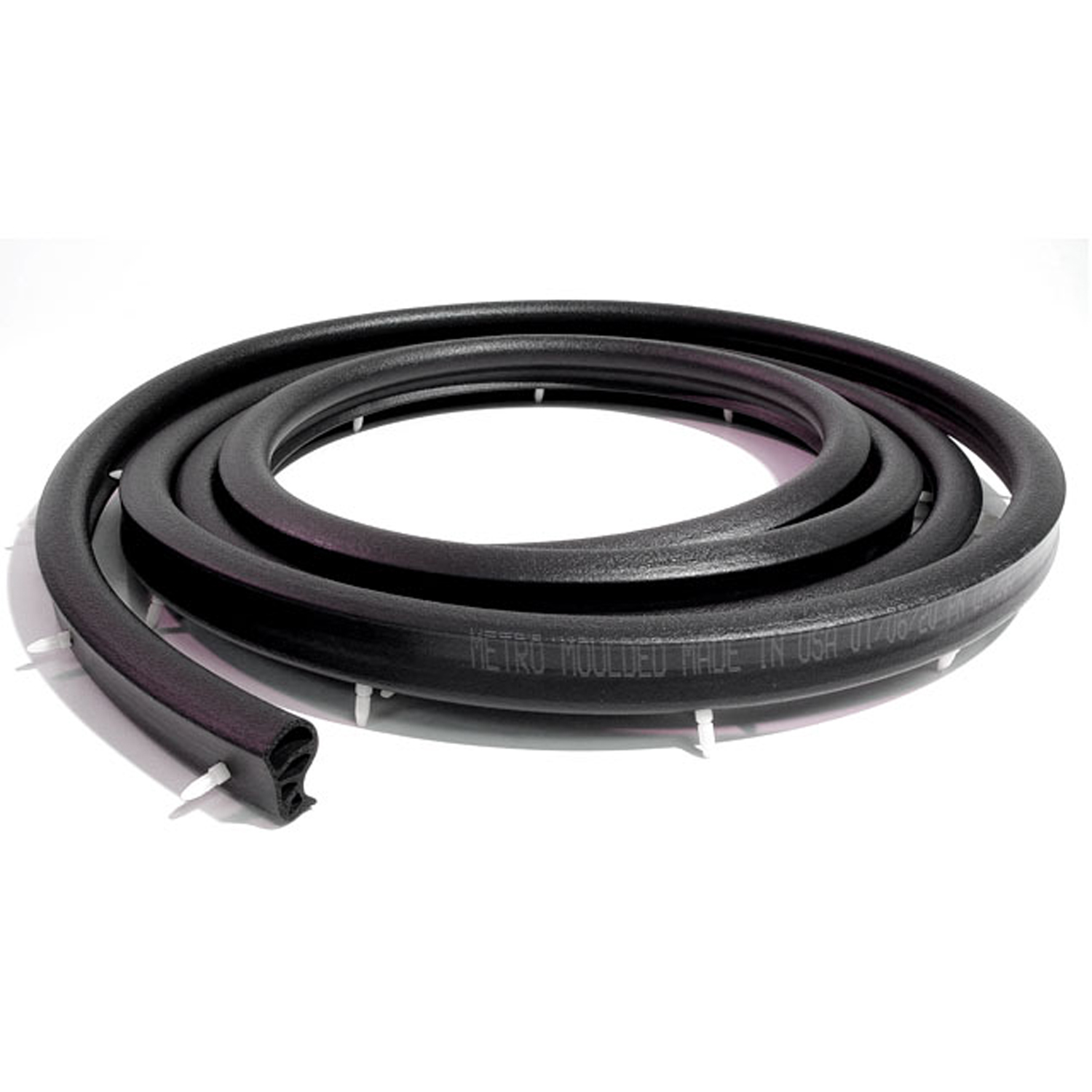 1977 Plymouth PB300 Passenger Side (right) Door Seal. Fits full size vans only-LM 123-VRPassenger Side (right) Door Seal. Fits full size vans only. Each
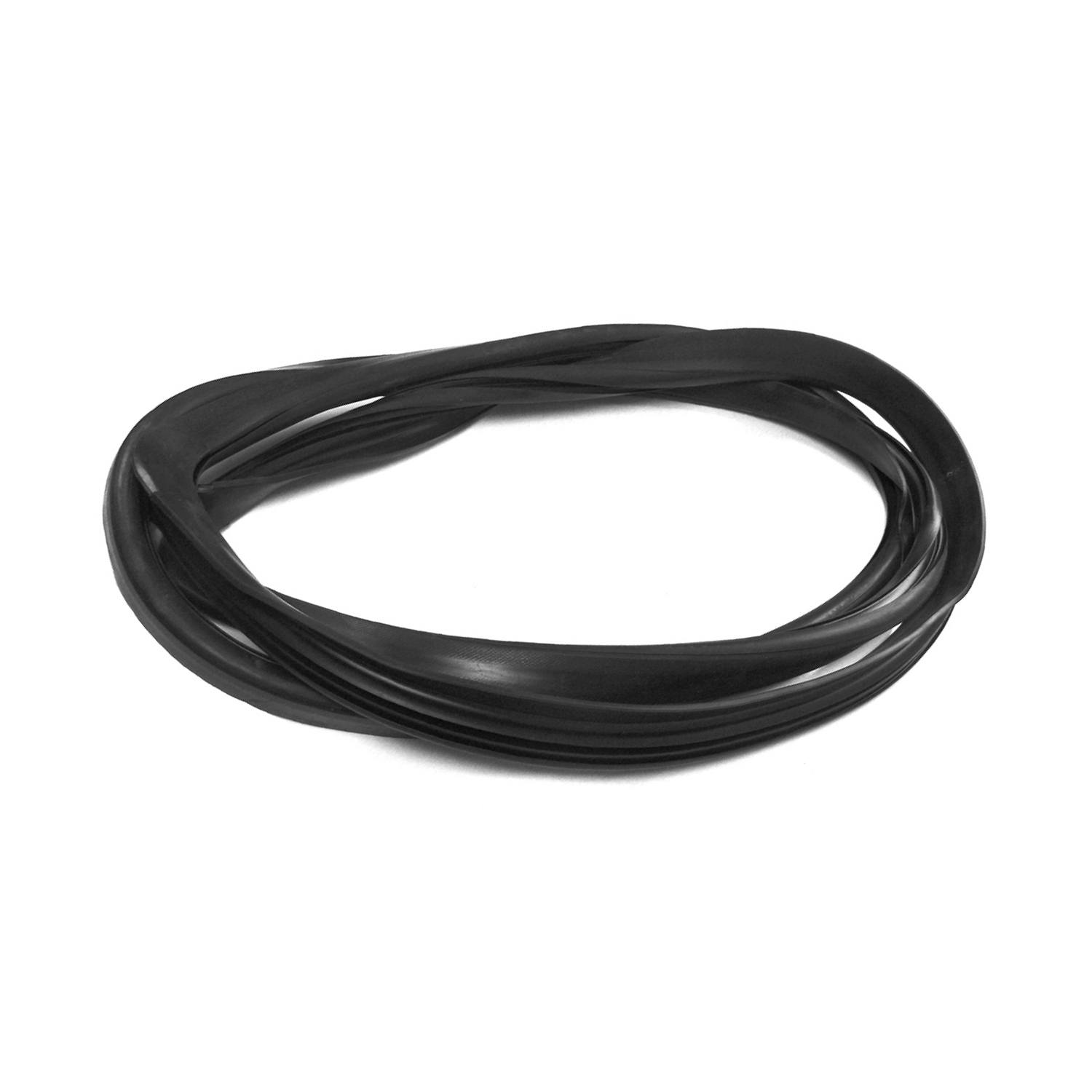 1977 Plymouth PB300 Windshield seal, '71-'93 Dodge/Plymouth B/PB series vans-VWS 2706Windshield seal, '71-'93 Dodge/Plymouth B/PB series vans, with groove for lockstrip, each.
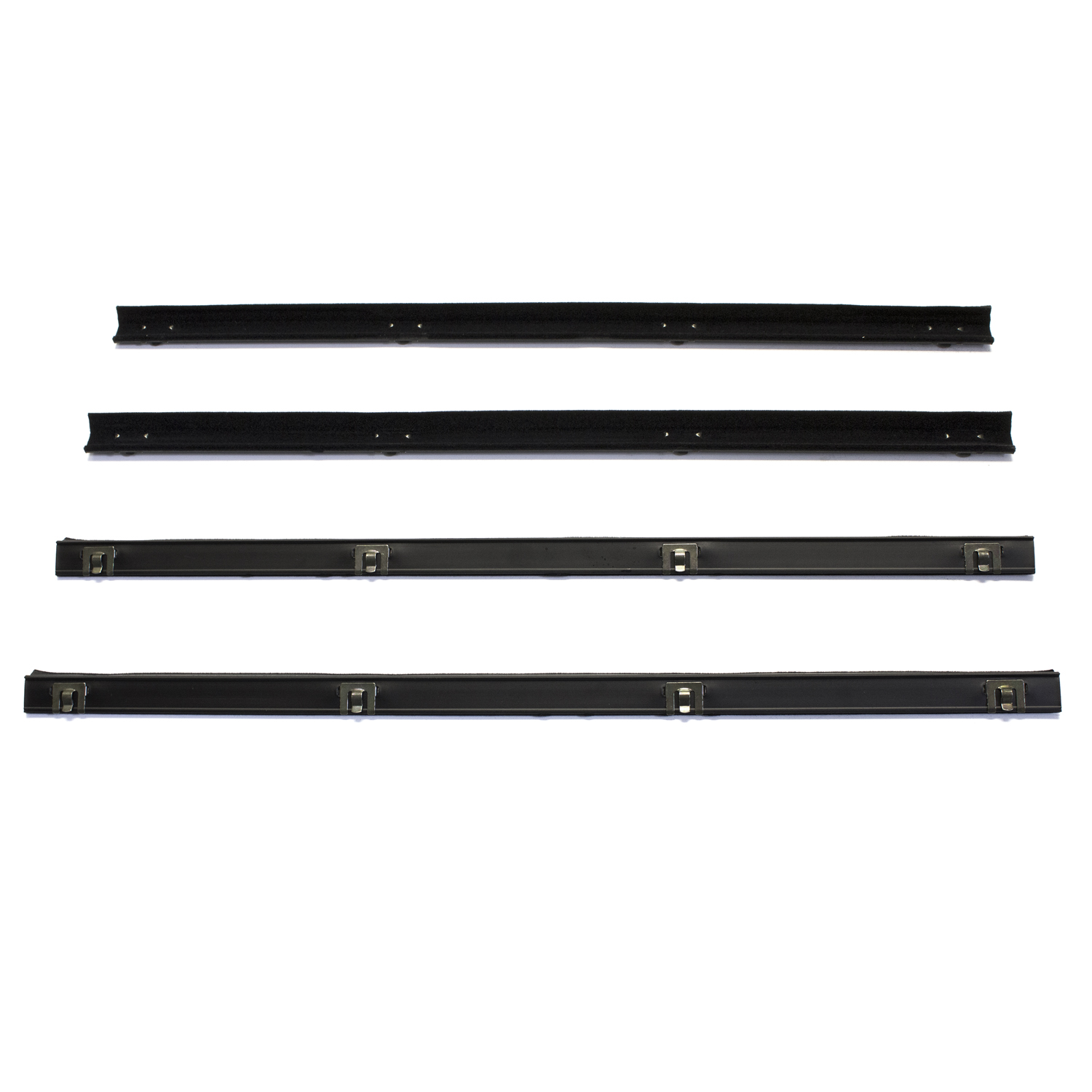 1977 Plymouth PB300 Window Sweeper Kit-WC 4300-01Window Sweeper Kit. Fits '71-'79 Dodge B-series and '74-'79 Plymouth PB-series full size vans. 4-piece kit includes both left-side and right-side inner and outer sweepers. Set. R&L.
 1977 Plymouth PB300 Glass Run Window Channels-WC 4300-02Glass Run Window Channels. Fits '71-'79 Dodge B-series and '74-'79 Plymouth PB-series full size vans. 4-piece kit includes both left-side and right-side front upper and division bar glass run window channels. Set.
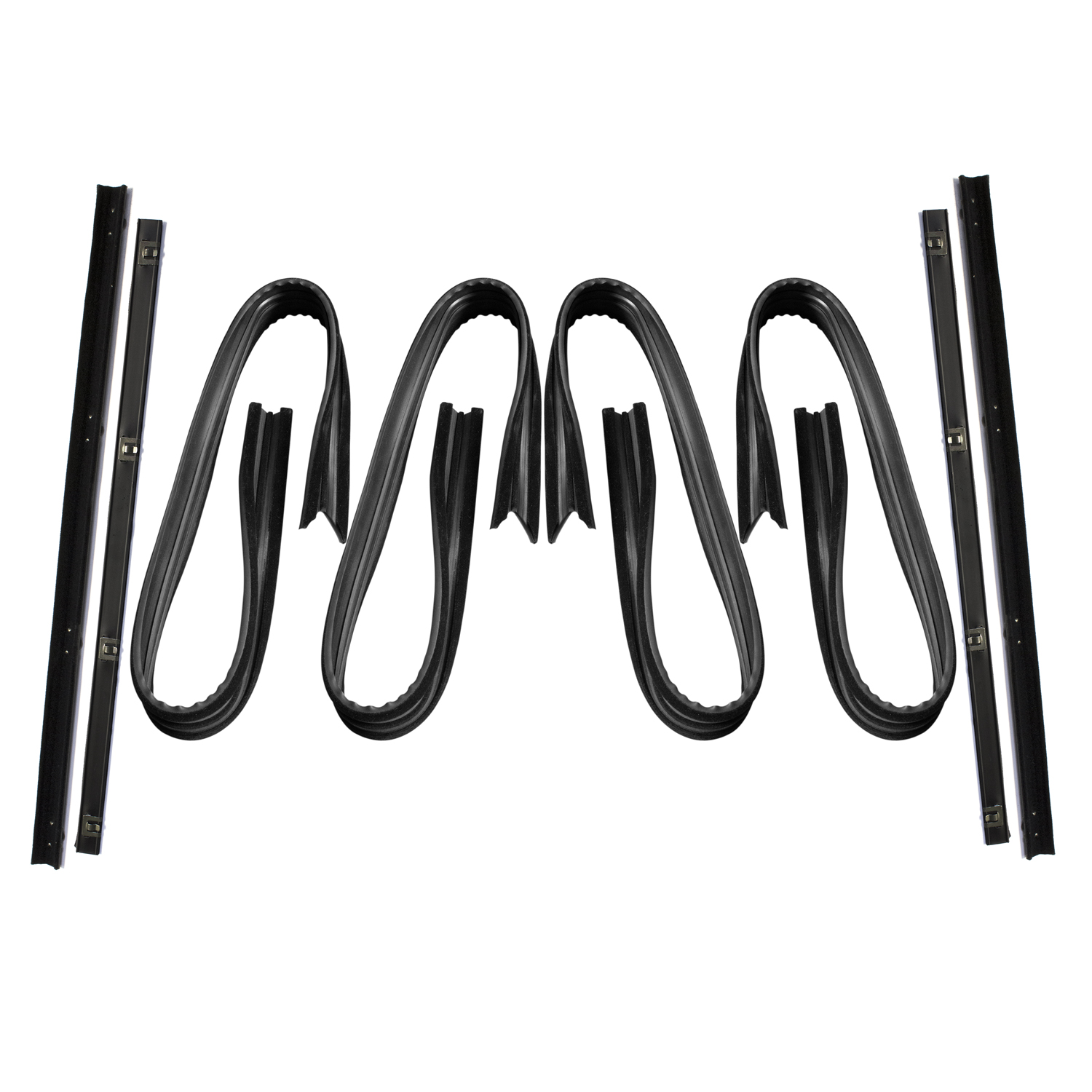 1977 Plymouth PB300 Window Sweepers and Glass Run Window Channels-WC 4300-03Window Sweepers and Glass Run Window Channels. Fits '71-'79 Dodge B-series and '74-'79 Plymouth PB-series full size vans. 8-piece kit includes both left-side and right-side inner and outer window sweepers and front upper and division bar glass run window channels. Combines WC 4300-01 and WC 4300-02. Set. R&L.
Why Choose Metro?
For over 100 years, Metro Moulded Parts has been the pinnacle of quality in classic car restoration parts. Our commitment to precision and authenticity in every component ensures a perfect fit and an OEM-level appearance.
- Expert Craftsmanship & Quality: Each part is a testament to our dedication to reliability and perfection, crafted from original designs and thoroughly tested.
- Advanced Technology: We use cutting-edge techniques to create flawless, long-lasting parts that surpass others in performance.
- SuperSoft Sponge – The Ultimate Door Seal: Not only are our door seals 30% softer than competitors', but they're also guaranteed to never leak. They effectively reduce wind and road noise, enhancing your classic car's comfort and driving experience.
- Proudly American: Our parts are a product of American craftsmanship, made in the USA with a spirit of excellence and heritage.
- Unrivaled Warranty: We back our products with a 30-year industry-leading warranty, a testament to our confidence in their quality.
Join us in preserving the legacy of classic cars with parts that are crafted for perfection, not just made.