

Image of 1931 Pontiac Model 401, Note: These illustrations use artistic license and may differ from actual historical models.
Performance Metrics
Fundamental Metrics
Emotional Appeal
MMP Rating
| Engine Specifications | |
|---|---|
| Engine Options: | Straight-8 |
| Displacement Range: | 200-250 cubic inches |
| Horsepower Range: | Estimated 60-85 hp |
| Torque: | Not available |
| Compression Ratio: | Not available |
| Ignition System: | Distributor and coil |
| Cooling System: | Water-cooled |
| Performance Specifications | |
| 0-60 Time: | Not available |
| 1/4 Mile Time: | Not available |
| Top Speed: | 60-70 mph |
| Transmission and Drive | |
| Drive Type: | Rear-wheel drive |
| Transmission Type: | 3-speed manual |
| Fuel and Efficiency | |
| Fuel System Type: | Carburetor |
| MPG: | Not available |
| Dimensions and Brakes | |
| Brakes: | Mechanical drum brakes |
| Wheelbase: | 114 inches |
| Weight: | 2,800 lbs |
Note: Specifications for classic cars are given to the best of our ability, considering the limited and variant data available.
1931 Pontiac Model 401: A Six-Cylinder for a Changing America
The 1931 Pontiac Model 401 brought six-cylinder power, handsome coachwork, and General Motors engineering to buyers who wanted something more substantial than an entry-level car without paying for a luxury marque. Built by Pontiac, a General Motors division that had grown out of the Oakland Motor Car Company, it arrived during one of the most difficult periods in American automotive history: the early years of the Great Depression.
Pontiac had been introduced in 1926 as a more affordable companion to Oakland. By 1931, Oakland had been discontinued, leaving Pontiac to carry the torch as GM’s mid-priced six-cylinder brand. The Model 401 belongs to this formative era. It combined traditional body-on-frame construction and a straightforward side-valve six with styling and equipment intended to make the car feel a class above a basic transportation appliance.
One useful detail for researchers and buyers: period records and later vehicle listings do not always use “Model 401” consistently. Pontiac’s model and body designations can be confusing across catalogs and modern references, so a car’s serial number, body tag, and original sales literature are more reliable than a listing title alone.
Art Deco Lines and Practical Coachwork
The Model 401’s appearance was unmistakably early-1930s Pontiac. Its upright radiator grille and tall hood gave the front end a formal, purposeful stance, while sweeping front fenders softened the shape. Separate headlamps sat outboard of the grille, and running boards linked the front and rear fenders in one long horizontal line. At the rear, a spare tire was commonly mounted externally, adding to the car’s balanced, touring-car profile.
The body was built around a substantial frame, with steel body panels and wood structure used in ways that varied by body construction and supplier. The cabin reflected the period’s preference for durable, carefully finished materials rather than modern convenience. Expect broad bench seating, substantial door trim, a large steering wheel, and an instrument panel with clear, individually arranged gauges. Upholstery and trim depended on the body style and original specification, and surviving cars may have been retrimmed over the decades.
Period color choices followed the restrained palette popular during the era. Dark blues, greens, browns, maroons, and black were typical colors across early-1930s cars, sometimes paired with contrasting wheels or trim. The exact choices available for a particular 401 depended on body style, region, and factory ordering details. When assessing authenticity, consult period paint references or surviving original paint rather than assuming that a current restoration color was offered.
Pontiac sold its cars in several body configurations during this period, including closed sedans and coupe-style bodies across the broader lineup. The exact body associated with the 401 designation should be verified against factory documentation, since model-number references are not perfectly consistent in modern sources. A closed sedan is the most practical and commonly encountered presentation for a family-oriented car of this type, while coupes tend to attract attention for their more compact, sporting proportions.
Engineering for the Early 1930s
At the heart of the 1931 Pontiac was a 200.4-cubic-inch L-head, or flathead, inline six. Contemporary specifications commonly list output at about 60 horsepower. The valves sat in the block beside the cylinders, a design that was mechanically straightforward and comparatively easy to service, although less efficient than the overhead-valve engines that would become more widespread later.
Power went through a conventional manual transmission, typically a three-speed unit, to the rear wheels. Mechanical brakes and a solid-axle chassis were normal for the period. These were not cutting-edge ideas, but Pontiac’s appeal came from putting familiar, proven hardware into a well-equipped package backed by GM’s growing dealer and parts network.
For drivers in 1931, the combination mattered. A six-cylinder engine promised smoother running than many four-cylinder competitors, while the car’s size and equipment offered a more substantial feel than the cheapest cars on the road. Pontiac was positioned to make that step up accessible to a broader range of buyers.
Performance and Road Manners
With roughly 60 horsepower moving a heavy early-1930s body, the Model 401 was built for steady travel, not quick acceleration. A healthy example may reach a top speed in the neighborhood of 60 to 65 mph, depending on gearing, body style, condition, tires, and how the figure is measured. A modern-style 0-to-60-mph time was not a standard factory selling point, and reliable period tests are difficult to pin down. A reasonable estimate is well over 20 seconds, with some cars taking around 30 seconds or more.
On a smooth road, the six should feel measured and deliberate, with a low-pitched mechanical note rather than a sharp, high-revving sound. The engine rewards smooth throttle use and timely gear changes. It is most comfortable cruising at moderate speeds, where the car’s long wheelbase and weight help it settle into a relaxed rhythm.
Rough pavement reveals the limits of 1931 suspension design. The solid axles and narrow tires transmit bumps differently from a modern car, and the tall body can lean through corners. On winding roads, the driver needs to plan ahead, steer with measured inputs, and leave plenty of room for braking. Wet or loose surfaces also demand care, especially given the narrow tires and period braking system.
Why the Model 401 Matters
The Model 401 was not a radical engineering breakthrough, but its significance lies in what Pontiac represented. It helped establish the brand as a credible six-cylinder choice during a period when buyers were looking for more refinement without moving into expensive luxury territory. Pontiac’s association with General Motors also meant access to a broad service network and manufacturing resources at a time when many smaller automakers were struggling.
Its straightforward layout reflects an important chapter in automotive development. The flathead six, rear-wheel drive, manual gearbox, and body-on-frame construction were all familiar technologies, yet together they formed a dependable, serviceable car suited to the roads and expectations of its day. Pontiac would later become known for performance-oriented models, but cars like the 401 helped build the brand’s reputation before that identity took shape.
Ownership, Maintenance, and Reliability
Today, a 1931 Pontiac is best suited to touring, local vintage-car events, museum display, or careful collection use. It can be driven on suitable roads, but it is not a sensible modern daily driver. Traffic speeds, braking distances, lighting, and crash protection are all far removed from contemporary standards.
The basic mechanical design is accessible to an experienced hobbyist. Routine work includes checking ignition and fuel systems, maintaining the cooling system, inspecting the brakes, and lubricating chassis components. Parts support is generally more specialized than for a common postwar classic, and items such as correct trim, glass, interior pieces, and body-specific components can take time to locate. A mechanical rebuild may be manageable; a comprehensive restoration involving scarce original fittings can be a much larger project.
Reliability depends heavily on the quality of restoration and ongoing maintenance. A car that has been stored for years may need attention to its fuel system, cooling passages, wiring, tires, and brakes before it is roadworthy. The most important ownership rule is simple: do not assume that an old car is safe because it starts and moves. Have the braking system, steering, wheel bearings, tires, and fuel lines inspected before driving it in traffic.
Facts, Myths, and Common Criticisms
The Model 401 is a product of the period when Pontiac was transitioning from its Oakland roots into a major GM division. That corporate history is one reason the car can be misidentified in casual sales listings. Confirming the chassis and body details is especially important when originality or a particular model designation affects value.
There is no widely recognized speed, endurance, or sales record uniquely associated with the Model 401. Pontiac’s broader sales and brand story is more significant than any single record attributed to this model. Likewise, claims of celebrity ownership should be treated cautiously unless supported by reliable documentation.
Common criticisms are the ones expected of a car designed nearly a century ago: modest power, slow acceleration, heavy steering at low speeds, limited braking performance by modern standards, and a less comfortable ride on poor roads. Those traits are part of its historical character, but they also mean that careful maintenance and conservative driving are essential.
Collector Value and Rarity
Values vary widely with body style, originality, restoration quality, and documentation. As a broad current-market estimate, a project car might sell for roughly $5,000 to $12,000. A presentable driver could fall around $12,000 to $25,000, while a high-quality restoration may bring approximately $25,000 to $45,000 or more. Exceptional, correctly restored examples or especially desirable body configurations can exceed that range, while cars needing extensive work may sell for less.
Those figures are estimates, not a formal appraisal. Early Pontiacs trade less frequently than better-known prewar marques, and the small number of comparable sales makes pricing less predictable. Condition and completeness usually matter more than a seller’s claim that a car is rare.
Exact production totals for the 401 designation are not consistently reported in readily available references. Pontiac’s overall 1931 production was in the tens of thousands, but that figure cannot be used as the Model 401’s production count. A reasonable working assumption is that the 401 represented a subset numbering in the thousands, with surviving examples now relatively uncommon. A firm production estimate would require factory records that distinguish the model and body style.
Over the long term, top-quality early Pontiacs have generally benefited from growing interest in prewar cars, but the market is selective. Restorations can cost more than the finished car is worth, and values are sensitive to originality, provenance, and the appeal of a particular body style. The best purchases are usually complete cars with sound structure and documented work, rather than ambitious projects bought solely on the promise of future appreciation.
A Pontiac from the Brand’s Foundation Years
The 1931 Pontiac Model 401 captures Pontiac at an important moment: a young GM division offering six-cylinder comfort and solid engineering as the American car industry weathered the Great Depression. Its flathead six, formal styling, and practical construction are reminders of an era when motoring was slower, more mechanical, and far less insulated from the road.
For collectors, the Model 401 is not simply an old sedan or coupe. It is a tangible piece of Pontiac’s early identity, built before the brand became famous for performance. Preserved with care, it offers something increasingly rare: the chance to experience the quiet confidence and craftsmanship of a prewar American automobile on its own terms.
1931 Pontiac Model 401 Catalog of Parts
 1931 Pontiac Model 401 Door Bumper. 1-7/16" high X 1-9/16" wide X 9/16" thick-DB 7Door Bumper. 1-7/16" high X 1-9/16" wide X 9/16" thick. Each
 1931 Pontiac Model 401 Side window seal. Dense rubber. No metal core. 1 in-LP 95-ASide window seal. Dense rubber. No metal core. 1 in. W x 5/8 in. H. Per foot.
 1931 Pontiac Model 401 Door Handle Ferrule Grommet. I.D. 11/16", O.D. 1-3/16"-MP 546-IDoor Handle Ferrule Grommet. I.D. 11/16", O.D. 1-3/16". Each
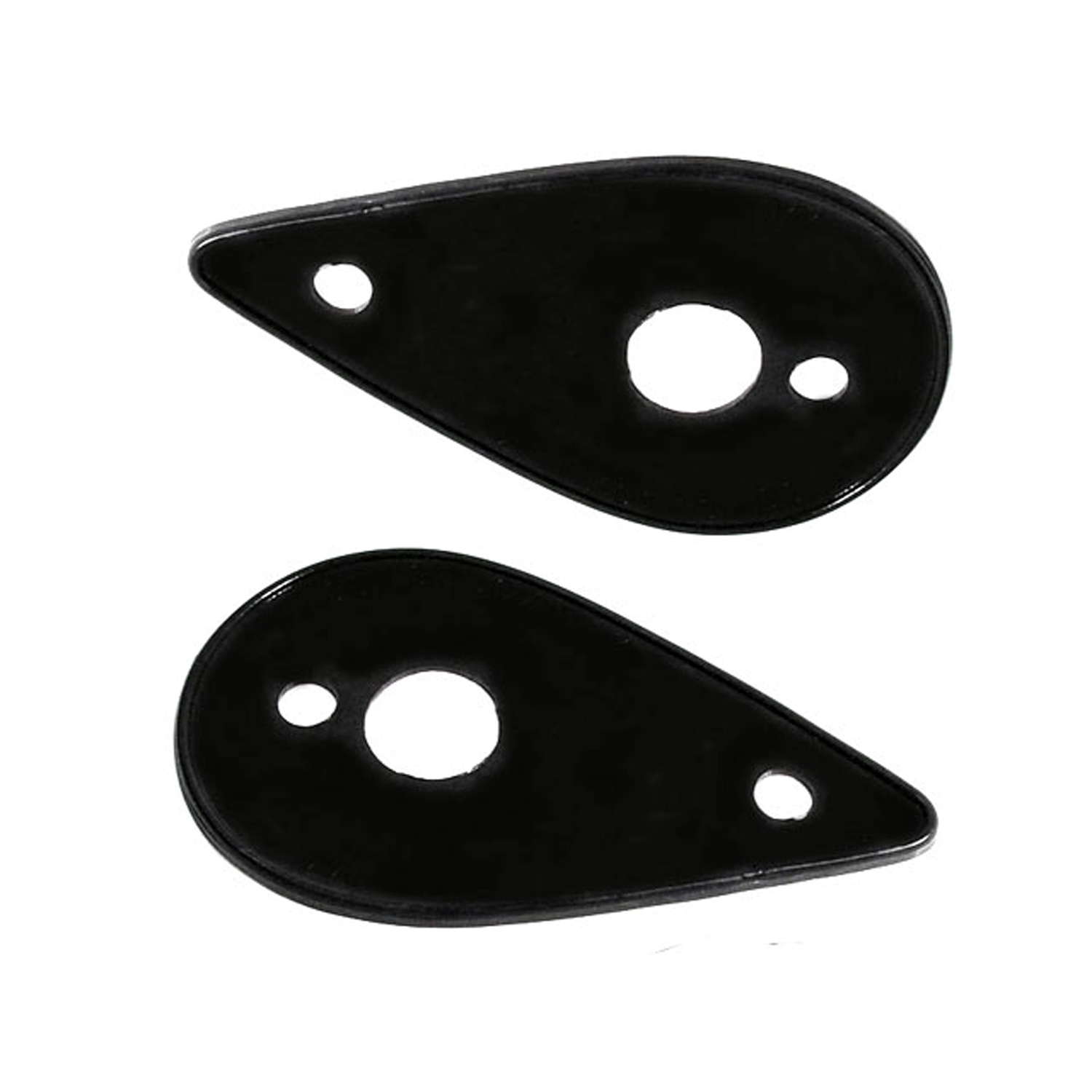 1931 Pontiac Model 401 Headlight Pads. 3-3/8" wide X 5-7/8" long. Pair-MP 990-YHeadlight Pads. 3-3/8" wide X 5-7/8" long. Pair
 1931 Pontiac Model 401 Headlight Bar Pads. 2-3/8" wide X 4-3/8" long. Pair R&L-MP 991-RRHeadlight Bar Pads. 2-3/8" wide X 4-3/8" long. Pair R&L
 1931 Pontiac Model 401 Booster Brake Diaphragm. 7-1/2" O.D., 3" I.D., 1-7/8" deep-RP 32Booster Brake Diaphragm. 7-1/2" O.D., 3" I.D., 1-7/8" deep. Each
 1931 Pontiac Model 401 Door Bumper. 1" diameter X 1/4" thick Each-SB 60Door Bumper. 1" diameter X 1/4" thick Each
 1931 Pontiac Model 401 Flexible Rubber Window Channel-WC 32-14Flexible Rubber Window Channel. For Fisher Closed Bodies, except those using a stainless bead type. Used on side windows. 13/16" outer width X 6/16" outer depth, with a 5/16" inner channel width X 14" long. Each
 1931 Pontiac Model 401 Fender Bolts. For use with Fender Bolt Washers; WF 3001-WF 3000Fender Bolts. For use with Fender Bolt Washers; WF 3001. Zinc Chromate plated, high strength. 1" X 5/16". Set of 25
 1931 Pontiac Model 401 Fender Bolt Washers. For use with Fender Bolts; WF 3000-WF 3001Fender Bolt Washers. For use with Fender Bolts; WF 3000. High quality, cadmium plated. 1-1/4" O.D., 3/8" I.D. Set of 25
Why Choose Metro?
For over 100 years, Metro Moulded Parts has been the pinnacle of quality in classic car restoration parts. Our commitment to precision and authenticity in every component ensures a perfect fit and an OEM-level appearance.
- Expert Craftsmanship & Quality: Each part is a testament to our dedication to reliability and perfection, crafted from original designs and thoroughly tested.
- Advanced Technology: We use cutting-edge techniques to create flawless, long-lasting parts that surpass others in performance.
- SuperSoft Sponge – The Ultimate Door Seal: Not only are our door seals 30% softer than competitors', but they're also guaranteed to never leak. They effectively reduce wind and road noise, enhancing your classic car's comfort and driving experience.
- Proudly American: Our parts are a product of American craftsmanship, made in the USA with a spirit of excellence and heritage.
- Unrivaled Warranty: We back our products with a 30-year industry-leading warranty, a testament to our confidence in their quality.
Join us in preserving the legacy of classic cars with parts that are crafted for perfection, not just made.