

Image of 1934 Pontiac Model 603, Note: These illustrations use artistic license and may differ from actual historical models.
Performance Metrics
Fundamental Metrics
Emotional Appeal
MMP Rating
| Engine Specifications | |
|---|---|
| Engine: | Straight-8 |
| Displacement: | 223 cubic inches |
| Horsepower: | Estimated 77-85 hp |
| Torque: | Not available |
| Compression Ratio: | Not available |
| Ignition System: | Battery and coil |
| Cooling System: | Water-cooled |
| Performance Specifications | |
| 0-60 Time: | Not available |
| 1/4 Mile Time: | Not available |
| Top Speed: | 75 mph |
| Transmission and Drive | |
| Drive Type: | Rear-wheel drive |
| Transmission Type: | 3-speed manual |
| Fuel and Efficiency | |
| Fuel System Type: | Carburetor |
| MPG: | Not available |
| Dimensions and Brakes | |
| Brakes: | Mechanical drum brakes |
| Wheelbase: | 117 inches |
| Weight: | 3200 lbs |
Note: Specifications for classic cars are given to the best of our ability, considering the limited and variant data available.
1934 Pontiac Model 603: A Six-Cylinder From Pontiac’s Growing Years
The 1934 Pontiac Model 603 brought roomy, smartly styled motoring to buyers who wanted more than a basic economy car without paying luxury-car prices. Built by the Pontiac Motor Division of General Motors, the 603 belonged to a period when Pontiac was establishing itself as a practical, middle-market brand with a little extra polish.
For 1934, Pontiac’s identity centered on a smooth inline-six rather than the eight-cylinder engines offered by some more expensive rivals. The Model 603 combined that six-cylinder power with Fisher Body coachwork, a conventional three-speed manual transmission and a broad range of closed and open body styles. It was a product of the Depression-era market, where value, dependability and attractive styling all mattered.
One useful point of context for collectors: the 603 predates Pontiac’s famous Silver Streak styling, which arrived for 1935. The 1934 car is therefore a look at Pontiac just before one of the brand’s most recognizable design signatures took shape.
Classic Pontiac Styling and Cabin Details
The Model 603 has the upright, carefully balanced proportions typical of an early-1930s American car. Its tall radiator shell and long hood give the front end a formal presence, while the separate fenders, running boards and rear-mounted spare create a distinctly prewar silhouette. Headlamps sit out on the fenders, and slim brightwork adds visual definition without the heavy ornamentation found on some luxury models.
Inside, the dashboard is straightforward and driver-focused by the standards of the day, with clearly arranged instruments and substantial knobs and controls. Depending on body style and original specification, upholstery could include durable cloth or mohair in closed cars, with richer materials or leather available on some versions. The overall impression is less about modern convenience and more about a solid, carefully finished cabin with generous seating for its era.
Factory paint and trim choices varied by body style and equipment. Dark, formal colors such as black, deep blue, green and maroon suit the period look, but buyers should consult model-year paint references before claiming a particular color is factory correct. A car’s trim combination and body style could affect which colors were offered.
The 603 range included several body configurations, commonly including two-door and four-door sedans and coupe-style models. Open cars were also part of the broader Pontiac offering, though exact availability depended on the catalog and market. The four-door sedan is an especially recognizable choice today: it shows off the car’s long, upright profile and makes the most of its practical family-car layout.
Engineering for 1934
At the heart of the Model 603 was Pontiac’s L-head, or flathead, inline-six. Commonly cited specifications put displacement at about 223 cubic inches and output at roughly 77 horsepower. Those figures made the Pontiac a capable full-size car for its time, though its design favored steady, usable power over high-revving performance.
Power went through a three-speed manual transmission. Synchromesh assistance on forward gears is generally associated with the period’s Pontiac driveline, but equipment details should be checked against the correct service literature and the specific car. The 603 also used conventional rear-wheel drive, a separate chassis and a solid rear axle, all familiar arrangements for a 1930s American automobile.
Like other cars of its time, the Pontiac had fewer safety and convenience features than a modern driver expects. There were no seat belts, airbags or power-assisted controls. Braking and steering systems were mechanically demanding by modern standards, so restorers should verify the exact equipment fitted to a particular car rather than assume that later components are original.
Why the Model 603 Matters
The Model 603’s significance lies in what it represents: Pontiac’s effort to offer a well-equipped, respectable car at a price below the prestige brands. Its six-cylinder engine gave buyers a step up in size and presence from the cheapest entry-level offerings, while GM’s manufacturing and Fisher Body resources helped deliver a consistent, polished product.
The car was not a radical engineering breakthrough, nor did it introduce a single technology that transformed the industry. Its importance is more evolutionary. Pontiac helped define the appeal of the attainable mid-priced car, combining a comfortable body, straightforward mechanicals and an image that felt a little more substantial than a strictly basic automobile.
It also makes a useful comparison point for Pontiac’s subsequent design development. The 1934 model retains a formal, separate-fender appearance, while the next year’s Silver Streak treatment would give the marque a more distinctive visual identity. For enthusiasts, the 603 captures the transition just before that styling chapter began.
Road Performance and Driving Feel
With around 77 horsepower moving a substantial prewar car, the Model 603 is best understood as a relaxed cruiser rather than a quick sedan. Period road tests and surviving specifications do not always provide consistent acceleration figures, so modern estimates should be treated as approximations. A sound, correctly tuned example might reach 60 mph in roughly 25 to 30 seconds, with a top speed in the neighborhood of 70 to 80 mph under favorable conditions. Actual performance varies with body style, gearing, engine condition, tires and road surface.
On the road, the six should deliver a steady, low-pitched exhaust note rather than a sharp, sporty bark. The manual gearbox asks the driver to work deliberately, especially in traffic or on a hill. Steering is unassisted, and the car’s size and tall body call for measured inputs on winding roads. Compared with a modern vehicle, it takes more effort to park, turn and stop.
The separate chassis and period suspension give the Pontiac a soft, somewhat buoyant ride over ordinary bumps. That comfort has a trade-off: on rough roads or in quick direction changes, body motion is more noticeable than in a modern car. Crosswinds can also push the tall body around, so a driver benefits from keeping a steady hand on the wheel and allowing plenty of room. A well-maintained 603 can feel composed at touring speeds, but it is not designed for aggressive cornering.
Living With a 1934 Pontiac
Today, most Model 603s are used as show cars, weekend cruisers, parade vehicles or carefully driven touring cars. They can cover local roads and scenic routes, but they are not ideal for modern daily commuting, where faster traffic, limited visibility and the lack of contemporary safety equipment become real considerations.
The engine and basic driveline are mechanically understandable to an experienced vintage-car owner. Routine work such as ignition service, carburetor adjustment, lubrication and cooling-system maintenance follows familiar prewar-car principles. The catch is parts supply: some service items can be found through specialist suppliers, while model-specific trim, body components and interior pieces may require patience, specialist repair or custom fabrication.
Body condition deserves close attention. Some cars of this period used wood framing within the body structure, so hidden deterioration can be more serious than surface rust suggests. Inspect the body mounts, floors, sills and structural wood carefully. A complete car with sound structure is often a better starting point than a cheaper project missing unique parts.
Useful Facts for Pontiac Enthusiasts
The 1934 Model 603 is not generally known for a celebrity-owned edition, a special high-performance package or a headline-grabbing speed record. Its appeal is its place in Pontiac’s everyday history: a well-proportioned six-cylinder car built for ordinary owners during a difficult economic decade.
It also should not be confused with the Silver Streak Pontiacs that followed. That bright, horizontal hood treatment became a major part of the marque’s identity, but the 603 belongs to the model year immediately before that design feature appeared.
Common criticisms are familiar to owners of many prewar cars. The Pontiac is slow by modern standards, asks for frequent attention compared with a newer vehicle and lacks modern safety equipment. Parts availability can also be less convenient than it is for a Ford Model A or a mass-produced Chevrolet. For enthusiasts, those limitations are balanced by its distinctive styling, spacious cabin and less-common presence at shows.
Collector Value and Availability
Exact production totals for individual 603 body styles are not consistently published in readily available references. As a broad estimate rather than a factory-confirmed figure, total 1934 Model 603 production may have been in the tens of thousands, possibly around 50,000 to 100,000 cars across the range. That estimate should not be mistaken for a verified model-by-model count. Surviving examples are much scarcer than the original production suggests, particularly cars with complete trim and well-documented restoration histories.
As a rough U.S. market guide in 2026, a non-running or incomplete project might sell for about $5,000 to $15,000, depending heavily on structural condition and missing parts. A running driver or older restoration could fall around $15,000 to $30,000. A well-restored sedan or coupe may bring roughly $30,000 to $55,000, while an especially desirable open car or exceptional, documented example could exceed that range. These are broad estimates, not appraisals, and condition, originality, body style and sale venue can shift the price substantially.
Values for prewar Pontiacs have generally been steadier than those for the most fashionable collector cars. Exceptional restorations can attract strong interest, but ordinary examples are a niche market, and restoration costs may exceed the eventual sale price. The best purchases tend to be complete, structurally sound cars with verifiable history rather than ambitious projects bought solely on a low asking price.
The 1934 Pontiac 603’s Lasting Appeal
The Model 603 is a satisfying snapshot of Pontiac in transition: a well-appointed, six-cylinder car from the year before Silver Streak styling gave the brand a more famous face. Its upright body, approachable mechanical layout and comfortable period character make it appealing to collectors who want something beyond the most familiar prewar names.
It will not deliver modern speed or convenience, and it rewards careful ownership. But on a quiet road, with the flathead six humming and the long hood stretching ahead, the 1934 Pontiac Model 603 makes its case as an honest, handsome piece of American automotive history.
1934 Pontiac Model 603 Catalog of Parts
 1934 Pontiac Model 603 Starter Pedal Pad. Brown. 1-7/16" Diameter, Each-AP 19-AStarter Pedal Pad. Brown. 1-7/16" Diameter, Each
 1934 Pontiac Model 603 Clutch and Brake Pedal Pads. 2" wide X 3" long. Pair-CB 15Clutch and Brake Pedal Pads. 2" wide X 3" long. Pair
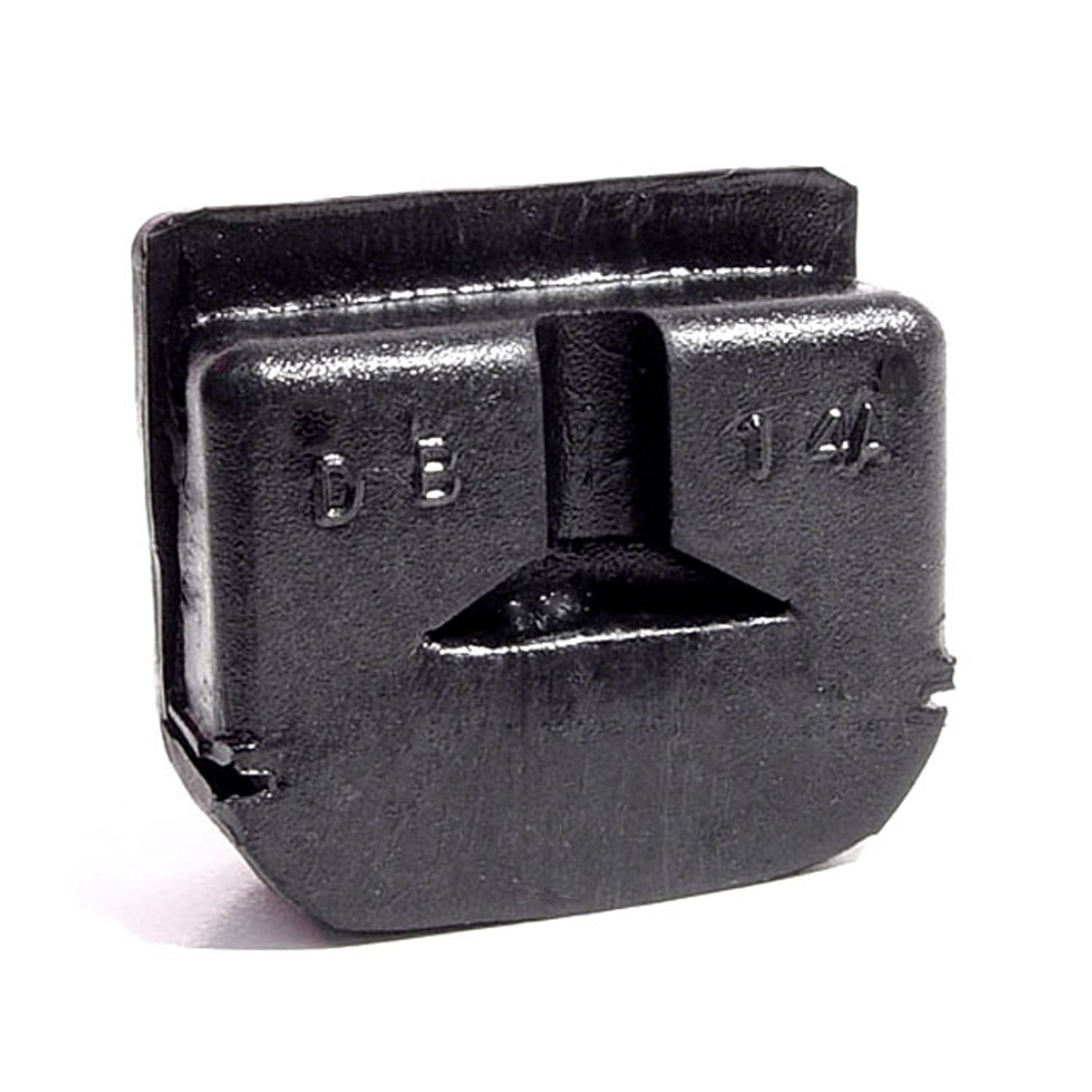 1934 Pontiac Model 603 Door Bumper. Exact reproduction-DB 14-ADoor Bumper. Exact reproduction. 1-3/16" high X 1-9/16" wide X 9/16" thick. Each
 1934 Pontiac Model 603 Upper Door Hinge Post Bumper. Held by screw-DB 60-AUpper Door Hinge Post Bumper. Held by screw. 7/8" diameter X 1/8" thick. Each
 1934 Pontiac Model 603 Door Handle Ferrule Grommet. I.D. 11/16", O.D. 1-3/16"-MP 546-IDoor Handle Ferrule Grommet. I.D. 11/16", O.D. 1-3/16". Each
 1934 Pontiac Model 603 Trunk Hinge Pads. 1-3/8" wide X 5-1/8" long. Set-MP 989Trunk Hinge Pads. 1-3/8" wide X 5-1/8" long. Set
 1934 Pontiac Model 603 Spare Tire Mount Pad. 6" wide X 5-1/2" long. Each-MP 989-ASpare Tire Mount Pad. 6" wide X 5-1/2" long. Each
 1934 Pontiac Model 603 Tail-light Pads. 2-3/8" wide X 5" long. Pair-MP 990-ATail-light Pads. 2-3/8" wide X 5" long. Pair
 1934 Pontiac Model 603 Tail-light Pads. 3-1/8" wide X 5-7/8" long. Pair-MP 990-BTail-light Pads. 3-1/8" wide X 5-7/8" long. Pair
 1934 Pontiac Model 603 Stanchion-to-headlight pad. '34 Pontiac Series 603. 3-1/4 in-MP 990-DStanchion-to-headlight pad. '34 Pontiac Series 603. 3-1/4 in. W x 7-1/4 in. L. Pair. R&L.
 1934 Pontiac Model 603 Fender marker-light pad. '34 Pontiac Series 603. 2-7/8 in-MP 990-EFender marker-light pad. '34 Pontiac Series 603. 2-7/8 in. W x 8-7/8 in. L. Pair.
 1934 Pontiac Model 603 Fender-to-stanchion pad. '34 Pontiac Series 603. 5-1/2 in-MP 990-FFender-to-stanchion pad. '34 Pontiac Series 603. 5-1/2 in. W x 9-7/8 in. L. Pair. R&L.
 1934 Pontiac Model 603 Park Light Pads. 2-7/8" wide X 8" long. Pair-MP 990-UPark Light Pads. 2-7/8" wide X 8" long. Pair
 1934 Pontiac Model 603 Cowl Vent Seal-RP 100-CCowl Vent Seal. 47" long piece of black, skin-covered sponge. End is 3/8" wide X 5/16" high. Each
 1934 Pontiac Model 603 Door Bumper. 1" diameter X 1/4" thick Each-SB 60Door Bumper. 1" diameter X 1/4" thick Each
 1934 Pontiac Model 603 Spare Tire Mount Bumper. 5/8" square. Each-SB 80Spare Tire Mount Bumper. 5/8" square. Each
 1934 Pontiac Model 603 Vertical Seal for Vent Window. Each is 17" long. Pair-VS 2Vertical Seal for Vent Window. Each is 17" long. Pair
 1934 Pontiac Model 603 Vulcanized Windshield Seal-VWS 7310Vulcanized Windshield Seal. For all closed models (does not fit convertible). Each
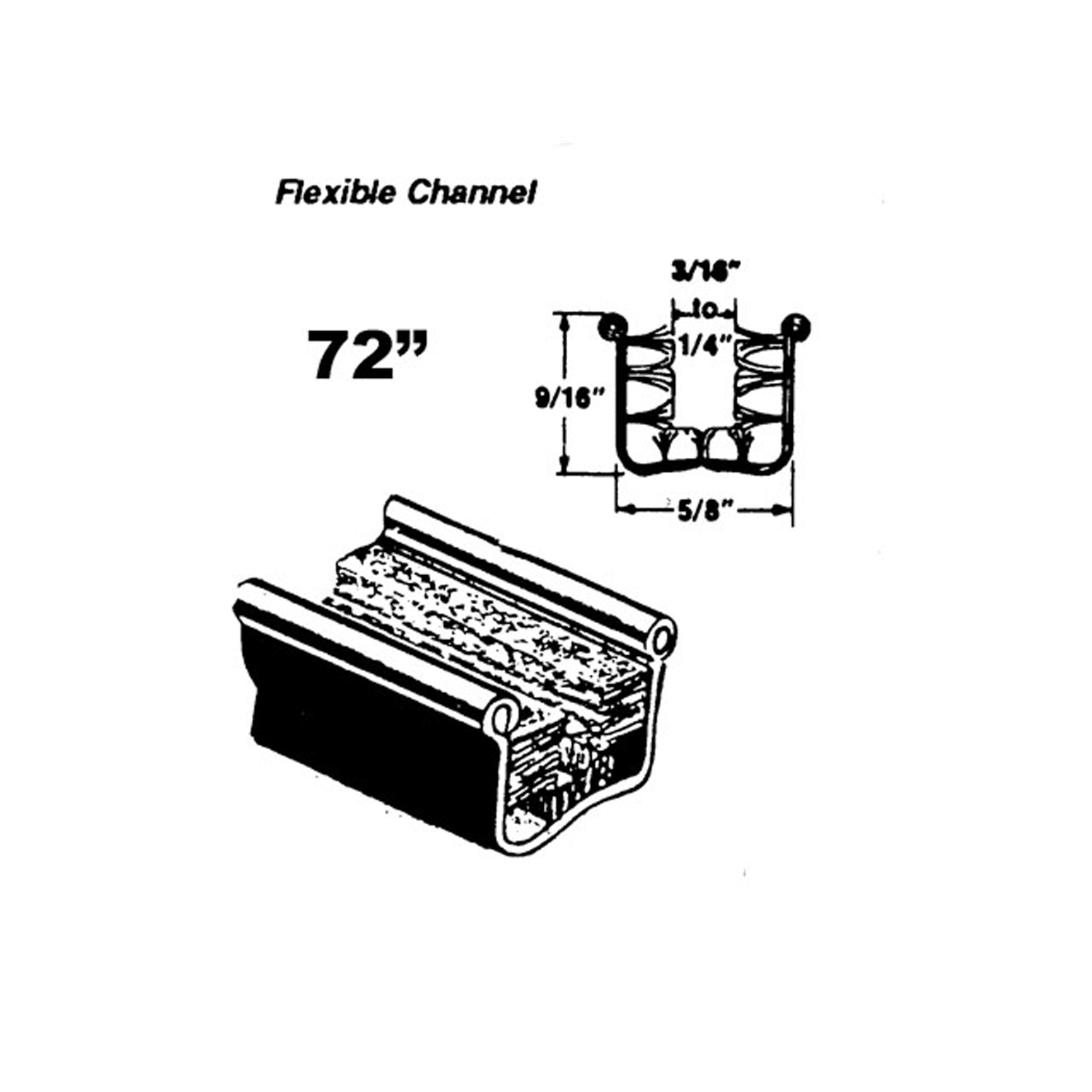 1934 Pontiac Model 603 Flexible glass-run channel-WC 11-72Flexible glass-run channel. Mohair lined, cloth covered with stainless steel bead. Used on side windows. 72 in. long. Each. NOTE: $20 special shipping charge applies for domestic orders. Call or email for overseas shipping costs. Part can be sectioned in two equal lengths to reduce overseas shipping costs.
 1934 Pontiac Model 603 Rigid division-bar channel. Made with stainless steel bead-WC 2-72Rigid division-bar channel. Made with stainless steel bead. 72 in. long. Each. NOTE: $20 special shipping charge applies for domestic orders. Call or email for overseas shipping costs. Part can be sectioned into two equal lengths to reduce overseas shipping costs.
 1934 Pontiac Model 603 Flexible Rubber Window Channel-WC 32-14Flexible Rubber Window Channel. For Fisher Closed Bodies, except those using a stainless bead type. Used on side windows. 13/16" outer width X 6/16" outer depth, with a 5/16" inner channel width X 14" long. Each
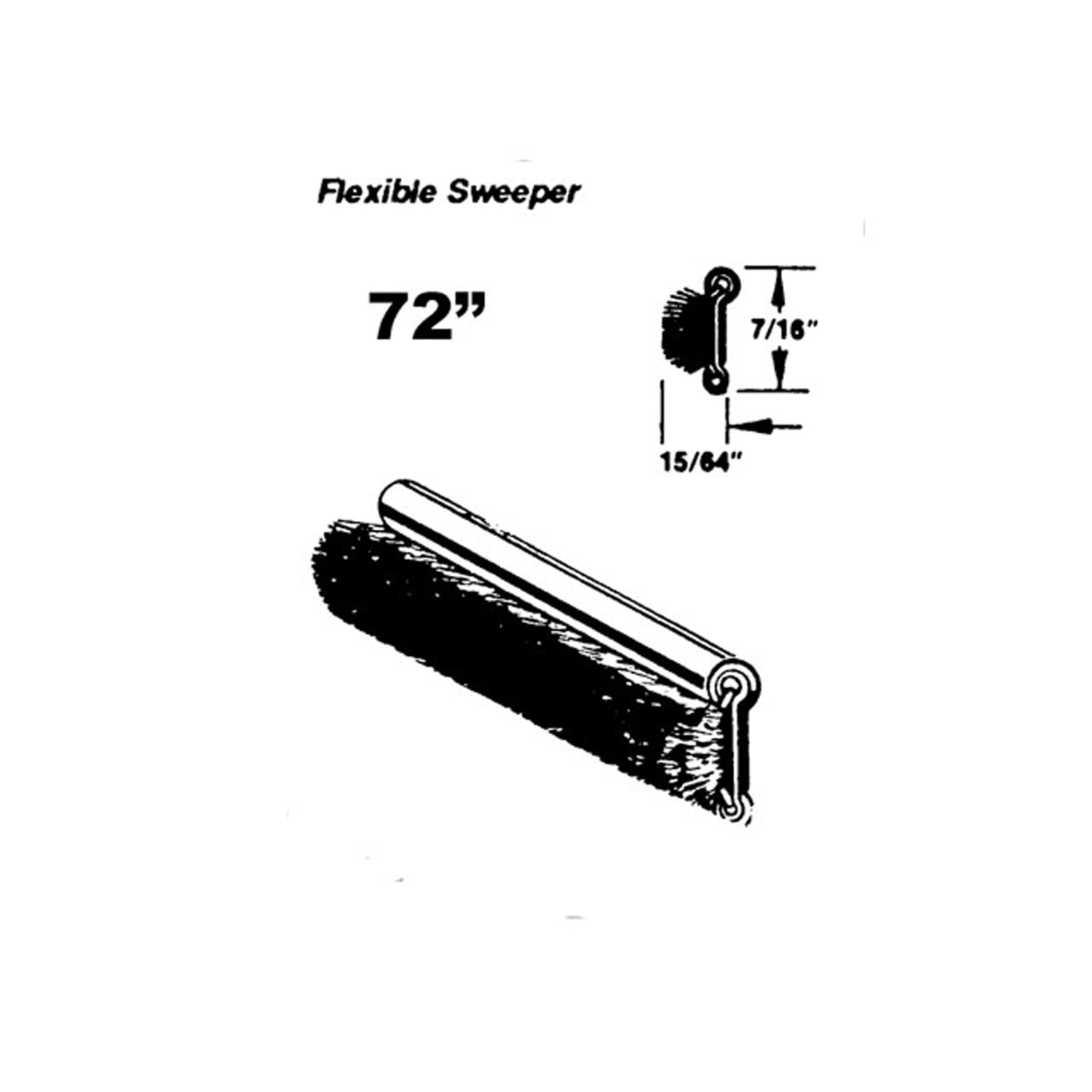 1934 Pontiac Model 603 Flexible sweeper. Made with stainless steel bead-WC 8-72Flexible sweeper. Made with stainless steel bead. Used on inner and outer beltlines. Also forms easily for use with sliding quarter windows. 72 in. long. Each. NOTE: $20 special shipping charge applies for domestic orders. Call or email for overseas shipping costs. Part can be sectioned into two equal lengths to reduce overseas shipping costs.
 1934 Pontiac Model 603 Fender Bolts. For use with Fender Bolt Washers; WF 3001-WF 3000Fender Bolts. For use with Fender Bolt Washers; WF 3001. Zinc Chromate plated, high strength. 1" X 5/16". Set of 25
 1934 Pontiac Model 603 Fender Bolt Washers. For use with Fender Bolts; WF 3000-WF 3001Fender Bolt Washers. For use with Fender Bolts; WF 3000. High quality, cadmium plated. 1-1/4" O.D., 3/8" I.D. Set of 25
 1934 Pontiac Model 603 Front Vent Window Seals. Does not fit Convertible-WR 7317Front Vent Window Seals. Does not fit Convertible. Pair R&L
Why Choose Metro?
For over 100 years, Metro Moulded Parts has been the pinnacle of quality in classic car restoration parts. Our commitment to precision and authenticity in every component ensures a perfect fit and an OEM-level appearance.
- Expert Craftsmanship & Quality: Each part is a testament to our dedication to reliability and perfection, crafted from original designs and thoroughly tested.
- Advanced Technology: We use cutting-edge techniques to create flawless, long-lasting parts that surpass others in performance.
- SuperSoft Sponge – The Ultimate Door Seal: Not only are our door seals 30% softer than competitors', but they're also guaranteed to never leak. They effectively reduce wind and road noise, enhancing your classic car's comfort and driving experience.
- Proudly American: Our parts are a product of American craftsmanship, made in the USA with a spirit of excellence and heritage.
- Unrivaled Warranty: We back our products with a 30-year industry-leading warranty, a testament to our confidence in their quality.
Join us in preserving the legacy of classic cars with parts that are crafted for perfection, not just made.