

Image of 1937 Pontiac Deluxe Model 8ca, Note: These illustrations use artistic license and may differ from actual historical models.
Performance Metrics
Fundamental Metrics
Emotional Appeal
MMP Rating
| Engine Specifications | |
|---|---|
| Engine: | Straight-8 |
| Displacement: | 222-248 cubic inches |
| Horsepower: | 85-100 hp |
| Torque: | Estimated at 150-170 lb-ft |
| Compression Ratio: | 6.2:1 |
| Ignition System: | Distributor and coil |
| Cooling System: | Liquid-cooled |
| Performance Specifications | |
| 0-60 Time: | Estimated at 20-25 seconds |
| 1/4 Mile Time: | Not available |
| Top Speed: | 75-80 mph |
| Transmission and Drive | |
| Drive Type: | Rear-wheel drive |
| Transmission Type: | 3-speed manual |
| Fuel and Efficiency | |
| Fuel System Type: | Carburetor |
| MPG: | Estimated at 10-15 mpg |
| Dimensions and Brakes | |
| Brakes: | Drum brakes |
| Wheelbase: | 117 inches |
| Weight: | 3,200-3,500 lbs |
Note: Specifications for classic cars are given to the best of our ability, considering the limited and variant data available.
1937 Pontiac Deluxe Eight: The Silver Streak Comes of Age
The 1937 Pontiac Deluxe Eight brought straight-eight smoothness, handsome General Motors styling, and practical family-car comfort together in a package aimed squarely at the American middle class. Built by Pontiac, a General Motors division based in Pontiac, Michigan, it belonged to a marque positioned between Chevrolet and Oldsmobile in GM’s brand lineup.
The “8” in the Deluxe Eight name points to its defining mechanical feature: an inline eight-cylinder engine. Pontiac’s distinctive Silver Streak styling also made the car easy to recognize, with bright trim running along the hood. A memorable detail is that the Silver Streak was more than decoration. It became one of Pontiac’s most enduring design signatures, helping give the brand a strong visual identity during the prewar years.
The car arrived as the United States was still recovering from the Great Depression. In 1937, a recession interrupted the recovery, making value and dependability important selling points. The Deluxe Eight offered buyers the prestige and smoothness of an eight-cylinder car without stepping up to a luxury marque.
Silver Streak Styling and Cabin Details
The 1937 Pontiac had a broad, upright front end, rounded fenders, and a tall grille that gave it a substantial road presence. The hood flowed back toward a divided windshield, while the fenders curved over the wheels in the classic teardrop-like form of the late 1930s. Chrome brightwork picked out the grille, lamps, bumpers, and hood. Along the hood, the Silver Streak trim formed a bright, unmistakable accent.
Inside, the Deluxe Eight was designed for comfortable, practical travel rather than ostentation. Buyers could expect a wide bench seat, a painted or wood-grain-finished instrument panel depending on trim, a large steering wheel, and clear, easy-to-read gauges. Upholstery materials and trim varied by body style and specification, with cloth commonly used in closed models. The overall effect was roomy and nicely finished for a mid-priced car of its day.
Paint choices varied by body style and the factory’s offerings, but period Pontiacs could be ordered in colors such as black, blue, green, maroon, and tan or other earth-toned shades. Darker colors suited the car’s formal lines, while blue and green gave it a more distinctive look. Two-tone combinations could add further visual contrast, depending on the body and trim ordered.
Body Styles and Equipment
Pontiac offered the 1937 line in several body styles, including coupes and sedans, with two-door and four-door configurations among the choices. Some body styles emphasized a compact, businesslike layout, while the larger sedans provided more room for passengers. Convertibles and other special body styles were also part of the wider Pontiac range, though availability and exact model designations depended on the series.
The 8CA designation is associated with the Deluxe Eight family, but surviving references do not always apply Pontiac’s model codes consistently across body styles. For a car being researched or purchased, the body tag, serial number, and factory documentation are better guides than a model-code description alone. The four-door sedan is a particularly recognizable choice today, while coupes and open cars tend to attract attention for their distinctive proportions and relative scarcity.
Eight-Cylinder Engineering for the Road
The Deluxe Eight used a 248.9-cubic-inch, or approximately 4.1-liter, inline-eight engine. Period specifications generally put output at about 100 horsepower, delivered through a three-speed manual transmission. The engine’s long, smooth power pulses were a key part of its appeal. Compared with a typical six-cylinder family car, the eight offered quieter, more effortless acceleration and a refined feel at cruising speed.
For 1937, hydraulic brakes and safety glass were important modern features. The manual gearbox required the driver to work the clutch and shift lever directly, while the dashboard instruments provided the essential information without the layers of electronic assistance found in a modern car. The Deluxe Eight was a thoroughly mechanical machine, but it incorporated the kind of advances that were making ordinary cars safer and more capable.
Exact equipment could vary by specification and production date, so a surviving car should be checked individually. Originality also matters: decades of repairs and upgrades may have changed its brakes, electrical system, upholstery, or other components.
Why the Deluxe Eight Mattered
Pontiac’s importance in the 1930s came partly from its position within GM. It offered customers a step up from Chevrolet in size, finish, and power, without the higher cost of an Oldsmobile or Buick. The Deluxe Eight made that middle ground especially appealing: a buyer could enjoy the smoothness of eight cylinders in a car intended for everyday family use.
The Silver Streak treatment gave Pontiac a recognizable identity at a time when many cars shared similar basic shapes. Rather than relying only on a badge, Pontiac used a repeatable styling motif that could be carried across its range. That combination of brand-specific design and accessible engineering helped establish the visual language for later Pontiacs.
The car was not a radical technological breakthrough on its own. Its significance lies in how it brought a refined straight-eight experience, modern conveniences, and distinctive styling to a broad market. It reflects the prewar industry’s shift toward cars that were not merely transportation, but increasingly comfortable and recognizable personal possessions.
Performance, Ride, and Driving Character
A well-tuned 1937 Deluxe Eight is generally estimated to reach a top speed in the neighborhood of 75 to 80 mph. A 0-to-60-mph time of roughly 20 to 25 seconds is a reasonable period-car estimate, though actual results depend heavily on engine condition, gearing, tires, altitude, and how the car is tested. These figures describe a vintage family car, not a modern performance vehicle.
On the road, the inline eight is best appreciated for its smoothness rather than its urgency. It produces a steady, subdued exhaust note, with a deeper growl when asked to work hard. The three-speed transmission calls for deliberate shifts, and the driver needs to plan overtakes and hills well in advance. The steering is unassisted, so parking and low-speed turns require more effort than in a contemporary car.
The suspension is tuned for comfort, giving the Pontiac a softer, more relaxed ride than a modern car. It can absorb ordinary road imperfections well, although worn shocks, tired springs, old tires, or loose steering components can make a surviving example feel unsettled. On winding roads, its size, period tires, and relatively leisurely steering encourage a measured pace. In crosswinds, the tall body can also remind the driver that this is a substantial prewar automobile.
Living with a 1937 Pontiac
Today, most Deluxe Eights are driven for pleasure, taken to vintage-car gatherings, or shown in preservation and restoration classes. They can be used for occasional touring, but regular highway use demands careful preparation. Braking distances are long by modern standards, lighting is modest, and the car lacks contemporary safety equipment such as airbags and modern crash protection.
The basic mechanical layout is familiar to vintage-car specialists, and many routine jobs can be handled by an experienced home mechanic with the right tools and service information. Ignition, carburetion, cooling, clutch, and brake work are all within the scope of traditional repair skills. However, parts availability varies. Mechanical consumables may be easier to source than correct trim, body panels, glass, or model-specific interior pieces.
Reliability depends more on condition and maintenance than on the car’s age alone. A sound cooling system, correctly rebuilt brakes, fresh tires, a healthy fuel system, and regular lubrication are essential. Owners should also account for the possibility of age-related electrical faults, corrosion, and previous repairs that were made without regard to originality.
Silver Streak Trivia and Common Criticisms
Pontiac’s Silver Streak trim became one of the marque’s best-known visual signatures, and the 1937 model is part of the era that established it. Pontiac itself takes its name from the Michigan city, which was named for the 18th-century Ottawa leader Chief Pontiac. The brand’s name and styling together helped give the cars a stronger identity than their mechanical specifications alone might suggest.
There is no widely recognized speed, endurance, or sales record specifically associated with the 1937 Deluxe Eight. Nor is there a single famous historical event that defines the model. Its story is more representative than dramatic: it was one of the many capable American cars that carried families through the late Depression years and into a rapidly changing decade.
Common criticisms are familiar to anyone considering a prewar car. The Deluxe Eight is heavy and slow by modern standards, its fuel economy is modest, and its brakes and steering require more attention than a contemporary vehicle. Buyers also need to be realistic about restoration costs. A car that looks complete may still need extensive work beneath the body, and correct parts can take time to find.
Collector Values and Availability
Values vary considerably with body style, originality, mechanical condition, and restoration quality. As a broad U.S. market estimate, a project car might sell for about $5,000 to $12,000. A usable driver could fall around $15,000 to $30,000, while a well-restored example may bring approximately $30,000 to $50,000 or more. Rare or especially desirable body styles in exceptional condition can exceed that range. These are general estimates, not a formal appraisal, and actual sales depend on the car and the market at the time.
Exact production totals for the 8CA body designation are difficult to establish from commonly available summaries. Pontiac produced roughly a quarter-million cars across its 1937 lineup, but that figure should not be mistaken for Deluxe Eight or 8CA production alone. A reasonable collector’s-market assumption is that thousands of cars may have been built in a given popular body style, with far fewer surviving in restorable or original condition. Open cars and unusual configurations are generally harder to find than sedans.
Prices for sound, complete examples have generally benefited from interest in prewar American cars, but values are not guaranteed to rise steadily. Restoration costs can exceed a finished car’s market value, and demand is often strongest for well-documented, high-quality examples. Over time, a correct and carefully maintained Pontiac is more likely to hold collector interest than a heavily modified car, though condition remains the biggest factor.
A Prewar Pontiac with Lasting Presence
The 1937 Pontiac Deluxe Eight combined a smooth 248.9-cubic-inch straight eight, comfortable proportions, practical engineering, and the Silver Streak styling that helped define Pontiac. It was a mid-priced car with genuine character, built for buyers who wanted more refinement without moving into the luxury market.
More than a handsome survivor from the 1930s, the Deluxe Eight captures a moment when American automakers were turning everyday transport into something more distinctive and comfortable. Its straight-eight rhythm and bright hood trim still make it unmistakably Pontiac, nearly nine decades later.
1937 Pontiac Deluxe Model 8ca Catalog of Parts
 1937 Pontiac Deluxe Model 8CA Starter Pedal Pad. Brown. 1-7/16" Diameter, Each-AP 19-AStarter Pedal Pad. Brown. 1-7/16" Diameter, Each
 1937 Pontiac Deluxe Model 8CA Clutch and Brake Pedal Pads. 2" wide X 3" long. Pair-CB 15Clutch and Brake Pedal Pads. 2" wide X 3" long. Pair
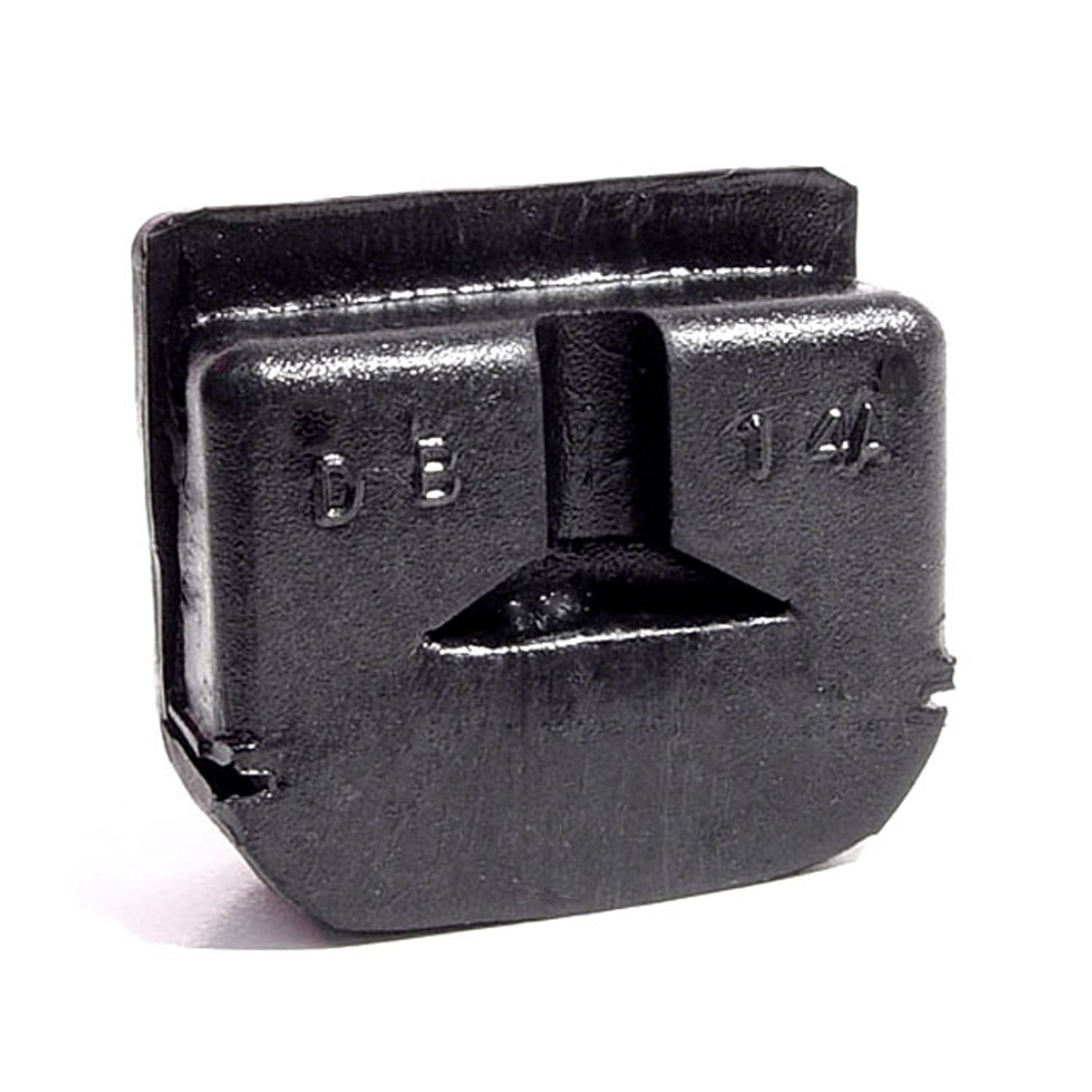 1937 Pontiac Deluxe Model 8CA Door Bumper. Exact reproduction-DB 14-ADoor Bumper. Exact reproduction. 1-3/16" high X 1-9/16" wide X 9/16" thick. Each
 1937 Pontiac Deluxe Model 8CA Upper Door Hinge Post Bumper. Held by screw-DB 60-AUpper Door Hinge Post Bumper. Held by screw. 7/8" diameter X 1/8" thick. Each
 1937 Pontiac Deluxe Model 8CA Windshield Center Post Gasket Outer Garnish Molding Retainer-DP 18Windshield Center Post Gasket Outer Garnish Molding Retainer. Made with threaded steel core like original, 13-1/2" long. Includes 13" flat rubber strip. Set
 1937 Pontiac Deluxe Model 8CA Door and Hood Bumper. 1" diameter X 7/8" thick. Each-HF 16Door and Hood Bumper. 1" diameter X 7/8" thick. Each
 1937 Pontiac Deluxe Model 8CA Windshield and Rear Window Channel. Used with 1/4" glass-LP 105Windshield and Rear Window Channel. Used with 1/4" glass. Fits some models. Sold by the foot
 1937 Pontiac Deluxe Model 8CA Trunk Seal. Sponge rubber. Sold by the foot.-LP 96-/FTTrunk Seal. Sponge rubber. Sold by the foot.
 1937 Pontiac Deluxe Model 8CA Windshield Wiper Transmission Pad-MP 280-AWindshield Wiper Transmission Pad. 1-3/4" wide X 2-1/4" long. Each
 1937 Pontiac Deluxe Model 8CA Door Handle Ferrule Grommet. I.D. 11/16", O.D. 1-3/16"-MP 546-IDoor Handle Ferrule Grommet. I.D. 11/16", O.D. 1-3/16". Each
 1937 Pontiac Deluxe Model 8CA Trunk Hinge Pads. 1-3/8" wide X 7-1/2" long. Set-MP 990-VTrunk Hinge Pads. 1-3/8" wide X 7-1/2" long. Set
 1937 Pontiac Deluxe Model 8CA Tail-light Pads. 2-7/8" wide X 7" long. Pair-MP 991-ETail-light Pads. 2-7/8" wide X 7" long. Pair
 1937 Pontiac Deluxe Model 8CA Headlight Pads. 2-7/8" wide X 8-1/2" long. Pair R&L-MP 991-FHeadlight Pads. 2-7/8" wide X 8-1/2" long. Pair R&L
 1937 Pontiac Deluxe Model 8CA Park Light Pads. 2-1/2" wide X 5-3/8" long. Pair-MP 991-GPark Light Pads. 2-1/2" wide X 5-3/8" long. Pair
 1937 Pontiac Deluxe Model 8CA Park Light Pads. 1-1/4" wide X 9-3/4" long. Pair-MP 992-ZPark Light Pads. 1-1/4" wide X 9-3/4" long. Pair
 1937 Pontiac Deluxe Model 8CA Cowl Vent Seal. 3" wide at side X 15-3/4" long. Each-RP 100-BCowl Vent Seal. 3" wide at side X 15-3/4" long. Each
 1937 Pontiac Deluxe Model 8CA Door Lock Knob. Brown. 1/2" diameter X 1" long X 1/8" hole-RP 303Door Lock Knob. Brown. 1/2" diameter X 1" long X 1/8" hole. Each
 1937 Pontiac Deluxe Model 8CA Sun Visor End Tube Plug. Black. Each-RP 303-DSun Visor End Tube Plug. Black. Each
 1937 Pontiac Deluxe Model 8CA Door Bumper. 1" diameter X 1/4" thick Each-SB 60Door Bumper. 1" diameter X 1/4" thick Each
 1937 Pontiac Deluxe Model 8CA Front Door Window Adjustment Bumper Cushion-SB 70Front Door Window Adjustment Bumper Cushion. For "T" bolt in door. Four to six used per car. 11/16" X 1/4". Each
 1937 Pontiac Deluxe Model 8CA Wire Harness Grommet. Each-SM 3Wire Harness Grommet. Each
 1937 Pontiac Deluxe Model 8CA Firewall grommet for headlight and tail-light wires-SM 34Firewall grommet for headlight and tail-light wires. Fits 11/16" hole. 5/16" I.D., 15/16" O.D. Each
 1937 Pontiac Deluxe Model 8CA Wire Harness Grommet-SM 38Wire Harness Grommet. For speedometer cable through toe board. Replaces OEM #594341. Each
 1937 Pontiac Deluxe Model 8CA Master Cylinder Rod Dust Boot. Each-SM 65-EMaster Cylinder Rod Dust Boot. Each
 1937 Pontiac Deluxe Model 8CA Special Purpose Grommet-SM 68Special Purpose Grommet. For headlight wire loom through body. Each
 1937 Pontiac Deluxe Model 8CA Trunk seal. '36-'40 GM coupes and convertibles only-TK 58-A/18Trunk seal. '36-'40 GM coupes and convertibles only. Does not fit Buick models (order LP 58-L per foot). 3/4 in. W x 1/2 in. Thk x 18 ft. L. Each.
 1937 Pontiac Deluxe Model 8CA Trunk Seal for Coupes and Convertibles Only-TK 58-B/18Trunk Seal for Coupes and Convertibles Only. 1" wide X 1/2" thick. Each
 1937 Pontiac Deluxe Model 8CA Trunk Seal, for Sedans. Each-TK 96-15Trunk Seal, for Sedans. Each
 1937 Pontiac Deluxe Model 8CA Vulcanized Fixed Quarter Window Seals. Pair-VQT 1900Vulcanized Fixed Quarter Window Seals. Pair
 1937 Pontiac Deluxe Model 8CA Vertical Seal for Vent Window. Each is 17" long. Pair-VS 2Vertical Seal for Vent Window. Each is 17" long. Pair
 1937 Pontiac Deluxe Model 8CA Vulcanized Rear Windshield Seal-VWS 1901-RVulcanized Rear Windshield Seal. For models without reveal molding. 2-Piece Set
 1937 Pontiac Deluxe Model 8CA Vulcanized Windshield Seal, for Convertibles-VWS 7302Vulcanized Windshield Seal, for Convertibles. For cars without chrome garnish. Each
 1937 Pontiac Deluxe Model 8CA Vulcanized Windshield Seal-VWS 7303Vulcanized Windshield Seal. For all models without chrome garnish, except convertibles. Each
 1937 Pontiac Deluxe Model 8CA Flexible glass-run channel-WC 11-72Flexible glass-run channel. Mohair lined, cloth covered with stainless steel bead. Used on side windows. 72 in. long. Each. NOTE: $20 special shipping charge applies for domestic orders. Call or email for overseas shipping costs. Part can be sectioned in two equal lengths to reduce overseas shipping costs.
 1937 Pontiac Deluxe Model 8CA Rigid division-bar channel. Made with stainless steel bead-WC 2-72Rigid division-bar channel. Made with stainless steel bead. 72 in. long. Each. NOTE: $20 special shipping charge applies for domestic orders. Call or email for overseas shipping costs. Part can be sectioned into two equal lengths to reduce overseas shipping costs.
 1937 Pontiac Deluxe Model 8CA Flexible Rubber Window Channel-WC 32-14Flexible Rubber Window Channel. For Fisher Closed Bodies, except those using a stainless bead type. Used on side windows. 13/16" outer width X 6/16" outer depth, with a 5/16" inner channel width X 14" long. Each
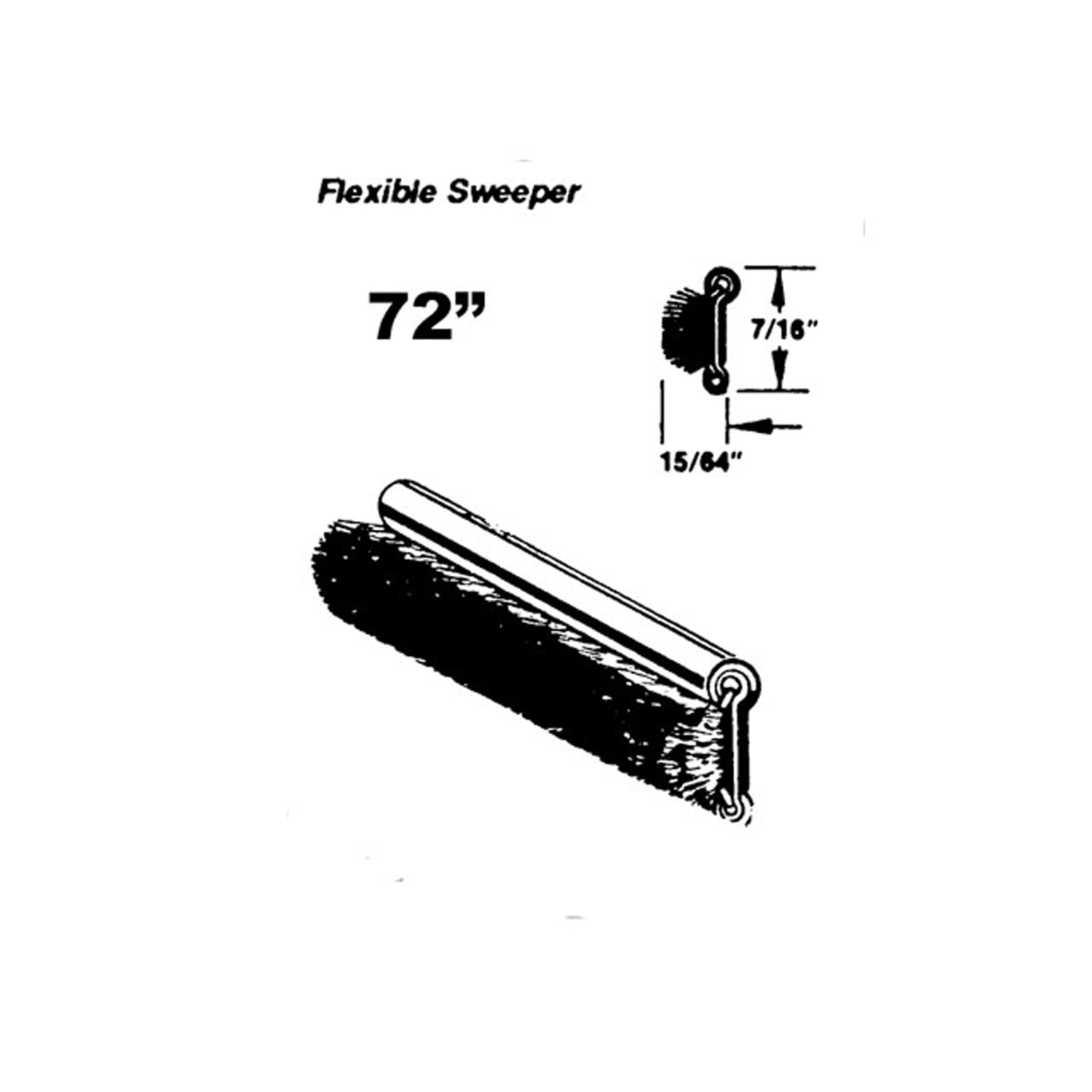 1937 Pontiac Deluxe Model 8CA Flexible sweeper. Made with stainless steel bead-WC 8-72Flexible sweeper. Made with stainless steel bead. Used on inner and outer beltlines. Also forms easily for use with sliding quarter windows. 72 in. long. Each. NOTE: $20 special shipping charge applies for domestic orders. Call or email for overseas shipping costs. Part can be sectioned into two equal lengths to reduce overseas shipping costs.
 1937 Pontiac Deluxe Model 8CA Fender Bolts. For use with Fender Bolt Washers; WF 3001-WF 3000Fender Bolts. For use with Fender Bolt Washers; WF 3001. Zinc Chromate plated, high strength. 1" X 5/16". Set of 25
 1937 Pontiac Deluxe Model 8CA Fender Bolt Washers. For use with Fender Bolts; WF 3000-WF 3001Fender Bolt Washers. For use with Fender Bolts; WF 3000. High quality, cadmium plated. 1-1/4" O.D., 3/8" I.D. Set of 25
 1937 Pontiac Deluxe Model 8CA Front vent window seals. Exact fit. Does not fit convertible-WR 7302Front vent window seals. Exact fit. Does not fit convertible. Pair. R&L.
 1937 Pontiac Deluxe Model 8CA Rear vent window seals. For 4-door touring sedans. Pair-WR 7302-RRear vent window seals. For 4-door touring sedans. Pair. R&L.
 1937 Pontiac Deluxe Model 8CA Front Vent Window Seals, for Convertibles. Pair R&L-WR 7311Front Vent Window Seals, for Convertibles. Pair R&L
Why Choose Metro?
For over 100 years, Metro Moulded Parts has been the pinnacle of quality in classic car restoration parts. Our commitment to precision and authenticity in every component ensures a perfect fit and an OEM-level appearance.
- Expert Craftsmanship & Quality: Each part is a testament to our dedication to reliability and perfection, crafted from original designs and thoroughly tested.
- Advanced Technology: We use cutting-edge techniques to create flawless, long-lasting parts that surpass others in performance.
- SuperSoft Sponge – The Ultimate Door Seal: Not only are our door seals 30% softer than competitors', but they're also guaranteed to never leak. They effectively reduce wind and road noise, enhancing your classic car's comfort and driving experience.
- Proudly American: Our parts are a product of American craftsmanship, made in the USA with a spirit of excellence and heritage.
- Unrivaled Warranty: We back our products with a 30-year industry-leading warranty, a testament to our confidence in their quality.
Join us in preserving the legacy of classic cars with parts that are crafted for perfection, not just made.