

Image of 1939 Pontiac Quality Six, Note: These illustrations use artistic license and may differ from actual historical models.
Performance Metrics
Fundamental Metrics
Emotional Appeal
MMP Rating
| Engine Specifications | |
|---|---|
| Engine: | Inline 6 |
| Displacement: | 222.7 cubic inches |
| Horsepower: | Estimated 85-90 HP |
| Torque: | Not available |
| Compression Ratio: | Not available |
| Ignition System: | Distributor and coil |
| Cooling System: | Liquid-cooled |
| Performance Specifications | |
| 0-60 Time: | Not available |
| 1/4 Mile Time: | Not available |
| Top Speed: | Estimated 75-80 mph |
| Transmission and Drive | |
| Drive Type: | Rear-wheel drive |
| Transmission Type: | 3-speed manual |
| Fuel and Efficiency | |
| Fuel System Type: | Carburetor |
| MPG: | Not available |
| Dimensions and Brakes | |
| Brakes: | Drum brakes |
| Wheelbase: | 120 inches |
| Weight: | Estimated 3200-3300 lbs |
Note: Specifications for classic cars are given to the best of our ability, considering the limited and variant data available.
1939 Pontiac Quality Six: The Six-Cylinder Pontiac With Silver Streak Style
The 1939 Pontiac Quality Six paired dependable six-cylinder power with the bright chrome and confident proportions that made Pontiac stand out in the late 1930s. “Quality Six” was a period marketing name for Pontiac’s six-cylinder offering, rather than a wholly separate model line. Built by General Motors’ Pontiac Motor Division in Pontiac, Michigan, it was the more accessible companion to the Pontiac Eight, offering the look and comfort of a full-size American car at a lower price.
The timing gave the car an appealing place in automotive history. The United States was emerging from the Great Depression, carmakers were competing to make everyday transportation feel more modern, and the clouds of war were gathering overseas. Pontiac’s answer was a sturdy, stylish car with useful engineering rather than extravagant performance. One of its most recognizable details was the chrome “Silver Streak” trim running along the hood, a design signature Pontiac had developed during the 1930s.
Silver Streak Styling and Cabin Comfort
The 1939 Pontiac wore a broad, upright grille, rounded fenders, and flowing body lines typical of the era. Its front end looked substantial without being overly ornate, while the hood’s bright longitudinal trim drew the eye toward the windshield. Headlamps were integrated into the front-fender area, giving the car a more unified appearance than earlier designs with separate lamps. From the side, the long hood and gracefully curved fenders gave even the more practical sedan bodies a touch of elegance.
Inside, the cabin was built for comfort on long, unhurried journeys. A broad bench seat, substantial door panels, a large steering wheel, and clear, easy-to-read instruments made the Pontiac feel familiar and practical. Upholstery and trim depended on body style and equipment, but cloth was common, with materials chosen to look smart while standing up to everyday use. It was not a luxury-car interior, yet it offered a pleasing sense of finish for a mainstream automobile.
Available paint choices varied by body style and production details. Period colors included choices such as black, blue, maroon, green, and gray, with combinations and trim treatments adding further variety. Dark shades suited the car’s formal sedan bodies, while brighter or two-tone treatments helped its flowing fenders and chrome stand out. Exact color availability should be checked against factory literature for the specific body and build date.
Pontiac offered the Six in several body styles, including two- and four-door sedans and coupe variations. Some model-year catalogs and surviving cars also show open and utility-oriented forms across the broader Pontiac range, although availability could differ by series and market. The four-door sedan was the practical family choice, while coupes had a sportier profile and tend to attract attention at shows today.
Engineering for Everyday Motoring
Under the hood was a side-valve, or L-head, inline six displacing about 223 cubic inches. It produced roughly 85 horsepower, depending on the specification cited. Power went to the rear wheels through a three-speed manual transmission. The combination was conventional for the period, but its straightforward design was part of the appeal: it was built to start reliably, carry a family, and cover distance without demanding complicated upkeep.
Hydraulic brakes, a feature that had become increasingly important across the industry, gave the Pontiac more consistent stopping power than older mechanical systems. Its steel body, conventional chassis, and familiar rear-wheel-drive layout also made it serviceable by the standards of the day. The car was not a technology showcase, but it brought together proven engineering and modern-looking styling in a well-rounded package.
Where the Quality Six Fit in Pontiac History
The Quality Six helped Pontiac serve buyers who wanted a step up from the least expensive cars without paying for a larger or more powerful model. Its combination of trim, room, and six-cylinder smoothness helped establish Pontiac’s identity as a value-conscious but increasingly stylish GM brand. The Silver Streak look was especially important: it gave Pontiacs a recognizable visual signature and helped distinguish them in a crowded market.
Compared with many contemporary entry-level cars, the Pontiac offered a substantial feel and a more polished presentation. It did not introduce a revolutionary new engine or transform automotive design on its own. Its significance lies instead in how effectively it balanced dependable mechanicals, useful comfort, and distinctive styling. That formula became a lasting part of Pontiac’s appeal.
Road Manners, Speed, and Driving Feel
Expect relaxed rather than rapid performance. Period specifications and modern estimates put a healthy 1939 Pontiac Six’s top speed in the neighborhood of 75 to 80 mph. A 0-to-60-mph run likely took around 20 seconds or more, depending on body style, gearing, mechanical condition, and how generously the driver treated the clutch. These are estimates, not guarantees for every surviving car.
The engine delivers its power in a steady, low-revving manner. It is happiest cruising rather than being pushed hard, and the three-speed manual calls for deliberate shifts by modern standards. The sound is a mellow six-cylinder rumble, accompanied by the mechanical hum and wind noise expected in a prewar car. With its broad bench seat and large steering wheel, the driving position feels commanding, though the steering and brakes require more effort and anticipation than those of a modern vehicle.
On ordinary roads, the Pontiac’s traditional suspension softens many bumps, but its tall body and older chassis design mean it leans through corners. It can manage winding roads at a measured pace, yet it is not a sports sedan. Crosswinds, uneven pavement, and modern traffic all reward a calm driver who leaves plenty of room. A well-maintained example feels composed at cruising speed, but its age and braking distances make defensive driving essential.
Living With a 1939 Pontiac
Today, the Quality Six is most often used as a show car, parade car, or occasional weekend cruiser. A carefully restored example can handle local tours and club events, but regular use in fast traffic is less comfortable and may place extra strain on old components. Many owners preserve original details while upgrading discreetly where safety and reliability demand it.
Basic mechanical work is approachable for an experienced home mechanic. The inline-six layout is uncomplicated, and many routine jobs do not require specialized electronic tools. The bigger challenges are usually locating correct trim, interior materials, glass, and body-specific parts, then dealing with decades of wear or previous repairs. Before buying, inspect the frame and body for corrosion, check the cooling system and brakes, and confirm that the engine and transmission are sound. A car that has been stored for years may need substantial recommissioning even if it appears presentable.
Small Details and Common Misconceptions
“Quality Six” can cause confusion in advertisements and parts searches because it is often treated as the car’s formal model name. Factory and reference materials may identify it more simply as a Pontiac Six, with the series and body style supplying the rest of the description. Buyers should use the car’s serial number and period documentation when verifying exactly what they have.
The Silver Streak hood trim is one of the car’s most recognizable features, but it is not evidence of a special high-performance edition. The 1939 Pontiac Six was designed for dependable transportation, not speed records or racing. No widely recognized speed, endurance, or production record is associated specifically with the Quality Six. Its appeal is more grounded: it represents the look and feel of an American prewar family car at an important moment in the industry’s development.
Common criticisms include modest acceleration, a heavy feel by modern standards, and the time and expense required to restore a complete car. Its mechanical simplicity is a benefit, but scarce brightwork and correct interior pieces can complicate a restoration. Celebrity ownership is not a defining part of this model’s history, so its interest to collectors rests primarily on design, condition, provenance, and the pleasure of preserving a prewar Pontiac.
Collector Values and Availability
Production totals specifically for the 1939 Quality Six are not consistently separated from broader Pontiac figures in commonly available summaries. A reasonable working estimate is that roughly 150,000 to 180,000 six-cylinder Pontiacs were built for the model year, but that is an estimate rather than a verified factory total. The number of surviving cars is only a fraction of that, and particular body styles or well-preserved original examples can be difficult to find.
As a broad U.S. market guide in 2026, a project car may sell for about $5,000 to $12,000, depending heavily on completeness and rust. A usable driver might fall around $12,000 to $25,000, while a strong restoration or especially attractive coupe could reach roughly $25,000 to $40,000. Exceptional, correctly restored cars and desirable open-body examples may exceed that range. Condition, originality, documentation, and regional demand matter more than a single headline price.
Values have generally benefited from interest in prewar cars, but the market is selective. In nominal dollars, desirable examples may appreciate over time; after inflation and restoration costs, ownership is not automatically an investment. Well-documented, complete cars are usually a safer bet than ambitious projects, especially because specialist labor and hard-to-find trim can quickly outweigh the purchase price.
A Dependable Pontiac With a Distinctive Face
The 1939 Pontiac Quality Six was not built to break speed records. Its strengths were a smooth and serviceable six-cylinder engine, comfortable full-size proportions, practical body styles, and Silver Streak styling that gave it a personality all its own. For collectors, it offers an appealing window into prewar American motoring and Pontiac’s rise as a polished, attainable GM brand. A well-kept example does more than recall the past: it brings the steady rhythm and unmistakable presence of 1930s road travel back to life.
1939 Pontiac Quality Six Catalog of Parts
 1939 Pontiac QUALITY SIX Starter Pedal Pad. Brown. 1-7/16" Diameter, Each-AP 19-AStarter Pedal Pad. Brown. 1-7/16" Diameter, Each
 1939 Pontiac QUALITY SIX Transmission Vacuum Shift Grommet. Used on rear side-BC 40Transmission Vacuum Shift Grommet. Used on rear side. 1-1/2" O.D., 3/8" I.D., 3/8" Thick. Each
 1939 Pontiac QUALITY SIX Front and Rear Bumper Arm Grommets -BG 26Front and Rear Bumper Arm Grommets. 2-1/2" wide X 3-3/4" long with 1-3/4" long inner slot. Pair
 1939 Pontiac QUALITY SIX Rear Bumper Arm Grommets. Perfect reproduction-BG 82Rear Bumper Arm Grommets. Perfect reproduction. 2-1/4" wide X 4-1/8" long, with 1-1/2" long inner slot. Pair
 1939 Pontiac QUALITY SIX Lower Inner "A" Frame Shaft Seal. 1-1/8" O.D., 5/16" thick-BN 23-ALower Inner "A" Frame Shaft Seal. 1-1/8" O.D., 5/16" thick. Each
 1939 Pontiac QUALITY SIX Clutch and Brake Pedal Pads. 2" wide X 3" long. Pair-CB 15Clutch and Brake Pedal Pads. 2" wide X 3" long. Pair
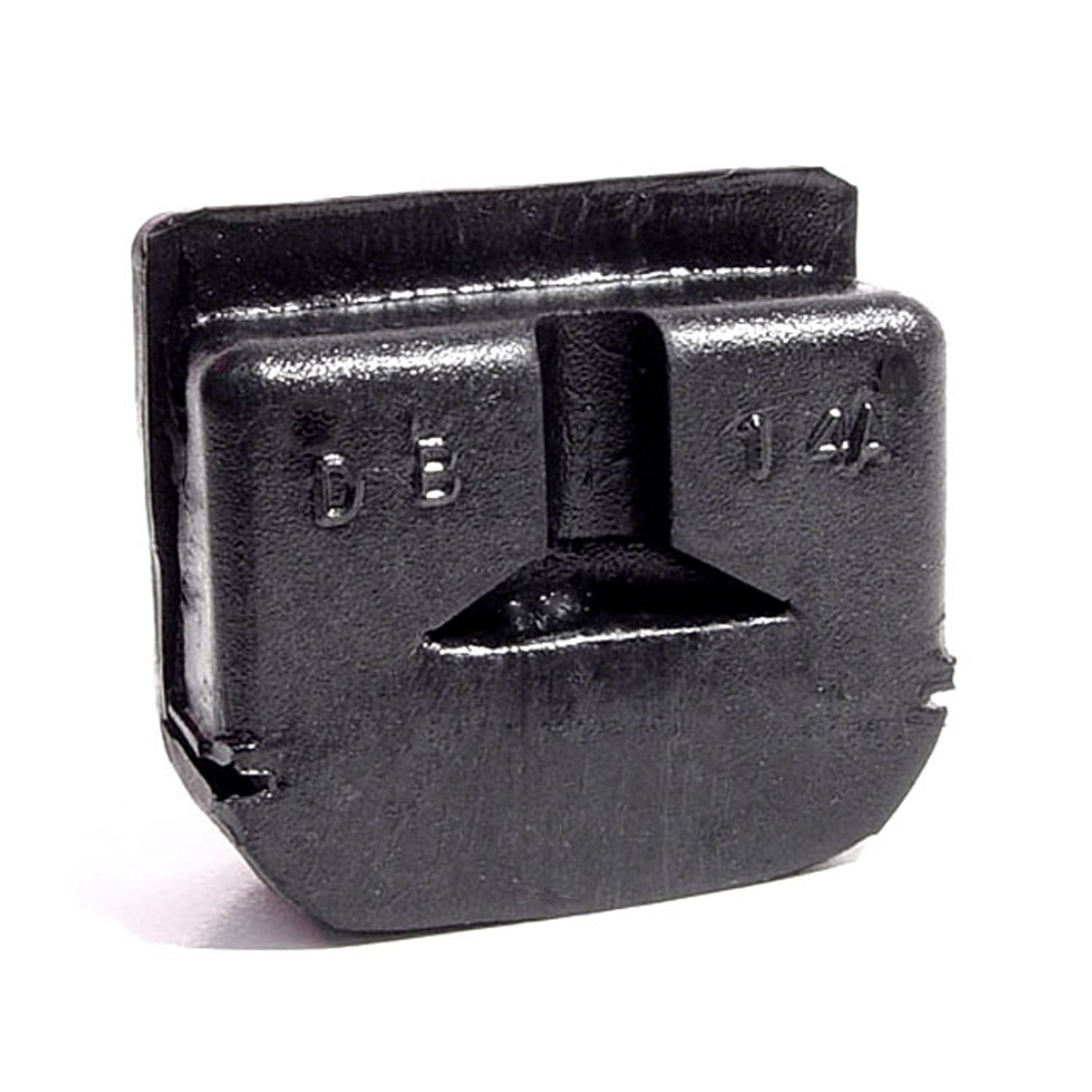 1939 Pontiac QUALITY SIX Door Bumper. Exact reproduction-DB 14-ADoor Bumper. Exact reproduction. 1-3/16" high X 1-9/16" wide X 9/16" thick. Each
 1939 Pontiac QUALITY SIX Upper Door Hinge Post Bumper. Held by screw-DB 60-AUpper Door Hinge Post Bumper. Held by screw. 7/8" diameter X 1/8" thick. Each
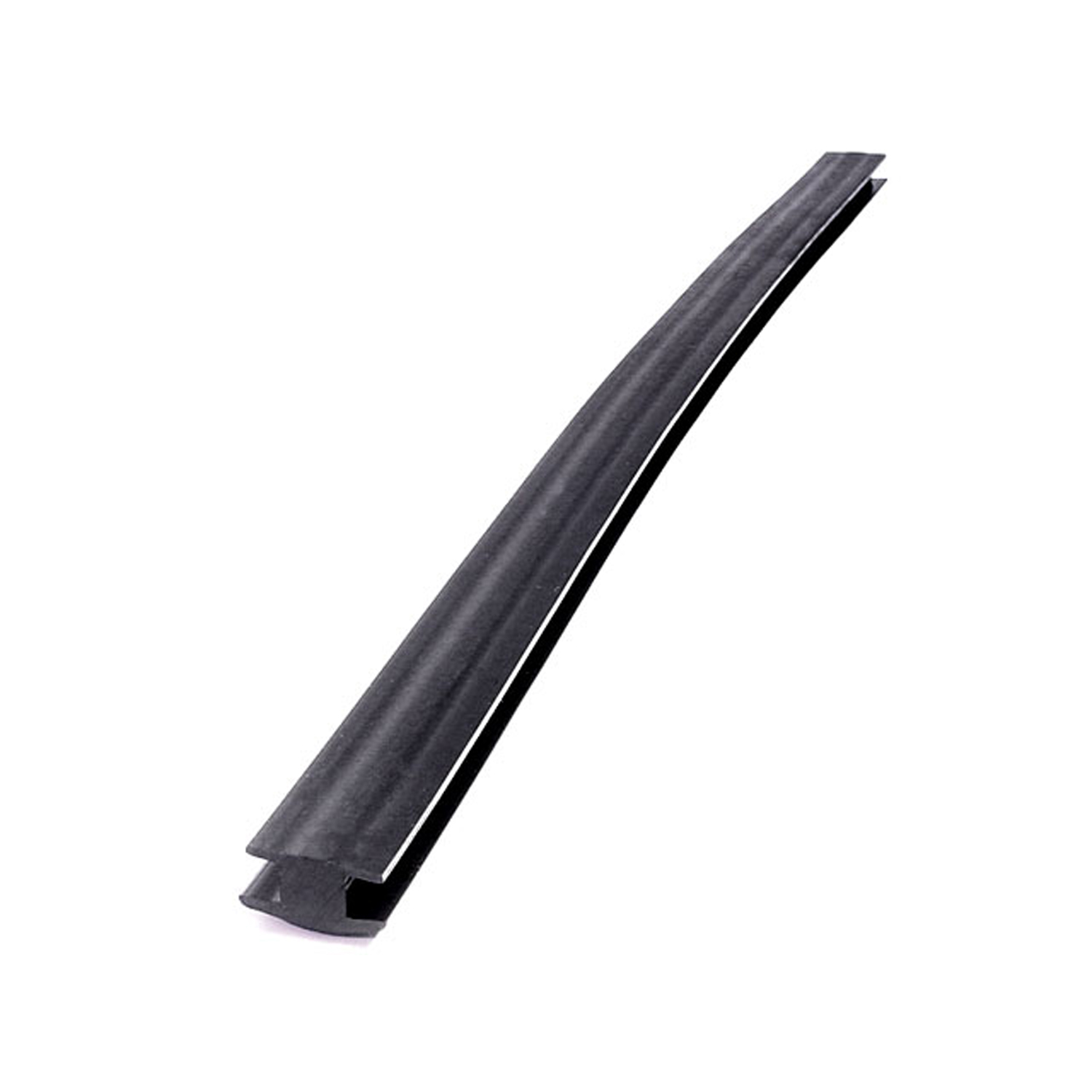 1939 Pontiac QUALITY SIX Windshield Center Bar Gasket. 20" long. Each-DP 12Windshield Center Bar Gasket. 20" long. Each
 1939 Pontiac QUALITY SIX Inner and Outer Center Division Bar Seals-DP 14Inner and Outer Center Division Bar Seals. Made with proper holes. Each piece 12-7/8" long. Pair
 1939 Pontiac QUALITY SIX Gravel Shields. Flat without metal backing plates-FS 25Gravel Shields. Flat without metal backing plates. Apply with contact cement. 16" long X 9" wide at top and 7-1/2" wide at bottom. Pair
 1939 Pontiac QUALITY SIX Gravel Shields and Narrow Body Section Gravel Shields-FS 25-26Gravel Shields and Narrow Body Section Gravel Shields. Gravel Shields: 16" long X 8-1/2" wide at top and 6-1/2" wide at bottom. Narrow Body Section: 14" long, with beaded edge extending 1" along top and bottom. Complete 4-piece set
 1939 Pontiac QUALITY SIX Narrow Body Section Gravel Shields-FS 26Narrow Body Section Gravel Shields. This part used on most models. 14" long, with beaded edge extending 1" along top and bottom. Pair
 1939 Pontiac QUALITY SIX Gas filler grommet-GF 27Gas filler grommet. Fits some models of Buick, Oldsmobile and Pontiac. Check dimensions and part image. 2 in. ID; 3-5/8 in. OD. Dense black rubber. Each.
 1939 Pontiac QUALITY SIX Gas Filler Grommet. 2-3/8" I.D., 4" oblong length. Each-GF 41Gas Filler Grommet. 2-3/8" I.D., 4" oblong length. Each
 1939 Pontiac QUALITY SIX Door and Hood Bumper. 1" diameter X 7/8" thick. Each-HF 16Door and Hood Bumper. 1" diameter X 7/8" thick. Each
 1939 Pontiac QUALITY SIX Windshield and Rear Window Channel. Used with 1/4" glass-LP 105Windshield and Rear Window Channel. Used with 1/4" glass. Fits some models. Sold by the foot
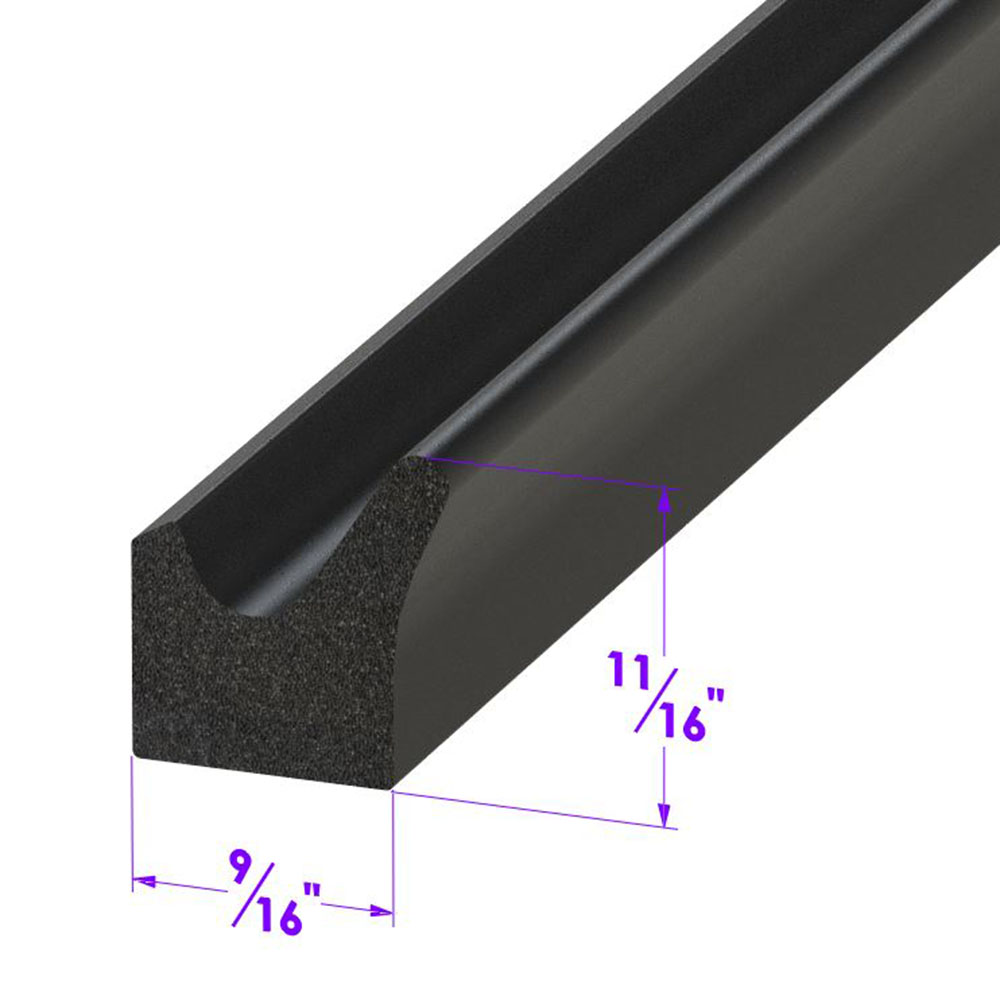 1939 Pontiac QUALITY SIX Door side seal. Same as LP 40-A, but for a heavier seal-LP 40Door side seal. Same as LP 40-A, but for a heavier seal. Fits many domestic passenger cars and trucks. Used in Cobra kit cars as trunk weatherstrip. Per foot.
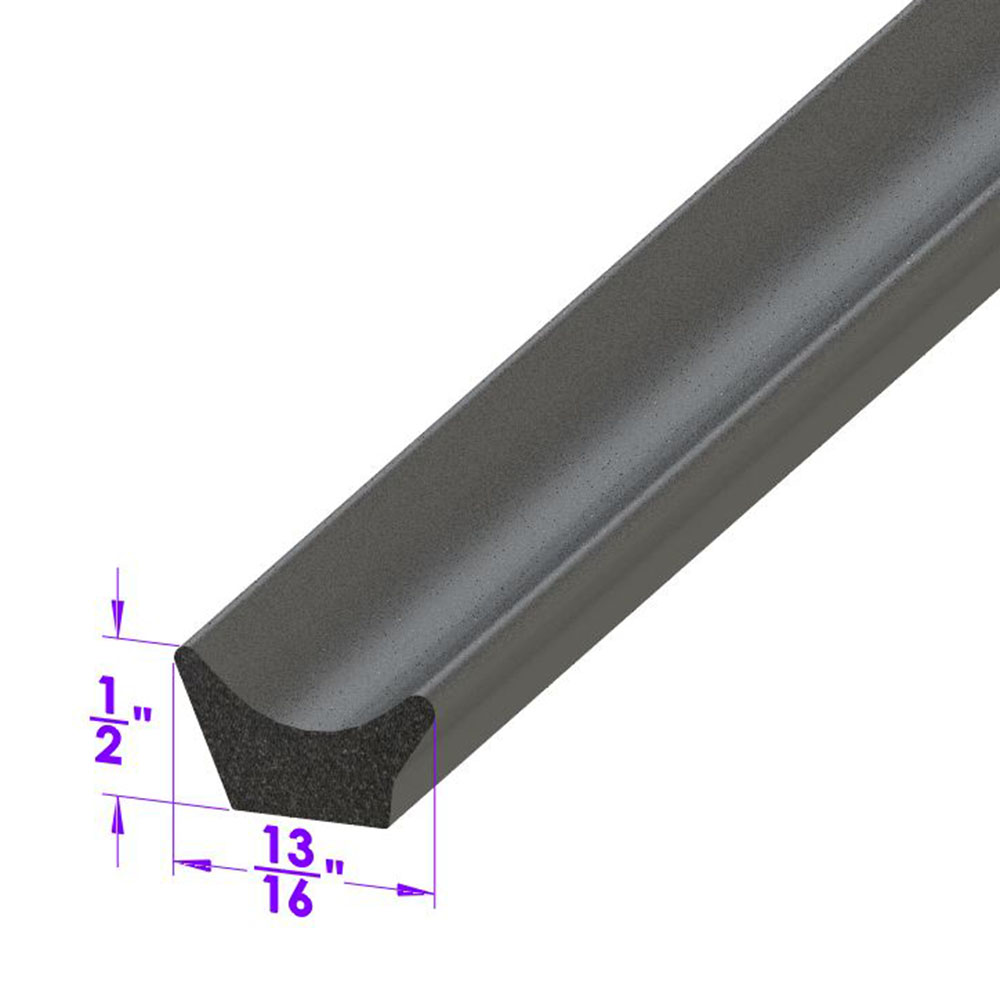 1939 Pontiac QUALITY SIX Door side seal. Same as LP 40, but for a lighter seal-LP 40-ADoor side seal. Same as LP 40, but for a lighter seal. Fits many domestic passenger cars and trucks. Universal seal for street rods and customs. Used in Cobra kit cars as door weatherstrip. Per foot.
 1939 Pontiac QUALITY SIX Trunk Seal. Sponge rubber. Sold by the foot.-LP 96-/FTTrunk Seal. Sponge rubber. Sold by the foot.
 1939 Pontiac QUALITY SIX Door Ferrule Grommet. Made of black rubber-MP 546-HDoor Ferrule Grommet. Made of black rubber. Fits over your old steel door ferrule (also see WF 2006) 1-3/16" O.D. Each
 1939 Pontiac QUALITY SIX Tail-light Pads. 1-3/4" wide X 5-3/4" long. Pair R&L-MP 991-NTail-light Pads. 1-3/4" wide X 5-3/4" long. Pair R&L
 1939 Pontiac QUALITY SIX Cowl Vent Seal. 3" wide at side X 15-3/4" long. Each-RP 100-BCowl Vent Seal. 3" wide at side X 15-3/4" long. Each
 1939 Pontiac QUALITY SIX Door Lock Knob. Brown. 1/2" diameter X 1" long X 1/8" hole-RP 303Door Lock Knob. Brown. 1/2" diameter X 1" long X 1/8" hole. Each
 1939 Pontiac QUALITY SIX Sun Visor End Tube Plug. Black. Each-RP 303-DSun Visor End Tube Plug. Black. Each
 1939 Pontiac QUALITY SIX Door Bumper. 1" diameter X 1/4" thick Each-SB 60Door Bumper. 1" diameter X 1/4" thick Each
 1939 Pontiac QUALITY SIX Front Door Window Adjustment Bumper Cushion-SB 70Front Door Window Adjustment Bumper Cushion. For "T" bolt in door. Four to six used per car. 11/16" X 1/4". Each
 1939 Pontiac QUALITY SIX Wire Harness Grommet. Each-SM 3Wire Harness Grommet. Each
 1939 Pontiac QUALITY SIX Firewall grommet for headlight and tail-light wires-SM 34Firewall grommet for headlight and tail-light wires. Fits 11/16" hole. 5/16" I.D., 15/16" O.D. Each
 1939 Pontiac QUALITY SIX Speedometer Cable Firewall Grommet. Fits 1-7/8" long hole-SM 47Speedometer Cable Firewall Grommet. Fits 1-7/8" long hole. NOTE: Not used when car was factory equipped with windshield washers. (Fits some models) Each
 1939 Pontiac QUALITY SIX Master Cylinder Rod Dust Boot. Each-SM 65-EMaster Cylinder Rod Dust Boot. Each
 1939 Pontiac QUALITY SIX Special Purpose Grommet-SM 68Special Purpose Grommet. For headlight wire loom through body. Each
 1939 Pontiac QUALITY SIX Trunk seal. '36-'40 GM coupes and convertibles only-TK 58-A/18Trunk seal. '36-'40 GM coupes and convertibles only. Does not fit Buick models (order LP 58-L per foot). 3/4 in. W x 1/2 in. Thk x 18 ft. L. Each.
 1939 Pontiac QUALITY SIX Trunk Seal for Coupes and Convertibles Only-TK 58-B/18Trunk Seal for Coupes and Convertibles Only. 1" wide X 1/2" thick. Each
 1939 Pontiac QUALITY SIX Trunk Seal, for Sedans. Each-TK 96-15Trunk Seal, for Sedans. Each
 1939 Pontiac QUALITY SIX Vertical Seal for Vent Window. Each is 17" long. Pair-VS 2Vertical Seal for Vent Window. Each is 17" long. Pair
 1939 Pontiac QUALITY SIX Vulcanized Rear Windshield Seal-VWS 1900-RVulcanized Rear Windshield Seal. Fits all except Sedan Delivery & Convertible. Each
 1939 Pontiac QUALITY SIX Flexible glass-run channel-WC 11-72Flexible glass-run channel. Mohair lined, cloth covered with stainless steel bead. Used on side windows. 72 in. long. Each. NOTE: $20 special shipping charge applies for domestic orders. Call or email for overseas shipping costs. Part can be sectioned in two equal lengths to reduce overseas shipping costs.
 1939 Pontiac QUALITY SIX Rigid division-bar channel. Made with stainless steel bead-WC 2-72Rigid division-bar channel. Made with stainless steel bead. 72 in. long. Each. NOTE: $20 special shipping charge applies for domestic orders. Call or email for overseas shipping costs. Part can be sectioned into two equal lengths to reduce overseas shipping costs.
 1939 Pontiac QUALITY SIX Flexible sweeper. Made with stainless steel bead-WC 8-72Flexible sweeper. Made with stainless steel bead. Used on inner and outer beltlines. Also forms easily for use with sliding quarter windows. 72 in. long. Each. NOTE: $20 special shipping charge applies for domestic orders. Call or email for overseas shipping costs. Part can be sectioned into two equal lengths to reduce overseas shipping costs.
 1939 Pontiac QUALITY SIX Chrome Door Ferrule. To be used with MP 546-H. 1-1/16" O.D-WF 2006Chrome Door Ferrule. To be used with MP 546-H. 1-1/16" O.D., 5/8" high. Fits most models. Each
 1939 Pontiac QUALITY SIX Fender Bolts. For use with Fender Bolt Washers; WF 3001-WF 3000Fender Bolts. For use with Fender Bolt Washers; WF 3001. Zinc Chromate plated, high strength. 1" X 5/16". Set of 25
 1939 Pontiac QUALITY SIX Fender Bolt Washers. For use with Fender Bolts; WF 3000-WF 3001Fender Bolt Washers. For use with Fender Bolts; WF 3000. High quality, cadmium plated. 1-1/4" O.D., 3/8" I.D. Set of 25
 1939 Pontiac QUALITY SIX Front vent window seals. Exact fit. Does not fit convertible-WR 7302Front vent window seals. Exact fit. Does not fit convertible. Pair. R&L.
 1939 Pontiac QUALITY SIX Front Vent Window Seals, for Convertibles. Pair R&L-WR 7310Front Vent Window Seals, for Convertibles. Pair R&L
 1939 Pontiac QUALITY SIX Front Suspension Bumper. 2" high. Each-XB 18Front Suspension Bumper. 2" high. Each
 1939 Pontiac QUALITY SIX Front Suspension Bumper. 2-7/8" high. Each-XB 25Front Suspension Bumper. 2-7/8" high. Each
Why Choose Metro?
For over 100 years, Metro Moulded Parts has been the pinnacle of quality in classic car restoration parts. Our commitment to precision and authenticity in every component ensures a perfect fit and an OEM-level appearance.
- Expert Craftsmanship & Quality: Each part is a testament to our dedication to reliability and perfection, crafted from original designs and thoroughly tested.
- Advanced Technology: We use cutting-edge techniques to create flawless, long-lasting parts that surpass others in performance.
- SuperSoft Sponge – The Ultimate Door Seal: Not only are our door seals 30% softer than competitors', but they're also guaranteed to never leak. They effectively reduce wind and road noise, enhancing your classic car's comfort and driving experience.
- Proudly American: Our parts are a product of American craftsmanship, made in the USA with a spirit of excellence and heritage.
- Unrivaled Warranty: We back our products with a 30-year industry-leading warranty, a testament to our confidence in their quality.
Join us in preserving the legacy of classic cars with parts that are crafted for perfection, not just made.