

Image of 1940 Pontiac Deluxe Six, Note: These illustrations use artistic license and may differ from actual historical models.
Performance Metrics
Fundamental Metrics
Emotional Appeal
MMP Rating
| Engine Specifications | |
|---|---|
| Engine: | Inline 6 |
| Displacement: | 222.7 cubic inches |
| Horsepower: | Estimated 87 hp |
| Torque: | Information not available |
| Compression Ratio: | 6.2:1 |
| Ignition System: | Distributor and coil |
| Cooling System: | Liquid cooled |
| Performance Specifications | |
| 0-60 Time: | Information not available |
| 1/4 Mile Time: | Information not available |
| Top Speed: | 75 mph |
| Transmission and Drive | |
| Drive Type: | Rear wheel drive |
| Transmission Type: | 3-speed manual |
| Fuel and Efficiency | |
| Fuel System Type: | Carburetor |
| MPG: | Information not available |
| Dimensions and Brakes | |
| Brakes: | Drum brakes |
| Wheelbase: | 120 inches |
| Weight: | 3,200 lbs |
Note: Specifications for classic cars are given to the best of our ability, considering the limited and variant data available.
1940 Pontiac Deluxe Six: A Classic with Silver Streak Style
The 1940 Pontiac Deluxe Six paired confident prewar styling with the practical strength of a straight-six engine, giving buyers a handsome American car without the cost of a larger eight-cylinder model. Built by Pontiac Motor Division of General Motors, it belonged to a brand that had made a name for itself by offering solid engineering, distinctive trim, and a little more flair than a basic family car.
The Deluxe Six arrived during a pivotal period for the American automobile industry. Automakers were refining designs for comfort and modernity, but the country’s entry into World War II would soon bring civilian car production to a halt. Pontiac’s 1940 models therefore represent a mature prewar formula: substantial bodies, broad bench seats, mechanical simplicity, and an unmistakable dose of chrome.
One detail that makes the car especially recognizable is Pontiac’s “Silver Streak” styling. Chrome accents running along the hood gave the car a visual signature that had become closely associated with the marque. It was more than decoration: the treatment helped distinguish a Pontiac at a glance in an era when many cars shared similar proportions.
Silver Streak Exterior and Comfortable Cabin
The Deluxe Six has the upright, substantial presence expected of a 1940 American sedan, softened by rounded fenders and flowing body lines. Its long hood leads to a broad front end, with the headlights integrated into the front fenders rather than standing apart as separate lamps. Bright grillework, chrome bumpers, and Pontiac’s hood accents add sparkle without overwhelming the car’s shape. From the side, the flowing fenders and generous passenger compartment give it a balanced, formal look.
Inside, the emphasis is on room and comfort. Wide front and rear bench seats make the car suitable for family travel, while a broad dashboard places the instruments directly in the driver’s view. Depending on body style and trim, upholstery could be cloth or mohair, with practical finishes intended to withstand regular use. The materials feel appropriately substantial today, though buyers should remember that surviving cars may have been reupholstered or refinished over the decades.
Period color choices varied by body, trim, and production details. Buyers could find subdued shades such as black, gray, dark green, maroon, and blue, along with lighter tones on some cars. Dark colors suited the Deluxe Six’s formal profile, while deep greens and blues gave the chrome trim extra contrast. Original paint charts and trim combinations are worth consulting when assessing a restoration, since colors and availability could differ between models.
The range included several closed and open body styles, generally including two-door and four-door sedans as well as coupe variants. Convertible models were also part of Pontiac’s broader 1940 offerings, though availability depended on series and configuration. The four-door sedan is among the most familiar and practical versions, while a coupe offers a more distinctive profile. Exact model names and availability can vary across reference sources, so a car’s body tag and factory records are useful when confirming its original specification.
Six-Cylinder Engineering for Everyday Motoring
At the heart of the Deluxe Six is a flathead, or L-head, inline-six of approximately 222.7 cubic inches. Period specifications commonly list output at about 87 horsepower. The engine favors smooth, steady torque over high-revving performance, making it well suited to the car’s role as comfortable transportation. A three-speed manual transmission was typical, with column shifting helping keep the front seating area open.
For its time, the Deluxe Six offered a useful mix of established and modern features. Hydraulic brakes provided more consistent stopping than the older mechanical systems used on many earlier cars. Independent front suspension helped improve ride comfort over uneven roads, while the long chassis and substantial body contributed to a settled feel at cruising speeds. The car was not packed with electronic conveniences, of course. Its appeal came from thoughtful mechanical design and equipment that made everyday driving easier.
As with many cars of the period, features could vary by body style, factory specification, and optional equipment. Restored examples may also include later upgrades, so buyers should distinguish between factory-correct details and changes made for safety or convenience.
What the Deluxe Six Meant to Pontiac
The Deluxe Six helped Pontiac reach buyers who wanted a full-size car but did not need, or want to pay for, a more powerful straight-eight. That balance of price, space, and respectable performance was central to Pontiac’s position within General Motors. The brand was marketed as a step up from the most basic transportation, offering a more polished appearance and a stronger sense of identity.
The Silver Streak treatment is a lasting part of Pontiac history. It gave the brand a recognizable design motif that carried through multiple model years and helped establish the idea that a practical car could still have a distinctive personality. The 1940 Deluxe Six was not a radical engineering experiment, but it showed how styling, comfort, and proven mechanicals could work together to make a mainstream car feel special.
Its significance also comes from its timing. Cars like the Deluxe Six were among the last generation of American automobiles built before wartime restrictions redirected factories toward military production. That makes surviving examples a tangible reminder of prewar manufacturing and design, just before the postwar era brought new shapes, materials, and consumer expectations.
Road Manners, Speed, and Driving Feel
With roughly 87 horsepower moving a heavy steel-bodied car, the Deluxe Six is best enjoyed at a relaxed pace. Period performance estimates suggest a top speed in the neighborhood of 75 to 80 mph under favorable conditions. A 0-to-60-mph run likely takes roughly 20 to 25 seconds, although results vary with body style, gearing, engine condition, and testing method. These are estimates rather than modern standardized figures, and a well-preserved 1940 car should not be driven as if it were a contemporary vehicle.
The engine produces a low, even six-cylinder rumble rather than a sharp or aggressive note. Acceleration is gradual, and the driver will make frequent use of the manual gearbox on hills or when joining faster traffic. Steering is unassisted, so it takes more effort at low speeds than a modern car. At a steady pace, however, the long wheelbase and compliant suspension give the Pontiac a comfortable, composed ride.
On rough pavement, the car’s weight and soft suspension help take the edge off bumps, though worn shocks, tired springs, and old tires can make a surviving example wander or bounce. On winding roads, expect deliberate steering response and noticeable body movement rather than sports-car precision. The best driving experience comes from leaving plenty of space, shifting smoothly, and enjoying the scenery instead of chasing modern traffic.
Living with a 1940 Pontiac
Today, the Deluxe Six is most often used as a show car, a weekend cruiser, or a participant in vintage tours. Some owners do drive their cars regularly, but modern traffic presents challenges: the brakes, lighting, visibility, and cruising speed are all products of a different era. A carefully maintained example can be enjoyable on local roads, especially when the route allows for an unhurried pace.
The car’s conventional mechanical layout is one of its ownership advantages. A competent classic-car mechanic can understand the engine, transmission, brakes, and suspension without specialized electronic diagnostic equipment. Many repairs are straightforward in principle, though parts availability, rust, previous repairs, and the condition of decades-old components can complicate a project. Flathead engines also need proper cooling and ignition maintenance, and the hydraulic brake system should be inspected thoroughly before road use.
Owners should budget for more than routine servicing. The age of the car means rubber hoses, wiring, seals, fuel-system parts, and brake components may need attention even if the vehicle appears clean. Original-style parts and experienced specialists are available through the classic-car community, but locating correct trim or body-specific pieces can take patience.
Notable Details and Common Criticisms
The Silver Streak is the Deluxe Six’s best-known visual calling card, and it remains one of the quickest ways to identify a Pontiac from this era. The car also belongs to the final prewar chapter of American motoring, when manufacturers were still building large, body-on-frame vehicles with relatively simple powertrains before wartime production transformed the industry.
The Deluxe Six is not widely associated with a major speed record, endurance achievement, or celebrity ownership story. Its appeal is more grounded: it was a representative, well-equipped American car built for ordinary transportation at a moment when the industry was on the edge of enormous change. Production figures are not consistently broken down in readily available sources by every series and body style. A reasonable working estimate is that Pontiac built on the order of 100,000 Deluxe Six cars, though that figure should be treated as an approximation rather than a verified model-by-model total.
Common criticisms are predictable for a car of its age. The six-cylinder engine is modest by modern standards, the steering and braking require more effort, and highway speeds can feel demanding. Fuel economy and parts availability also compare poorly with a modern daily driver. For collectors, those limitations are part of the experience, but they make a thorough mechanical inspection essential.
Collector Values and Market Outlook
Values depend heavily on body style, originality, rust, mechanical condition, and restoration quality. As a broad 2026 estimate, a project or rough driver might sell for about $5,000 to $12,000. A usable, presentable car could fall in the $12,000 to $25,000 range, while a well-restored example may bring approximately $25,000 to $40,000 or more. Particularly attractive or rare body styles, exceptional restorations, and cars with strong documentation can exceed those ranges, while major rust or incomplete parts can pull values down sharply.
The Deluxe Six is uncommon on the market compared with more frequently collected postwar American cars, but it is not generally considered an ultra-rare model. Buyers may need to wait for the right body style and condition to appear. Prices have tended to be supported by the car’s visual appeal and prewar character, but the market is selective: top-quality cars can command a premium, while average examples may remain relatively affordable. Rather than assuming a guaranteed upward trend, collectors should view it as a distinctive classic whose long-term appeal depends on condition, provenance, and the strength of the prewar-car market.
Why the 1940 Deluxe Six Still Matters
The 1940 Pontiac Deluxe Six brings together a recognizable Silver Streak design, a practical flathead inline-six, and the comfortable proportions of a full-size prewar American car. It was not built to set speed records. It was built to carry people in style, and it did so with a character that separated Pontiac from more anonymous transportation.
For today’s enthusiast, the Deluxe Six offers a rewarding look at an important moment in automotive history: a confident, carefully styled car from just before the world changed the course of the industry. Its chrome catches the light, its six-cylinder engine tells its story one steady beat at a time, and its presence reminds us that a classic does not need to be the fastest car on the road to be unforgettable.
1940 Pontiac Deluxe Six Catalog of Parts
 1940 Pontiac DELUXE SIX Starter Pedal Pad. Brown. 1-7/16" Diameter, Each-AP 19-AStarter Pedal Pad. Brown. 1-7/16" Diameter, Each
 1940 Pontiac DELUXE SIX Transmission Vacuum Shift Grommet. Used on rear side-BC 40Transmission Vacuum Shift Grommet. Used on rear side. 1-1/2" O.D., 3/8" I.D., 3/8" Thick. Each
 1940 Pontiac DELUXE SIX Lower Inner "A" Frame Shaft Seal. 1-1/8" O.D., 5/16" thick-BN 23-ALower Inner "A" Frame Shaft Seal. 1-1/8" O.D., 5/16" thick. Each
 1940 Pontiac DELUXE SIX Clutch and Brake Pedal Pads. 2" wide X 3" long. Pair-CB 15Clutch and Brake Pedal Pads. 2" wide X 3" long. Pair
 1940 Pontiac DELUXE SIX Upper Door Hinge Post Bumper. Held by screw-DB 60-AUpper Door Hinge Post Bumper. Held by screw. 7/8" diameter X 1/8" thick. Each
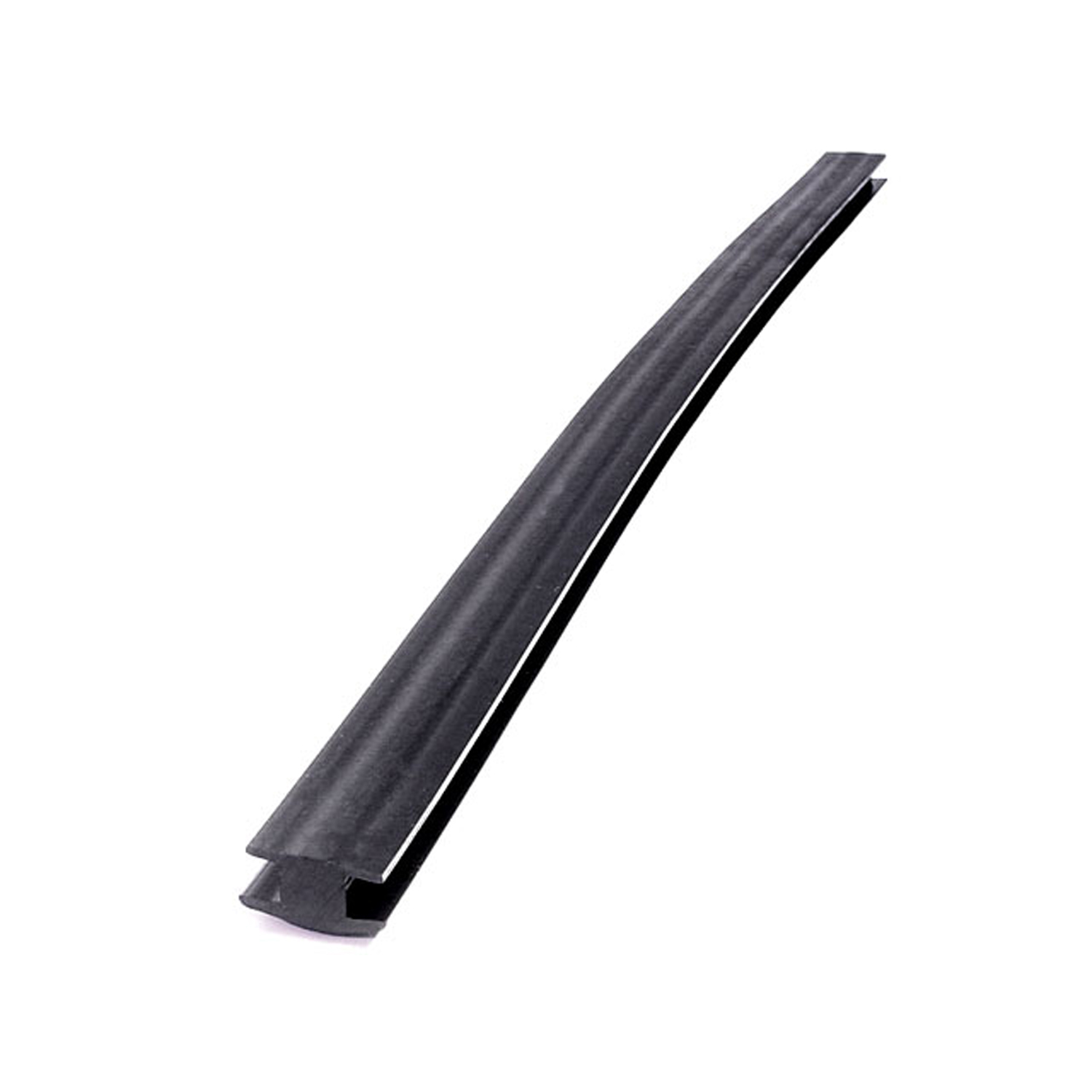 1940 Pontiac DELUXE SIX Windshield Center Bar Gasket. 20" long. Each-DP 12Windshield Center Bar Gasket. 20" long. Each
 1940 Pontiac DELUXE SIX Gravel Shields. Flat without metal backing plates-FS 25Gravel Shields. Flat without metal backing plates. Apply with contact cement. 16" long X 9" wide at top and 7-1/2" wide at bottom. Pair
 1940 Pontiac DELUXE SIX Gravel Shields and Narrow Body Section Gravel Shields-FS 25-26Gravel Shields and Narrow Body Section Gravel Shields. Gravel Shields: 16" long X 8-1/2" wide at top and 6-1/2" wide at bottom. Narrow Body Section: 14" long, with beaded edge extending 1" along top and bottom. Complete 4-piece set
 1940 Pontiac DELUXE SIX Narrow Body Section Gravel Shields-FS 26Narrow Body Section Gravel Shields. This part used on most models. 14" long, with beaded edge extending 1" along top and bottom. Pair
 1940 Pontiac DELUXE SIX Gas filler grommet-GF 27Gas filler grommet. Fits some models of Buick, Oldsmobile and Pontiac. Check dimensions and part image. 2 in. ID; 3-5/8 in. OD. Dense black rubber. Each.
 1940 Pontiac DELUXE SIX Gas Filler Grommet. 2-3/8" I.D., 4" oblong length. Each-GF 41Gas Filler Grommet. 2-3/8" I.D., 4" oblong length. Each
 1940 Pontiac DELUXE SIX Door and Hood Bumper. 1" diameter X 7/8" thick. Each-HF 16Door and Hood Bumper. 1" diameter X 7/8" thick. Each
 1940 Pontiac DELUXE SIX Windshield and Rear Window Channel. Used with 1/4" glass-LP 105Windshield and Rear Window Channel. Used with 1/4" glass. Fits some models. Sold by the foot
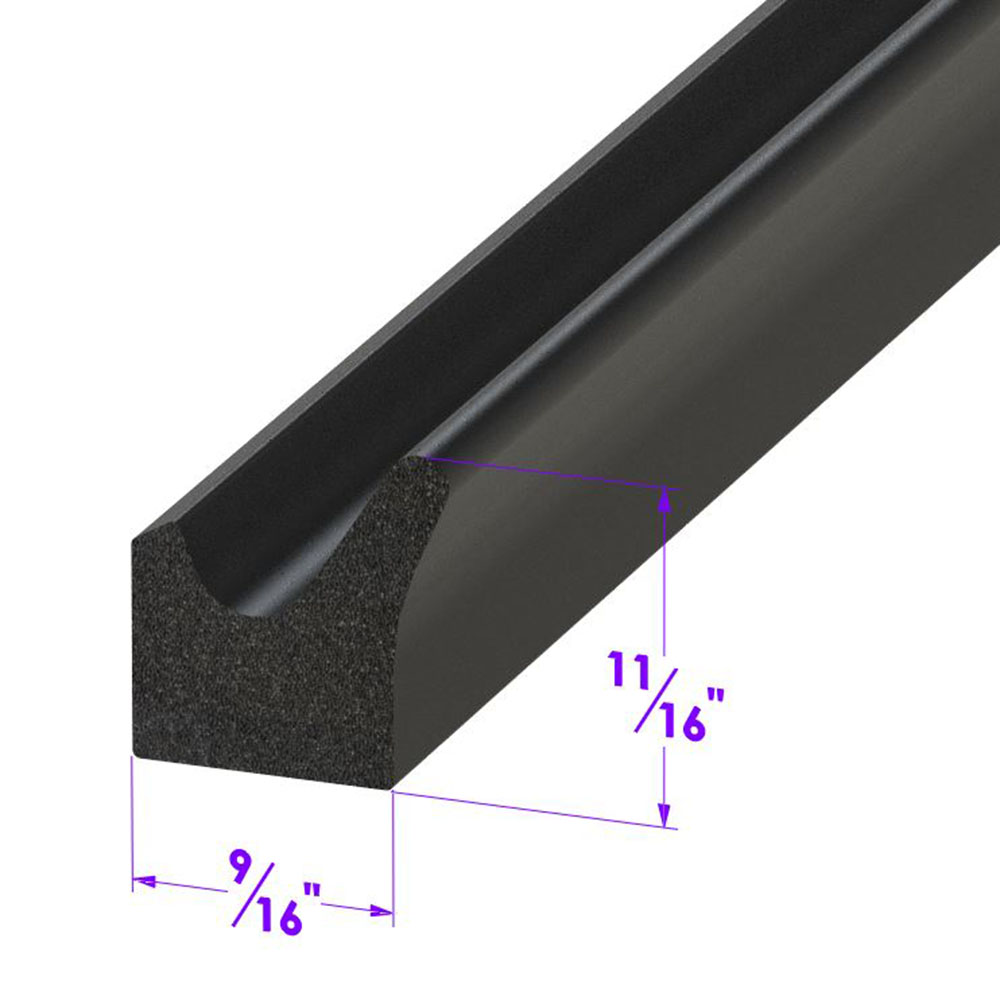 1940 Pontiac DELUXE SIX Door side seal. Same as LP 40-A, but for a heavier seal-LP 40Door side seal. Same as LP 40-A, but for a heavier seal. Fits many domestic passenger cars and trucks. Used in Cobra kit cars as trunk weatherstrip. Per foot.
 1940 Pontiac DELUXE SIX Door side seal. Same as LP 40, but for a lighter seal-LP 40-ADoor side seal. Same as LP 40, but for a lighter seal. Fits many domestic passenger cars and trucks. Universal seal for street rods and customs. Used in Cobra kit cars as door weatherstrip. Per foot.
 1940 Pontiac DELUXE SIX Trunk Seal. Sponge rubber. Sold by the foot.-LP 96-/FTTrunk Seal. Sponge rubber. Sold by the foot.
 1940 Pontiac DELUXE SIX Door Ferrule Grommet. Made of black rubber-MP 546-HDoor Ferrule Grommet. Made of black rubber. Fits over your old steel door ferrule (also see WF 2006) 1-3/16" O.D. Each
 1940 Pontiac DELUXE SIX Windshield Wiper Transmission Pad. 2" wide X 2-3/4" long-MP 991-AWindshield Wiper Transmission Pad. 2" wide X 2-3/4" long. Each
 1940 Pontiac DELUXE SIX Air Vent Pad. 2-5/8" wide X 3-3/8" long. Each-MP 991-BAir Vent Pad. 2-5/8" wide X 3-3/8" long. Each
 1940 Pontiac DELUXE SIX Trunk Light Pad. 3-1/4" wide X 6-3/4" long. Each-MP 991-BBTrunk Light Pad. 3-1/4" wide X 6-3/4" long. Each
 1940 Pontiac DELUXE SIX Tail-light Pads. 3-3/4" wide X 6-3/8" long. Pair-MP 991-CTail-light Pads. 3-3/4" wide X 6-3/8" long. Pair
 1940 Pontiac DELUXE SIX Tail-light Pads, for Sedans. 3-1/2" wide X 6-3/4" long-MP 991-CCTail-light Pads, for Sedans. 3-1/2" wide X 6-3/4" long. Pair R&L
 1940 Pontiac DELUXE SIX Headlight Pads. 6-5/8" wide X 12" long. Pair-MP 991-DHeadlight Pads. 6-5/8" wide X 12" long. Pair
 1940 Pontiac DELUXE SIX Tail-light Pads, for Coupes. 4-1/2" wide X 6-3/8" long-MP 991-KTail-light Pads, for Coupes. 4-1/2" wide X 6-3/8" long. Pair R&L
 1940 Pontiac DELUXE SIX Cowl Vent Seal. 3" wide at side X 15-3/4" long. Each-RP 100-BCowl Vent Seal. 3" wide at side X 15-3/4" long. Each
 1940 Pontiac DELUXE SIX Door Lock Knob. Brown. 1/2" diameter X 1" long X 1/8" hole-RP 303Door Lock Knob. Brown. 1/2" diameter X 1" long X 1/8" hole. Each
 1940 Pontiac DELUXE SIX Sun Visor End Tube Plug. Black. Each-RP 303-DSun Visor End Tube Plug. Black. Each
 1940 Pontiac DELUXE SIX Floor Plug. Fits a 13/16" hole. Each-SB 28Floor Plug. Fits a 13/16" hole. Each
 1940 Pontiac DELUXE SIX Door Bumper. 1" diameter X 1/4" thick Each-SB 60Door Bumper. 1" diameter X 1/4" thick Each
 1940 Pontiac DELUXE SIX Floor Plug. Fits a 7/16" hole. Each-SB 63Floor Plug. Fits a 7/16" hole. Each
 1940 Pontiac DELUXE SIX Front Door Window Adjustment Bumper Cushion-SB 70Front Door Window Adjustment Bumper Cushion. For "T" bolt in door. Four to six used per car. 11/16" X 1/4". Each
 1940 Pontiac DELUXE SIX Speedometer Cable / Utility Grommet-SM 2Speedometer Cable / Utility Grommet. Fits 3/4" to 13/16" hole. 3/16" center hole. Each
 1940 Pontiac DELUXE SIX Wire Harness Grommet. Each-SM 3Wire Harness Grommet. Each
 1940 Pontiac DELUXE SIX Firewall grommet for headlight and tail-light wires-SM 34Firewall grommet for headlight and tail-light wires. Fits 11/16" hole. 5/16" I.D., 15/16" O.D. Each
 1940 Pontiac DELUXE SIX Special Purpose Grommet-SM 4Special Purpose Grommet. For firewall, fuel gauge wire, horn wire, hood latch cable and fresh air cable. Fits 1/2" hole. 1/8" center hole. Each
 1940 Pontiac DELUXE SIX Speedometer Cable Firewall Grommet. Fits 1-7/8" long hole-SM 47Speedometer Cable Firewall Grommet. Fits 1-7/8" long hole. NOTE: Not used when car was factory equipped with windshield washers. (Fits some models) Each
 1940 Pontiac DELUXE SIX Windshield Wiper Grommet. Fits 1" hole. Each-SM 56Windshield Wiper Grommet. Fits 1" hole. Each
 1940 Pontiac DELUXE SIX Hood Cable Grommet. Fits 7/16" to 1/2" hole-SM 61Hood Cable Grommet. Fits 7/16" to 1/2" hole. 3/16" center hole. Each
 1940 Pontiac DELUXE SIX Choke Cable Grommet. Fits 5/8" hole. 1/8" center hole-SM 62Choke Cable Grommet. Fits 5/8" hole. 1/8" center hole. Each
 1940 Pontiac DELUXE SIX Master Cylinder Rod Dust Boot. Each-SM 65-EMaster Cylinder Rod Dust Boot. Each
 1940 Pontiac DELUXE SIX Special Purpose Grommet-SM 68Special Purpose Grommet. For headlight wire loom through body. Each
 1940 Pontiac DELUXE SIX Firewall and Utility Grommet. Fits 3/4" hole. 3/16" I.D-SM 8Firewall and Utility Grommet. Fits 3/4" hole. 3/16" I.D. Each
 1940 Pontiac DELUXE SIX Trunk Seal. 18 Feet long. Each-TK 50-18Trunk Seal. 18 Feet long. Each
 1940 Pontiac DELUXE SIX Trunk seal. '36-'40 GM coupes and convertibles only-TK 58-A/18Trunk seal. '36-'40 GM coupes and convertibles only. Does not fit Buick models (order LP 58-L per foot). 3/4 in. W x 1/2 in. Thk x 18 ft. L. Each.
 1940 Pontiac DELUXE SIX Trunk Seal for Coupes and Convertibles Only-TK 58-B/18Trunk Seal for Coupes and Convertibles Only. 1" wide X 1/2" thick. Each
 1940 Pontiac DELUXE SIX Trunk Seal, for Sedans. Each-TK 96-15Trunk Seal, for Sedans. Each
 1940 Pontiac DELUXE SIX Vertical Seal for Vent Window. Each is 17" long. Pair-VS 2Vertical Seal for Vent Window. Each is 17" long. Pair
 1940 Pontiac DELUXE SIX Vulcanized Rear Windshield Seal-VWS 1900-RVulcanized Rear Windshield Seal. Fits all except Sedan Delivery & Convertible. Each
 1940 Pontiac DELUXE SIX Flexible glass-run channel-WC 11-72Flexible glass-run channel. Mohair lined, cloth covered with stainless steel bead. Used on side windows. 72 in. long. Each. NOTE: $20 special shipping charge applies for domestic orders. Call or email for overseas shipping costs. Part can be sectioned in two equal lengths to reduce overseas shipping costs.
 1940 Pontiac DELUXE SIX Rigid division-bar channel. Made with Zinc-plated bead-WC 1-72Rigid division-bar channel. Made with Zinc-plated bead. Used on lower side windows. 72 in. long. Each. NOTE: $20 special shipping charge applies for domestic orders. Call or email for overseas shipping costs. Part can be sectioned into two equal lengths to reduce overseas shipping costs.
 1940 Pontiac DELUXE SIX Rigid division-bar channel. Made with Zinc-plated bead-WC 1-96Rigid division-bar channel. Made with Zinc-plated bead. Used on lower side windows. 96 in. long. Each. NOTE: $20 special shipping charge applies for domestic orders. Call or email for overseas shipping costs. Part can be sectioned in two or three equal lengths to reduce overseas shipping costs.
 1940 Pontiac DELUXE SIX Rigid division-bar channel. Made with stainless steel bead-WC 2-72Rigid division-bar channel. Made with stainless steel bead. 72 in. long. Each. NOTE: $20 special shipping charge applies for domestic orders. Call or email for overseas shipping costs. Part can be sectioned into two equal lengths to reduce overseas shipping costs.
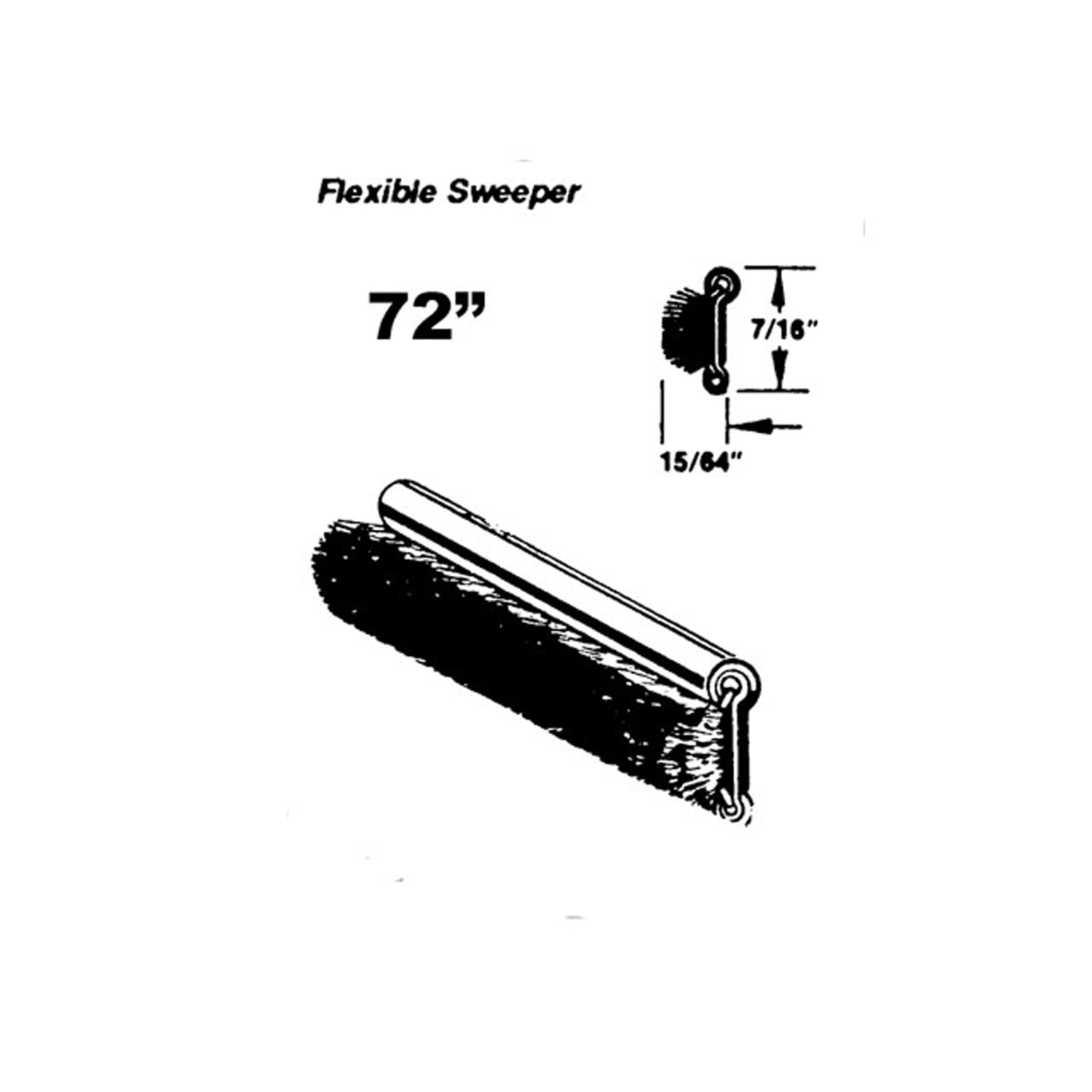 1940 Pontiac DELUXE SIX Flexible sweeper. Made with stainless steel bead-WC 8-72Flexible sweeper. Made with stainless steel bead. Used on inner and outer beltlines. Also forms easily for use with sliding quarter windows. 72 in. long. Each. NOTE: $20 special shipping charge applies for domestic orders. Call or email for overseas shipping costs. Part can be sectioned into two equal lengths to reduce overseas shipping costs.
 1940 Pontiac DELUXE SIX Chrome Door Ferrule. To be used with MP 546-H. 1-1/16" O.D-WF 2006Chrome Door Ferrule. To be used with MP 546-H. 1-1/16" O.D., 5/8" high. Fits most models. Each
 1940 Pontiac DELUXE SIX Fender Bolts. For use with Fender Bolt Washers; WF 3001-WF 3000Fender Bolts. For use with Fender Bolt Washers; WF 3001. Zinc Chromate plated, high strength. 1" X 5/16". Set of 25
 1940 Pontiac DELUXE SIX Fender Bolt Washers. For use with Fender Bolts; WF 3000-WF 3001Fender Bolt Washers. For use with Fender Bolts; WF 3000. High quality, cadmium plated. 1-1/4" O.D., 3/8" I.D. Set of 25
 1940 Pontiac DELUXE SIX Front Vent Window Seals. Does not fit Convertible-WR 7306Front Vent Window Seals. Does not fit Convertible. Pair R&L
 1940 Pontiac DELUXE SIX Front Vent Window Seals, for Convertibles. Pair R&L-WR 7310Front Vent Window Seals, for Convertibles. Pair R&L
 1940 Pontiac DELUXE SIX Front Suspension Bumper. 2" high. Each-XB 18Front Suspension Bumper. 2" high. Each
 1940 Pontiac DELUXE SIX Front Suspension Bumper. 2-7/8" high. Each-XB 25Front Suspension Bumper. 2-7/8" high. Each
Why Choose Metro?
For over 100 years, Metro Moulded Parts has been the pinnacle of quality in classic car restoration parts. Our commitment to precision and authenticity in every component ensures a perfect fit and an OEM-level appearance.
- Expert Craftsmanship & Quality: Each part is a testament to our dedication to reliability and perfection, crafted from original designs and thoroughly tested.
- Advanced Technology: We use cutting-edge techniques to create flawless, long-lasting parts that surpass others in performance.
- SuperSoft Sponge – The Ultimate Door Seal: Not only are our door seals 30% softer than competitors', but they're also guaranteed to never leak. They effectively reduce wind and road noise, enhancing your classic car's comfort and driving experience.
- Proudly American: Our parts are a product of American craftsmanship, made in the USA with a spirit of excellence and heritage.
- Unrivaled Warranty: We back our products with a 30-year industry-leading warranty, a testament to our confidence in their quality.
Join us in preserving the legacy of classic cars with parts that are crafted for perfection, not just made.