

Image of 1942 Pontiac Streamliner, Note: These illustrations use artistic license and may differ from actual historical models.
Performance Metrics
Fundamental Metrics
Emotional Appeal
MMP Rating
| Engine Specifications | |
|---|---|
| Engine: | Straight-6, Straight-8 |
| Displacement: | 239.2 cu in (3.9 L) for Straight-6, 248.9 cu in (4.1 L) for Straight-8 |
| Horsepower: | 90-103 hp |
| Torque: | Not available |
| Compression Ratio: | 6.25:1 |
| Ignition System: | Battery and coil |
| Cooling System: | Liquid-cooled |
| Performance Specifications | |
| 0-60 Time: | Not available |
| 1/4 Mile Time: | Not available |
| Top Speed: | 75-85 mph |
| Transmission and Drive | |
| Drive Type: | Rear-wheel drive |
| Transmission Type: | 3-speed manual |
| Fuel and Efficiency | |
| Fuel System Type: | Carburetor |
| MPG: | Not available |
| Dimensions and Brakes | |
| Brakes: | Hydraulic drum brakes |
| Wheelbase: | 119 inches |
| Weight: | 3,200-3,500 lbs |
Note: Specifications for classic cars are given to the best of our ability, considering the limited and variant data available.
1942 Pontiac Streamliner: America’s Fastback Before the War
The 1942 Pontiac Streamliner brought sweeping fastback style to American roads just as the country’s automobile industry was about to change completely. Built by Pontiac, a General Motors division, it combined roomy prewar-car proportions with the brand’s distinctive “Silver Streak” trim and a choice of six- or eight-cylinder power.
The Streamliner belonged to Pontiac’s larger, more formal line, positioned alongside the smaller-bodied Torpedo. Its rounded roof and flowing rear bodywork gave it a modern profile, while its broad grille and chrome accents kept it unmistakably Pontiac. A striking part of its story is how brief its production life was: civilian car manufacturing stopped during 1942 as factories switched to wartime work. That makes the Streamliner a snapshot of the final chapter of prewar American motoring.
Fastback Form and Silver Streak Details
The Streamliner’s defining feature was its long, smoothly sloping roofline. On sedan models, the roof flowed toward the rear in a continuous arc, creating the streamlined silhouette that inspired the name. At the front, a broad vertical grille sat between rounded fenders, while bright trim and Pontiac’s signature horizontal bars on the hood added a polished, upscale touch. The overall effect was substantial without looking as upright as many earlier sedans.
Inside, the Streamliner offered the generous space expected of a full-size American car. The bench seats were broad, and the cabin used durable cloth upholstery, painted or finished metal surfaces, and tasteful chrome accents. Materials and trim varied by model and equipment, but the emphasis was on comfort and practicality rather than sports-car luxury. A large steering wheel, clear gauges, and a spacious rear seat made it well suited to family travel.
Power came from a side-valve, or flathead, inline-six rated at about 90 horsepower, or an optional inline-eight rated at roughly 103 horsepower. A three-speed manual transmission was standard on many examples, and Pontiac also offered GM’s Hydra-Matic automatic transmission on certain configurations. For its time, Hydra-Matic was a major convenience: it reduced the need for the driver to operate a clutch and shift gears in ordinary traffic.
Paint choices varied with the model and production period. Period Pontiac colors included dark and medium blues, greens, grays, maroons, black, and lighter neutral shades. Deep, rich colors suit the Streamliner’s rounded body especially well, while black highlights the chrome trim. Exact paint names and availability should be checked against the car’s build information or period paint charts, since colors could differ by model and factory.
Streamliner body styles included fastback sedans and, depending on the specific series and production offering, other sedan and wagon configurations. The two-door fastback sedan is among the most recognizable today, thanks to its uninterrupted roofline and balanced proportions. Buyers looking for easier rear-seat access could choose a four-door sedan, while wagon versions offered a more practical load space in a distinctive prewar body.
A Car Caught Between Two Eras
The Streamliner’s importance is not that it introduced a single revolutionary technology. Its significance lies in how it brought contemporary styling, comfortable full-size packaging, and increasingly user-friendly equipment together in a mainstream car. The fastback shape gave buyers a more flowing alternative to boxier sedans, while the available Hydra-Matic reflected the industry’s growing interest in making driving easier.
Pontiac’s Silver Streak identity also helped distinguish the brand within General Motors. The bright hood bars and carefully finished trim gave the Streamliner a recognizable face without abandoning the conservative proportions many buyers preferred. It was modern enough to look fresh, but familiar enough to appeal to families and traditional sedan buyers.
Then wartime production brought civilian car manufacturing to a halt. Pontiac and other automakers redirected factories and workers toward military production. When civilian production resumed after the war, American cars increasingly reflected new styling and engineering priorities. The 1942 Streamliner therefore marks the end of a prewar design period, preserved in a relatively small number of surviving cars.
Road Manners and Period Performance
Performance depends on the engine, transmission, mechanical condition, and gearing. As a broad period-correct estimate, a six-cylinder Streamliner could reach approximately 75 to 80 mph, while an eight-cylinder car might approach the low-to-mid 80s when in good condition. A leisurely 0-to-60-mph time in the range of roughly 20 to 25 seconds is a reasonable estimate for many examples. These are not modern instrumented test figures, and a seventy-plus-year-old car may perform very differently depending on its restoration and upkeep.
The driving experience is distinctly prewar. The flathead engine delivers its power smoothly and quietly at modest speeds, with a low mechanical hum rather than the sharp exhaust note of a modern performance car. The long wheelbase and substantial body help the car settle over ordinary road bumps, but its suspension and steering are not designed for quick cornering. On a winding road, the driver needs to plan ahead, use measured steering inputs, and remember that period drum brakes require more anticipation than modern disc brakes.
In crosswinds, the Streamliner’s large body can feel less composed than a contemporary car, especially at highway speeds. The steering is generally slower and less precise, and the driver is more involved in managing the car. That is part of its appeal for enthusiasts: the Streamliner asks for attention, rewards a relaxed pace, and makes even a short drive feel like an occasion.
Living with a Streamliner
Today, most 1942 Streamliners are used as show cars, weekend cruisers, or occasional tour vehicles rather than daily transportation. Their comfortable cabins and substantial presence make them enjoyable on scenic drives, but traffic, modern highway speeds, and the availability of parts all influence how frequently owners use them.
The basic mechanical layout is familiar to many classic-car specialists. The inline engines are relatively straightforward, and routine work such as ignition service, carburetor adjustment, and brake maintenance can be handled by a capable owner with the right tools and reference material. However, age brings its own challenges: worn wiring, tired rubber components, corrosion, and decades of improvised repairs can complicate even a simple job. Hydra-Matic cars may need a specialist familiar with early GM automatics.
Parts availability is mixed. Service items and some mechanical components can often be sourced through classic-car suppliers, but model-specific trim, body pieces, glass, and interior details may take more effort to find. A complete, unmodified car is usually a better starting point than a cheap project missing hard-to-replace parts.
Wartime Trivia and Common Criticisms
The 1942 model year is unusual because civilian production was interrupted by World War II. The Streamliner was not a long-running wartime car; it belongs to the short-lived group of American models caught in the transition from civilian manufacturing to military production. That timing is a major reason collectors value it as a historical marker.
There is no widely recognized speed, endurance, or sales record associated specifically with the 1942 Streamliner. Nor is it chiefly known for a famous celebrity owner. Its strongest claim to distinction is its combination of fastback styling, Pontiac Silver Streak identity, and unusually brief place in the production timeline.
Common criticisms are typical of large prewar cars: modest acceleration, heavy steering at low speeds, long stopping distances by modern standards, and less nimble handling than a postwar car. The flathead engines are dependable when properly maintained, but they do not deliver the power or efficiency expected from modern engines. Collectors also need to be realistic about the difficulty of locating correct trim and body parts.
Collector Values and Rarity
Exact production figures for individual 1942 Streamliner body styles can be difficult to pin down, and figures vary across reference sources. A reasonable working estimate is that Pontiac built several tens of thousands of Streamliners before civilian production ended, perhaps around 40,000 to 60,000 across the range. That is an informed estimate, not a confirmed factory total. Surviving examples are much fewer, and particular body styles or exceptionally original cars can be harder to find than the estimate suggests.
As a broad U.S. market guide for 2026, a project or rough driver might sell for about $8,000 to $18,000. A usable, presentable car could fall around $18,000 to $35,000, while a high-quality restoration may bring roughly $35,000 to $60,000 or more. Unusual body styles, exceptional originality, documented history, or a particularly correct restoration can influence the price substantially. These are general ranges, not a formal appraisal, and condition matters more than a simple model-year label.
Values have generally been steady to gradually appreciating for well-presented prewar cars, though the market is selective. The Streamliner’s rarity and historical interest support its appeal, but it does not have the same broad buyer pool as a better-known postwar classic. Excellent cars tend to attract the strongest interest; incomplete projects can remain difficult to sell because restoration costs quickly exceed the value of an average example.
Why the 1942 Streamliner Still Matters
The 1942 Pontiac Streamliner blends graceful fastback styling, comfortable full-size proportions, straightforward prewar engineering, and a fascinating place in American history. Its Silver Streak details make it instantly recognizable, while its brief production period gives it significance beyond its looks.
It is not a modern-speed machine, and it asks its driver to respect the limits of its brakes, steering, and suspension. But for collectors who appreciate character as much as performance, the Streamliner offers something special: a direct connection to the last days of prewar American motoring, just before the road and the industry changed for good.
1942 Pontiac Streamliner Catalog of Parts
 1942 Pontiac Streamliner Starter Pedal Pad. Brown. 1-7/16" Diameter, Each-AP 19-AStarter Pedal Pad. Brown. 1-7/16" Diameter, Each
 1942 Pontiac Streamliner Transmission Vacuum Shift Grommet. Used on rear side-BC 40Transmission Vacuum Shift Grommet. Used on rear side. 1-1/2" O.D., 3/8" I.D., 3/8" Thick. Each
 1942 Pontiac Streamliner Lower Inner "A" Frame Shaft Seal. 1-1/8" O.D., 5/16" thick-BN 23-ALower Inner "A" Frame Shaft Seal. 1-1/8" O.D., 5/16" thick. Each
 1942 Pontiac Streamliner Clutch and Brake Pedal Pads. 2" wide X 3" long. Pair-CB 15Clutch and Brake Pedal Pads. 2" wide X 3" long. Pair
 1942 Pontiac Streamliner Cowl and Hood Seal. Push-in tabs, like original-CS 8Cowl and Hood Seal. Push-in tabs, like original. 78" length finished. Each
 1942 Pontiac Streamliner Upper Door Hinge Post Bumper. Held by screw-DB 60-AUpper Door Hinge Post Bumper. Held by screw. 7/8" diameter X 1/8" thick. Each
 1942 Pontiac Streamliner Windshield Center Bar Outer Gasket Molding Retainer-DP 10Windshield Center Bar Outer Gasket Molding Retainer. Use with original steel to retain stainless steel trim to the windshield. 18 in. long. Each.
 1942 Pontiac Streamliner Windshield Center Bar Gasket-DP 11Windshield Center Bar Gasket. This seal is make with all the original
 1942 Pontiac Streamliner Auxiliary Door Seals-ELP 2000Auxiliary Door Seals. Weatherstrip for lower front corner of front door. Pair R&L
 1942 Pontiac Streamliner Auxiliary door seals-ELP 2001Auxiliary door seals. Weatherstrip for rear corners of front door. (Used for front and rear corners of rear door on some models). 5-1/2 in. 4 in. Pair. R&L.
 1942 Pontiac Streamliner Door and Hood Bumper. 1" diameter X 7/8" thick. Each-HF 16Door and Hood Bumper. 1" diameter X 7/8" thick. Each
 1942 Pontiac Streamliner Headlight Assembly Housing Pad. 8-3/8" O.D. Pair-HR 7Headlight Assembly Housing Pad. 8-3/8" O.D. Pair
 1942 Pontiac Streamliner Windshield and Rear Window Channel. Used with 1/4" glass-LP 105Windshield and Rear Window Channel. Used with 1/4" glass. Fits some models. Sold by the foot
 1942 Pontiac Streamliner Windshield Pinchweld Seal for some models w/chrome garnish-LP 106Windshield Pinchweld Seal for some models w/chrome garnish. Used with LP 105, DP 10 & DP 11 (center division bar seals)to seal and retain outer chrome garnish. Sold by the foot
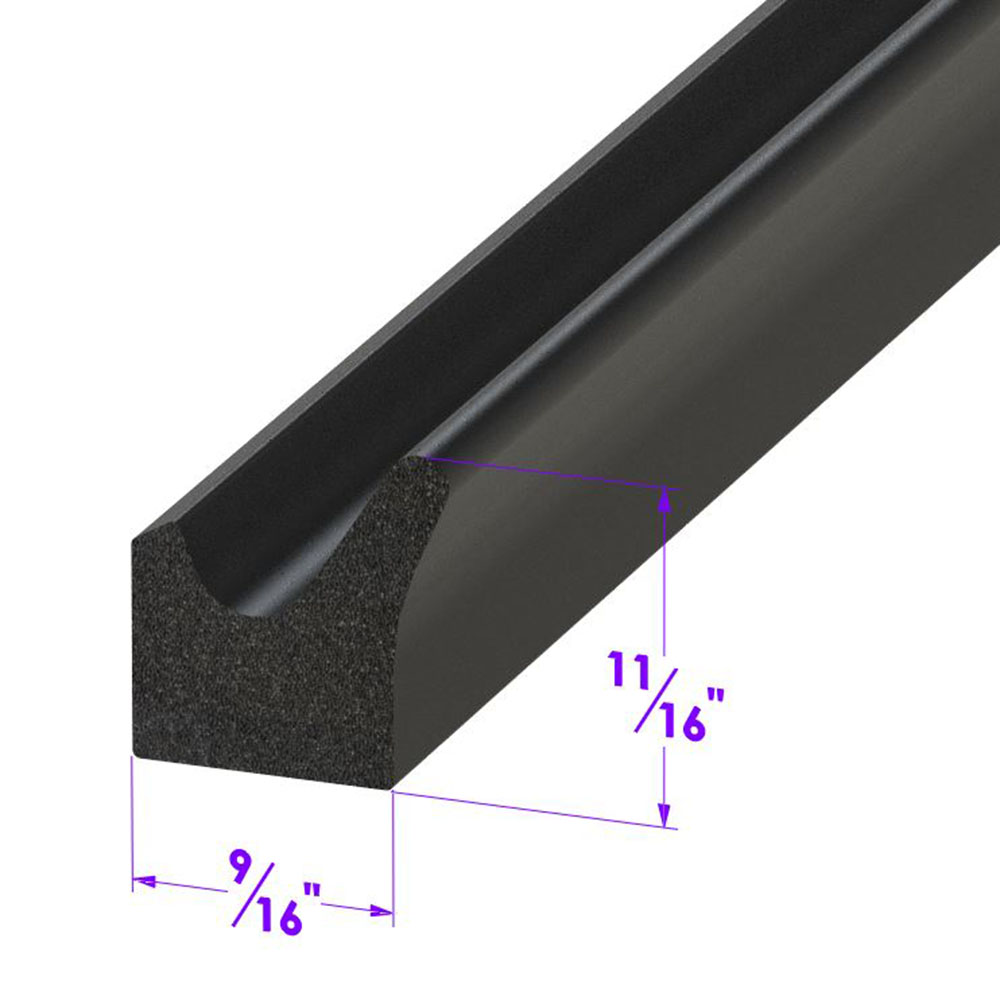 1942 Pontiac Streamliner Door side seal. Same as LP 40-A, but for a heavier seal-LP 40Door side seal. Same as LP 40-A, but for a heavier seal. Fits many domestic passenger cars and trucks. Used in Cobra kit cars as trunk weatherstrip. Per foot.
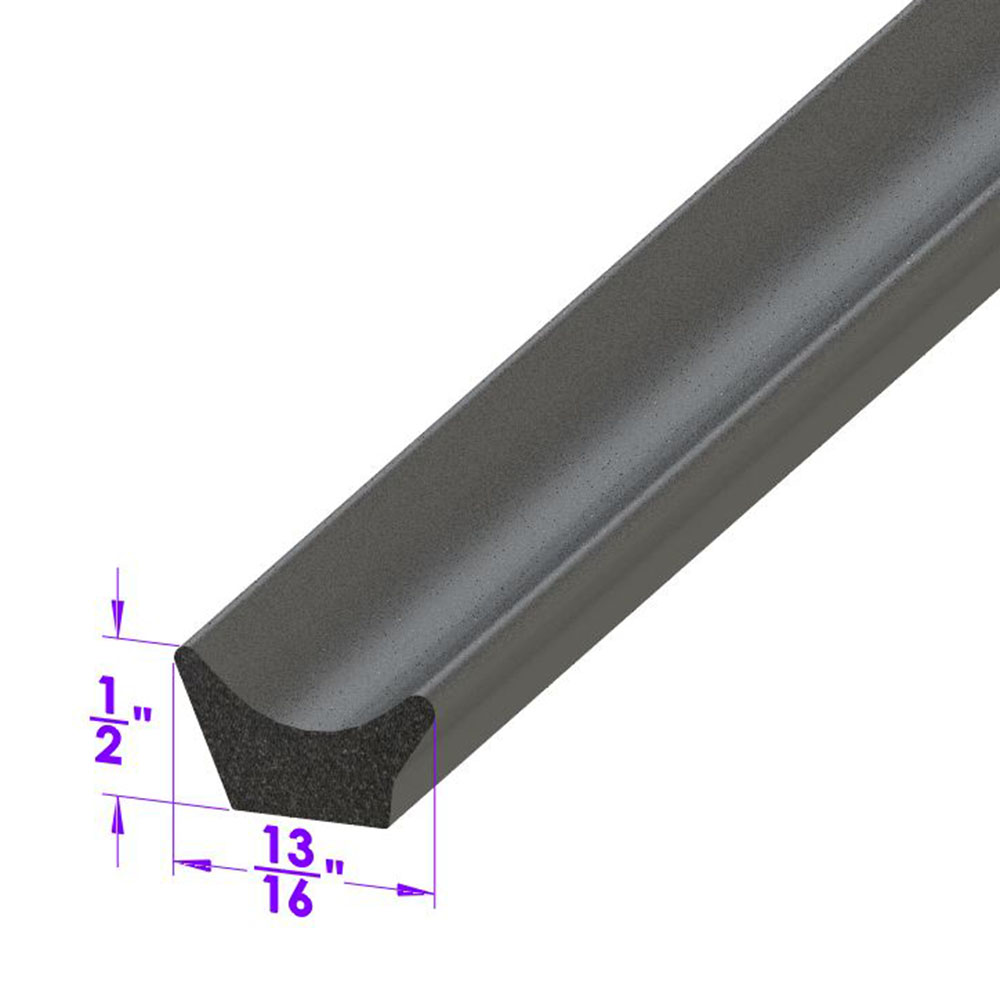 1942 Pontiac Streamliner Door side seal. Same as LP 40, but for a lighter seal-LP 40-ADoor side seal. Same as LP 40, but for a lighter seal. Fits many domestic passenger cars and trucks. Universal seal for street rods and customs. Used in Cobra kit cars as door weatherstrip. Per foot.
 1942 Pontiac Streamliner Sun Visor End Tube Plug. Black. Each-RP 303-DSun Visor End Tube Plug. Black. Each
 1942 Pontiac Streamliner Door Lock Knob. Made of Black rubber, self-threading-RP 304-ADoor Lock Knob. Made of Black rubber, self-threading. 1-3/8" tall with 1/8" lower I.D., 3/8" lower O.D. Each
 1942 Pontiac Streamliner Door Lock Knob. Made of Slate Blue rubber, self-threading-RP 304-CDoor Lock Knob. Made of Slate Blue rubber, self-threading. 1-3/8" tall with 1/8" lower I.D., 3/8" lower O.D. Each
 1942 Pontiac Streamliner Door Lock Knob. Made of Navy Blue rubber, self-threading-RP 304-DDoor Lock Knob. Made of Navy Blue rubber, self-threading. 1-3/8" tall with 1/8" lower I.D., 3/8" lower O.D. Each
 1942 Pontiac Streamliner Door Lock Knob. Made of Silver Blue rubber, self-threading-RP 304-EDoor Lock Knob. Made of Silver Blue rubber, self-threading. 1-3/8" tall with 1/8" lower I.D., 3/8" lower O.D. Each
 1942 Pontiac Streamliner Door Lock Knob. Made of Fawn colored rubber, self-threading-RP 304-FDoor Lock Knob. Made of Fawn colored rubber, self-threading. 1-3/8" tall with 1/8" lower I.D., 3/8" lower O.D. Each
 1942 Pontiac Streamliner Door Lock Knob. Made of Olive Green rubber, self-threading-RP 304-GDoor Lock Knob. Made of Olive Green rubber, self-threading. 1-3/8" tall with 1/8" lower I.D., 3/8" lower O.D. Each
 1942 Pontiac Streamliner Door Lock Knob. Made of Yellow rubber, self-threading-RP 304-HDoor Lock Knob. Made of Yellow rubber, self-threading. 1-3/8" tall with 1/8" lower I.D., 3/8" lower O.D. Each
 1942 Pontiac Streamliner Door Lock Knob. Made of White rubber, self-threading-RP 304-IDoor Lock Knob. Made of White rubber, self-threading. 1-3/8" tall with 1/8" lower I.D., 3/8" lower O.D. Each
 1942 Pontiac Streamliner Door Lock Knob. Made of Silver rubber, self-threading-RP 304-JDoor Lock Knob. Made of Silver rubber, self-threading. 1-3/8" tall with 1/8" lower I.D., 3/8" lower O.D. Each
 1942 Pontiac Streamliner Door Lock Knob. Made of Medium Brown rubber, self-threading-RP 304-KDoor Lock Knob. Made of Medium Brown rubber, self-threading. 1-3/8" tall with 1/8" lower I.D., 3/8" lower O.D. Each
 1942 Pontiac Streamliner Door Lock Knob. Made of Wedgwood rubber, self-threading-RP 304-LDoor Lock Knob. Made of Wedgwood rubber, self-threading. 1-3/8" tall with 1/8" lower I.D., 3/8" lower O.D. Each
 1942 Pontiac Streamliner Door Lock Knob. Made of Teal Green rubber, self-threading-RP 304-MDoor Lock Knob. Made of Teal Green rubber, self-threading. 1-3/8" tall with 1/8" lower I.D., 3/8" lower O.D. Each
 1942 Pontiac Streamliner Door Lock Knob. Made of Moss Green rubber, self-threading-RP 304-NDoor Lock Knob. Made of Moss Green rubber, self-threading. 1-3/8" tall with 1/8" lower I.D., 3/8" lower O.D. Each
 1942 Pontiac Streamliner Door Lock Knob. Made of Ember glow rubber, self-threading-RP 304-ODoor Lock Knob. Made of Ember glow rubber, self-threading. 1-3/8" tall with 1/8" lower I.D., 3/8" lower O.D. Each
 1942 Pontiac Streamliner Door Bumper. 1" diameter X 1/4" thick Each-SB 60Door Bumper. 1" diameter X 1/4" thick Each
 1942 Pontiac Streamliner Front Door Window Adjustment Bumper Cushion-SB 70Front Door Window Adjustment Bumper Cushion. For "T" bolt in door. Four to six used per car. 11/16" X 1/4". Each
 1942 Pontiac Streamliner Speedometer Cable / Utility Grommet-SM 2Speedometer Cable / Utility Grommet. Fits 3/4" to 13/16" hole. 3/16" center hole. Each
 1942 Pontiac Streamliner Wire Harness Grommet. Each-SM 3Wire Harness Grommet. Each
 1942 Pontiac Streamliner Special Purpose Grommet-SM 4Special Purpose Grommet. For firewall, fuel gauge wire, horn wire, hood latch cable and fresh air cable. Fits 1/2" hole. 1/8" center hole. Each
 1942 Pontiac Streamliner Speedometer Cable Firewall Grommet. Fits 1-7/8" long hole-SM 47Speedometer Cable Firewall Grommet. Fits 1-7/8" long hole. NOTE: Not used when car was factory equipped with windshield washers. (Fits some models) Each
 1942 Pontiac Streamliner Windshield Wiper Grommet. Fits 1" hole. Each-SM 56Windshield Wiper Grommet. Fits 1" hole. Each
 1942 Pontiac Streamliner Choke Cable Grommet. Fits 5/8" hole. 1/8" center hole-SM 62Choke Cable Grommet. Fits 5/8" hole. 1/8" center hole. Each
 1942 Pontiac Streamliner Radio Fuse Boot and Wire Harness. For original radio only-SM 65-ARadio Fuse Boot and Wire Harness. For original radio only. Each
 1942 Pontiac Streamliner Master Cylinder Rod Dust Boot. Each-SM 65-EMaster Cylinder Rod Dust Boot. Each
 1942 Pontiac Streamliner Special Purpose Grommet-SM 68Special Purpose Grommet. For headlight wire loom through body. Each
 1942 Pontiac Streamliner Firewall and Utility Grommet. Fits 3/4" hole. 3/16" I.D-SM 8Firewall and Utility Grommet. Fits 3/4" hole. 3/16" I.D. Each
 1942 Pontiac Streamliner Trunk Seal. 18 Feet long. Each-TK 50-18Trunk Seal. 18 Feet long. Each
 1942 Pontiac Streamliner Trunk Seal. Each-TK 56-18Trunk Seal. Each
 1942 Pontiac Streamliner Vertical Seal for Vent Window. Each is 17" long. Pair-VS 2Vertical Seal for Vent Window. Each is 17" long. Pair
 1942 Pontiac Streamliner Vulcanized Rear Window Seal-VWS 7304-RVulcanized Rear Window Seal. For cars without chrome garnish. Each
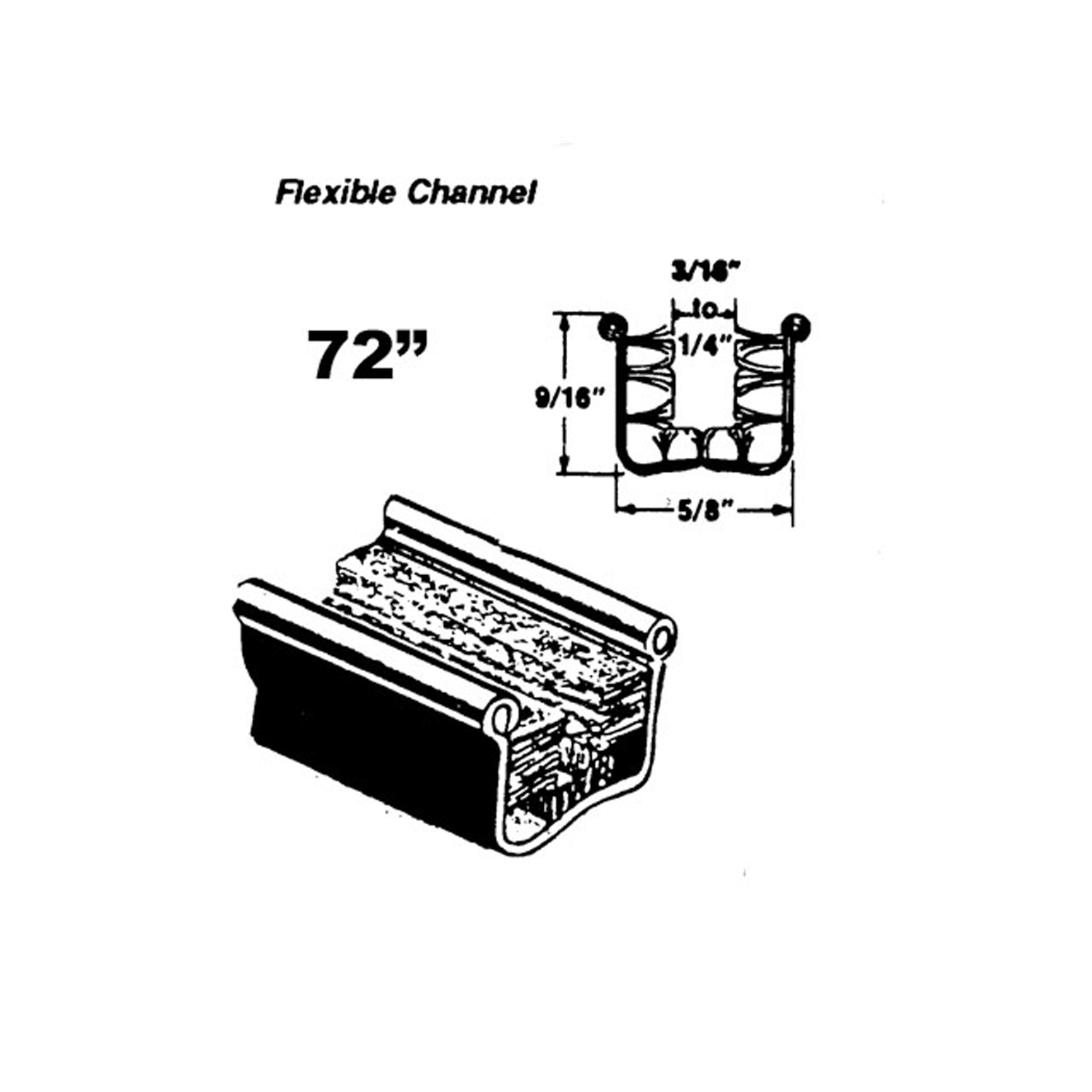 1942 Pontiac Streamliner Flexible glass-run channel-WC 11-72Flexible glass-run channel. Mohair lined, cloth covered with stainless steel bead. Used on side windows. 72 in. long. Each. NOTE: $20 special shipping charge applies for domestic orders. Call or email for overseas shipping costs. Part can be sectioned in two equal lengths to reduce overseas shipping costs.
 1942 Pontiac Streamliner Rigid division-bar channel. Made with Zinc-plated bead-WC 1-72Rigid division-bar channel. Made with Zinc-plated bead. Used on lower side windows. 72 in. long. Each. NOTE: $20 special shipping charge applies for domestic orders. Call or email for overseas shipping costs. Part can be sectioned into two equal lengths to reduce overseas shipping costs.
 1942 Pontiac Streamliner Rigid division-bar channel. Made with Zinc-plated bead-WC 1-96Rigid division-bar channel. Made with Zinc-plated bead. Used on lower side windows. 96 in. long. Each. NOTE: $20 special shipping charge applies for domestic orders. Call or email for overseas shipping costs. Part can be sectioned in two or three equal lengths to reduce overseas shipping costs.
 1942 Pontiac Streamliner Rigid division-bar channel. Made with stainless steel bead-WC 2-72Rigid division-bar channel. Made with stainless steel bead. 72 in. long. Each. NOTE: $20 special shipping charge applies for domestic orders. Call or email for overseas shipping costs. Part can be sectioned into two equal lengths to reduce overseas shipping costs.
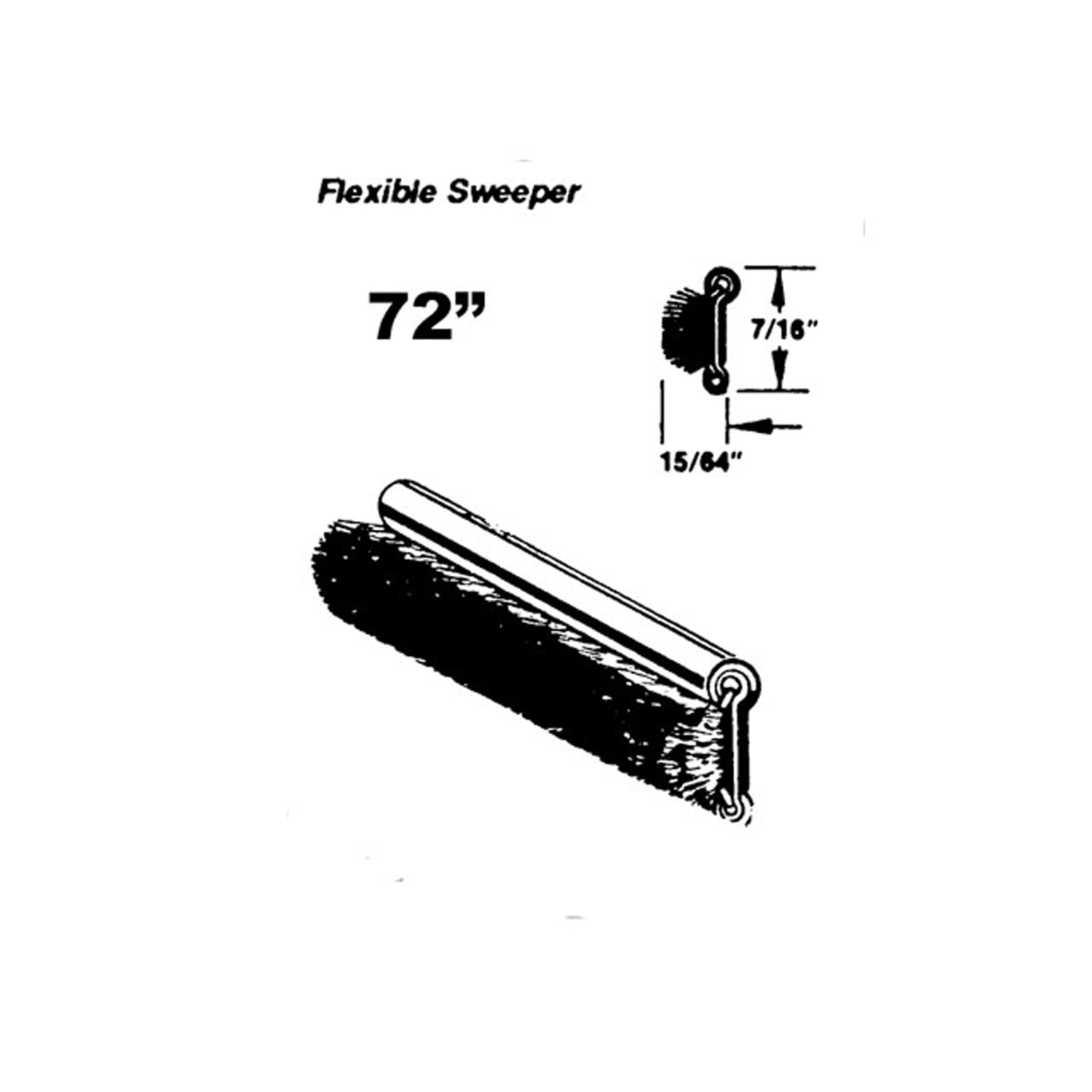 1942 Pontiac Streamliner Flexible sweeper. Made with stainless steel bead-WC 8-72Flexible sweeper. Made with stainless steel bead. Used on inner and outer beltlines. Also forms easily for use with sliding quarter windows. 72 in. long. Each. NOTE: $20 special shipping charge applies for domestic orders. Call or email for overseas shipping costs. Part can be sectioned into two equal lengths to reduce overseas shipping costs.
 1942 Pontiac Streamliner Fender Bolts. For use with Fender Bolt Washers; WF 3001-WF 3000Fender Bolts. For use with Fender Bolt Washers; WF 3001. Zinc Chromate plated, high strength. 1" X 5/16". Set of 25
 1942 Pontiac Streamliner Fender Bolt Washers. For use with Fender Bolts; WF 3000-WF 3001Fender Bolt Washers. For use with Fender Bolts; WF 3000. High quality, cadmium plated. 1-1/4" O.D., 3/8" I.D. Set of 25
 1942 Pontiac Streamliner Front Vent Window Seals, for Convertibles. Pair R&L-WR 7313Front Vent Window Seals, for Convertibles. Pair R&L
 1942 Pontiac Streamliner Front Vent Window Seals. Pair R&L-WR 7321Front Vent Window Seals. Pair R&L
 1942 Pontiac Streamliner Front Suspension Bumper. 2" high. Each-XB 18Front Suspension Bumper. 2" high. Each
 1942 Pontiac Streamliner Front Suspension Bumper. 2-7/8" high. Each-XB 25Front Suspension Bumper. 2-7/8" high. Each
Why Choose Metro?
For over 100 years, Metro Moulded Parts has been the pinnacle of quality in classic car restoration parts. Our commitment to precision and authenticity in every component ensures a perfect fit and an OEM-level appearance.
- Expert Craftsmanship & Quality: Each part is a testament to our dedication to reliability and perfection, crafted from original designs and thoroughly tested.
- Advanced Technology: We use cutting-edge techniques to create flawless, long-lasting parts that surpass others in performance.
- SuperSoft Sponge – The Ultimate Door Seal: Not only are our door seals 30% softer than competitors', but they're also guaranteed to never leak. They effectively reduce wind and road noise, enhancing your classic car's comfort and driving experience.
- Proudly American: Our parts are a product of American craftsmanship, made in the USA with a spirit of excellence and heritage.
- Unrivaled Warranty: We back our products with a 30-year industry-leading warranty, a testament to our confidence in their quality.
Join us in preserving the legacy of classic cars with parts that are crafted for perfection, not just made.