

Image of 1948 Pontiac Torpedo, Note: These illustrations use artistic license and may differ from actual historical models.
Performance Metrics
Fundamental Metrics
Emotional Appeal
MMP Rating
| Engine Specifications | |
|---|---|
| Engine Options: | Straight-6, Straight-8 |
| Displacement Range: | 239.2 cu in (3.9 L) for Straight-6, 248.9 cu in (4.1 L) for Straight-8 |
| Horsepower Range: | 90-103 hp |
| Torque: | Estimated 180-200 lb-ft |
| Compression Ratio: | 6.5:1 |
| Ignition System: | Battery and coil |
| Cooling System: | Liquid-cooled |
| Performance Specifications | |
| 0-60 Time: | Estimated 15-20 seconds |
| 1/4 Mile Time: | Not available |
| Top Speed: | 75-80 mph |
| Transmission and Drive | |
| Drive Type: | Rear-wheel drive |
| Transmission Type: | 3-speed manual |
| Fuel and Efficiency | |
| Fuel System Type: | Carburetor |
| MPG: | Estimated 15-20 mpg |
| Dimensions and Brakes | |
| Brakes: | Drum brakes |
| Wheelbase: | 119 inches |
| Weight: | 3,400-3,600 lbs |
Note: Specifications for classic cars are given to the best of our ability, considering the limited and variant data available.
1948 Pontiac Torpedo: A Postwar American Classic
The 1948 Pontiac Torpedo brought polished prewar style into a country ready to get back on the road. Built by Pontiac, General Motors’ mid-priced division, it combined substantial American-car proportions with the brand’s signature Silver Streak trim and a choice of straight-six or straight-eight power. It was one of the last Torpedos before Pontiac’s significant 1949 redesign, making it a snapshot of the transition from prewar engineering to the next generation of postwar cars.
Pontiac itself had a relatively young history. General Motors established the marque in 1926, positioning it as an accessible step above Chevrolet. By 1948, the company had earned a reputation for dependable cars with more style and equipment than basic transportation required. A notable first came that year: Pontiac offered GM’s Hydra-Matic automatic transmission, bringing clutch-free driving to buyers who wanted a more relaxed experience.
Silver Streak Style and Cabin Comfort
The Torpedo has the upright, confident look of a late-1940s American sedan. Its rounded fenders flow into a tall passenger cabin, while a broad chrome grille gives the nose a substantial presence. Pontiac’s trademark Silver Streaks, narrow bright strips running along the hood, draw the eye toward the windshield. Chrome accents around the windows and along the body add sparkle without overwhelming the car’s smooth, restrained shape.
The Torpedo’s conventional roof and trunk distinguish it from Pontiac’s fastback Streamliner. That notchback profile gives the Torpedo a formal, familiar appearance, particularly in four-door form. Depending on body style and equipment, buyers could choose features such as extra exterior trim, wheel covers, a radio, heater, and whitewall tires. The car’s palette varied by body and production run, with period colors including dark blue, green, gray, maroon, black, and lighter neutral shades. Dark colors paired especially well with the chrome trim, while whitewalls added a popular dressy touch.
Inside, the Torpedo favored comfort over sportiness. The bench seats were broad and upright, and the dashboard used clear, period-style gauges and straightforward controls. Upholstery depended on body style and trim level, with durable cloth or mohair commonly used in closed cars and leather available in some open-car specifications. The materials and fit were appropriate to a well-equipped postwar family car, though today’s owners should expect the firm cushions, simple ventilation, and limited sound insulation typical of the era.
Among the Torpedo body styles, the convertible is the most eye-catching and often the most sought after by collectors. Closed versions, including two-door and four-door sedans, better represent the practical side of the line and are more commonly encountered. Exact body-style availability and naming can differ across model references, so buyers researching a specific car should check its serial number, body tag, and factory documentation.
What Made the 1948 Torpedo Matter
The Torpedo was not a radical design revolution, but it reflected an important moment in American motoring. Automakers were restarting full-scale civilian production after wartime manufacturing, and buyers wanted roomy, dependable cars with modern conveniences. Pontiac answered with familiar engineering, updated trim, and the increasingly important option of an automatic transmission.
Its Hydra-Matic option is a particularly significant part of the story. Automatic transmissions were still a novelty to many motorists, and Pontiac’s 1948 offering helped spread the technology beyond its earlier applications. The Torpedo also carried Pontiac’s visual identity forward: the Silver Streak treatment made the car easy to recognize and helped establish a distinctive look within GM’s broader lineup.
Compared with smaller, lower-priced cars, the Torpedo offered a more substantial cabin and a choice of six- or eight-cylinder power. Compared with more expensive marques, it delivered much of the same full-size presence at a more approachable price. Its lasting influence is less about a single groundbreaking feature than about the formula Pontiac refined for years: practical engineering, generous proportions, and recognizable styling.
Straight-Six or Straight-Eight Performance
The 1948 Torpedo was available with Pontiac’s L-head, or flathead, inline engines. The 239-cubic-inch straight-six produced about 90 horsepower, while the 248.9-cubic-inch straight-eight was rated at roughly 103 horsepower. A three-speed manual transmission was typical, and Hydra-Matic was the headline automatic option. These were smooth, low-revving engines designed for steady road use rather than high-performance driving.
Period performance figures vary with engine, transmission, body style, and condition. As a general estimate, a straight-eight Torpedo could reach approximately 80 to 85 mph, with a 0-to-60-mph time around 18 to 22 seconds. The six-cylinder version was slower, especially with a full load of passengers. Those numbers are best treated as broad estimates, not guaranteed factory test results for every car.
On the road, the Torpedo feels substantial. Its long body and soft suspension take the sting out of broken pavement, but the ride can bob over repeated dips and the body leans noticeably in tighter corners. On winding roads, careful steering and a measured pace suit the car better than quick direction changes. The steering and braking effort also feel distinctly vintage compared with a modern car, and the drum brakes require room and anticipation.
The engine’s character is part of the appeal: a mellow, unhurried exhaust note, steady low-speed pull, and a relaxed cruising rhythm. The manual car asks the driver to work a clutch and shift deliberately. Hydra-Matic cars offer a smoother, less demanding drive, although the transmission’s age and condition matter greatly to how one behaves today. Neither version is designed for modern traffic speeds or aggressive driving.
Living With a Torpedo Today
Most 1948 Torpedos now serve as show cars, weekend cruisers, parade vehicles, or occasional touring cars. A well-sorted example can handle local drives and relaxed trips on slower roads, but it is not an ideal daily driver by modern standards. It lacks contemporary crash protection, and its speed, braking, lighting, and fuel economy all reflect its age.
Routine work is generally approachable for an owner comfortable with older mechanical systems. The inline engines are relatively accessible, and many maintenance tasks involve familiar items such as ignition points, carburetor adjustment, cooling-system service, and drum-brake upkeep. The main challenge is not always the mechanical repair itself, but sourcing correct parts and keeping decades-old components in good condition. Hydra-Matic repairs can be more specialized than a basic manual-transmission service.
Before buying, inspect the frame and body structure for corrosion, especially around floors, body mounts, lower panels, and the trunk. Check for overheating, worn steering and suspension parts, weak brakes, and evidence of poor electrical repairs. Original trim, glass, and interior pieces can be harder to locate than routine service items, so a complete car is often a better starting point than a cheap project missing major parts.
Interesting Facts and Common Criticisms
The 1948 model year is notable as the Torpedo’s final appearance before Pontiac’s 1949 redesign ushered in a new look. It also marks Pontiac’s early adoption of Hydra-Matic, a feature that could make a family-sized car feel surprisingly modern for its day. The Silver Streaks are another conversation starter: they turned a simple hood into one of Pontiac’s most recognizable styling signatures.
The Torpedo was not built to set speed records, and it is not widely associated with a famous endurance victory or a defining racing achievement. Nor is there a single celebrity ownership story that defines the model. Its historical importance is more grounded in everyday American life: it was a comfortable, attainable postwar car at a time when families were eager to travel again.
Common criticisms include modest acceleration, heavy handling, drum brakes that need an attentive driver, and fuel consumption that can feel steep by modern standards. The flathead engines are durable when maintained, but they lack the high-revving character and output of later overhead-valve designs. Collectors also need to distinguish a Torpedo from the related Streamliner, whose fastback body gives it a very different profile.
Collector Values and Availability
All 1948 Pontiac production combined is commonly estimated at roughly 375,000 cars, but published totals and model breakdowns can vary. The Torpedo represents a substantial share of the lineup, though a dependable exact count for each body style is difficult to establish. As a working estimate, Torpedo production was likely well into six figures. That does not make every version equally easy to find: ordinary sedans appear more often than well-preserved convertibles.
In the current collector market, a project or rough driver might sell for about $5,000 to $12,000. A usable, presentable sedan often falls in the $12,000 to $25,000 range, while a high-quality restoration can bring roughly $25,000 to $45,000 or more. Convertibles generally command a premium, with strong examples potentially reaching $45,000 to $75,000 or higher depending on originality, restoration quality, documentation, and market conditions. These are broad U.S. estimates, not appraisals, and exceptional cars can fall outside them.
Values tend to reward condition and completeness more than ambitious modifications. Like many prewar-influenced postwar classics, the Torpedo has a dedicated but narrower audience than the most famous muscle cars or collectible convertibles. Its prices have generally been steady to gradually appreciating for well-restored examples, while rough projects can be difficult to sell because restoration costs quickly exceed the value of the finished car.
Why the 1948 Pontiac Torpedo Still Turns Heads
The 1948 Pontiac Torpedo combines an unmistakable Silver Streak identity, comfortable full-size proportions, and the choice of smooth six- or eight-cylinder power. Its early Hydra-Matic availability gives it a meaningful place in the spread of automatic transmission technology, while its final-year status makes it an appealing marker of Pontiac’s pre-1949 design era.
It is not a fast or carefree modern cruiser, and that is part of its charm. The Torpedo rewards patient driving and careful ownership with the sound, presence, and road-going character of a genuine postwar American car. For collectors who value history as much as horsepower, it remains a memorable Pontiac from a defining moment in motoring.
1948 Pontiac Torpedo Catalog of Parts
 1948 Pontiac Torpedo Starter Pedal Pad. Brown. 1-7/16" Diameter, Each-AP 19-AStarter Pedal Pad. Brown. 1-7/16" Diameter, Each
 1948 Pontiac Torpedo Transmission Vacuum Shift Grommet. Used on rear side-BC 40Transmission Vacuum Shift Grommet. Used on rear side. 1-1/2" O.D., 3/8" I.D., 3/8" Thick. Each
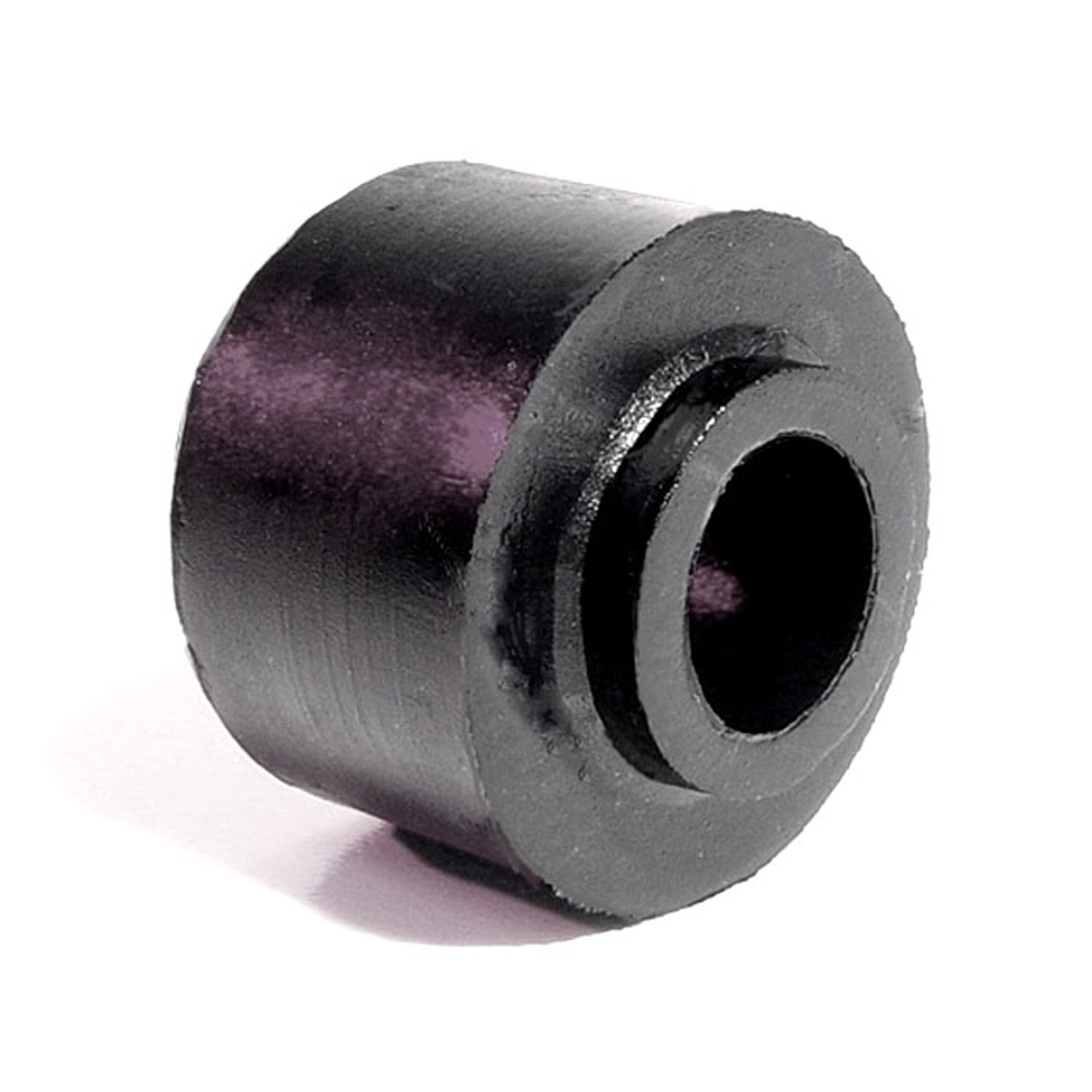 1948 Pontiac Torpedo Shock Absorber Grommet. 1" bottom O.D., 3/4" high-BN 1Shock Absorber Grommet. 1" bottom O.D., 3/4" high., with 7/16" I.D. Each
 1948 Pontiac Torpedo Lower Inner "A" Frame Shaft Seal. 1-1/8" O.D., 5/16" thick-BN 23-ALower Inner "A" Frame Shaft Seal. 1-1/8" O.D., 5/16" thick. Each
 1948 Pontiac Torpedo Shock Absorber Grommet. 1-15/16" bottom O.D-BN 5Shock Absorber Grommet. 1-15/16" bottom O.D., 1" high, with 3/8" I.D. Each
 1948 Pontiac Torpedo Clutch and Brake Pedal Pads. 2" wide X 3" long. Pair-CB 15Clutch and Brake Pedal Pads. 2" wide X 3" long. Pair
 1948 Pontiac Torpedo Cowl and Hood Seal. Push-in tabs, like original-CS 8Cowl and Hood Seal. Push-in tabs, like original. 78" length finished. Each
 1948 Pontiac Torpedo Door Side Bumper-DB 42Door Side Bumper. Each bumper has four screws and steel core like original. 1-5/8" high X 1-13/16" X 5/32" thick. Pair
 1948 Pontiac Torpedo Upper Door Hinge Post Bumper. Held by screw-DB 60-AUpper Door Hinge Post Bumper. Held by screw. 7/8" diameter X 1/8" thick. Each
 1948 Pontiac Torpedo Windshield Center Bar Outer Gasket Molding Retainer-DP 10Windshield Center Bar Outer Gasket Molding Retainer. Use with original steel to retain stainless steel trim to the windshield. 18 in. long. Each.
 1948 Pontiac Torpedo Windshield Center Bar Gasket-DP 11Windshield Center Bar Gasket. This seal is make with all the original
 1948 Pontiac Torpedo Auxiliary Door Seals-ELP 2000Auxiliary Door Seals. Weatherstrip for lower front corner of front door. Pair R&L
 1948 Pontiac Torpedo Auxiliary door seals-ELP 2001Auxiliary door seals. Weatherstrip for rear corners of front door. (Used for front and rear corners of rear door on some models). 5-1/2 in. 4 in. Pair. R&L.
 1948 Pontiac Torpedo Door and Hood Bumper. 1" diameter X 7/8" thick. Each-HF 16Door and Hood Bumper. 1" diameter X 7/8" thick. Each
 1948 Pontiac Torpedo Headlight Assembly Housing Pad. 8-3/8" O.D. Pair-HR 7Headlight Assembly Housing Pad. 8-3/8" O.D. Pair
 1948 Pontiac Torpedo Windshield and Rear Window Channel. Used with 1/4" glass-LP 105Windshield and Rear Window Channel. Used with 1/4" glass. Fits some models. Sold by the foot
 1948 Pontiac Torpedo Windshield Pinchweld Seal for some models w/chrome garnish-LP 106Windshield Pinchweld Seal for some models w/chrome garnish. Used with LP 105, DP 10 & DP 11 (center division bar seals)to seal and retain outer chrome garnish. Sold by the foot
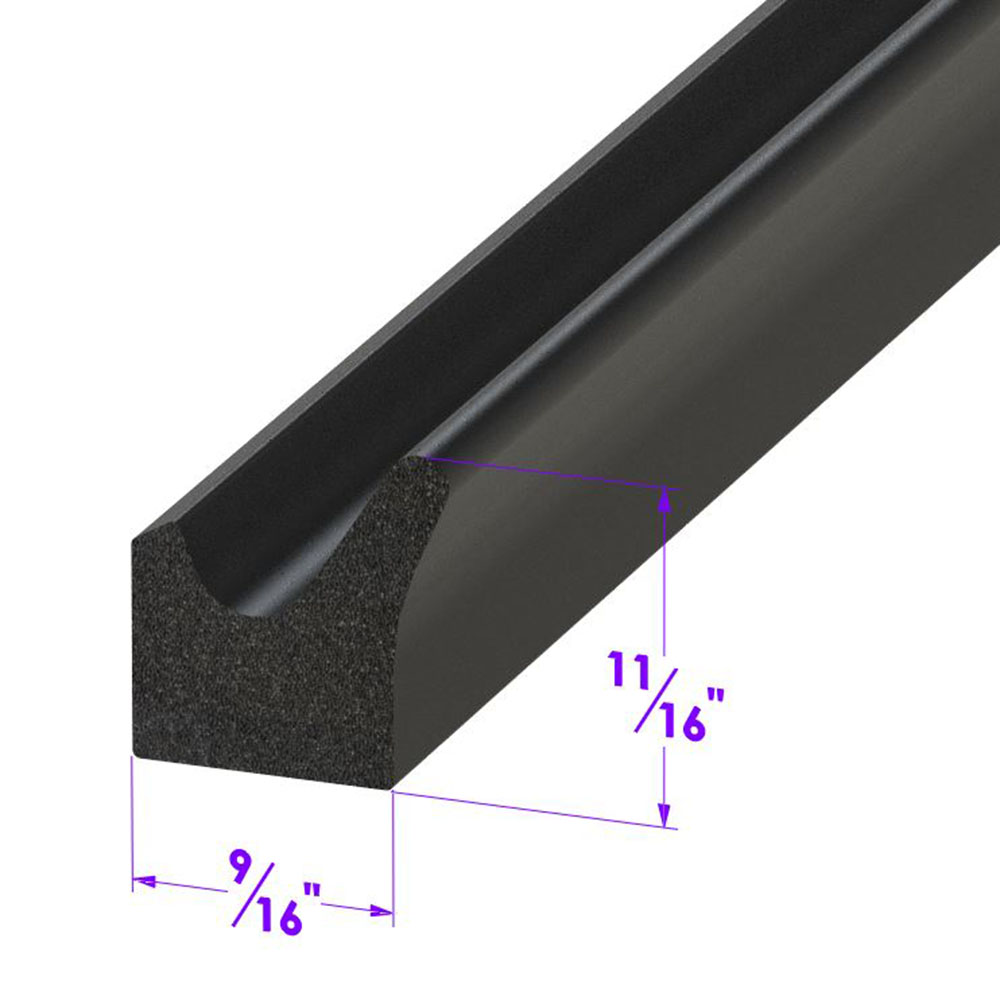 1948 Pontiac Torpedo Door side seal. Same as LP 40-A, but for a heavier seal-LP 40Door side seal. Same as LP 40-A, but for a heavier seal. Fits many domestic passenger cars and trucks. Used in Cobra kit cars as trunk weatherstrip. Per foot.
 1948 Pontiac Torpedo Door side seal. Same as LP 40, but for a lighter seal-LP 40-ADoor side seal. Same as LP 40, but for a lighter seal. Fits many domestic passenger cars and trucks. Universal seal for street rods and customs. Used in Cobra kit cars as door weatherstrip. Per foot.
 1948 Pontiac Torpedo HYDRAMATIC TRANSMISSION LIP SL-LS 1HYDRAMATIC TRANSMISSION LIP SL, CADILLAC OLDSMOBILE PONTIAC HUDSON NASH LINC KAISER '46-54, SET
 1948 Pontiac Torpedo Bumper Caps for convertible top linkage-RP 1000Bumper Caps for convertible top linkage, folding pillar to side roof rail link. Made of gray rubber. Up to four used per car. Replaces OEM #4562358. Pair
 1948 Pontiac Torpedo Door Lock Knob. Made of Black rubber, self-threading-RP 304-ADoor Lock Knob. Made of Black rubber, self-threading. 1-3/8" tall with 1/8" lower I.D., 3/8" lower O.D. Each
 1948 Pontiac Torpedo Door Lock Knob. Made of Slate Blue rubber, self-threading-RP 304-CDoor Lock Knob. Made of Slate Blue rubber, self-threading. 1-3/8" tall with 1/8" lower I.D., 3/8" lower O.D. Each
 1948 Pontiac Torpedo Door Lock Knob. Made of Navy Blue rubber, self-threading-RP 304-DDoor Lock Knob. Made of Navy Blue rubber, self-threading. 1-3/8" tall with 1/8" lower I.D., 3/8" lower O.D. Each
 1948 Pontiac Torpedo Door Lock Knob. Made of Silver Blue rubber, self-threading-RP 304-EDoor Lock Knob. Made of Silver Blue rubber, self-threading. 1-3/8" tall with 1/8" lower I.D., 3/8" lower O.D. Each
 1948 Pontiac Torpedo Door Lock Knob. Made of Fawn colored rubber, self-threading-RP 304-FDoor Lock Knob. Made of Fawn colored rubber, self-threading. 1-3/8" tall with 1/8" lower I.D., 3/8" lower O.D. Each
 1948 Pontiac Torpedo Door Lock Knob. Made of Olive Green rubber, self-threading-RP 304-GDoor Lock Knob. Made of Olive Green rubber, self-threading. 1-3/8" tall with 1/8" lower I.D., 3/8" lower O.D. Each
 1948 Pontiac Torpedo Door Lock Knob. Made of Yellow rubber, self-threading-RP 304-HDoor Lock Knob. Made of Yellow rubber, self-threading. 1-3/8" tall with 1/8" lower I.D., 3/8" lower O.D. Each
 1948 Pontiac Torpedo Door Lock Knob. Made of White rubber, self-threading-RP 304-IDoor Lock Knob. Made of White rubber, self-threading. 1-3/8" tall with 1/8" lower I.D., 3/8" lower O.D. Each
 1948 Pontiac Torpedo Door Lock Knob. Made of Silver rubber, self-threading-RP 304-JDoor Lock Knob. Made of Silver rubber, self-threading. 1-3/8" tall with 1/8" lower I.D., 3/8" lower O.D. Each
 1948 Pontiac Torpedo Door Lock Knob. Made of Medium Brown rubber, self-threading-RP 304-KDoor Lock Knob. Made of Medium Brown rubber, self-threading. 1-3/8" tall with 1/8" lower I.D., 3/8" lower O.D. Each
 1948 Pontiac Torpedo Door Lock Knob. Made of Wedgwood rubber, self-threading-RP 304-LDoor Lock Knob. Made of Wedgwood rubber, self-threading. 1-3/8" tall with 1/8" lower I.D., 3/8" lower O.D. Each
 1948 Pontiac Torpedo Door Lock Knob. Made of Teal Green rubber, self-threading-RP 304-MDoor Lock Knob. Made of Teal Green rubber, self-threading. 1-3/8" tall with 1/8" lower I.D., 3/8" lower O.D. Each
 1948 Pontiac Torpedo Door Lock Knob. Made of Moss Green rubber, self-threading-RP 304-NDoor Lock Knob. Made of Moss Green rubber, self-threading. 1-3/8" tall with 1/8" lower I.D., 3/8" lower O.D. Each
 1948 Pontiac Torpedo Door Lock Knob. Made of Ember glow rubber, self-threading-RP 304-ODoor Lock Knob. Made of Ember glow rubber, self-threading. 1-3/8" tall with 1/8" lower I.D., 3/8" lower O.D. Each
 1948 Pontiac Torpedo Hydro-Electric Power Unit Mounting Cushion-RP 700Hydro-Electric Power Unit Mounting Cushion. Two to three used per car. 1" O.D. X 3/4" high rubber with 1/4 x 20 x 3/4" Studs. Replaces OEM #4149788. Each
 1948 Pontiac Torpedo Seat Bumper. Black. 3-5/16" long X 13/16" wide. Pair-SB 200Seat Bumper. Black. 3-5/16" long X 13/16" wide. Pair
 1948 Pontiac Torpedo Seat Bumper. Brown. 35/16" long X 13/16" wide. Pair-SB 200-ASeat Bumper. Brown. 35/16" long X 13/16" wide. Pair
 1948 Pontiac Torpedo Front Door Window Adjustment Bumper Cushion-SB 70Front Door Window Adjustment Bumper Cushion. For "T" bolt in door. Four to six used per car. 11/16" X 1/4". Each
 1948 Pontiac Torpedo Speedometer Cable / Utility Grommet-SM 2Speedometer Cable / Utility Grommet. Fits 3/4" to 13/16" hole. 3/16" center hole. Each
 1948 Pontiac Torpedo Wire Harness Grommet. Each-SM 3Wire Harness Grommet. Each
 1948 Pontiac Torpedo Special Purpose Grommet-SM 4Special Purpose Grommet. For firewall, fuel gauge wire, horn wire, hood latch cable and fresh air cable. Fits 1/2" hole. 1/8" center hole. Each
 1948 Pontiac Torpedo Speedometer Cable Firewall Grommet. Fits 1-7/8" long hole-SM 47Speedometer Cable Firewall Grommet. Fits 1-7/8" long hole. NOTE: Not used when car was factory equipped with windshield washers. (Fits some models) Each
 1948 Pontiac Torpedo Windshield Wiper Grommet. Fits 1" hole. Each-SM 56Windshield Wiper Grommet. Fits 1" hole. Each
 1948 Pontiac Torpedo Choke Cable Grommet. Fits 5/8" hole. 1/8" center hole-SM 62Choke Cable Grommet. Fits 5/8" hole. 1/8" center hole. Each
 1948 Pontiac Torpedo Radio Fuse Boot and Wire Harness. For original radio only-SM 65-ARadio Fuse Boot and Wire Harness. For original radio only. Each
 1948 Pontiac Torpedo Master Cylinder Rod Dust Boot. Each-SM 65-EMaster Cylinder Rod Dust Boot. Each
 1948 Pontiac Torpedo Special Purpose Grommet-SM 68Special Purpose Grommet. For headlight wire loom through body. Each
 1948 Pontiac Torpedo Firewall and Utility Grommet. Fits 3/4" hole. 3/16" I.D-SM 8Firewall and Utility Grommet. Fits 3/4" hole. 3/16" I.D. Each
 1948 Pontiac Torpedo Door Adjustment Hole Plug Grommet for Convertibles Only-SM 86Door Adjustment Hole Plug Grommet for Convertibles Only. Fits a 5/8" wide X 1" long hole. Each
 1948 Pontiac Torpedo Trunk Seal. 18 Feet long. Each-TK 50-18Trunk Seal. 18 Feet long. Each
 1948 Pontiac Torpedo Trunk Seal. Each-TK 56-18Trunk Seal. Each
 1948 Pontiac Torpedo Vertical Seal for Vent Window. Each is 17" long. Pair-VS 2Vertical Seal for Vent Window. Each is 17" long. Pair
 1948 Pontiac Torpedo Vulcanized Rear Window Seal-VWS 7304-RVulcanized Rear Window Seal. For cars without chrome garnish. Each
 1948 Pontiac Torpedo Vulcanized Windshield Seal-VWS 7314Vulcanized Windshield Seal. For cars with reveal molding only. Includes molded-in division bar. Each
 1948 Pontiac Torpedo WSHLD,BUICK CADILLAC OLDSMOBILE PONTIAC MOST '41-48-VWS 7321WSHLD,BUICK CADILLAC OLDSMOBILE PONTIAC MOST '41-48
 1948 Pontiac Torpedo Flexible glass-run channel-WC 11-72Flexible glass-run channel. Mohair lined, cloth covered with stainless steel bead. Used on side windows. 72 in. long. Each. NOTE: $20 special shipping charge applies for domestic orders. Call or email for overseas shipping costs. Part can be sectioned in two equal lengths to reduce overseas shipping costs.
 1948 Pontiac Torpedo Rigid division-bar channel. Made with Zinc-plated bead-WC 1-72Rigid division-bar channel. Made with Zinc-plated bead. Used on lower side windows. 72 in. long. Each. NOTE: $20 special shipping charge applies for domestic orders. Call or email for overseas shipping costs. Part can be sectioned into two equal lengths to reduce overseas shipping costs.
 1948 Pontiac Torpedo Rigid division-bar channel. Made with Zinc-plated bead-WC 1-96Rigid division-bar channel. Made with Zinc-plated bead. Used on lower side windows. 96 in. long. Each. NOTE: $20 special shipping charge applies for domestic orders. Call or email for overseas shipping costs. Part can be sectioned in two or three equal lengths to reduce overseas shipping costs.
 1948 Pontiac Torpedo Rigid division-bar channel. Made with stainless steel bead-WC 2-72Rigid division-bar channel. Made with stainless steel bead. 72 in. long. Each. NOTE: $20 special shipping charge applies for domestic orders. Call or email for overseas shipping costs. Part can be sectioned into two equal lengths to reduce overseas shipping costs.
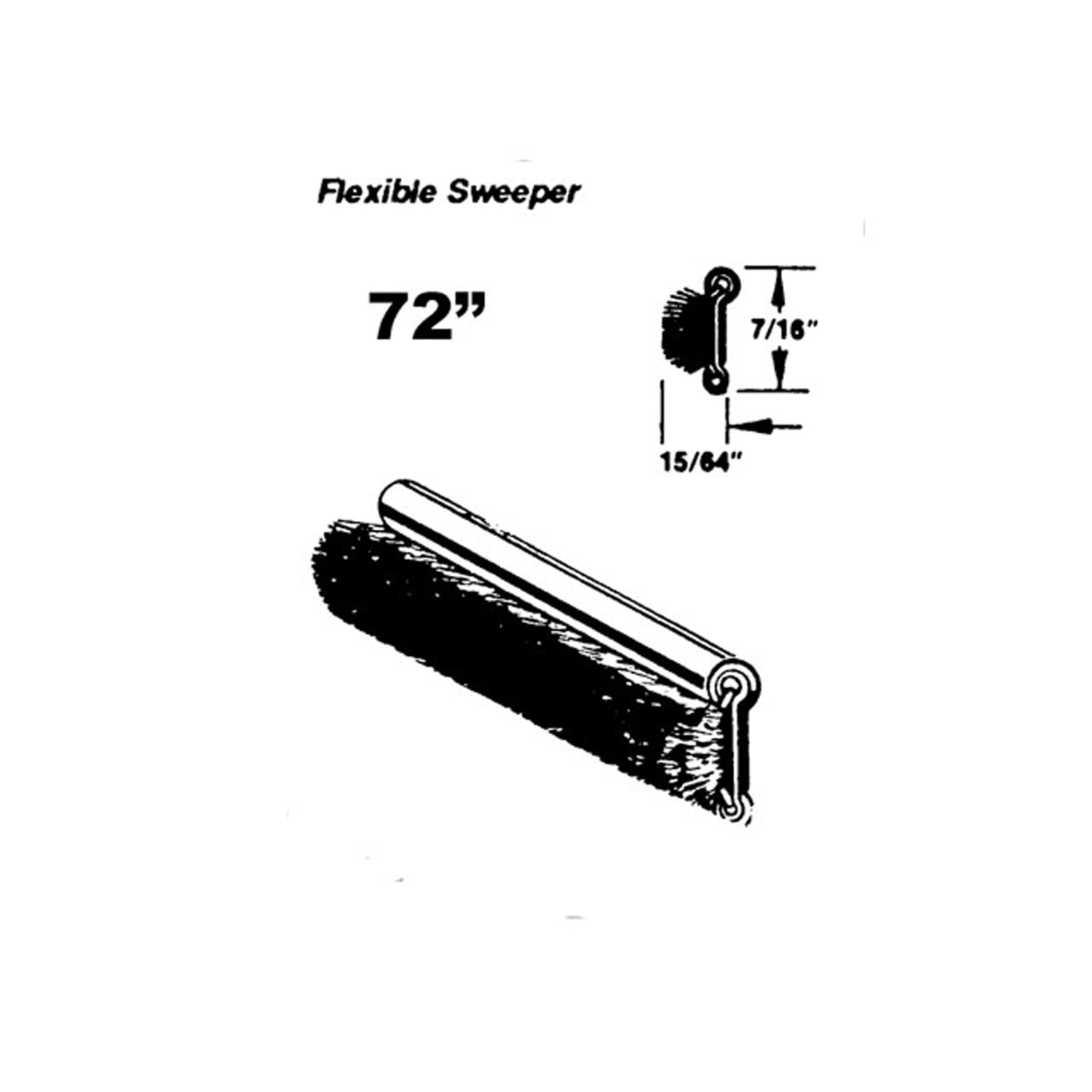 1948 Pontiac Torpedo Flexible sweeper. Made with stainless steel bead-WC 8-72Flexible sweeper. Made with stainless steel bead. Used on inner and outer beltlines. Also forms easily for use with sliding quarter windows. 72 in. long. Each. NOTE: $20 special shipping charge applies for domestic orders. Call or email for overseas shipping costs. Part can be sectioned into two equal lengths to reduce overseas shipping costs.
 1948 Pontiac Torpedo Fender Bolts. For use with Fender Bolt Washers; WF 3001-WF 3000Fender Bolts. For use with Fender Bolt Washers; WF 3001. Zinc Chromate plated, high strength. 1" X 5/16". Set of 25
 1948 Pontiac Torpedo Fender Bolt Washers. For use with Fender Bolts; WF 3000-WF 3001Fender Bolt Washers. For use with Fender Bolts; WF 3000. High quality, cadmium plated. 1-1/4" O.D., 3/8" I.D. Set of 25
 1948 Pontiac Torpedo Front Vent Window Seals, for Convertibles. Pair R&L-WR 7313Front Vent Window Seals, for Convertibles. Pair R&L
 1948 Pontiac Torpedo Front Suspension Bumper. 2" high. Each-XB 18Front Suspension Bumper. 2" high. Each
 1948 Pontiac Torpedo Front Suspension Bumper. 2-7/8" high. Each-XB 25Front Suspension Bumper. 2-7/8" high. Each
Why Choose Metro?
For over 100 years, Metro Moulded Parts has been the pinnacle of quality in classic car restoration parts. Our commitment to precision and authenticity in every component ensures a perfect fit and an OEM-level appearance.
- Expert Craftsmanship & Quality: Each part is a testament to our dedication to reliability and perfection, crafted from original designs and thoroughly tested.
- Advanced Technology: We use cutting-edge techniques to create flawless, long-lasting parts that surpass others in performance.
- SuperSoft Sponge – The Ultimate Door Seal: Not only are our door seals 30% softer than competitors', but they're also guaranteed to never leak. They effectively reduce wind and road noise, enhancing your classic car's comfort and driving experience.
- Proudly American: Our parts are a product of American craftsmanship, made in the USA with a spirit of excellence and heritage.
- Unrivaled Warranty: We back our products with a 30-year industry-leading warranty, a testament to our confidence in their quality.
Join us in preserving the legacy of classic cars with parts that are crafted for perfection, not just made.