

Image of 1951 Pontiac Chieftain, Note: These illustrations use artistic license and may differ from actual historical models.
Performance Metrics
Fundamental Metrics
Emotional Appeal
MMP Rating
| Engine Specifications | |
|---|---|
| Engine: | Straight-8 |
| Displacement: | 268.2 cu in (4.4 L) |
| Horsepower: | 116-118 hp |
| Torque: | 214 lb-ft |
| Compression Ratio: | 6.7:1 |
| Ignition System: | Battery and coil |
| Cooling System: | Liquid-cooled |
| Performance Specifications | |
| 0-60 Time: | Estimated 17 seconds |
| 1/4 Mile Time: | Not available |
| Top Speed: | 90 mph |
| Transmission and Drive | |
| Drive Type: | Rear-wheel drive |
| Transmission Type: | 3-speed manual, 4-speed Hydra-Matic automatic |
| Fuel and Efficiency | |
| Fuel System Type: | Carburetor |
| MPG: | Estimated 15-18 mpg |
| Dimensions and Brakes | |
| Brakes: | Drum brakes |
| Wheelbase: | 120 inches |
| Weight: | 3,470 lbs |
Note: Specifications for classic cars are given to the best of our ability, considering the limited and variant data available.
1951 Pontiac Chieftain: An American Road Car Comes of Age
The 1951 Pontiac Chieftain brought big-car comfort, distinctive postwar styling, and a famously smooth straight-eight engine together in one of the most recognizable American cars of its era. Built by Pontiac, a General Motors division, the Chieftain sat in the middle of the brand’s lineup, offering more room and presence than an economy car without reaching the price territory of a luxury marque.
Pontiac had emerged from the Second World War with a reputation for solid, practical cars. By 1951, the company was building on the success of its late-1940s designs, when modern pontoon-style bodies and the brand’s signature chrome “Silver Streak” hood trim helped give its cars a clear identity. A notable detail of the Chieftain’s story is that buyers could choose between two very different engines: a conventional inline-six or Pontiac’s smooth-running straight-eight. Both were paired with the reassuringly substantial feel that made these cars popular family and long-distance automobiles.
Silver Streak Styling and Cabin Comfort
The Chieftain’s exterior has the confident proportions of an early-1950s American car: a broad, upright grille, rounded front fenders, a long hood, and a generously curved rear body. Chrome brightwork frames the grille and windows, while the Silver Streak strips running along the hood add a distinctive Pontiac signature. The effect is more refined than flashy, but the car still has plenty of presence on the road.
Inside, the Chieftain was designed for comfortable everyday travel. Depending on body style and trim, buyers found broad bench seats, durable cloth or vinyl upholstery, a painted or woodgrain-look dashboard, and bright trim around the instruments. The materials were appropriate to a mainstream family car of the period: pleasant and well finished, though not the hand-fitted luxury of a Cadillac. The wide front bench and generous cabin made it easy for passengers to settle in for a long drive.
Technology was practical rather than futuristic. A three-speed manual transmission was standard, while GM’s Hydra-Matic automatic was available, an appealing option for drivers who wanted easier stop-and-go motoring. The Chieftain also offered period conveniences such as a heater and radio, depending on equipment and trim. Power steering and power brakes were not commonplace features on these cars, so the driver did more of the work than in a modern vehicle.
Factory paint choices varied by model and year, with solid colors and two-tone combinations available. Buyers often chose deep greens, blues, reds, or conservative dark shades, while two-tone finishes gave the car’s long body extra visual definition. Exact colors and trim combinations depended on the particular series and production order.
The Chieftain range included two-door and four-door sedans, a convertible, a station wagon, and the Catalina two-door hardtop. The Catalina, with its pillarless side profile and open-looking roofline, is often the most immediately striking version today. The four-door sedan was a practical favorite for families, while the convertible and hardtop tend to draw more attention at shows.
Why the Chieftain Mattered
The Chieftain was not a radical engineering experiment. Its significance came from how well it represented Pontiac’s postwar formula: recognizable styling, sturdy construction, comfortable interiors, and a choice of engines and transmissions to suit different budgets. At a time when American automakers were refining cars for a growing market of suburban families and increasingly mobile travelers, the Chieftain offered a roomy, substantial alternative to smaller cars.
Pontiac’s Silver Streak styling also helped establish a visual identity that lasted for years. The hood trim made the cars easy to distinguish without relying on an oversized grille or extravagant fins. The Chieftain’s Catalina hardtop added another attractive option as American buyers embraced closed cars with the sleek appearance of a convertible. It helped normalize the pillarless hardtop as a desirable body style, a design trend that would flourish throughout the 1950s.
What set the Chieftain apart from many competitors was its combination of smooth straight-eight power and accessible Hydra-Matic automatic transmission. It was not the quickest car in its class, but it delivered the relaxed, low-effort character buyers expected from a full-size Pontiac. Its influence is best understood as part of a broader shift toward stylish, comfortable cars built for everyday use, rather than as a single breakthrough that changed the industry on its own.
Engine, Speed, and Road Manners
Engine specifications varied by series and equipment. The Chieftain was offered with a 239-cubic-inch inline-six rated at roughly 96 horsepower, or a 268-cubic-inch Pontiac straight-eight rated at about 116 horsepower. Output figures can differ slightly among period references, and today’s performance depends heavily on engine condition, gearing, transmission, and tire choice.
Period performance was modest by modern standards. A healthy straight-eight Chieftain generally needs roughly 18 to 22 seconds to reach 60 mph, while a six-cylinder car is slower. A top speed in the neighborhood of 85 to 90 mph is a reasonable estimate for a sound eight-cylinder example, though these cars are happiest cruising below that pace. They were built for steady travel, not quick launches or high-speed cornering.
On the road, the Chieftain feels big, soft-riding, and unhurried. Its suspension takes the sting out of ordinary bumps, and the long wheelbase helps it settle into a comfortable highway rhythm. On winding roads, the car leans noticeably through corners and responds more slowly than a modern sedan. Bias-ply tires, recirculating-ball steering, and drum brakes all contribute to a distinctly vintage driving experience. Allow generous stopping distance, especially in traffic or on a long downhill grade.
The straight-eight produces a low, smooth mechanical murmur rather than a modern engine’s sharper note. The steering is relatively heavy at parking speeds, and the driver sits behind a large wheel with broad sightlines over the hood. With Hydra-Matic, the car’s character is especially relaxed; with the manual gearbox, the driver has more involvement but must work the clutch and shift lever in the traditional way.
Living With a 1951 Pontiac
Today, most Chieftains are used as show cars, weekend cruisers, or occasional touring vehicles. A carefully maintained example can handle local trips and relaxed highway journeys, but it is not an ideal modern daily driver for someone who depends on contemporary braking, fuel economy, crash protection, or air conditioning.
Routine service is approachable for an owner with mechanical experience. Ignition, carburetor, cooling, and brake work follow familiar principles, and many repairs do not require specialized diagnostic equipment. The straight-six and straight-eight are durable when maintained, but age changes the equation: worn bearings, cracked hoses, tired wiring, and neglected cooling systems can turn a simple outing into a roadside repair. Hydra-Matic units need knowledgeable servicing, and major engine work can be costly.
Parts availability is mixed. Common service items and many reproduction or used parts can be found through classic-car suppliers and enthusiast networks. Correct trim, interior pieces, body panels, and components specific to a particular year or body style may take longer to locate. Rust deserves close inspection, especially around floors, rocker panels, lower body sections, and the trunk. A running car is not necessarily a sound car, so check the chassis and structure before buying.
Chieftain Trivia and Common Criticisms
The Catalina name is closely tied to Pontiac’s pillarless hardtop body style, which gave buyers the open-sided look of a convertible while retaining a fixed roof. The Chieftain also reflects the era’s preference for real variety: a buyer could choose a practical sedan, a family wagon, a convertible, or a sleek hardtop without leaving the model range.
There is no widely recognized speed, endurance, or racing record associated with the 1951 Chieftain. Its achievement was more everyday than headline-making: Pontiac built the Chieftain in substantial numbers as part of its successful postwar lineup. Exact production totals for an individual year, model series, and body style can be difficult to compare across reference sources. A reasonable broad estimate is that production across the Chieftain range numbered in the hundreds of thousands, with several hundred thousand a plausible figure for the model line in a strong production year. That is an estimate, not a verified count for every body style.
Common criticisms are familiar to anyone who drives a car from this period: slow acceleration, heavy steering, drum brakes that demand planning, modest fuel economy, and a ride that can feel floaty on rough or uneven roads. The car’s size can also make parking and tight turns a challenge. Those traits are part of its character, but they are worth understanding before treating one as everyday transportation.
Collector Values and Availability
The 1951 Chieftain remains more attainable than many better-known American convertibles and hardtops, although condition and body style make a major difference. As a broad current-market guide, a project car may sell for roughly $3,000 to $8,000. A usable driver often falls around $8,000 to $18,000, while a clean, well-presented example may bring $18,000 to $30,000. High-quality restorations can go beyond that range.
Body style matters. A restored convertible or especially attractive Catalina hardtop can command roughly $30,000 to $50,000 or more when its condition, originality, and documentation justify the price. Exceptional cars may exceed that estimate, while cars with incomplete restorations or structural rust can be worth far less. These are guide ranges, not guaranteed sale prices; regional demand and the quality of the restoration have a strong effect.
Chieftains are not exceptionally rare in the broad sense, because Pontiac produced them in substantial numbers. The challenge is finding a particular body style in sound, original condition. Four-door sedans are generally easier to encounter than convertibles, and surviving cars can vary widely in completeness. Values have tended to be steady to gradually appreciating for high-quality, correctly restored examples, while ordinary drivers and projects are more sensitive to the wider classic-car market. The best cars are increasingly valued for originality and documented workmanship, not simply fresh paint.
The Lasting Appeal of the 1951 Chieftain
The 1951 Pontiac Chieftain captures an era when American cars were growing more stylish, more comfortable, and better suited to long-distance family travel. Its Silver Streak trim, roomy cabin, choice of six-cylinder or straight-eight power, and optional Hydra-Matic make it a distinctive example of Pontiac’s postwar identity. It is no sports car, and it makes no attempt to be one. The Chieftain’s appeal lies in its smooth, unhurried presence and the pleasure of driving a genuine piece of mid-century automotive history.
1951 Pontiac Chieftain Catalog of Parts
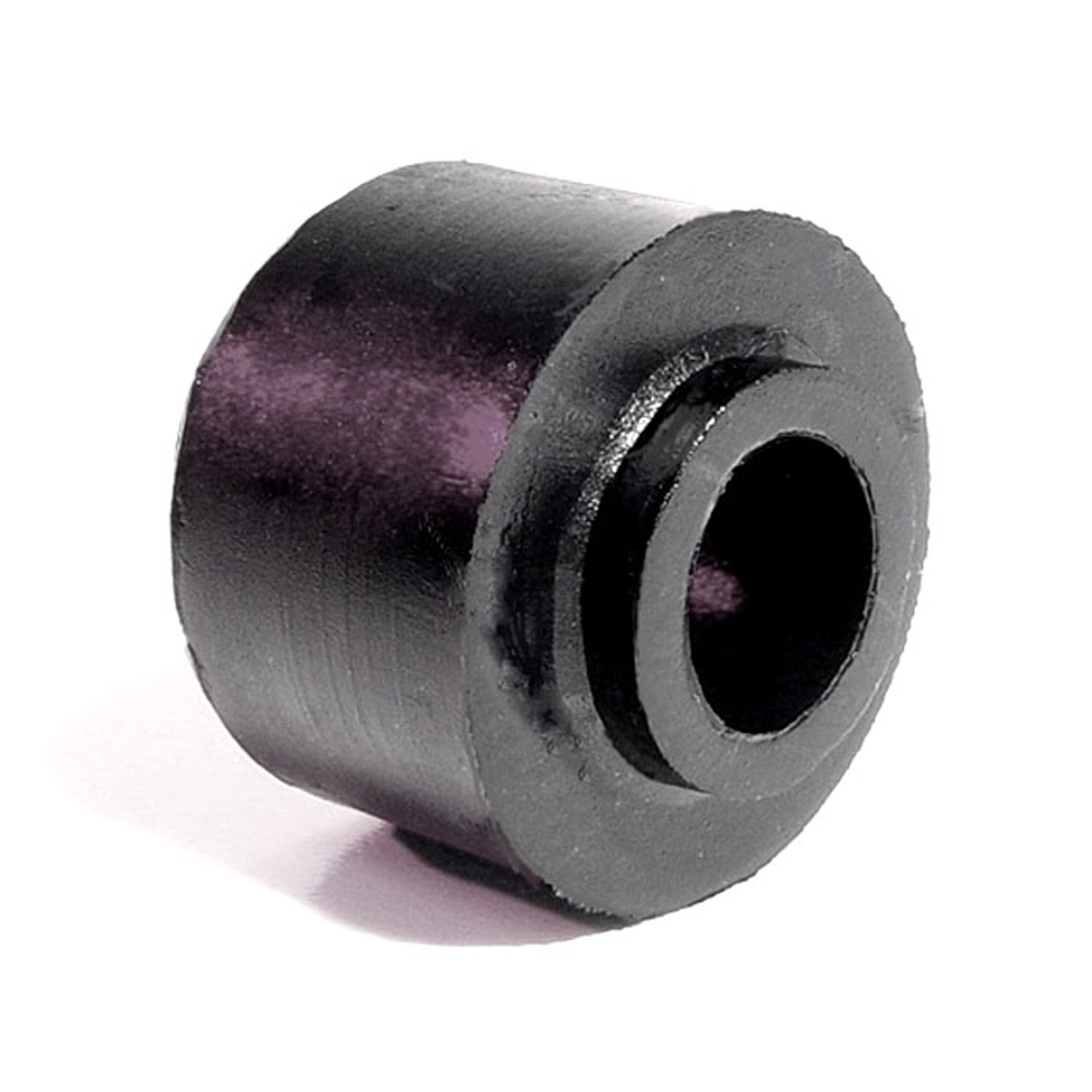 1951 Pontiac Chieftain Shock Absorber Grommet. 1" bottom O.D., 3/4" high-BN 1Shock Absorber Grommet. 1" bottom O.D., 3/4" high., with 7/16" I.D. Each
 1951 Pontiac Chieftain Clutch and Brake Pedal Pads. 2" wide X 3" long. Pair-CB 15Clutch and Brake Pedal Pads. 2" wide X 3" long. Pair
 1951 Pontiac Chieftain Cowl and Hood Seal. All rubber. 5' Piece. Each-CS 2Cowl and Hood Seal. All rubber. 5' Piece. Each
 1951 Pontiac Chieftain Door Side Bumper-DB 42Door Side Bumper. Each bumper has four screws and steel core like original. 1-5/8" high X 1-13/16" X 5/32" thick. Pair
 1951 Pontiac Chieftain Upper Door Hinge Post Bumper. Held by screw-DB 60-AUpper Door Hinge Post Bumper. Held by screw. 7/8" diameter X 1/8" thick. Each
 1951 Pontiac Chieftain Center Division Bar Seal and Retainer-DP 16Center Division Bar Seal and Retainer. Made to original specifications to accommodate chrome molding. 17-1/2" long. Each
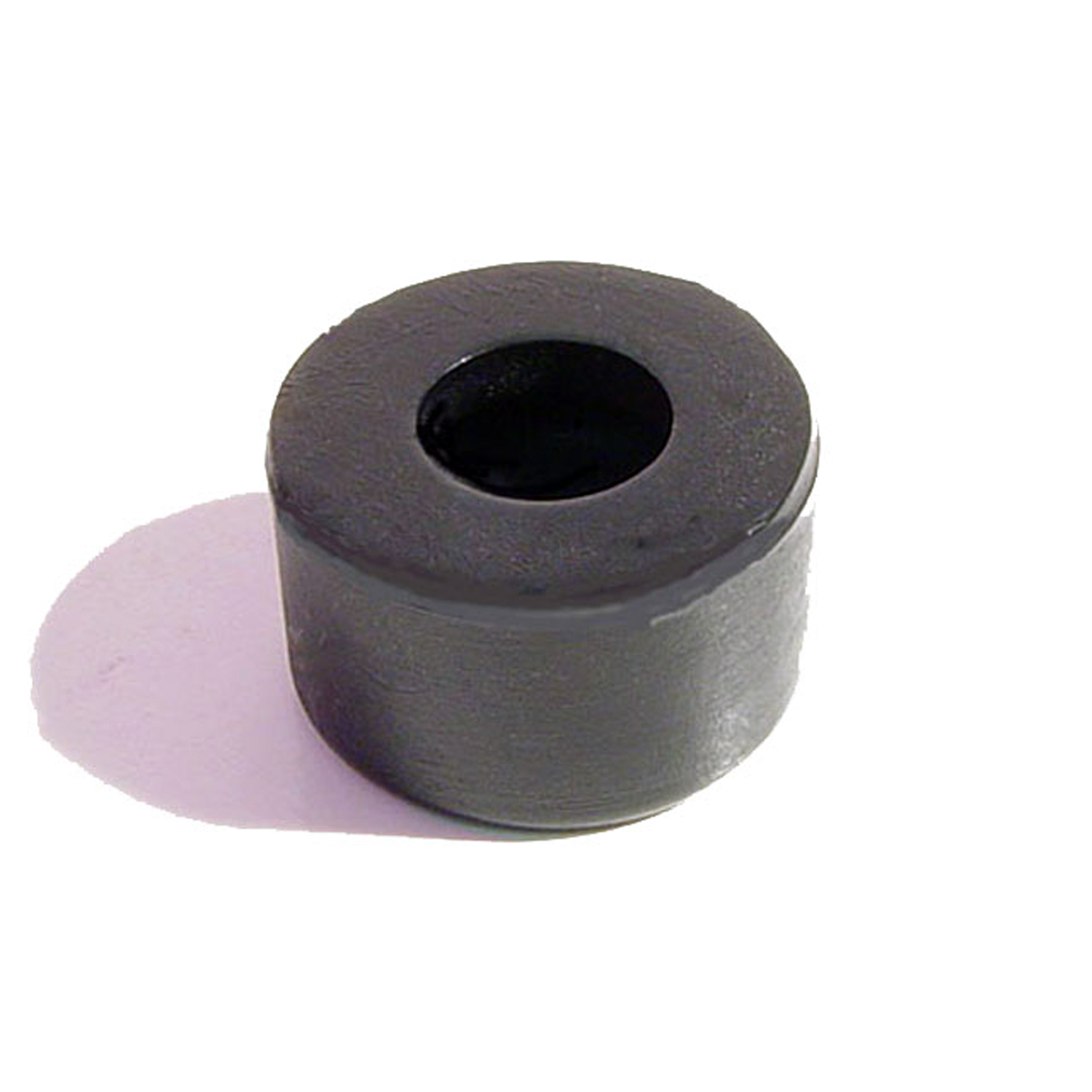 1951 Pontiac Chieftain Door, Hood and Trunk Bumper Cap for adjustment bolt-HA 5Door, Hood and Trunk Bumper Cap for adjustment bolt. 7/8" diameter X 7/16" thick. Each
 1951 Pontiac Chieftain Door and Hood Bumper. 1" diameter X 7/8" thick. Each-HF 16Door and Hood Bumper. 1" diameter X 7/8" thick. Each
 1951 Pontiac Chieftain Headlight Assembly Housing Pad. 8-3/8" O.D. Pair-HR 7Headlight Assembly Housing Pad. 8-3/8" O.D. Pair
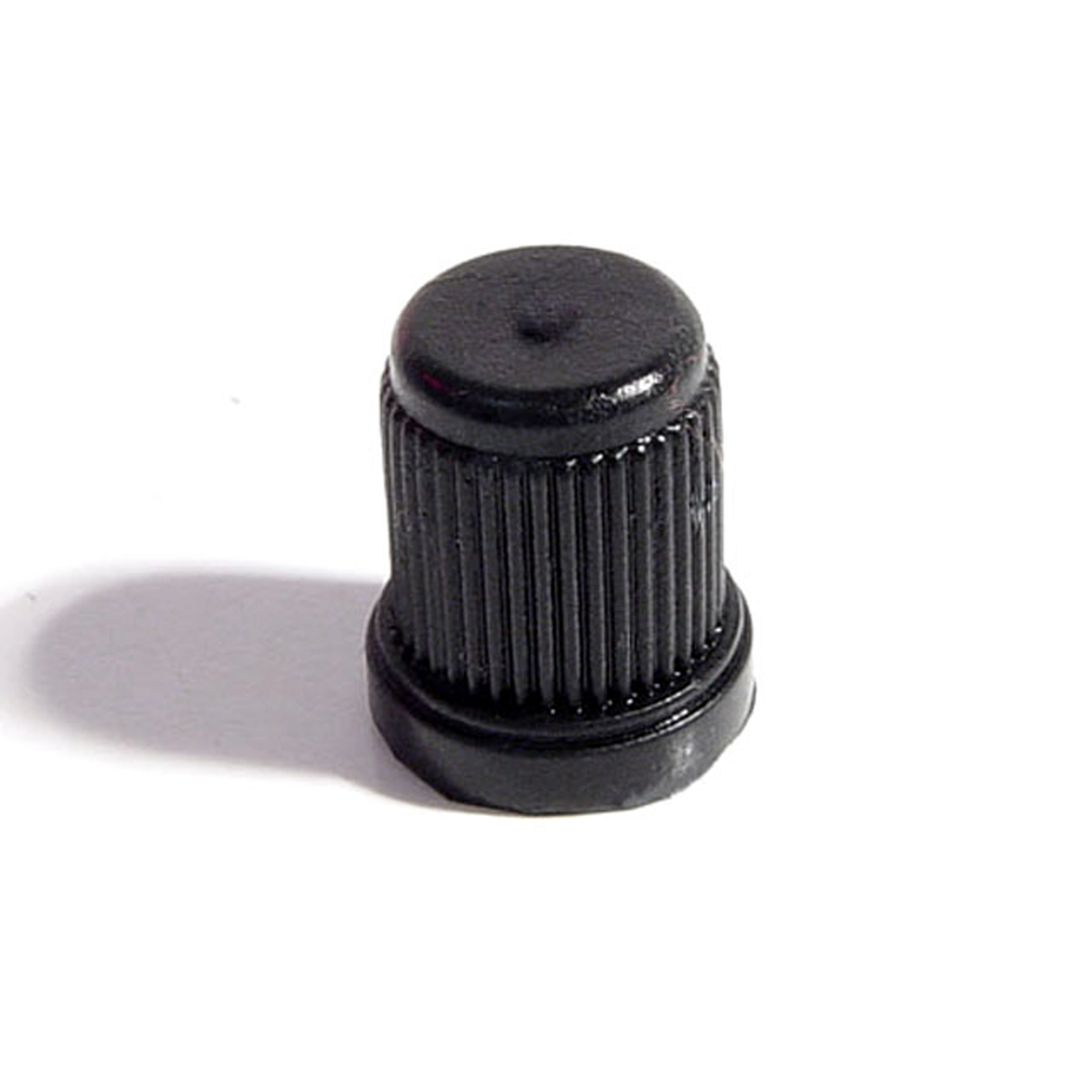 1951 Pontiac Chieftain Trip Meter Reset Knob. Made of black rubber-KN 10Trip Meter Reset Knob. Made of black rubber. Compare to measurements: 1/8" I.D., 7/16" O.D. X 1/2" tall. Each
 1951 Pontiac Chieftain Fender Skirt Seal. Sold by the foot-LP 111-CFender Skirt Seal. Sold by the foot
 1951 Pontiac Chieftain Fender Skirt Seal. Sold by the foot-LP 111-JFender Skirt Seal. Sold by the foot
 1951 Pontiac Chieftain HYDRAMATIC TRANSMISSION LIP SL-LS 1HYDRAMATIC TRANSMISSION LIP SL, CADILLAC OLDSMOBILE PONTIAC HUDSON NASH LINC KAISER '46-54, SET
 1951 Pontiac Chieftain Door Lock Knob. Made of Black rubber, self-threading-RP 304-ADoor Lock Knob. Made of Black rubber, self-threading. 1-3/8" tall with 1/8" lower I.D., 3/8" lower O.D. Each
 1951 Pontiac Chieftain Door Lock Knob. Made of Slate Blue rubber, self-threading-RP 304-CDoor Lock Knob. Made of Slate Blue rubber, self-threading. 1-3/8" tall with 1/8" lower I.D., 3/8" lower O.D. Each
 1951 Pontiac Chieftain Door Lock Knob. Made of Navy Blue rubber, self-threading-RP 304-DDoor Lock Knob. Made of Navy Blue rubber, self-threading. 1-3/8" tall with 1/8" lower I.D., 3/8" lower O.D. Each
 1951 Pontiac Chieftain Door Lock Knob. Made of Silver Blue rubber, self-threading-RP 304-EDoor Lock Knob. Made of Silver Blue rubber, self-threading. 1-3/8" tall with 1/8" lower I.D., 3/8" lower O.D. Each
 1951 Pontiac Chieftain Door Lock Knob. Made of Fawn colored rubber, self-threading-RP 304-FDoor Lock Knob. Made of Fawn colored rubber, self-threading. 1-3/8" tall with 1/8" lower I.D., 3/8" lower O.D. Each
 1951 Pontiac Chieftain Door Lock Knob. Made of Olive Green rubber, self-threading-RP 304-GDoor Lock Knob. Made of Olive Green rubber, self-threading. 1-3/8" tall with 1/8" lower I.D., 3/8" lower O.D. Each
 1951 Pontiac Chieftain Door Lock Knob. Made of Yellow rubber, self-threading-RP 304-HDoor Lock Knob. Made of Yellow rubber, self-threading. 1-3/8" tall with 1/8" lower I.D., 3/8" lower O.D. Each
 1951 Pontiac Chieftain Door Lock Knob. Made of White rubber, self-threading-RP 304-IDoor Lock Knob. Made of White rubber, self-threading. 1-3/8" tall with 1/8" lower I.D., 3/8" lower O.D. Each
 1951 Pontiac Chieftain Door Lock Knob. Made of Silver rubber, self-threading-RP 304-JDoor Lock Knob. Made of Silver rubber, self-threading. 1-3/8" tall with 1/8" lower I.D., 3/8" lower O.D. Each
 1951 Pontiac Chieftain Door Lock Knob. Made of Medium Brown rubber, self-threading-RP 304-KDoor Lock Knob. Made of Medium Brown rubber, self-threading. 1-3/8" tall with 1/8" lower I.D., 3/8" lower O.D. Each
 1951 Pontiac Chieftain Door Lock Knob. Made of Wedgwood rubber, self-threading-RP 304-LDoor Lock Knob. Made of Wedgwood rubber, self-threading. 1-3/8" tall with 1/8" lower I.D., 3/8" lower O.D. Each
 1951 Pontiac Chieftain Door Lock Knob. Made of Teal Green rubber, self-threading-RP 304-MDoor Lock Knob. Made of Teal Green rubber, self-threading. 1-3/8" tall with 1/8" lower I.D., 3/8" lower O.D. Each
 1951 Pontiac Chieftain Door Lock Knob. Made of Moss Green rubber, self-threading-RP 304-NDoor Lock Knob. Made of Moss Green rubber, self-threading. 1-3/8" tall with 1/8" lower I.D., 3/8" lower O.D. Each
 1951 Pontiac Chieftain Door Lock Knob. Made of Ember glow rubber, self-threading-RP 304-ODoor Lock Knob. Made of Ember glow rubber, self-threading. 1-3/8" tall with 1/8" lower I.D., 3/8" lower O.D. Each
 1951 Pontiac Chieftain Fuel Door Bumper. Held by screw. 1/2" X 1/2" X 1/4"-SB 65Fuel Door Bumper. Held by screw. 1/2" X 1/2" X 1/4". Pair
 1951 Pontiac Chieftain Side Window Bumper-SB 98Side Window Bumper. For side window glass in vent frame at top of window. Made with steel core like original. Replaces OEM #4180904-5. Pair R&L
 1951 Pontiac Chieftain Speedometer Cable / Utility Grommet-SM 2Speedometer Cable / Utility Grommet. Fits 3/4" to 13/16" hole. 3/16" center hole. Each
 1951 Pontiac Chieftain Wire Harness Grommet. Each-SM 3Wire Harness Grommet. Each
 1951 Pontiac Chieftain Special Purpose Grommet-SM 4Special Purpose Grommet. For firewall, fuel gauge wire, horn wire, hood latch cable and fresh air cable. Fits 1/2" hole. 1/8" center hole. Each
 1951 Pontiac Chieftain Hole Plug and Cowl Bumper. Fits 1/2" hole. Each-SM 52Hole Plug and Cowl Bumper. Fits 1/2" hole. Each
 1951 Pontiac Chieftain Master Cylinder Rod Dust Boot. Each-SM 65-EMaster Cylinder Rod Dust Boot. Each
 1951 Pontiac Chieftain Firewall and Utility Grommet. Fits 3/4" hole. 3/16" I.D-SM 8Firewall and Utility Grommet. Fits 3/4" hole. 3/16" I.D. Each
 1951 Pontiac Chieftain Trunk Seal. 16 Feet overall length. Each-TK 50/52-8Trunk Seal. 16 Feet overall length. Each
 1951 Pontiac Chieftain Trunk Seal. Each-TK 56-18Trunk Seal. Each
 1951 Pontiac Chieftain Vertical Seal for Vent Window. Each is 17" long. Pair-VS 2Vertical Seal for Vent Window. Each is 17" long. Pair
 1951 Pontiac Chieftain Vulcanized Rear Window Seal, for Coupes-VWS 7302-RVulcanized Rear Window Seal, for Coupes. For cars with chrome garnish. Each
 1951 Pontiac Chieftain Vulcanized Windshield Seal, for Hardtops and Convertibles-VWS 7307Vulcanized Windshield Seal, for Hardtops and Convertibles. All models w/body style #2537 and 67 with reveal molding and division bar. Includes molded-in division bar. Each
 1951 Pontiac Chieftain Vulcanized Windshield Seal-VWS 7309Vulcanized Windshield Seal. For models with body style 32511, 69 and 71 with reveal molding and division bar. Includes molded-in division bar. Each
 1951 Pontiac Chieftain Flexible glass-run channel-WC 11-72Flexible glass-run channel. Mohair lined, cloth covered with stainless steel bead. Used on side windows. 72 in. long. Each. NOTE: $20 special shipping charge applies for domestic orders. Call or email for overseas shipping costs. Part can be sectioned in two equal lengths to reduce overseas shipping costs.
 1951 Pontiac Chieftain Rigid division-bar channel. Made with Zinc-plated bead-WC 1-72Rigid division-bar channel. Made with Zinc-plated bead. Used on lower side windows. 72 in. long. Each. NOTE: $20 special shipping charge applies for domestic orders. Call or email for overseas shipping costs. Part can be sectioned into two equal lengths to reduce overseas shipping costs.
 1951 Pontiac Chieftain Rigid division-bar channel. Made with Zinc-plated bead-WC 1-96Rigid division-bar channel. Made with Zinc-plated bead. Used on lower side windows. 96 in. long. Each. NOTE: $20 special shipping charge applies for domestic orders. Call or email for overseas shipping costs. Part can be sectioned in two or three equal lengths to reduce overseas shipping costs.
 1951 Pontiac Chieftain Rigid division-bar channel. Made with stainless steel bead-WC 2-72Rigid division-bar channel. Made with stainless steel bead. 72 in. long. Each. NOTE: $20 special shipping charge applies for domestic orders. Call or email for overseas shipping costs. Part can be sectioned into two equal lengths to reduce overseas shipping costs.
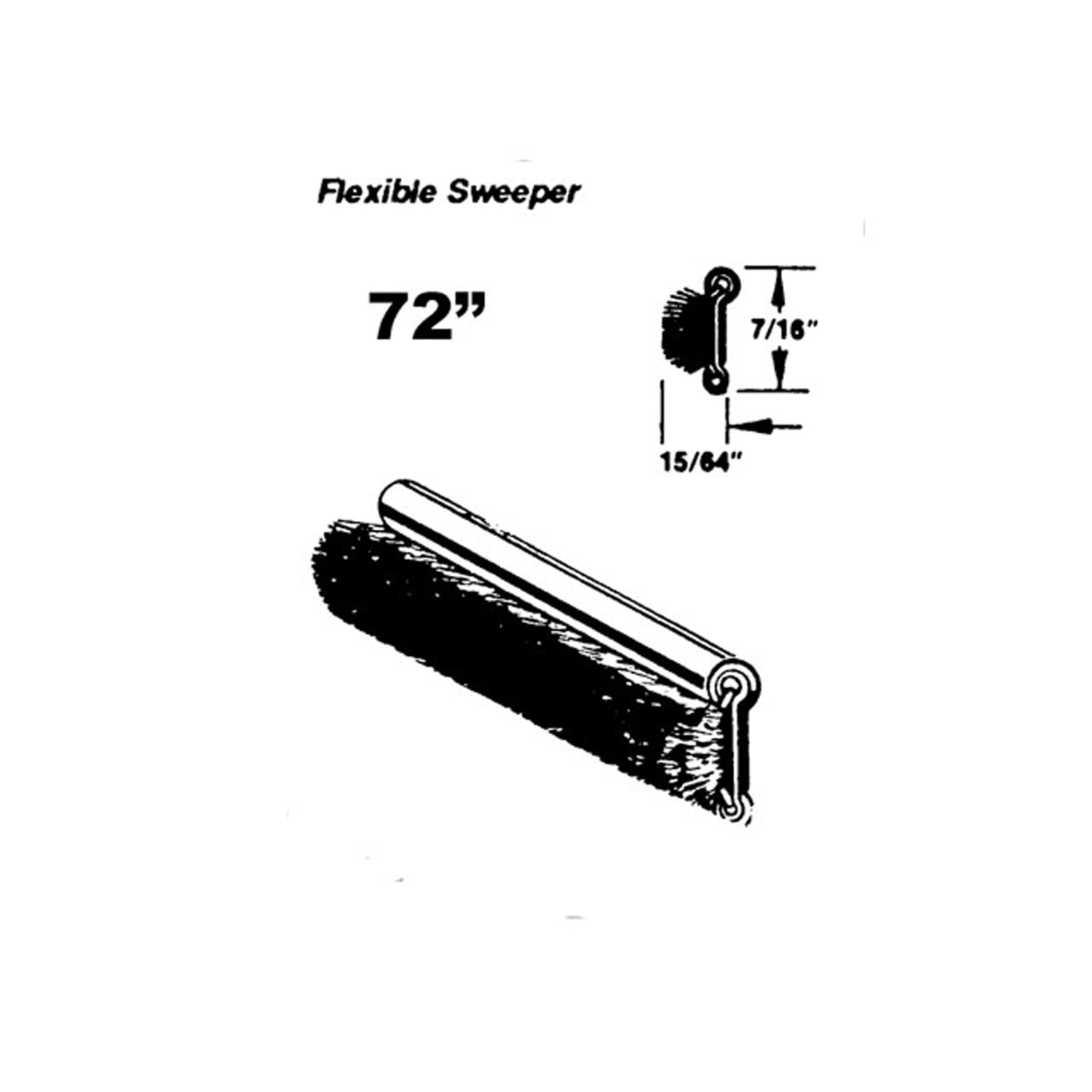 1951 Pontiac Chieftain Flexible sweeper. Made with stainless steel bead-WC 8-72Flexible sweeper. Made with stainless steel bead. Used on inner and outer beltlines. Also forms easily for use with sliding quarter windows. 72 in. long. Each. NOTE: $20 special shipping charge applies for domestic orders. Call or email for overseas shipping costs. Part can be sectioned into two equal lengths to reduce overseas shipping costs.
 1951 Pontiac Chieftain Fender Bolts. For use with Fender Bolt Washers; WF 3001-WF 3000Fender Bolts. For use with Fender Bolt Washers; WF 3001. Zinc Chromate plated, high strength. 1" X 5/16". Set of 25
 1951 Pontiac Chieftain Fender Bolt Washers. For use with Fender Bolts; WF 3000-WF 3001Fender Bolt Washers. For use with Fender Bolts; WF 3000. High quality, cadmium plated. 1-1/4" O.D., 3/8" I.D. Set of 25
 1951 Pontiac Chieftain Front Vent Window Seals For Convertibles. Pair-WR 7301Front Vent Window Seals For Convertibles. Pair
 1951 Pontiac Chieftain Front Vent Window Seals. Does not fit Convertible-WR 7305Front Vent Window Seals. Does not fit Convertible. Pair R&L
 1951 Pontiac Chieftain Front Suspension Bumper. 2" high. Each-XB 18Front Suspension Bumper. 2" high. Each
 1951 Pontiac Chieftain Front Suspension Bumper. 2-7/8" high. Each-XB 25Front Suspension Bumper. 2-7/8" high. Each
Why Choose Metro?
For over 100 years, Metro Moulded Parts has been the pinnacle of quality in classic car restoration parts. Our commitment to precision and authenticity in every component ensures a perfect fit and an OEM-level appearance.
- Expert Craftsmanship & Quality: Each part is a testament to our dedication to reliability and perfection, crafted from original designs and thoroughly tested.
- Advanced Technology: We use cutting-edge techniques to create flawless, long-lasting parts that surpass others in performance.
- SuperSoft Sponge – The Ultimate Door Seal: Not only are our door seals 30% softer than competitors', but they're also guaranteed to never leak. They effectively reduce wind and road noise, enhancing your classic car's comfort and driving experience.
- Proudly American: Our parts are a product of American craftsmanship, made in the USA with a spirit of excellence and heritage.
- Unrivaled Warranty: We back our products with a 30-year industry-leading warranty, a testament to our confidence in their quality.
Join us in preserving the legacy of classic cars with parts that are crafted for perfection, not just made.