

Image of 1952 Pontiac Chieftain, Note: These illustrations use artistic license and may differ from actual historical models.
Performance Metrics
Fundamental Metrics
Emotional Appeal
MMP Rating
| Engine Specifications | |
|---|---|
| Engine: | Straight-6, V8 |
| Displacement: | 239.2 cu in (3.9 L) for Straight-6, 268.4 cu in (4.4 L) for V8 |
| Horsepower: | 118 hp for Straight-6, 118-180 hp for V8 |
| Torque: | 214 lb-ft for Straight-6, 230-275 lb-ft for V8 |
| Compression Ratio: | 7.5:1 for both Straight-6 and V8 |
| Ignition System: | Distributor and coil |
| Cooling System: | Liquid-cooled |
| Performance Specifications | |
| 0-60 Time: | 15 seconds |
| 1/4 Mile Time: | 20 seconds |
| Top Speed: | 90 mph |
| Transmission and Drive | |
| Drive Type: | Rear-wheel drive |
| Transmission Type: | 3-speed manual, 4-speed Hydra-Matic automatic |
| Fuel and Efficiency | |
| Fuel System Type: | Carburetor |
| MPG: | 15-20 mpg |
| Dimensions and Brakes | |
| Brakes: | Drum brakes |
| Wheelbase: | 120 inches |
| Weight: | 3,500 lbs |
Note: Specifications for classic cars are given to the best of our ability, considering the limited and variant data available.
1952 Pontiac Chieftain: A Guide to Pontiac’s Postwar Classic
With its long, rounded body and bright “Silver Streak” hood trim, the 1952 Pontiac Chieftain brought prewar-style elegance into the changing world of postwar motoring. Built by Pontiac, a division of General Motors, it was a comfortable, full-size American car designed for families who wanted room, smooth cruising, and a touch of chrome-plated glamour.
The Chieftain name had arrived for 1949, when Pontiac introduced a thoroughly modern postwar body. By 1952, the model had become the marque’s main passenger-car line. This was also near the end of an era: Pontiac’s long-running straight-eight engine would soon give way to the brand’s first modern V8, introduced for 1955. The 1952 Chieftain is therefore a satisfying snapshot of Pontiac just before the company entered a new performance-minded chapter.
One detail that makes the car especially recognizable is the Silver Streak treatment, a series of bright strips running along the hood. It was more than decoration. The motif had become one of Pontiac’s strongest visual signatures, making the Chieftain easy to pick out in a crowded parking lot.
Silver Streak Style and Chieftain Comfort
The Chieftain’s styling is rounded and substantial without looking as upright as many prewar cars. Its integrated front fenders flow into the body, while a broad grille, prominent headlamps, and substantial chrome bumpers give the nose a confident presence. The Silver Streak strips draw the eye toward the windshield, and the gently curved roofline softens the car’s generous proportions. From the side, the long hood and cabin-forward profile make clear that this was built for comfortable travel, not compact-city maneuvering.
Inside, the Chieftain offered the broad bench seats and generous legroom expected of a full-size American car. Upholstery materials and trim varied by model and equipment, with cloth and vinyl combinations common. The dashboard used painted metal, chrome accents, and a clear instrument cluster. It feels straightforward by modern standards, but the details give it period character: a large steering wheel, simple controls, and plenty of room for passengers to settle in.
Available equipment could include a radio, heater, and other comfort options, depending on the car’s original specification. A radio or heater was not necessarily standard on every example, so buyers today should check what is actually fitted rather than assume a particular car left the factory with every accessory.
Factory paint choices varied by model and production run. Buyers could choose from solid colors and, on some versions, two-tone combinations. Period-appropriate blues, greens, reds, creams, and darker shades suit the car particularly well, although an individual car’s original color should be confirmed from its paint codes or documentation. Two-tone examples tend to emphasize the Chieftain’s flowing bodywork and are especially eye-catching at shows.
The range included two- and four-door sedans, the Catalina two-door hardtop, and a convertible, with availability and equipment depending on the specific series and market. The Catalina is a standout for its pillarless roofline, which creates a particularly open look with the windows down. The convertible is the glamour choice, while the four-door sedan is a practical and familiar expression of the Chieftain formula.
Engineering at the End of the Straight-Eight Era
Power came from either a 239-cubic-inch L-head inline-six or a 268-cubic-inch L-head straight-eight. Period specifications commonly put the six at about 100 horsepower and the eight at about 118 horsepower, though exact ratings can vary with configuration and source. A three-speed manual transmission was the conventional choice, while Hydra-Matic automatic transmission was available as an option.
The Chieftain was not a technology showcase in the modern sense. Its appeal was a combination of established engineering, comfortable packaging, and accessible operation. The automatic transmission was a significant convenience for the era, and the car’s independent front suspension helped deliver a more composed ride than older designs. Its mechanical simplicity also made routine service understandable to a well-equipped owner or local mechanic.
Historically, the Chieftain helped keep Pontiac firmly in the competitive middle of the American market. It offered more visual distinction than a plain transportation appliance, but it remained less extravagant than a top-of-the-line luxury car. The Silver Streak identity gave Pontiac a recognizable look, while the choice of six- or eight-cylinder power let buyers balance purchase cost and performance.
The 1952 model also belongs to a transitional period. Korean War-era material pressures affected the wider American auto industry, and manufacturers had less freedom to make dramatic changes than they would in the booming mid-1950s. The Chieftain carried forward a proven design rather than introducing an entirely new one. Its lasting appeal comes partly from that mix of prewar mechanical tradition and postwar American size and style.
How a 1952 Chieftain Drives
Performance depends on engine, transmission, condition, gearing, and the accuracy of the speedometer. As a broad period-car estimate, a healthy straight-eight Chieftain may reach roughly 85 to 90 mph, with a 0-to-60-mph time in the neighborhood of 17 to 20 seconds. Six-cylinder cars are generally slower. These are estimates rather than guaranteed factory figures, and a seventy-year-old car may perform quite differently depending on its restoration and mechanical health.
The Chieftain’s natural habitat is a relaxed two-lane cruise. Its engine works with a subdued, steady note rather than the sharp, high-revving sound of a modern car. The Hydra-Matic version adds an easy, flowing feel in traffic, while the manual-transmission car asks for more active gear changes. The steering is unassisted and relatively slow, and the large steering wheel provides leverage when maneuvering at low speeds.
On ordinary bumps, the suspension favors comfort. The car’s weight and soft setup take the edge off rough pavement, though worn shocks, tired bushings, or old tires can make a Chieftain feel floaty or unsettled. On a winding road, its size, period tires, and leisurely steering encourage a measured pace rather than quick direction changes. Crosswinds can be noticeable, and the drum brakes require more planning and pedal pressure than modern power-assisted disc brakes.
In other words, the best driving experience comes from accepting the car on its own terms. Leave extra following distance, avoid pushing it through corners, and enjoy the broad bench seat, smooth engine note, and unhurried ride.
Living with a Chieftain
Today, most 1952 Chieftains serve as show cars, weekend cruisers, parade vehicles, or occasional-use classics. A carefully maintained example can handle local errands and scenic drives, but regular high-speed commuting is not its strong suit. It lacks modern crash protection, and its braking, lighting, steering, and highway manners reflect the standards of its time.
Routine work is generally approachable for an owner with mechanical experience. The engine bay is not packed with modern electronics, and familiar jobs such as tune-ups, carburetor service, and basic ignition work can be handled with period knowledge and suitable tools. Six-volt electrical systems depend on clean connections and sound grounds, so slow cranking or dim lights may be caused by wiring and connections as much as by the battery itself.
Parts support is mixed in a predictable way. Many mechanical components are available through classic-car suppliers or specialist networks, but hard-to-find trim, correct interior pieces, glass, and model-specific body parts can take more searching. The straight-eight is a distinctive engine, but it is not as convenient to source parts for as a more common later small-block V8. Cars with Hydra-Matic transmissions may also benefit from a mechanic familiar with early automatics.
Before buying, inspect the body and frame carefully for rust, especially around floors, rocker panels, lower fenders, and trunk areas. Check that the engine stays cool, the transmission shifts correctly, and the brakes stop the car evenly. A shiny paint job can conceal expensive structural work, so a pre-purchase inspection by a classic-Pontiac specialist is money well spent.
Chieftain Facts and Common Complaints
The 1952 Chieftain is part of the last generation of Pontiacs powered by the brand’s traditional straight-eight. Pontiac’s new V8 arrived for 1955, making the earlier engines an important part of the company’s technical history. The Silver Streak hood trim is another defining feature, reflecting a styling theme Pontiac used for years to distinguish its cars.
There is no single famous racing record or universally celebrated historical event attached to the 1952 Chieftain. It was designed primarily as a road car, not a competition machine. Its significance is more everyday and cultural: it represents the kind of roomy, chrome-detailed American automobile that helped define postwar family travel.
Common criticisms are also familiar to anyone who knows a large early-1950s car. The Chieftain is heavy, not especially quick, and thirsty by modern standards. Its drum brakes and unassisted steering demand more effort than contemporary equipment, while the broad body can be awkward in tight spaces. Those trade-offs are part of the period experience, but they matter if you plan to use the car often.
Collector Values and Availability
Production is best treated as an estimate rather than a precise figure. Pontiac produced roughly 270,000 cars for 1952, and the Chieftain accounted for the model range that year. Exact totals by body style, engine, and transmission are harder to establish from commonly available references. That makes a broad production estimate more responsible than claiming a precise number for every configuration.
Chieftains are not exceptionally rare as a model, but condition and body style make a major difference in availability. Sedans are generally easier to find than convertibles, and a well-preserved car with original trim, sound metal, and documented history is much less common than a project car. Catalina hardtops and convertibles usually attract more attention from collectors than the practical four-door sedan.
As a broad 2026 U.S. market guide, a running project or rough driver might sell for about $8,000 to $18,000. A presentable, usable car could fall around $18,000 to $35,000, while a high-quality restoration or exceptional original example may bring roughly $35,000 to $55,000 or more. Convertibles can exceed that range, with strong examples potentially reaching $50,000 to $90,000 or higher depending on originality, restoration quality, and market interest. These are estimates, not appraisals, and regional prices can differ substantially.
Values have generally been steady to modestly stronger in nominal dollars for desirable, well-restored examples, while ordinary sedans and projects remain more price-sensitive. After inflation and restoration costs, many cars in this category have not been reliable financial investments. The best reason to buy one is the experience of owning and driving a distinctive Pontiac, not the expectation of a quick profit.
Why the 1952 Pontiac Chieftain Still Matters
The 1952 Pontiac Chieftain combines full-size comfort, distinctive Silver Streak styling, and traditional six- or straight-eight power in a package that captures a pivotal moment in American motoring. It is not a sports car, and it does not pretend to be one. Its strengths are presence, easygoing road manners, period character, and a design that still turns heads.
For collectors, it offers an appealing bridge between prewar engineering and the more powerful, V8-driven Pontiac era that followed. For everyone else, it is a reminder that a great classic does not need to be fast to make an impression. The Chieftain’s enduring charm is in the way it makes every mile feel like a proper occasion.
1952 Pontiac Chieftain Catalog of Parts
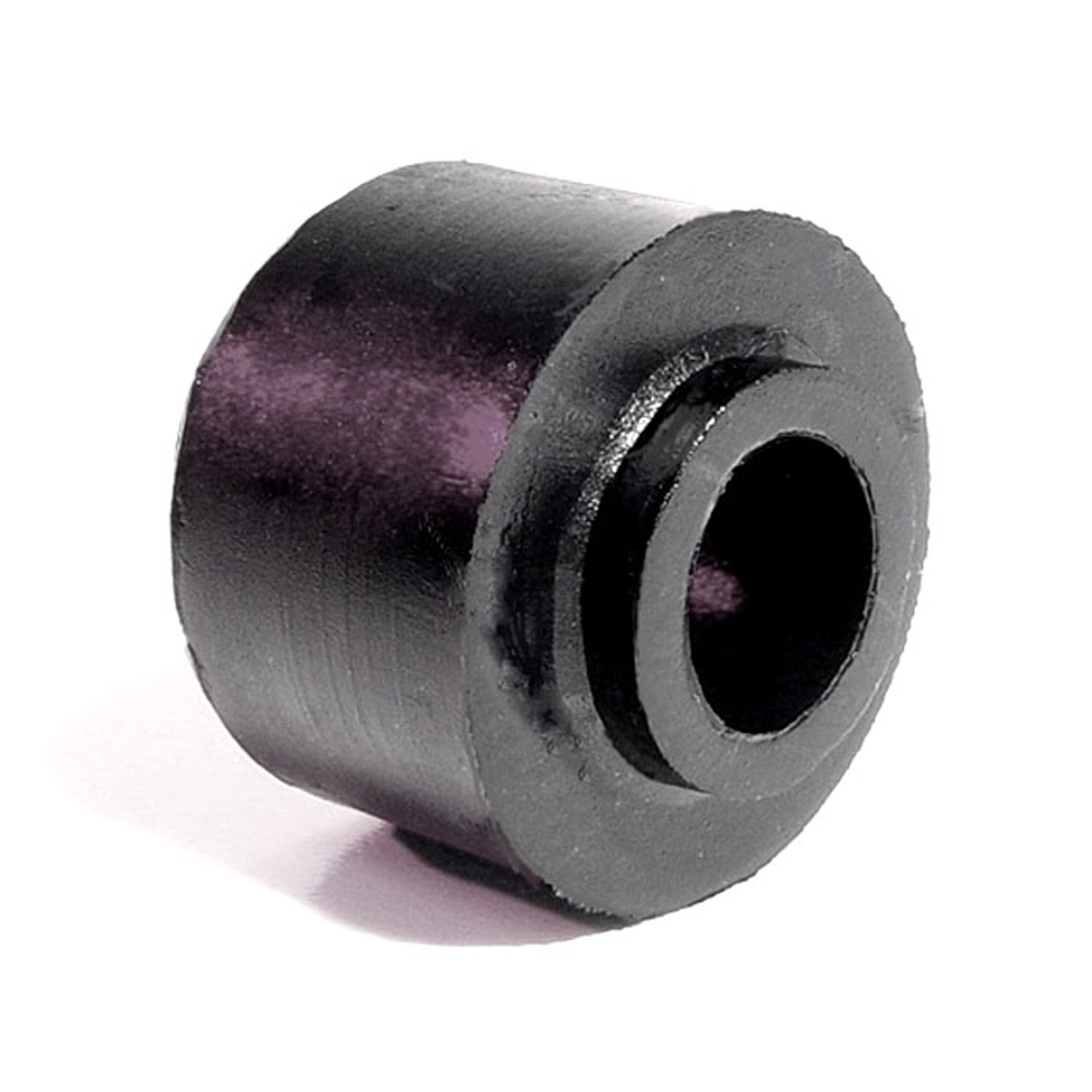 1952 Pontiac Chieftain Shock Absorber Grommet. 1" bottom O.D., 3/4" high-BN 1Shock Absorber Grommet. 1" bottom O.D., 3/4" high., with 7/16" I.D. Each
 1952 Pontiac Chieftain Clutch and Brake Pedal Pads. 2" wide X 3" long. Pair-CB 15Clutch and Brake Pedal Pads. 2" wide X 3" long. Pair
 1952 Pontiac Chieftain Cowl and Hood Seal. All rubber. 5' Piece. Each-CS 2Cowl and Hood Seal. All rubber. 5' Piece. Each
 1952 Pontiac Chieftain Door and Trunk Bumper. 1/2" O.D. X 1/2" high. Each-DB 35Door and Trunk Bumper. 1/2" O.D. X 1/2" high. Each
 1952 Pontiac Chieftain Door Side Bumper-DB 42Door Side Bumper. Each bumper has four screws and steel core like original. 1-5/8" high X 1-13/16" X 5/32" thick. Pair
 1952 Pontiac Chieftain Upper Door Hinge Post Bumper. Held by screw-DB 60-AUpper Door Hinge Post Bumper. Held by screw. 7/8" diameter X 1/8" thick. Each
 1952 Pontiac Chieftain Center Division Bar Seal and Retainer-DP 16Center Division Bar Seal and Retainer. Made to original specifications to accommodate chrome molding. 17-1/2" long. Each
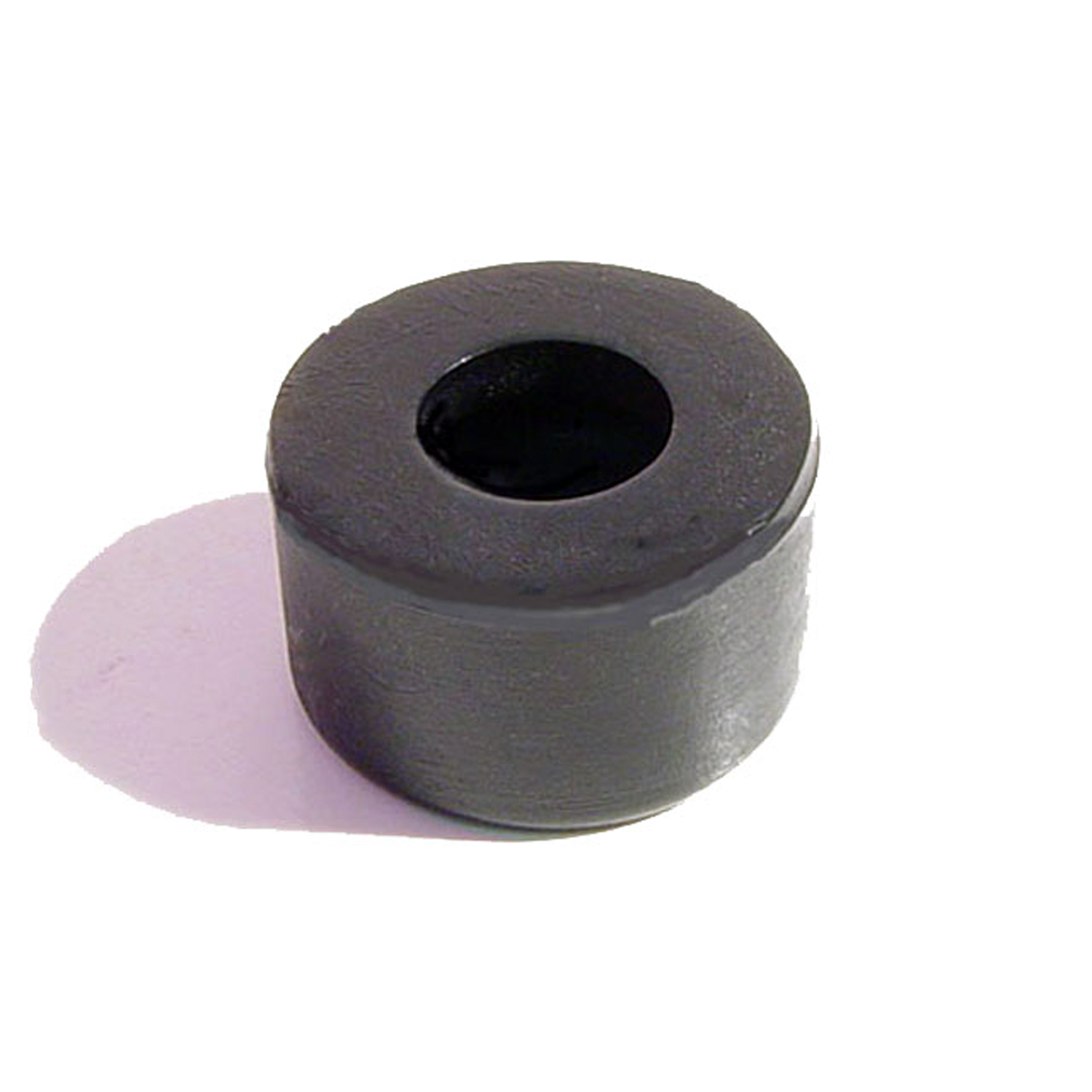 1952 Pontiac Chieftain Door, Hood and Trunk Bumper Cap for adjustment bolt-HA 5Door, Hood and Trunk Bumper Cap for adjustment bolt. 7/8" diameter X 7/16" thick. Each
 1952 Pontiac Chieftain Door and Hood Bumper. 1" diameter X 7/8" thick. Each-HF 16Door and Hood Bumper. 1" diameter X 7/8" thick. Each
 1952 Pontiac Chieftain Headlight Assembly Housing Pad. 8-3/8" O.D. Pair-HR 7Headlight Assembly Housing Pad. 8-3/8" O.D. Pair
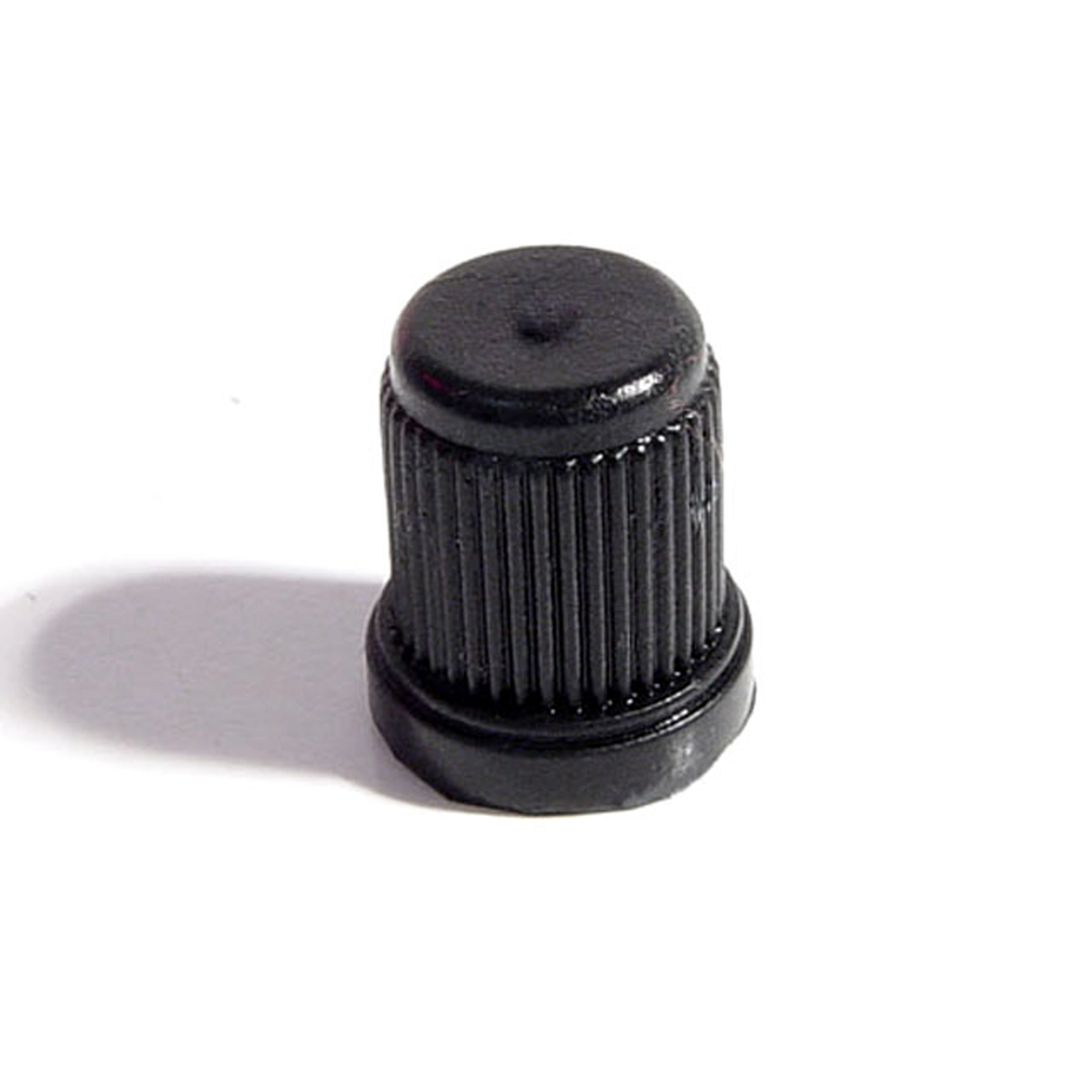 1952 Pontiac Chieftain Trip Meter Reset Knob. Made of black rubber-KN 10Trip Meter Reset Knob. Made of black rubber. Compare to measurements: 1/8" I.D., 7/16" O.D. X 1/2" tall. Each
 1952 Pontiac Chieftain Fender Skirt Seal. Sold by the foot-LP 111-CFender Skirt Seal. Sold by the foot
 1952 Pontiac Chieftain Fender Skirt Seal. Sold by the foot-LP 111-JFender Skirt Seal. Sold by the foot
 1952 Pontiac Chieftain HYDRAMATIC TRANSMISSION LIP SL-LS 1HYDRAMATIC TRANSMISSION LIP SL, CADILLAC OLDSMOBILE PONTIAC HUDSON NASH LINC KAISER '46-54, SET
 1952 Pontiac Chieftain Door Lock Knob. Made of Black rubber, self-threading-RP 304-ADoor Lock Knob. Made of Black rubber, self-threading. 1-3/8" tall with 1/8" lower I.D., 3/8" lower O.D. Each
 1952 Pontiac Chieftain Door Lock Knob. Made of Slate Blue rubber, self-threading-RP 304-CDoor Lock Knob. Made of Slate Blue rubber, self-threading. 1-3/8" tall with 1/8" lower I.D., 3/8" lower O.D. Each
 1952 Pontiac Chieftain Door Lock Knob. Made of Navy Blue rubber, self-threading-RP 304-DDoor Lock Knob. Made of Navy Blue rubber, self-threading. 1-3/8" tall with 1/8" lower I.D., 3/8" lower O.D. Each
 1952 Pontiac Chieftain Door Lock Knob. Made of Silver Blue rubber, self-threading-RP 304-EDoor Lock Knob. Made of Silver Blue rubber, self-threading. 1-3/8" tall with 1/8" lower I.D., 3/8" lower O.D. Each
 1952 Pontiac Chieftain Door Lock Knob. Made of Fawn colored rubber, self-threading-RP 304-FDoor Lock Knob. Made of Fawn colored rubber, self-threading. 1-3/8" tall with 1/8" lower I.D., 3/8" lower O.D. Each
 1952 Pontiac Chieftain Door Lock Knob. Made of Olive Green rubber, self-threading-RP 304-GDoor Lock Knob. Made of Olive Green rubber, self-threading. 1-3/8" tall with 1/8" lower I.D., 3/8" lower O.D. Each
 1952 Pontiac Chieftain Door Lock Knob. Made of Yellow rubber, self-threading-RP 304-HDoor Lock Knob. Made of Yellow rubber, self-threading. 1-3/8" tall with 1/8" lower I.D., 3/8" lower O.D. Each
 1952 Pontiac Chieftain Door Lock Knob. Made of White rubber, self-threading-RP 304-IDoor Lock Knob. Made of White rubber, self-threading. 1-3/8" tall with 1/8" lower I.D., 3/8" lower O.D. Each
 1952 Pontiac Chieftain Door Lock Knob. Made of Silver rubber, self-threading-RP 304-JDoor Lock Knob. Made of Silver rubber, self-threading. 1-3/8" tall with 1/8" lower I.D., 3/8" lower O.D. Each
 1952 Pontiac Chieftain Door Lock Knob. Made of Medium Brown rubber, self-threading-RP 304-KDoor Lock Knob. Made of Medium Brown rubber, self-threading. 1-3/8" tall with 1/8" lower I.D., 3/8" lower O.D. Each
 1952 Pontiac Chieftain Door Lock Knob. Made of Wedgwood rubber, self-threading-RP 304-LDoor Lock Knob. Made of Wedgwood rubber, self-threading. 1-3/8" tall with 1/8" lower I.D., 3/8" lower O.D. Each
 1952 Pontiac Chieftain Door Lock Knob. Made of Teal Green rubber, self-threading-RP 304-MDoor Lock Knob. Made of Teal Green rubber, self-threading. 1-3/8" tall with 1/8" lower I.D., 3/8" lower O.D. Each
 1952 Pontiac Chieftain Door Lock Knob. Made of Moss Green rubber, self-threading-RP 304-NDoor Lock Knob. Made of Moss Green rubber, self-threading. 1-3/8" tall with 1/8" lower I.D., 3/8" lower O.D. Each
 1952 Pontiac Chieftain Door Lock Knob. Made of Ember glow rubber, self-threading-RP 304-ODoor Lock Knob. Made of Ember glow rubber, self-threading. 1-3/8" tall with 1/8" lower I.D., 3/8" lower O.D. Each
 1952 Pontiac Chieftain Hydro-Electric Power Unit Mounting Cushion-RP 700Hydro-Electric Power Unit Mounting Cushion. Two to three used per car. 1" O.D. X 3/4" high rubber with 1/4 x 20 x 3/4" Studs. Replaces OEM #4149788. Each
 1952 Pontiac Chieftain Roof Rail Seals, for Hardtop. 2-30" Pieces. Pair-RR 107-BRoof Rail Seals, for Hardtop. 2-30" Pieces. Pair
 1952 Pontiac Chieftain Fuel Door Bumper. Held by screw. 1/2" X 1/2" X 1/4"-SB 65Fuel Door Bumper. Held by screw. 1/2" X 1/2" X 1/4". Pair
 1952 Pontiac Chieftain Side Window Bumper-SB 98Side Window Bumper. For side window glass in vent frame at top of window. Made with steel core like original. Replaces OEM #4180904-5. Pair R&L
 1952 Pontiac Chieftain Speedometer Cable / Utility Grommet-SM 2Speedometer Cable / Utility Grommet. Fits 3/4" to 13/16" hole. 3/16" center hole. Each
 1952 Pontiac Chieftain Wire Harness Grommet. Each-SM 3Wire Harness Grommet. Each
 1952 Pontiac Chieftain Special Purpose Grommet-SM 4Special Purpose Grommet. For firewall, fuel gauge wire, horn wire, hood latch cable and fresh air cable. Fits 1/2" hole. 1/8" center hole. Each
 1952 Pontiac Chieftain Hole Plug and Cowl Bumper. Fits 1/2" hole. Each-SM 52Hole Plug and Cowl Bumper. Fits 1/2" hole. Each
 1952 Pontiac Chieftain Headlight Wire Grommet-SM 57Headlight Wire Grommet. Used with square clip (not included). Fits 7/8" hole. 7/16" center hole. Each
 1952 Pontiac Chieftain Master Cylinder Rod Dust Boot. Each-SM 65-EMaster Cylinder Rod Dust Boot. Each
 1952 Pontiac Chieftain Firewall and Utility Grommet. Fits 3/4" hole. 3/16" I.D-SM 8Firewall and Utility Grommet. Fits 3/4" hole. 3/16" I.D. Each
 1952 Pontiac Chieftain Trunk Seal. 16 Feet overall length. Each-TK 50/52-8Trunk Seal. 16 Feet overall length. Each
 1952 Pontiac Chieftain Trunk Seal. Each-TK 56-18Trunk Seal. Each
 1952 Pontiac Chieftain Vertical Seal for Vent Window. Each is 17" long. Pair-VS 2Vertical Seal for Vent Window. Each is 17" long. Pair
 1952 Pontiac Chieftain Vulcanized Windshield Seal, for Hardtops and Convertibles-VWS 7307Vulcanized Windshield Seal, for Hardtops and Convertibles. All models w/body style #2537 and 67 with reveal molding and division bar. Includes molded-in division bar. Each
 1952 Pontiac Chieftain Vulcanized Windshield Seal-VWS 7309Vulcanized Windshield Seal. For models with body style 32511, 69 and 71 with reveal molding and division bar. Includes molded-in division bar. Each
 1952 Pontiac Chieftain Flexible glass-run channel-WC 11-72Flexible glass-run channel. Mohair lined, cloth covered with stainless steel bead. Used on side windows. 72 in. long. Each. NOTE: $20 special shipping charge applies for domestic orders. Call or email for overseas shipping costs. Part can be sectioned in two equal lengths to reduce overseas shipping costs.
 1952 Pontiac Chieftain Rigid division-bar channel. Made with Zinc-plated bead-WC 1-72Rigid division-bar channel. Made with Zinc-plated bead. Used on lower side windows. 72 in. long. Each. NOTE: $20 special shipping charge applies for domestic orders. Call or email for overseas shipping costs. Part can be sectioned into two equal lengths to reduce overseas shipping costs.
 1952 Pontiac Chieftain Rigid division-bar channel. Made with Zinc-plated bead-WC 1-96Rigid division-bar channel. Made with Zinc-plated bead. Used on lower side windows. 96 in. long. Each. NOTE: $20 special shipping charge applies for domestic orders. Call or email for overseas shipping costs. Part can be sectioned in two or three equal lengths to reduce overseas shipping costs.
 1952 Pontiac Chieftain Rigid division-bar channel. Made with stainless steel bead-WC 2-72Rigid division-bar channel. Made with stainless steel bead. 72 in. long. Each. NOTE: $20 special shipping charge applies for domestic orders. Call or email for overseas shipping costs. Part can be sectioned into two equal lengths to reduce overseas shipping costs.
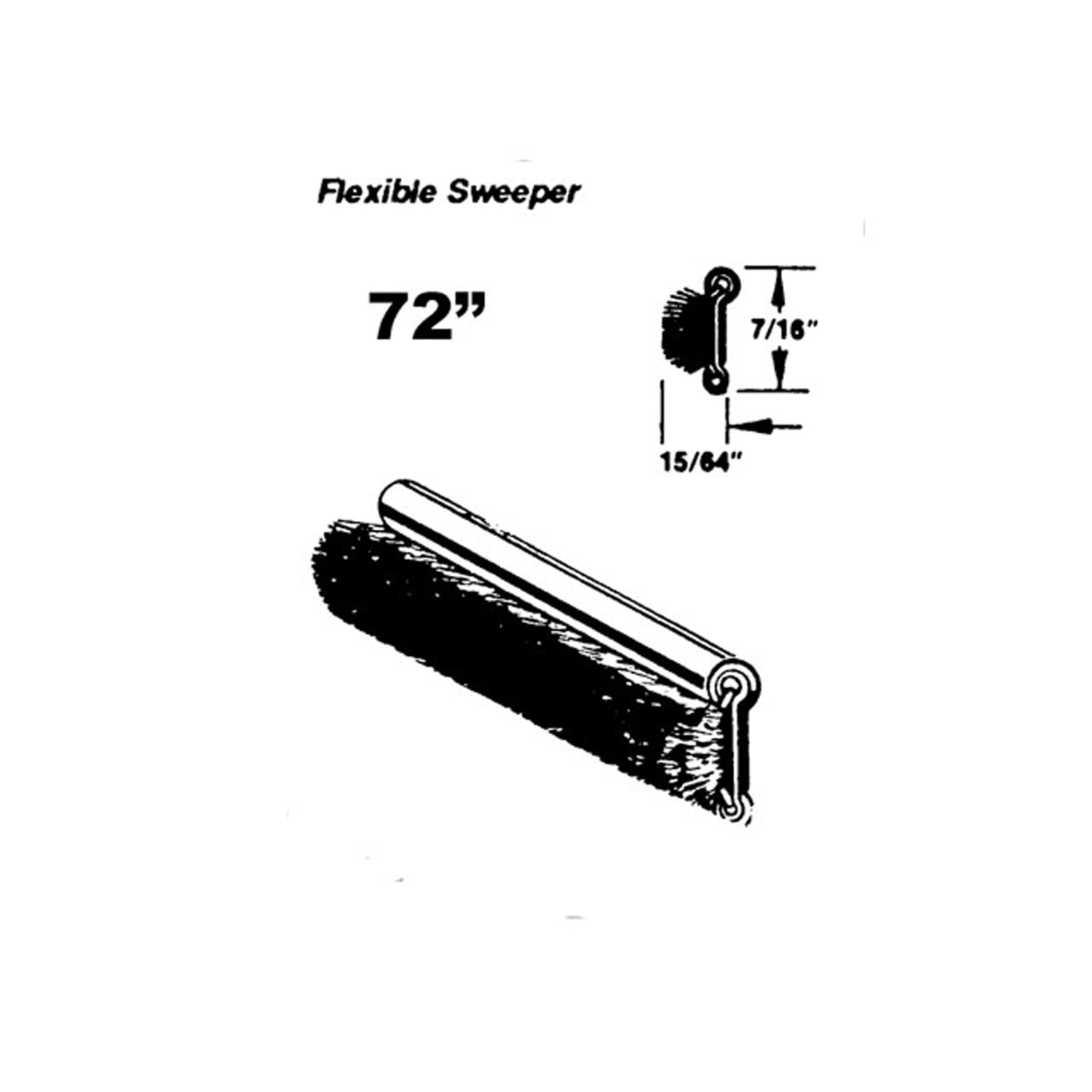 1952 Pontiac Chieftain Flexible sweeper. Made with stainless steel bead-WC 8-72Flexible sweeper. Made with stainless steel bead. Used on inner and outer beltlines. Also forms easily for use with sliding quarter windows. 72 in. long. Each. NOTE: $20 special shipping charge applies for domestic orders. Call or email for overseas shipping costs. Part can be sectioned into two equal lengths to reduce overseas shipping costs.
 1952 Pontiac Chieftain Fender Bolts. For use with Fender Bolt Washers; WF 3001-WF 3000Fender Bolts. For use with Fender Bolt Washers; WF 3001. Zinc Chromate plated, high strength. 1" X 5/16". Set of 25
 1952 Pontiac Chieftain Fender Bolt Washers. For use with Fender Bolts; WF 3000-WF 3001Fender Bolt Washers. For use with Fender Bolts; WF 3000. High quality, cadmium plated. 1-1/4" O.D., 3/8" I.D. Set of 25
 1952 Pontiac Chieftain Front Vent Window Seals For Convertibles. Pair-WR 7301Front Vent Window Seals For Convertibles. Pair
 1952 Pontiac Chieftain Front Vent Window Seals. Does not fit Convertible-WR 7305Front Vent Window Seals. Does not fit Convertible. Pair R&L
 1952 Pontiac Chieftain Front Suspension Bumper. 2" high. Each-XB 18Front Suspension Bumper. 2" high. Each
 1952 Pontiac Chieftain Front Suspension Bumper. 2-7/8" high. Each-XB 25Front Suspension Bumper. 2-7/8" high. Each
Why Choose Metro?
For over 100 years, Metro Moulded Parts has been the pinnacle of quality in classic car restoration parts. Our commitment to precision and authenticity in every component ensures a perfect fit and an OEM-level appearance.
- Expert Craftsmanship & Quality: Each part is a testament to our dedication to reliability and perfection, crafted from original designs and thoroughly tested.
- Advanced Technology: We use cutting-edge techniques to create flawless, long-lasting parts that surpass others in performance.
- SuperSoft Sponge – The Ultimate Door Seal: Not only are our door seals 30% softer than competitors', but they're also guaranteed to never leak. They effectively reduce wind and road noise, enhancing your classic car's comfort and driving experience.
- Proudly American: Our parts are a product of American craftsmanship, made in the USA with a spirit of excellence and heritage.
- Unrivaled Warranty: We back our products with a 30-year industry-leading warranty, a testament to our confidence in their quality.
Join us in preserving the legacy of classic cars with parts that are crafted for perfection, not just made.